
Tokaj Oremus
Tolcsva
Winery in Tolcsva, Hungary
 Book with Pearl
The Read
Volcanic-Terroir Aszú Precision
Price
$20–30tasting
Why go
Tokaj Oremus is a strong choice for wine travellers who want a serious Tokaj stop in Tolcsva rather than a casual tasting-room visit. Prioritise it for Aszú and Furmint context, especially if a private or upgraded tasting is available; casual groups may be happier with a more flexible nearby winery.
About Tokaj Oremus
Tokaj Oremus is a premium venue in Tolcsva with a smart casual dress code and Pearl 3 Star Prestige recognition for 2025. Beyond those points, practical details such as visit format, offerings, opening hours, prices, and booking requirements should be confirmed directly before planning around it.
Use Tokaj Oremus as a carefully checked stop in a Tolcsva itinerary rather than assuming a particular experience in advance. If your plans depend on a specific service, accessibility, or timing, verify those details with the venue before you go.
Book this for Tokaj Oremus specifically, with details confirmed in advance
For a broader plan, compare Tokaj Oremus with Béres Winery, Crocus Winery, Grand Tokaj, Harsányi Winery, and Samuel Tinon Winery. Other dining and hospitality options in Tolcsva can be considered generically, but specific arrangements should be checked venue by venue.
How to place it within a wider Hungary itinerary
Tokaj Oremus is best treated as a Tolcsva stop whose practical details need confirmation before arrival. If your route includes other regional names, Béres Winery, Crocus Winery, Grand Tokaj, Harsányi Winery, and Samuel Tinon Winery are natural comparison points, but do not assume they share the same location, format, schedule, or visitor experience.
If the trip is wider than Tolcsva, keep the planning simple: confirm the details for each venue directly, allow enough time between stops, and avoid relying on claims about services, prices, menus, purchasing options, or visitor access.
Quick reference: Tokaj Oremus is a Tolcsva venue with smart casual dress code and Pearl 3 Star Prestige recognition for 2025; confirm all operational details before visiting.
Planning details
- Location
- Tolcsva, Arany János u. hrsz. 31/3, 3934
- Website
- oremustokaj.com
- Phone
- +36 20 251 2240
The take
The Take
The Vibe
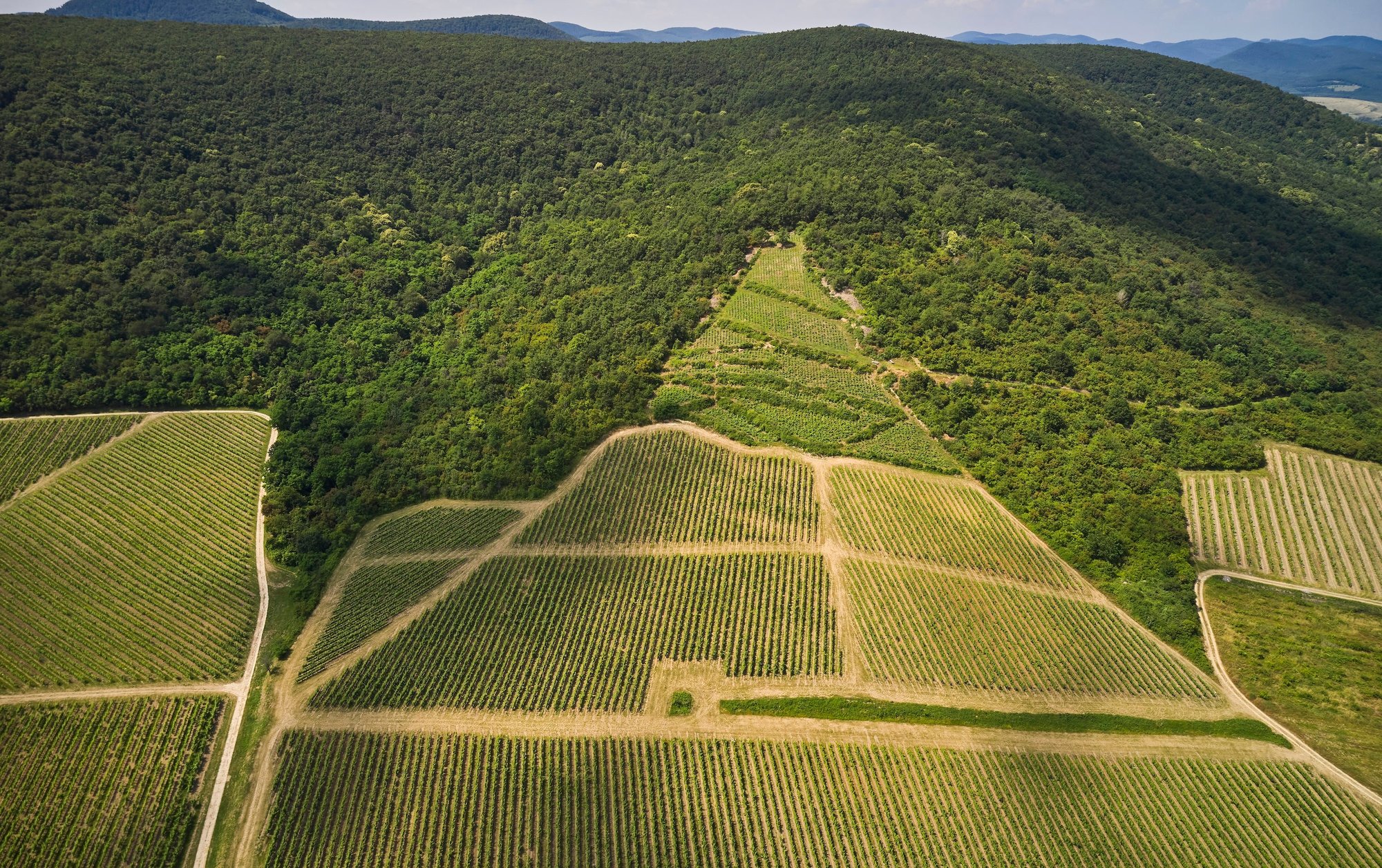
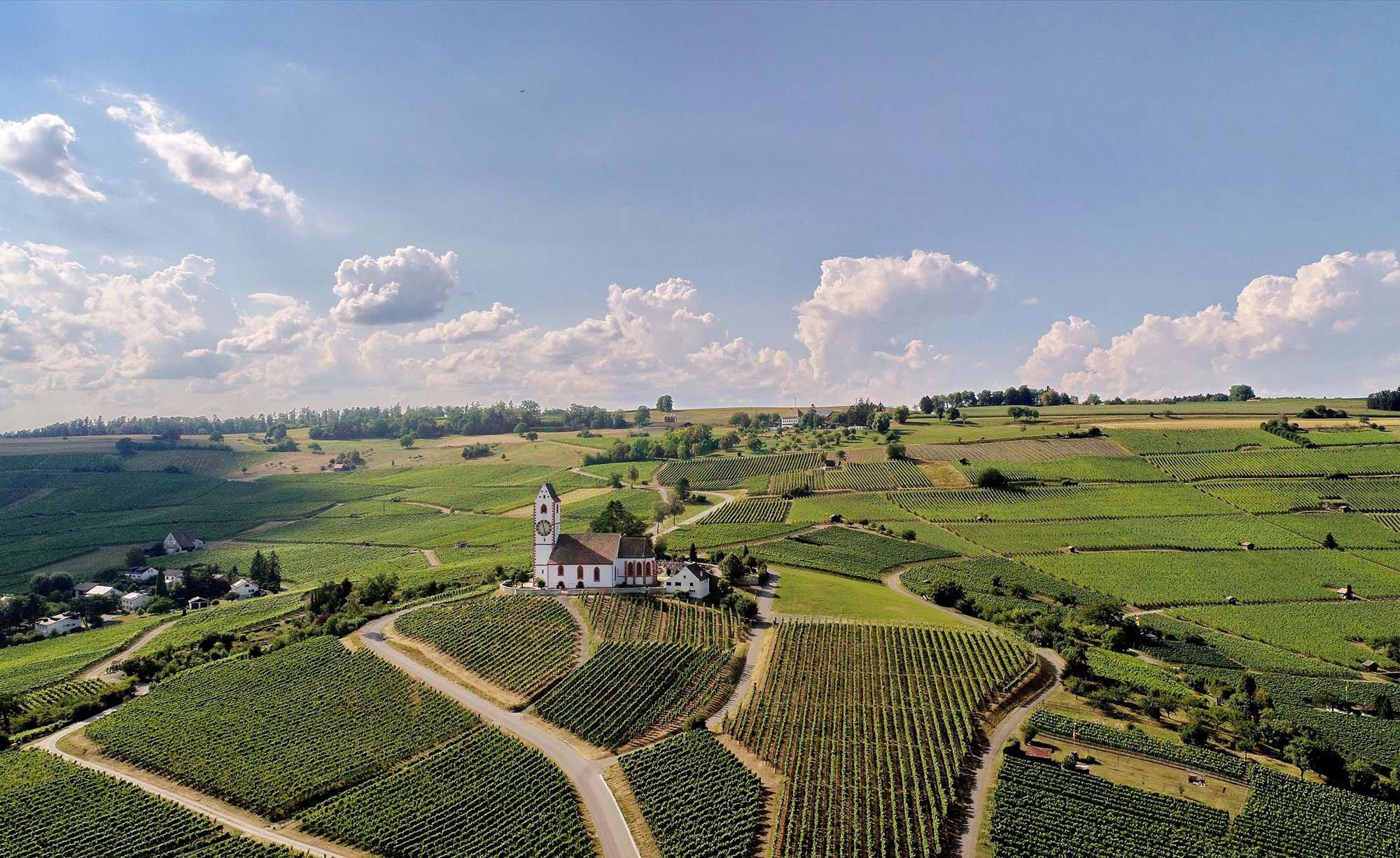
Tokaj Oremus reads like a quietly authoritative estate: the text frames it as an institution whose reputation is measured in centuries rather than vintages. The writing foregrounds geology and tradition—rhyolite tuff, andesite and nyirok clay—and the sense is of a cultivated, composed place where terroir is the leading character. The estate’s Pearl 3 Star Prestige rating underscores a formal seriousness, while its location off the main touristic circuit gives visits a low-key, contemplative quality. The overall impression is of a classic, sophisticated winery that rewards attention rather than spectacle.
Best For
This estate is best for anyone focused on serious study of Tokaj wines and regional tradition. The copy positions Oremus as a starting point for engagement with Tokaj-Hegyalja, emphasizing Furmint, Aszú and the technical specificity of local production rules. That makes the property an ideal stop for educational tastings, collectors researching botrytized sweet wines, and small groups seeking a measured, historically grounded tasting experience. The tone and prestige rating also make it a fitting choice for thoughtful special occasions that center on wine rather than entertainment.
Tasting Tips
When approaching an Oremus tasting, center your tasting on Furmint and the estate’s botrytized expressions: ask for explanations of the Aszú and Szamorodni processes and look for wines that demonstrate the mineral tension described in the notes. Prioritize older vintages and any labeled Aszú lots to experience the region’s continuity and ageworthiness. Use the technical language in the description—soil types, botrytis, hand harvests—as prompts for questions of provenance and vinification; the estate’s emphasis on terroir and institutional reputation rewards focused, inquisitive tasting.
Venue details
Ambiance
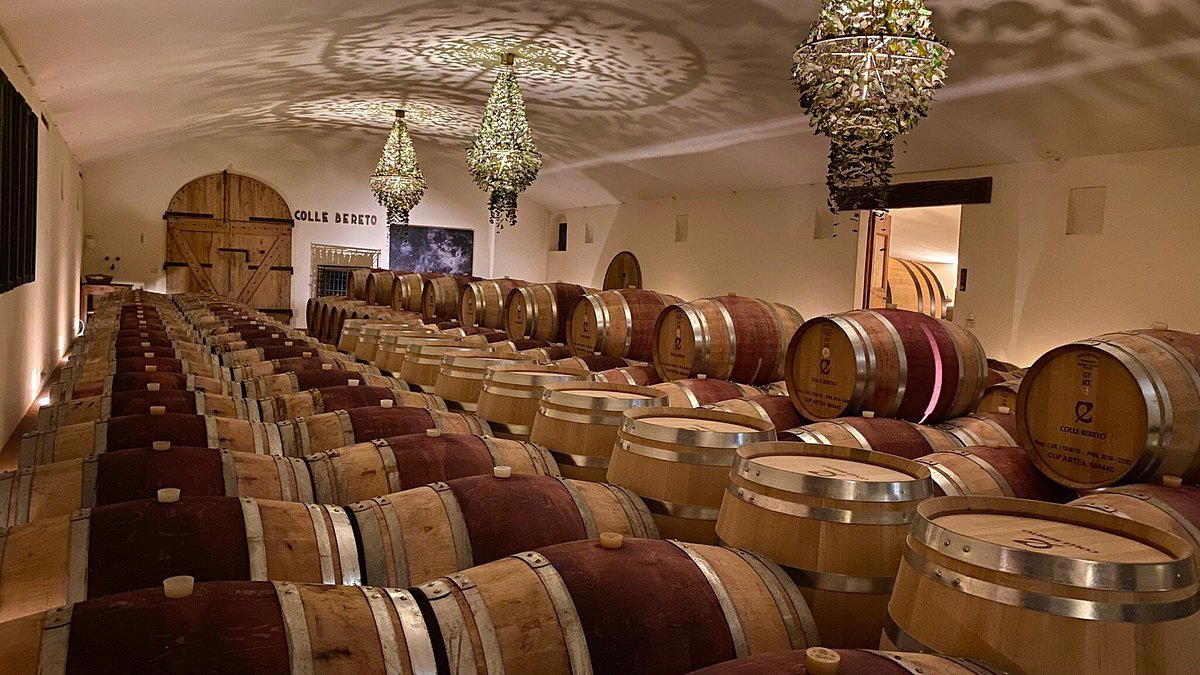
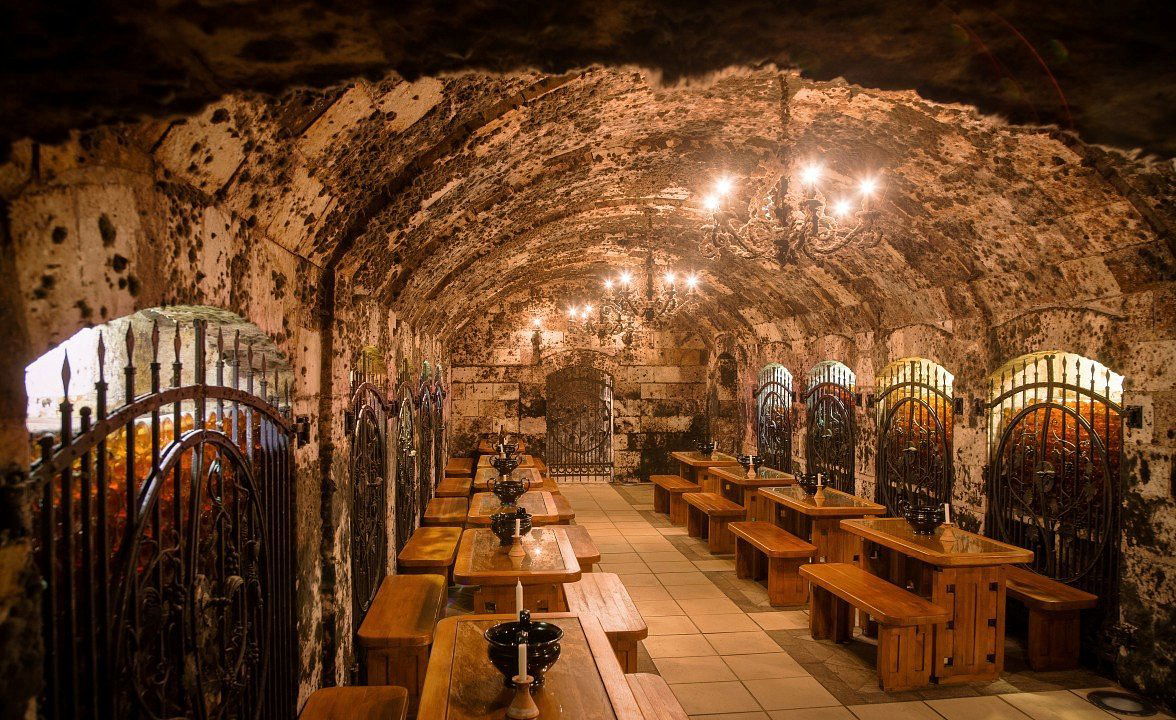
Timeless, tranquil semi-dark underground cellars with faint light, silence, and a mystical atmosphere enhanced by black mold on walls, evoking reverence and whispers.
Tags
Vibe
Best For
Experience
View
At the Vineyard
- Appellation
- Tokaj
- Varietals
- Furmint, Hárslevelű
- Tour Duration
- 90 minutes
- Tour Languages
- English, Hungarian
- Visits
- By appointment only
- Wine Styles
- Still White, Dessert, Fortified
- Wine Club
- Not available
Know before you go
Know Before You Go
- Getting there
- Tolcsva, Arany János u. hrsz. 31/3, 3934
Planning details
Location
Recognition and awards

Also consider
Where to Go If This Is Full
Grand Tokaj is the first backup in Tolcsva for travellers who want to stay local and keep the day focused on Tokaj. It is the cleaner substitute if the group wants a regional overview rather than holding out for a more specialised appointment.
Béres Winery is the better second choice if the itinerary can stretch beyond Tolcsva and the goal is a broader wine-country day. Pick it when flexibility matters more than staying tightly anchored to one village.
Winery context
How It Compares
Choose Tokaj Oremus when the priority is a deeper Tokaj reference point and the group is willing to plan around access. Grand Tokaj is the more obvious cross-shop in Tolcsva for travellers who want a broader, easier regional overview, while Tokaj Oremus is the better fit for a narrower, more cellar-led experience.
Crocus Winery and Samuel Tinon Winery make more sense if the itinerary already stretches beyond Tolcsva and the goal is to compare producer styles across the region. For a single Tolcsva-focused day, Tokaj Oremus plus Grand Tokaj is a cleaner plan than trying to stack too many appointments.
Béres Winery and Harsányi Winery are better alternatives for travellers prioritising a broader wine-country circuit over one tightly focused stop. If booking certainty matters more than prestige and cellar context, start with the easier-to-plan peer; if the trip is built around Tokaj's classic wine identity, keep Tokaj Oremus high on the list.
Explore Tolcsva
Around this place
Discover more on Pearl
Unlock the full Tokaj Oremus guide in Pearl, including awards, comparisons, FAQs, planning details, and nearby places.
Compare Tokaj Oremus
| Venue | Location | Awards |
|---|---|---|
| Tokaj Oremus | Tolcsva | 2026 Falstaff Winery Guide |
| Crocus Winery | Tokaj | No published awards |
| Grand Tokaj | Tolcsva | No published awards |
| Samuel Tinon Winery | Olaszliszka | No published awards |
| Béres Winery | Erdőbénye | No published awards |
| Harsányi Winery | Sárospatak | No published awards |
How Tokaj Oremus Tolcsva compares with similar nearby venues.
FAQ
Frequently Asked Questions
What is confirmed about Tokaj Oremus?
The record confirms Tokaj Oremus is in Tolcsva, has a smart casual dress code, and holds Pearl 3 Star Prestige recognition for 2025. Other practical details should be checked directly with the venue.
When is the best time to visit Tokaj Oremus?
For a venue with Pearl 3 Star Prestige recognition for 2025, the practical move is to confirm timing directly before building a Tolcsva itinerary around the visit.
What other venues can I compare with Tokaj Oremus?
Useful comparison names include Crocus Winery, Grand Tokaj, Samuel Tinon Winery, Béres Winery, and Harsányi Winery. Confirm each venue's location and practical details directly before using them to plan a route.
How long should I plan for a visit to Tokaj Oremus?
Plan only after checking directly with Tokaj Oremus, especially if you are coordinating multiple stops in Tolcsva or nearby areas.