

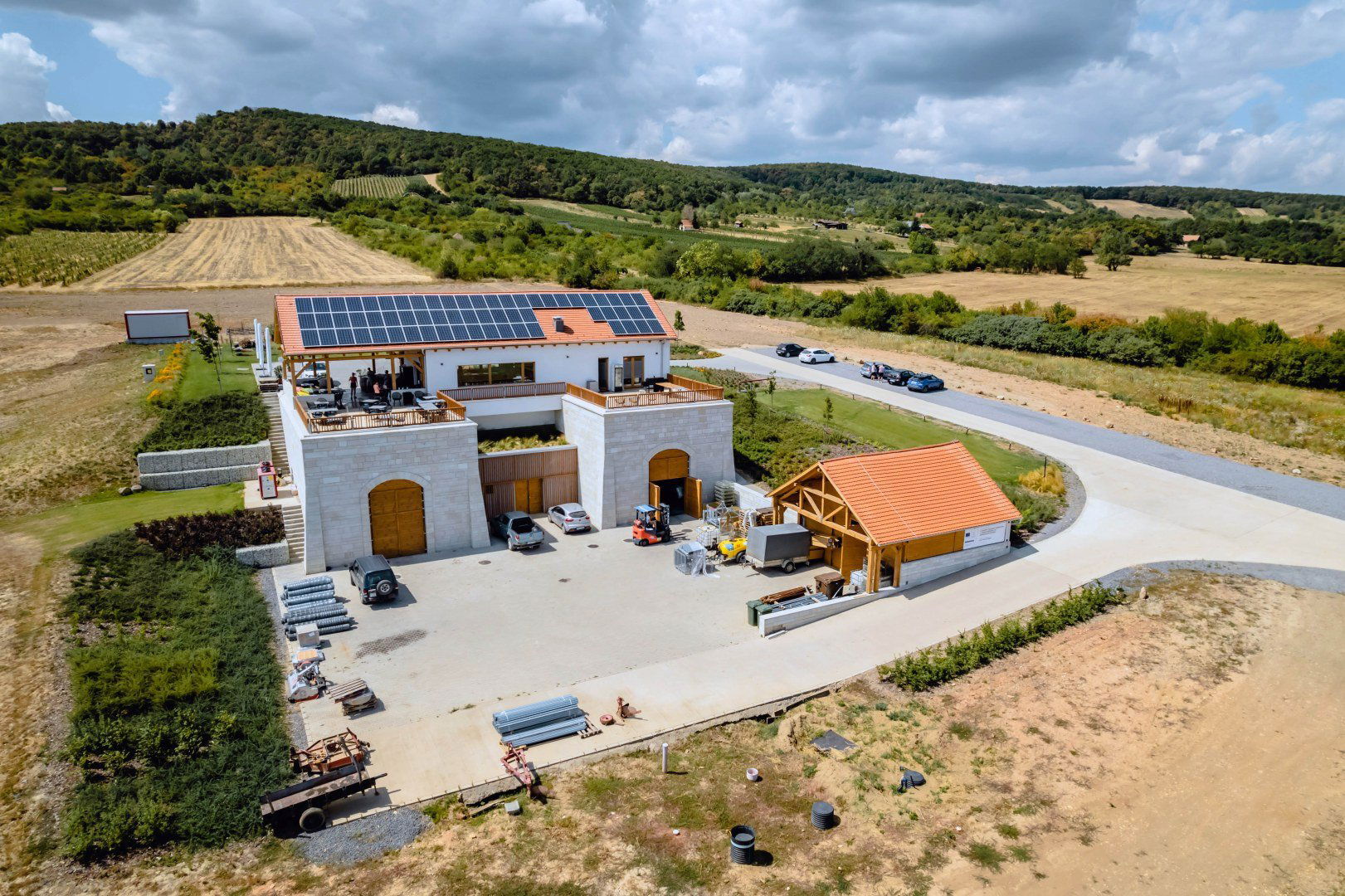
Harsányi Winery
Sárospatak
Winery in Sárospatak, Hungary
 Book with Pearl
The Read
Northern Tokaj Terroir Precision
Why go
Harsányi Winery is worth considering if Sárospatak is already part of the trip and the group wants a focused winery stop rather than a heavily packaged tasting. It suits wine travelers who are comfortable confirming details in advance; for clearer published structure, compare it with larger Tokaj-area peers before committing.
About Harsányi Winery
Harsányi Winery is a winery in Sárospatak with a casual dress code and Pearl 2 Star Prestige recognition for 2025. It is best approached as a Sárospatak wine stop whose practical arrangements should be checked directly before visiting.
Avoid building plans around assumptions about tasting format, menu, pricing, hours, or visitor program. Treat Harsányi Winery as a candidate for travelers already focusing on Sárospatak, then confirm the details that matter to your group before committing.
Use this as a focused Sárospatak wine stop, not the whole itinerary
The strongest way to consider Harsányi Winery is as one part of a wider Sárospatak plan. Pair it with other confirmed food, lodging, and activity arrangements rather than treating the winery as the only fixed point of the day. For planning around the town, use Our full Sárospatak wineries guide, then build the rest of the day with Our full Sárospatak restaurants guide, Our full Sárospatak hotels guide, Our full Sárospatak bars guide, and Our full Sárospatak experiences guide.
Harsányi Winery has recognized standing and a casual dress code, but the visit details should not be assumed from that alone. If your group needs a specific structure, price, food option, or schedule, check those points directly before going.
Who should book, and who should cross-shop
Consider Harsányi Winery if the trip is already centered on Sárospatak and you are comfortable confirming practical details in advance. Cross-shop if the group needs published inclusions, confirmed food service, specific timing, or a clearly defined visitor format before making plans.
For a broader wine route, compare Harsányi Winery with other wine names such as Béres Winery, Crocus Winery, Grand Tokaj, Samuel Tinon Winery, and Tokaj Oremus. Keep the comparison practical: choose based on confirmed access, timing, and the kind of visit each producer can actually offer.
The practical verdict: choose Harsányi Winery when Sárospatak matters to the itinerary and the group is comfortable checking details before visiting. If the trip depends on guaranteed structure, published inclusions, or a highly predictable program, confirm those requirements first or build the day around another option with more visible visitor information.
Planning details
- Location
- Sárospatak, Sárospatak 37, 3950
- Website
- harsanyipinceszet.hu
- Phone
- +36 30 183 9253
The take
The Take
The Vibe
Harsányi Winery sits on the northern edge of Tokaj, where a quieter, working‑town rhythm shapes visits. The prose emphasizes terroir — rhyolite tuff, zeolite and volcanic soils — and frames the place as measured and restrained rather than overtly touristic. The surrounding UNESCO‑listed landscape and Tokaj’s centuries‑old reputation for aszú lend a historic underpinning, while the region’s pronounced day‑night temperature swings suggest wines built for structure and tension. Expect an unflashy, terroir‑driven atmosphere: thoughtful rather than theatrical, with a focus on vineyard expression and the long histories embedded in the land.
Best For
Harsányi is best for people seeking deeper wine education, solo exploration and small group outings that favor learning over spectacle. The northern Tokaj setting attracts visitors who deliberately come to study site differences and the region’s mineral-driven styles rather than casual passersby. It suits those who appreciate structured dry Furmint and Hárslevelű alongside Tokaj’s historic aszú tradition, and who prefer quieter, contemplative tastings that foreground soil, vintage and harvest timing. This is a place to linger over technical detail and terroir narratives rather than rush through a lineup.
Tasting Tips
When exploring wines from Harsányi and northern Tokaj, prioritize dry Furmint and Hárslevelű to appreciate the region’s mineral tension and bright acidity; these varieties are singled out in the description for their texture and structure. Don’t miss any available aszú or late‑harvest bottlings if you want to experience Tokaj’s historic sweet style. Ask about vineyard sites, harvest timing and the influence of the local rhyolite and clay soils — the write‑up highlights those elements as central to what makes the wines distinctive.
Venue details
Ambiance
Nestled in a natural amphitheatre of hills with breathtaking views from the rooftop restaurant, offering a serene and historic wine country atmosphere.
Tags
Vibe
Best For
Experience
Sourcing
View
At the Vineyard
- Appellation
- Tokaj
- Varietals
- Furmint, Hárslevelű, Muscat Lunel
- Visits
- By reservation
- Farming
- Organic
- Production
- Small producer
- Wine Styles
- Still White, Still Red, Sparkling, Dessert
- Food Pairing
- Offered
- Wine Club
- Not available
Know before you go
Know Before You Go
- Getting there
- Sárospatak, Sárospatak 37, 3950
Planning details
Location
Also consider
Also Consider
- Crocus Winery, Notable alternative
- Tokaj Oremus, Notable alternative
- Grand Tokaj, Notable alternative
- Samuel Tinon Winery, Notable alternative
- Béres Winery, Notable alternative
Winery context
How it compares in the Tokaj-area winery set
Choose Harsányi Winery if the priority is a Sárospatak-based stop with a more local, flexible feel. Tokaj Oremus and Grand Tokaj are better cross-shops for travelers who want a more established visitor framework and a safer choice for mixed groups. Harsányi is the more itinerary-specific call; the larger names are easier to justify when predictability matters.
Crocus Winery and Samuel Tinon Winery are stronger comparisons for visitors who care about producer identity and a more intimate wine-country feel. If the decision is value for time, Harsányi makes sense when the group is already nearby; if the decision is depth across a full Tokaj route, Samuel Tinon Winery is the more natural cross-shop.
Béres Winery is the practical alternative for travelers who want a broader estate-style visit and a clearer fallback if plans change. Harsányi is the pick for a tighter Sárospatak day; Béres is easier to recommend when ambiance, scale, and a fuller outing matter more than staying close to town.
Explore Sárospatak
Around this place
Discover more on Pearl
Unlock the full Harsányi Winery guide in Pearl, including awards, comparisons, FAQs, planning details, and nearby places.
Compare Harsányi Winery
| Venue | Location | Awards |
|---|---|---|
| Harsányi Winery | Sárospatak | No published awards |
| Crocus Winery | Tokaj | No published awards |
| Tokaj Oremus | Tolcsva | 2026 Falstaff Winery Guide |
| Grand Tokaj | Tolcsva | No published awards |
| Samuel Tinon Winery | Olaszliszka | No published awards |
| Béres Winery | Erdőbénye | No published awards |

How Harsányi Winery Sárospatak compares with similar nearby venues.
FAQ
Frequently Asked Questions
How long should I plan for a visit to Harsányi Winery?
Plan only after confirming the visit format directly with Harsányi Winery, and leave flexibility in your Sárospatak itinerary.
Does Harsányi Winery ship wine?
Treat Harsányi Winery as an in-person Sárospatak stop unless the winery confirms delivery options directly.
Is the wine club at Harsányi Winery worth joining?
Harsányi Winery has Pearl 2 Star Prestige recognition for 2025 and a casual dress code, so ask the winery directly before relying on any membership program.
What other wineries should I compare with Harsányi Winery?
Crocus Winery, Tokaj Oremus, Grand Tokaj, Samuel Tinon Winery, and Béres Winery are useful comparison names when planning a wider wine route. Harsányi Winery makes the most sense if you want your plans centered on Sárospatak.
When is the best time to visit Harsányi Winery?
Visit when Harsányi Winery has availability and when the stop fits cleanly into the rest of your Sárospatak plans.
Do I need a reservation at Harsányi Winery?
What is the flagship wine at Harsányi Winery?
Ask the winery directly about current releases. Pearl 2 Star Prestige recognition for 2025 speaks to the winery rather than identifying a specific flagship bottle.