Grand Tokaj
Tolcsva
Winery in Tolcsva, Hungary
 Book with Pearl
The Read
Volcanic Terroir Precision
Why go
Grand Tokaj is worth considering if the goal is Tokaj-Hegyalja context rather than a small-cellar tasting. It suits wine travelers using Tolcsva as a serious regional stop, especially before comparing other producers. If the priority is a personal, appointment-led visit, cross-shop a smaller nearby winery instead.
About Grand Tokaj
Grand Tokaj is a Tolcsva venue with Pearl 2 Star Prestige recognition for 2025. Plan around the essentials rather than assuming a specific visit format, menu, tasting structure, program, shipping option, price, or schedule.
A Tolcsva reference point with recognition
Grand Tokaj is best treated as a Tolcsva stop to research directly before visiting. The essentials are concise: it is in Tolcsva, it has Pearl 2 Star Prestige recognition for 2025, and the dress code is smart casual.
For practical details such as services, hours, group capacity, beverage lists, product availability, shipping, reservations, or on-site formats, use the venue's official channels before building the day around them.
For planning around the area, compare Grand Tokaj with other regional options such as Tokaj Oremus, Béres Winery, Crocus Winery, Patricius Winery, and Samuel Tinon Winery. You can also consider other dining in Tolcsva generically when building meals, stays, and evening plans.
Who should choose it over another venue
Choose Grand Tokaj if a Pearl 2 Star Prestige venue in Tolcsva is the priority and you are comfortable checking practical details before arrival. The smart casual dress code also makes it a venue to approach with a more polished plan than a purely informal stop.
If the brief depends on a specific format, a named host, a particular product, shipping, group arrangements, or a detailed visit structure, confirm the arrangements directly, then compare with options such as Béres Winery, Crocus Winery, Patricius Winery, Samuel Tinon Winery, and Tokaj Oremus as appropriate.
Quick reference: choose it for its Tolcsva location, smart casual dress code, and Pearl 2 Star Prestige recognition; check operational details before visiting.
Planning details
- Location
- Tolcsva, Petőfi Sándor út 36, 3934
- Website
- grandtokaj.com
- Phone
- +36 47 384 164
The take
The Take
The Vibe
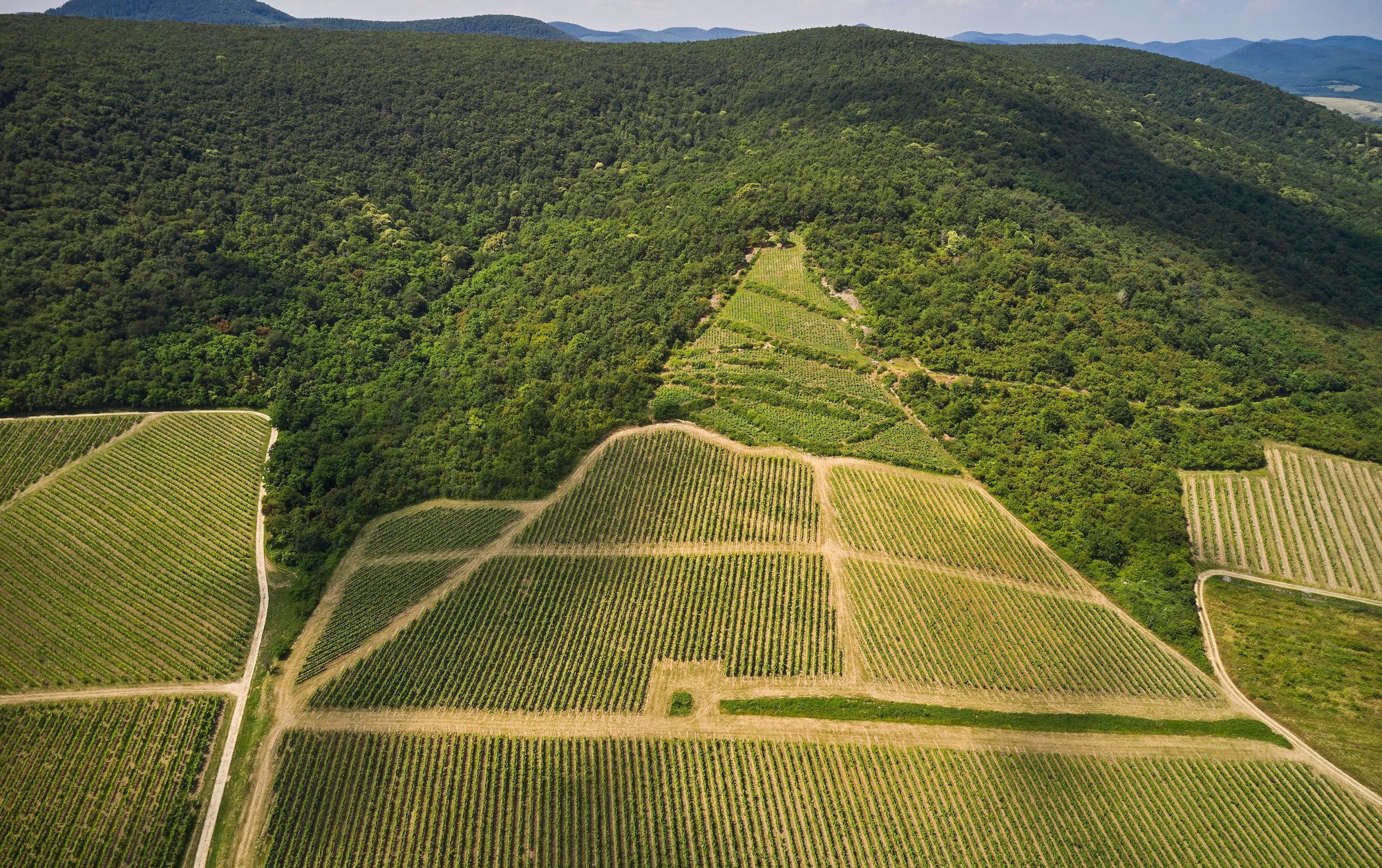
Grand Tokaj reads like a terroir-first producer rooted in Tokaj’s distinctive geology and microclimate. The copy foregrounds rhyolite and dacite tuffs, loess topsoils and the autumn fog that drives noble rot; those details give the place a scholarly, historically resonant personality. The winery sits in a UNESCO-listed area and earned Pearl 2 Star Prestige recognition in 2025, so its public face is both credentialed and thoughtful rather than flashy. Visitors who appreciate mineral-driven white wines and the slow processes behind Aszú will find the setting quietly authoritative and steeped in regional tradition.
Best For
Grand Tokaj is best approached as a destination for people who want to learn about Tokaj’s soils, climate and botrytis-driven sweet wines. The description repeatedly emphasizes geology, exposure and the rivers that shape local humidity—material that rewards focused tasting and comparison. Its recent Pearl 2 Star Prestige recognition also makes it of interest to collectors and to anyone seeking to place Tolcsva bottlings in the broader appellation conversation. This is less about nightlife or casual drinking and more about slow, attentive tasting and regional study with a small group or fellow enthusiasts.
Tasting Tips
When exploring Grand Tokaj, look for examples that illustrate the region’s signature processes: dry Furmint and Hárslevelű that show mineral tension, and Aszú bottlings shaped by Botrytis cinerea. Pay attention to vintage notes—botrytis development in this area often hinges on October–November conditions linked to the Bodrog and Tisza rivers—so vintages with extended autumn moisture tend to produce the most concentrated Aszú. If tasting multiple bottles, sequence from fresher, mineral-driven whites to the richer Aszú examples to follow how noble rot concentrates sugars and acidity.
Venue details
Ambiance
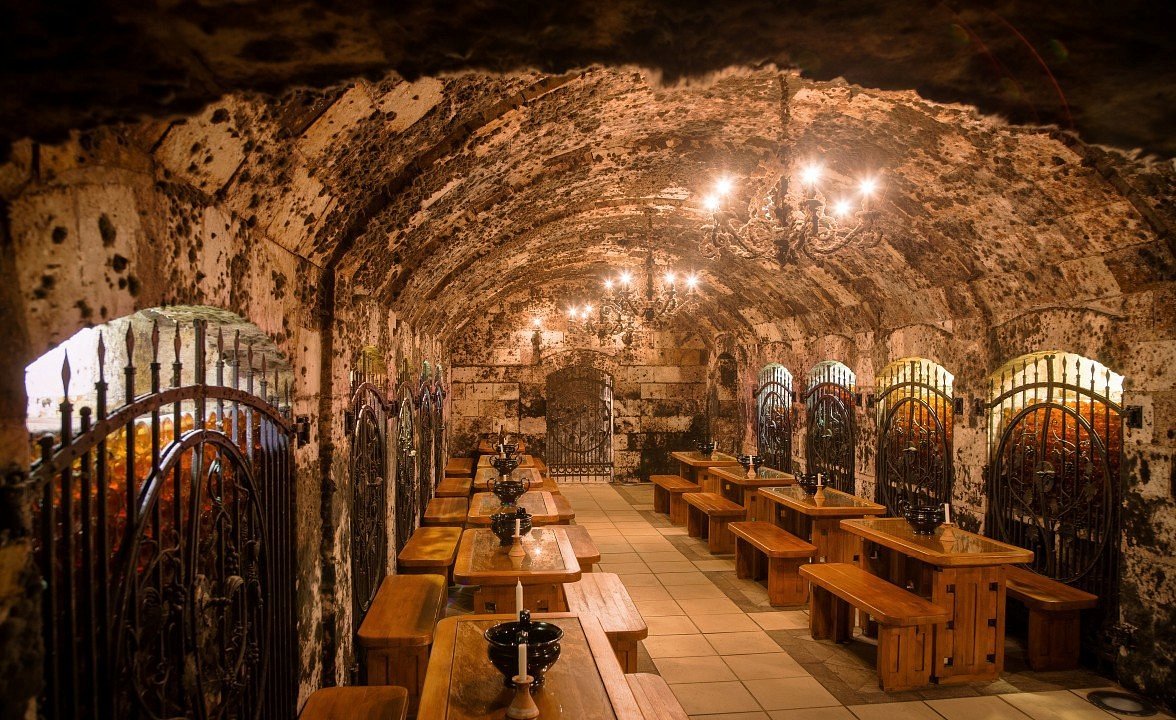
Historic and atmospheric underground cellars with cool, stable temperatures ideal for barrel aging, evoking timeless winemaking tradition.
Tags
Vibe
Best For
Experience
View
At the Vineyard
- Appellation
- Tokaj
- Varietals
- Furmint, Hárslevelű, Sárga muskotály, Kabar, Zéta
- Tour Duration
- 60-90 minutes
- Tour Languages
- English, Hungarian
- Visits
- By reservation
- Wine Styles
- Still White, Dessert, Fortified
- Wine Club
- Not available
Know before you go
Know Before You Go
- Getting there
- Tolcsva, Petőfi Sándor út 36, 3934
Planning details
Location
Also consider
Where to look if this is full
Try Tokaj Oremus first if staying focused on Tolcsva. If the itinerary can move beyond town, Béres Winery or Patricius Winery are the more useful alternatives for a different regional angle.
Winery context
How it compares in and around Tolcsva
Choose Grand Tokaj when the trip needs a broad Tokaj-Hegyalja reference point. Tokaj Oremus is the sharper cross-shop for travelers who want another Tolcsva name with a more peer-to-peer winery focus, while Grand Tokaj is the safer first stop for regional orientation.
Crocus Winery, Samuel Tinon Winery, Béres Winery, and Patricius Winery are better cross-shops if ambiance and a more intimate visit matter more than scale. For value, the right choice depends on the format available on the day: prioritize Grand Tokaj for context, then add one smaller producer if the schedule allows.
Booking difficulty is the practical divider. If Grand Tokaj is hard to secure, Tokaj Oremus should be the first Tolcsva alternative to check; if the plan can stretch outside town, compare Béres Winery or Patricius Winery for a different read on the region.
Explore Tolcsva
Around this place
Discover more on Pearl
Unlock the full Grand Tokaj guide in Pearl, including awards, comparisons, FAQs, planning details, and nearby places.
Compare Grand Tokaj
| Venue | Location | Awards |
|---|---|---|
| Grand Tokaj | Tolcsva | No published awards |
| Tokaj Oremus | Tolcsva | 2026 Falstaff Winery Guide |
| Crocus Winery | Tokaj | No published awards |
| Samuel Tinon Winery | Olaszliszka | No published awards |
| Béres Winery | Erdőbénye | No published awards |
| Patricius Winery | Bodrogkisfalud | No published awards |

How Grand Tokaj Tolcsva compares with similar nearby venues.
FAQ
Frequently Asked Questions
When is the best time to visit Grand Tokaj?
Check current hours, seasonal timing, and recommended visiting times through Grand Tokaj's official channels before you go. Its Pearl 2 Star Prestige recognition for 2025 makes advance planning sensible.
Does Grand Tokaj ship products?
Ask Grand Tokaj directly before planning around shipping.
Do I need a reservation at Grand Tokaj?
If timing matters, contact Grand Tokaj directly before visiting Tolcsva rather than assuming walk-in access.
Is there a membership program at Grand Tokaj?
What is Grand Tokaj known for?
Grand Tokaj is a Tolcsva venue with a smart casual dress code and Pearl 2 Star Prestige recognition for 2025.