Béres Winery
Erdőbénye
Winery in Erdőbénye, Hungary
 Book with Pearl
The Read
Volcanic-Terroir Precision
Why go
Béres Winery is worth prioritizing if the trip is already centered on Erdőbénye or the wider Tokaj area and the group wants a calmer, wine-led visit. Plan ahead rather than treating it as a casual drop-in; compare Grand Tokaj or Tokaj Oremus if price transparency, visitor infrastructure, or easier backup planning matters more.
About Béres Winery
Béres Winery is a winery in Erdőbénye with a smart casual dress code and Pearl 2 Star Prestige recognition for 2025. For practical details such as visit format, public hours, food service, pricing, group capacity, and booking requirements, check current arrangements directly before you go.
For itinerary planning, treat Béres Winery as an Erdőbénye winery stop rather than assuming a specific tasting structure or visitor experience. If you need dining, hotel, bar, or activity details around the visit, check current local resources and the venue's official channels before building the day around it.
Book this for an Erdőbénye winery stop, not an assumed format
The case for Béres Winery is direct: it is an Erdőbénye winery with smart casual dress guidance and Pearl 2 Star Prestige recognition in 2025. For public tasting tariffs, food format, bottle pricing, timetable, or capacity details, check the current information directly with the venue.
Visitors should avoid assuming a walk-in visit, hosted tasting, meal service, or group suitability. If price transparency, timing, or a defined tasting offer matters, compare the planning process with Grand Tokaj before committing.
Where it fits against Tokaj peers
Choose Béres Winery when Erdőbénye is part of the route and you want to include a winery with 2025 Pearl 2 Star Prestige recognition. Tokaj Oremus, Crocus Winery, Samuel Tinon Winery, and Patricius Winery are also relevant names to compare when planning a wine-focused itinerary.
The main planning issue is preparation. If Béres Winery is an anchor stop, check the current visit details directly and keep a backup plan from comparable wineries. Do not assume food, shipping, posted hours, a particular tasting menu, or a specific service style unless the venue states it clearly.
Who should put it on the itinerary
Put Béres Winery on the itinerary if the group is specifically interested in an Erdőbénye winery and is comfortable checking the practical details in advance. Be cautious if the group needs guaranteed food service, published hours, shipping information, or a clearly defined tasting format before deciding.
Planning details
- Location
- Erdőbénye, 085 18 hrsz, 3932
- Website
- berestokaj.hu
- Phone
- +36 47 536 000
The take
The Take
The Vibe
Béres Winery reads as a terroir-first producer in a quietly confident rural setting. The writing emphasizes volcanic soils, concentrated flavours and a producer-level seriousness signalled by a Pearl 2 Star Prestige award. Visits feel deliberate rather than incidental — Erdőbénye’s low-tourism character filters the audience toward people who arrive specifically for the wines. That produces a focused, contemplative atmosphere: the place is more about geology and vintage expression than spectacle. Expect an elegant, rustic sensibility anchored in the landscape and an understated professionalism that speaks to craft and longevity.
Best For
This is a destination for serious tasting and wine education rather than casual drop-ins. The profile suits people who want to learn about how rhyolite tuff and the local microclimate shape wines, and it rewards visitors who engage with the producer and multiple vintages. It also works well for special-occasion visits where a quiet, focused tasting — framed by an award-winning producer — is the point of the trip. Small groups or solo enthusiasts who value terroir-driven conversation and comparative tasting will get the most out of a visit.
Tasting Tips
Plan a focused tasting and leave time to discuss terroir and vintages with the producer or host: the write-up foregrounds volcanic soils and multi-vintage consistency as the reasons the wines stand out. Book ahead and indicate an interest in vineyard context or comparative pours so the winery can prepare; Erdőbénye is quieter and less signposted than Tokaj town, so deliberate travel planning is recommended. Ask about vineyard parcels and how the fast-draining rhyolite tuff affects ripeness and flavour concentration to get the most educational value from the tasting.
Venue details
Ambiance
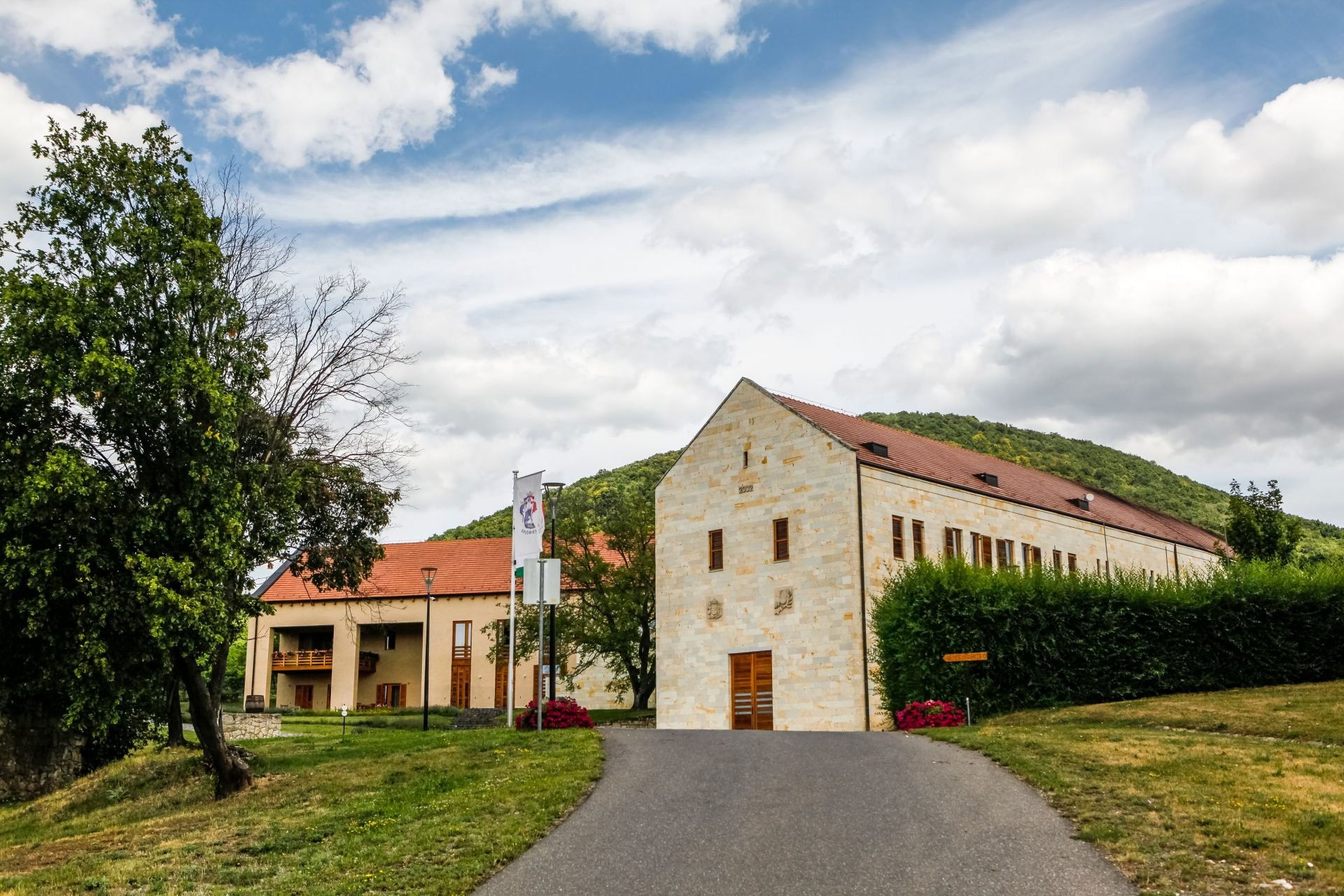
Beautifully executed buildings in a scenic vineyard setting with historic elements like cellars and chapels, offering an elegant and refined atmosphere.
Tags
Vibe
Best For
Experience
View
At the Vineyard
- Appellation
- Tokaj
- Varietals
- Furmint, Hárslevelű, Sárgamuskotály, Zéta, Kövérszőlő
- Tour Duration
- 60-90 minutes
- Visits
- By reservation
- Wine Styles
- Still White, Sparkling, Dessert
- Wine Club
- Not available
Know before you go
Know Before You Go
- Getting there
- Erdőbénye, 085 18 hrsz, 3932
Planning details
Location
Also consider
If this is hard to arrange
Try Grand Tokaj first if the group needs a more accessible Tokaj anchor with less planning pressure. Choose Tokaj Oremus if the goal is a more established benchmark for the region rather than a quieter Erdőbénye stop.
Winery context
How Béres Winery compares in Erdőbénye and Tokaj
Béres Winery is the better fit for travelers who want a quieter, more focused Tokaj-area tasting and are willing to plan around it. Grand Tokaj is the safer cross-shop for visitors who want a broader, more accessible reference point before committing to a smaller-feeling winery stop.
Tokaj Oremus is the stronger pick for guests who want a more established name anchoring the itinerary, while Crocus Winery makes more sense when the experience around the tasting matters as much as the wines. Béres is more compelling when atmosphere and concentration outweigh convenience.
If the preferred plan is flexible and wine-first, also compare Samuel Tinon Winery and Patricius Winery. They are useful backups if timing is tight or the group wants to spread risk across more than one Tokaj producer.
Explore Erdőbénye
Around this place
Discover more on Pearl
Unlock the full Béres Winery guide in Pearl, including awards, comparisons, FAQs, planning details, and nearby places.
Compare Béres Winery
| Venue | Location | Awards |
|---|---|---|
| Béres Winery | Erdőbénye | No published awards |
| Grand Tokaj | Tolcsva | No published awards |
| Crocus Winery | Tokaj | No published awards |
| Tokaj Oremus | Tolcsva | 2026 Falstaff Winery Guide |
| Samuel Tinon Winery | Olaszliszka | No published awards |
| Patricius Winery | Bodrogkisfalud | No published awards |

How Béres Winery, Erdőbénye: Pearl Prestige Guide compares with similar nearby venues.
FAQ
Frequently Asked Questions
Is the wine club at Béres Winery worth joining?
If wine club membership is available, judge it only after checking the current terms directly with Béres Winery. Pearl 2 Star Prestige recognition in 2025 does not by itself indicate club benefits, access, pricing, or shipping.
What is the flagship wine at Béres Winery?
For a specific flagship bottle or tasting availability, check directly with the venue before visiting. The core reference points are the winery name and its Pearl 2 Star Prestige recognition in 2025.
How long should I plan for a visit to Béres Winery?
Plan your visit length after checking the current format with Béres Winery, especially if timing, transport, or another reservation depends on it.
Does Béres Winery serve food?
What other wineries should I compare with Béres Winery?
Grand Tokaj, Crocus Winery, Tokaj Oremus, Samuel Tinon Winery, and Patricius Winery are relevant comparison names for planning a wine-focused route. Choose Béres Winery when Erdőbénye is already on the itinerary and you want to include the venue itself.