

Quinta do Vallado
Peso da Régua
Winery in Peso da Régua, Portugal
 Book with Pearl
The Read
Schist-Rooted Estate Hospitality
Why go
Quinta do Vallado is worth prioritising for a Douro itinerary if the goal is an estate-led winery visit with recognised credentials, not just a quick tasting. It suits wine-focused travelers who want grounds, regional context, and a producer with serious external validation near Peso da Régua.
About Quinta do Vallado
For a trip centered on Peso da Régua, Quinta do Vallado belongs on the shortlist for travelers comparing recognized venues in the area. The venue is in Peso da Régua, has Pearl 3 Star Prestige recognition for 2025, and was listed at #49 on World's 50 Best Vineyards in 2021.
Beyond its recognition, specific claims about the visit format, menu, service, pricing, hours, grounds, or facilities should be checked directly with the venue before planning around them.
Choose it for recognition in Peso da Régua
The clearest booking case is for travelers who want a Peso da Régua venue with recognition. Quinta do Vallado has Pearl 3 Star Prestige recognition for 2025 and appeared at #49 on World's 50 Best Vineyards in 2021. It is notable when comparing options in and around Peso da Régua.
For planning, remember to check current details directly with the venue. If the day also needs food, lodging, or a post-visit plan, use current local information for Peso da Régua rather than assuming anything about Quinta do Vallado's hours, pricing, menus, or on-site services.
How to think about it against other quinta venues
Cross-shop Quinta do Vallado with Quinta da Pacheca, Quinta do Tedo, Quinta do Crasto, Quinta Nova de Nossa Senhora do Carmo, and Quinta do Infantado if you are comparing notable quinta names. Quinta do Vallado's key distinction is its recognitions noted above; for visit format, availability, pricing, and any tasting or dining details, check each venue directly.
For travelers building a broader itinerary, focus the comparison on available facts rather than assumptions about what each venue offers. Other dining and hospitality options in Peso da Régua can help shape the day, but Quinta do Vallado should be evaluated based on: its location in Peso da Régua, smart casual dress code, Pearl 3 Star Prestige recognition for 2025, and World's 50 Best Vineyards #49 listing in 2021.
Planning details
- Location
- Quinta do Vallado, 5050-364 Vilarinho dos Freires
- Website
- quintadovallado.com
- Phone
- +351 254 318 081
The take
The Take
The Vibe
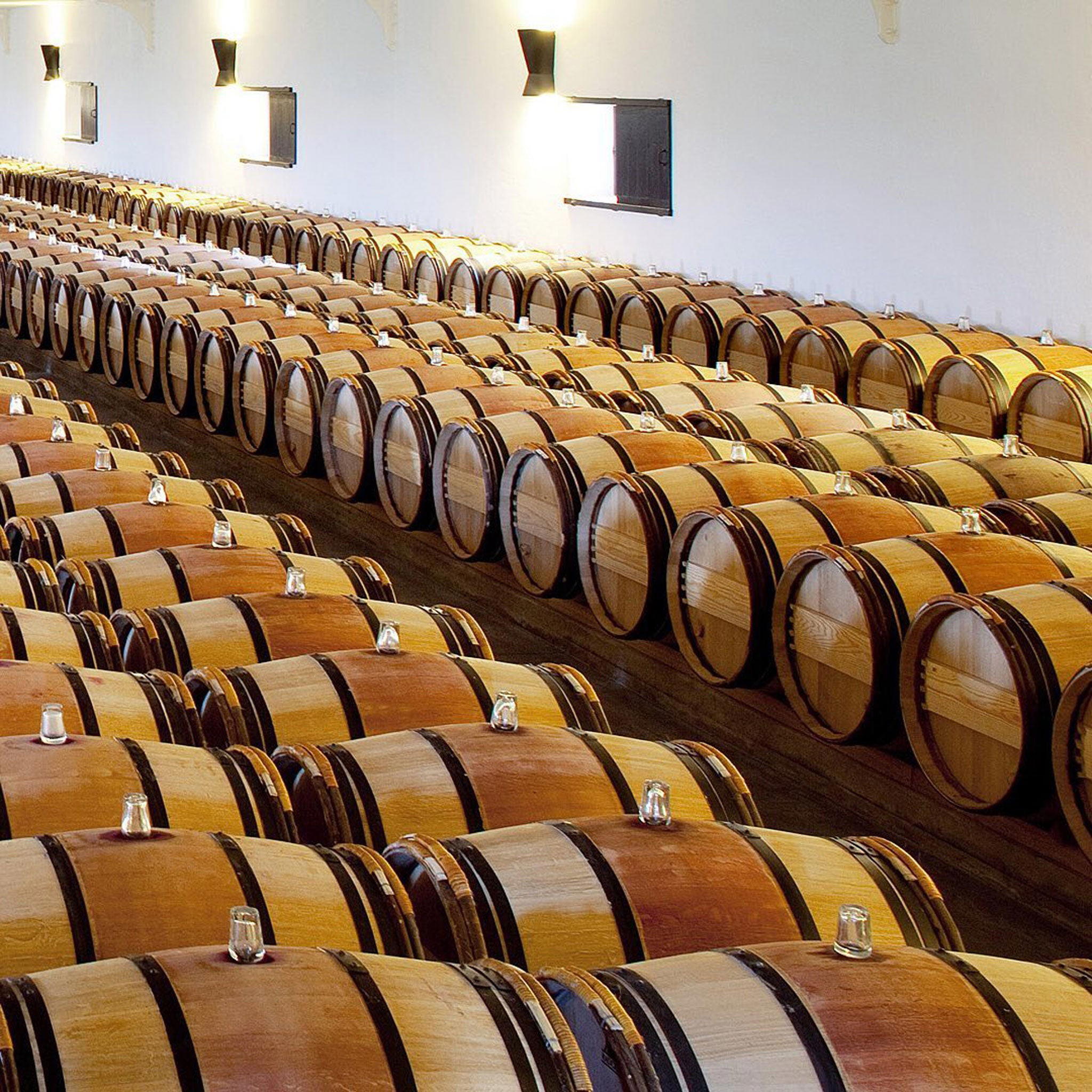
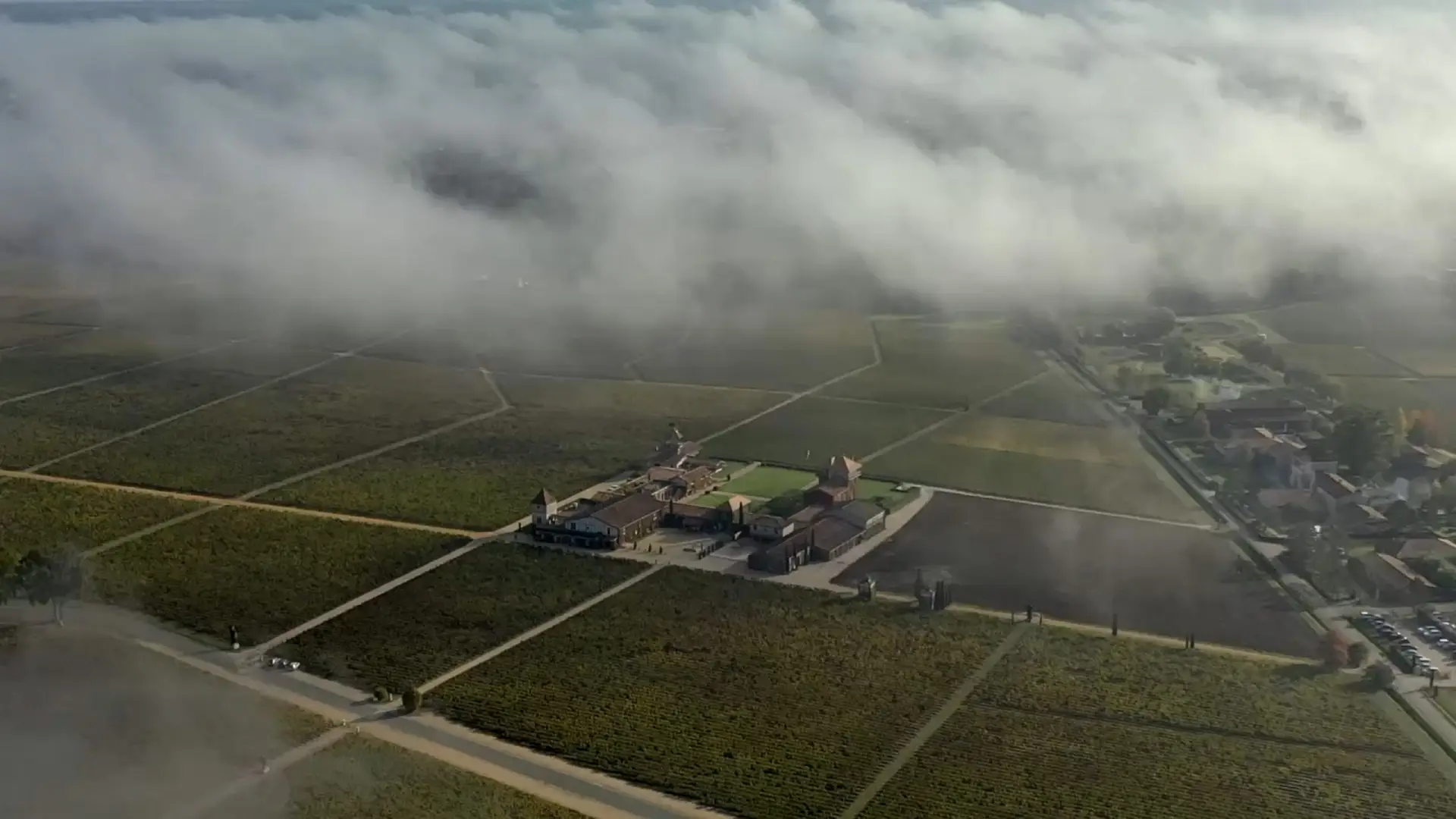
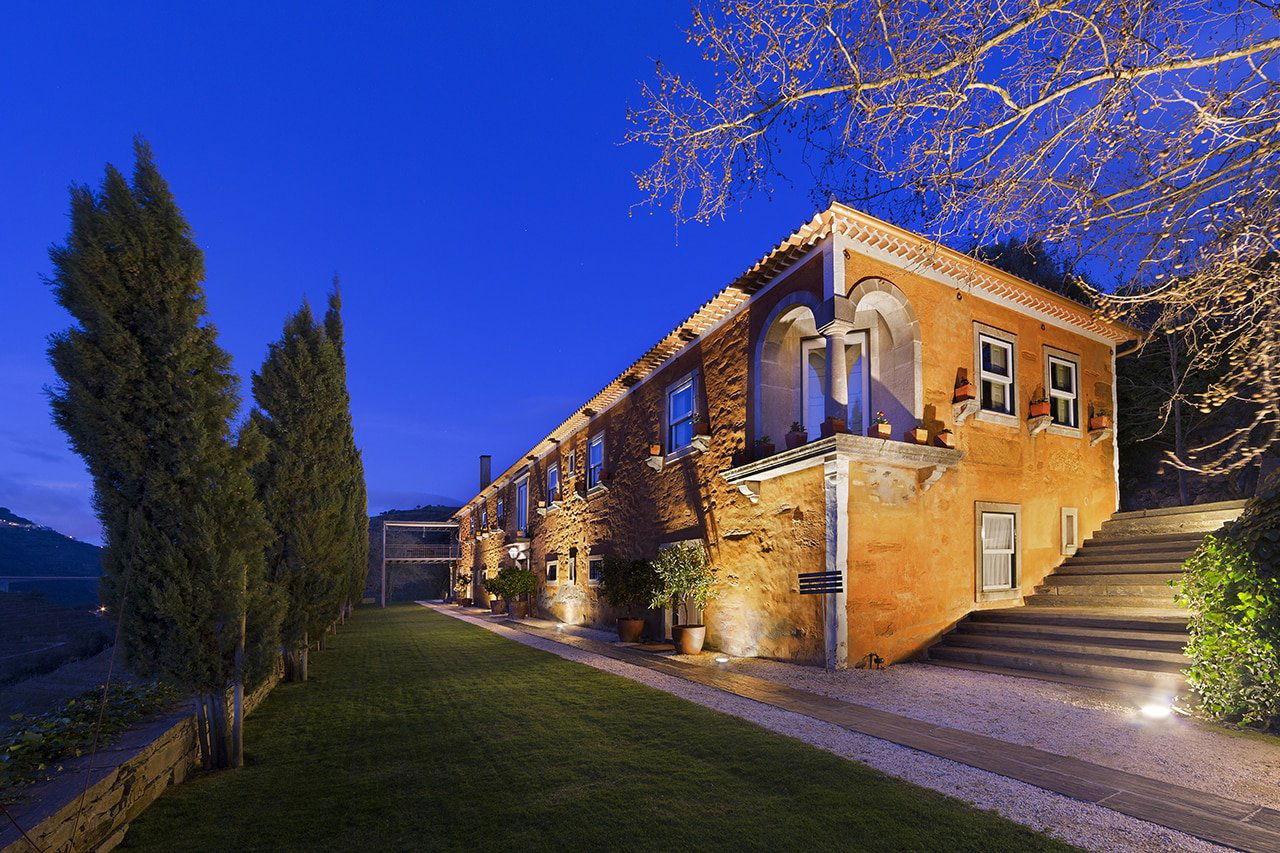
Quinta do Vallado feels like a living chapter of Douro history: a working estate whose stone buildings and cellars trace back centuries. The copy foregrounds terroir as architecture — schist terraces, deep vine roots and a position in the Baixo Corgo that balances concentration with aromatic lift. That long institutional memory and a recent Pearl 3 Star Prestige rating give the property a quietly authoritative presence; it reads as both agricultural and cultured, where rugged river-valley geology meets careful, estate-driven winemaking.
Best For
This is a property for visitors who want to understand where Douro wines come from. The text emphasizes estate-driven production, historic cellars and wine tourism, so Quinta do Vallado is well suited to wine-education visits, guided estate walks and tastings that connect vineyard, cellar and bottle. Its premium standing also makes it a strong choice for milestone visits or special-occasion outings that value provenance and atmosphere rather than nightlife or casual dining.
Tasting Tips
Focus your visit on the wines that illustrate the estate’s terroir: ask for tastings of both the region’s traditional fortified Ports and the estate’s still Douro bottlings to compare concentration and aromatic lift. Request cellar or estate access when booking — the description highlights historic cellars and estate buildings, and guided estate-visit formats are central to the experience. Note that summer temperatures in the upper valley can exceed 40°C, so schedule tours and tastings for cooler morning hours and confirm appointment availability in advance.
Venue details
Ambiance
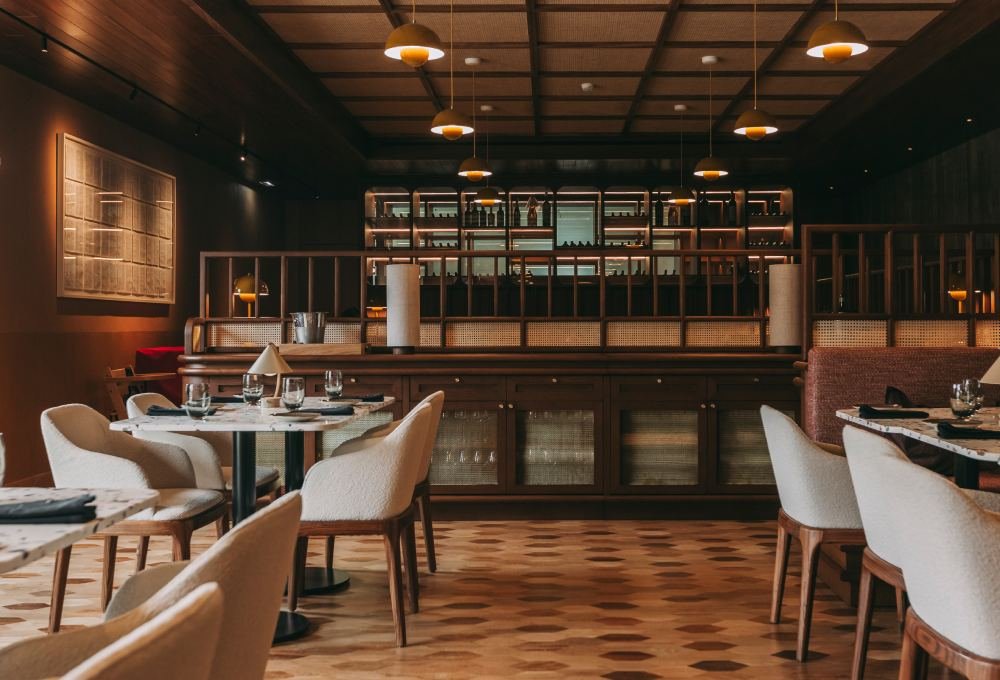
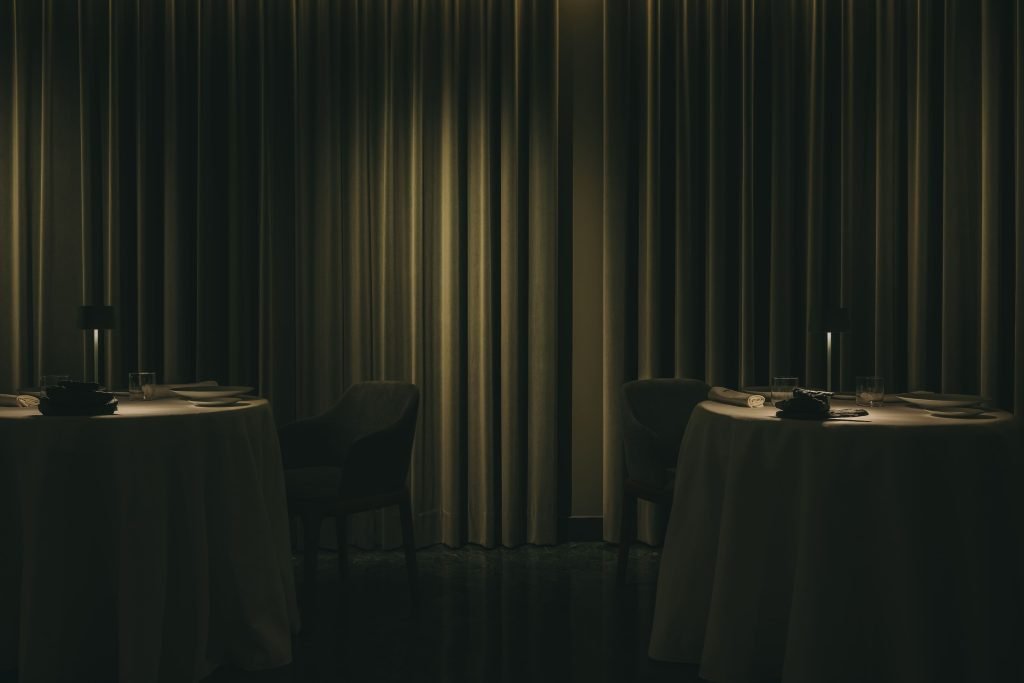
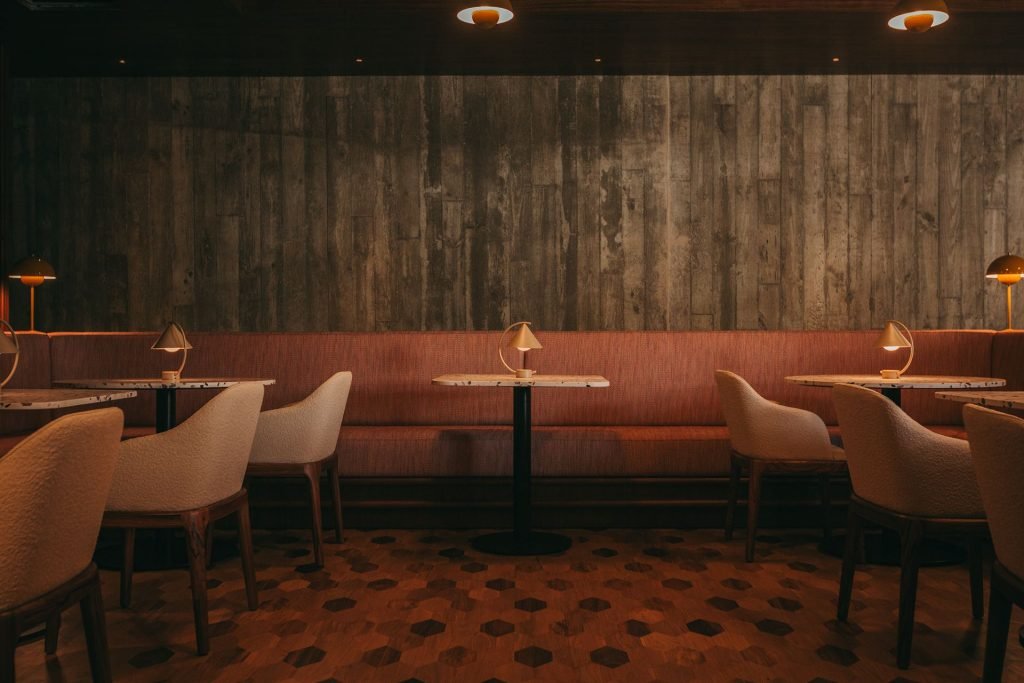
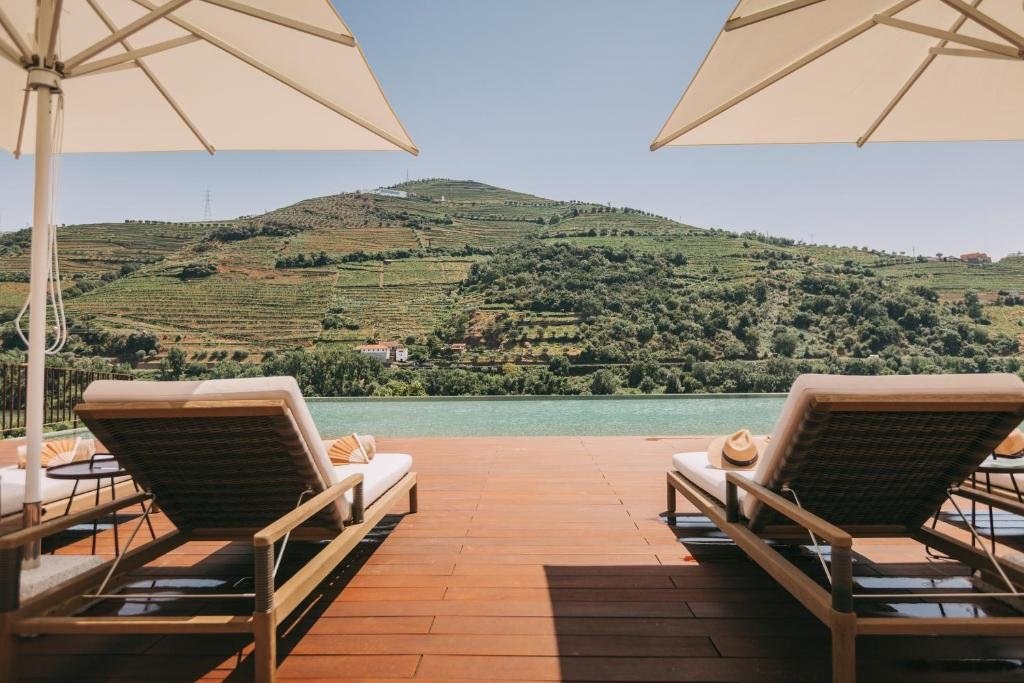
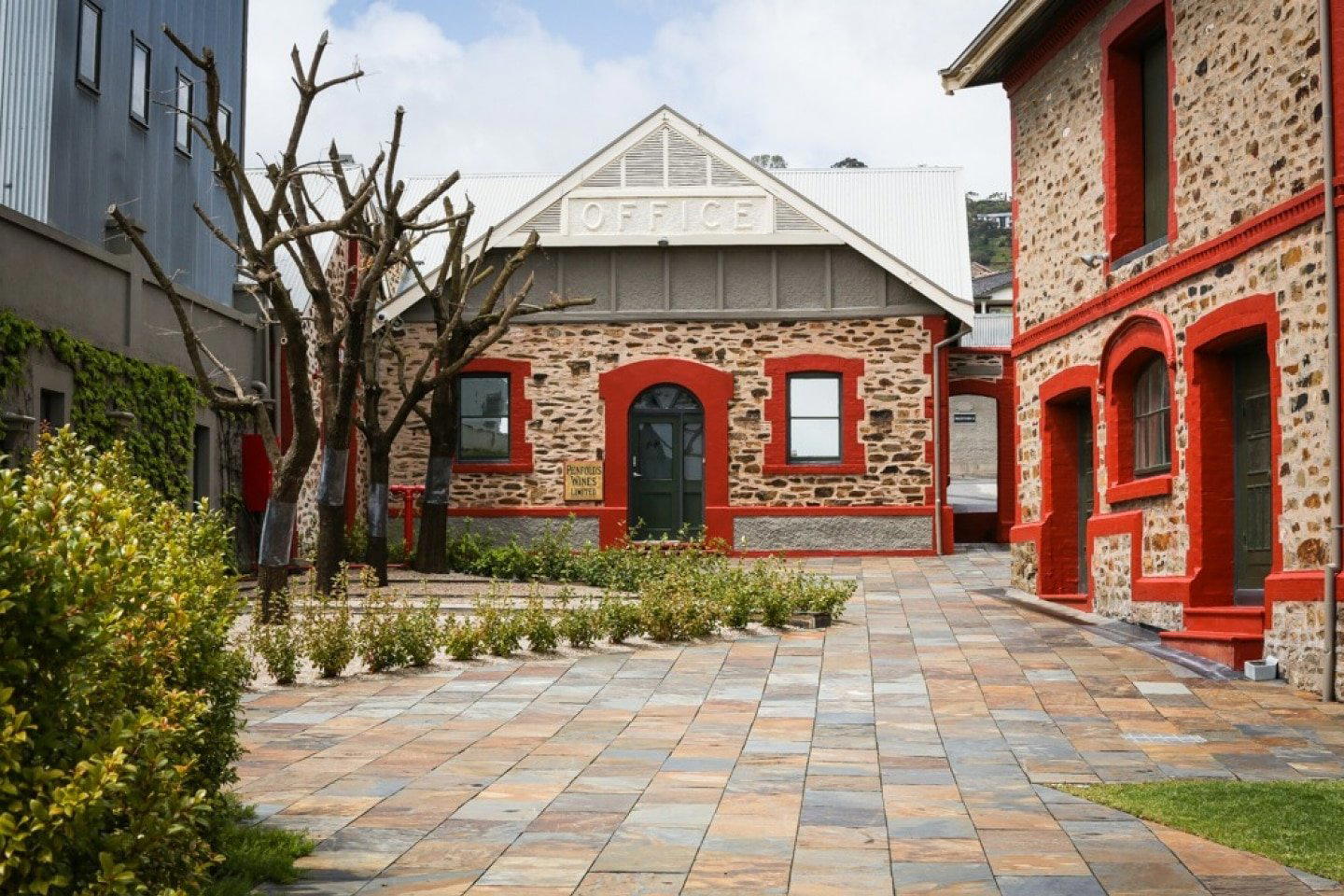
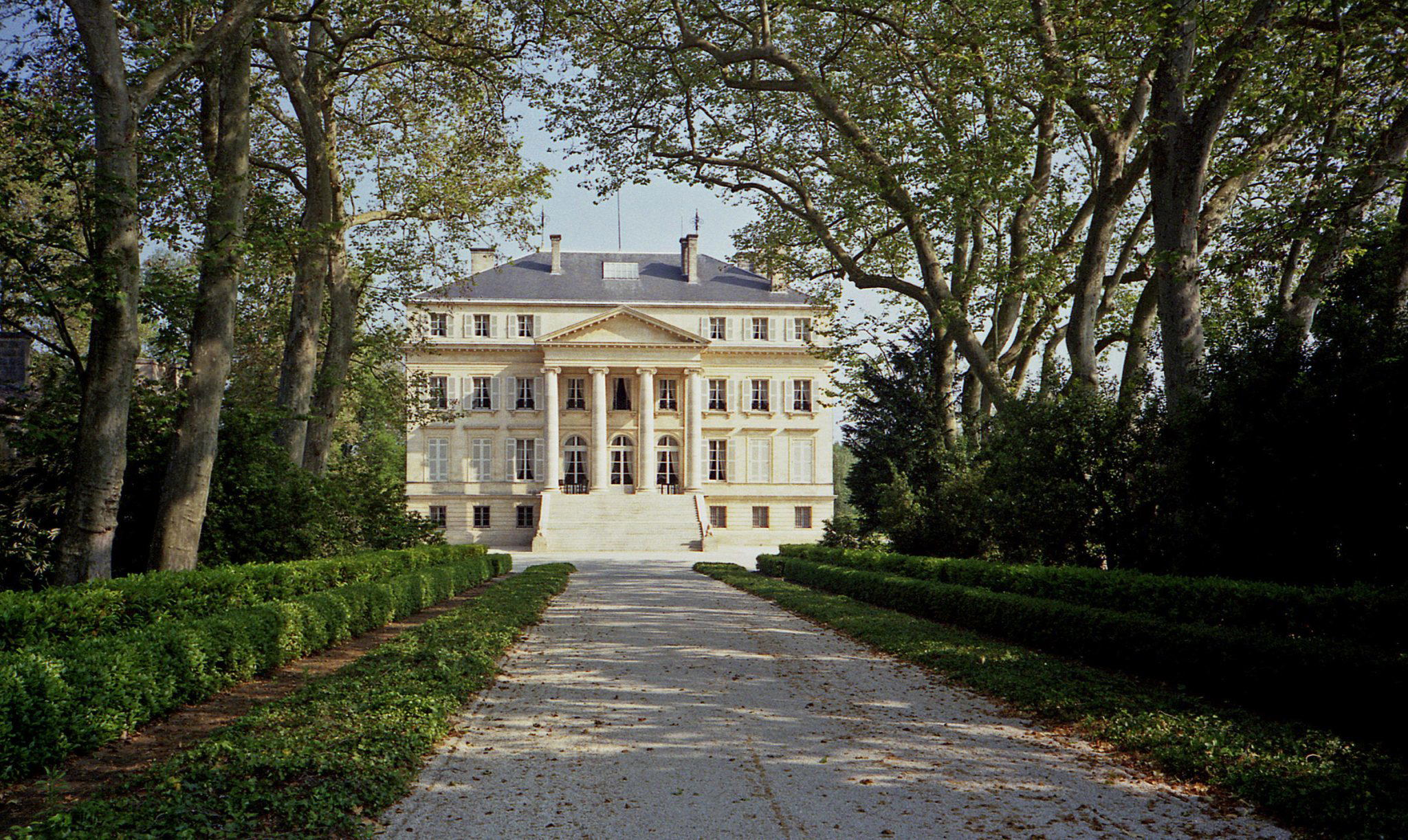
Architecturally pleasing with scenic vineyard and river views, combining historic rustic charm with modern elegance and serene Douro Valley atmosphere.
Tags
Vibe
Best For
Experience
Sourcing
View
At the Vineyard
- Appellation
- Douro
- Varietals
- Touriga Nacional, Touriga Franca, Tinta Roriz, Sousão, Viosinho
- Tour Duration
- 60-90 minutes
- Visits
- By reservation
- Farming
- Organic
- Wine Styles
- Still Red, Still White, Still Rose, Fortified
- Wine Club
- Not available
Know before you go
Know Before You Go
- Getting there
- Quinta do Vallado, 5050-364 Vilarinho dos Freires
Planning details
Location
Recognition and awards


Also consider
If this is not available
Try Quinta da Pacheca if the group wants a more hospitality-forward Douro stop, or Quinta do Tedo if a smaller producer visit is the better fit. For a more destination-led winery choice, cross-shop Quinta do Crasto.
Winery context
How It Compares
Choose Quinta do Vallado when the priority is a balanced Douro estate visit with strong recognition and a setting that adds to the decision. Compared with Quinta da Pacheca, it reads as the more wine-led choice; Pacheca is the better fallback for travelers who want a broader hospitality feel and potentially easier planning.
Quinta do Tedo is the better pick for a smaller, quieter-feeling producer visit, while Quinta do Vallado makes more sense for visitors who want a higher-profile stop. Quinta do Crasto is the stronger cross-shop for travelers chasing a destination-name winery, but it can feel like a bigger commitment if the itinerary is based around Peso da Régua.
For a slower estate day, compare with Quinta Nova de Nossa Senhora do Carmo. For a more focused producer visit, Quinta do Infantado is the cleaner alternative. If only one booking fits, Quinta do Vallado is the practical middle path: more credentialed than a casual stop, less narrowly specialised than a producer-only visit.
Around this place
Discover more on Pearl
Unlock the full Quinta do Vallado guide in Pearl, including awards, comparisons, FAQs, planning details, and nearby places.
Compare Quinta do Vallado
| Venue | Location | Awards |
|---|---|---|
| Quinta do Vallado | Peso da Régua | 2026 Falstaff Winery Guide2025 World's 50 Best Vineyards · #842021 World's 50 Best Vineyards · #49 |
| Quinta da Pacheca | Lamego | 2022 World's 50 Best Vineyards · #31 |
| Quinta do Tedo | Armamar | No published awards |
| Quinta do Crasto | Sabrosa | 2026 Falstaff Winery Guide2025 World's 50 Best Vineyards · #672024 World's 50 Best Vineyards · #152023 World's 50 Best Vineyards · #152022 World's 50 Best Vineyards · #82021 World's 50 Best Vineyards · #162020 World's 50 Best Vineyards · #82019 World's 50 Best Vineyards · #4 |
| Quinta Nova de Nossa Senhora do Carmo | Covas do Douro | 2026 Falstaff Winery Guide2025 World's 50 Best Vineyards · #742022 World's 50 Best Vineyards · #42 |
| Quinta do Infantado | Sabrosa | 2022 World's 50 Best Vineyards · #282021 World's 50 Best Vineyards · #50 |
How Quinta do Vallado Peso da Régua compares with similar nearby venues.
FAQ
Frequently Asked Questions
What other venues can I compare with Quinta do Vallado?
Quinta da Pacheca, Quinta do Tedo, Quinta do Crasto, Quinta Nova de Nossa Senhora do Carmo, and Quinta do Infantado are natural comparisons. Check each venue directly for current availability, visit format, pricing, and opening details.
How long should I plan for a visit to Quinta do Vallado?
Visit duration is not specified. Confirm the current format and timing directly with Quinta do Vallado before building it into a Peso da Régua itinerary.
Do I need a reservation at Quinta do Vallado?
Reservation requirements are not specified. Confirm directly with Quinta do Vallado before visiting, especially if it is a key stop in a Peso da Régua itinerary.