
Maison Louis Latour
Aloxe-Corton, Beaune
Winery in Beaune, France
 Book with Pearl
The Read
Négociant Burgundy Authority
Price
$50–100tasting
Why go
Maison Louis Latour is worth pursuing for Burgundy-focused travelers who care about producer reputation and allocation-style access more than an easy tasting stop. For a softer first Beaune winery day, compare it with Domaine Bouchard Père et Fils or Maison Champy before committing the itinerary around one hard-to-secure anchor.
About Maison Louis Latour
Maison Louis Latour is a Beaune venue with confirmed Pearl 4 Star Prestige recognition for 2025. public details are limited, so this guide keeps the decision simple: consider it when you specifically want to include Maison Louis Latour in a Beaune itinerary, and confirm any visit details directly before planning around it.
A Beaune venue with confirmed recognition
The clearest signals are its Beaune location, smart casual dress code, and Pearl 4 Star Prestige recognition in 2025. Beyond those points, avoid assuming specific services, formats, hours, pricing, or access policies unless confirmed through the venue's current official channels.
That makes Maison Louis Latour best treated as a deliberate stop rather than a casual filler. If it is important to your Beaune plans, verify the current visit process and any practical requirements before setting the rest of the day around it.
Where it fits in a Beaune itinerary
For a Beaune itinerary, compare Maison Louis Latour with other named options such as Domaine Bouchard Père et Fils, Domaine Clos de la Chapelle, Maison Champy, Pierre Meurgey, and Domaine Louis Jadot. The best choice depends on what each venue currently offers and what you are trying to prioritize during the trip.
Treat Maison Louis Latour as a venue to confirm directly, then build the rest of the route around plans. For the rest of the trip, Our full Beaune restaurants guide, Our full Beaune hotels guide, Our full Beaune bars guide, and Our full Beaune experiences guide are better tools for planning around the day instead of letting one booking dictate every hour.
Planning details
- Location
- 18 Rue des Tonneliers, 21200 Beaune
- Website
- louislatour.com
- Phone
- +33 3 80 24 81 00
The take
The Take
The Vibe
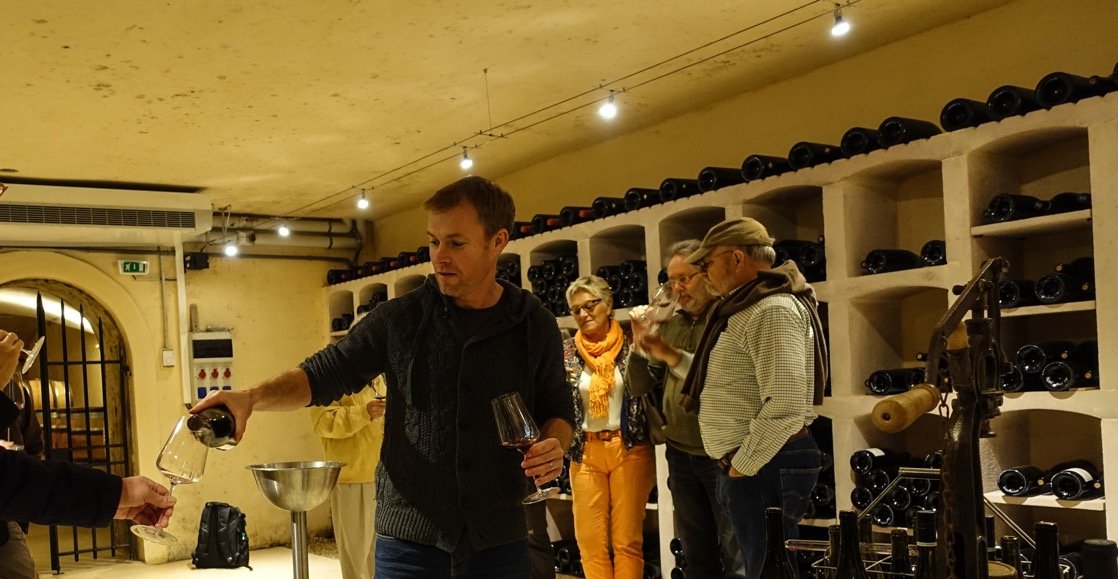
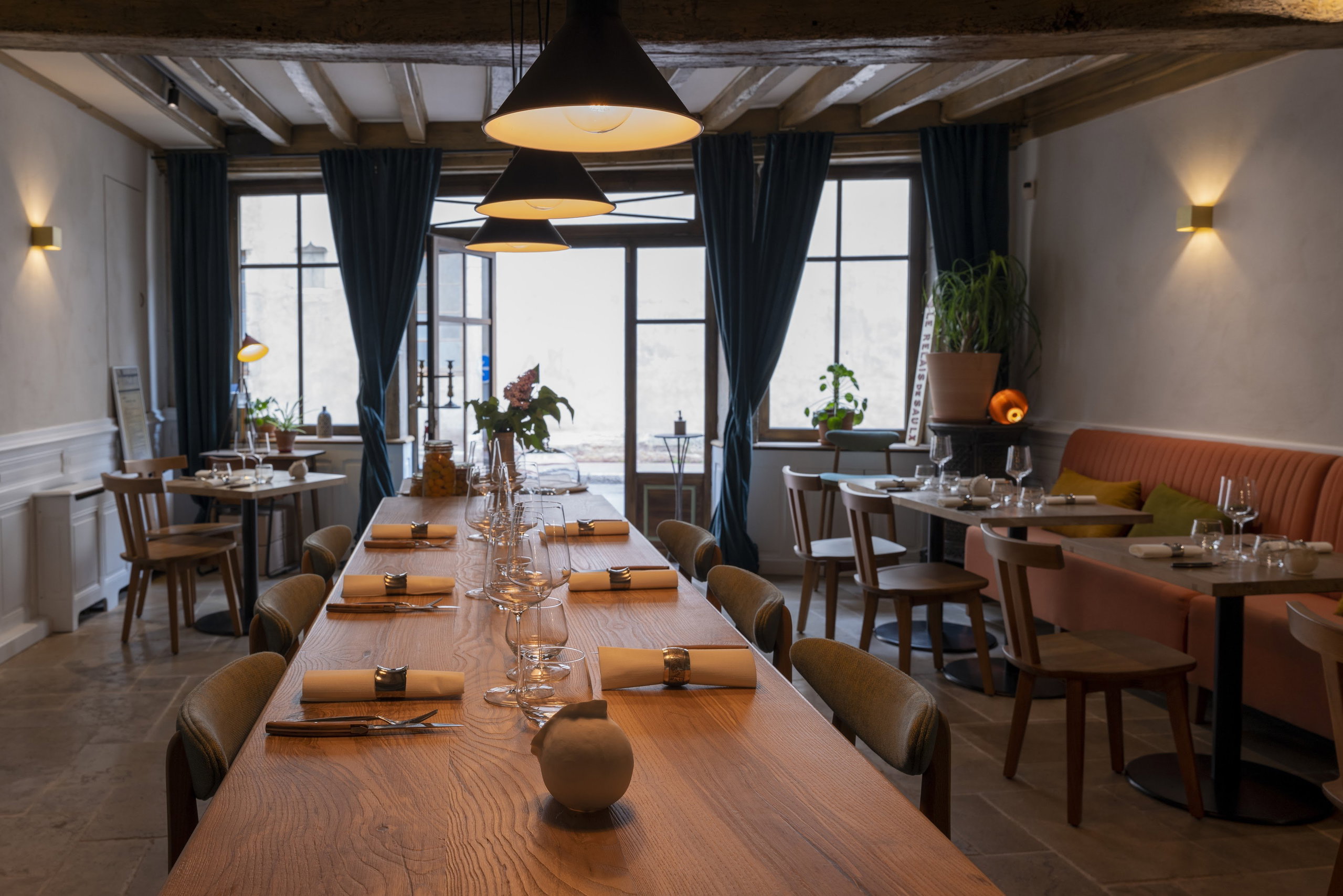
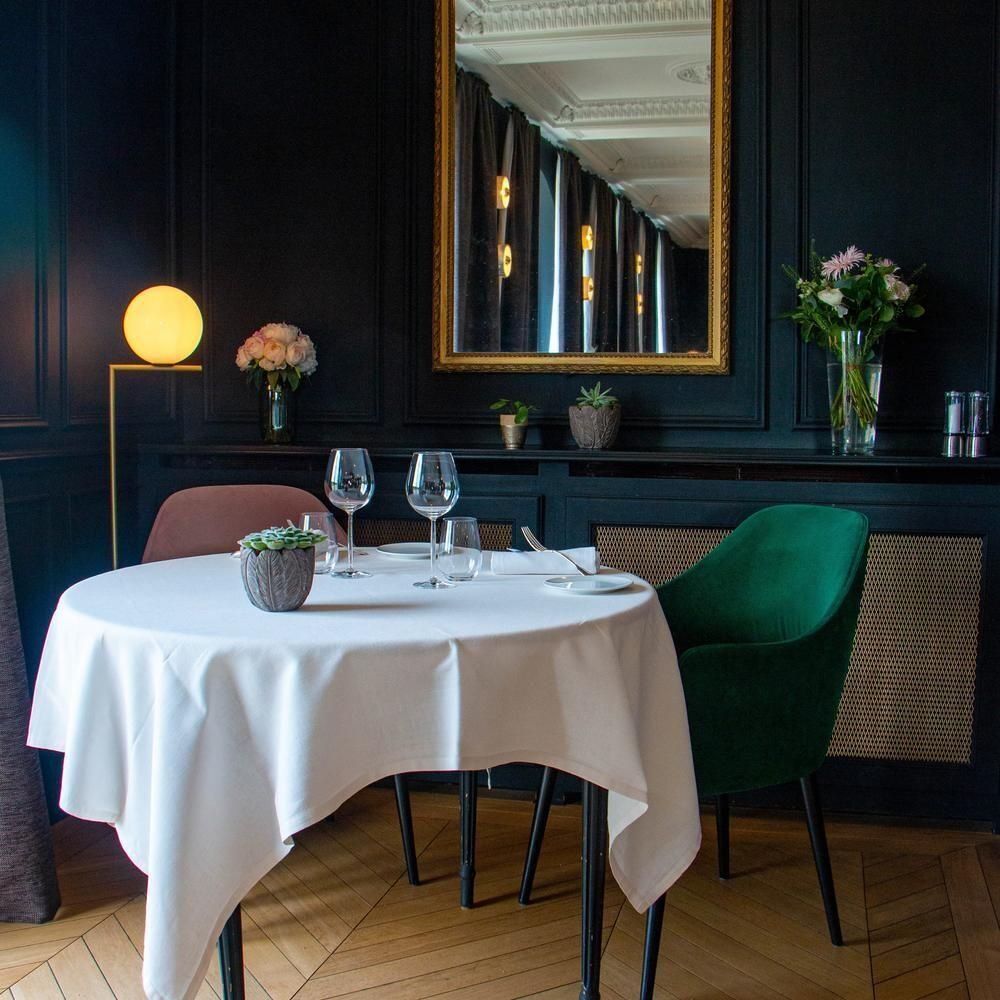
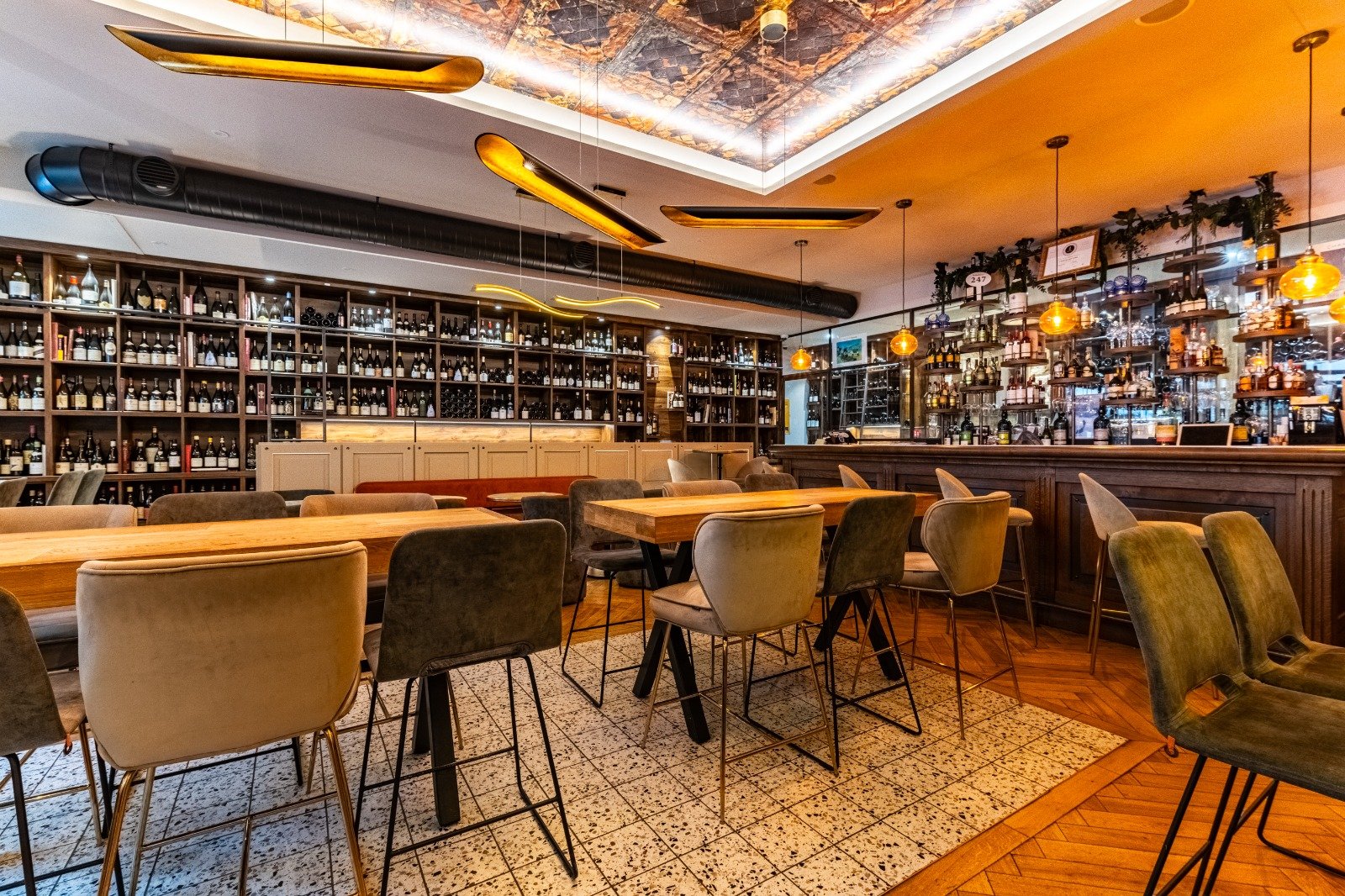
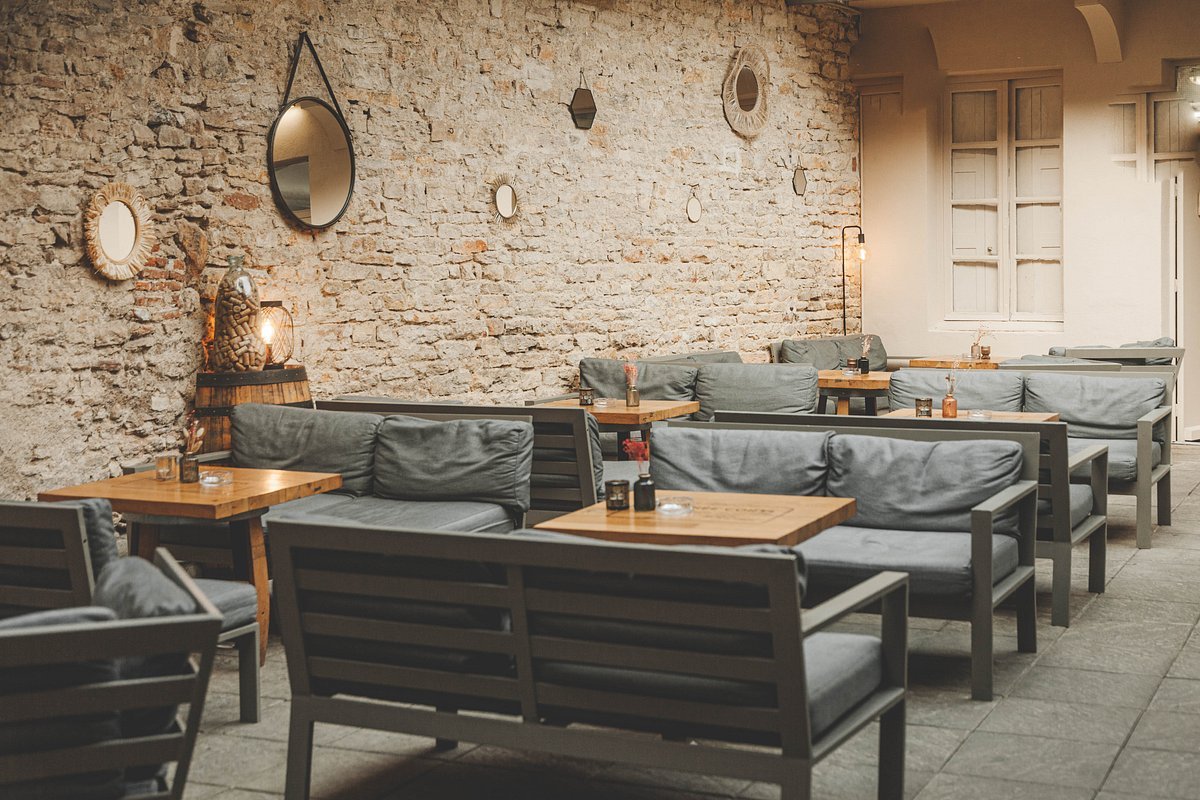
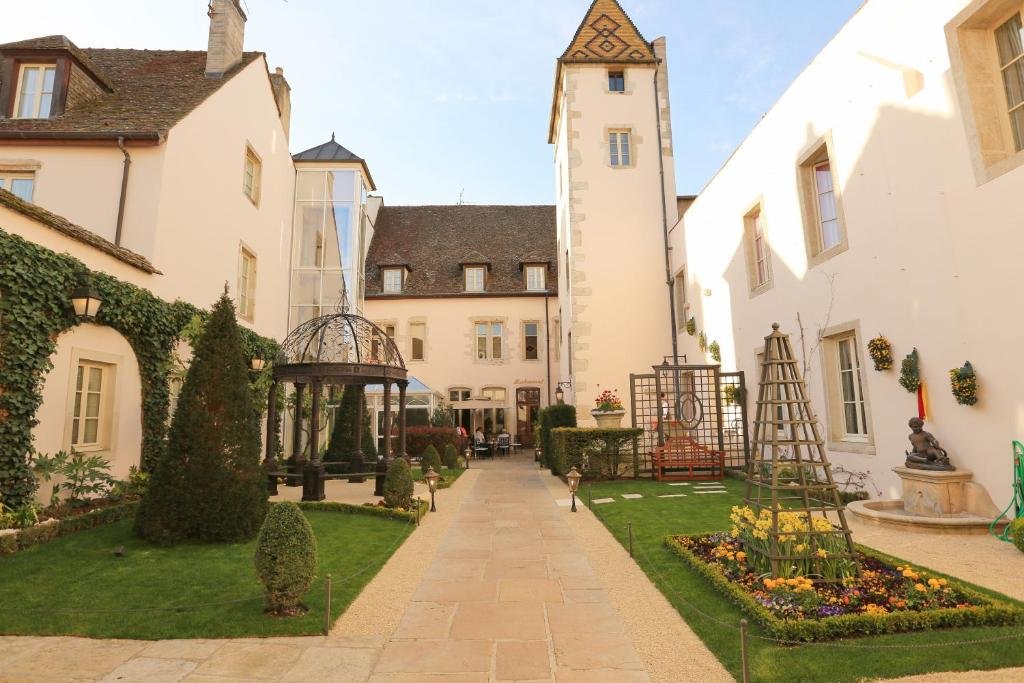
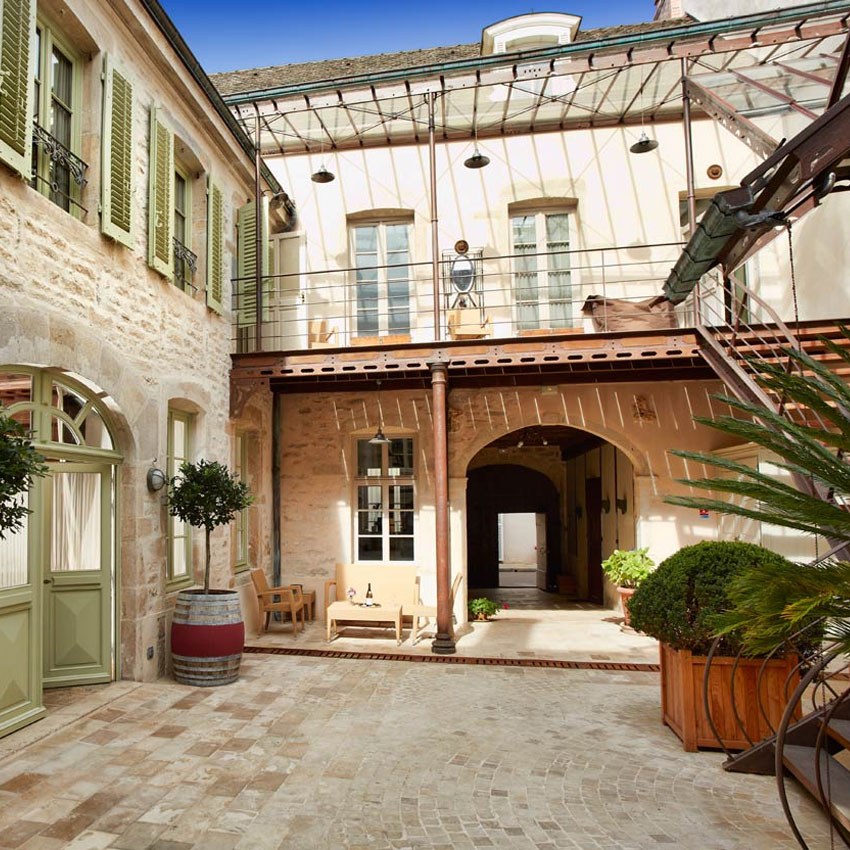
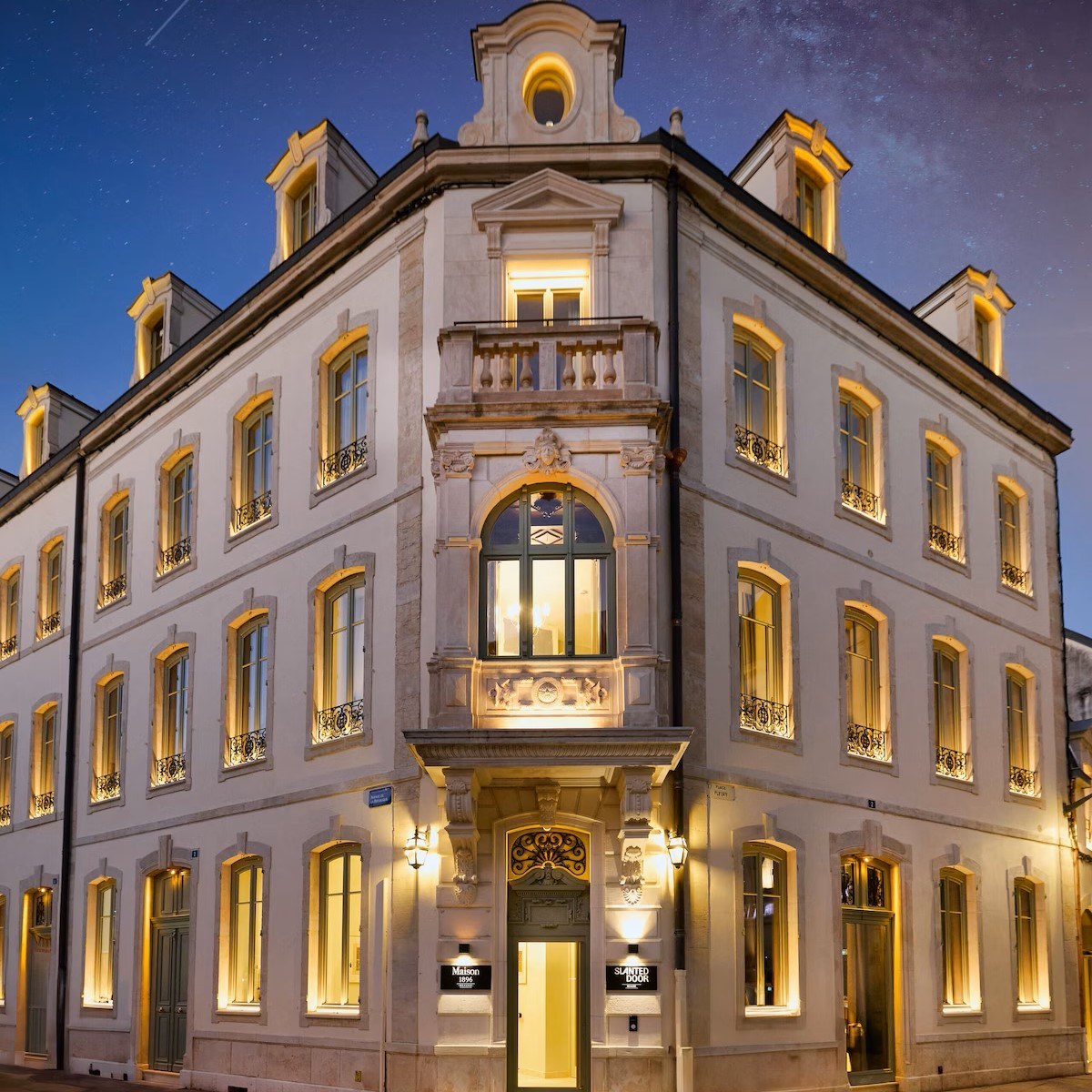
Maison Louis Latour sits firmly in the historic heart of Beaune, and the writing foregrounds that provenance. The house occupies a town-center address on Rue des Tonneliers, leading through cobbled passages and past medieval ramparts into a compact, centuries-old streetscape. Cellars carved from Jurassic limestone beneath the streets reinforce a sense of deep continuity — this is a negociant house embedded in Burgundy’s civic and winemaking history rather than a modern, isolated estate. Visitors encounter an atmosphere shaped by tradition and place: an old-town, archival quality that reads as both storied and quietly authoritative.
Best For
This is a venue best suited to visitors who want to learn about Burgundy’s structure and history as much as taste wine. The description frames the négociant portfolio as a pedagogical map — covering Bourgogne générique to village, premier cru and grand cru tiers — so it's ideal for wine-education outings, focused group visits, and anyone planning a more formal or special-occasion stop in Beaune. Its central address also makes it a natural complement to nearby institutions such as the Hôtel-Dieu and the Marché aux Vins, anchoring a day of tasting and regional exploration.
Tasting Tips
When engaging with Maison Louis Latour, orient your questions around provenance and the house’s portfolio structure: ask how wines are sourced across appellation tiers and which holdings or sourcing relationships define their village, premier cru and grand cru offerings. Look for bottles or selections that reflect the house’s upper-tier positioning (the text notes recent industry recognition) and request guidance that compares stylistic or terroir differences across appellations. Prioritize learning-focused tastings that illuminate the negociant model rather than assuming single-domaine narratives.
Venue details
Ambiance
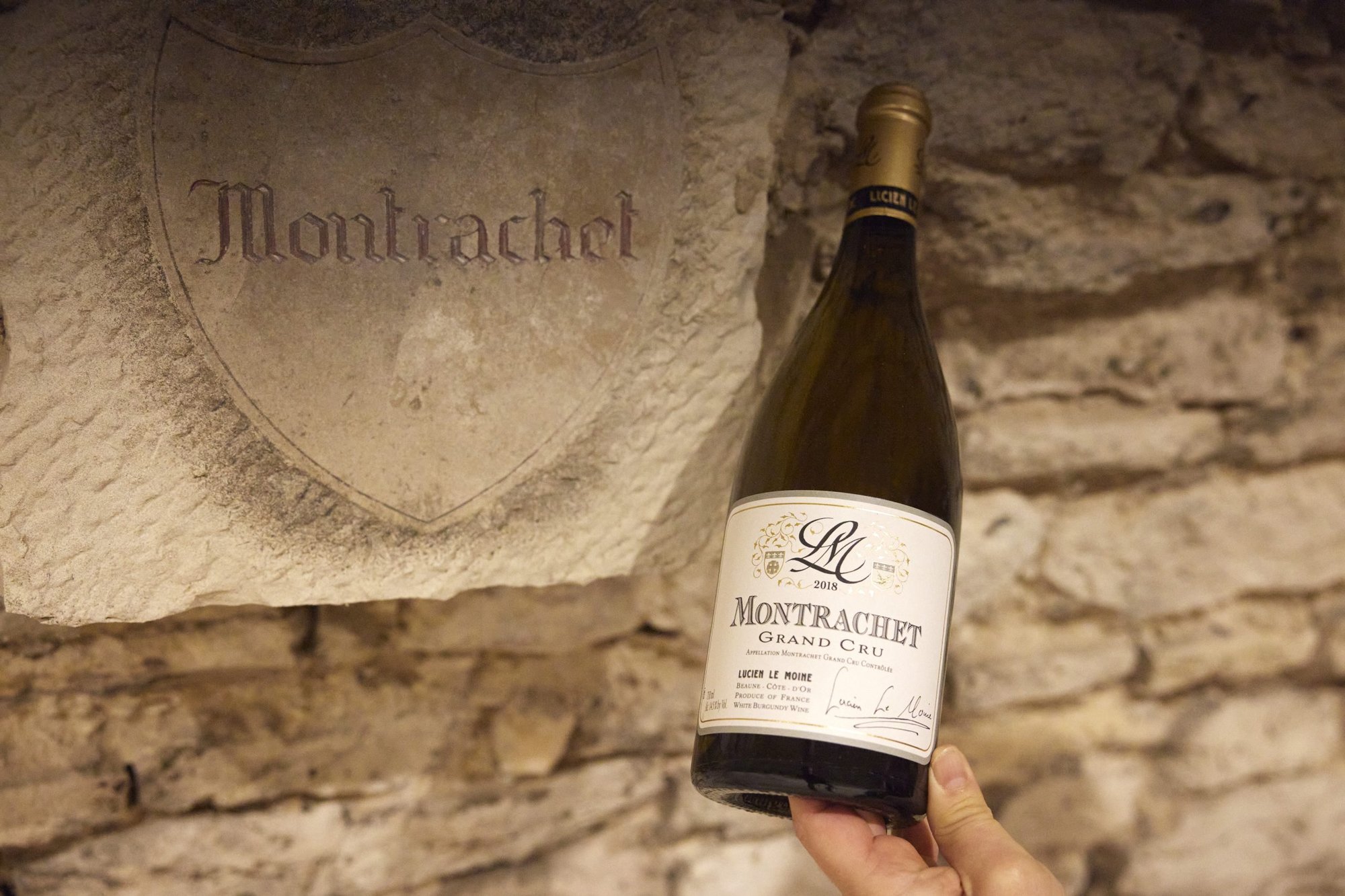
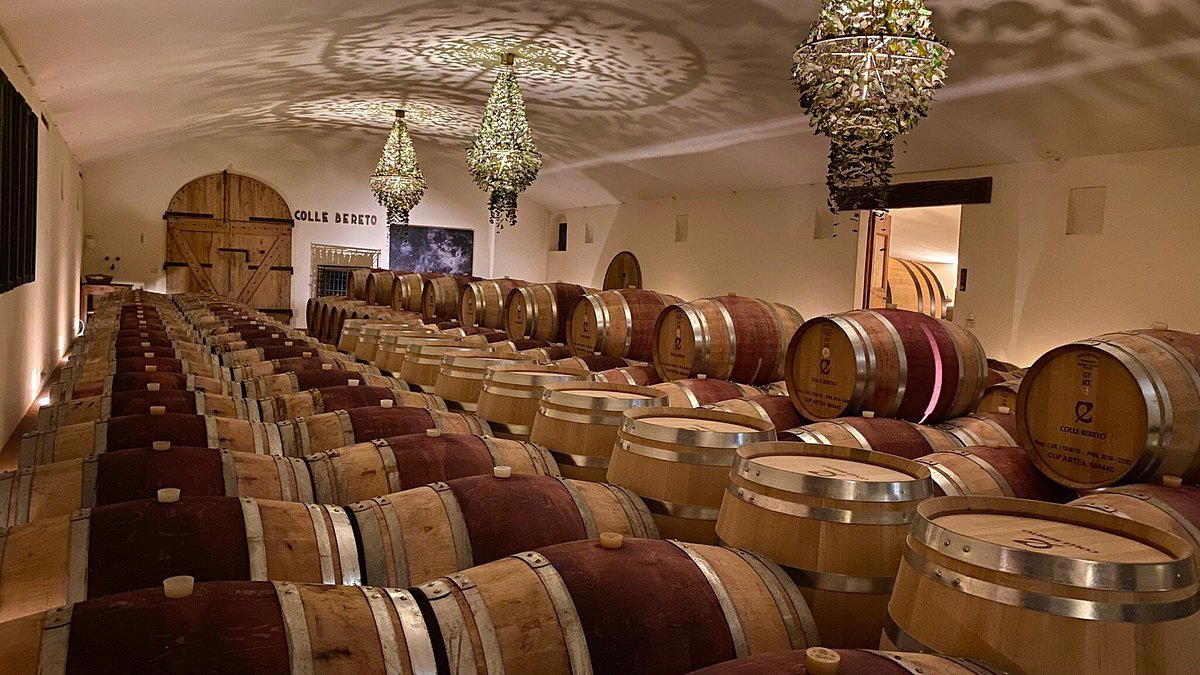
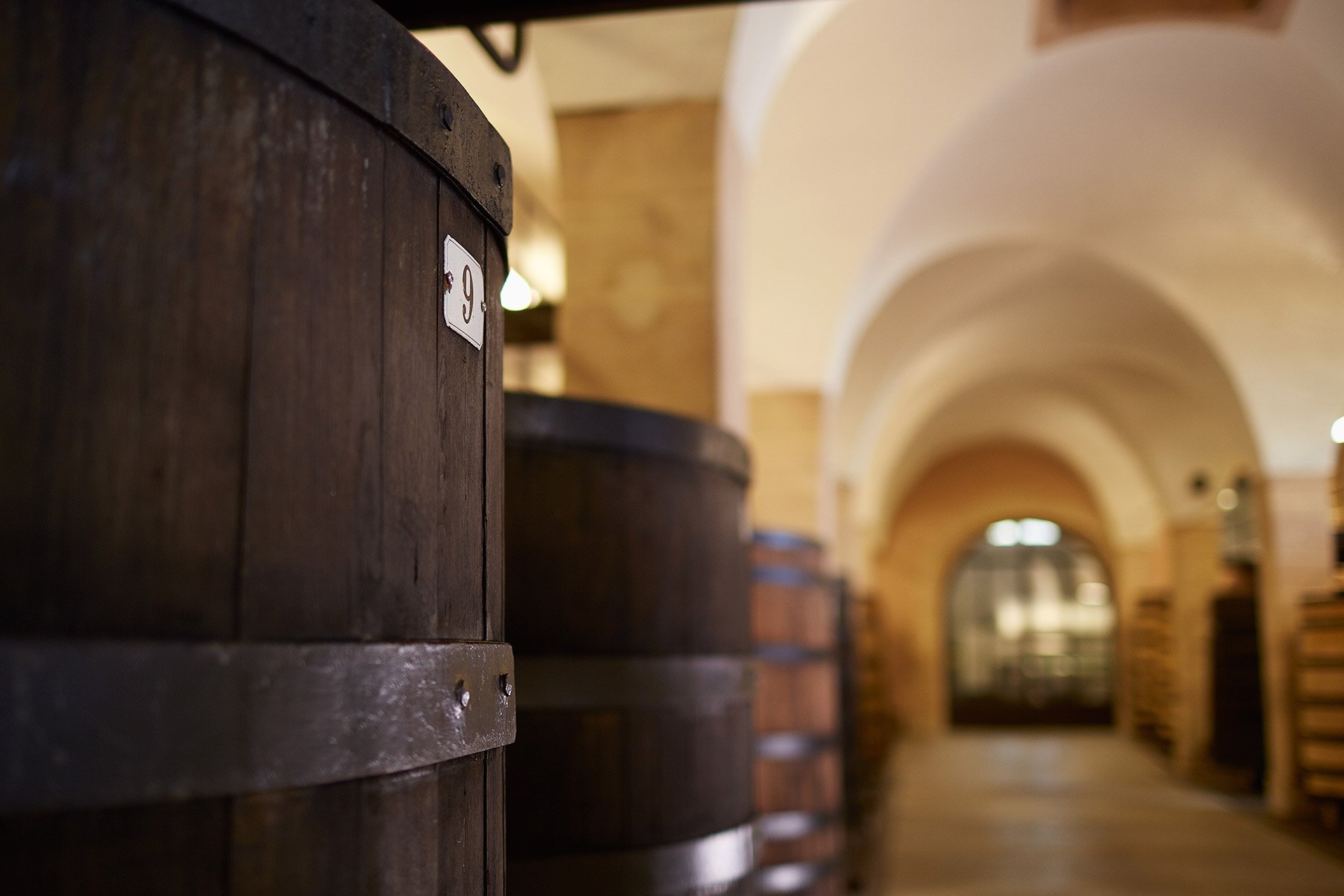
Historic and atmospheric, with cellars embedded in Corton rock housing approximately 800 barrels and 250,000 bottles, creating a sense of timeless tradition and craftsmanship.
Tags
Vibe
Best For
Experience
Sourcing
View
At the Vineyard
- Appellation
- Côte d'Or AOC
- Varietals
- Pinot Noir, Chardonnay, Viognier
- Tour Duration
- 90-120 minutes
- Tour Languages
- French, English
- Visits
- By appointment only
- Farming
- Sustainable
- Wine Styles
- Still Red, Still White
- Shipping
- Available
- Wine Club
- Available
Know before you go
Know Before You Go
- Getting there
- 18 Rue des Tonneliers, 21200 Beaune
Planning details
Location
Recognition and awards

Also consider
Also Consider
- Maison Champy, Notable alternative
- Domaine Clos de la Chapelle, Notable alternative
- Domaine Louis Jadot, Notable alternative
- Pierre Meurgey, Notable alternative
- Domaine Bouchard Père et Fils, Notable alternative
Winery context
How it compares in Beaune
Maison Louis Latour is the pick for travelers who want the weight of a major Burgundy house and are willing to deal with tougher access. Maison Champy is the closest historic-house comparison and makes sense for visitors who want a similar Beaune context with a potentially softer planning curve.
Domaine Clos de la Chapelle is better for a more domaine-specific lens, while Domaine Louis Jadot suits travelers prioritizing a widely recognized Burgundy name. Pierre Meurgey is the better cross-shop if the goal is a smaller-feeling producer visit rather than the gravity of a larger house.
For ambiance and visitor confidence, Domaine Bouchard Père et Fils is the safer fallback if this booking does not come through. Choose Maison Louis Latour when the producer itself is the point; choose Bouchard or Champy when the day needs to feel smoother and less dependent on access.
Around this place
Discover more on Pearl
Unlock the full Maison Louis Latour guide in Pearl, including awards, comparisons, FAQs, planning details, and nearby places.
Compare Maison Louis Latour
| Venue | Location | Awards |
|---|---|---|
| Maison Louis Latour | Beaune | 2026 Falstaff Winery Guide |
| Maison Champy | Beaune | 2026 Falstaff Winery Guide |
| Domaine Clos de la Chapelle | Beaune | 2026 Falstaff Winery Guide |
| Domaine Louis Jadot | Chapelle-Voland | 2025 Pearl 3 Star Prestige |
| Pierre Meurgey | Beaune | 2026 Falstaff Winery Guide |
| Domaine Bouchard Père et Fils | Beaune | 2026 Falstaff Winery Guide2026 Michelin Grape Main Selection - Burgundy2025 Pearl 4 Star Prestige |


How Maison Louis Latour Beaune compares with similar nearby venues.
FAQ
Frequently Asked Questions
What is Maison Louis Latour known for?
Maison Louis Latour is a Beaune venue with confirmed Pearl 4 Star Prestige recognition for 2025.
Where is Maison Louis Latour located?
Maison Louis Latour is located in Beaune.
Do I need reservations at Maison Louis Latour?
Verify the current visit or booking policy through Maison Louis Latour's official channels before planning around it.