
Weingut Peter Jakob Kühn
Oestrich-Winkel
Winery in Oestrich-Winkel, Germany
 Book with Pearl
The Read
Rheingau Riesling Precision
Why go
Book Weingut Peter Jakob Kühn if the point is deciding what to buy, not simply adding another pretty Rheingau stop. It is better suited to returning visitors and serious Riesling drinkers than first-timers chasing castle ambiance. Cross-shop Schloss Vollrads or Schloss Johannisberg for a more scenic estate experience.
About Weingut Peter Jakob Kühn
For a visit in Oestrich-Winkel, Weingut Peter Jakob Kühn is a venue with limited public details. Details include Pearl 2 Star Prestige (2025) and a smart-casual dress code. If the goal is to compare other regional names, Schloss Vollrads or Fürst von Metternich-Winneburg'sche Domäne Schloss Johannisberg may also belong on the shortlist. If the focus is Weingut Peter Jakob Kühn specifically, keep the plan simple and confirm practical details directly before going.
Do not plan your visit based on assumptions about prices, menus, beverage lists, visit formats, or visitor services. It is an Oestrich-Winkel venue with Pearl 2 Star Prestige recognition in 2025. This makes it relevant for comparing recognized venues, but details of timing, booking, group fit, food, and specific offerings should be checked with the venue rather than assumed.
Choose this for a focused Oestrich-Winkel stop
The right visitor wants Weingut Peter Jakob Kühn on an Oestrich-Winkel itinerary and is comfortable planning around limited public details. Weingut Josef Spreitzer is another Oestrich-Winkel name to consider for comparison. Weingut Allendorf is another regional name for visitors building a broader day.
With pricing, hours, capacity, food service, or visit structure unavailable, the safer decision is to compare intent rather than numbers. Choose Weingut Peter Jakob Kühn when the venue itself is the reason for the stop. If the group needs a guaranteed meal, a detailed visitor program, or a specific schedule, confirm those details directly before committing. For broader planning around the area, use Our full Oestrich-Winkel guide, then pair the day with other Oestrich-Winkel dining if the visit needs a meal attached.
How to build the day around it
Keep the itinerary flexible until the venue confirms the practical details that matter to your group. The dress code is smart casual, so plan for a polished but not formal visit. If accommodation or evening plans matter, confirm those arrangements separately before locking the route.
The broader takeaway: choose this when Weingut Peter Jakob Kühn is the point of the visit, not because of assumptions about service format, food, prices, or specific offerings. For a wider comparison, consider regional names such as Weingüter Wegeler, Schloss Vollrads, Fürst von Metternich-Winneburg'sche Domäne Schloss Johannisberg, Weingut Josef Spreitzer, or Weingut Allendorf.
Planning details
- Location
- Mühlstraße 70, 65375 Oestrich-Winkel
- Website
- weingutpjkuehn.de
- Phone
- +49 6723 2299
The take
The Take
The Vibe
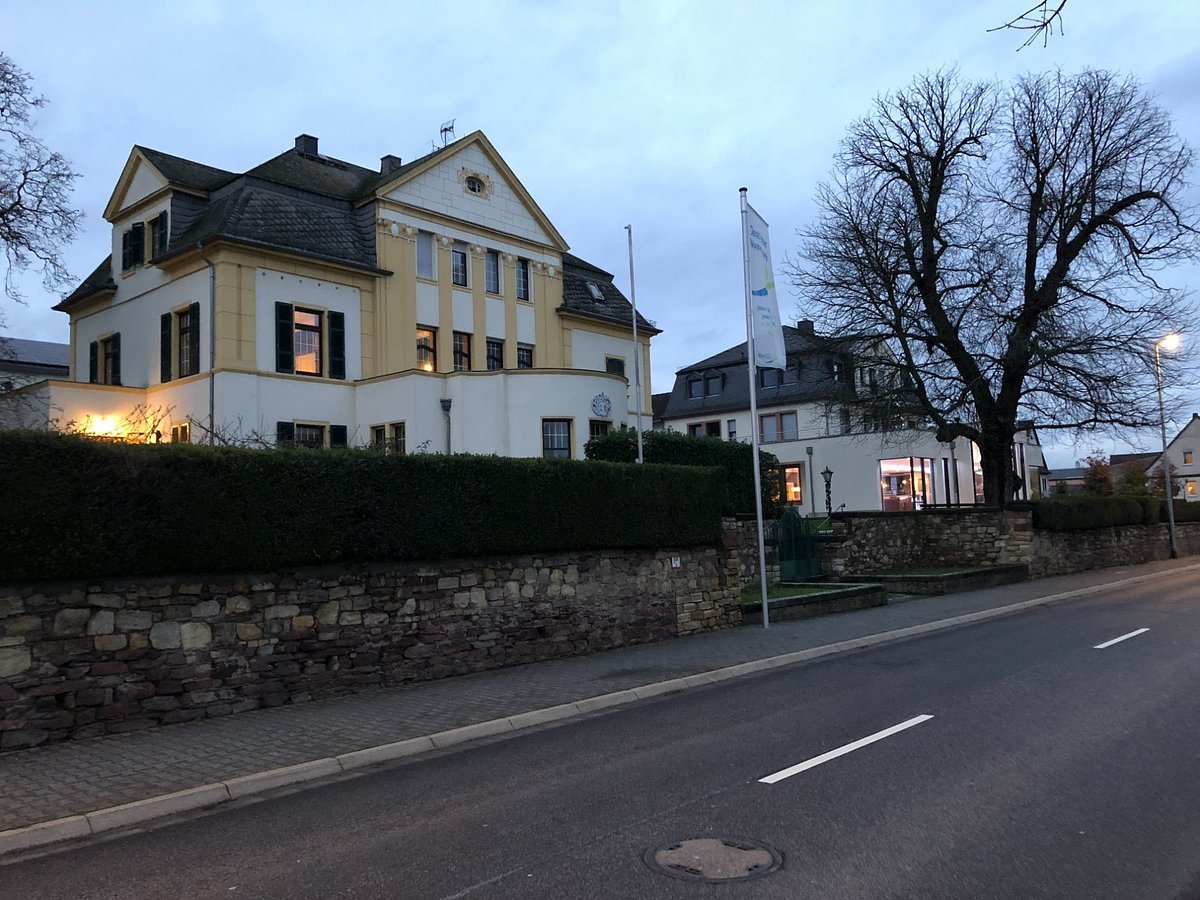
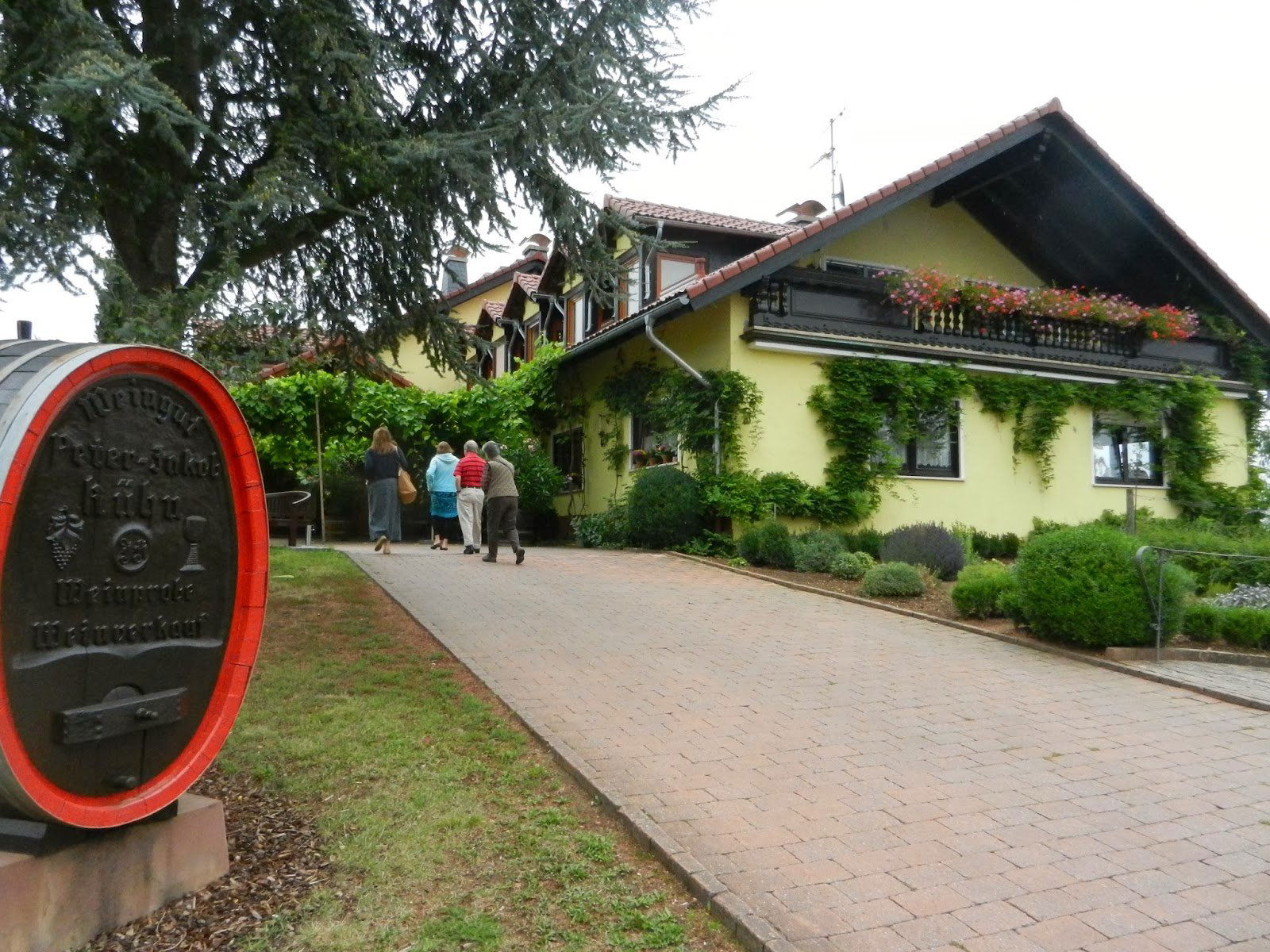
Weingut Peter Jakob Kühn feels rooted in history and quietly confident. The copy traces local viticulture back to the Carolingian era and places the estate squarely within generations of Riesling tradition, so visits carry a palpable sense of lineage. The property sits in the residential heart of Oestrich-Winkel rather than on the tourist track, so the experience reads as earnest and unvarnished—a working estate where winemaking takes precedence over spectacle. Expect a serene, classic wine-country character: storied vineyards, an emphasis on terroir and craft, and an atmosphere that rewards focused attention rather than loud socializing.
Best For
This estate is best for serious wine visitors and anyone drawn to deep regional context. It suits travelers coming from Frankfurt who want an accessible yet traditionally minded Rheingau stop, as well as solo explorers and small groups seeking an authentic working-estate visit. The winery’s recent recognition marks it as a destination for those studying Riesling or assembling noteworthy cellar additions. It is less a tourist spectacle and more a place for considered tasting and learning—ideal for visitors who value history, terroir and the quiet professionalism of a producer with established regional standing.
Tasting Tips
The description emphasizes that Kühn operates as a working estate in a quieter residential street rather than a tourist centre, and that the village is about an hour’s drive from Frankfurt. Plan visits with that context in mind: treat the stop like a focused winery appointment rather than a casual roadside attraction, and allow travel time when coming from the international hub. The estate’s stature in the Rheingau suggests prioritizing tastings that explore regional Riesling expression and the parcels behind the producer’s recognition.
Venue details
Ambiance
Cozy and authentic family winery atmosphere emphasizing origin, elegance, and emotional depth in a traditional setting.
Tags
Vibe
Best For
Experience
Sourcing
View
At the Vineyard
- Appellation
- Rheingau
- Varietals
- Riesling, Spätburgunder
- Tour Duration
- 60-90 minutes
- Tour Languages
- German, English
- Visits
- By appointment only
- Farming
- Biodynamic
- Wine Styles
- Still White
- Wine Club
- Not available
Know before you go
Know Before You Go
- Getting there
- Mühlstraße 70, 65375 Oestrich-Winkel
Planning details
Location
Recognition and awards

Also consider
Where to Go If This Is Full
If this is not available, try Weingut Josef Spreitzer first for the closest serious local comparison. For a group with mixed wine interest, Weingut Allendorf is the more forgiving backup.
If the day needs a stronger sense of place, switch to Schloss Vollrads or Fürst von Metternich-Winneburg'sche Domäne Schloss Johannisberg in Rheingau.
Winery context
How It Compares
Against Oestrich-Winkel peers, Weingut Peter Jakob Kühn is the pick for value judged through wine quality rather than visitor amenities. Weingüter Wegeler and Weingut Josef Spreitzer are the closest practical cross-shops for a serious local tasting day, especially if the goal is to compare Riesling producers without turning the visit into a sightseeing circuit.
Weingut Allendorf is the safer alternative for mixed groups because it reads as more approachable for visitors who are not judging bottles for repeat buying. Schloss Vollrads is better for ambiance and a clearer estate-day feeling, while Fürst von Metternich-Winneburg'sche Domäne Schloss Johannisberg is the move when the setting matters as much as the wine.
The practical recommendation: choose Peter Jakob Kühn for a focused, quality-led stop; choose Schloss Vollrads or Schloss Johannisberg for visitors who want the Rheingau visually framed; choose Allendorf when the group needs an easier, lower-pressure tasting day.
Explore Oestrich-Winkel
Around this place
Discover more on Pearl
Unlock the full Weingut Peter Jakob Kühn guide in Pearl, including awards, comparisons, FAQs, planning details, and nearby places.
Compare Weingut Peter Jakob Kühn
| Venue | Location | Awards |
|---|---|---|
| Weingut Peter Jakob Kühn | Oestrich-Winkel | 2026 Falstaff Winery Guide |
| Weingüter Wegeler | Oestrich-Winkel | 2026 Falstaff Winery Guide |
| Weingut Josef Spreitzer | Oestrich-Winkel | 2026 Falstaff Winery Guide |
| Weingut Allendorf | Oestrich-Winkel | 2026 Falstaff Winery Guide |
| Schloss Vollrads | Oestrich-Winkel | 2026 Falstaff Winery Guide2019 World's 50 Best Vineyards · #33 |
| Fürst von Metternich-Winneburg’sche Domäne Schloss Johannisberg | Rheingau | 2020 World's 50 Best Vineyards · #12 |

How Weingut Peter Jakob Kühn compares with similar nearby venues.
FAQ
Frequently Asked Questions
Can Weingut Peter Jakob Kühn handle large groups?
Information on group capacity is not available. If you are planning for a larger party, contact Weingut Peter Jakob Kühn directly before making the visit part of an Oestrich-Winkel itinerary.
When is the best time to visit Weingut Peter Jakob Kühn?
Specific visiting hours are not available. Plan around confirmed information from the venue, and treat it as an Oestrich-Winkel stop that merits direct confirmation before you go.
What other venues can I compare with Weingut Peter Jakob Kühn?
Other names to consider for a wider comparison include Weingüter Wegeler, Weingut Josef Spreitzer, Weingut Allendorf, Schloss Vollrads, and Fürst von Metternich-Winneburg'sche Domäne Schloss Johannisberg. Use those when building a broader itinerary.
What recognition is for Weingut Peter Jakob Kühn?
Recognition includes Pearl 2 Star Prestige (2025). Other awards or ratings are not listed.
How long should I plan for a visit to Weingut Peter Jakob Kühn?
A specific visit length is not available. Confirm the current format and timing with Weingut Peter Jakob Kühn, especially if you are coordinating multiple stops in Oestrich-Winkel.
Does Weingut Peter Jakob Kühn serve food?
Food service details are not available. If a meal is part of your plan, confirm directly with the venue or arrange dining separately in Oestrich-Winkel.