
Fürst von Metternich-Winneburg’sche Domäne Schloss Johannisberg
Johannisberg (Geisenheim), Rheingau
Winery in Rheingau, Germany
 Book with Pearl
The Read
Riesling's Sacred Slope
Why go
Book this if the priority is Rheingau Riesling context in a high-impact estate setting rather than a quick tasting-room stop. The World's 50 Best Vineyards recognition supports the detour, but value should be judged by the bottles and visit format, not reputation alone.
About Fürst von Metternich-Winneburg’sche Domäne Schloss Johannisberg
In the Rheingau, Fürst von Metternich-Winneburg'sche Domäne Schloss Johannisberg has clear external recognition: World's 50 Best Vineyards ranked it #12 in 2020, and Pearl lists it as 1 Star Prestige for 2025. Visitors should check specific visit details directly before planning around the estate.
For travelers comparing Rheingau stops, the value rests on the venue's recognition. Visitors should confirm details such as tasting formats, opening hours, food service, shipping, group policies, and bottle-level recommendations directly with the venue.
A Rheingau stop with confirmed recognition
The recommendation is simple: put Fürst von Metternich-Winneburg'sche Domäne Schloss Johannisberg on the short list if the goal is a Rheingau visit with strong recognition. Its World's 50 Best Vineyards #12 recognition in 2020 and Pearl 1 Star Prestige status in 2025 make it more than a generic stop, but practical details of the visit should still be confirmed directly.
For planning the rest of the trip, compare it with other Rheingau names such as Schloss Vollrads, Weingut Allendorf, Weingut Josef Spreitzer, and Weingut Peter Jakob Kühn, or use other Rheingau dining and travel resources to fill in meals, stays, and non-wine time.
Planning details
- Location
- Schloss Johannisberg, 65366 Geisenheim
- Website
- schloss-johannisberg.de
- Phone
- +49 6722 70090
The take
The Take
The Vibe
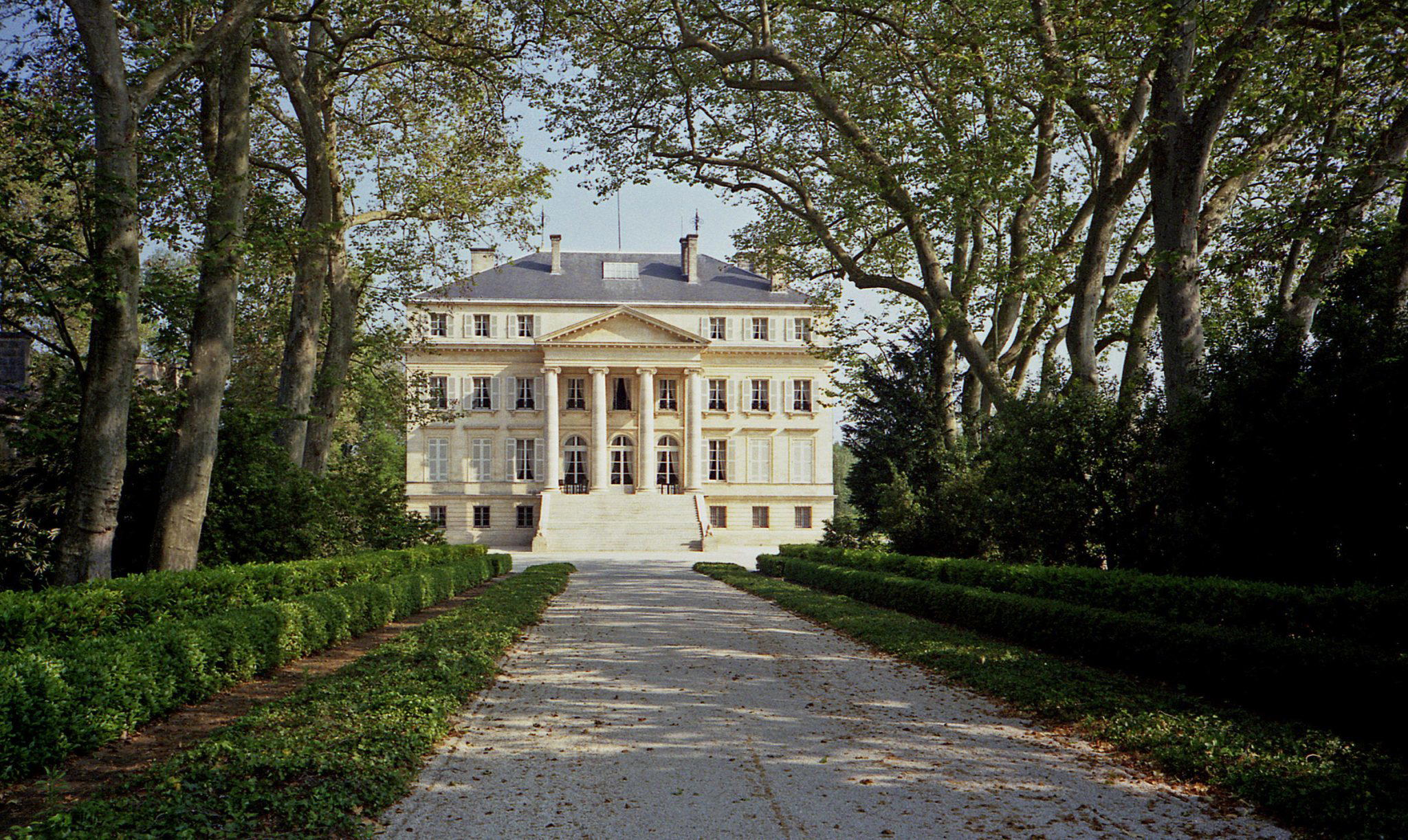
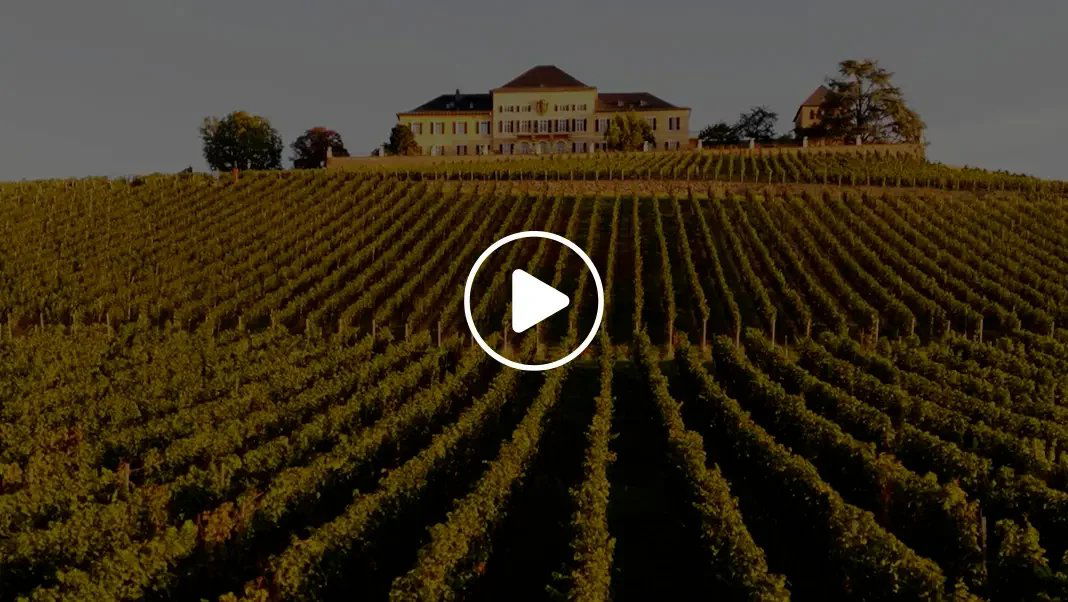
Schloss Johannisberg reads like a statement: a neoclassical palace crowned on a south-facing slope with the Rhine glinting below and meticulously ordered rows of Riesling vines. The property’s architecture and long documented history anchor its personality in the historic and classic register, while the dramatic riverside perch and vineyard geometry give it an unmistakably scenic quality. For wine lovers the estate also feels iconic—an origin point for perceptions of Rheingau Riesling—so visits combine cultivated gravitas with impressive natural setting. The overall impression is elegant and deliberate, where landscape and legacy are as much part of the experience as what ends up in the glass.
Best For
Johannisberg is best for visitors focused on wine discovery and regional context—oenophiles, students of Riesling and anyone curious about the geological and historical forces behind great vineyards. The estate’s documented role in Riesling’s history and its south‑facing slopes make it a reference point for specialists and engaged travelers rather than a casual stop. The setting also suits those who appreciate scenic estate visits: the palace, the rows of vines and the Rhine view reward slow exploration and conversation about terroir, vinification and the stylistic range of Rheingau Riesling.
Tasting Tips
When tasting at Johannisberg, prioritize Riesling and seek examples that illustrate the estate’s signature balance of sugar and acidity. The estate’s long association with Riesling makes its bottlings useful comparative references, so taste across levels of ripeness or sweetness if possible to understand how site, sunlight and soil translate into complexity. Ask staff about vineyard‑specific bottlings or older vintages that demonstrate the property’s historical role in the region—those will be most instructive for grasping why Johannisberg is repeatedly cited in discussions of Rheingau Riesling.
Venue details
Ambiance
Historic, prestigious estate atmosphere centered on Riesling production, with a castle setting and vineyard views.
Tags
Vibe
Best For
Experience
View
At the Vineyard
- Appellation
- Rheingau
- Varietals
- Riesling
- Tour Duration
- 60-90 minutes
- Tour Languages
- German, English
- Visits
- By appointment only
- Farming
- Sustainable
- Production
- Large producer
- Wine Styles
- Still White
- Shipping
- Available
- Wine Club
- Available
Know before you go
Know Before You Go
- Getting there
- Schloss Johannisberg, 65366 Geisenheim
Planning details
Location
Recognition and awards

Also consider
Also Consider
- Schloss Johannisberg, Notable alternative
- Weingut Allendorf, Notable alternative
- Schloss Vollrads, Notable alternative
- Weingut Peter Jakob Kühn, Notable alternative
- Weingut Josef Spreitzer, Notable alternative
Winery context
Against Schloss Johannisberg, this is effectively the heritage-led choice: prioritize it when setting and Riesling context matter as much as the tasting itself. Weingut Allendorf is the easier recommendation for a more relaxed, value-minded Rheingau stop, while this address suits travelers willing to plan harder for a more formal estate experience.
Schloss Vollrads is the closest cross-shop for visitors who want castle ambiance with a similarly strong visual setting. Choose Schloss Vollrads if the day needs a slightly broader visitor-friendly feel; choose this estate if the deciding factor is a tighter focus on Rheingau Riesling prestige and cellar relevance.
Weingut Peter Jakob Kühn and Weingut Josef Spreitzer are better fits for drinkers who want producer-level comparison and less emphasis on grand-estate atmosphere. If the goal is value discovery, start there; if the goal is a benchmark Rheingau stop with stronger destination energy, prioritize this booking.
Explore Rheingau
Around this place
Discover more on Pearl
Unlock the full Fürst von Metternich-Winneburg’sche Domäne Schloss Johannisberg guide in Pearl, including awards, comparisons, FAQs, planning details, and nearby places.
Compare Fürst von Metternich-Winneburg’sche Domäne Schloss Johannisberg
| Venue | Location | Awards |
|---|---|---|
| Fürst von Metternich-Winneburg’sche Domäne Schloss Johannisberg | Rheingau | 2020 World's 50 Best Vineyards · #12 |
| Schloss Johannisberg | Geisenheim-Johannisberg | 2025 World's 50 Best Vineyards · #22024 World's 50 Best Vineyards · #52023 World's 50 Best Vineyards · #82022 World's 50 Best Vineyards · #52021 World's 50 Best Vineyards · #342019 World's 50 Best Vineyards · #21 |
| Weingut Allendorf | Oestrich-Winkel | 2026 Falstaff Winery Guide |
| Schloss Vollrads | Oestrich-Winkel | 2026 Falstaff Winery Guide2019 World's 50 Best Vineyards · #33 |
| Weingut Peter Jakob Kühn | Oestrich-Winkel | 2026 Falstaff Winery Guide |
| Weingut Josef Spreitzer | Oestrich-Winkel | 2026 Falstaff Winery Guide |

How Schloss Johannisberg Rheingau compares with similar nearby venues.
FAQ
Frequently Asked Questions
How long should I plan for a visit to Fürst von Metternich-Winneburg'sche Domäne Schloss Johannisberg?
Plan your visit length by confirming current details directly with the estate before building the day around it.
Can Fürst von Metternich-Winneburg'sche Domäne Schloss Johannisberg handle large groups?
If you are visiting with a group, contact the estate directly to inquire about group capacity and reservation requirements before arriving.
Does Fürst von Metternich-Winneburg'sche Domäne Schloss Johannisberg serve food?
Are membership or mailing-list options at Fürst von Metternich-Winneburg'sche Domäne Schloss Johannisberg worth considering?
If membership or mailing-list options are available, judge them from the estate's current terms and your own plans.
What other venues can I compare with Fürst von Metternich-Winneburg'sche Domäne Schloss Johannisberg?
Other names to compare with include Schloss Vollrads, Weingut Allendorf, Weingut Peter Jakob Kühn, and Weingut Josef Spreitzer. Use them as additional reference points when planning a Rheingau itinerary.
What is the flagship wine at Fürst von Metternich-Winneburg'sche Domäne Schloss Johannisberg?
Ask the estate directly which current wine best represents Fürst von Metternich-Winneburg'sche Domäne Schloss Johannisberg.