
Weingut Josef Spreitzer
Oestrich-Winkel
Winery in Oestrich-Winkel, Germany
 Book with Pearl
The Read
Rheingau Slate Precision
Price
$20–30tasting
Why go
A serious Oestrich-Winkel winery pick for travelers who want a focused Rheingau tasting rather than a casual drop-in. Best suited to couples, small celebration groups, and wine-first itineraries; cross-shop Schloss Vollrads for setting, Weingut Peter Jakob Kühn for a more specialist comparison, and Weingut Allendorf for an easier fallback plan.
About Weingut Josef Spreitzer
Weingut Josef Spreitzer is a Pearl 2 Star Prestige (2025) venue in Oestrich-Winkel with a casual dress code. For practical planning, contact the venue directly before assuming a particular format, schedule, menu, tasting structure, address, price, or service.
For a special occasion, the appeal is clearest if the group wants a recognized stop in Oestrich-Winkel and is comfortable checking the practical details in advance. Before building the plan around a specific address, food service, private tasting format, flagship bottle, pricing, or shipping option, clarify those details with the venue. Keep expectations simple: this is a recognized venue, but the exact visit experience should be checked directly before you go.
Plan around confirmed details, not assumptions
If you are considering Weingut Josef Spreitzer, plan with care rather than assuming it works as a casual drop-in or a structured visit. Contact the venue directly for hours, reservation rules, group capacity, tasting formats, pricing, and food service before arranging travel around it.
For couples, small groups, or occasion-driven visitors, the best approach is to keep the itinerary flexible until you know what is available. A casual dress code means the visit does not require formal attire, but it should still be planned thoughtfully. Clarify timing, access, and any hosted experience before promising the group a particular kind of visit.
Where it fits among comparison venue choices
Cross-shop Weingut Josef Spreitzer with Schloss Vollrads, Weingut Allendorf, Weingut Balthasar Ress, Weingut Peter Jakob Kühn, and Weingüter Wegeler. Keep the comparison practical: choose based on current availability, the kind of visit each venue can actually offer, and how much structure your group wants. Weingut Josef Spreitzer stands out here for its Pearl 2 Star Prestige (2025) recognition and Oestrich-Winkel setting.
For trip planning, use broader Oestrich-Winkel dining and experience research to support the visit rather than overloading the day with assumptions. If you add other venues, confirm each one directly and keep the route coherent. Anchor the plan around the essentials: Weingut Josef Spreitzer is in Oestrich-Winkel, carries Pearl 2 Star Prestige (2025), and has a casual dress code.
Planning details
- Location
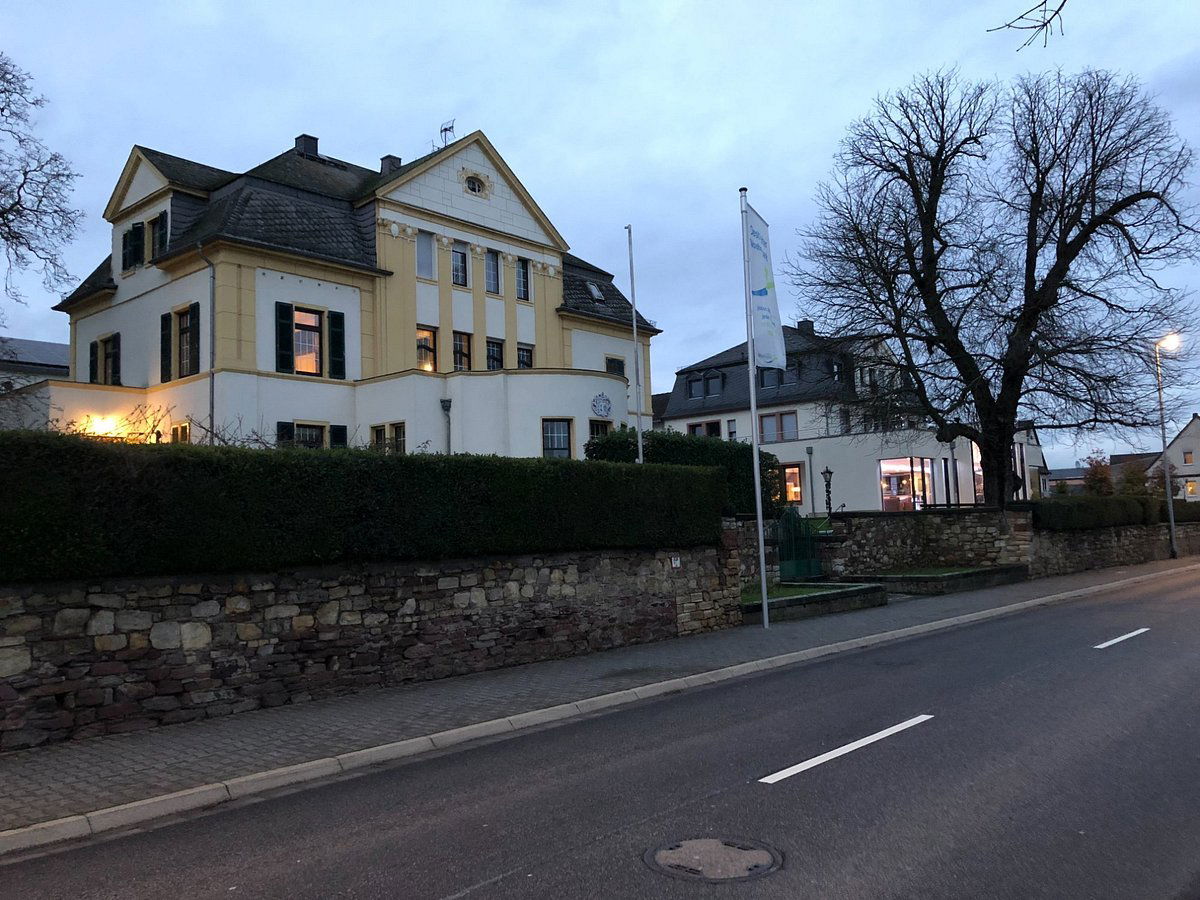
- Rheingaustraße 86, 65375 Oestrich-Winkel
- Website
- weingut-spreitzer.de
- Phone
- +49 6723 2625
The take
The Take
The Vibe
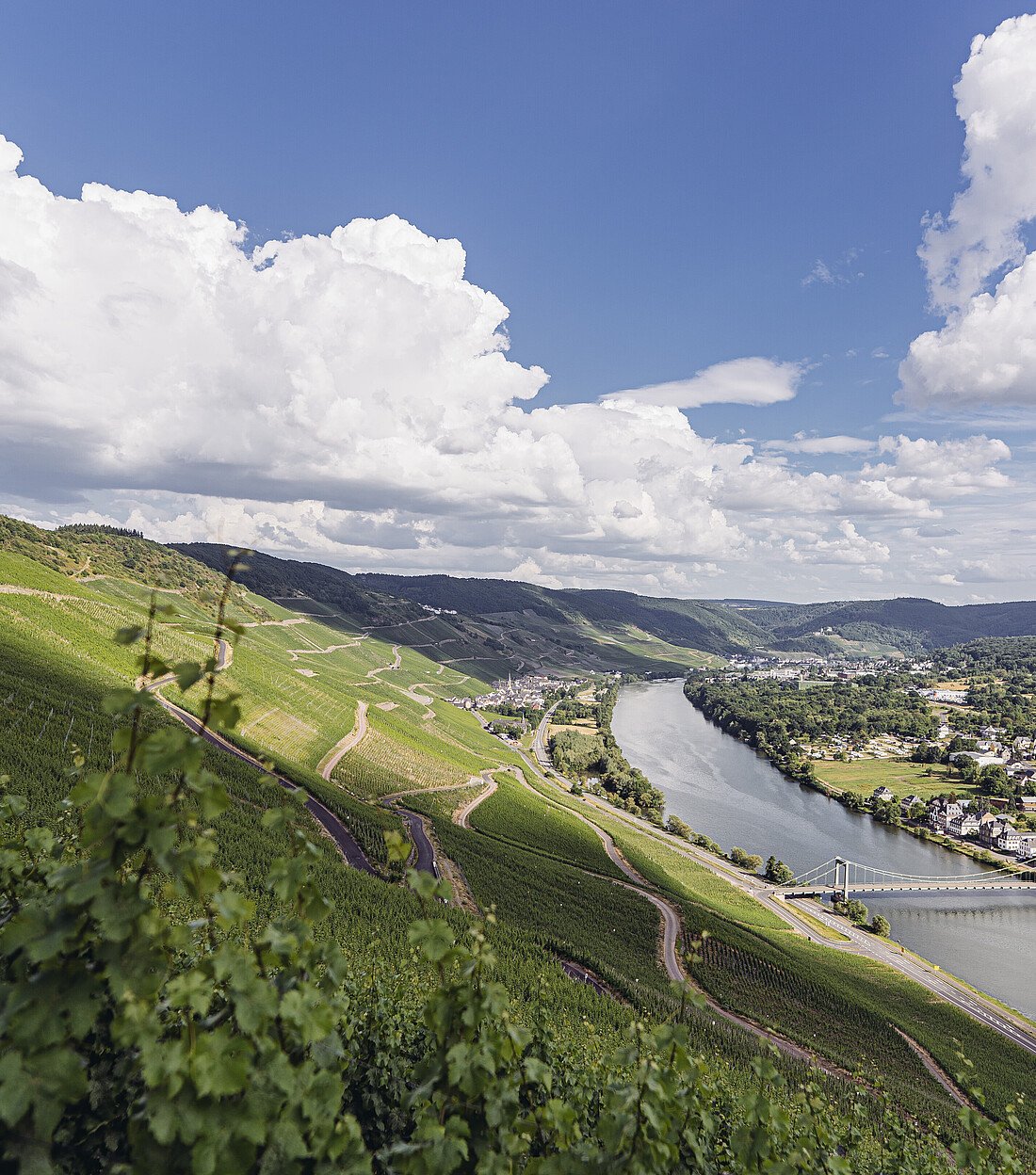
Weingut Josef Spreitzer presents a quietly accomplished profile rooted in place. The estate reads less like a showpiece and more like a producer committed to single-vineyard expression: parcels such as Lenchen and Doosberg get center stage. The writing emphasizes the Rheingau’s long viticultural history and a stylistic debate about intervention and residual sugar, so the overall impression is thoughtful and focused rather than flashy. Recognition like the Pearl 2 Star Prestige nod for 2025 underlines its seriousness; visitors expecting theatrical tasting-room theatrics should instead anticipate thoughtful, site-driven Riesling craftsmanship.
Best For
This is a destination for people who want to parse terroir and varietal nuance. The copy leans heavily on single-site Riesling and the region’s balance of mineral tension and fruit ripeness, so the estate is ideal for wine-education minded visits, deliberate solo exploration, or selecting bottles for a special occasion. Because Spreitzer is described as part of the working fabric of Oestrich-Winkel rather than a showpiece, it suits focused tastings and readers who value vineyard specificity and producer seriousness more than spectacle.
Tasting Tips
Look for single-vineyard bottlings and any wines labeled with named parcels; the text specifically highlights Lenchen and Doosberg as parcels that define the region’s character. Seek bottles that illustrate the Rheingau’s distinct balance of mineral tension and fruit ripeness—those are the qualities the description elevates. The estate’s Pearl 2 Star Prestige recognition for 2025 is a useful cue when choosing bottles or releases that represent the winery’s most taken-seriously work.
Venue details
Ambiance
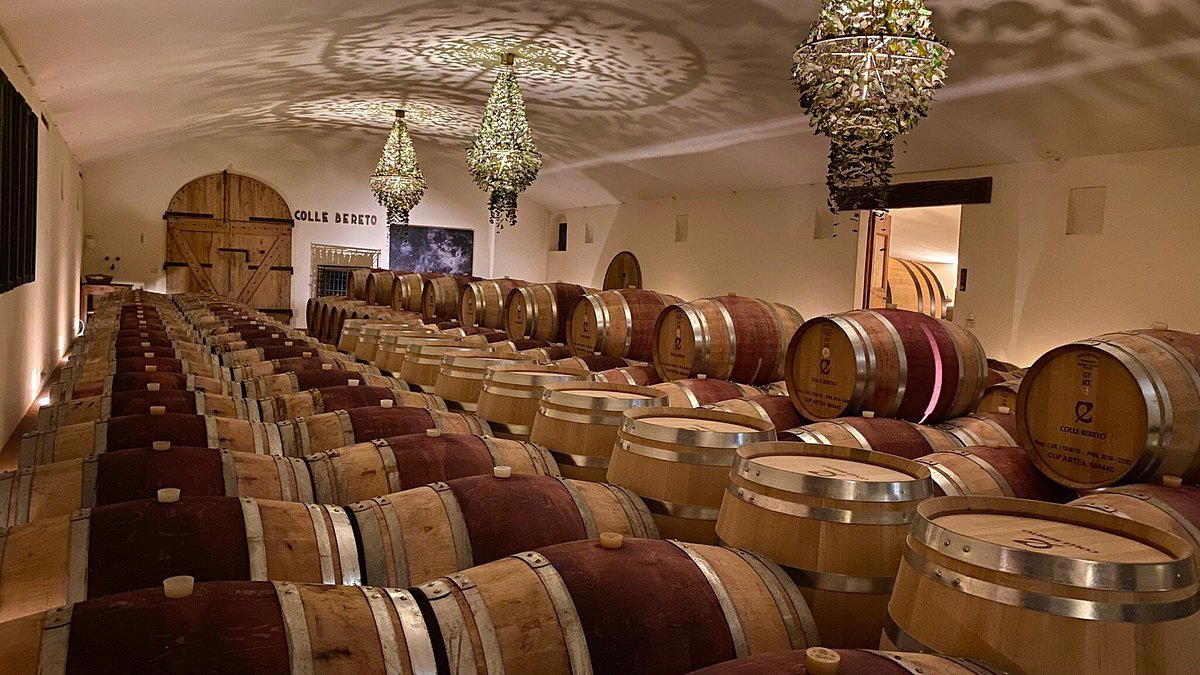
Elegant and subtle with concentrated finesse from traditional barrel aging and natural viticulture.
Tags
Vibe
Best For
Experience
Sourcing
View
At the Vineyard
- Appellation
- Rheingau
- Varietals
- Riesling, Pinot Noir, Grauburgunder, Chardonnay, Weissburgunder
- Tour Duration
- 60-90 minutes
- Tour Languages
- German, English
- Visits
- By reservation
- Farming
- Sustainable
- Wine Styles
- Still White
- Wine Club
- Not available
Know before you go
Know Before You Go
- Getting there
- Rheingaustraße 86, 65375 Oestrich-Winkel
Planning details
Location
Recognition and awards

Also consider
Where to go if this does not work
If access is difficult, try Weingut Peter Jakob Kühn for another serious Oestrich-Winkel wine stop, or Schloss Vollrads when the group needs a stronger setting-led experience.
Winery context
How it compares in Oestrich-Winkel
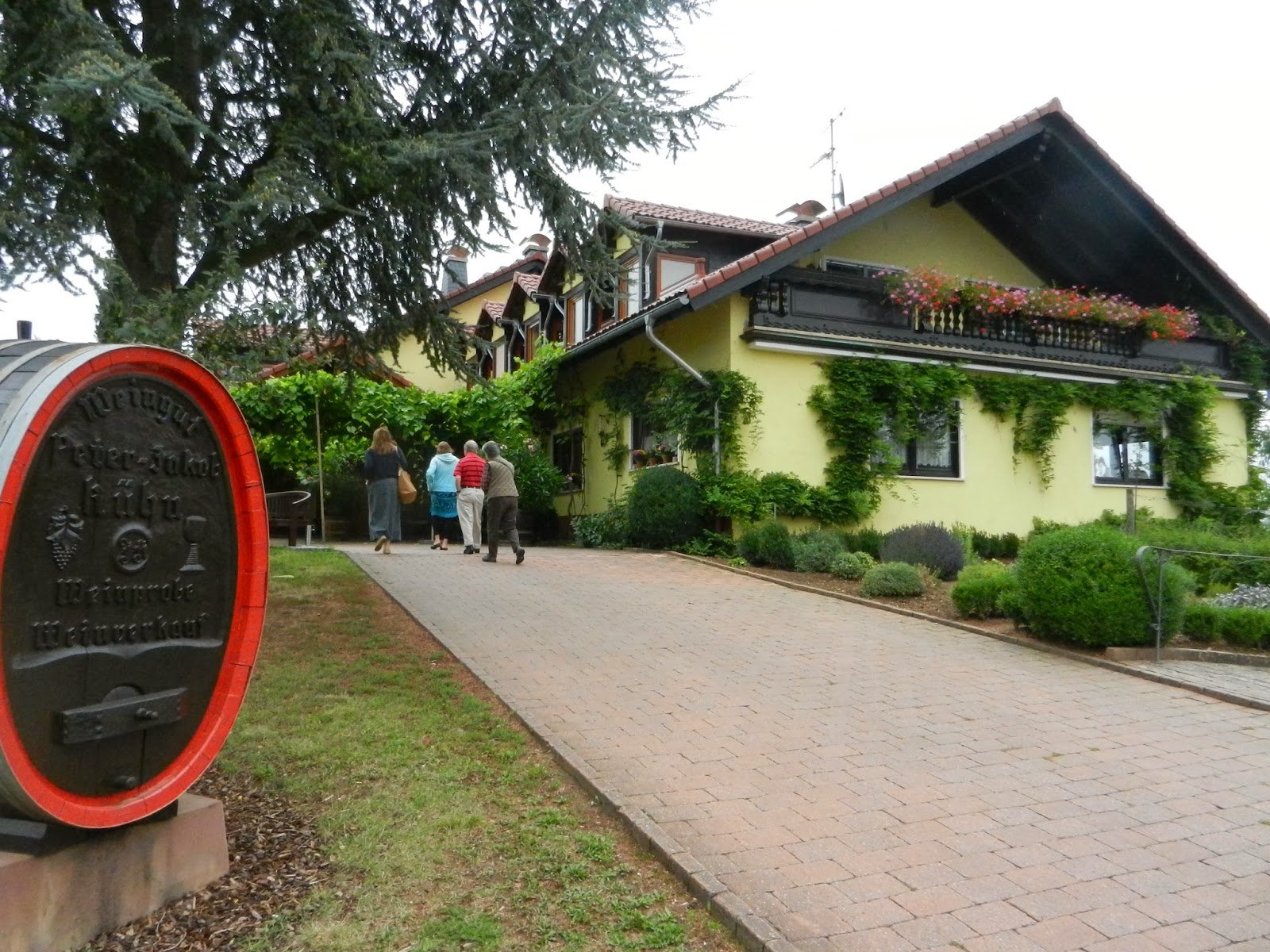
Choose Weingut Josef Spreitzer when the priority is a focused Rheingau winery visit with a special-occasion feel. Weingüter Wegeler is the closest alternative for travelers who want another serious Oestrich-Winkel name, while Weingut Peter Jakob Kühn is the better cross-shop for guests who are building the day around wine reputation rather than easy logistics.
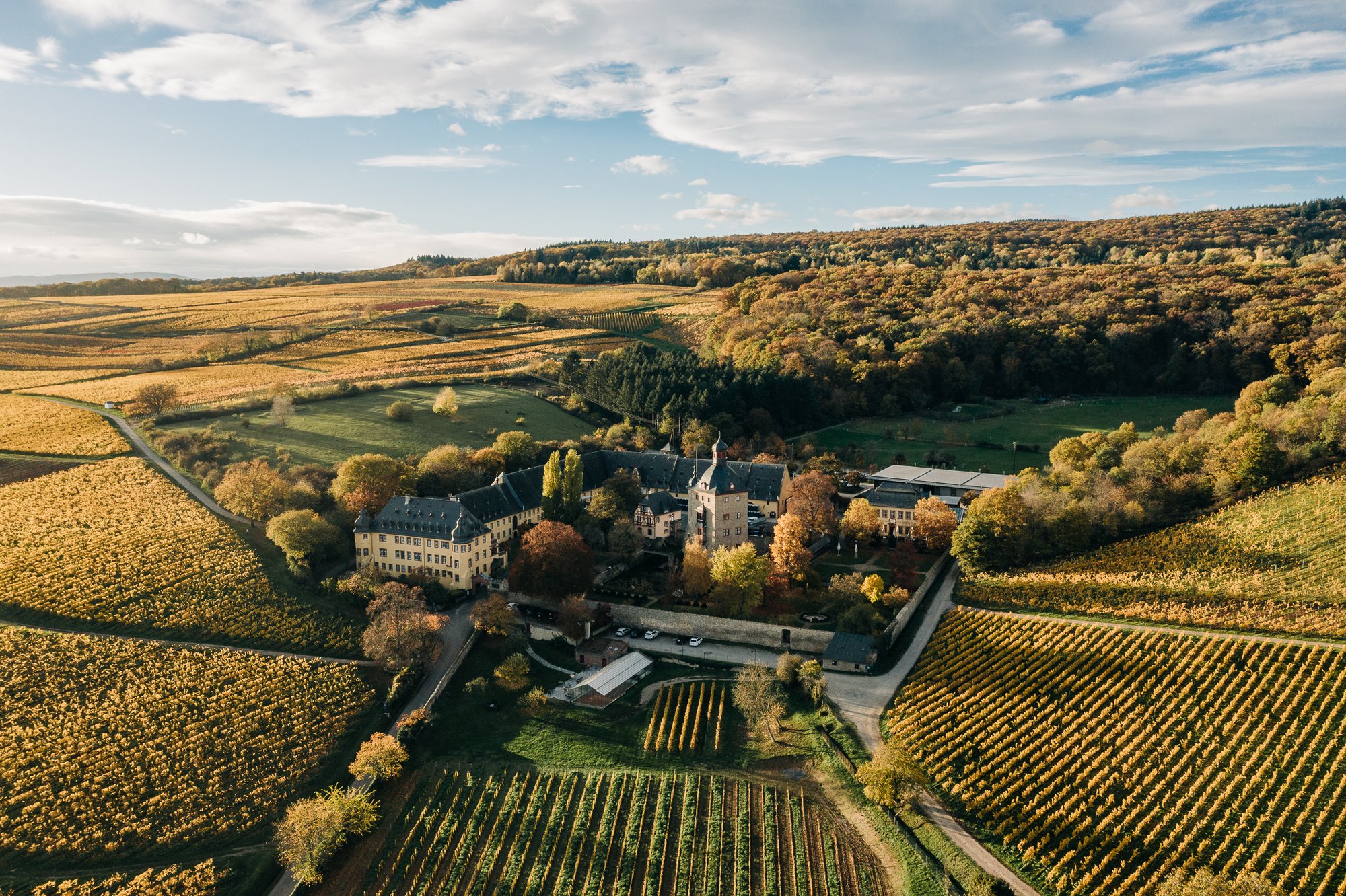
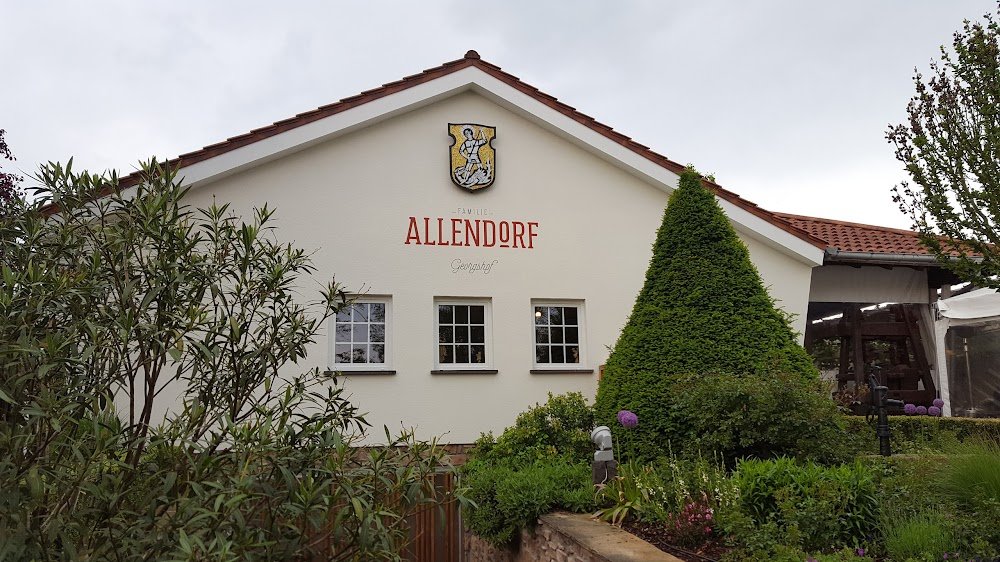
Schloss Vollrads is the stronger pick when ambiance and setting carry the occasion; it is easier to sell to mixed-interest groups who want the place to feel memorable even before tasting. Weingut Allendorf is the more flexible backup for a relaxed local plan in Oestrich-Winkel, especially if the group is less technical about wine.
Weingut Balthasar Ress belongs on the wider Rheingau shortlist if the itinerary can stretch beyond town. For value, prioritize the producer whose tasting format matches the group: small wine-focused parties should pursue Spreitzer or Peter Jakob Kühn; mixed celebration groups should look harder at Schloss Vollrads or Allendorf.
Explore Oestrich-Winkel
Around this place
Discover more on Pearl
Unlock the full Weingut Josef Spreitzer guide in Pearl, including awards, comparisons, FAQs, planning details, and nearby places.
Compare Weingut Josef Spreitzer
| Venue | Location | Awards |
|---|---|---|
| Weingut Josef Spreitzer | Oestrich-Winkel | 2026 Falstaff Winery Guide |
| Weingüter Wegeler | Oestrich-Winkel | 2026 Falstaff Winery Guide |
| Weingut Peter Jakob Kühn | Oestrich-Winkel | 2026 Falstaff Winery Guide |
| Weingut Allendorf | Oestrich-Winkel | 2026 Falstaff Winery Guide |
| Schloss Vollrads | Oestrich-Winkel | 2026 Falstaff Winery Guide2019 World's 50 Best Vineyards · #33 |
| Weingut Balthasar Ress | Eltville | 2026 Falstaff Winery Guide2025 Decanter Winery Prestige |


How Weingut Josef Spreitzer Oestrich-Winkel Review compares with similar nearby venues.
FAQ
Frequently Asked Questions
When is the best time to visit Weingut Josef Spreitzer?
What is the dress code at Weingut Josef Spreitzer?
The dress code is casual. For anything more specific, ask the venue directly.
Does Weingut Josef Spreitzer have recognition?
Yes. Weingut Josef Spreitzer is listed with Pearl 2 Star Prestige recognition for 2025.
What other venues can I compare with Weingut Josef Spreitzer?
Useful comparisons include Schloss Vollrads, Weingut Allendorf, Weingut Balthasar Ress, Weingut Peter Jakob Kühn, and Weingüter Wegeler. Compare them by current availability and fit for your itinerary.
How long should I plan for a visit to Weingut Josef Spreitzer?
Does Weingut Josef Spreitzer serve food?
Ask Weingut Josef Spreitzer directly before planning around a meal at the venue.