
Château Haut-Bages-Libéral
Pauillac
Winery in Pauillac, France
 Book with Pearl
The Read
Bages Plateau Terroir
Why go
A serious Pauillac château for travelers who want estate context more than a casual tasting stop. Château Haut-Bages-Libéral is worth prioritizing if the day is built around classified-growth depth, but it is not the easy fallback when appointments are tight.
About Château Haut-Bages-Libéral
Château Haut-Bages-Libéral is a Pauillac venue with a smart casual dress code and Pearl 3 Star Prestige recognition for 2025. Before planning around it, check current visit format, tasting availability, group handling, shipping, pricing, and hours directly with the château.
The useful way to frame Château Haut-Bages-Libéral is as a Pauillac venue for itineraries that require advance planning. If you are comparing options, pair its award and dress-code details with current practical arrangements before you go.
A Pauillac stop for visitors comparing venues
For travelers building a Pauillac itinerary, Château Haut-Bages-Libéral can be considered alongside other comparison venues. Treat timing, access, and tasting arrangements as items to check before making plans.
For comparison, Château Lynch-Bages, Château Pichon-Longueville-Baron-de-Pichon, and Château Pichon-Longueville-Comtesse-de-Lalande are useful reference points. Château Haut-Bages-Libéral's Pearl 3 Star Prestige recognition is a notable accolade, but it should sit alongside current visitor information when you plan.
Who should prioritize it, and who should cross-shop
Prioritize Château Haut-Bages-Libéral if you want to include a Pearl-recognized Pauillac venue in your plans and are comfortable checking the practical details directly. Cross-shop if your decision depends on specifics such as availability, group logistics, purchasing options, or the exact format of a visit.
Other comparison venues include Château Batailley, Château Grand-Puy-Lacoste, Château Lynch-Bages, Château Pichon-Longueville-Baron-de-Pichon, and Château Pichon-Longueville-Comtesse-de-Lalande. For a broader plan, check Our full Pauillac wineries guide and build around current details rather than assumptions.
Planning details
- Location
- 18 Balogues, 33250 Pauillac
- Website
- gc-lurton-estates.com/fr/chateau-haut-bages-liberal.html
- Phone
- +33 5 56 59 11 88
The take
The Take
The Vibe
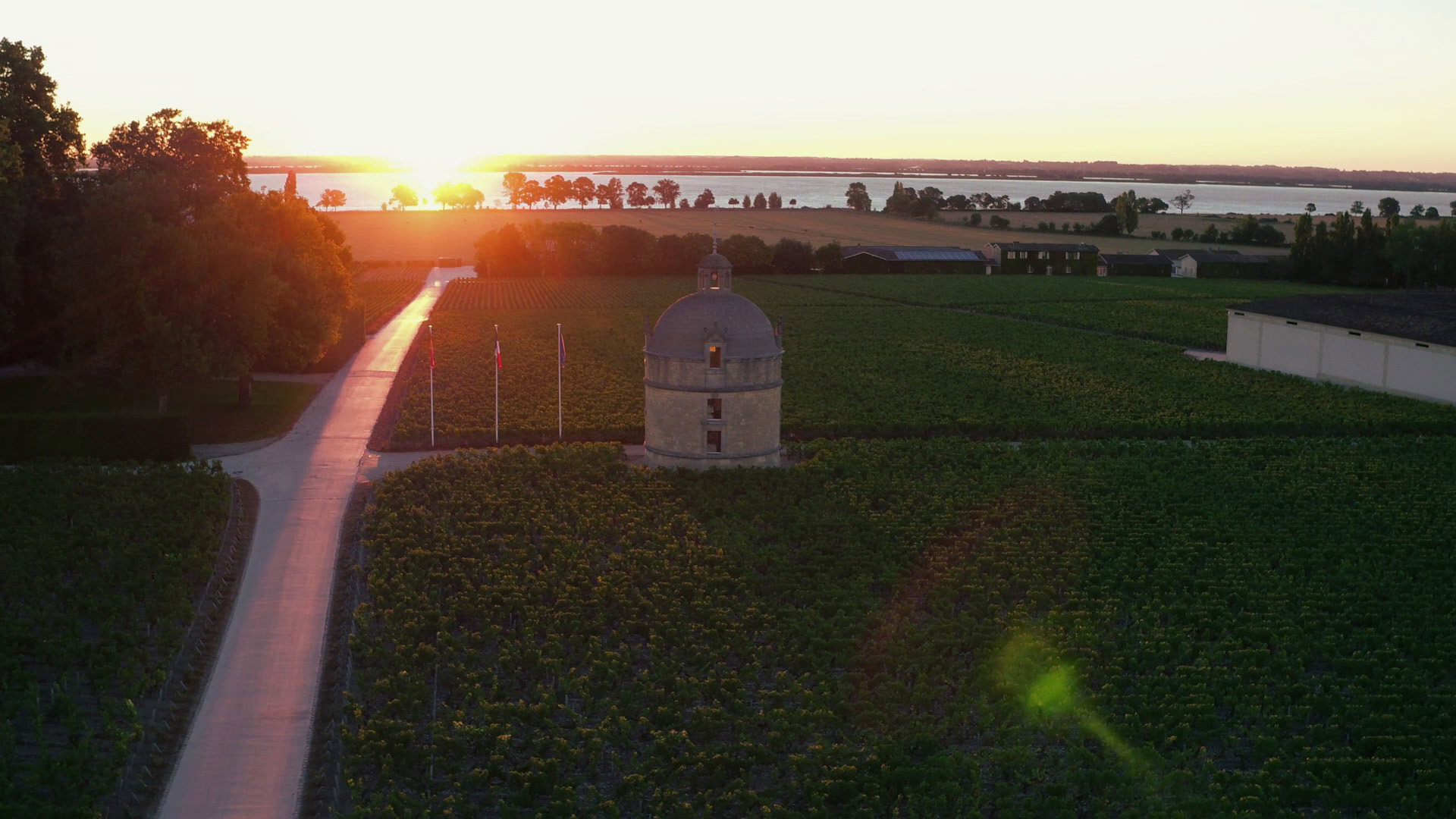
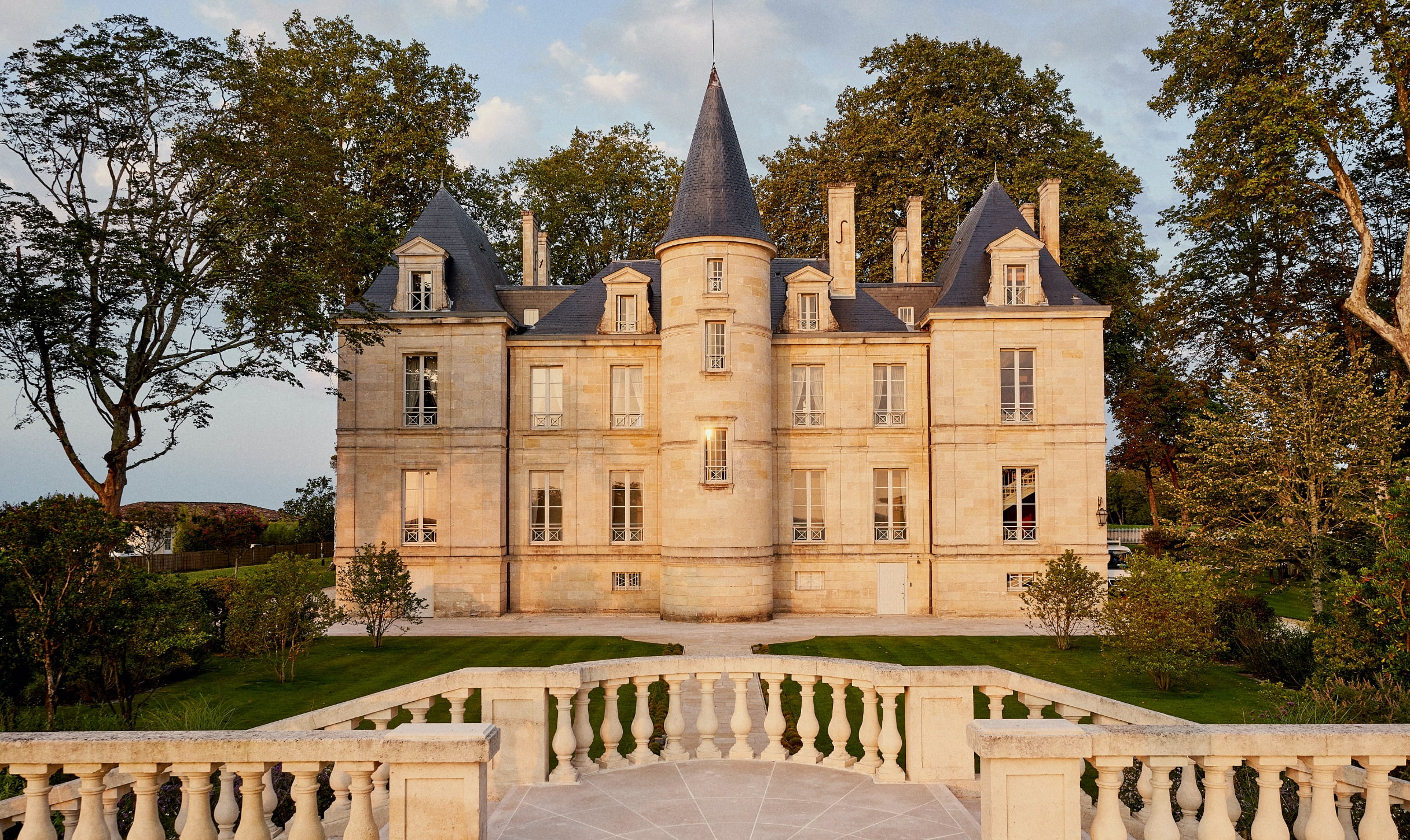
Château Haut-Bages-Libéral reads like a quietly authoritative Pauillac address: a Fifth Growth planted on the gravelly Bages plateau with a neighbourly adjacency to Lafite and Lynch-Bages that reinforces its pedigree. The prose emphasizes terroir and cellar work over showmanship, framing the estate as a historically grounded property whose identity is defined by soil, structure and traditional barrel aging. Rather than celebrity, the tone favors restraint and long-term perspective—an estate that appeals to collectors and serious taster who prize classical Pauillac cut and the discipline of careful cellar decisions.
Best For
This estate is best for collectors, students of Bordeaux and anyone seeking a textbook example of Pauillac structure without the premium of celebrity names. The profile is ideal for wine education and close study: vineyard placement on the Bages plateau and the estate's Fifth Growth status make it a strong example for learning about gravelly terroir and Cabernet-based structure. It also suits special-occasion purchases for those who plan to cellar bottles and let the wines integrate over time rather than drinking them immediately.
Tasting Tips
Think long term when acquiring Haut-Bages-Libéral: the wines are described as structured Cabernet Sauvignon that benefit from time in barrel and bottle. Favor purchases that reflect the estate's Fifth Growth classification rather than market buzz—this property historically trades on value and patience rather than en primeur speculation. If comparing offers, situate it alongside similarly positioned Fifth Growths mentioned in the text; expect wines that reward cellaring and consider buying with a plan to age rather than to drink right away.
Venue details
Ambiance
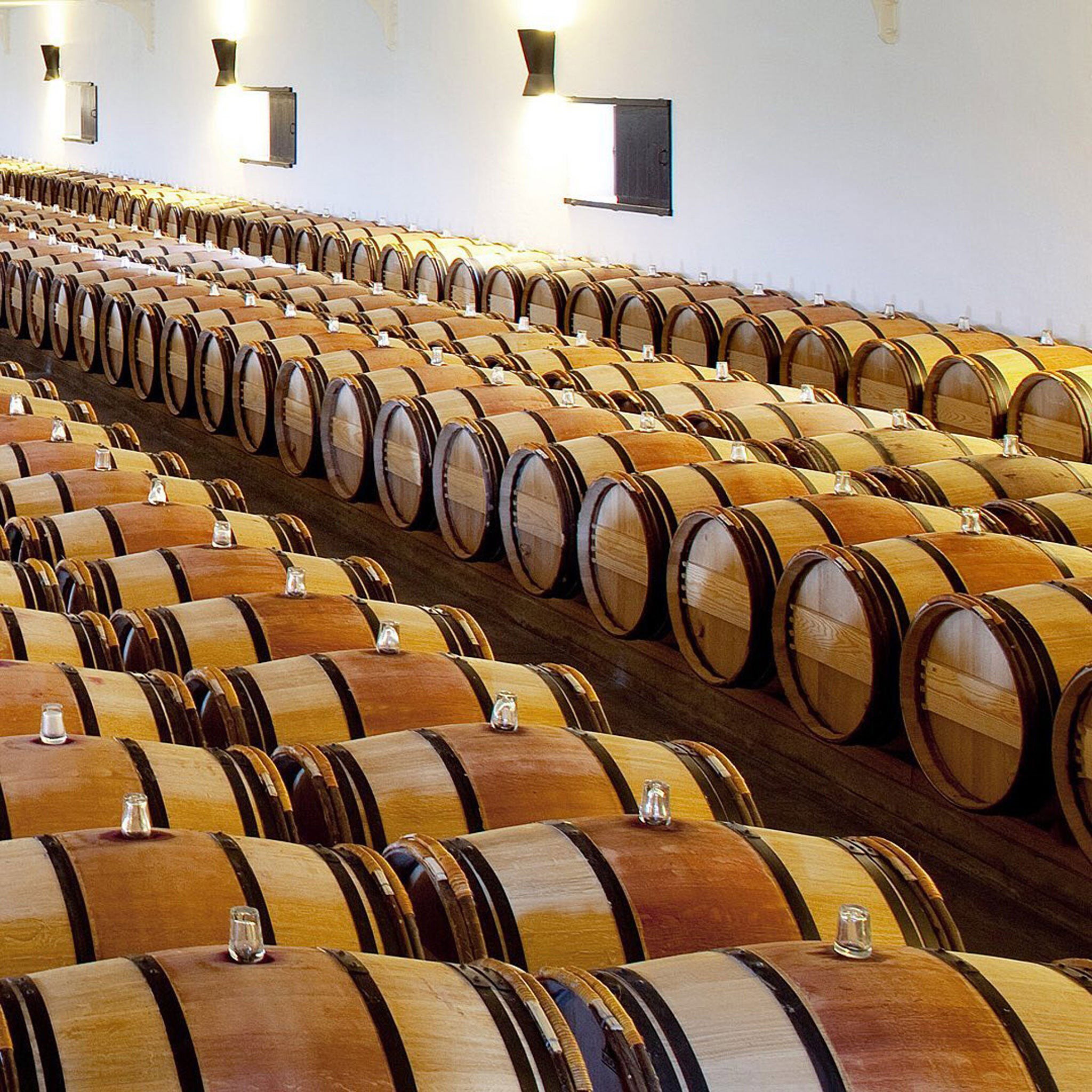
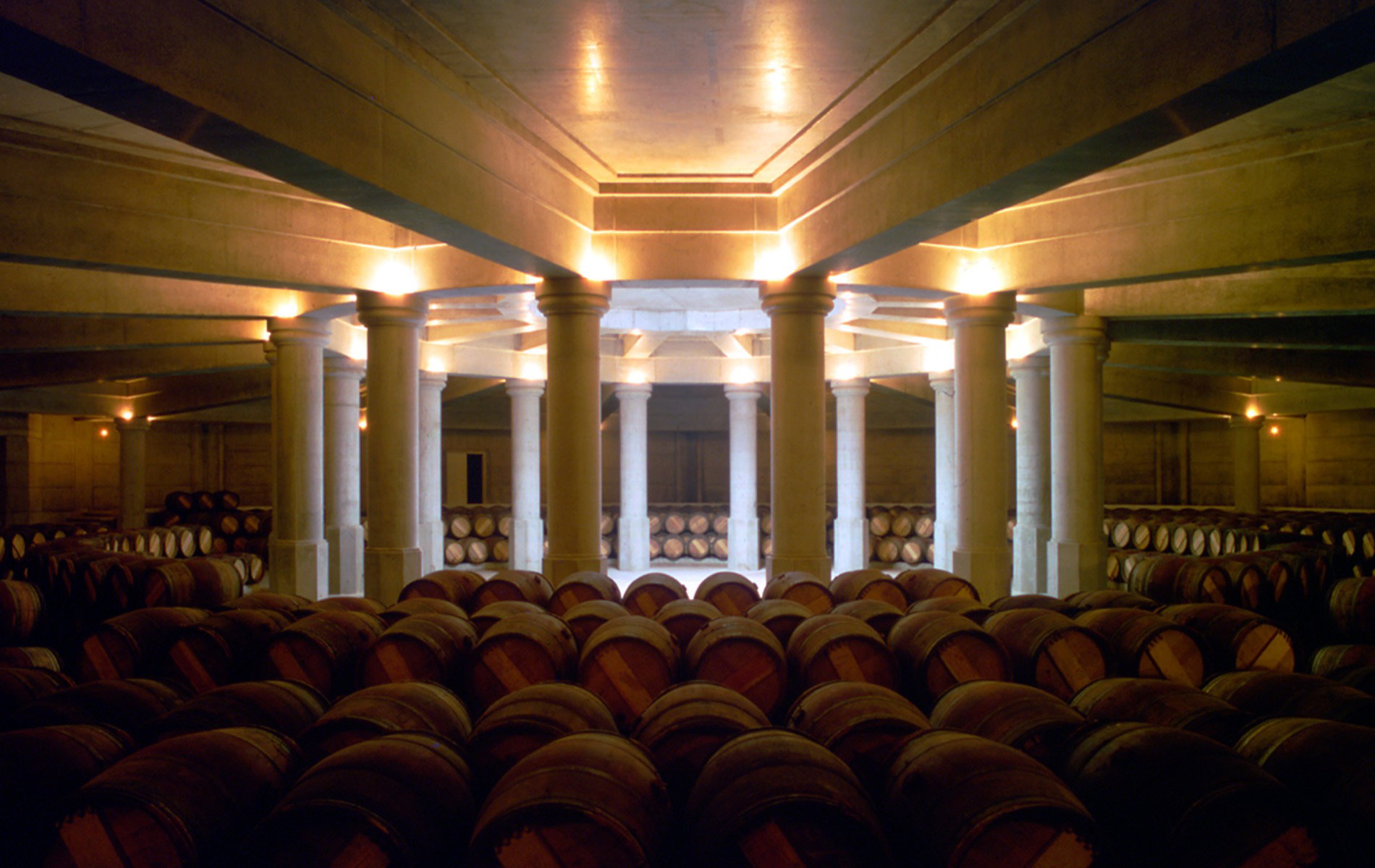
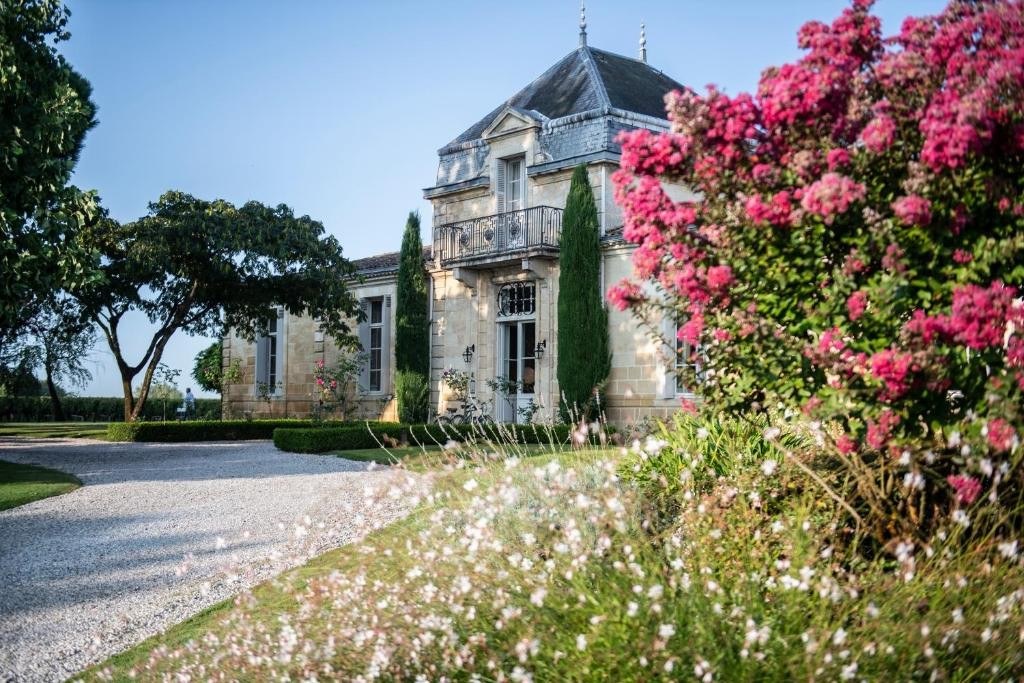
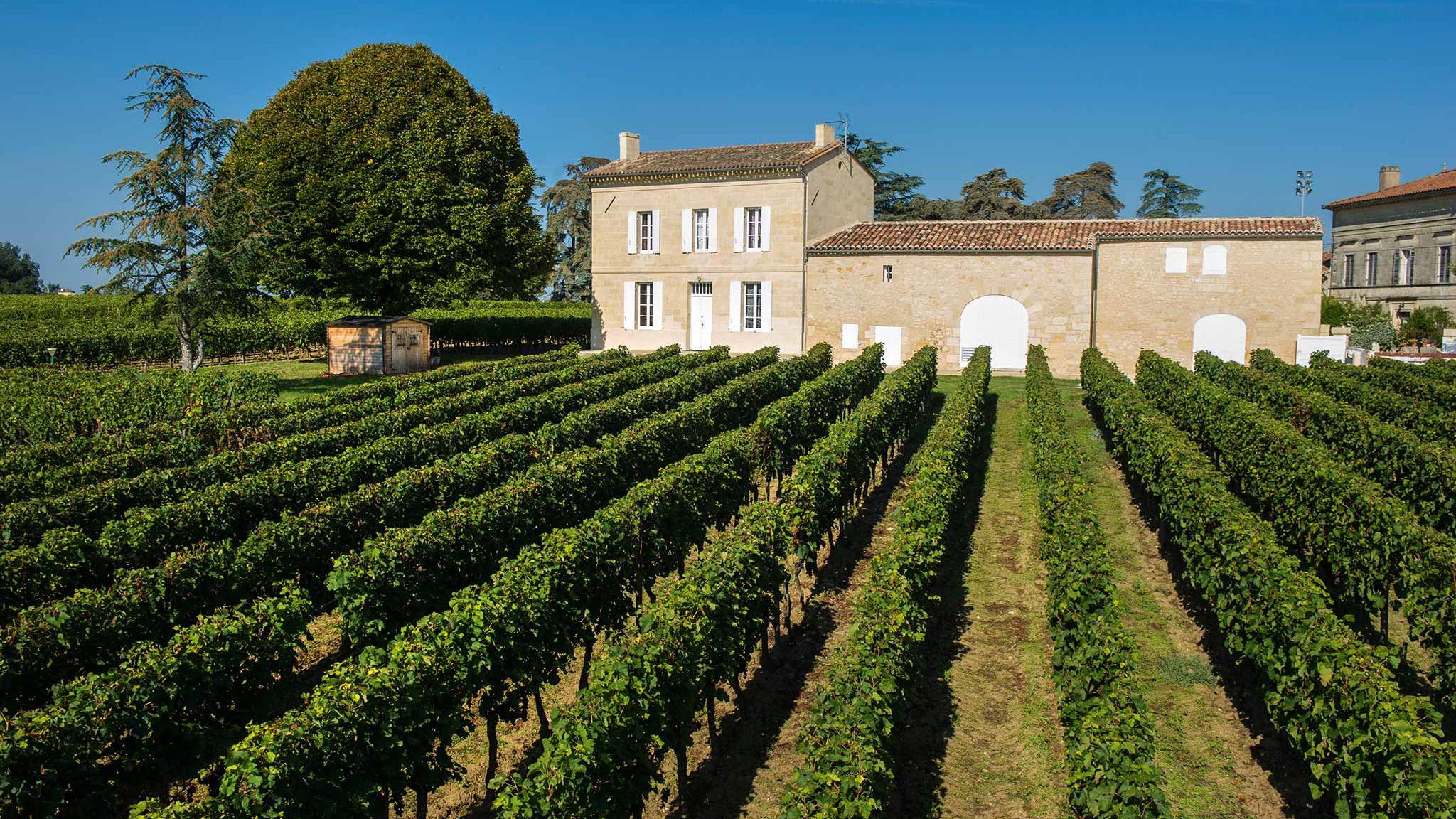
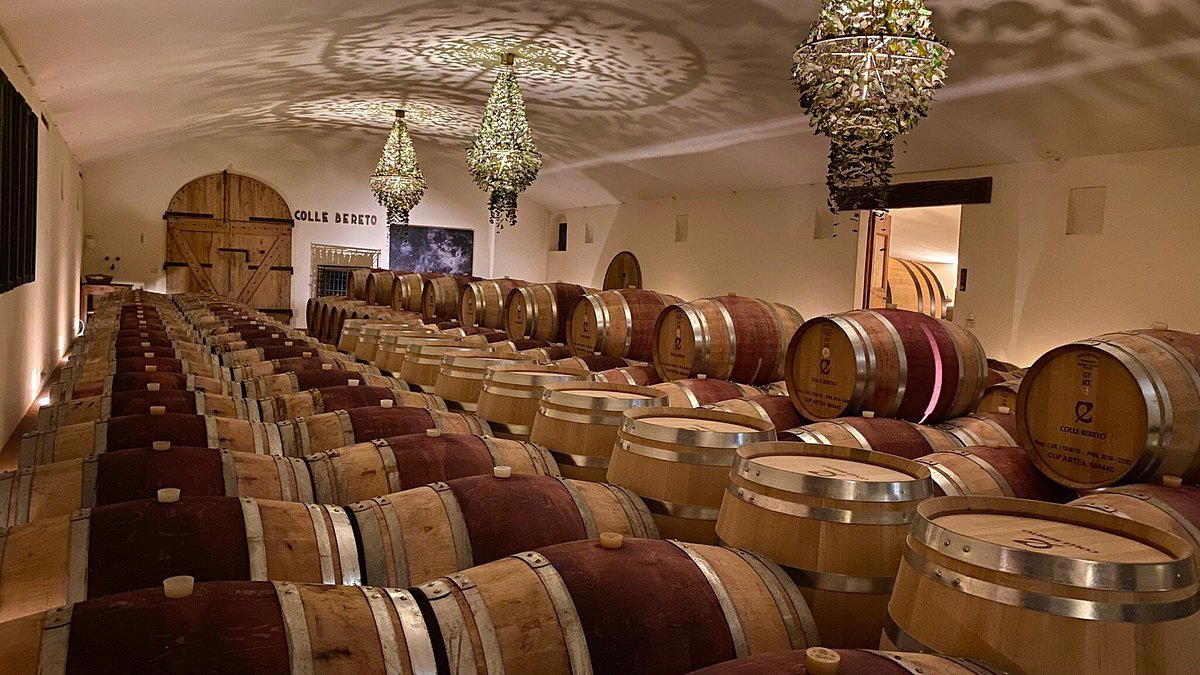
Historic and elegant atmosphere in renovated cellars and buildings, evoking classic Bordeaux sophistication amid vibrant, life-filled vineyards.
Tags
Vibe
Best For
Experience
Sourcing
View
At the Vineyard
- Appellation
- Pauillac
- Varietals
- Cabernet Sauvignon, Merlot, Cabernet Franc
- Tour Duration
- 60-90 minutes
- Visits
- By appointment only
- Farming
- Biodynamic
- Production
- Mid-size producer
- Wine Styles
- Still Red
- Wine Club
- Not available
Know before you go
Know Before You Go
- Getting there
- 18 Balogues, 33250 Pauillac
Planning details
Location
18 Balogues, 33250 Pauillac · Directions
Recognition and awards

Also consider
If this is hard to arrange
Try Château Lynch-Bages if the group wants a Pauillac name with broader recognition. For a quieter classified-growth alternative, compare availability at Château Grand-Puy-Lacoste or Château Batailley before reshaping the day around a less certain appointment.
Winery context
How it compares in Pauillac
Choose Château Haut-Bages-Libéral when the visit is about a quieter classified-growth perspective rather than the larger-name pull of Château Pichon-Longueville-Baron-de-Pichon or Château Pichon-Longueville-Comtesse-de-Lalande. Those two are stronger if the priority is a grand Pauillac château moment; Haut-Bages-Libéral is the better fit for visitors who want another serious lens on the appellation without making the whole day about scale.
Château Lynch-Bages is the more obvious cross-shop for travelers who want name recognition and a broader visitor pull. Château Grand-Puy-Lacoste and Château Batailley are the practical alternatives to keep in the plan if access here does not line up. With no reliable public price signal for these visits, compare them less on cost and more on appointment access, location within the day, and the type of Pauillac experience the group wants.
Explore Pauillac
Around this place
Discover more on Pearl
Unlock the full Château Haut-Bages-Libéral guide in Pearl, including awards, comparisons, FAQs, planning details, and nearby places.
Compare Château Haut-Bages-Libéral
| Venue | Location | Awards |
|---|---|---|
| Château Haut-Bages-Libéral | Pauillac | 2026 Falstaff Winery Guide |
| Château Pichon-Longueville-Baron-de-Pichon | Pauillac | No published awards |
| Château Pichon-Longueville-Comtesse-de-Lalande | Pauillac | 2026 Michelin 2 Grapes - Bordeaux2026 Falstaff Winery Guide2025 Pearl 4 Star Prestige |
| Château Lynch-Bages | Pauillac | 2026 Michelin 1 Grape - Bordeaux2026 Falstaff Winery Guide2025 Pearl 4 Star Prestige |
| Château Grand-Puy-Lacoste | Pauillac | 2026 Michelin 1 Grape - Bordeaux2026 Falstaff Winery Guide2025 Pearl 4 Star Prestige |
| Château Batailley | Pauillac | 2026 Falstaff Winery Guide |



How Château Haut-Bages-Libéral Pauillac compares with similar nearby venues.
FAQ
Frequently Asked Questions
How long should I plan for a visit to Château Haut-Bages-Libéral?
If you are considering Château Haut-Bages-Libéral in Pauillac, check timing directly before building it into your day. Its Pearl 3 Star Prestige recognition for 2025 makes it a recognized venue, but practical planning details should be checked before you go.
Can Château Haut-Bages-Libéral handle large groups?
If group logistics matter, contact Château Haut-Bages-Libéral before planning. You can also compare with Château Lynch-Bages or Château Batailley while checking each venue's current arrangements.
Does Château Haut-Bages-Libéral offer shipping?
If purchasing or shipping options are important to your plans, ask Château Haut-Bages-Libéral directly before relying on that service.
Is there a membership program at Château Haut-Bages-Libéral?
Château Haut-Bages-Libéral is in Pauillac, has a smart casual dress code, and holds Pearl 3 Star Prestige recognition for 2025. Check any membership or buying program directly before making a decision.
When is the best time to visit Château Haut-Bages-Libéral?
What is the signature offering at Château Haut-Bages-Libéral?
For a current visit lineup or signature offering, ask Château Haut-Bages-Libéral directly.
Do I need a reservation at Château Haut-Bages-Libéral?
Before going to Château Haut-Bages-Libéral in Pauillac, check whether booking is required and what form of visit, if any, is available. Its Pearl 3 Star Prestige recognition for 2025 is a notable accolade, but access details should be checked ahead.