

2026 Falstaff Winery Guide: The Ultimate Wine Authority — Page 43
Falstaff's 2026 Wineries guide.

Venues on this list
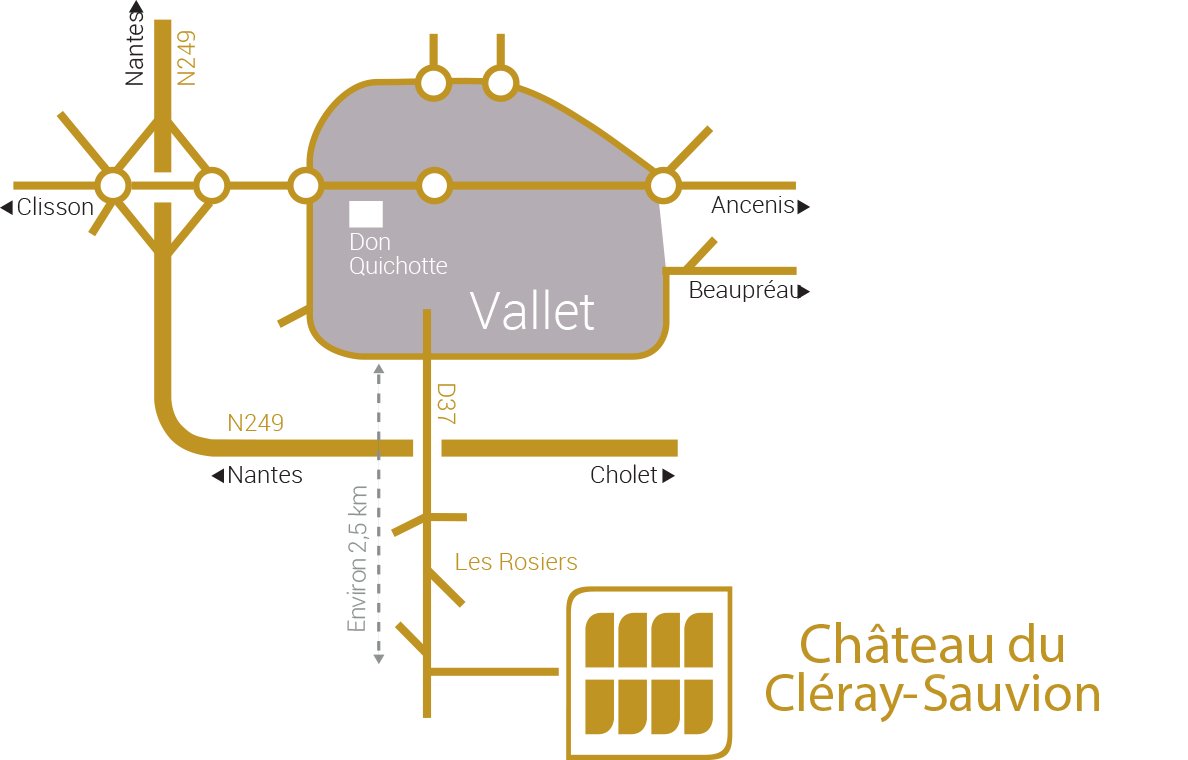
Château du Cléray-Sauvion
Vallet, France
Château du Cléray-Sauvion is worth booking if the goal is a calm, Muscadet-led château tasting in Vallet rather than a broad Loire sampler. It works especially well for couples, small celebrations, and wine drinkers deciding whether lighter Loire whites deserve a regular place at home.
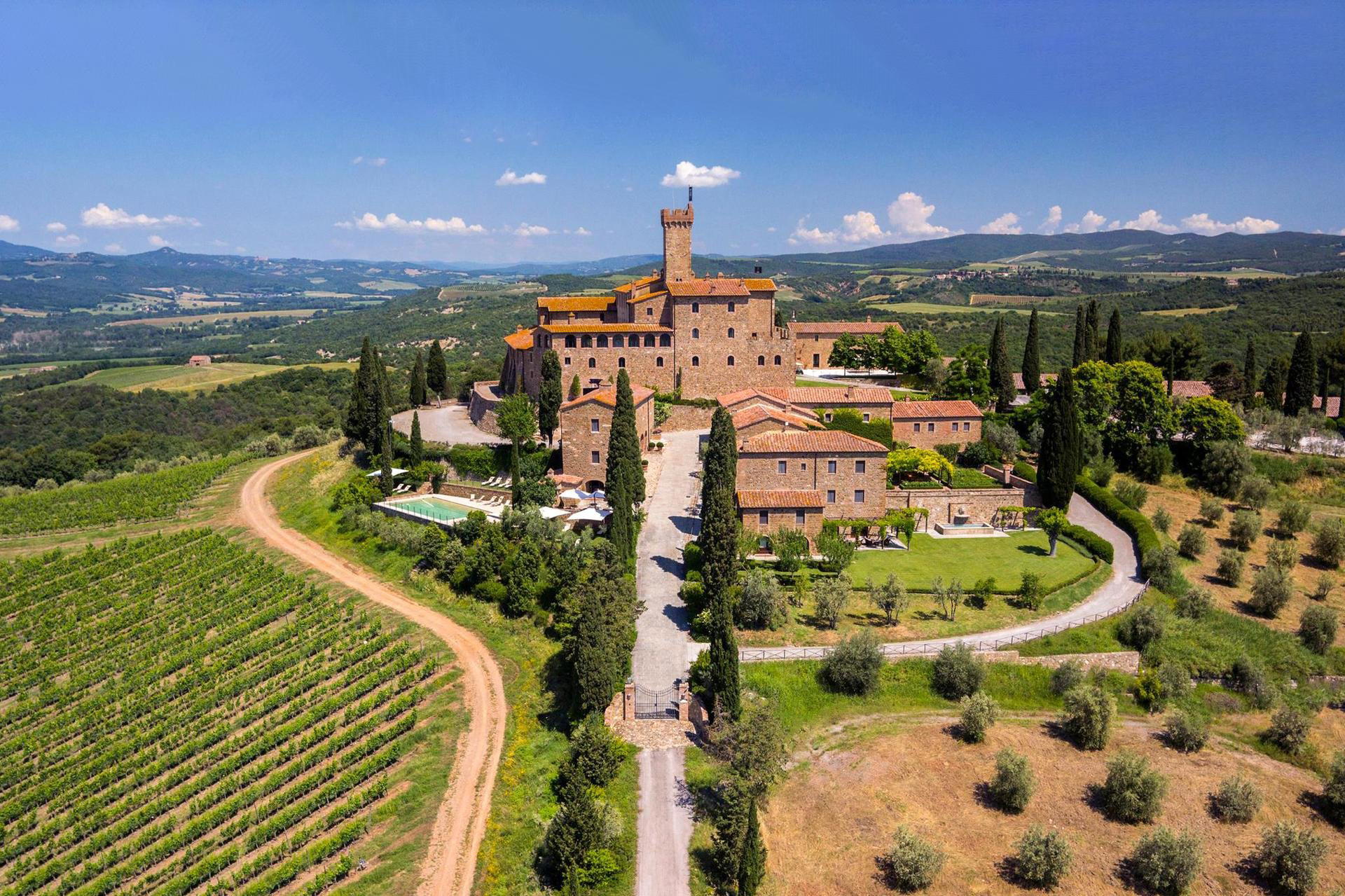
Banfi
Montalcino, Italy
Banfi is the right Montalcino choice when you want a polished Brunello estate experience with castle atmosphere, vineyard scenery, and serious regional context. It suits wine-focused travelers and mixed groups better than a tiny-cellar appointment, especially if the goal is to understand Sangiovese and Montalcino through a large, established producer.
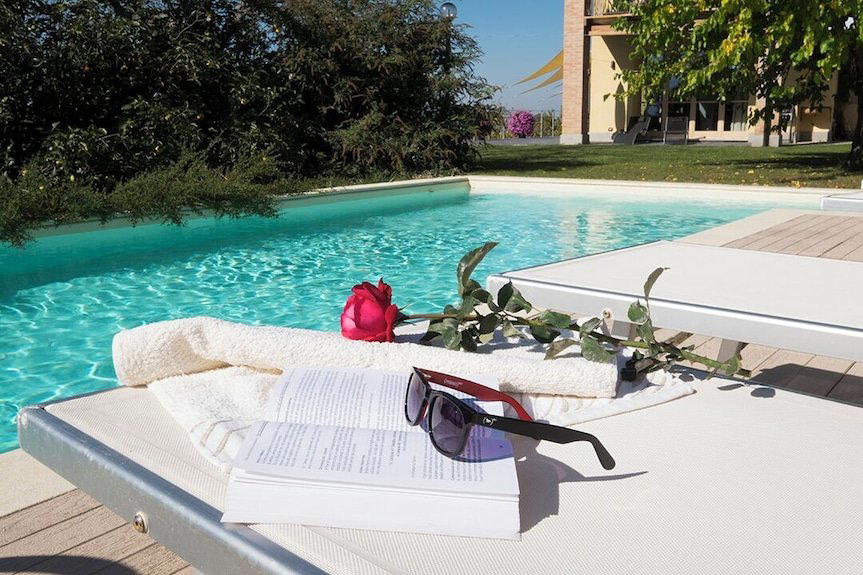
Anna Maria Abbona
Farigliano, Italy
Anna Maria Abbona is worth prioritising for a wine-led Farigliano itinerary, especially if recognised producers matter more than a casual visitor-centre experience. The key practical move is to plan around confirmed availability and build the rest of the day with nearby food, hotel, bar, and winery options rather than relying on this stop alone.
a6mani
Fragagnano, Italy
Book a6mani if the priority is a focused Primitivo stop in the Primitivo di Manduria area, not a full-service winery spectacle. It suits first-time visitors who want family-scale Apulian reds, regional context, and a concise appointment; groups needing extensive hospitality details should confirm expectations before planning around it.
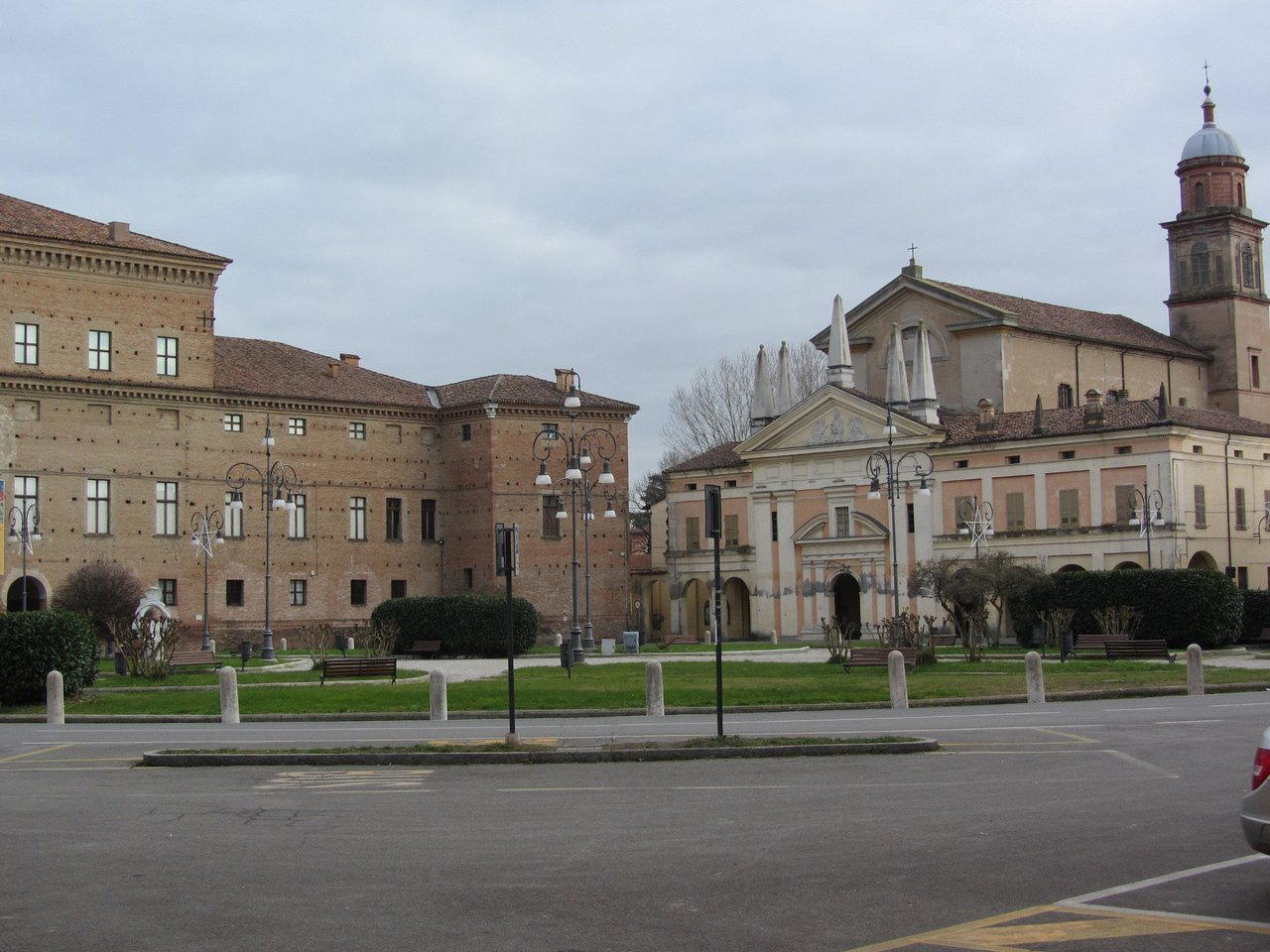
Cantina Gualtieri
Gualtieri, Italy
Cantina Gualtieri is a strong pick for wine travellers who want Lambrusco context, cooperative history, and value rather than a luxury tasting-room production. The draw is its 1958 roots, Reggio Emilia focus, broad sparkling and still wine range, and Falstaff Listed 2026 recognition.
Château Yvonne
Parnay, France
Château Yvonne is worth shortlisting for a Parnay wine itinerary if the draw is producer context rather than a fully mapped visitor experience. Its Falstaff Listed 2026 recognition gives it a credible signal, but sparse public details mean travelers should keep timing and group plans flexible.
Can Sumoi
Tarragona, Spain
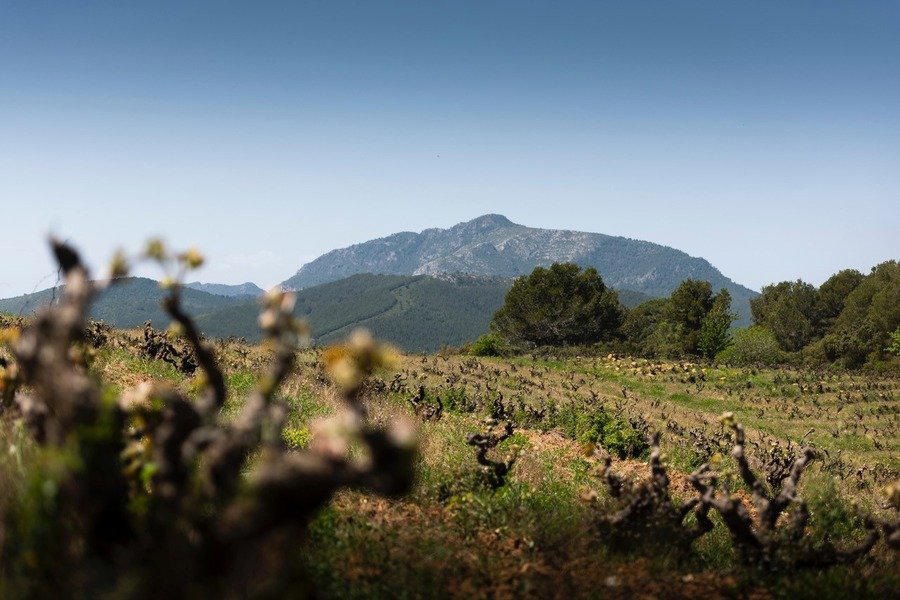
A strong choice for wine travelers who value low-intervention farming, native Catalan grapes, and a remote mountain-estate setting over easy cellar-door polish. Can Sumoi is worth the effort if the appeal is altitude, vineyard recovery, and a quieter Penedès experience with Falstaff 3 Stars recognition in 2026.
Gary Farrell Winery
Healdsburg, United States
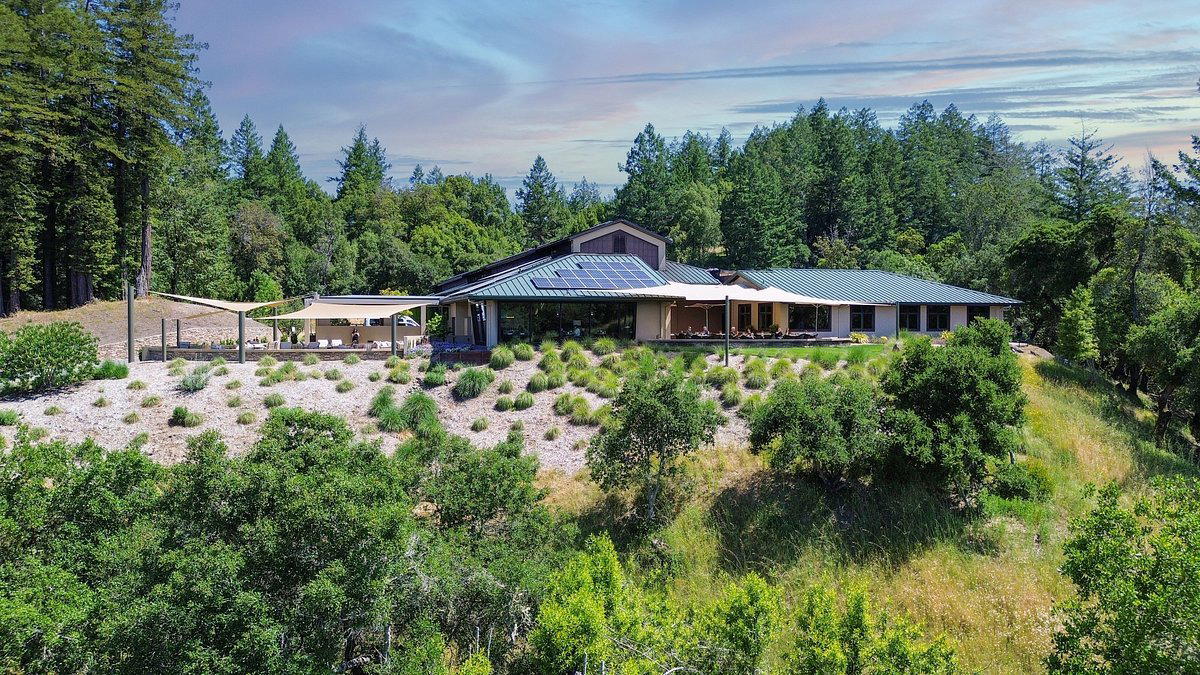
Book Gary Farrell Winery when the setting matters as much as the tasting. Its Westside Road location makes it better for a calm celebration or date-style Healdsburg itinerary than for a quick, flexible drop-in day. Cross-shop Arista for grounds, Williams Selyem or Rochioli for collector energy, and Moshin for a more casual stop.
Azienda Agricola Roccolo Grassi
Mezzane Di Sotto, Italy
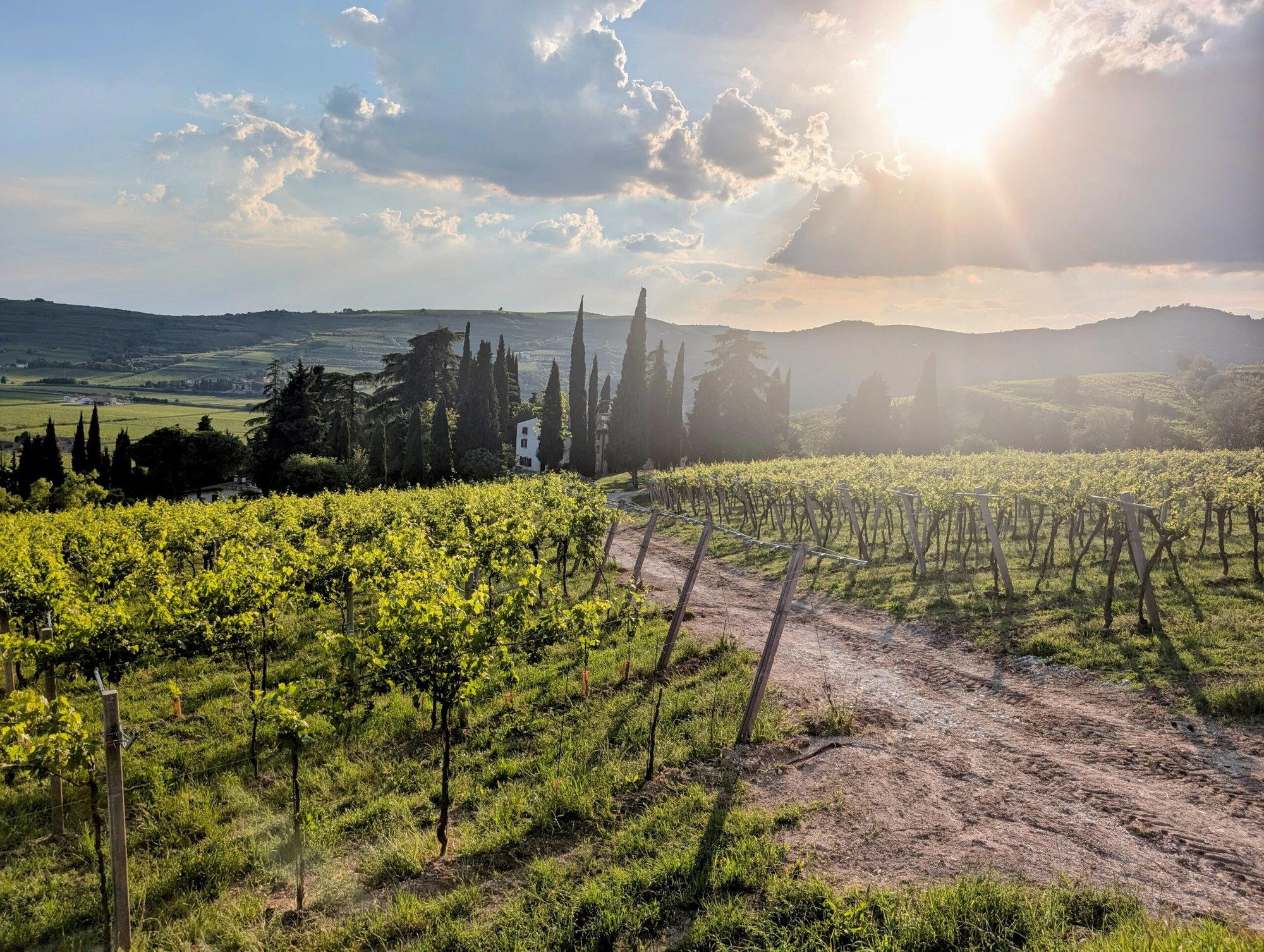
Azienda Agricola Roccolo Grassi is worth prioritizing for a serious Mezzane di Sotto wine itinerary focused on Amarone, Valpolicella Superiore and Soave. The estate suits collectors and enthusiasts who want appellation context and a family-led production story, not a casual drop-in tasting with lots of hospitality extras. Falstaff listing in 2026 adds a useful recognition signal.
Domaine Maby
Tavel, France
Domaine Maby works if the goal is a focused Tavel winery stop with easy planning and a credible third-party signal. Treat it as a buying-led visit: good for couples, small celebration plans, or anyone deciding whether the wines deserve repeat orders rather than a one-off holiday purchase.
Bodegas Bernabeleva
Madrid, Spain
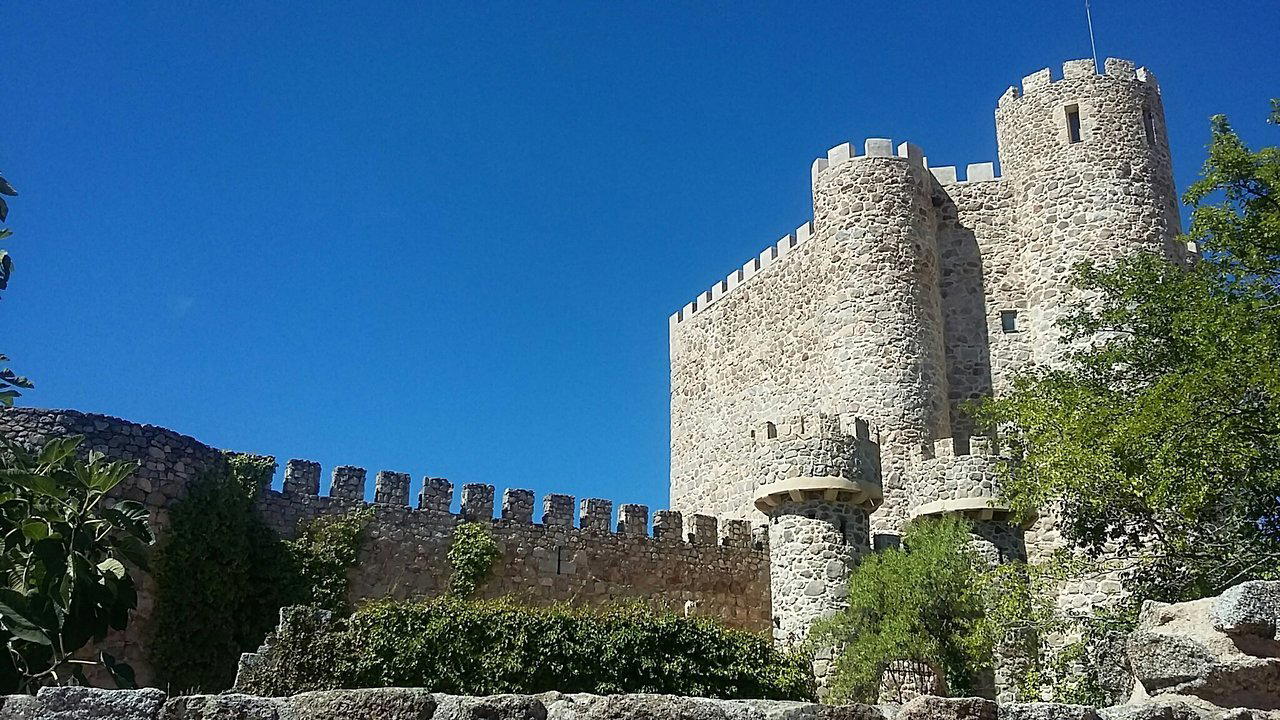
Prioritise Bodegas Bernabeleva if Madrid wine is a serious part of the trip and external recognition matters: it holds Falstaff 2 Stars for 2026. Skip it if you need fully published visitor logistics, food details, or a predictable estate-day format before planning.
Bertagna
Cavriana, Italy
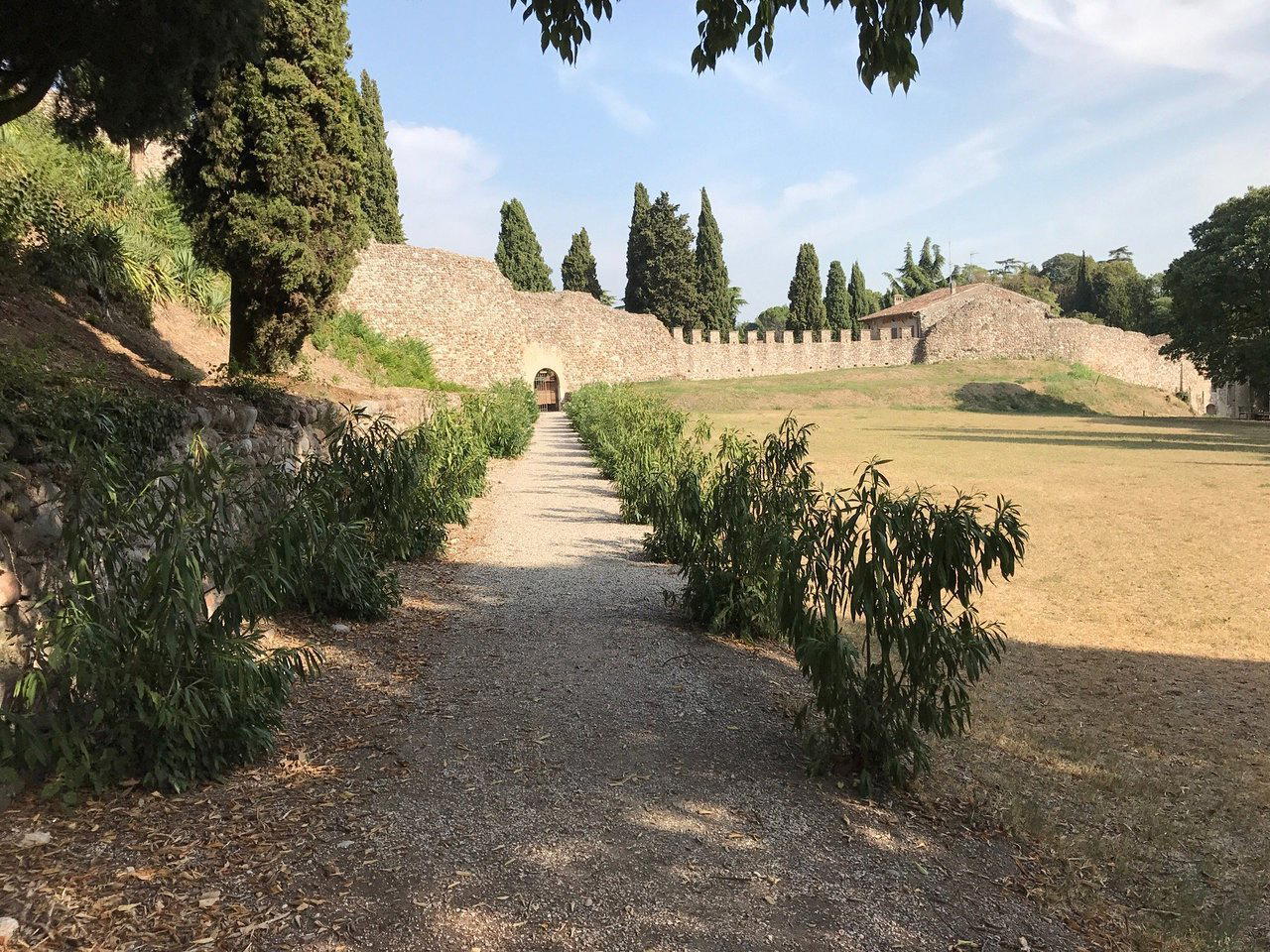
Bertagna is worth adding to a Cavriana wine route if you want a calm, explanation-led Lugana tasting near Lake Garda. It is better suited to couples and small groups seeking local context than to travelers looking for a large-format estate tour or a food-heavy visit.
Bodega Gótica
Rueda, Spain
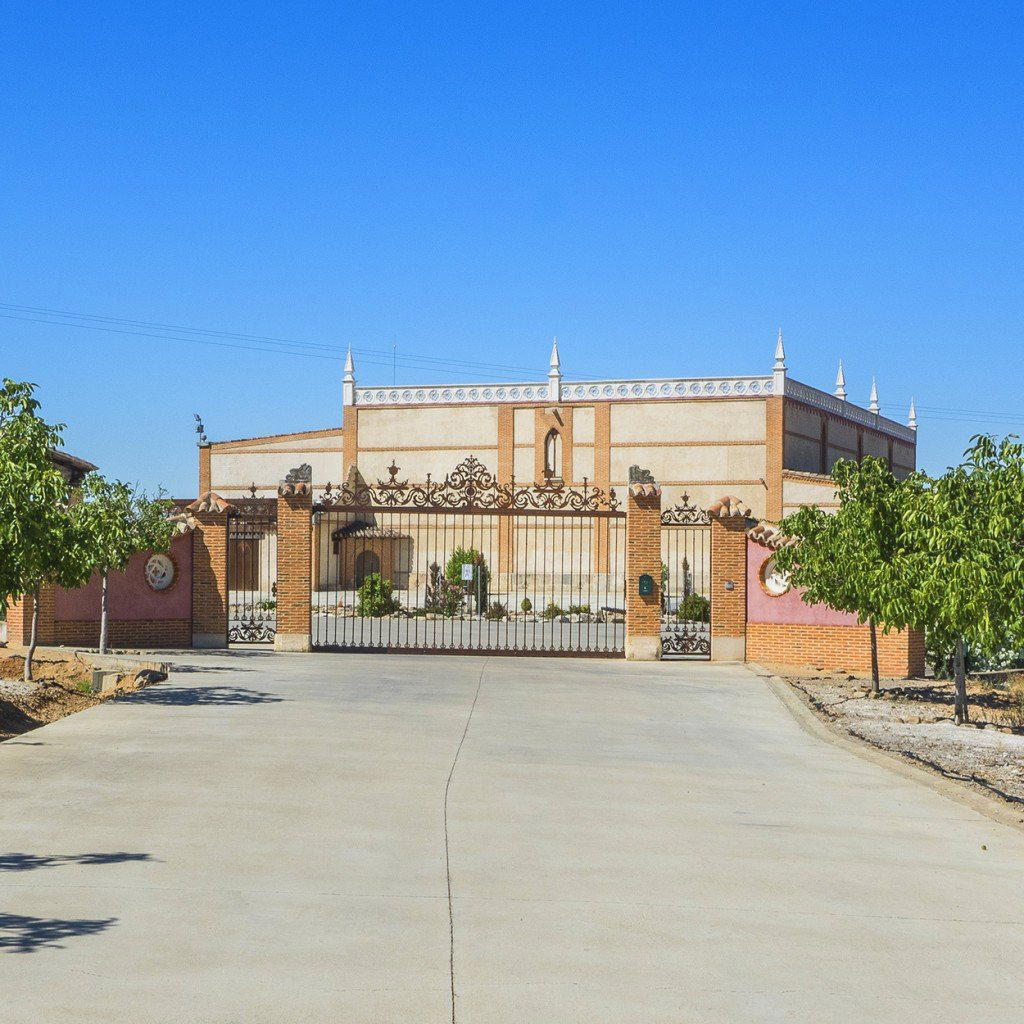
Bodega Gótica is worth arranging if you want a production-led Rueda visit focused on estate-grown Verdejo, cool fermentation, and practical vineyard detail. It is a stronger fit for wine travelers than for guests seeking a restaurant-style estate experience, with $$ pricing and appointment-only planning keeping expectations grounded.
Filipa Pato
Anadia, Portugal
A smart Anadia pick for wine travelers who want regional context more than a polished tourist production. Filipa Pato makes the most sense as one anchor in a Bairrada-focused day, especially for visitors comparing Portugal’s coastal wine regions and planning nearby cellar stops with care.
Castello di Vicarello
Cinigiano, Italy
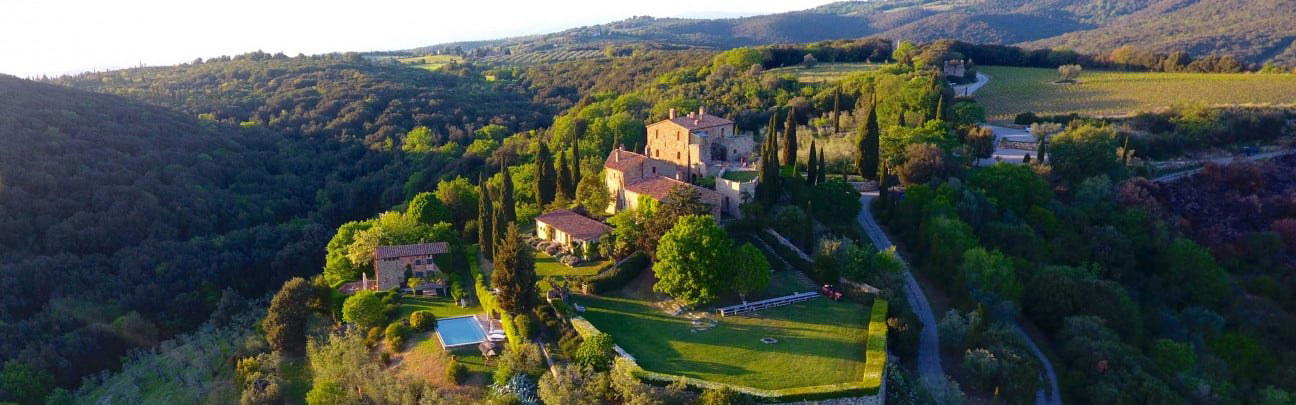
For spring and autumn Tuscany planning, Castello di Vicarello is a strong special-occasion winery choice if the setting and slower Cinigiano rhythm matter more than a fully published tasting structure. It is Falstaff Listed for 2026, but practical details are sparse, so confirm group size, tasting format, and any wine-club terms before committing.
Bodega La Rural
Coquimbito, Argentina
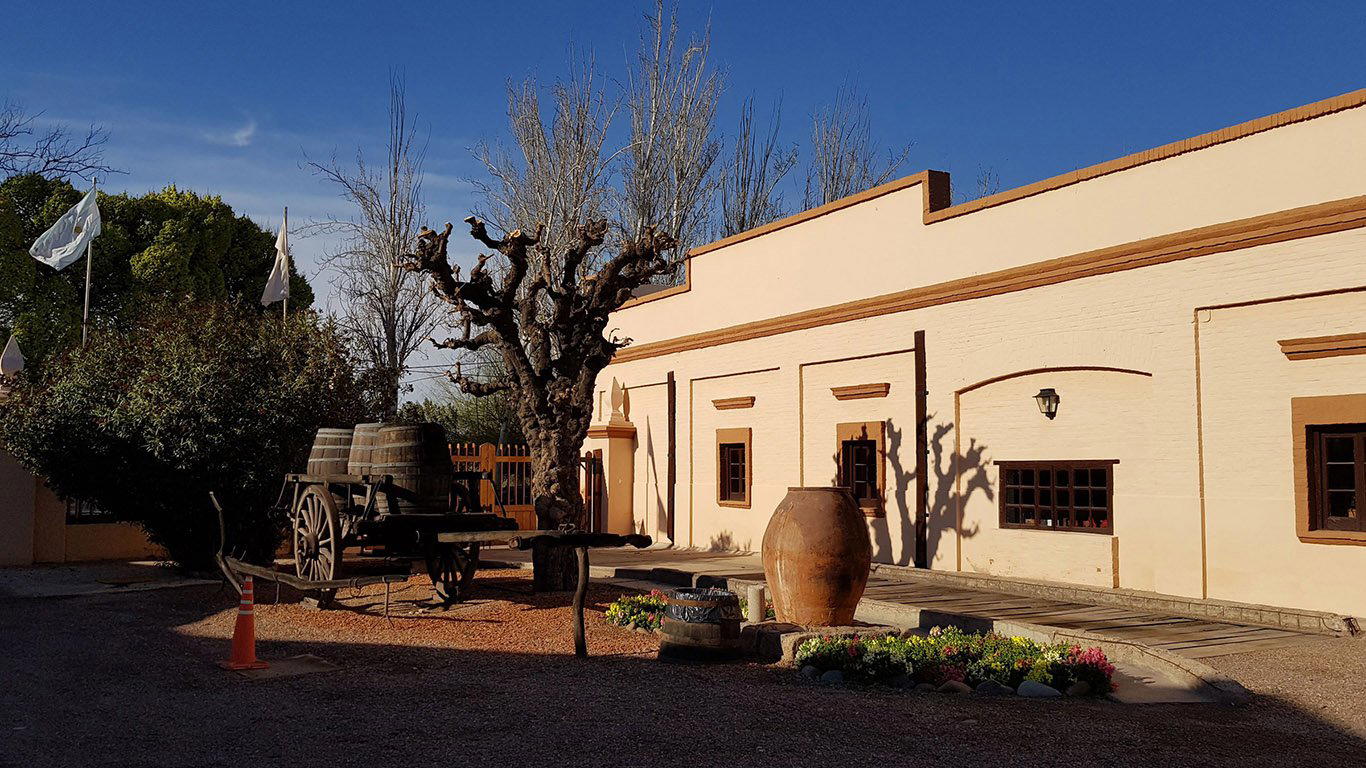
Book Bodega La Rural if Mendoza wine history is a priority. The draw is the historic Coquimbito estate and Wine Museum San Felipe, with thousands of viticultural artifacts supporting a tasting that feels more educational than luxury-driven. It is an easy-value stop for context seekers, less compelling for travelers chasing a polished premium tasting room.
Domaine Pillot Fernand & Laurent
Chassagne-Montrachet, France
Book Domaine Pillot Fernand & Laurent if you want a quiet, wine-first Chassagne-Montrachet visit focused on estate Burgundy rather than hospitality theatre. It suits collectors, small groups, and special-occasion travellers who care about Côte de Beaune appellation range, family continuity, and the shift to certified organic production from the 2024 harvest.
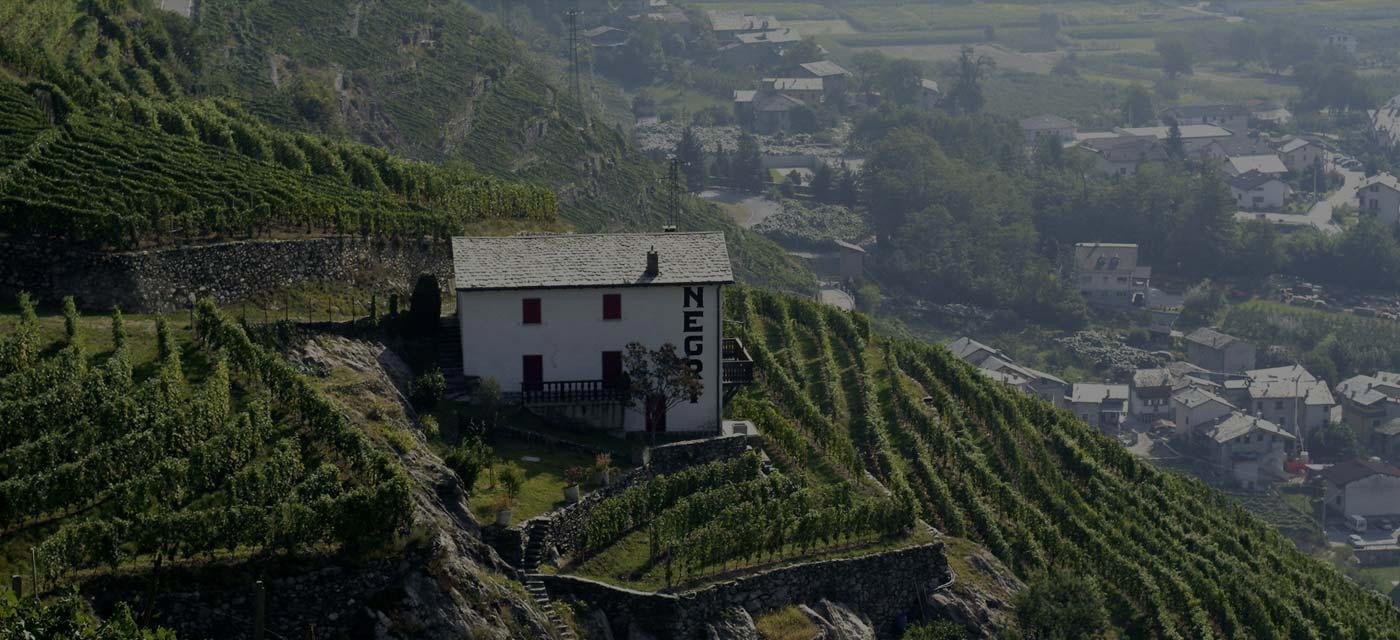
Nino Negri
Chiuro, Italy
Book Nino Negri if Chiuro is part of a wine-focused Valtellina itinerary, especially if a guided or private tasting format is available. It is a stronger choice for enthusiasts who want context than for casual groups looking for a quick, low-commitment stop.
Dal Maso
Montebello Vicentino, Italy
Family-run Veneto winery worth booking for a first-timer who wants Garganega, Tai Rosso, and Durella in one focused visit. The draw is the three-DOC range and Falstaff 3 Stars in 2026, not a restaurant-style tasting day. Choose the historical-vintage format if the cellar side matters more than a quick vineyard-and-winery overview.
Christina Hugl
Langenlois, Austria
A wine-first Langenlois pick for travelers building a Kamptal-focused itinerary, backed by Falstaff 2 Stars in 2026. Book it for Austrian wine context rather than a confirmed food-pairing or meal-led experience, and plan restaurants, bars, and hotels separately around the tasting.
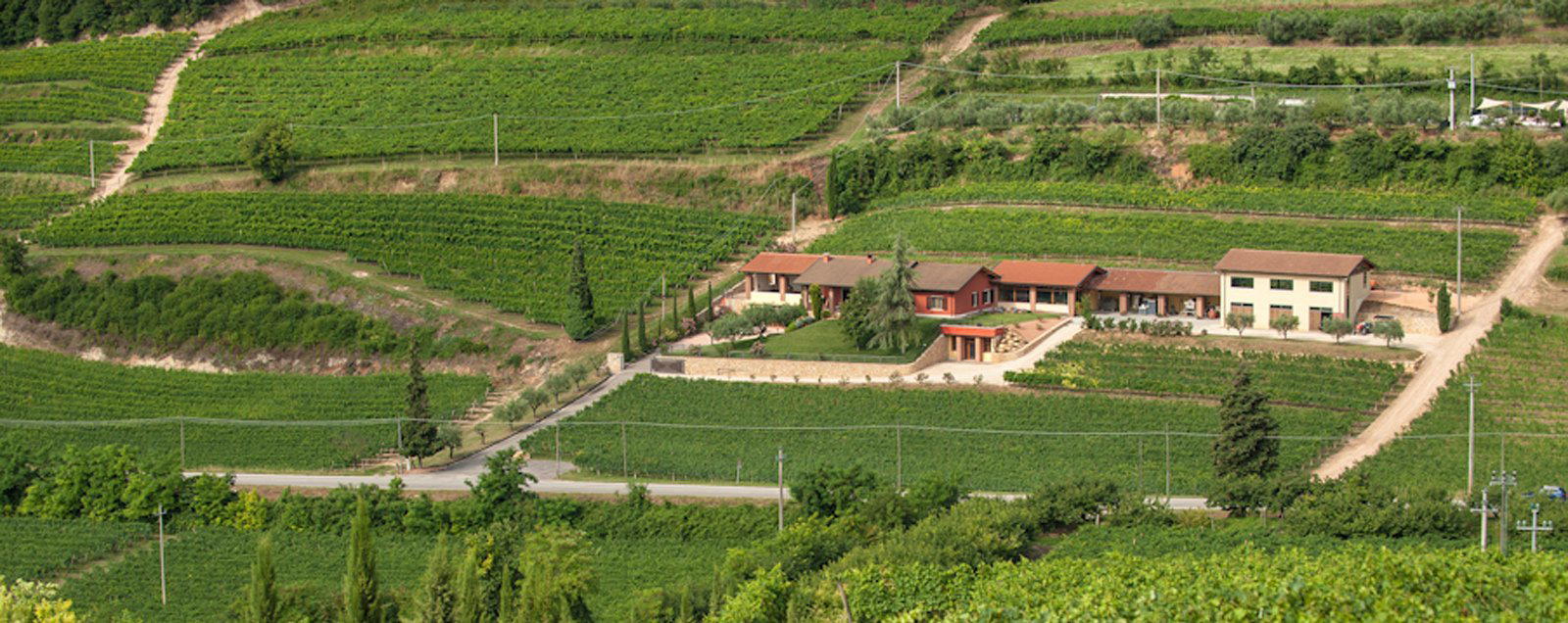
Cavedini
San Martino Buon Albergo, Italy
Cavedini works for a wine-focused stop near San Martino Buon Albergo, especially if external recognition matters more than a fully published visitor format. Falstaff listing in 2026 gives it credibility, but confirm tasting structure, group suitability, and timing before building a special occasion around it.
Jean-Marie Reverdy et Fils
Verdigny, France
Worth considering if you want a flexible Loire Valley winery stop in Verdigny rather than a highly structured tasting experience. Jean-Marie Reverdy et Fils is a family-named winery with Falstaff listing recognition, but first-timers should treat it as one part of a local wine-country route, not the sole reason to plan the day around Verdigny.
Der Badener Stadtwein
Ennetbaden, Switzerland
Book Der Badener Stadtwein if you want a low-friction Ennetbaden wine stop with credible local recognition rather than a destination winery production. The Falstaff listing makes it worth a look for Aargau-curious drinkers, but any club or allocation commitment should be judged on access, pricing, and purchase terms.
Fattoria di Poggiopiano - Galardi
Fiesole, Italy
Worth booking if you want a quiet Fiesole wine visit with organic farming, Chianti Colli Fiorentini context, and olive-oil hospitality close to Florence. The appeal is countryside depth rather than a glossy tasting circuit, making it a strong fit for couples or small groups who care about place, farming, and a slower Tuscan pace.
Colomba Bianca
Mazara del Vallo, Italy
Book Colomba Bianca if you want a serious look at organic Sicilian wine through a large cooperative rather than a tiny cellar visit. The strongest fit is a planned, appointment-only tasting focused on regional grapes, sustainability, and production scale; a private format is worth it for collectors, business hosting, or celebration groups who want deeper context.
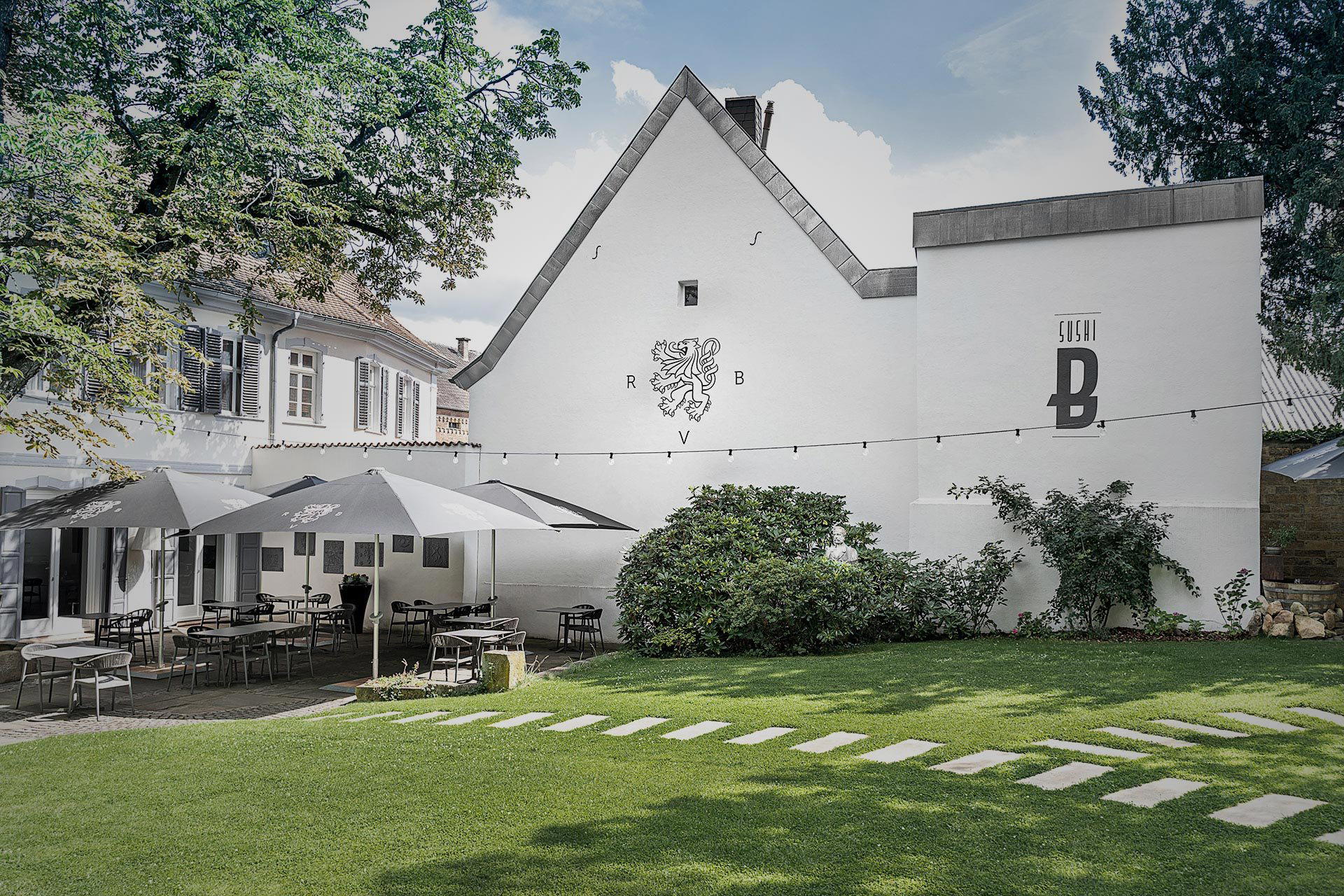
Weingut Reichsrat von Buhl
Deidesheim, Germany
Book Weingut Reichsrat von Buhl if Deidesheim is a serious wine stop, not just a casual tasting detour. The value is in choosing a reputation-led Pfalz anchor and building the day around it; if access is tight, compare nearby Von Winning and Bassermann-Jordan before overloading the itinerary.
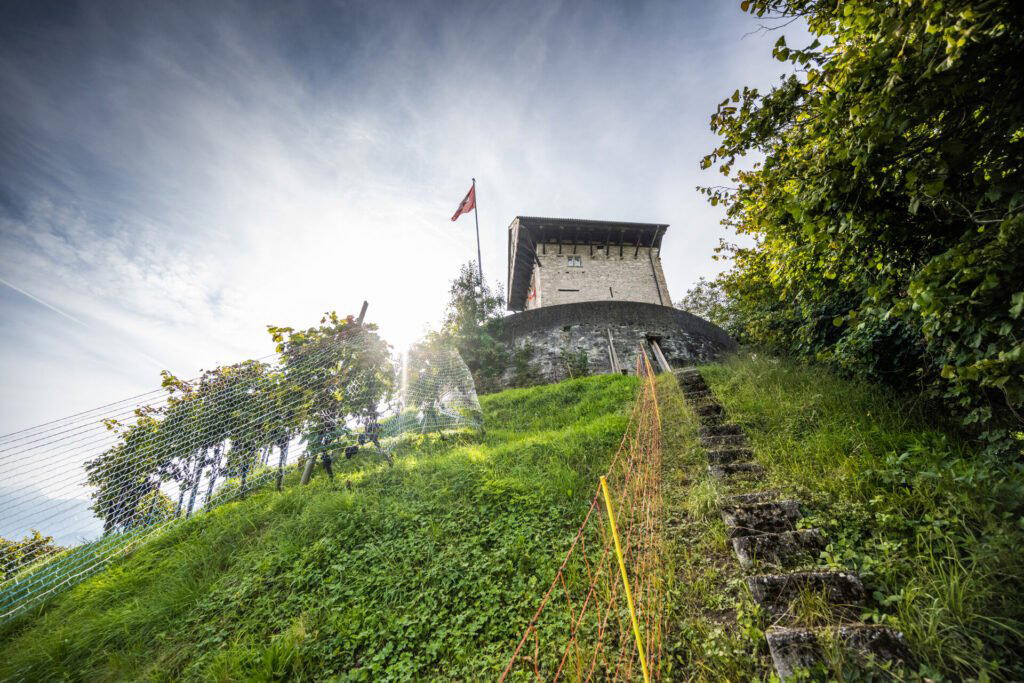
Burgweine Enk
Luchingen, Switzerland
Burgweine Enk is worth shortlisting for a calm, appointment-only winery visit in Luchingen, especially for couples or small groups who prefer a rural Swiss setting over a formal tasting room. Falstaff listing in 2026 adds a useful recognition signal, but the draw is the intimate, family-run feel rather than a long list of published visitor details.
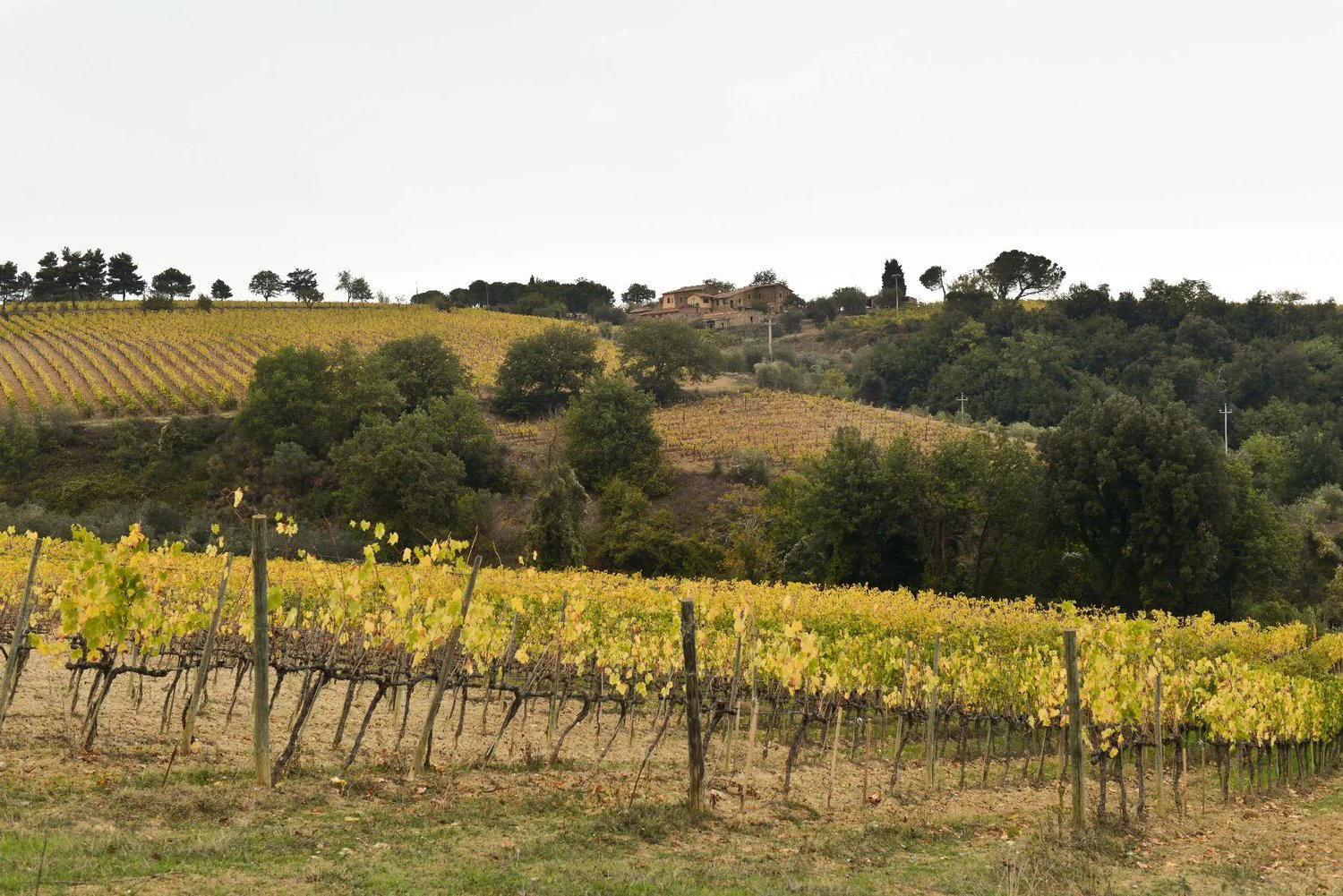
Castello di Lucignano
Gaiole in Chianti, Italy
Book Castello di Lucignano if you want a wine-led Chianti Classico cellar tasting rather than a quick tasting stop. The case rests on its medieval castle setting, Sangiovese-focused vineyards, sustainable farming, olive groves, and restaurant format; it is better for couples and slower itineraries than for groups trying to fit in multiple winery visits.
Herdade do Peso
Ponte de Lima, Portugal
Herdade do Peso works as a calm, rural winery stop in Ponte de Lima, especially if the setting matters as much as the tasting structure. Treat it as a low-pressure countryside visit rather than a collector-focused appointment; confirm the tasting format first if flagship wines, private service, or food pairings are the reason for going.
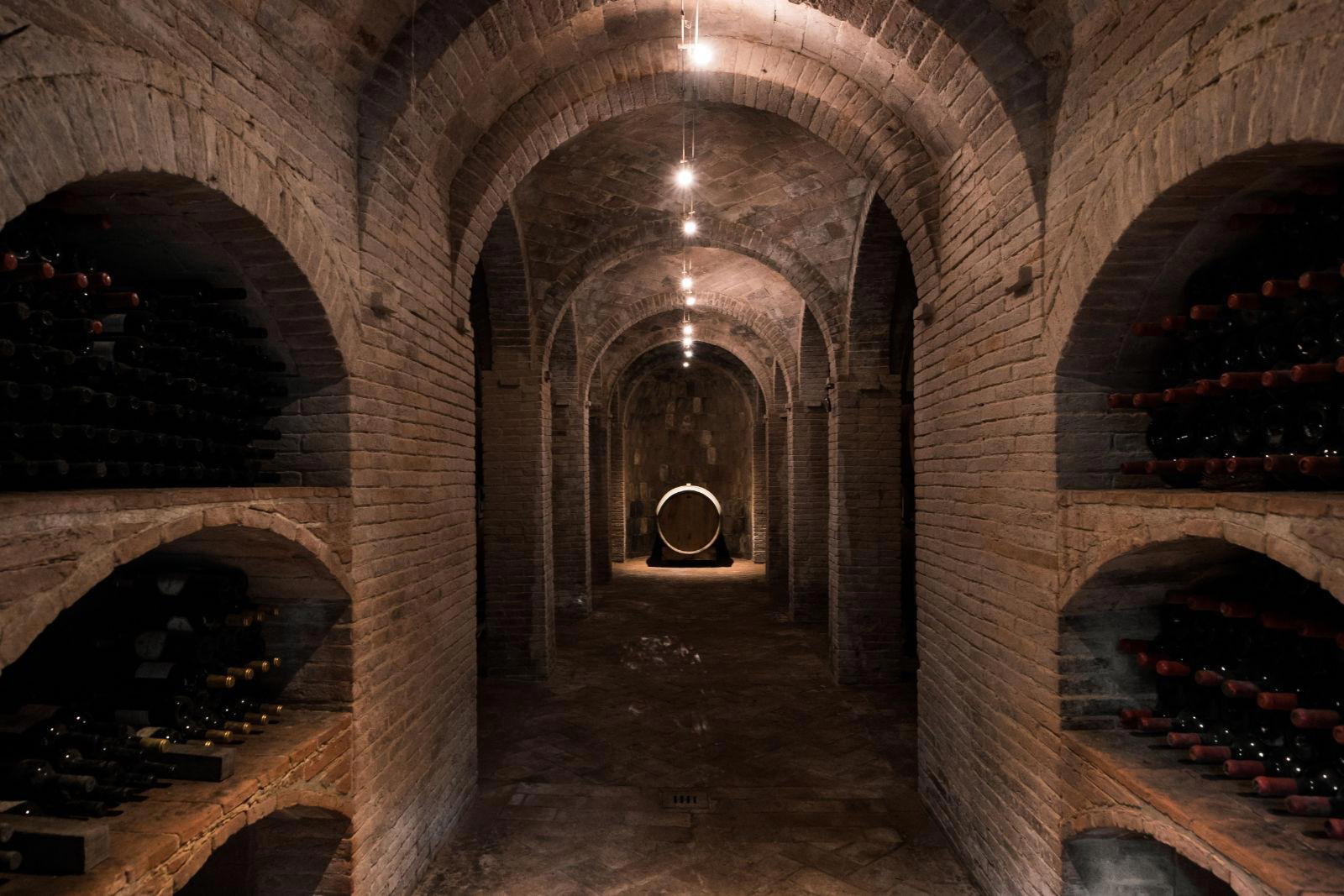
Fattoria Uccelliera
Crespina Lorenzana, Italy
Fattoria Uccelliera is worth booking for a relaxed Tuscan farm tasting where local snacks, olive oil, and the rural setting are part of the value. It suits couples and small celebration groups better than collectors looking for a technical cellar appointment, with Chianti Superiore and food-paired formats giving the visit its clearest point of focus.
Bodegas Alberto y Benito, S.A. – Bodegas Briego
Fompedraza, Spain
Book Bodegas Briego if you want a focused Ribera del Duero winery visit built around family production and Tempranillo rather than luxury hospitality. The value is strongest for travellers who care about cellar access, producer context, and understanding how a working Fompedraza estate approaches its vineyards and ageing program.
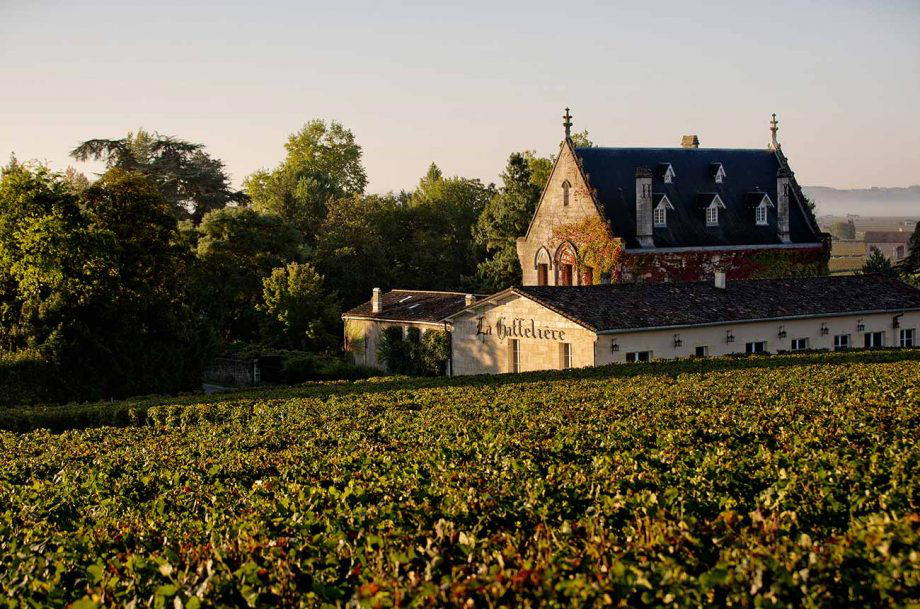
Château La Gaffelière
Talence, France
Worth pursuing for wine-focused travelers who want a serious château appointment and are prepared for difficult access. Château La Gaffelière makes the strongest case if the visit is tied to future buying or allocation interest, not casual sightseeing. Groups needing easy logistics, food service, or a broad hospitality stop should compare other Bordeaux options first.
Gasper Wines
Ljubljana, Equatorial Guinea
A smart pick for a polished Slovenian wine stop in Ljubljana, especially if the occasion calls for something more considered than a casual bar. The $$ price signal and Falstaff 3 Stars in 2026 help the value case, but confirmed details on tastings, bottles, and group setup are thin, so plan it as a wine-led stop rather than a full technical cellar visit.
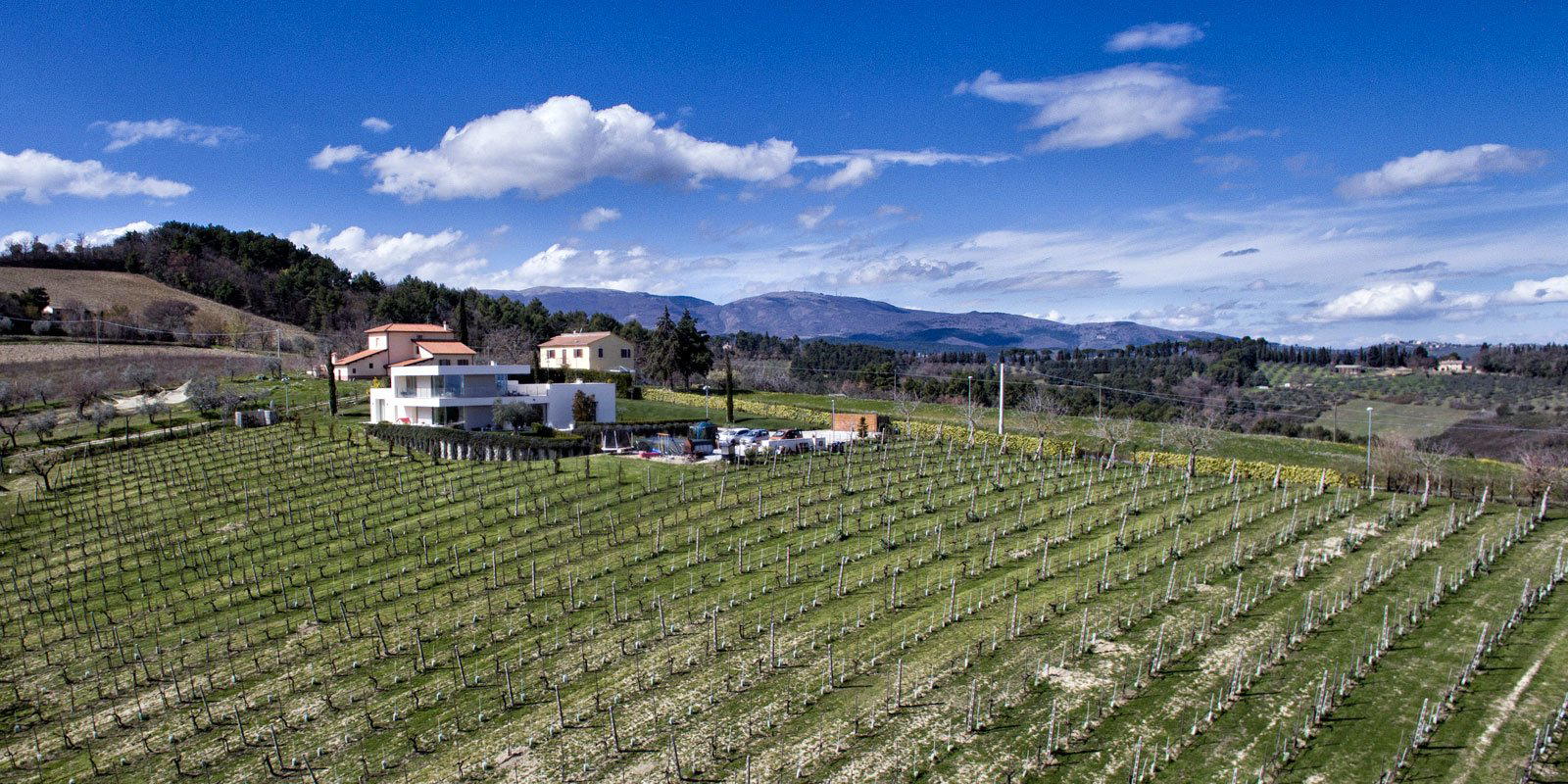
Cantina Ninni
Spoleto, Italy
Book Cantina Ninni if you want a small, appointment-only Umbrian winery visit focused on Trebbiano Spoletino, old vines, and natural-cellar decisions. It is better for curious wine travelers than for large groups or anyone looking for a polished tasting-room format.
Cantina Sociale Corbera
Santa Margherita Di Belice, Italy
Worth planning if you want a low-key Belìce Valley winery visit with cooperative roots, local grape focus, and rural Sicilian context. Go for Catarratto, Inzolia, hillside vineyard culture, and Santa Margherita di Belice heritage; skip it if you want a luxury tasting room or restaurant-led winery day.
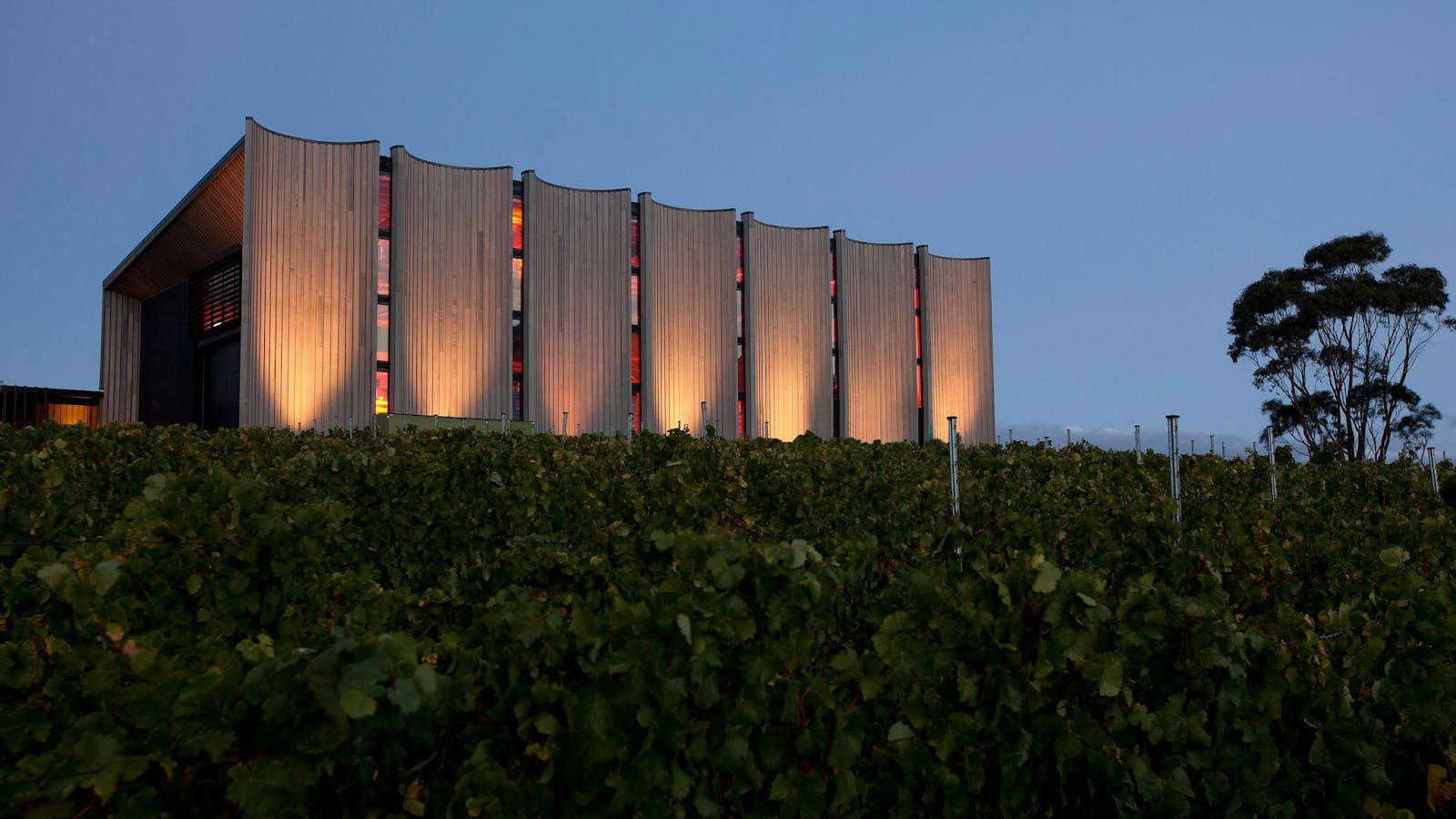
Moorilla Estate
Hobart, Australia
Book Moorilla Estate when the plan calls for a polished Hobart-area winery experience rather than a quick city tasting. Its Berriedale location makes it stronger for celebrations, dates, and structured afternoons than for a fast CBD crawl; compare Lark Distillery for convenience and Stefano Lubiana or Frogmore Creek for a more winery-first regional day.
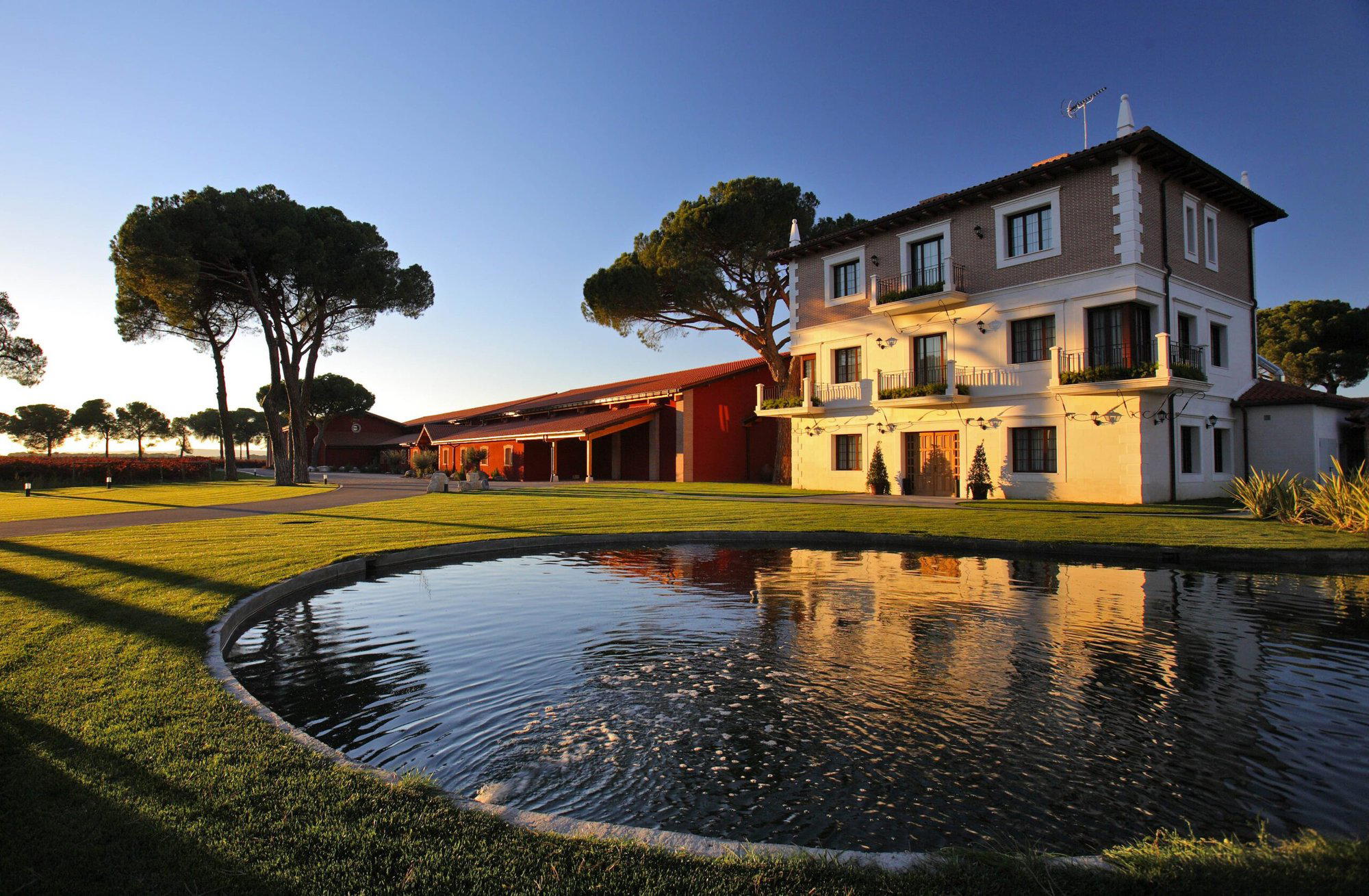
Bodegas Valdubón
Burgos, Spain
Bodegas Valdubón works if your Burgos wine stop is about understanding Ribera del Duero reds through a polished, appointment-led tasting. The strongest reason to go is the Tempranillo-focused Reserva angle, with enough production context to satisfy enthusiasts while staying approachable for a mixed-interest group.
Domaine Bösch
Hallau, Switzerland
Domaine Bösch works if Hallau is already on the wine itinerary and the goal is a focused Swiss producer stop rather than a high-touch destination winery. Its Falstaff Listed 2026 recognition gives it a credible signal, but plan around regional context rather than confirmed tasting formats, prices, or a named flagship wine.
Clos Vieux Taillefer
Libourne, France
Clos Vieux Taillefer is a better fit for serious Pomerol drinkers than casual wine tourists. The draw is small-scale 100% Merlot production, parcel selection, barrel ageing, HVE 3 certification, and Falstaff Listed recognition in 2026; the tradeoff is limited visitor ease. Treat it as a production-led Bordeaux estate to seek out, not a hospitality-first stop.
Cìfero
Colonna, Italy
Book Cìfero if you want a small, focused Lazio winery visit rather than a large tasting operation. The draw is its tight Sauvignon Blanc and Cesanese lens, especially for couples or small celebrations looking for a quieter Colonna stop with a clear production point of view.
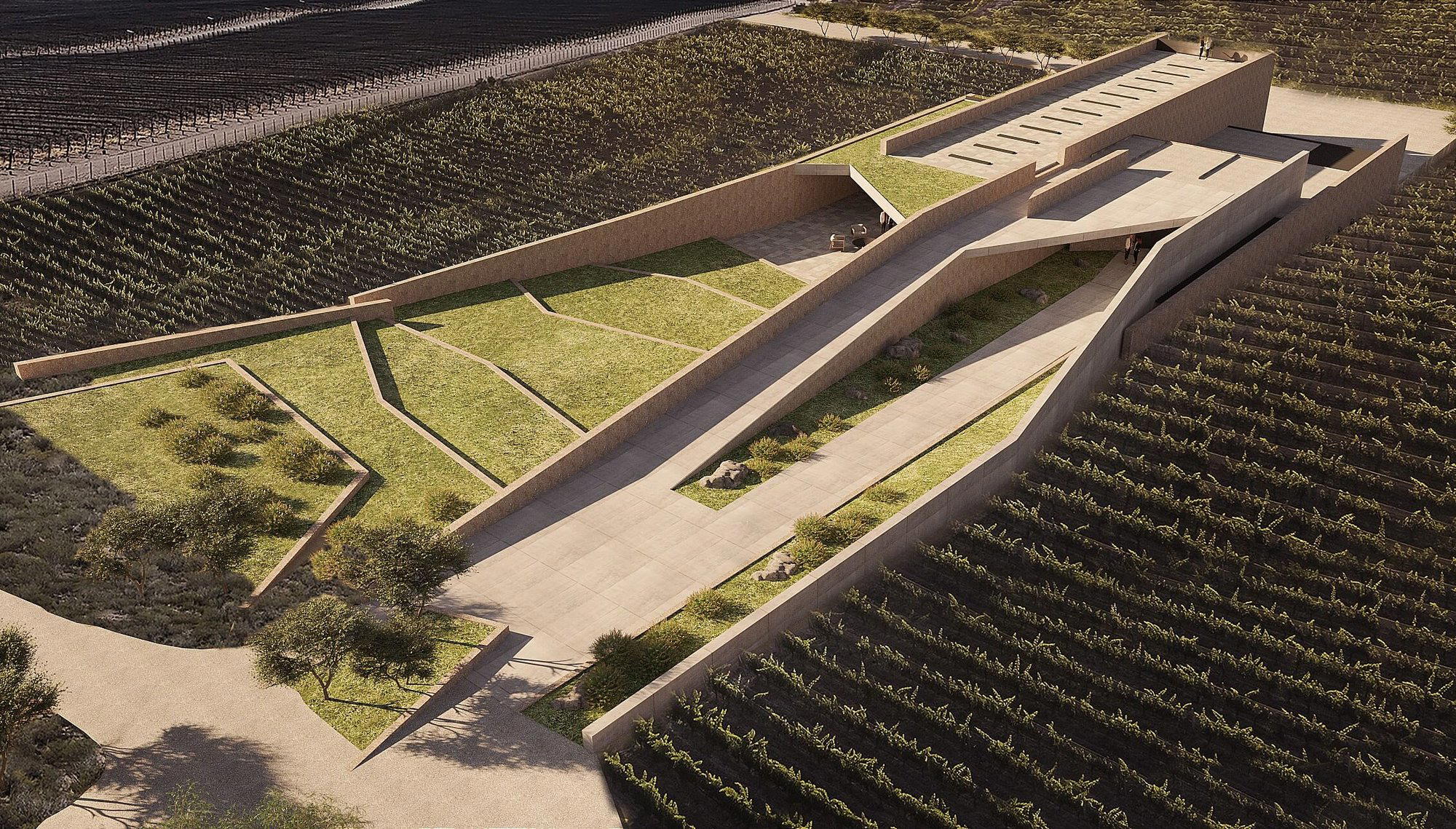
Bodega Aleanna
Tunuyán, Argentina
Bodega Aleanna is worth prioritizing if the trip is about serious Uco Valley wine rather than casual cellar-door tourism. The draw is El Enemigo and Gran Enemigo: Cabernet Franc-led, site-focused wines from Mendoza subzones including Los Chacayes, Gualtallary, and Agrelo. Plan it as an appointment-only, wine-focused stop for travelers who want depth and comparison in the glass.
Karl Heinz Stradinger
Stratzing, Austria
Book Karl Heinz Stradinger for a quiet Stratzing wine-country stay built around a restored former monastery cellar, vineyard views, guest rooms, and homemade breakfast. It is a stronger fit for couples or families wanting a rural base than for visitors seeking a formal, highly documented tasting program.
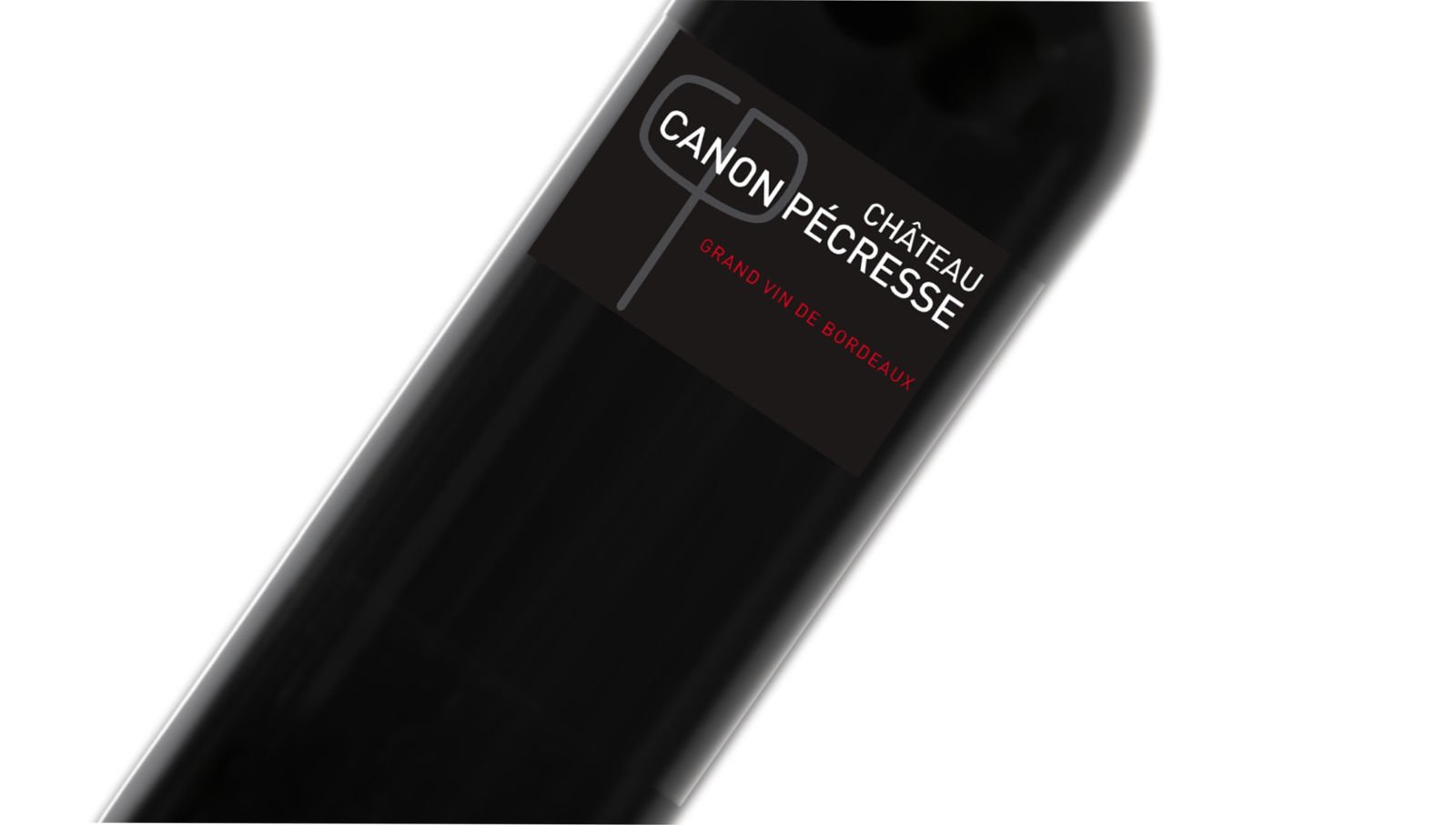
Château Canon Pécresse
Saint Michel De Fronsac, France
Book Château Canon Pécresse if the priority is a quiet, terroir-led Canon-Fronsac visit rather than a large château hospitality setup. The draw is its 4.1-hectare organic vineyard on Saint-Michel-de-Fronsac’s clay-limestone plateau, producing focused Right Bank reds with Merlot and Cabernet Franc.
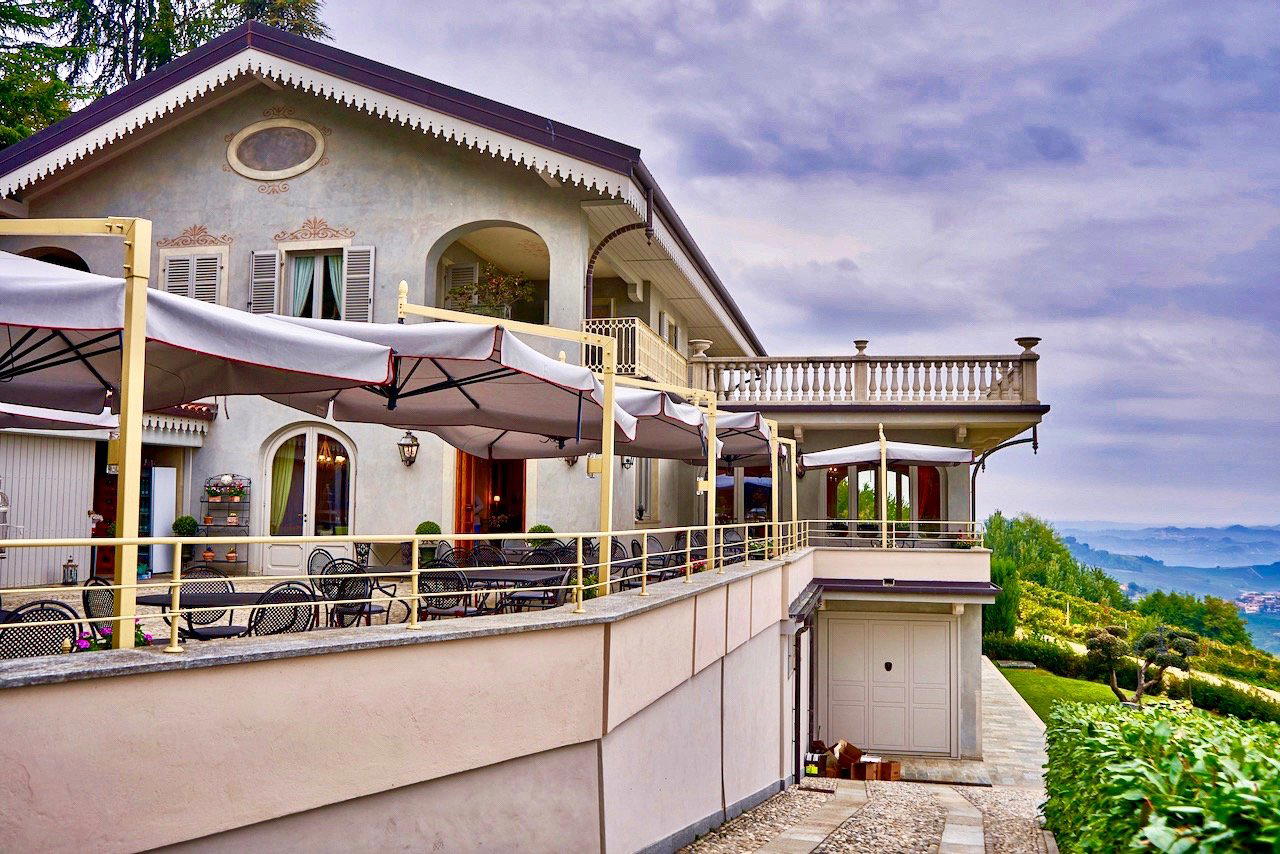
Bovio
La Morra, Italy
Prioritise Bovio if your La Morra trip is about Barolo depth, family-run estate context and a polished but warm wine setting. The appeal is strongest for visitors who want Annunziata terroir, Nebbiolo focus and a serious appointment rather than a casual drop-in tasting.
Füllemann Wein
Berlingen, Switzerland
Book Füllemann Wein if you want a quiet, appointment-only Berlingen tasting with direct access to local Thurgau wines. The $$ value makes sense for guests focused on white, red, and sparkling wines from Berlingen-grown grapes, especially after the winery’s 2021 move to self-vinification.
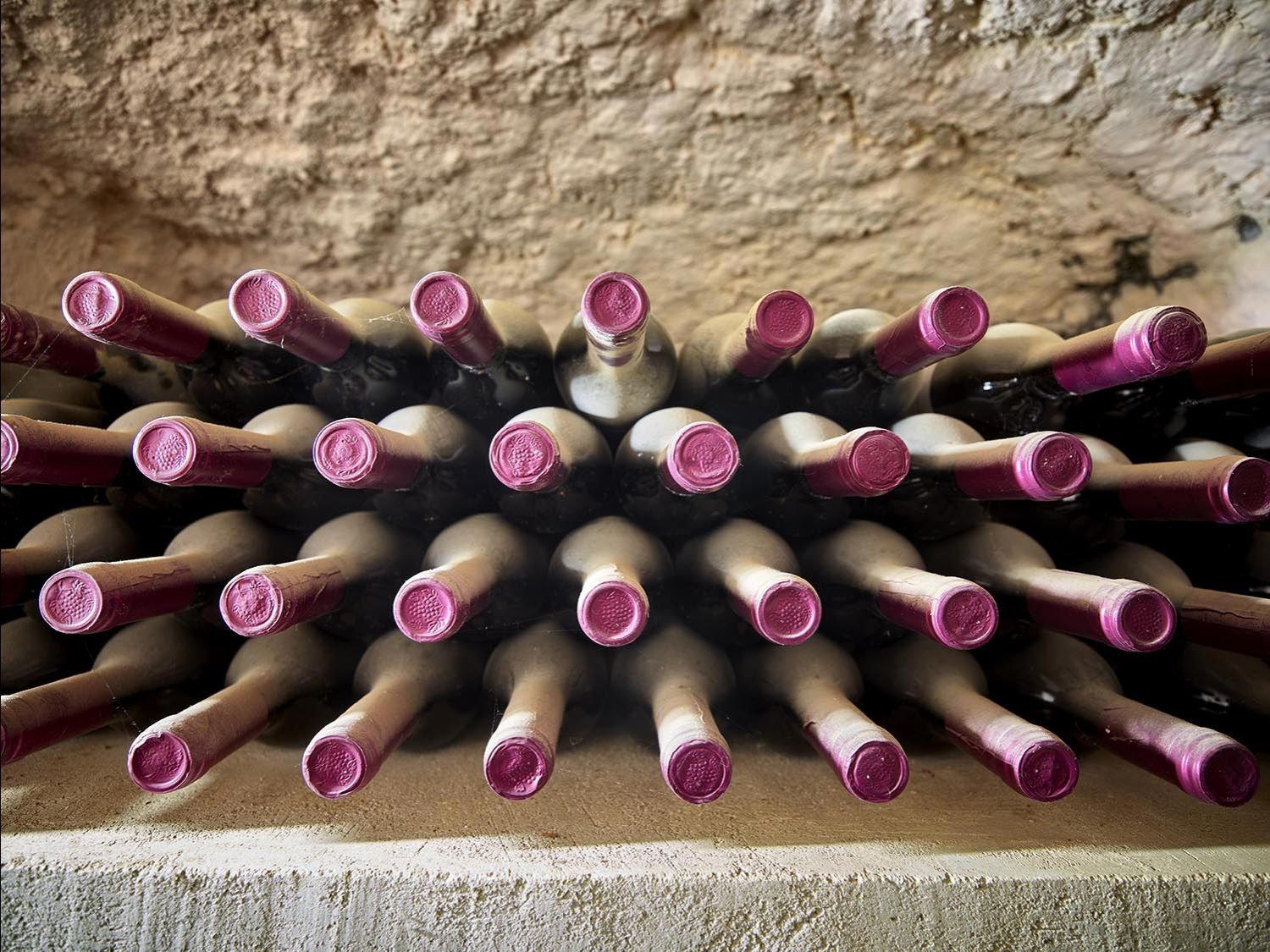
Bodegas Ponce
Villanueva De La Jara, Spain
Bodegas Ponce is worth prioritising if the trip is about serious Manchuela wine rather than a scenic tasting-room circuit. Booking is difficult, so treat it as a planned producer visit and keep the rest of the Villanueva De La Jara itinerary flexible.
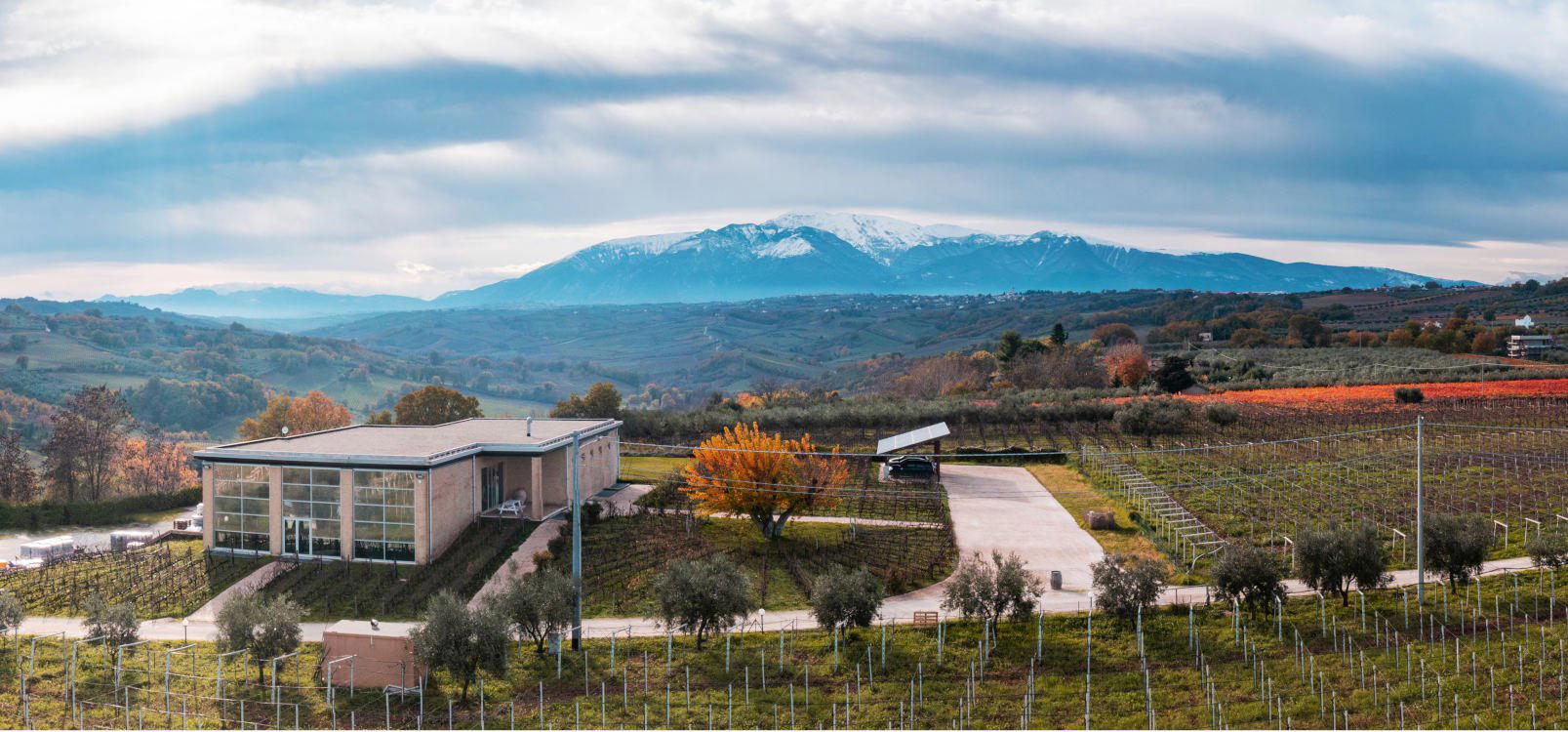
Collefrisio
Frisa, Italy
Collefrisio is the Frisa winery to prioritise if the trip is built around serious Abruzzo wine rather than a casual tasting stop. The 2026 Falstaff 2-star recognition gives it a clear quality signal, but visitors should plan ahead and confirm any food-pairing or group arrangements before shaping a day around it.
Gli Allori
Conegliano, Italy
Book Gli Allori if you want a quiet, family-run Conegliano winery experience with vineyard context, sparkling-wine range, and local food pairings rather than a glossy tasting-room format. The 1919 heritage, SQNPI certification, and Falstaff listing make it a credible stop for travelers who care about place, sustainability, and Prosecco Superiore depth.
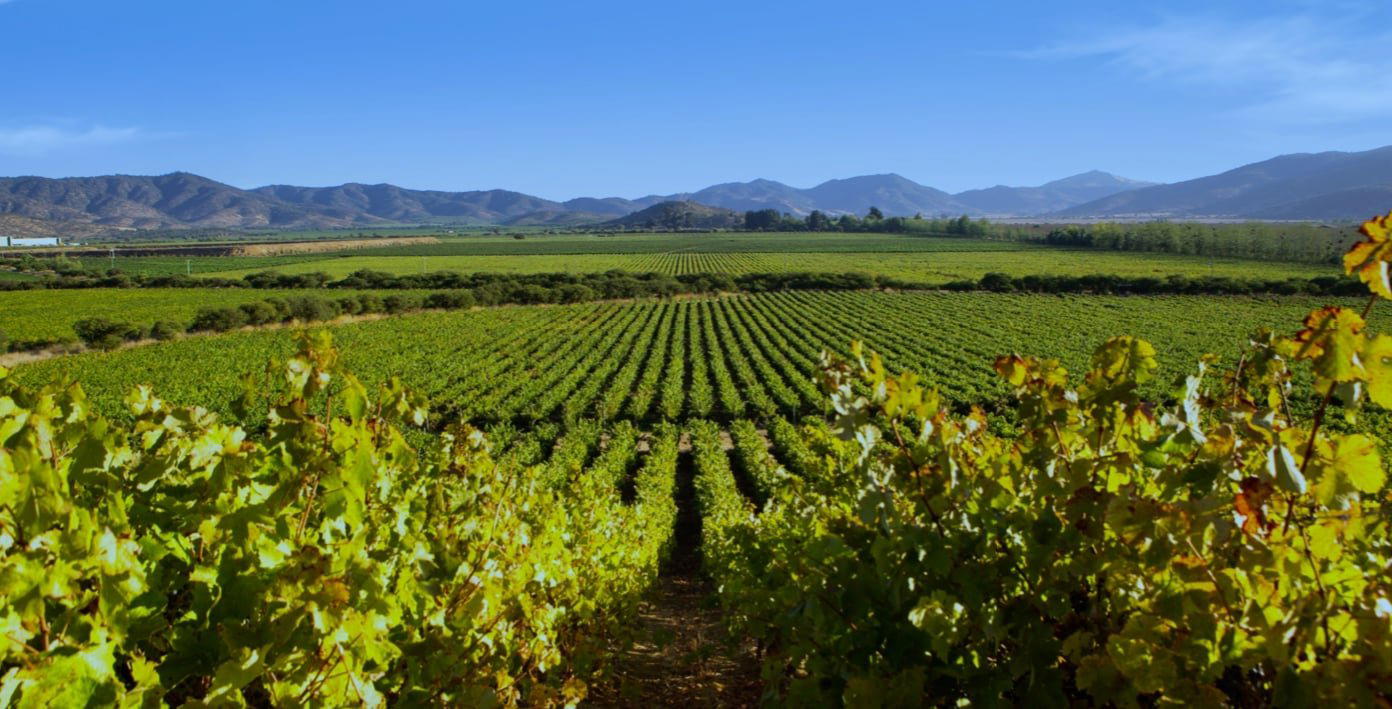
Viña Ventisquero
Santiago, Chile
Viña Ventisquero is worth targeting for a serious Santiago wine appointment, especially if a private or upgraded tasting is the goal. Booking looks extremely difficult, so it is a poor fit for flexible same-day planning; keep Santa Carolina, Aquitania, or Cousiño-Macul ready as practical Santiago alternatives.
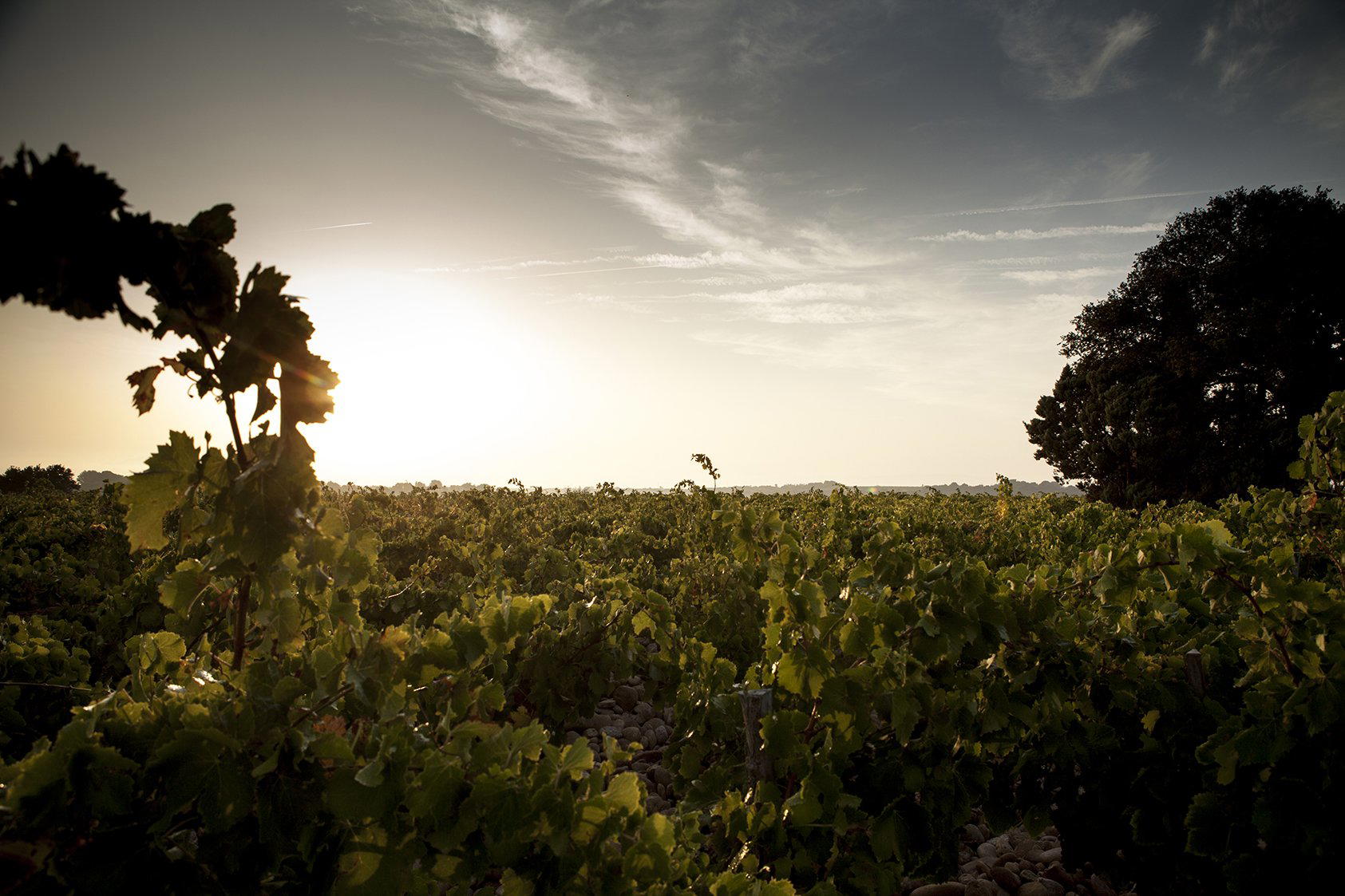
Domaine de la Cote de l'Ange
Châteauneuf-du-Pape, France
A worthwhile Châteauneuf-du-Pape stop for wine travelers who care about old-vine Grenache, estate-grown fruit and a traditional Rhône setting. Book for depth and context, especially if a guided or private format is possible; skip it if the group needs food service or a polished visitor-center experience.
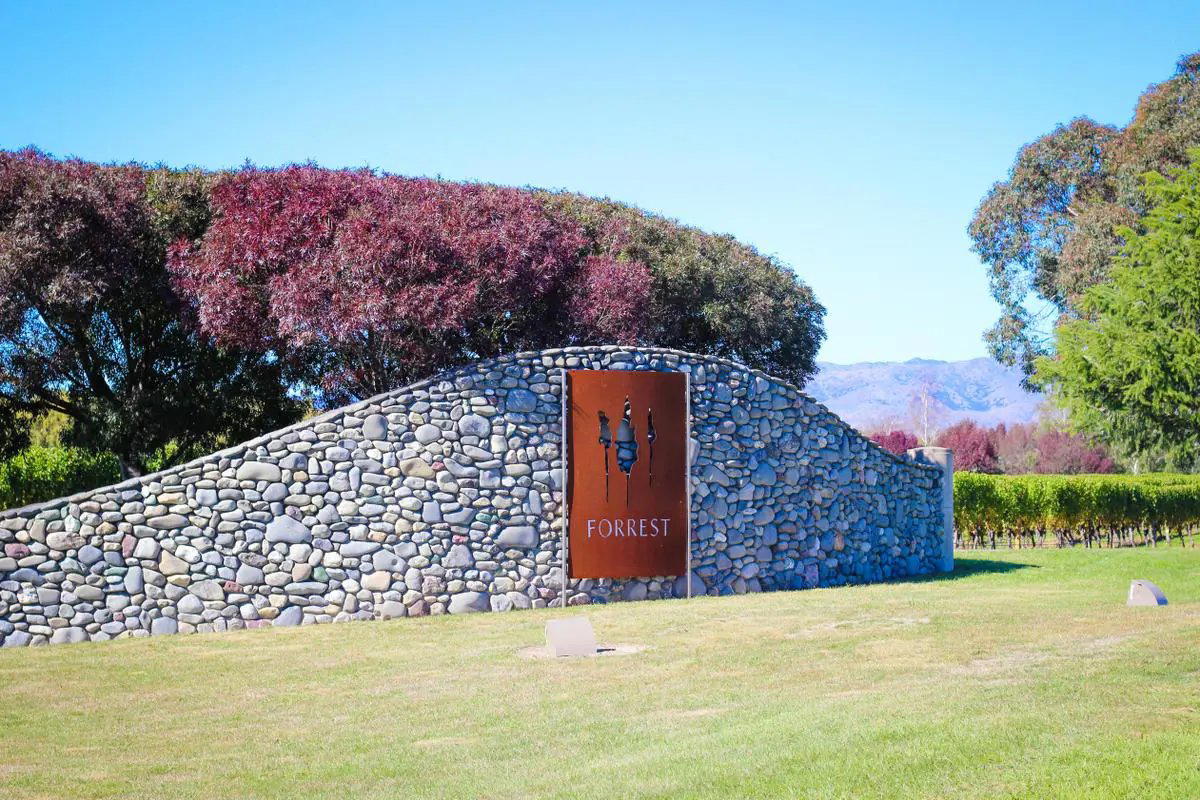
Forrest Wines
Blenheim, New Zealand
Forrest Wines works if the priority is a recognised Marlborough wine stop rather than a fully specified estate experience. Falstaff 4 Stars in 2026 gives it a useful quality signal, but first-timers should plan around the wine itself and confirm visit details before making it the anchor of a Blenheim day.
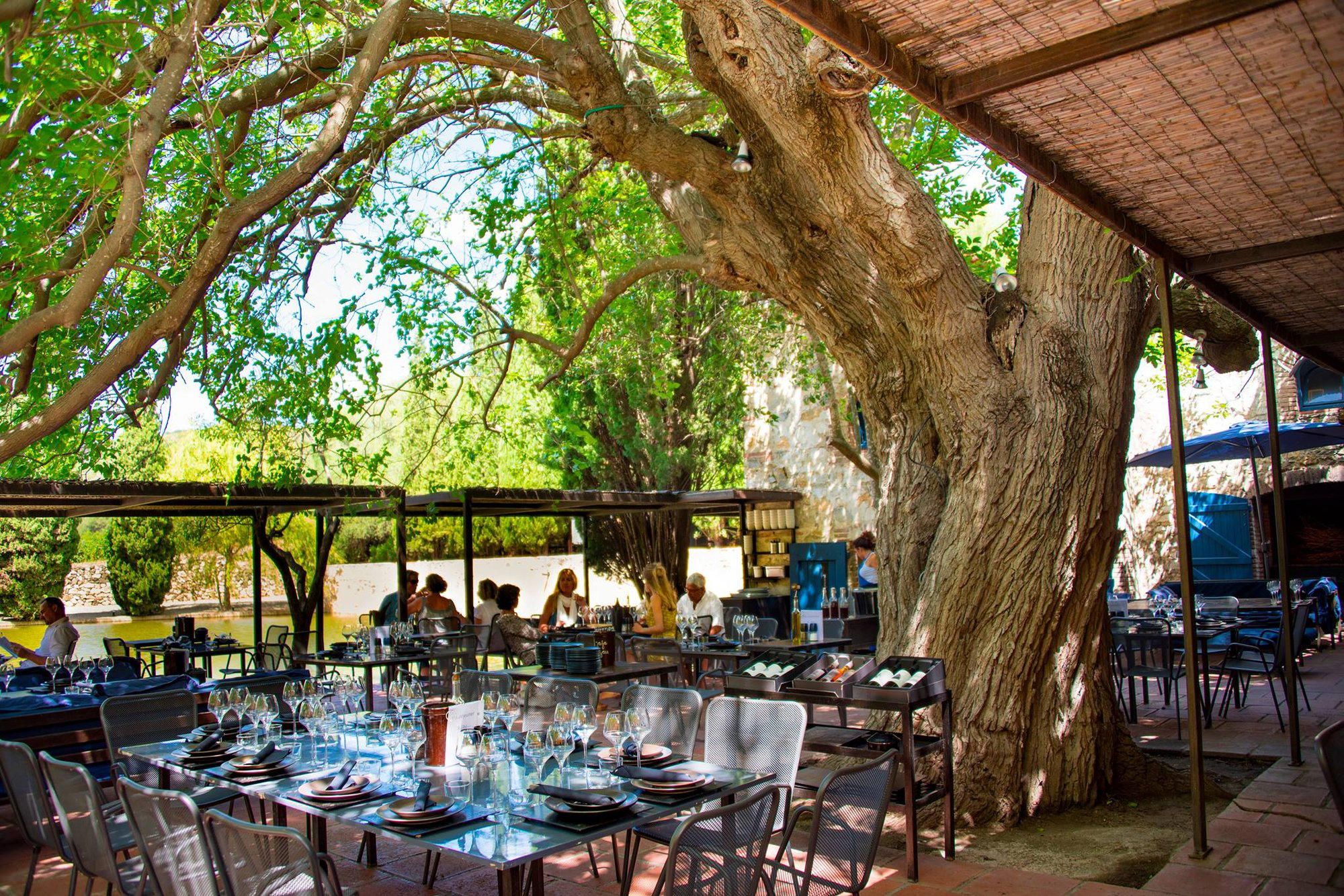
Château de Jau
Cases De Pene, France
Book Château de Jau for a special-occasion Roussillon estate visit where the setting matters as much as the tasting. The draw is the combination of organic wines, vineyard atmosphere, a casual grill restaurant, and modern art, making it stronger for a long countryside lunch than a quick cellar stop.
Clos Ibai
Rioja Alavesa, Spain
Clos Ibai is worth pursuing for small-production Rioja Alavesa bottles, especially if organic farming, old parcels, and white Rioja interest you more than a polished tasting-room setup. It is a stronger fit for collectors and allocation-minded buyers than casual visitors looking for an easy winery stop.
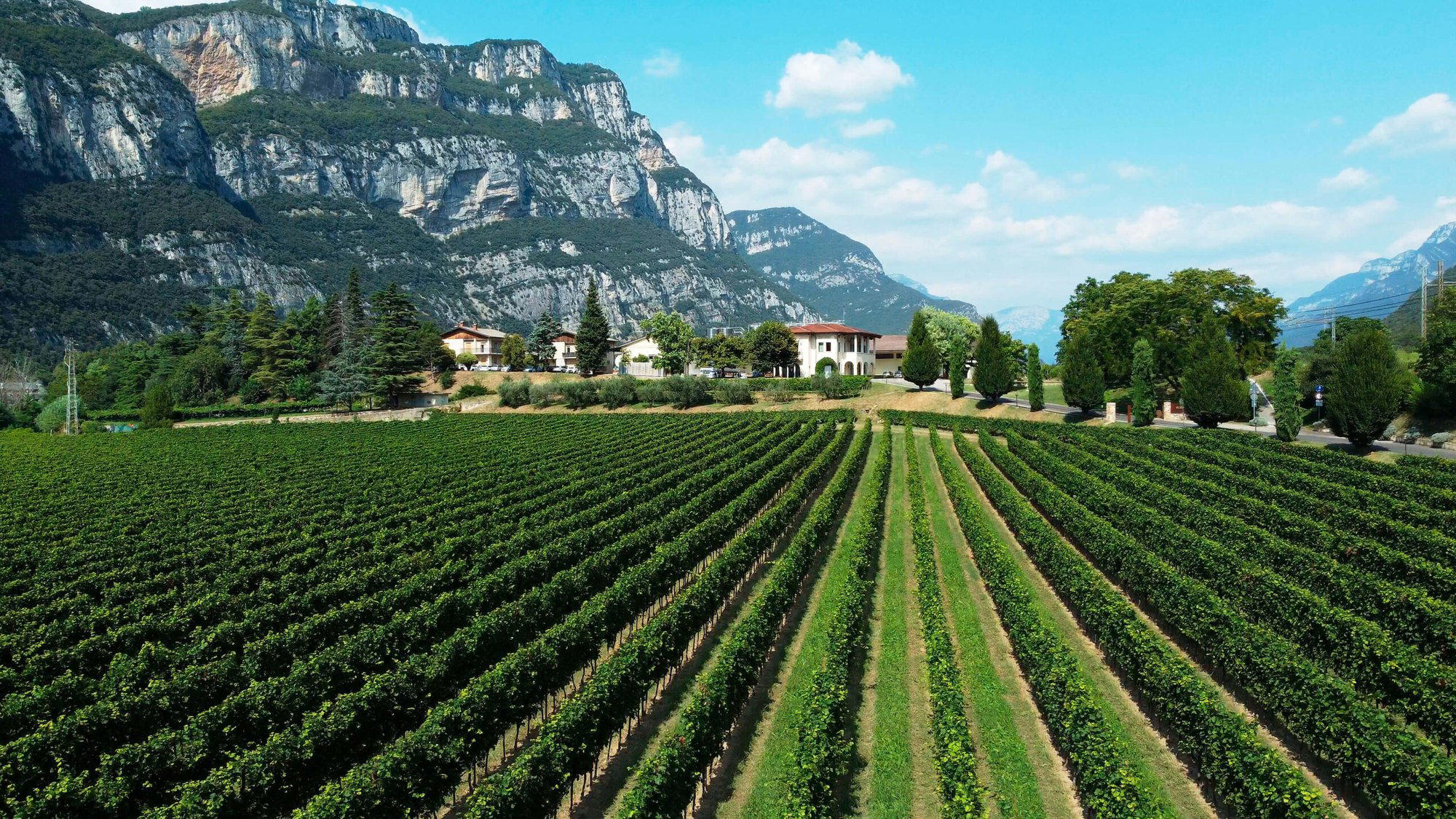
Albino Armani 1607
Chizzola Di Ala, Italy
Albino Armani 1607 is worth planning as a dedicated Chizzola di Ala wine stop, especially for travelers building an Alto Adige itinerary around producer context rather than quick drop-ins. Falstaff 3 Stars (2026) gives it a clear quality signal, but the practical play is to organize the rest of the day around the visit.
How many of these have you visited?
Find out on Pearl and keep score across every place in 2026 Falstaff Winery Guide.