

Château La Gaffelière
Saint-Emilion, Talence
Winery in Talence, France
 Book with Pearl
The Read
Talence Gravel Precision
Why go
Worth pursuing for wine-focused travelers who want a serious château appointment and are prepared for difficult access. Château La Gaffelière makes the strongest case if the visit is tied to future buying or allocation interest, not casual sightseeing. Groups needing easy logistics, food service, or a broad hospitality stop should compare other Bordeaux options first.
About Château La Gaffelière
Château La Gaffelière is a Talence venue associated with Thomas Soubes, carries Pearl 4 Star Prestige recognition for 2025, lists smart casual dress, and is open daily from 9:30 AM to 6 PM. Beyond those practical points, specific claims about format, menus, visits, pricing, group capacity, or on-site services should be confirmed directly before planning around them.
For users, the safest way to approach Château La Gaffelière is as a premium Talence listing with limited detail rather than as a venue whose full experience can be inferred in advance. The anchor is Thomas Soubes, along with the everyday daytime schedule and smart casual standard. If the stop is important to an itinerary, verify the current experience, availability, and any service details with the venue before committing the rest of the day around it.
Choose this for a premium Talence listing
The strongest reason to keep Château La Gaffelière on a shortlist is its Pearl 4 Star Prestige recognition in 2025. The practical details are direct: Talence location, Thomas Soubes, smart casual dress, and daily hours from 9:30 AM to 6 PM.
Because price, menu, booking policy, seating capacity, and service format are not listed here, avoid assuming a particular kind of visit. Treat the listing as a starting point for a direct inquiry. That is especially important for guests comparing several premium names, where small differences in availability, format, and access can shape the entire plan.
Plan with confirmed details and compare carefully
For broader context, compare Château La Gaffelière with Chateau Ausone, Château Canon-la-Gaffeliere, Château Pavie, Château Bélair-Monange, and Château Pavie Macquin. These names can help frame a more selective itinerary, but they should not be treated as interchangeable. Confirm each venue's current arrangements directly rather than assuming the same format or services across them.
The verdict: Château La Gaffelière is worth considering if a Pearl 4 Star Prestige Talence venue with Thomas Soubes attached fits the plan. Build around the hours and smart casual dress code, then confirm any unlisted needs before arrival.
Planning details
- Location
- Château La Mission Haut-Brion, Rue de Peybouquey, Talence, France
- Website
- chateau-la-gaffeliere.com
The take
The Take
The Vibe
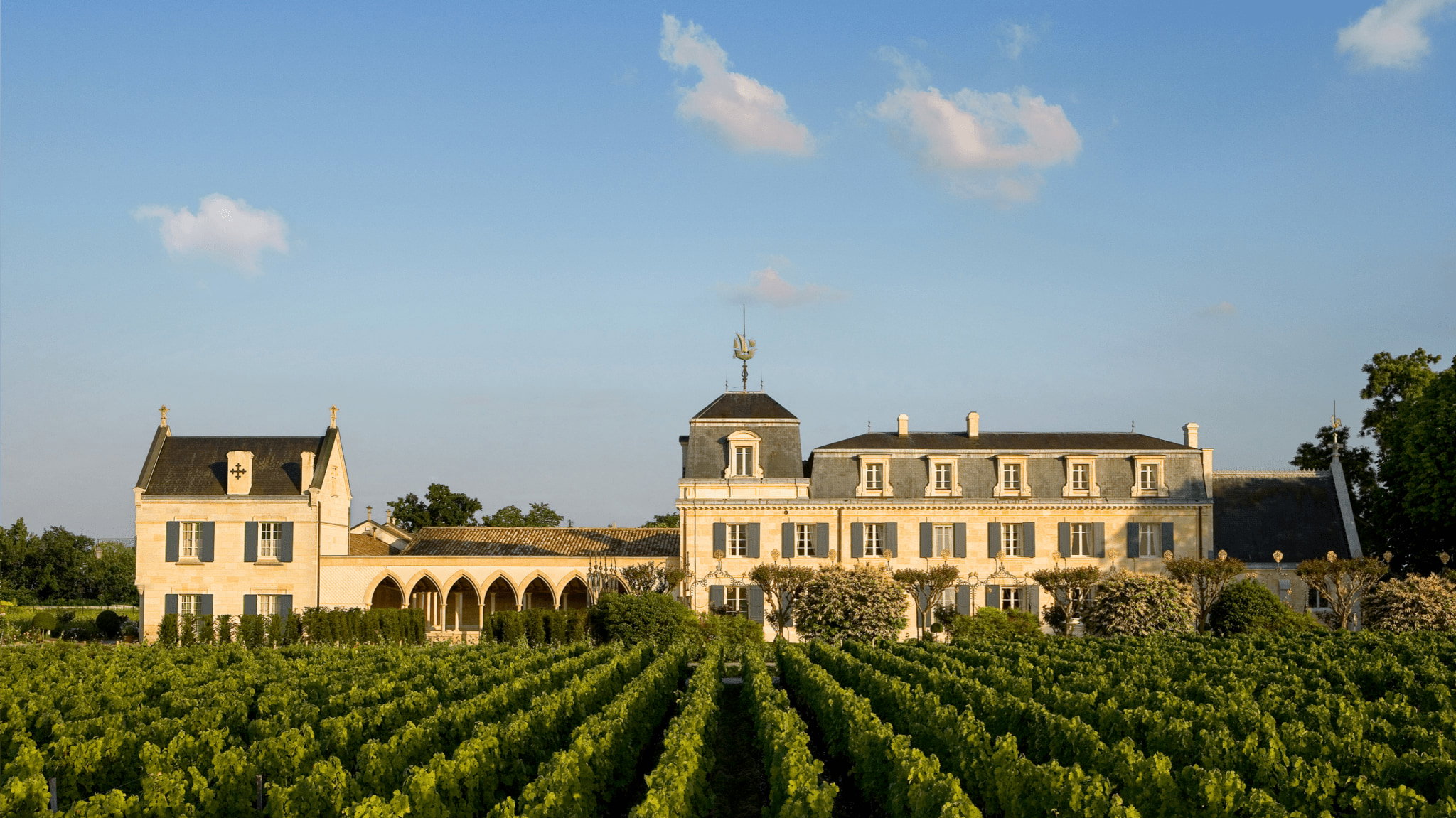
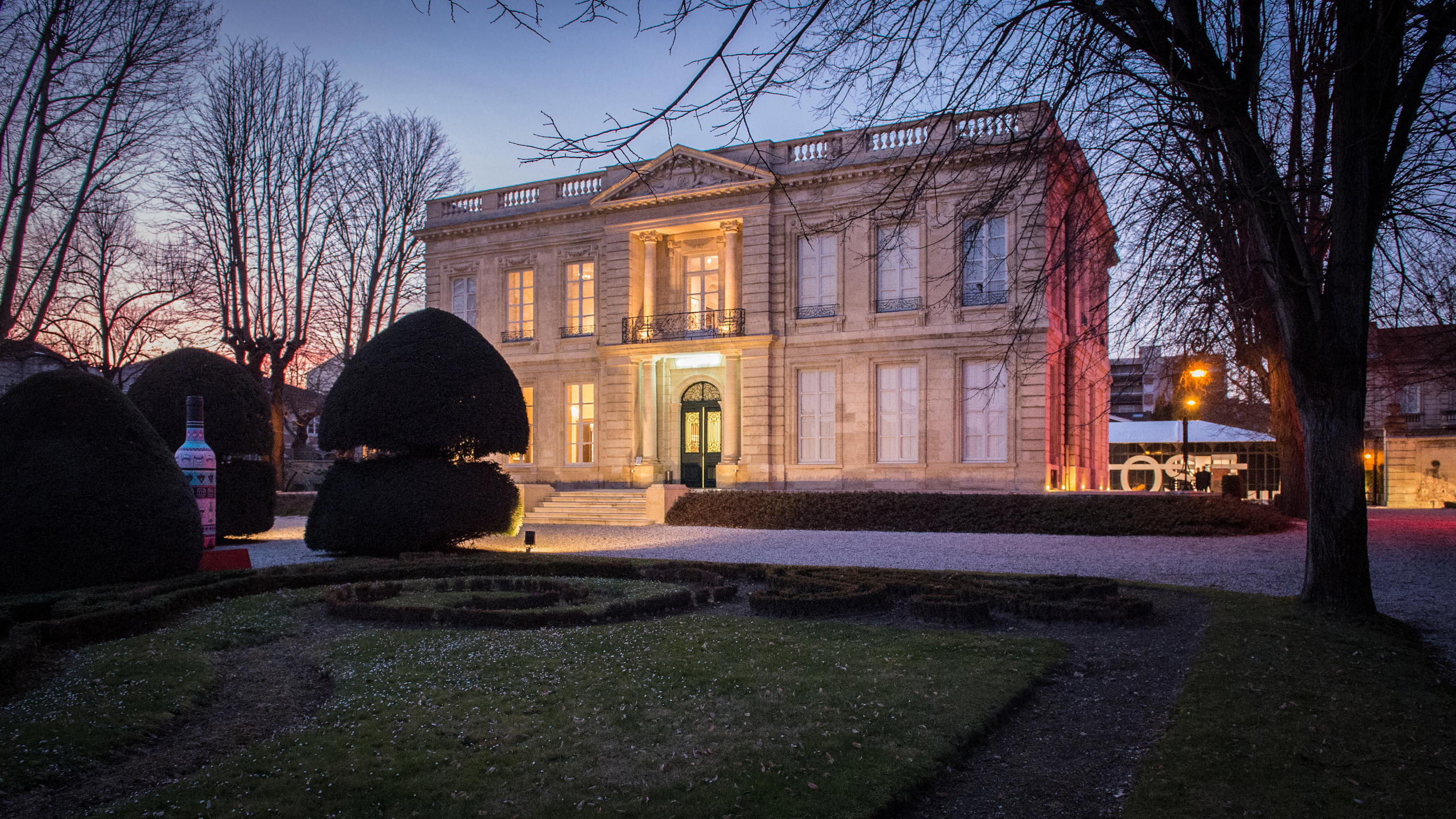
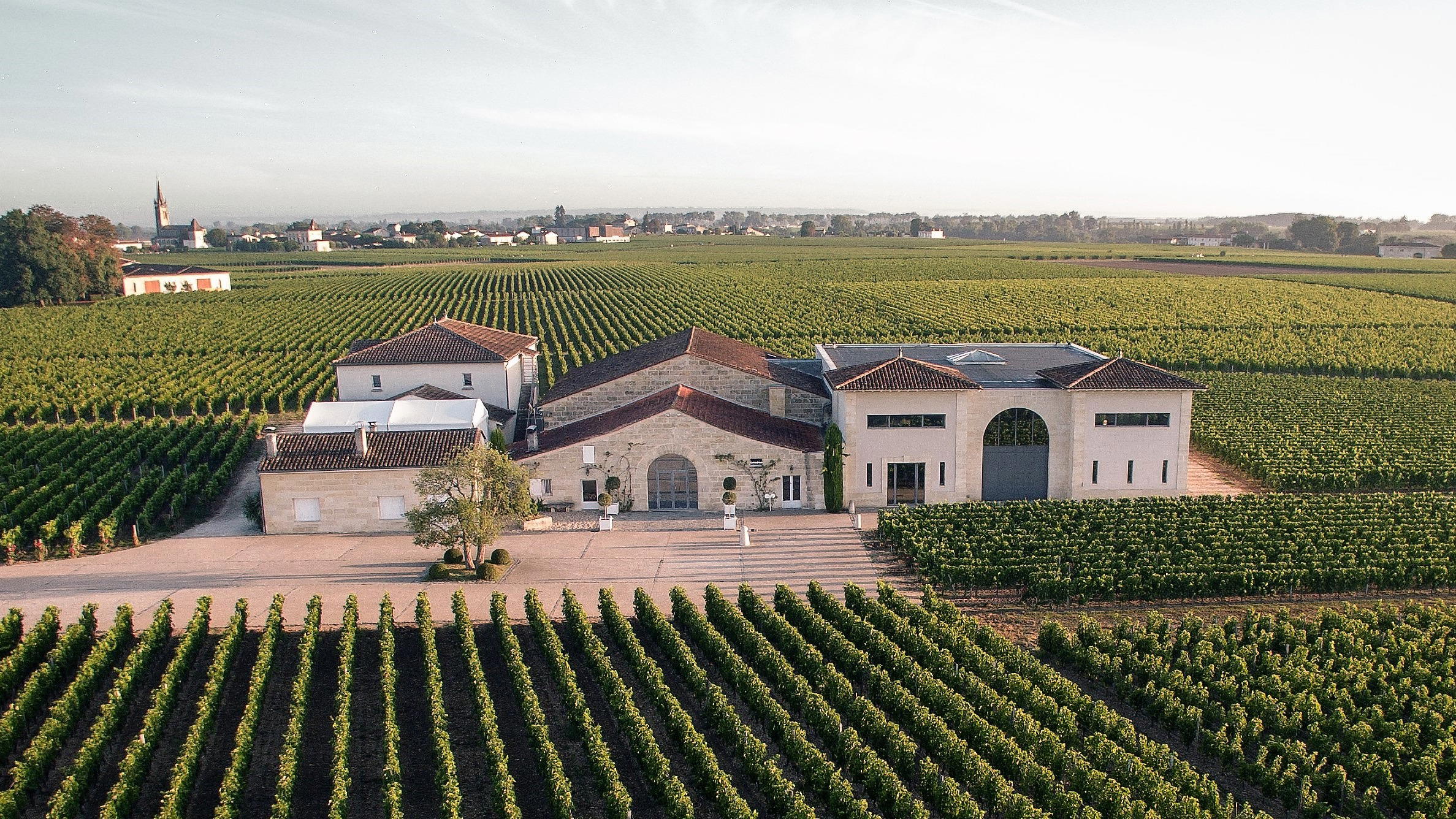
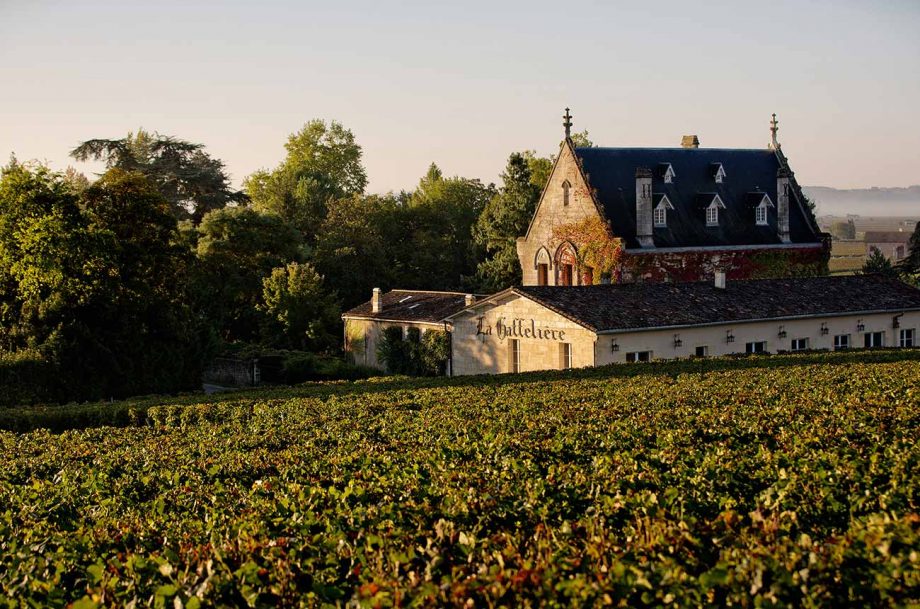
Château La Gaffelière presents as a quietly authoritative Bordeaux estate rooted in geology and tradition. The writing emphasizes centuries-old gravel soils and a measured, precise winemaking aesthetic rather than overt power, so the property reads as timeless and serious. Its suburban setting — plane trees, low walls and the ambient hum of a university city — gives the château a calm, lived-in quality: not ostentatious but quietly impressive. References to nearby La Mission Haut-Brion and the gravel plateau underline a terroir-first identity that will appeal to visitors who prize craft, nuance and historical depth in their wines.
Best For
This estate is best for visitors who are there to learn and to appreciate terroir-driven wines. The copy frames the property as a geological argument in the glass, so it suits wine-educated guests, students of Bordeaux, and collectors looking to understand regional differences. Given the serious tone and the emphasis on structural precision, it also works for elevated visits and small special-occasion tastings where the focus is on wine detail rather than casual drinking. The setting rewards thoughtful, slower-paced visits rather than rowdy group outings.
Tasting Tips
When engaging with Château La Gaffelière, center conversation around soil and structure: ask how the Günzian and Mindel gravel deposits shape the wines’ drainage, heat retention and acidity profile. Request comparisons with Médoc expressions to hear the contrast the text highlights, and ask the winemaking team about Thomas Soubes’s priorities in translating site specificity. Focus tasting notes on precision, tannic architecture and mineral definition rather than overt ripeness. If staff offer vertical or comparative pours, prioritize those that demonstrate how the gravel plateau differentiates this estate from neighboring appellations.
Venue details
Ambiance
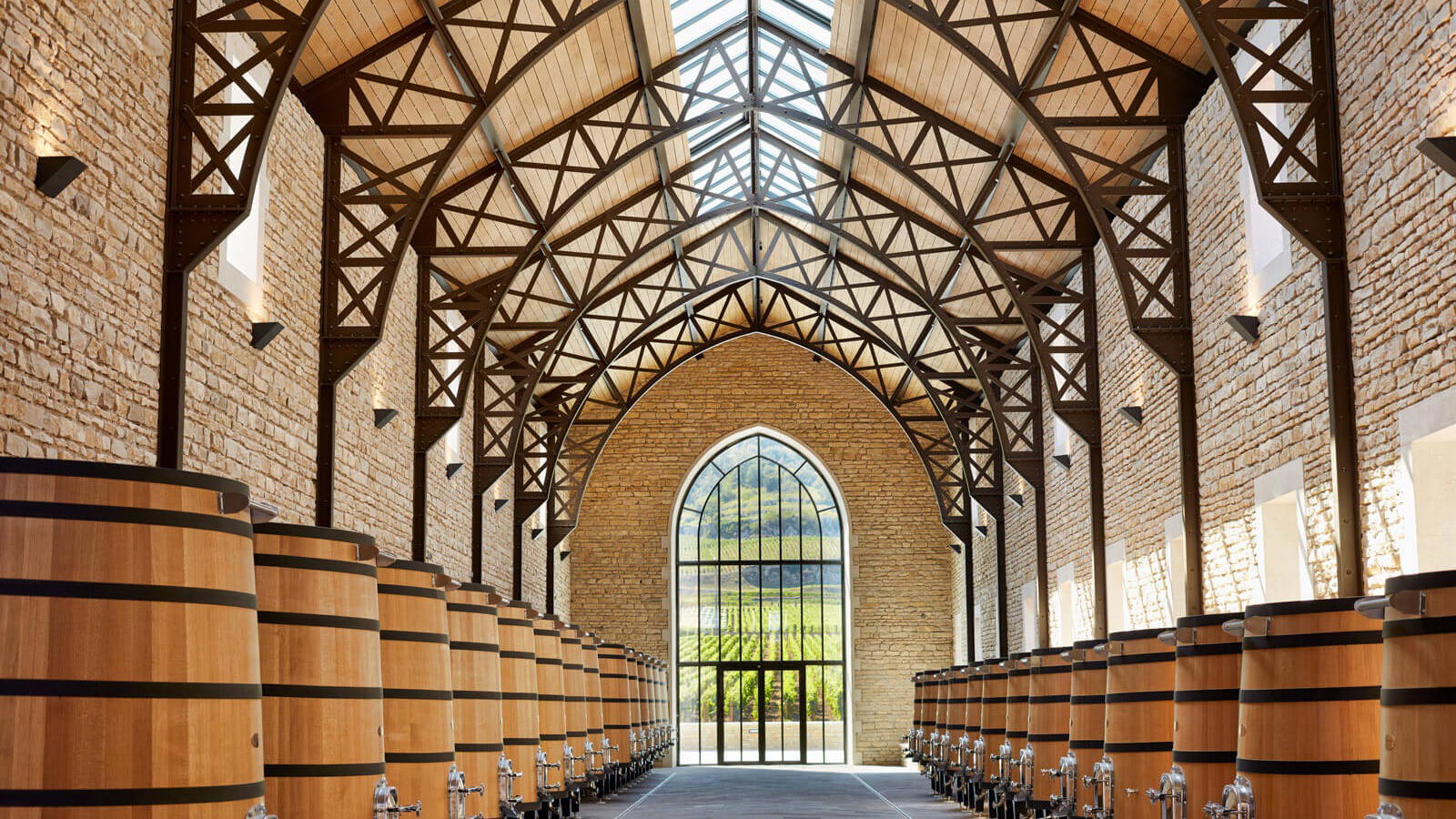
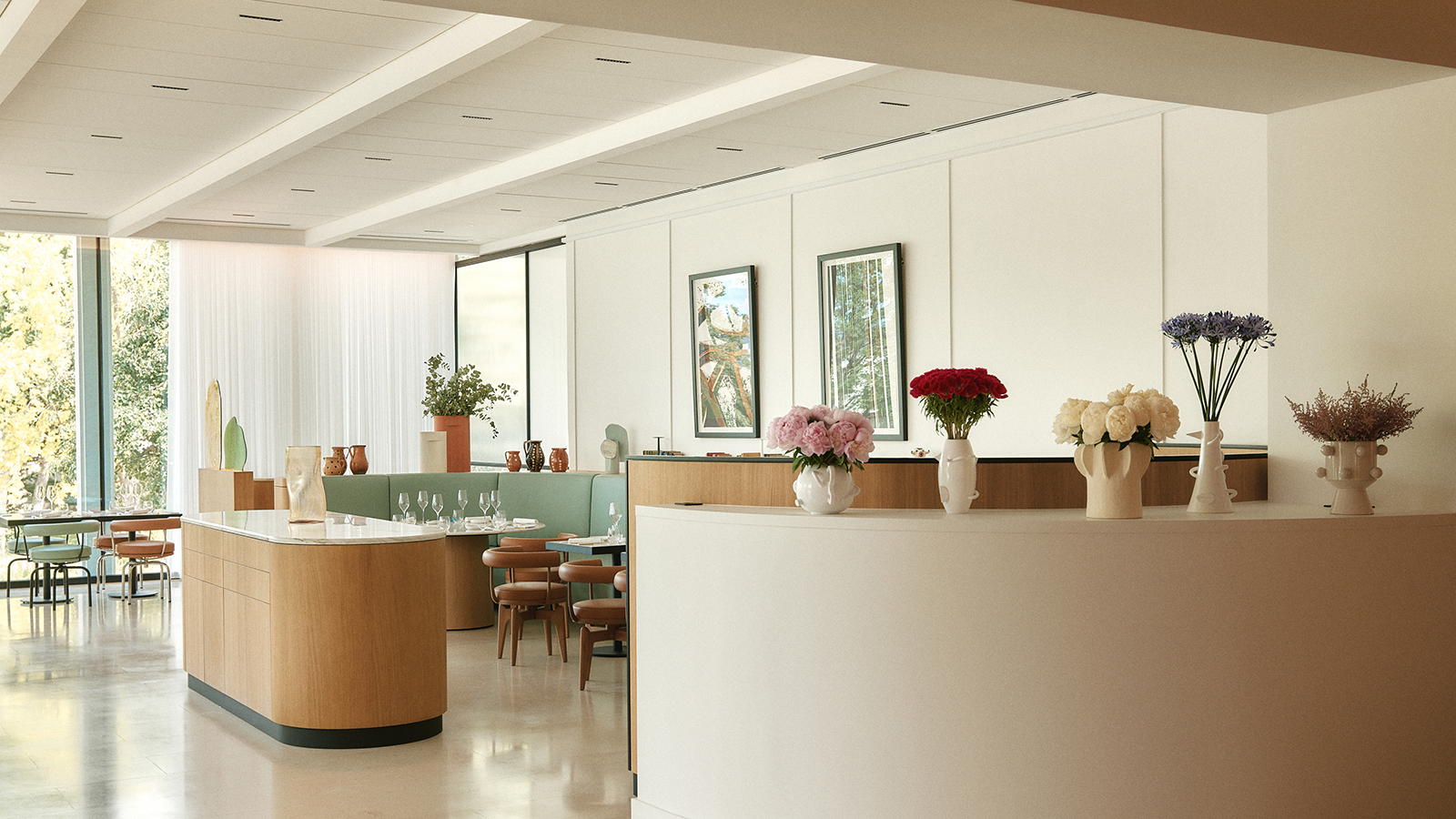
Classic and elegant atmosphere in a historic château setting with refined, sophisticated charm.
Tags
Vibe
Best For
Experience
Sourcing
View
At the Vineyard
- Appellation
- Saint-Emilion Grand Cru
- Varietals
- Merlot, Cabernet Franc, Cabernet Sauvignon
- Visits
- By appointment only
- Farming
- Organic
- Wine Styles
- Still Red
- Wine Club
- Not available
Know before you go
Know Before You Go
- Getting there
- Château La Mission Haut-Brion, Rue de Peybouquey, Talence, France
Planning details
Location
Château La Mission Haut-Brion, Rue de Peybouquey, Talence, France · Directions
Recognition and awards

Also consider
Also Consider
- Chateau Ausone, Notable alternative
- Château Canon-la-Gaffeliere, Notable alternative
- Château Pavie, Notable alternative
- Château Bélair-Monange, Notable alternative
- Château Pavie Macquin, Notable alternative
Winery context
How It Compares
Choose Château La Gaffelière if the priority is a focused château visit with serious wine intent. Chateau Ausone is the more collector-driven comparison, better suited to travelers chasing a trophy name, while Château Canon-la-Gaffeliere is the closest name-based cross-shop for anyone comparing estates in the same broader category.
Château Pavie and Château Bélair-Monange make more sense for a high-commitment Bordeaux itinerary where prestige and allocation interest matter more than convenience. For travelers trying to balance ambition with a wider tasting plan, Château Pavie Macquin is the useful extra comparison before locking the day.
Value here is not about low cost or easy access; it is about whether the visit helps a serious buyer decide what to follow afterward. If the goal is a relaxed scenic tasting, look elsewhere. If the goal is to compare cellar direction, estate identity, and future buying interest, this belongs on the request list.
Explore Talence
Around this place
Discover more on Pearl
Unlock the full Château La Gaffelière guide in Pearl, including awards, comparisons, FAQs, planning details, and nearby places.
Compare Château La Gaffelière
| Venue | Location | Awards |
|---|---|---|
| Château La Gaffelière | Talence | 2026 Falstaff Winery Guide2025 Pearl 4 Star Prestige |
| Chateau Ausone | Saint-Emilion | 2026 Michelin 2 Grapes - Bordeaux2025 Pearl 5 Star Prestige |
| Château Canon-la-Gaffeliere | Saint-Emilion | No published awards |
| Château Pavie | Saint-Emilion | 2025 Pearl 4 Star Prestige |
| Château Bélair-Monange | Saint-Emilion | 2026 Falstaff Winery Guide2026 Michelin 1 Grape - Bordeaux |
| Château Pavie Macquin | Saint-Emilion | No published awards |


How Château La Gaffelière Talence compares with similar nearby venues.
FAQ
Frequently Asked Questions
Who is associated with Château La Gaffelière?
Thomas Soubes is associated with Château La Gaffelière.
What are the hours at Château La Gaffelière?
Château La Gaffelière is listed as open Monday through Sunday from 9:30 AM to 6 PM.
What recognition does Château La Gaffelière have?
Château La Gaffelière is listed with Pearl 4 Star Prestige recognition for 2025.
What other venues are useful comparisons?
Useful comparison names include Chateau Ausone, Château Canon-la-Gaffeliere, Château Pavie, Château Bélair-Monange, and Château Pavie Macquin. Confirm current details for each venue directly before planning around them.
Does Château La Gaffelière serve food?
Food service details should be confirmed directly with Château La Gaffelière before planning around a meal.