

2026 Falstaff Winery Guide: The Ultimate Wine Authority — Page 44
Falstaff's 2026 Wineries guide.

Venues on this list
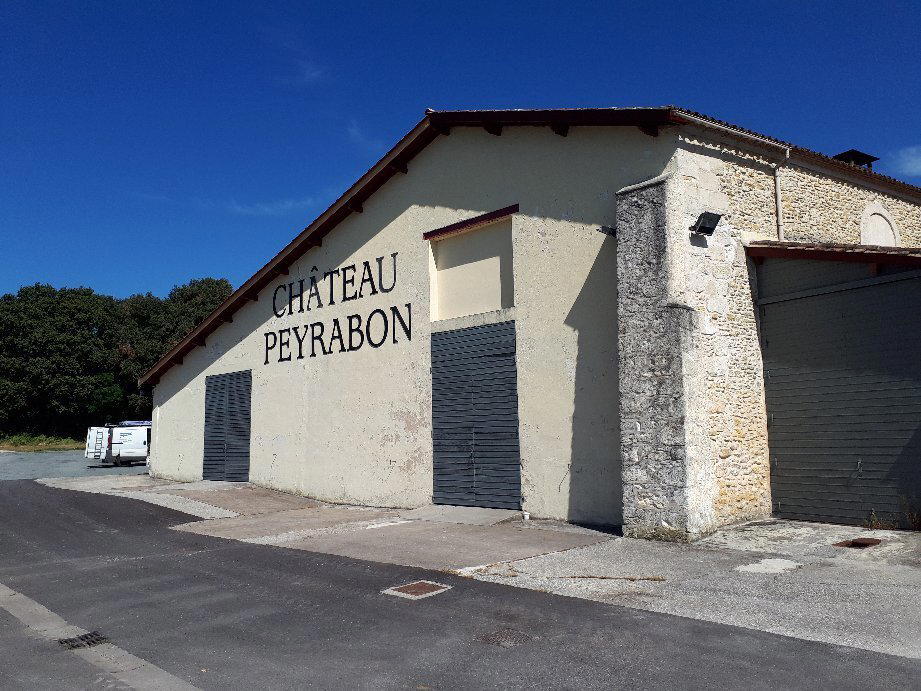
Château Peyrabon
Saint Sauveur, France
Château Peyrabon is worth booking if you want a focused Haut-Médoc tasting built around Cabernet-led structure, blending, and estate-grown production rather than a high-gloss hospitality stop. The strongest draw is its dual Haut-Médoc and Pauillac footprint, which makes the tasting especially useful for understanding Left Bank differences in a traditional château setting.
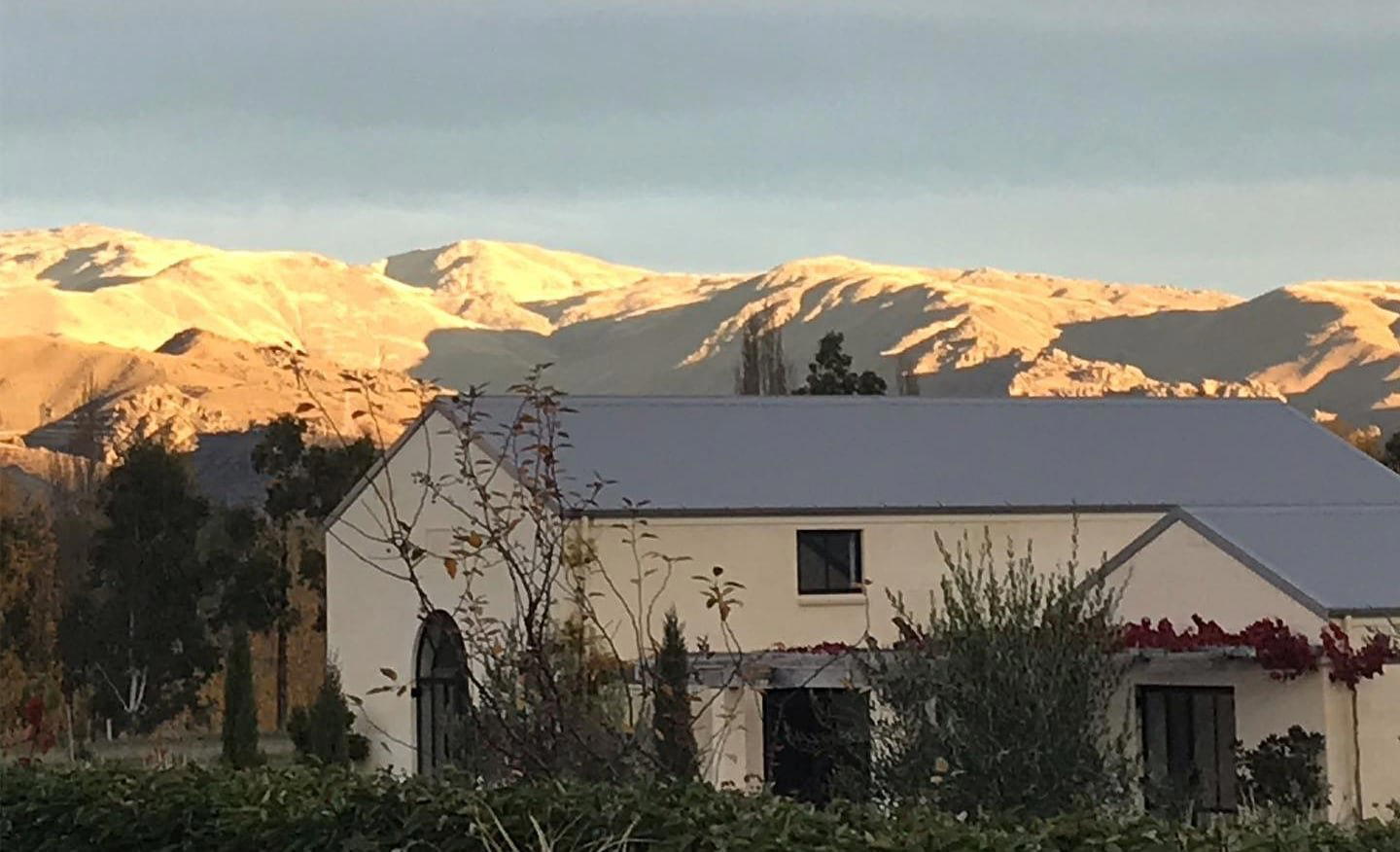
Aurum Wines
Cromwell, New Zealand
Aurum Wines is worth booking if the goal is a quiet, organic Central Otago tasting with a food pairing element rather than a busy cellar-door stop. The private format is the stronger call for wine-focused visitors, with vineyard context, selected wines, and cheese platter support making the experience feel more complete.
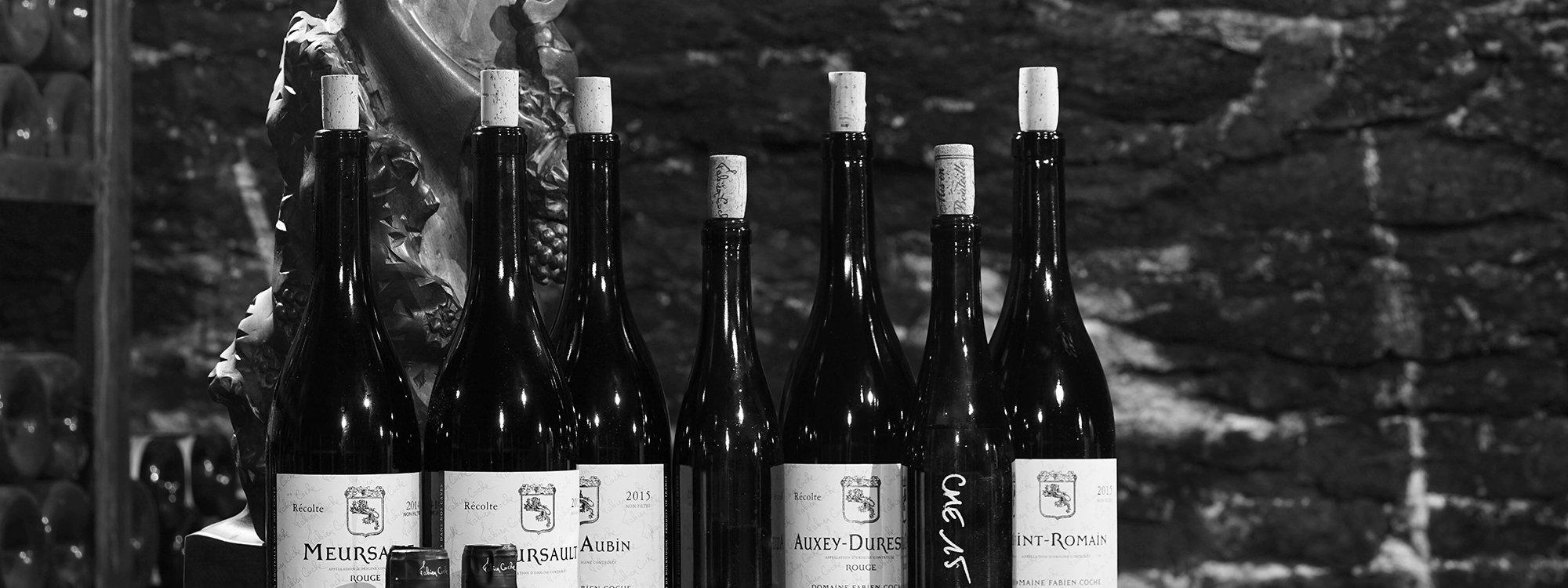
Domaine Fabien Coche
Meursault, France
Domaine Fabien Coche is worth prioritizing for serious Meursault buyers who want a focused cellar appointment rather than a broad visitor experience. The fit is strongest for couples or business guests who care about white Burgundy decisions, bottle selection, and shipping value; larger casual groups should look at more accessible Meursault options.
EDITION PORTSCHY
Hannersdorf, Austria
Book EDITION PORTSCHY if Hannersdorf or Eisenberg is already on the route and you want a quiet, rustic wine stop by appointment. The Falstaff 2026 listing gives it credibility, but the lack of published visitor detail makes it a better fit for planners than spontaneous tasters.
Delbeck Vignobles
Montagne, France
Delbeck Vignobles is a good fit if the goal is a quiet, production-led Bordeaux stop rather than a polished château experience. Go for Saint-Georges Saint-Émilion context, a small 14-hectare estate, a tiered wine range, and the added interest of wine-infused salts and Poivrine.
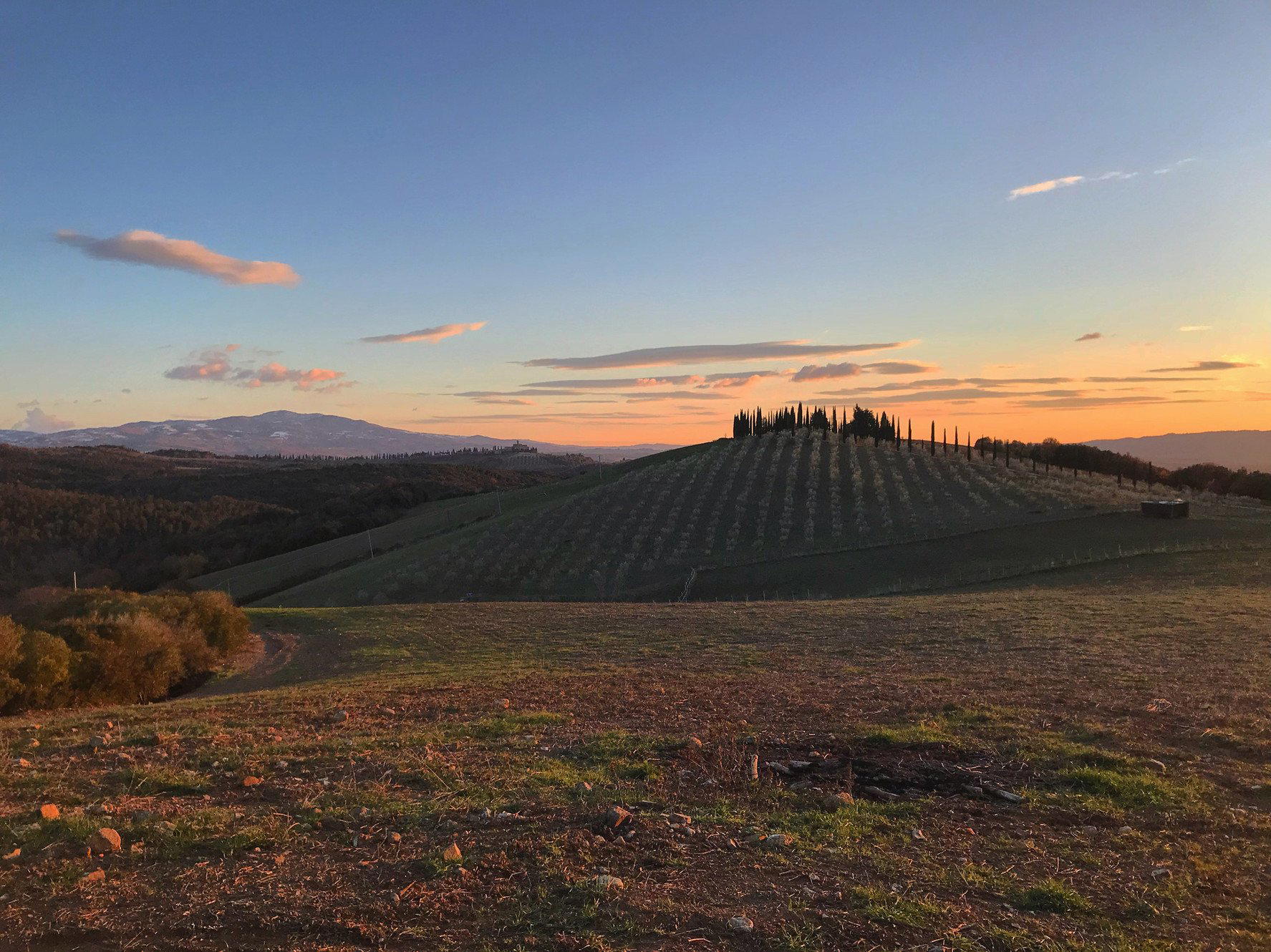
Cupano
Montalcino, Italy
Cupano is worth pursuing if the goal is a quiet, wine-focused Montalcino stop rather than a highly structured visitor experience. Falstaff 4 Stars for 2026 gives it a credible quality signal, but first-timers should plan early and keep backup winery options nearby.
Chiusa Grande
Nocciano, Italy
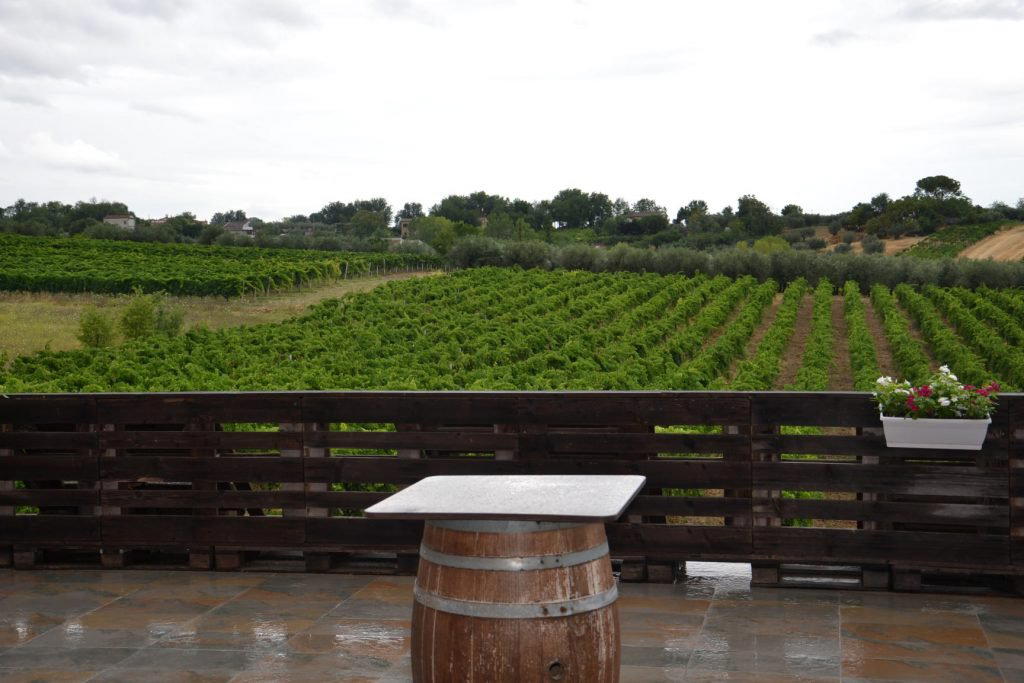
Book Chiusa Grande if you want an easy, guided Abruzzo winery visit with a strong organic farming angle and a relaxed countryside setting. It is better for couples, celebrations, and wine-curious travelers than for anyone seeking a restaurant-style meal or a highly formal cellar experience.
Champagne Janisson-Baradon
Épernay, France
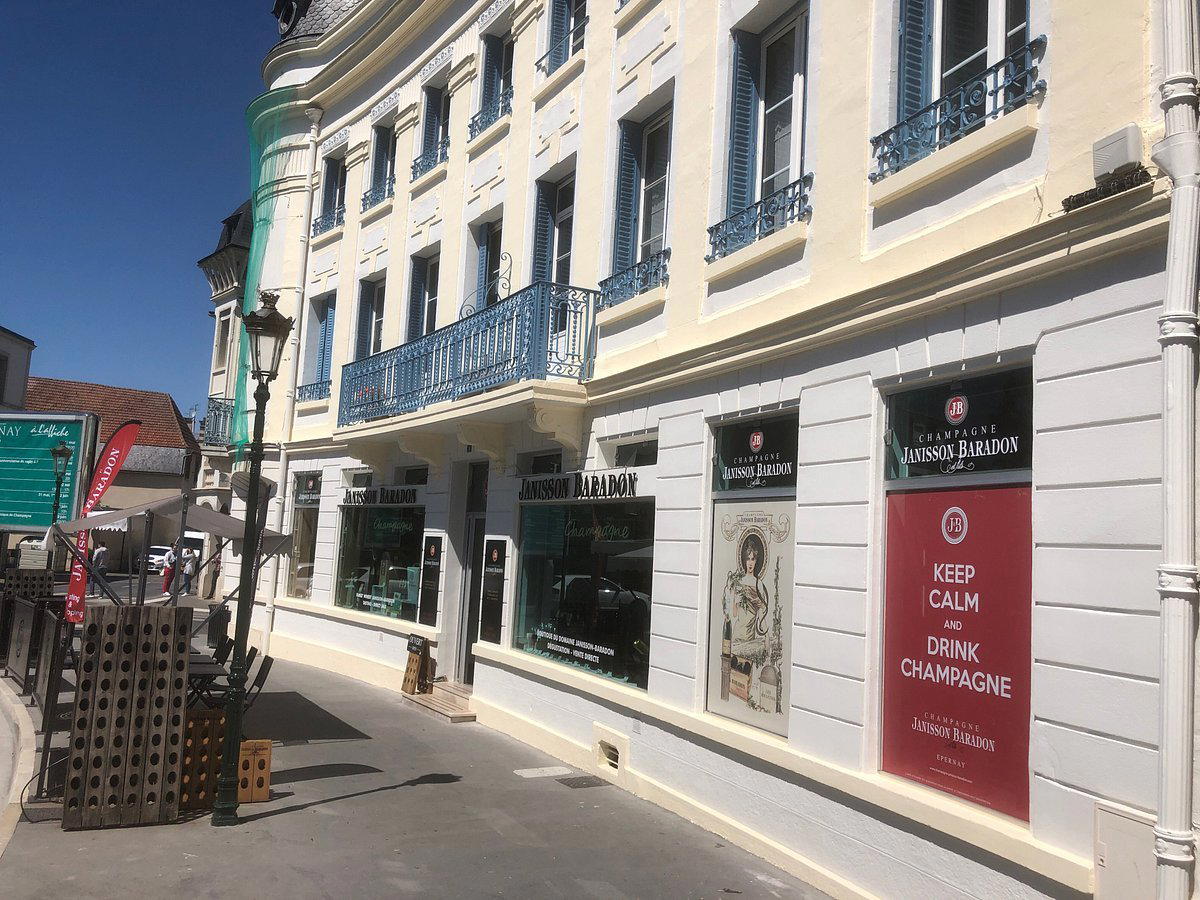
A sensible Épernay pick for a wine-first Champagne visit, especially if the occasion calls for producer credibility rather than a restaurant-style experience. Falstaff Listed for 2026, Champagne Janisson-Baradon works better as one focused stop in a tighter itinerary than as an all-day destination.
Domaine Bachelet-Monnot
Dezize-lès-Maranges, France
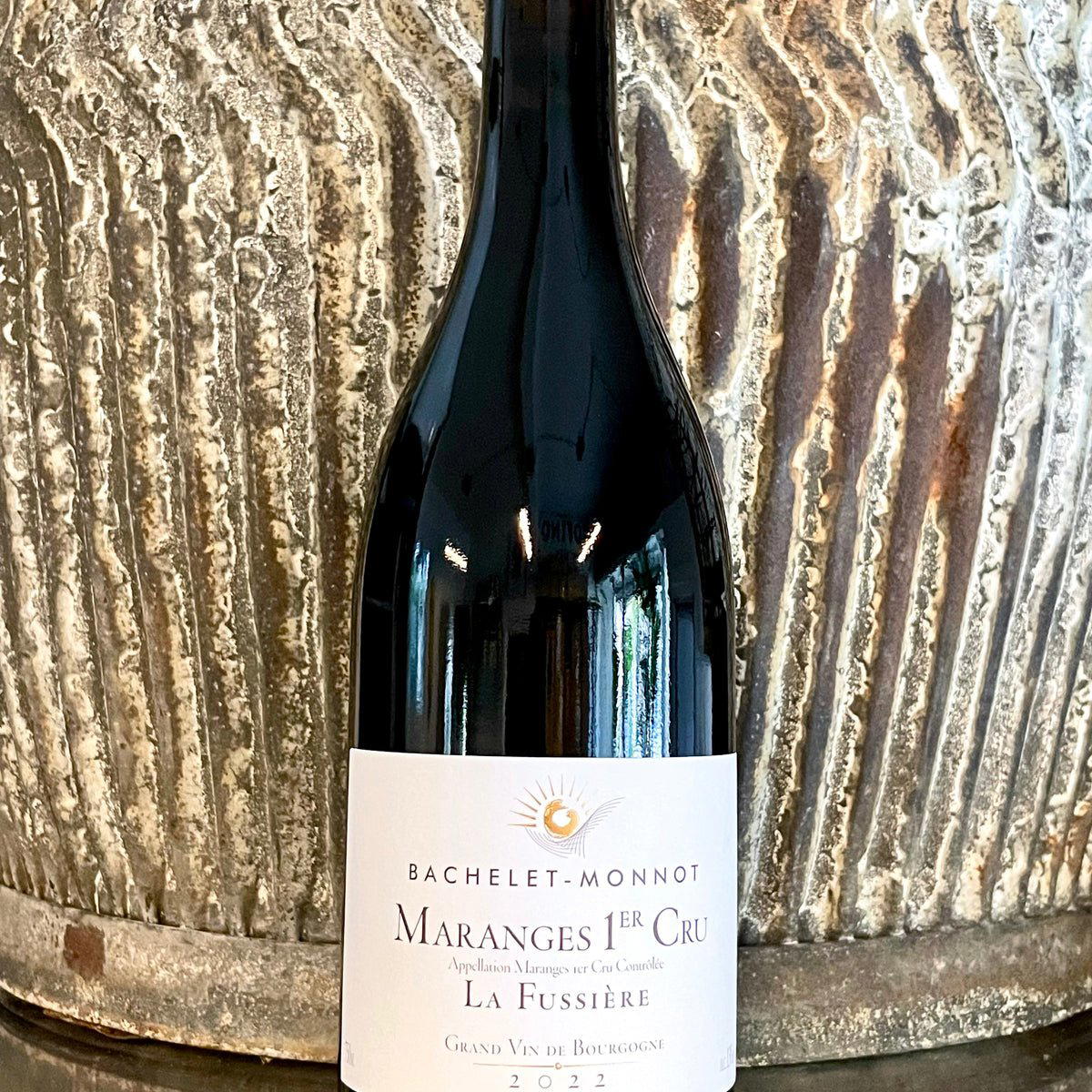
Domaine Bachelet-Monnot is a high-priority Dezize-lès-Maranges winery for travellers building a serious Burgundy day, not a casual tasting-room fallback. Treat it as the anchor appointment and plan the rest of the route around it, especially if returning to Burgundy and looking beyond the usual village circuit.
Baileys of Glenrowan
Glenrowan, Australia
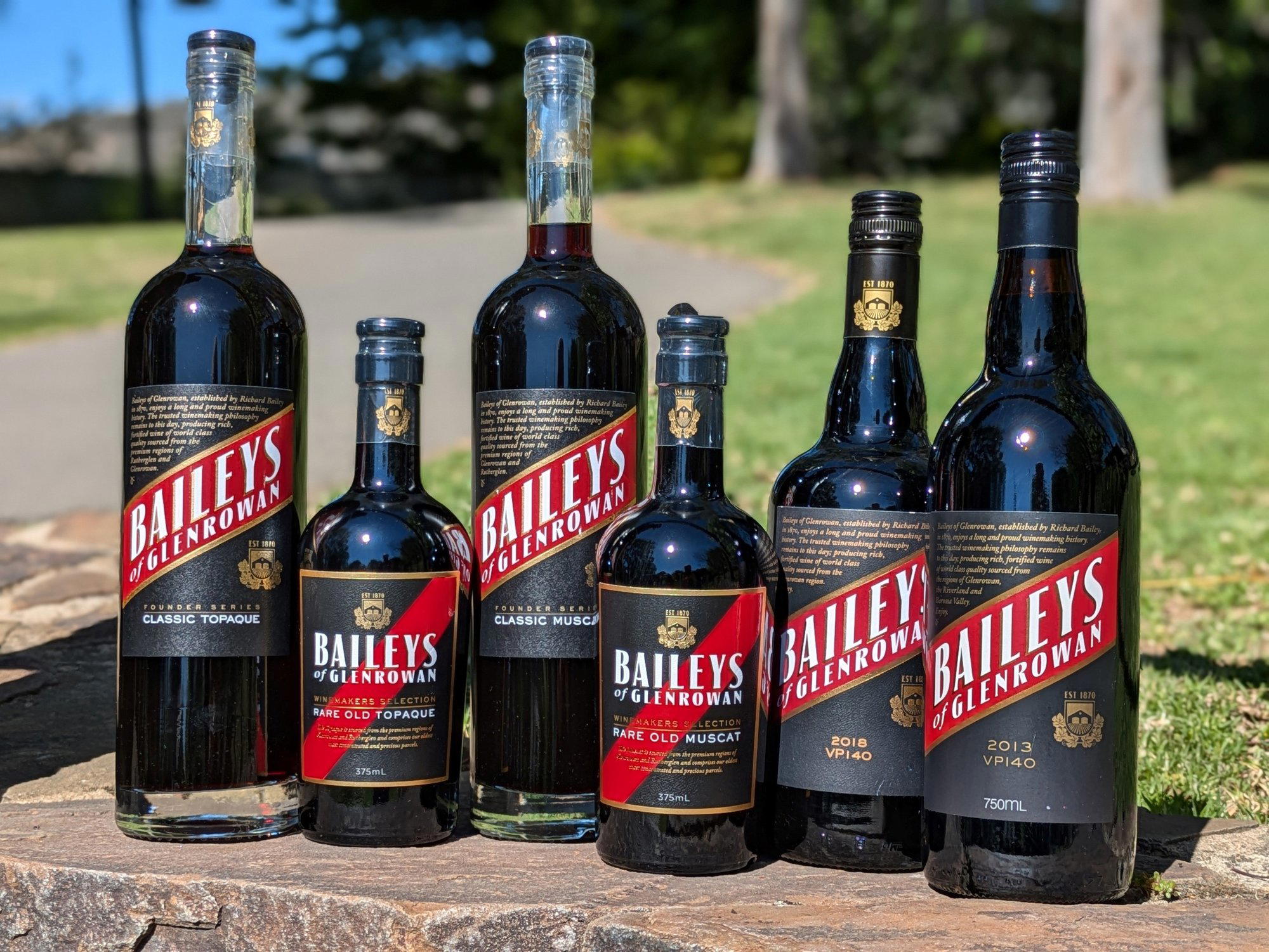
Baileys of Glenrowan works as a wine-led Glenrowan stop, especially for first-timers who want a rural cellar-door setting rather than a restaurant-driven outing. Confirm the current tasting and food format before planning a meal around it, because the available details support a winery visit more clearly than a full dining experience.
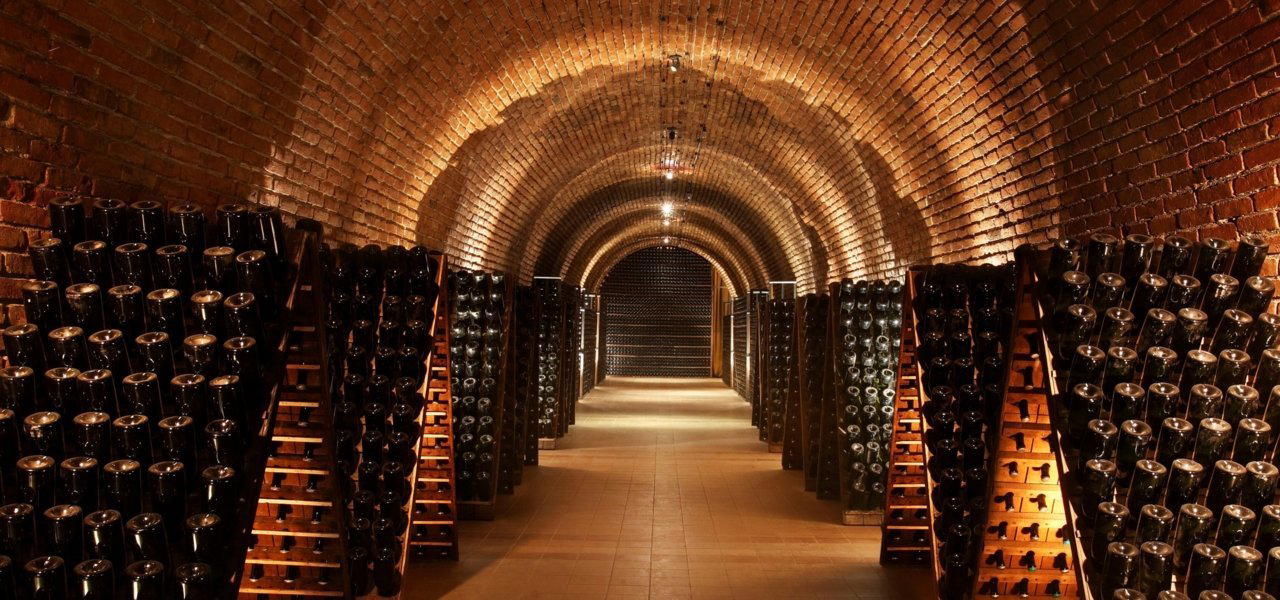
Bodega Chandon Argentina
Agrelo, Argentina
Bodega Chandon Argentina is worth prioritising if the Agrelo day needs a polished sparkling-wine anchor rather than another boutique cellar. Treat it as a plan-first stop: secure the experience before building meals and transfers around it, and cross-shop Bodega Bressia, Bodega Melipal, or Catena Zapata if access is the deciding issue.
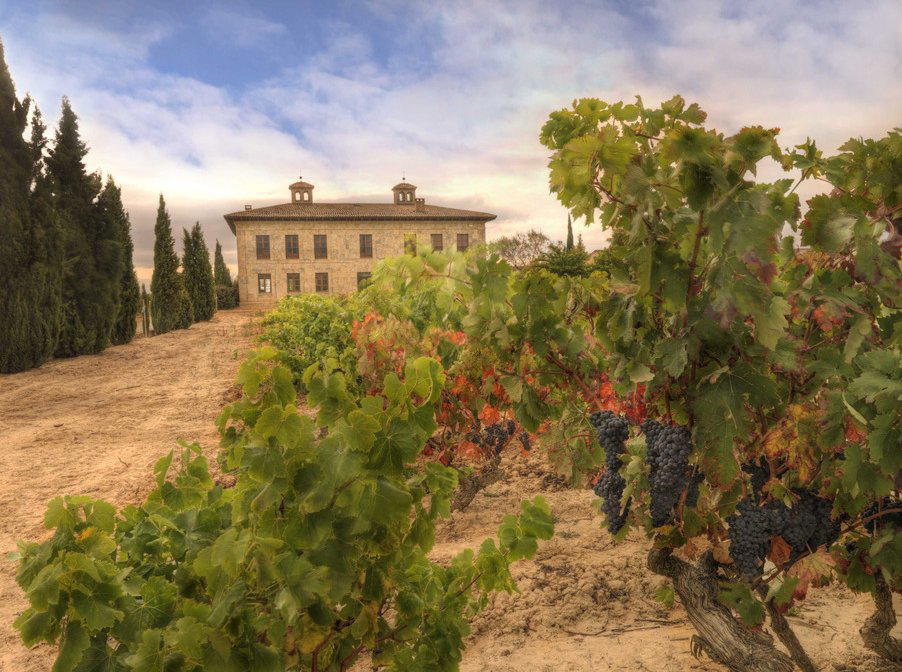
Bodega Torre de Oña
Páganos, Spain
Book Bodega Torre de Oña if you want a quiet, estate-focused Rioja Alavesa tasting with château-style context rather than a casual drop-in. The appeal is the link between older vines, parcel work, Martelo and Finca San Martín, backed by Falstaff 3 Stars in 2026. It is better for wine-focused travelers than for visitors seeking a food-led experience.
Château La Grolet
Saint Ciers De Canesse, France
Château La Grolet is worth planning for if biodynamic Right Bank Bordeaux is the point of the trip. The draw is a focused red-wine portfolio, old-vine Merlot-led blends, Demeter-certified farming, and a quiet historic estate setting, not a high-gloss hospitality production. Prioritize Cuvée Classique for value and Tête de Cuvée for a more occasion-worthy bottle.
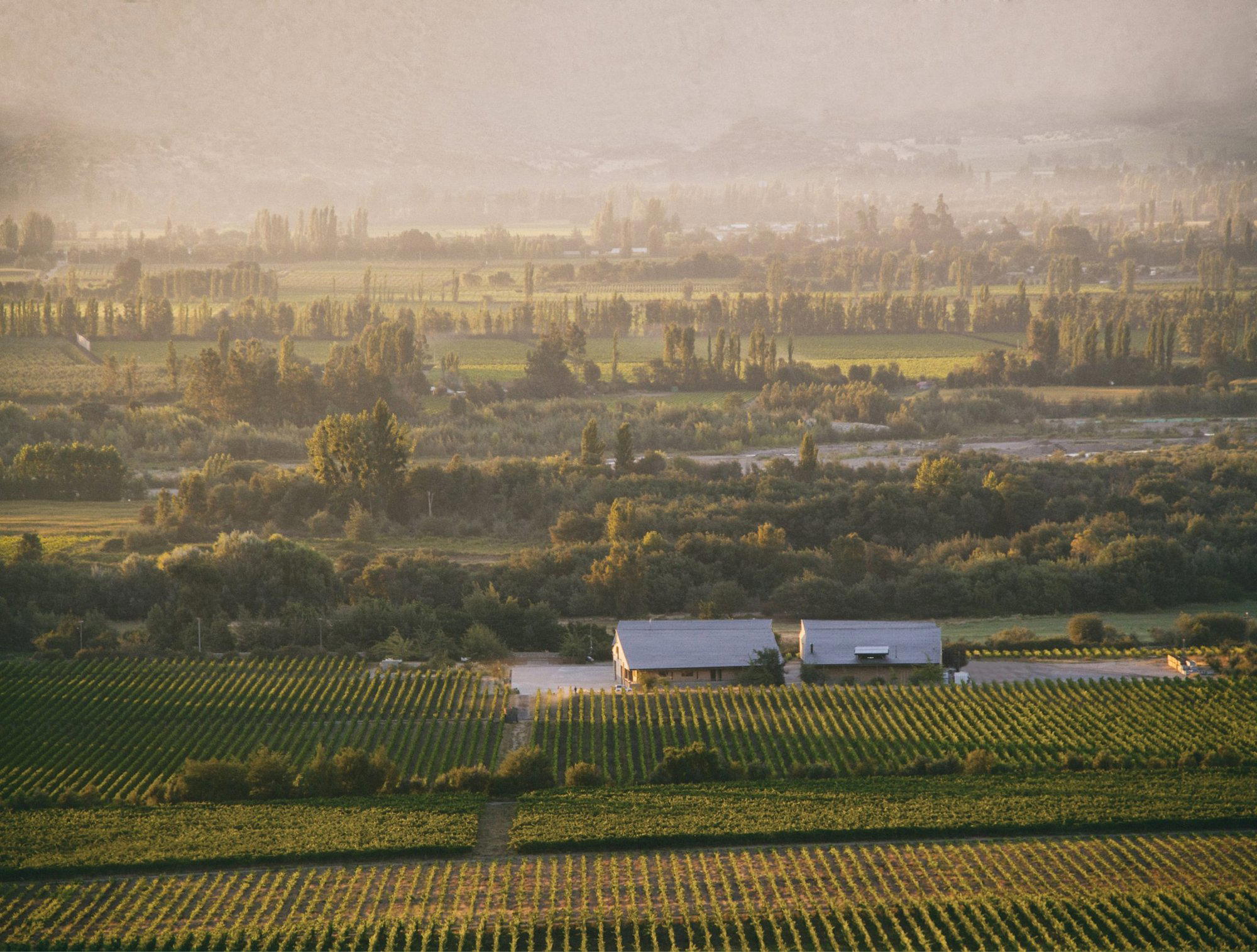
Viña Emiliana
Casablanca, Morocco
Viña Emiliana works for a wine-led Casablanca itinerary, especially if producer reputation matters more than turnkey hospitality details. Book it as a focused winery stop, not as a guaranteed meal or casual drop-in, and keep backup planning in place for food, timing, and logistics.
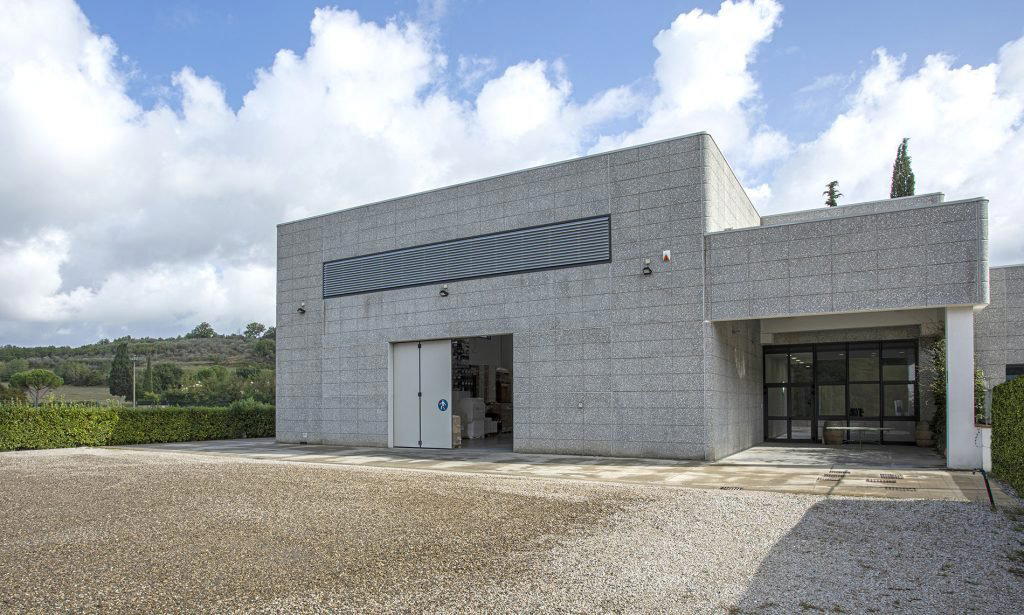
Compagnia del Vino
San Casciano in Val di Pesa, Italy
Compagnia del Vino works for wine travelers who want portfolio depth rather than a scenic estate tasting. Its San Casciano base, Falstaff listing, and focus on family wine producers make it a focused appointment for context-driven enthusiasts, but not the right choice if ambience is the main priority.
Glassierhof
Neumarkt, Italy
Glassierhof is worth booking if you want an accessible, appointment-only Alto Adige winery visit with organic farming, family history, and a rustic cellar setting. The draw is not luxury theatre; it is the combination of a 1663 restored yard, nine generations of stewardship, broad wine range, and Falstaff 3 Stars in 2026.
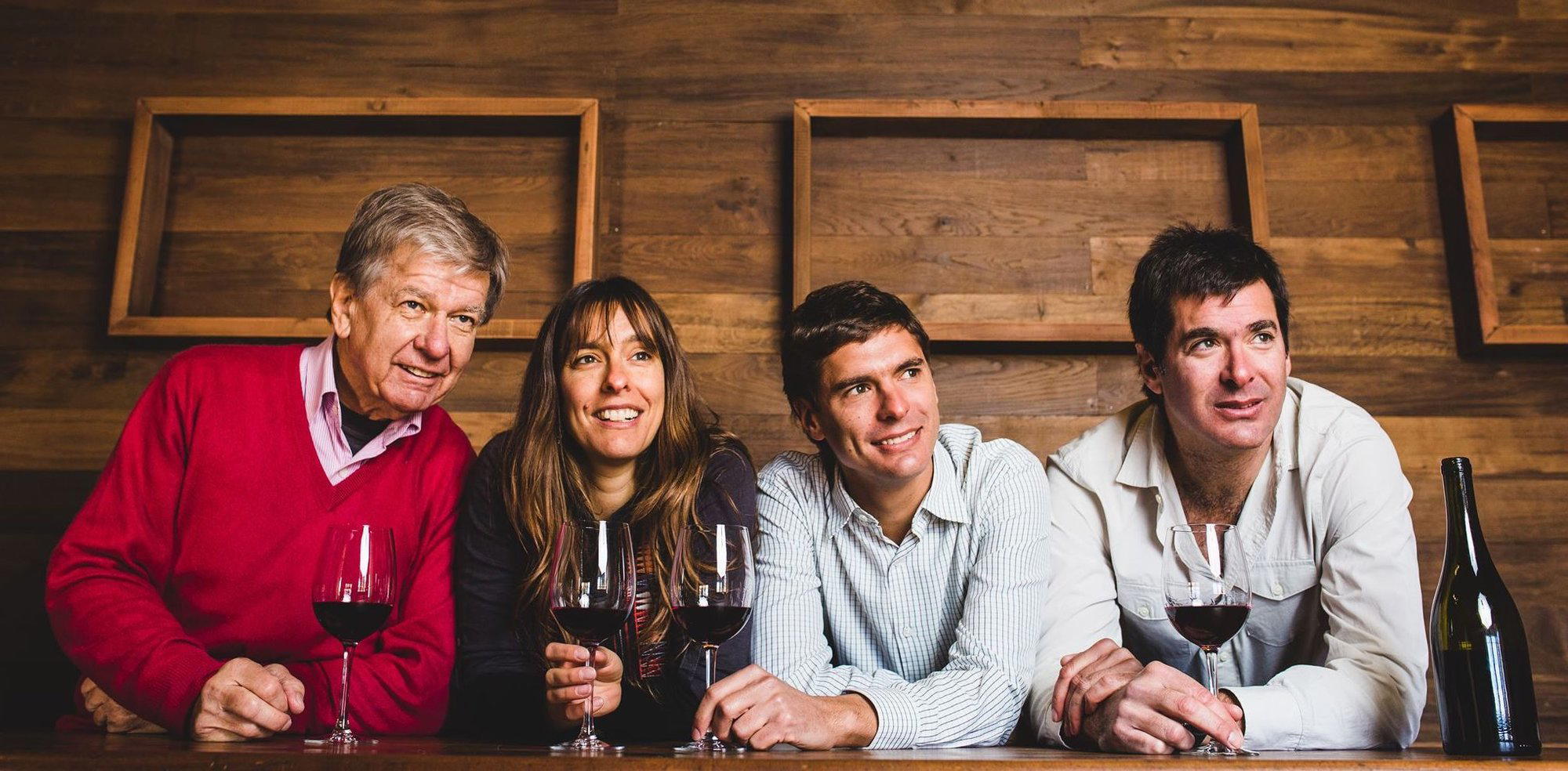
Bouchon Family Wines
Maule, Chile
A strong choice for wine travellers who want a deeper Maule visit rather than a convenient tasting-room stop. Bouchon Family Wines is better suited to planned, daylight wine-country itineraries than casual drop-ins, with the value coming from regional depth and a rural San Javier de Loncomilla setting.
Ehret Family Winery
Santa Rosa, United States
Ehret Family Winery is worth shortlisting if you are building a Santa Rosa wine itinerary around recognized producers rather than a fully scripted tasting-room experience. The Falstaff listing is the main trust signal; plan around confirmed logistics elsewhere before making it the center of the day.
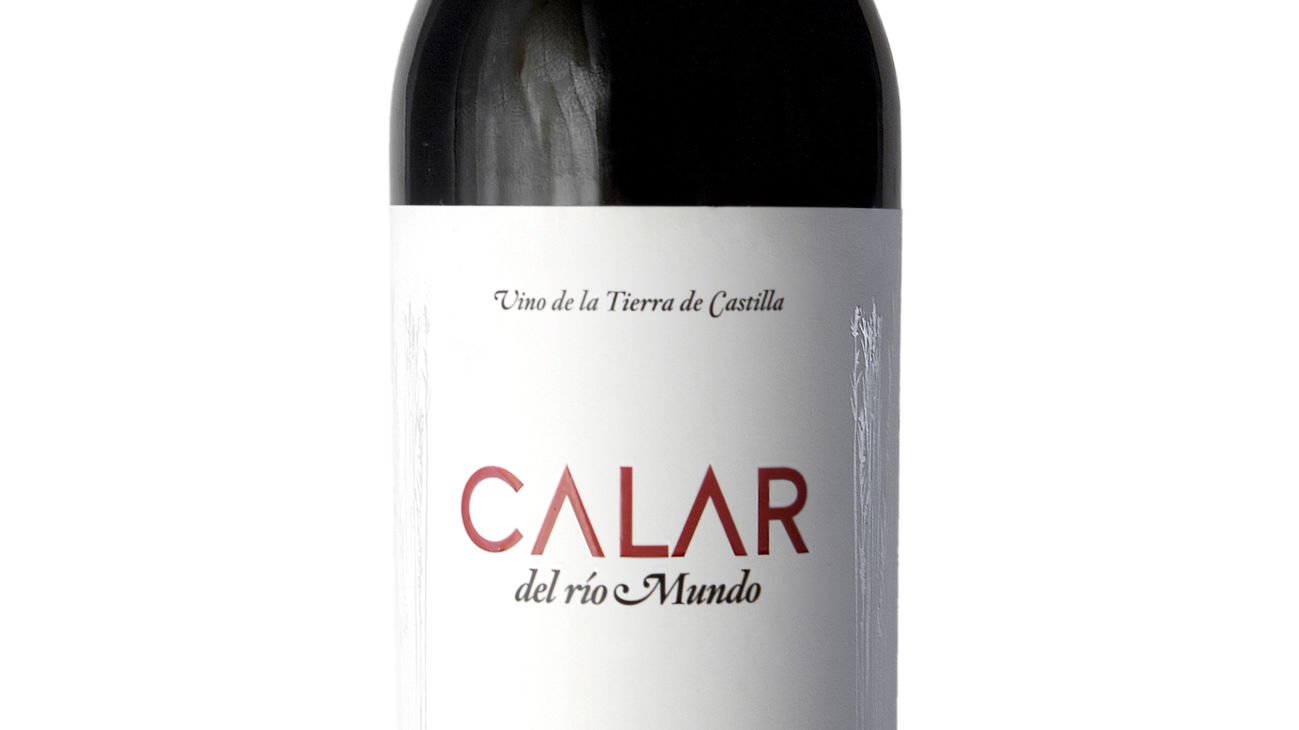
Bodegas Calar
Madrid, Spain
Book Bodegas Calar if the goal is a serious, appointment-led Tempranillo visit rather than a polished wine-tourism stop. Its appeal is focused: volcanic-soil vineyards, wild-yeast fermentation, hand selection, and two small-production cuvées. Casual groups may find the format too narrow, but wine enthusiasts looking beyond Spain’s obvious routes should keep it on the list.
Château Roland La Garde
Saint Seurin De Cursac, France
Worth booking if biodynamic Bordeaux is the point of the trip. Château Roland La Garde is a relaxed, family-run Blaye Côtes de Bordeaux estate with Ecocert and Demeter certification, accessible bottle pricing, and a production story that goes deeper than a standard château tasting.
Cornium
Corno Di Rosazzo, Italy
Cornium is worth booking for a quiet, appointment-only Friuli winery stop focused on local-varietal context rather than polished cellar-door hospitality. Its Falstaff Listed 2026 recognition adds credibility, and the $$ positioning makes sense if it is part of a broader Corno Di Rosazzo wine itinerary.
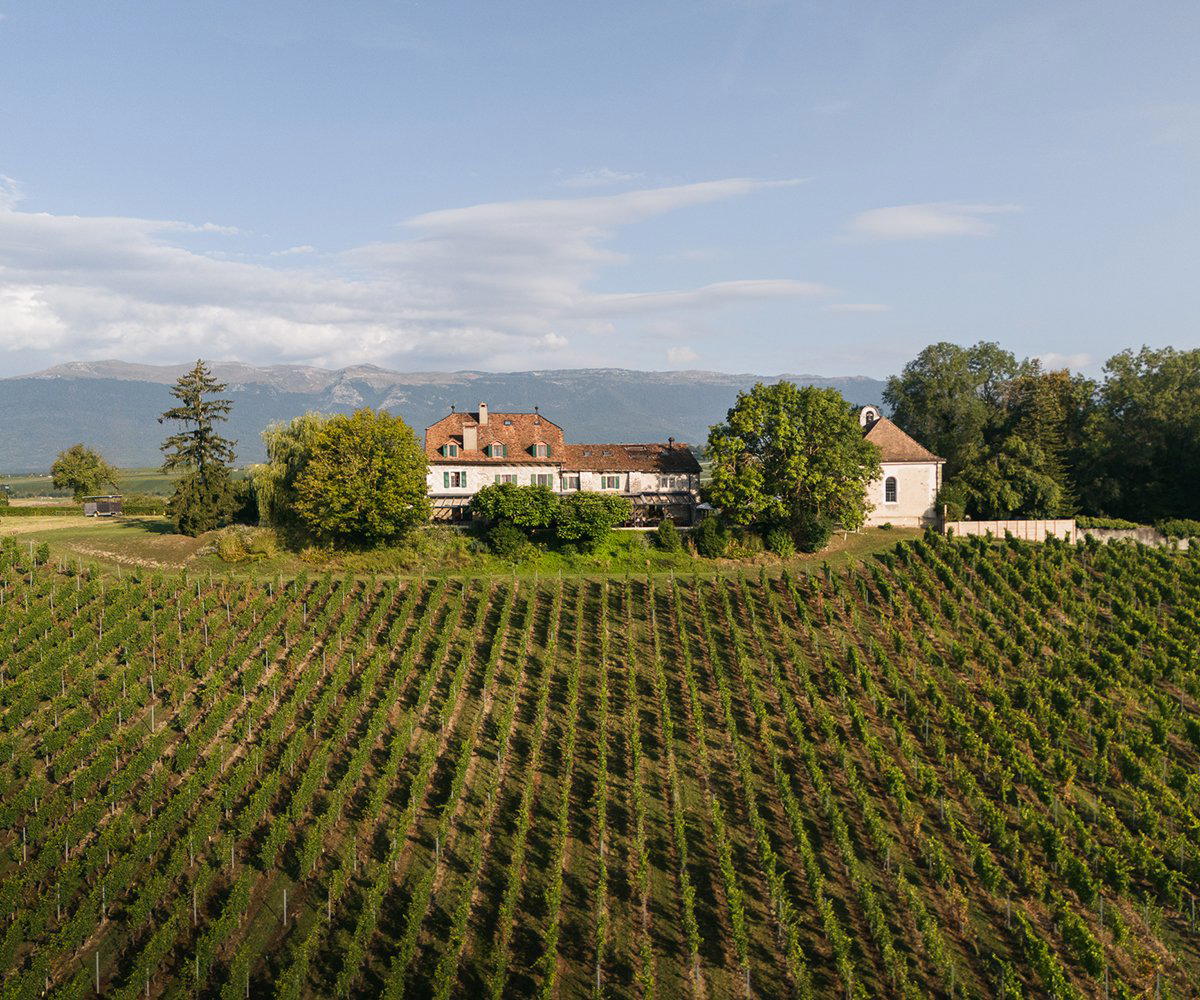
Cave des Amandiers
Saillon, Switzerland
Cave des Amandiers works for a Saillon-focused Valais wine itinerary, especially if the priority is regional context over a heavily packaged visit. Its Falstaff 4 Stars (2026) recognition gives it a clear quality signal, but plan it as part of a broader local winery day rather than as a standalone destination.
Corvezzo
Cassalto, Italy
A practical pick for organic Prosecco and Pinot Grigio in Veneto, especially if the occasion calls for a quiet, modern, low-pressure winery stop rather than a formal cellar ritual. The draw is the producer’s certified organic scale, sustainability credentials, and Falstaff listing, with walk-in-friendly access keeping planning easy.
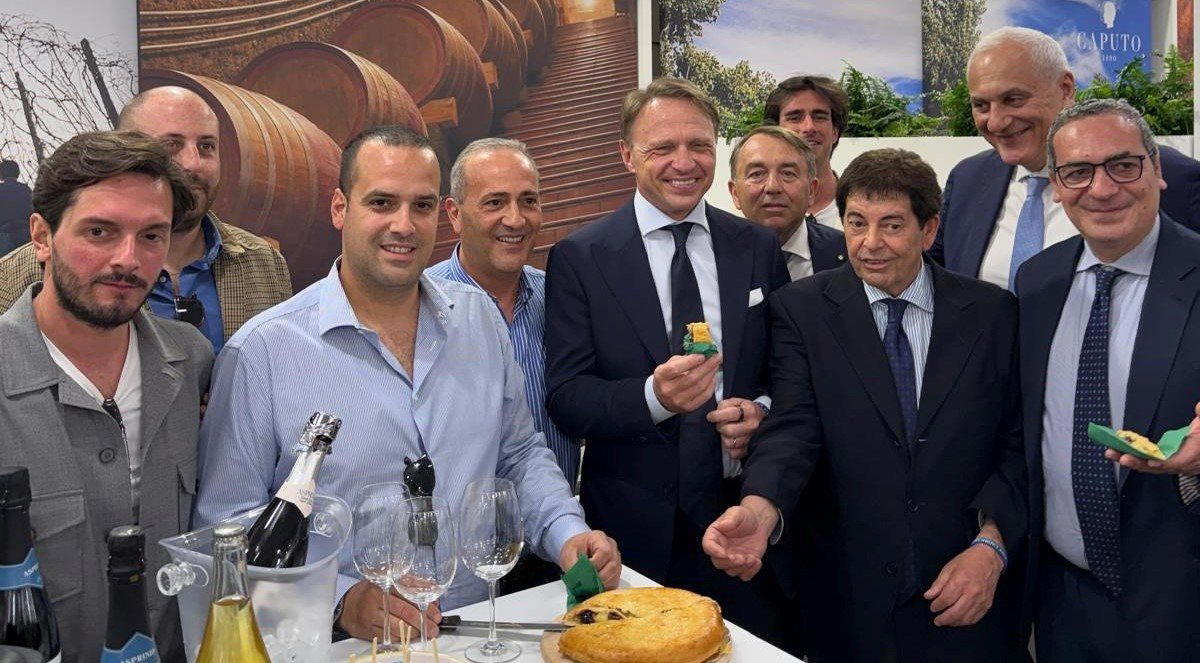
Cantina Carlo Menale
Aversa, Italy
Cantina Carlo Menale works if Aversa is already on the route and the goal is a focused Campanian wine stop rather than a heavily structured estate visit. The Falstaff listing is the useful trust signal; plan with flexibility, especially if tasting format, food, or group logistics matter.
Haskell Vineyards
Stellenbosch, South Africa
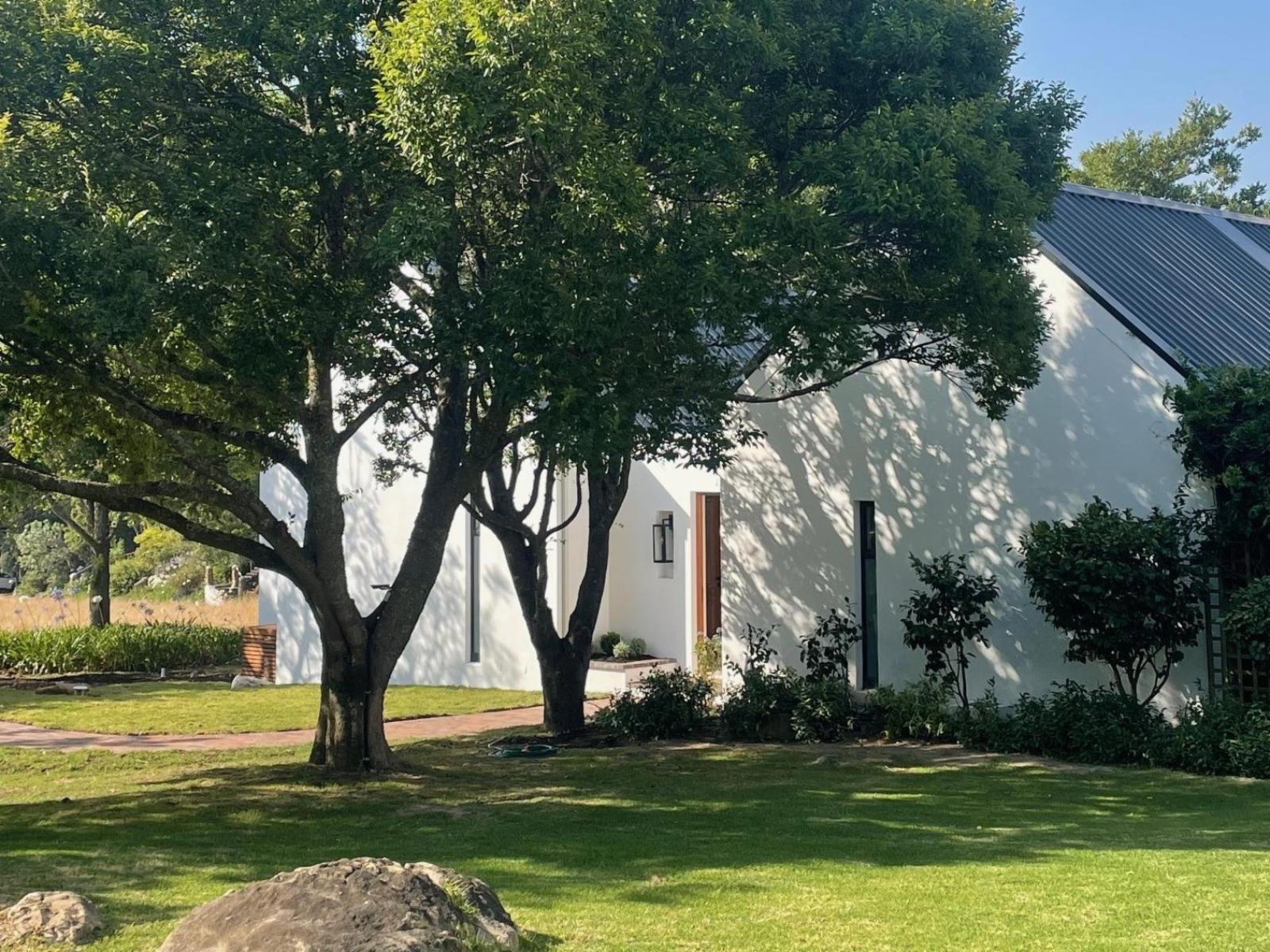
Book Haskell Vineyards if the goal is a scenic Helderberg estate visit with credible premium wines, restaurant-led hospitality, and accommodation on site. The strongest reason to go is the combination of setting and a structured portfolio spanning Chardonnay, Syrah, and Bordeaux-style blends; skip it if the priority is a highly technical cellar visit with fully published tasting details.
Cantina Roeno
Brentino Belluno, Italy
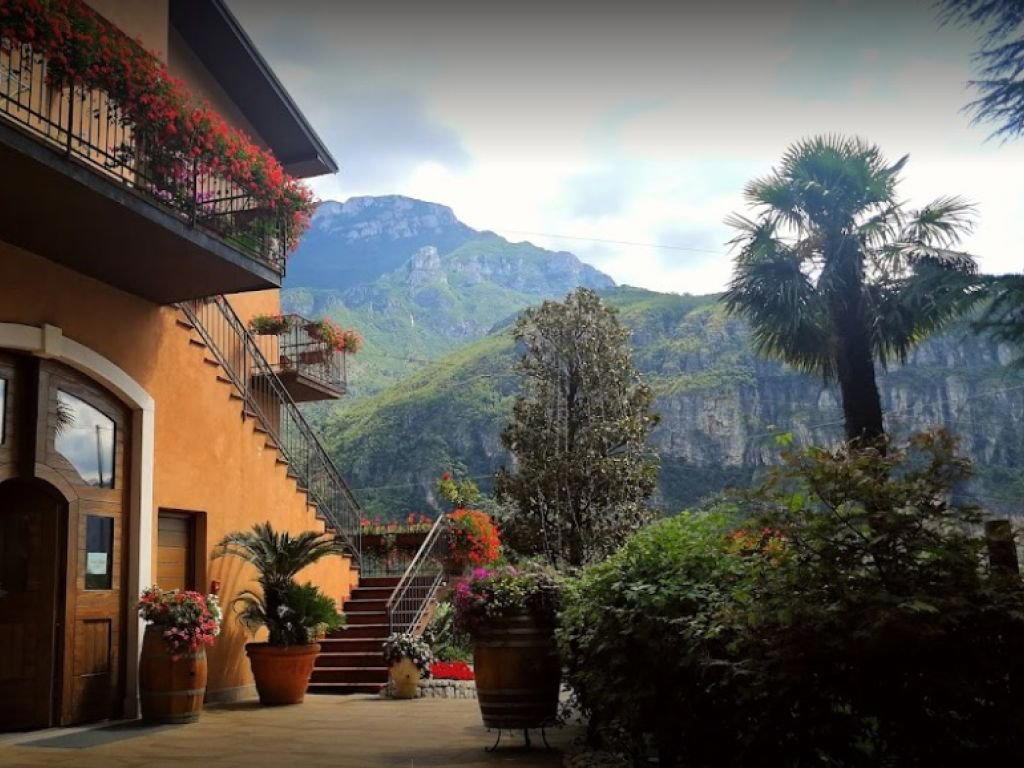
Cantina Roeno is worth booking when the point of the visit is wine depth, not just a scenic stop. The strongest reasons to go are the Le Firme wines, pre-phylloxera Enantio, Riesling Renano, Pinot Grigio Rivoli, and long-aged Trentodoc, supported by Falstaff 3 Stars in 2026 and a relaxed cellar-and-inn setting in Brentino Belluno.
Bio-Weingut Zollweghof
Lana, Italy
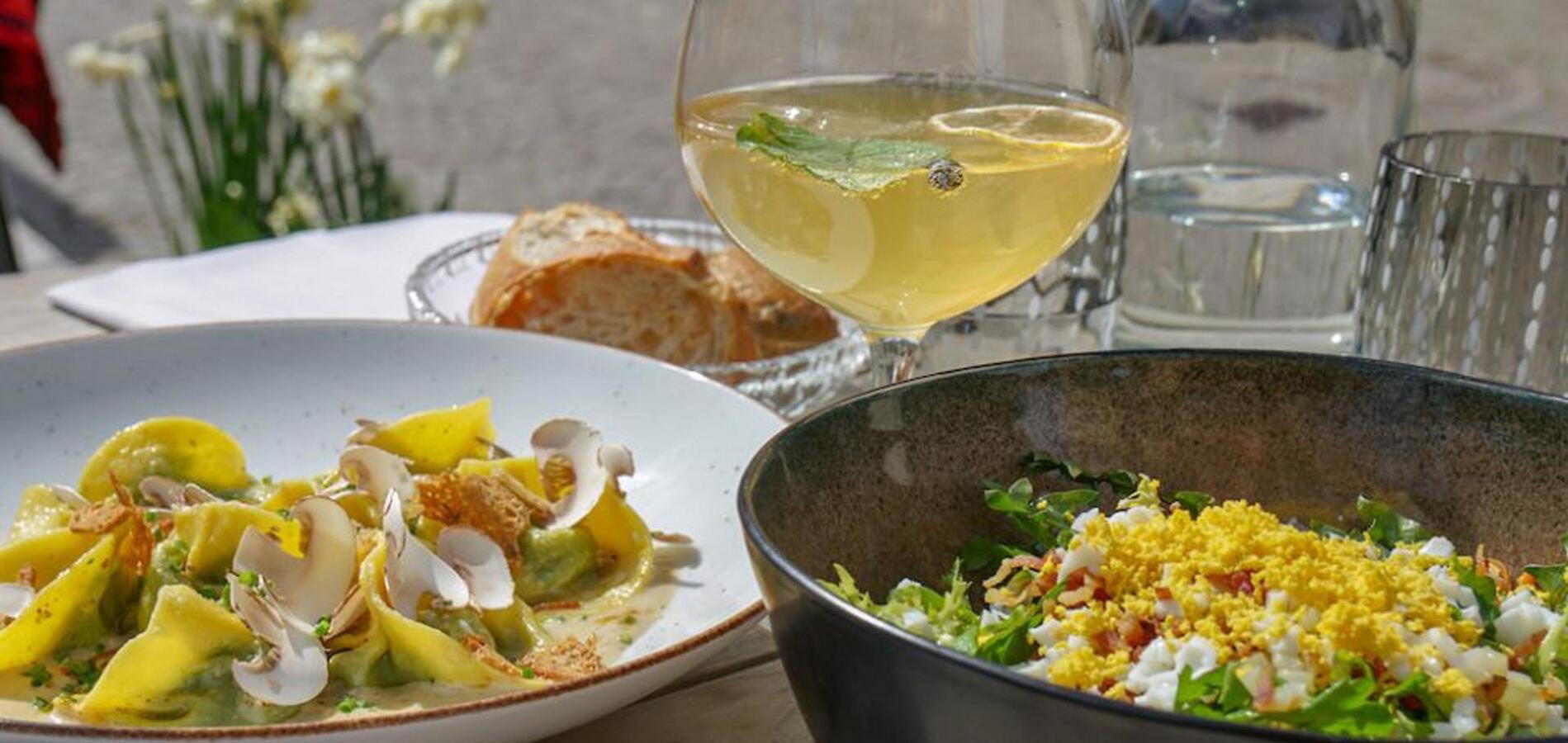
Bio-Weingut Zollweghof is worth booking if you want a quiet biodynamic winery visit above Lana with real regional context rather than a glossy tasting-room experience. The draw is the mix of South Tyrolean varieties, PIWI experimentation, historic cellar atmosphere, and Falstaff-listed credibility at a low per-person price.
Domaine Cornu
Magny Les Villers, France
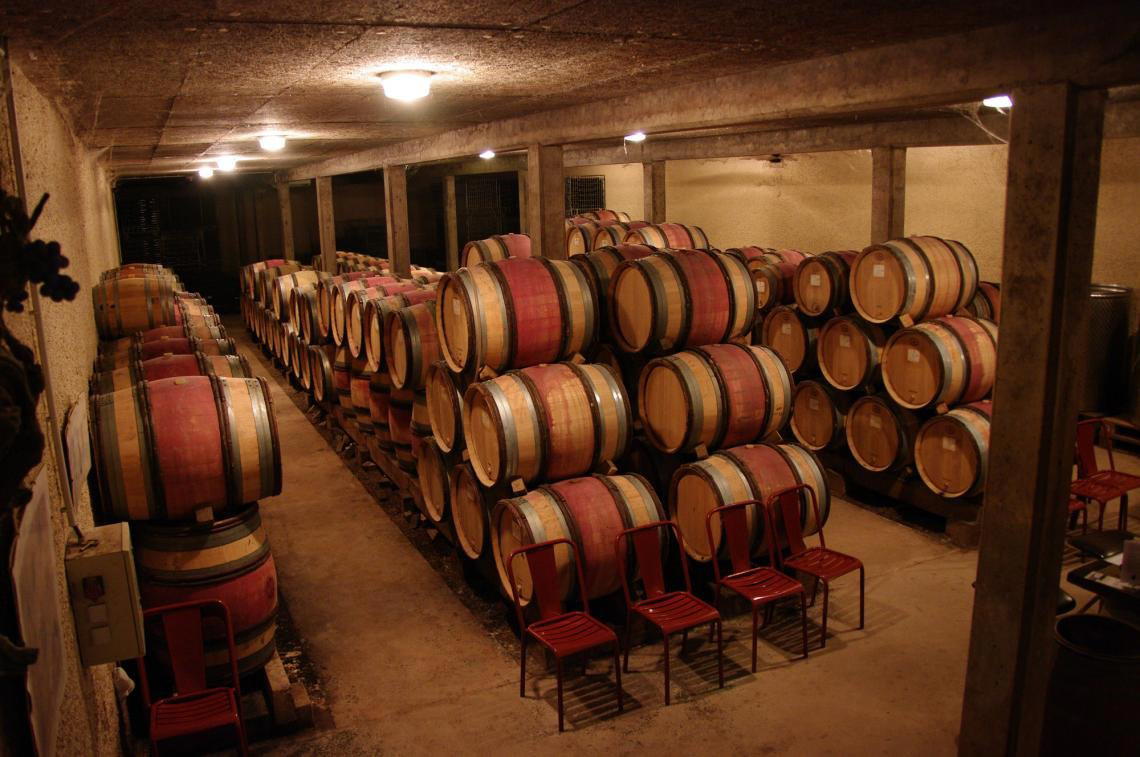
Book Domaine Cornu if you want a serious, low-polish Burgundy tasting focused on appellation range and family-run vineyard work. It is strongest for couples, small private groups, and wine-focused celebrations that value cellar and vineyard context over luxury hospitality. The appeal is the spread across Ladoix, Corton, Hautes-Côtes, and Côte de Nuits-Villages rather than a scripted tourism experience.
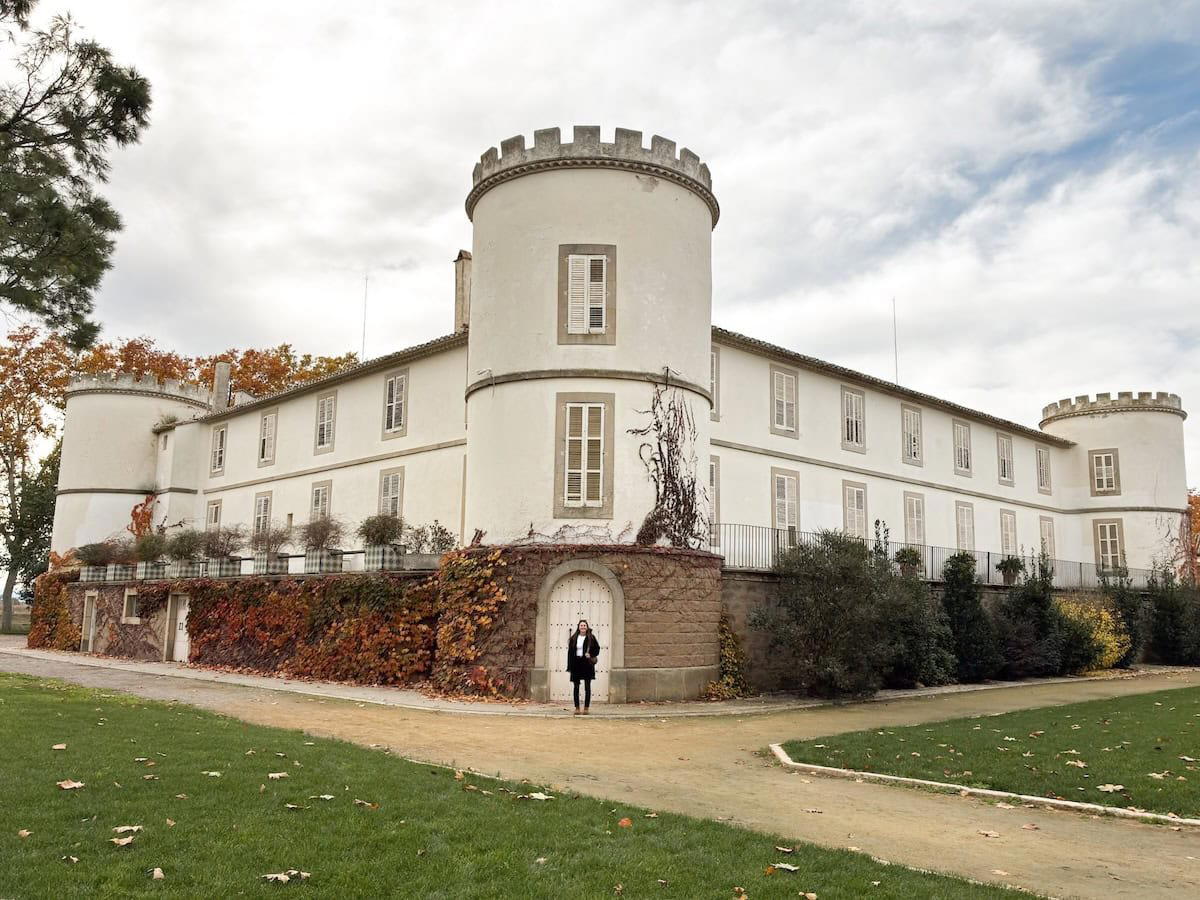
Castell del Remei
Castell Del Remei, Spain
Castell del Remei is worth booking if you want a calm Catalan estate visit where the château-style grounds, historic cellar spaces and aged-wine focus matter as much as the tasting. It is better for first-timers seeking context in Costers del Segre than for travellers wanting a casual drop-in tasting room or a restaurant-led stop.
Guardi Sicilia
Comiso, Italy
Guardi Sicilia is worth booking for a slower Comiso winery visit built around vineyard-and-cellar context plus a paired Sicilian lunch. It is stronger as an experience-led estate stop than as a wine-club or allocation play, with a 2026 Falstaff listing adding useful credibility.
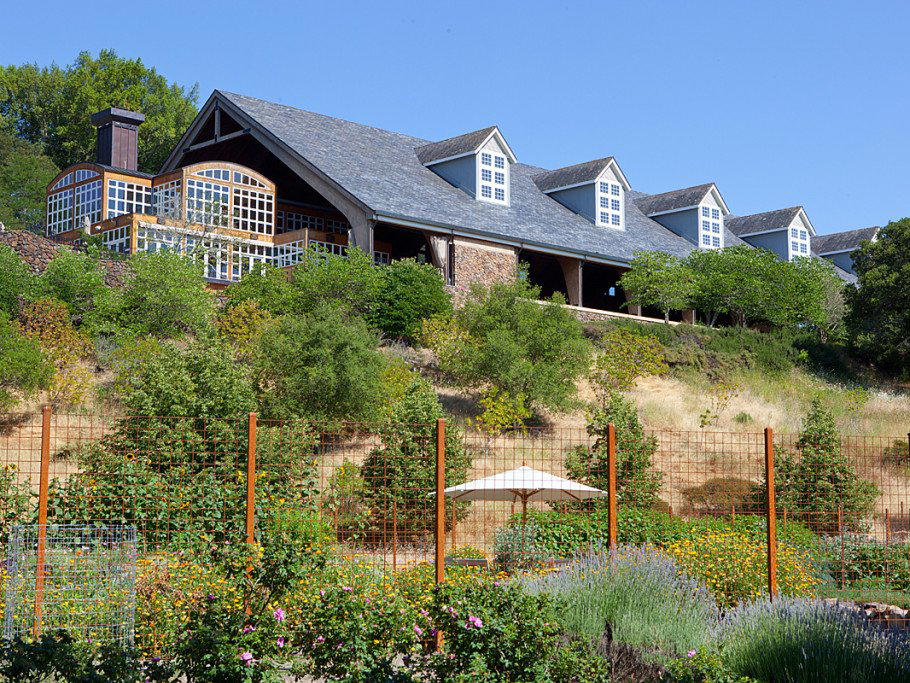
Chalk Hill Estate Vineyards & Winery
Santa Rosa, United States
Chalk Hill Estate Vineyards & Winery is a strong choice for a planned Sonoma County wine stop, especially if access and estate focus matter more than casual flexibility. Treat any club decision as an access play, not a discount move; travelers who want easier logistics should compare J Vineyards & Winery or Rodney Strong Vineyards first.
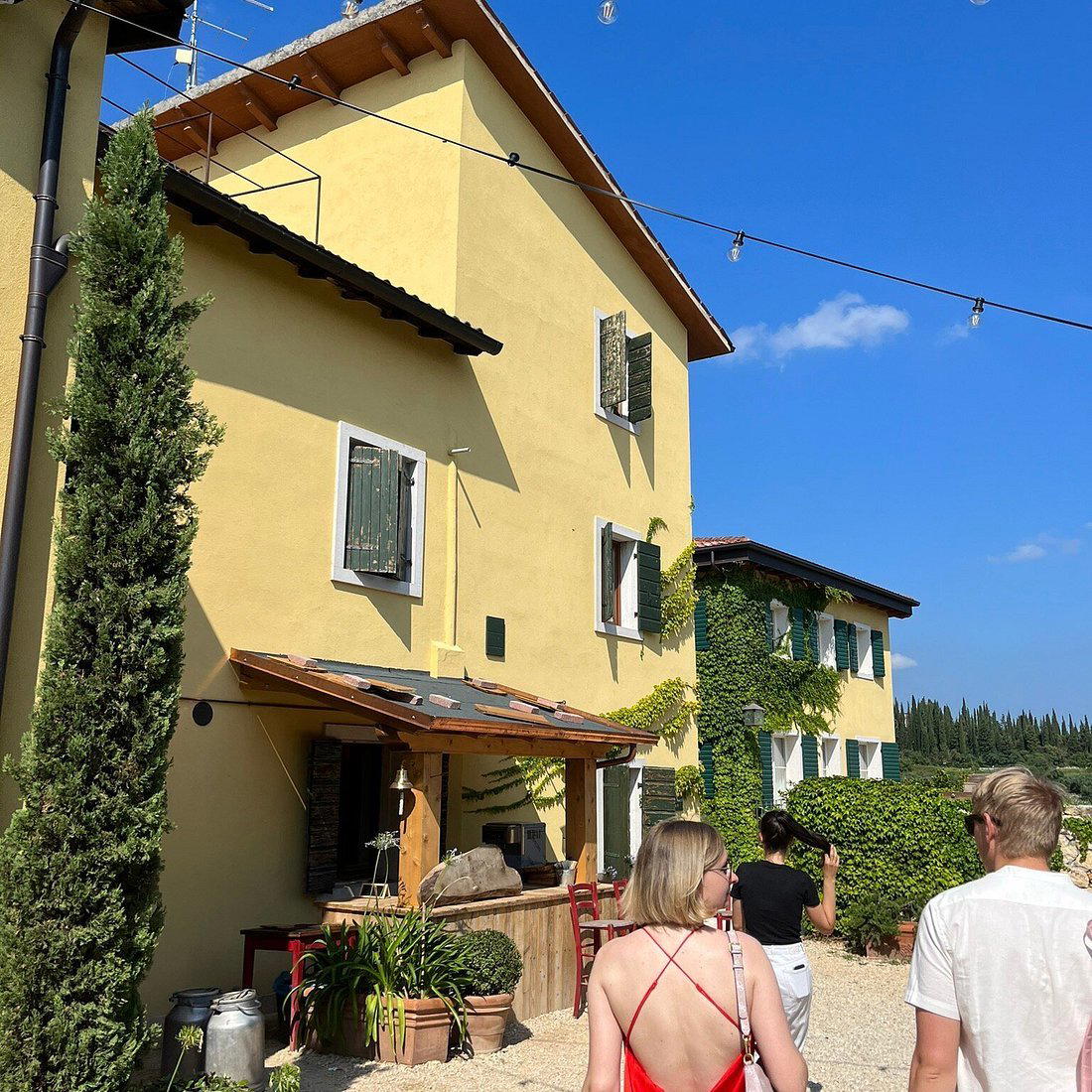
Cantina Giovanni Ederle
Verona, Italy
Cantina Giovanni Ederle is a practical Verona shortlist pick for travelers who want a wine-focused stop with recognized credibility rather than a full dining plan. Its 2026 Falstaff listing is the main reason to pay attention; choose any upgraded or private format only if cellar context and producer conversation matter to the trip.
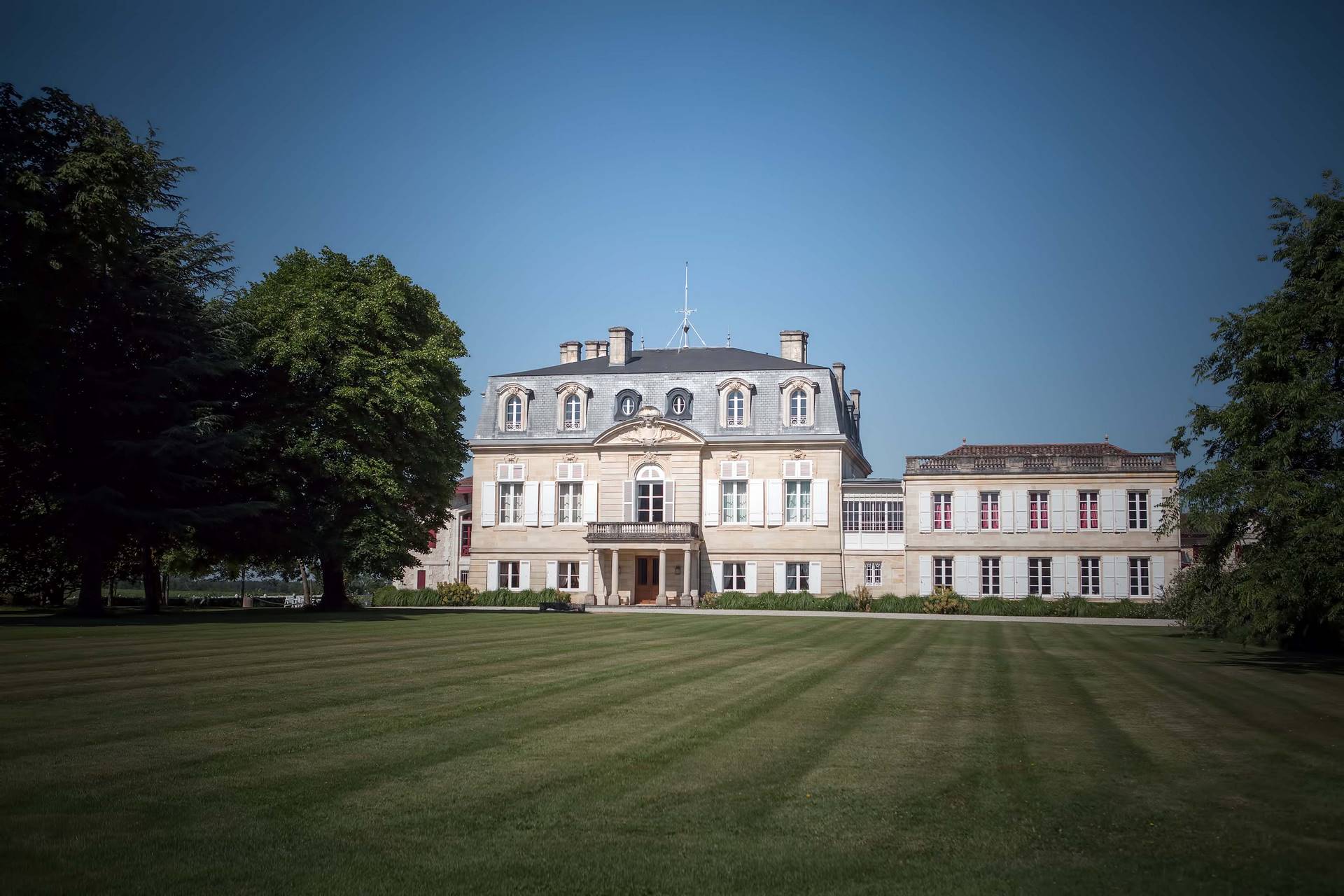
Château Pontet-Canet
Pauillac, France
Château Pontet-Canet is a Pauillac estate noted for depth rather than only name recognition. General-public visits are not offered. Access is reserved for wine professionals and the trade, by appointment. The estate does not welcome general-public visits; access is reserved for wine professionals and the trade, by appointment only. Industry requests go through the estate.
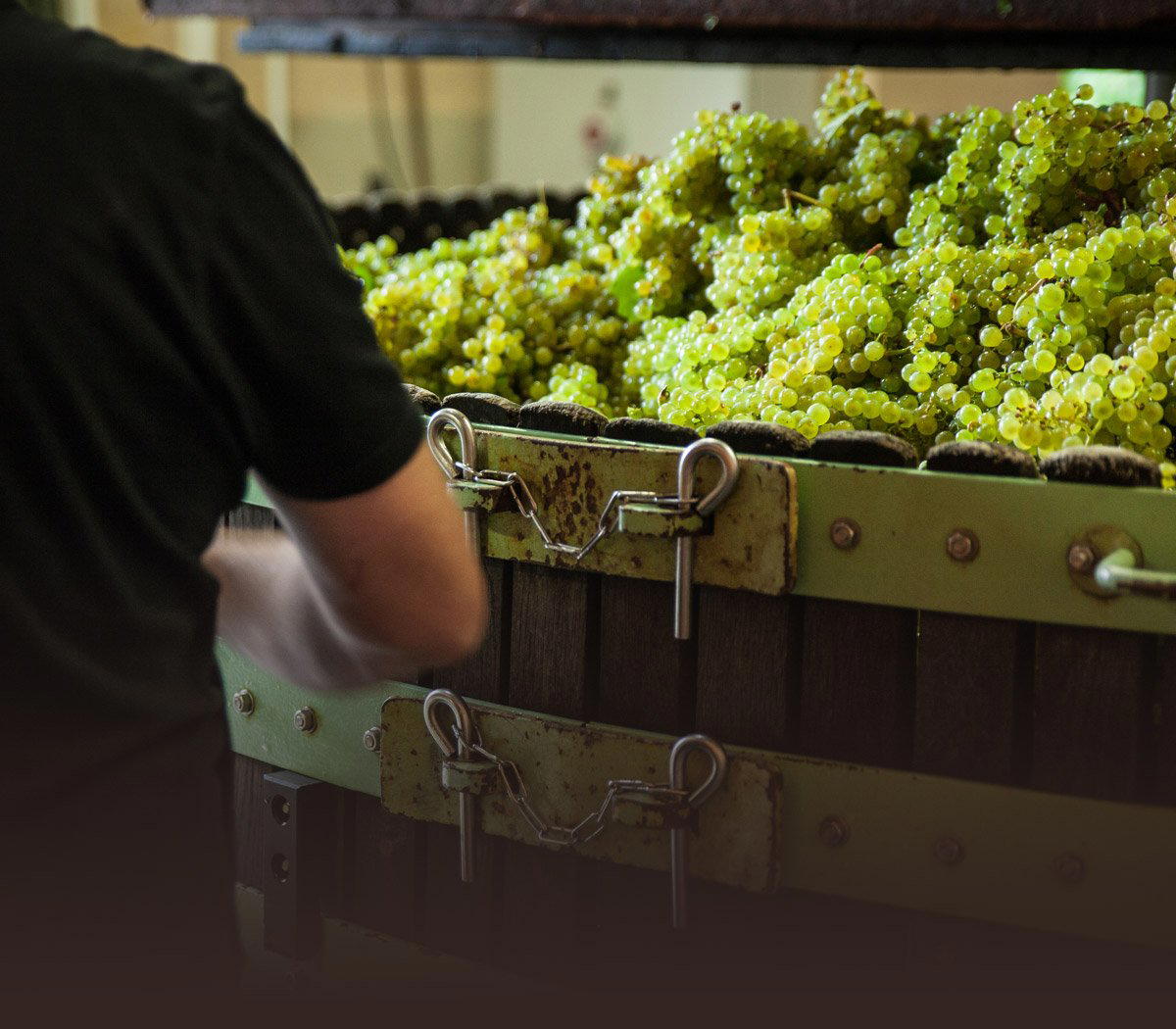
Champagne Barrat-Masson
Villenauxe La Grande, France
Book Champagne Barrat-Masson if the priority is organic, small-scale Champagne with a serious Côte de Sézanne identity rather than a polished house-tour production. It suits couples, collectors, and quiet celebrations, especially for Chardonnay-led wines shaped by clay-and-chalk soils. Falstaff Listed in 2026, it is a deliberate appointment-style choice, not a casual drop-in tasting.
Grandes Pagos
Madrid, Spain
A strong fit for serious Spanish wine drinkers who want an education-led, private-feeling tasting in Madrid rather than a countryside cellar visit. Grandes Pagos works for small celebrations, client hosting, or date plans built around terroir, estate identity, and producer context; skip it if the group wants a casual tasting room or vineyard scenery.
Falezze Luca Anselmi
Illasi, Italy
Falezze Luca Anselmi is a practical Illasi winery pick for visitors who want the wine to lead the occasion, not a full restaurant-style experience. Its Falstaff Listed 2026 recognition gives it a credible quality signal, but plan food separately unless current tasting details confirm otherwise.
How many of these have you visited?
Find out on Pearl and keep score across every place in 2026 Falstaff Winery Guide.