

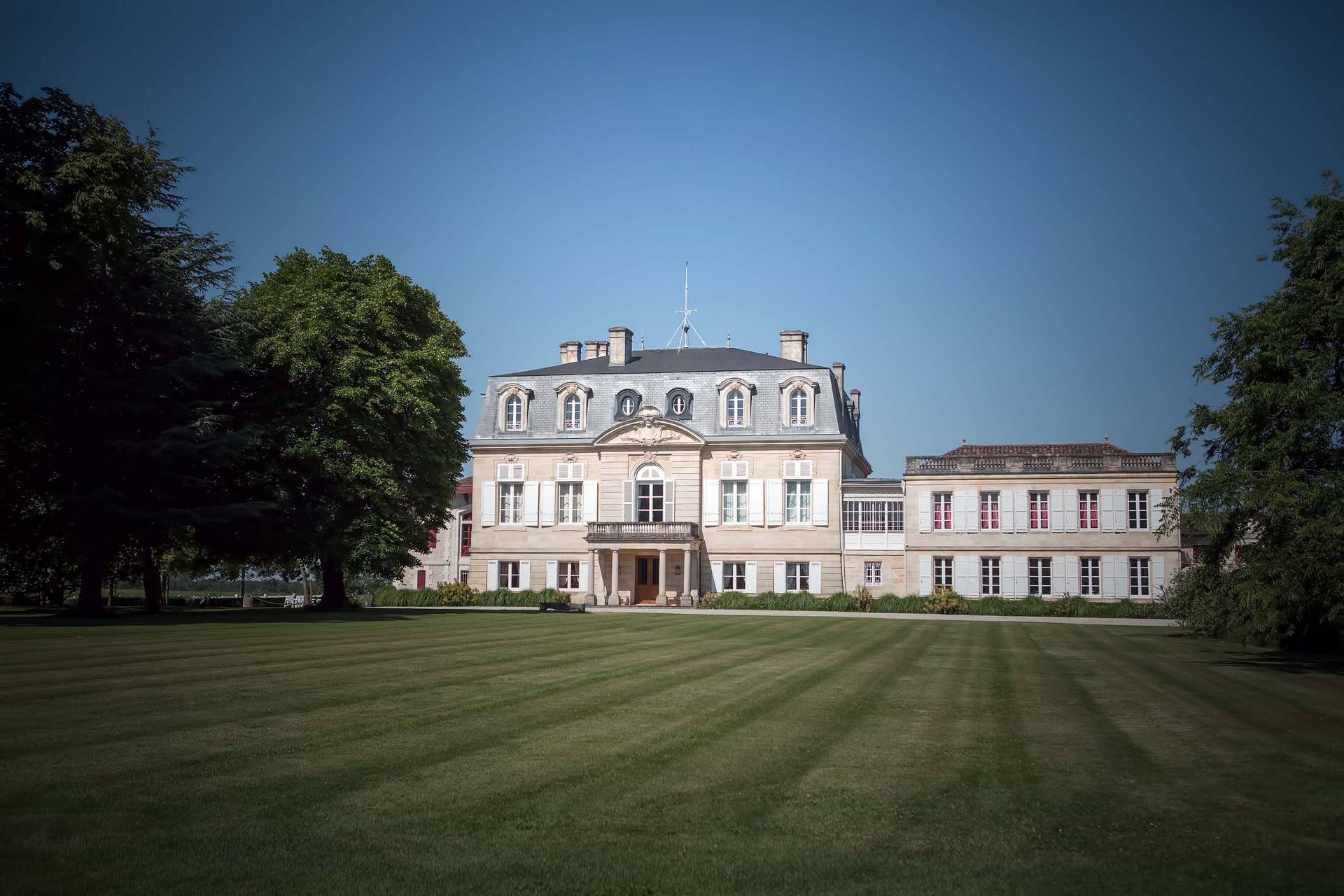



Château Pontet-Canet
Pauillac
Winery in Pauillac, France
 Book with Pearl
The Read
Biodynamic Classified Pauillac
Why go
Château Pontet-Canet is a Pauillac estate noted for depth rather than only name recognition. General-public visits are not offered. Access is reserved for wine professionals and the trade, by appointment. The estate does not welcome general-public visits; access is reserved for wine professionals and the trade, by appointment only. Industry requests go through the estate.
About Château Pontet-Canet
Access: Château Pontet-Canet does not welcome general-public visits; access is reserved for wine professionals and the trade, by appointment only. Industry requests go through the estate.
Château Pontet-Canet is a Pauillac venue with Pearl 4 Star Prestige (2025) recognition. It pairs a Pauillac location with Jean-Michel Comme as chef/owner and a smart casual dress code. For comparison planning, it can be considered alongside Chateau Mouton Rothschild, Chateau Lafite Rothschild, Château Clerc Milon, Château Pédesclaux, and Château d'Armailhac.
For practical planning, confirm visit format, opening hours, prices, group capacity, purchasing details, and service structure directly before making plans. Château Pontet-Canet is best approached as a prestige Pauillac option to research in advance, especially if timing, access, or group size matters.
Use it as a Pauillac prestige reference, not a detail-heavy certainty
For comparison planning, the most grounded approach is simple: place Château Pontet-Canet within a broader comparison set rather than building an itinerary around specifics that may vary. Château Clerc Milon, Château d'Armailhac, Château Pédesclaux, Chateau Lafite Rothschild, and Chateau Mouton Rothschild are the natural names to weigh against it when deciding how to structure time in Pauillac.
If Château Pontet-Canet is a priority, confirm practical details directly before fixing transport or surrounding plans. The confirmed information supports its Pearl 4 Star Prestige (2025) recognition, along with the need to check availability, appointment requirements, duration, pricing, and services in advance.
Who should prioritize it among Pauillac options
Prioritize Château Pontet-Canet if you want a Pauillac venue with Pearl 4 Star Prestige (2025) recognition and are comfortable confirming the practical details yourself. Travelers comparing several names may also weigh it with Chateau Lafite Rothschild or Chateau Mouton Rothschild. Those building a broader Pauillac day can also consider Château Clerc Milon, Château Pédesclaux, and Château d'Armailhac.
For logistics, use Our full Pauillac wineries guide to build part of the trip, then check Our full Pauillac restaurants guide, Our full Pauillac hotels guide, Our full Pauillac bars guide, and Our full Pauillac experiences guide for the rest of the day. For broader travel planning, compare other destinations generically rather than assuming the same visit format or services apply.
Quick reference: Château Pontet-Canet is a Pauillac venue with Jean-Michel Comme as chef/owner, a smart casual dress code, and Pearl 4 Star Prestige (2025) recognition. Confirm all visit, service, and purchasing details directly.
Planning details
- Location
- Château Pontet-Canet, 33250 Pauillac
- Website
- pontet-canet.com
- Phone
- +33 5 56 59 04 04
The take
The Take
The Vibe
Pontet-Canet presents as a historic, terroir-forward estate where land and legacy share equal billing. The narrative of the place is anchored in 19th-century classification and reinforced by visible, patient farming — horse-drawn ploughing, cover crops, and a biodynamic calendar — that makes the vineyards the central character. Approaching on the route des châteaux and standing on the gravel croupes, visitors sense the quiet authority of an estate that marries tradition with contemporary ambition. The mood is contemplative rather than flashy: the focus is on soil, structure and stewardship, and the atmosphere rewards attention and curiosity.
Best For
Pontet-Canet is best experienced by visitors who want to learn as much as they want to taste. The estate frames visits around the vineyard and its farming practices, so it naturally suits wine education and informed special-occasion visits where the terroir story matters. Enthusiasts who appreciate structured Pauillac Cabernet will find the approach especially illuminating: tours that foreground biodynamic methods and parcel differences turn a tasting into a lesson about place. The setting and seriousness of production also make the estate appropriate for measured celebrations that prioritize provenance over spectacle.
Tasting Tips
If a trade appointment is granted, start with the land: a vineyard walk or tour before tasting, because the estate ties tastings to what you learn in the vines. Ask the staff about their biodynamic practices and which parcels you are tasting; the description highlights gravel ridges and Cabernet Sauvignon's structural intensity, so seek wines that showcase those site-driven characteristics. General-public visits are not offered. Access is reserved for wine professionals and the trade, by appointment.
Venue details
Ambiance
Timeless elegance with a focus on purity and energy, reflecting biodynamic harmony in a historic setting.
Tags
Vibe
Best For
Experience
Sourcing
View
At the Vineyard
- Appellation
- Pauillac AOC
- Varietals
- Cabernet Sauvignon, Merlot, Cabernet Franc, Petit Verdot
- Tour Duration
- 60-90 minutes
- Visits
- By appointment only
- Farming
- Biodynamic
- Wine Styles
- Still Red, Amphora
- Wine Club
- Available
Know before you go
Know Before You Go
- Getting there
- Château Pontet-Canet, 33250 Pauillac
Planning details
Location
Recognition and awards

Also consider
Where to look if this is unavailable
If Château Pontet-Canet is not workable, try Château Clerc Milon or Château d'Armailhac first; both keep the itinerary in Pauillac and suit a serious wine day without defaulting to the hardest-name bookings.
For a more status-led trip, shift the effort to Chateau Mouton Rothschild or Chateau Lafite Rothschild. For a setting-led alternative, consider Château Pédesclaux.
Winery context
How it compares in Pauillac
Choose Château Pontet-Canet when the day needs a serious Pauillac anchor without making the whole itinerary about First Growth prestige. Chateau Mouton Rothschild and Chateau Lafite Rothschild carry heavier label recognition, so they are stronger labels for collectors chasing the headline names. General-public visits at Pontet-Canet are not offered; access is reserved for wine professionals and the trade, by appointment.
Château d'Armailhac and Château Clerc Milon are sensible cross-shops for collectors comparing another Pauillac wine beyond the biggest names. Château Pédesclaux is the more contemporary-feeling alternative for collectors who care as much about farming and cellar style as the wine itself.
For value of time, do not try to collect all five peers in one day. Prioritize Pontet-Canet when wine depth matters most; choose Mouton or Lafite for the strongest status signal; compare d'Armailhac, Clerc Milon, or Pédesclaux as alternatives.
Explore Pauillac
Around this place
Discover more on Pearl
Unlock the full Château Pontet-Canet guide in Pearl, including awards, comparisons, FAQs, planning details, and nearby places.
Compare Château Pontet-Canet
| Venue | Location | Awards |
|---|---|---|
| Château Pontet-Canet | Pauillac | 2026 Michelin 2 Grapes - Bordeaux2026 Falstaff Winery Guide2025 Pearl 4 Star Prestige |
| Château d’Armailhac | Pauillac | 2026 Michelin Grape Main Selection - Bordeaux2026 Falstaff Winery Guide |
| Chateau Mouton Rothschild | Pauillac | 2026 Michelin 2 Grapes - Bordeaux2026 Falstaff Winery Guide2025 Pearl 5 Star Prestige2022 World's 50 Best Vineyards · #222021 World's 50 Best Vineyards · #362020 World's 50 Best Vineyards · #332019 World's 50 Best Vineyards · #39 |
| Château Pédesclaux | Pauillac | 2026 Michelin Grape Main Selection - Bordeaux2026 Falstaff Winery Guide |
| Château Clerc Milon | Pauillac | 2026 Michelin 1 Grape - Bordeaux2026 Falstaff Winery Guide2025 Pearl 4 Star Prestige |
| Chateau Lafite Rothschild | Pauillac | 2026 Michelin 3 Grapes - Bordeaux2026 Falstaff Winery Guide2025 Pearl 5 Star Prestige |




How Château Pontet-Canet, Pauillac compares with similar nearby venues.
FAQ
Frequently Asked Questions
Are membership or special-access details at Château Pontet-Canet ?
Membership or special-access details should be confirmed directly with Château Pontet-Canet before making plans. The confirmed recognition is Pearl 4 Star Prestige (2025), but that does not by itself establish any membership or access program.
What other venues can I compare with Château Pontet-Canet?
For a comparison set, consider Château Clerc Milon, Château d'Armailhac, Chateau Mouton Rothschild, Chateau Lafite Rothschild, and Château Pédesclaux. These are useful names to weigh when building a Pauillac-focused itinerary.
Are purchasing or delivery details for Château Pontet-Canet?
Is a specific signature offering for Château Pontet-Canet?
Can Château Pontet-Canet handle large groups?
General-public visits are not offered. Access is reserved for wine professionals and the trade, by appointment.
When is the best time to visit Château Pontet-Canet?
General-public visits are not offered. Access is reserved for wine professionals and the trade, by appointment. If your route also includes Chateau Lafite Rothschild or Chateau Mouton Rothschild, verify each stop separately.
How long should I plan for a visit to Château Pontet-Canet?
General-public visits are not offered. Access is reserved for wine professionals and the trade, by appointment.