
Moorilla Estate
Berriedale, Hobart
Winery in Hobart, Australia
 Book with Pearl
The Read
Cool-Climate Precision
Price
$100–150tasting
Why go
Book Moorilla Estate when the plan calls for a polished Hobart-area winery experience rather than a quick city tasting. Its Berriedale location makes it stronger for celebrations, dates, and structured afternoons than for a fast CBD crawl; compare Lark Distillery for convenience and Stefano Lubiana or Frogmore Creek for a more winery-first regional day.
About Moorilla Estate
Moorilla Estate is a Hobart venue with daytime opening hours and smart casual dress. It is open Monday and Thursday to Sunday, 11 AM–5 PM, with Tuesday and Wednesday closed. It also carries Pearl 3 Star Prestige recognition for 2025.
Plan Moorilla Estate as a scheduled Hobart stop rather than relying on assumptions about menus, tastings, dining formats, prices, or special services. Check the venue's official channels before making a time-sensitive plan.
Choose it for a planned Hobart visit, not an improvised stop
Use the opening hours as the anchor for any visit. Moorilla Estate is open during the day on Monday, Thursday, Friday, Saturday, and Sunday, and it is closed on Tuesday and Wednesday. If the visit matters to your itinerary, build the day around that window rather than assuming evening availability.
For comparison, Lark Distillery, Stefano Lubiana, Tolpuddle Vineyard, and Frogmore Creek are useful references when planning a broader trip. Moorilla Estate should be considered on its own details: Hobart, smart casual dress, Pearl 3 Star Prestige recognition, and daytime hours.
What to know before building the day around it
- Best for: visitors who want a planned Hobart stop during daytime hours.
- Less ideal for: anyone trying to visit on Tuesday, Wednesday, or outside the 11 AM–5 PM opening window.
- Location logic: plan around Hobart and confirm any transport details directly before visiting.
- Booking stance: check the venue's official channels if timing is important.
For a broader Hobart trip, pair the visit with category planning rather than overloading the same day. Use our full Hobart wineries guide for wider planning context, then cross-check our full Hobart restaurants guide, our full Hobart bars guide, our full Hobart hotels guide, and our full Hobart experiences guide if the visit is part of a weekend rather than a single stop.
Planning details
- Location
- 655 Main Road, Berriedale, Tasmania, 7011, Australia
- Website
- moorilla.com.au
- Phone
- +61362779960
The take
The Take
The Vibe
Moorilla Estate presents as a classic, historically rooted winery set on a peninsula where the Derwent shapes both landscape and reputation. The property leans into its pioneering status — vines on the site date back to the 1950s and the estate is repeatedly framed as foundational to Tasmania's cool-climate story. Expect broad vineyard vistas and river-wrapped grounds; the writing treats Moorilla as an iconic presence in the region rather than a fleeting trend. The tone is assured and measured, pairing pastoral scenery with the quiet authority of a producer that helped define a region.
Best For
Moorilla is best for wine-focused visits and meaningful celebrations. Its long-established vineyards and stated role in the Derwent Valley's winemaking history make it a natural stop for anyone seeking wine education or a special-occasion outing. The peninsula setting and proximity to MONA also position the estate as a destination within a broader cultural day trip. Visitors who want to understand Tasmanian cool-climate styles and experience an estate with tangible heritage will find Moorilla especially rewarding.
Tasting Tips
Lean into the region's strengths when tasting here: the copy highlights that the Derwent's climate 'favors aromatic whites and Pinot Noir,' so prioritise those styles during a tasting. Approach pours with an eye toward cool-climate expression and precision rather than heavy extraction; aromatic whites and finely tuned Pinot Noir are likely to showcase the estate's historical strengths. If you have questions, focus conversation on vineyard sites and vintage variation to understand how this early-adopter estate reads Tasmania's modest ripening window.
Venue details
Ambiance
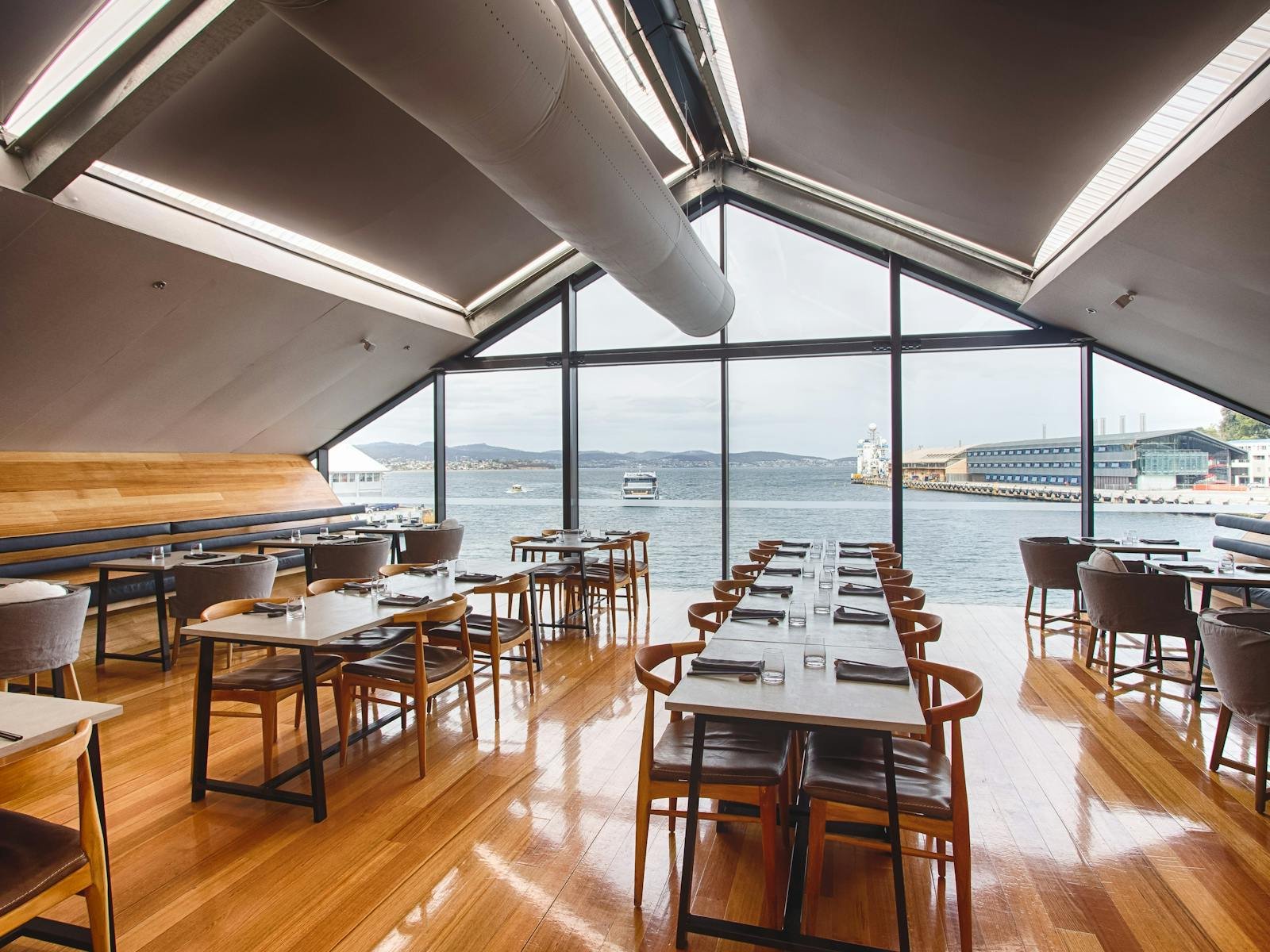
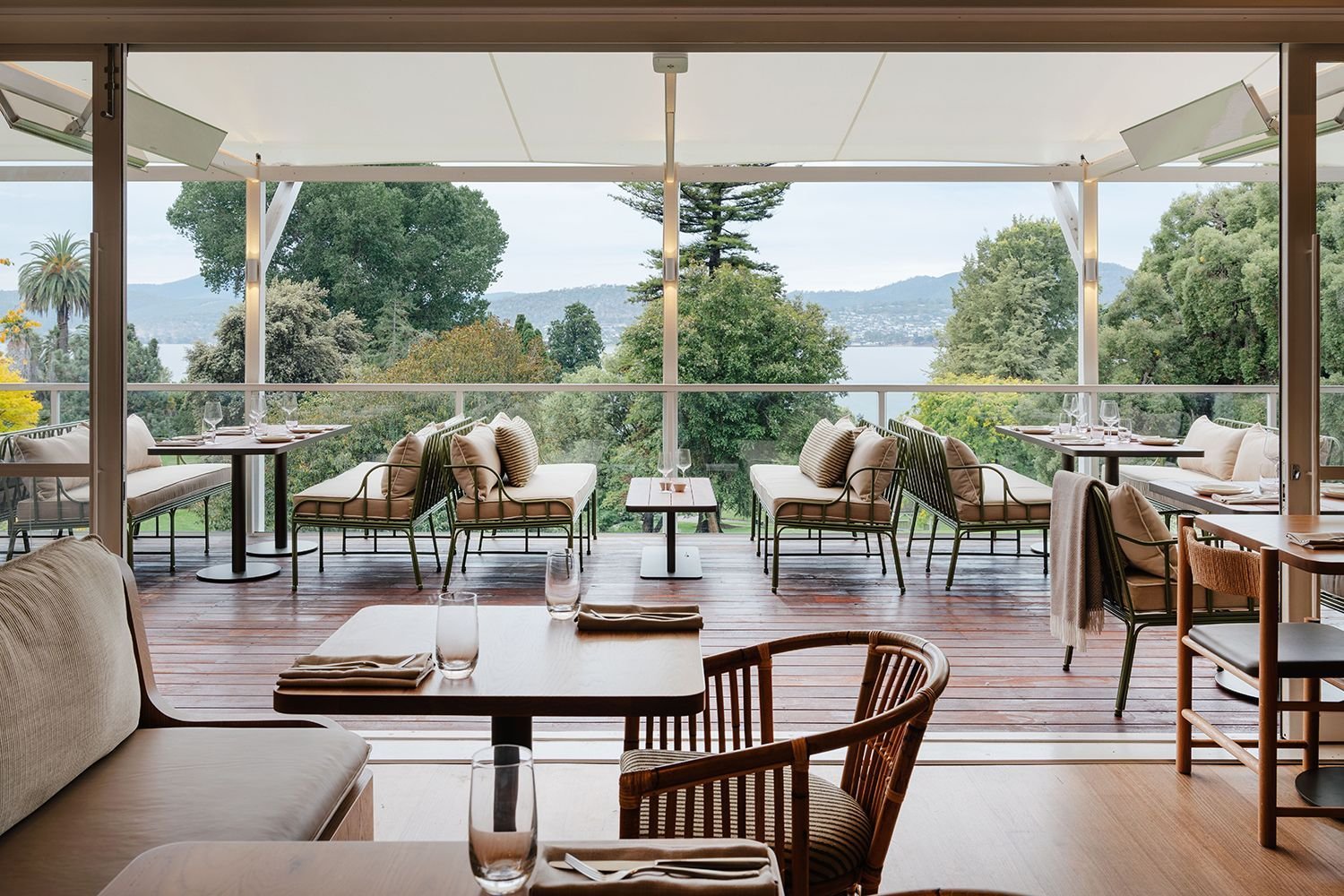
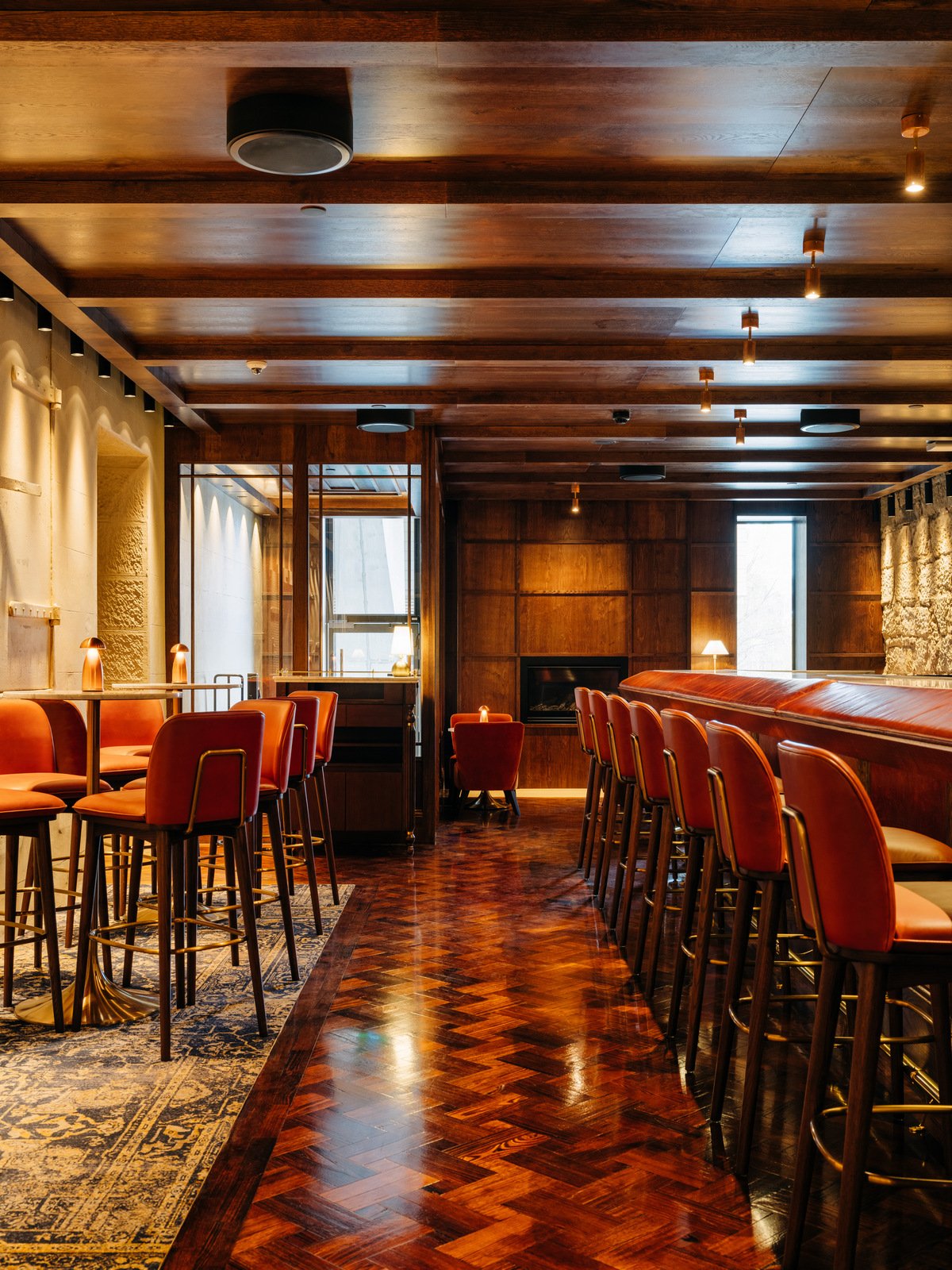
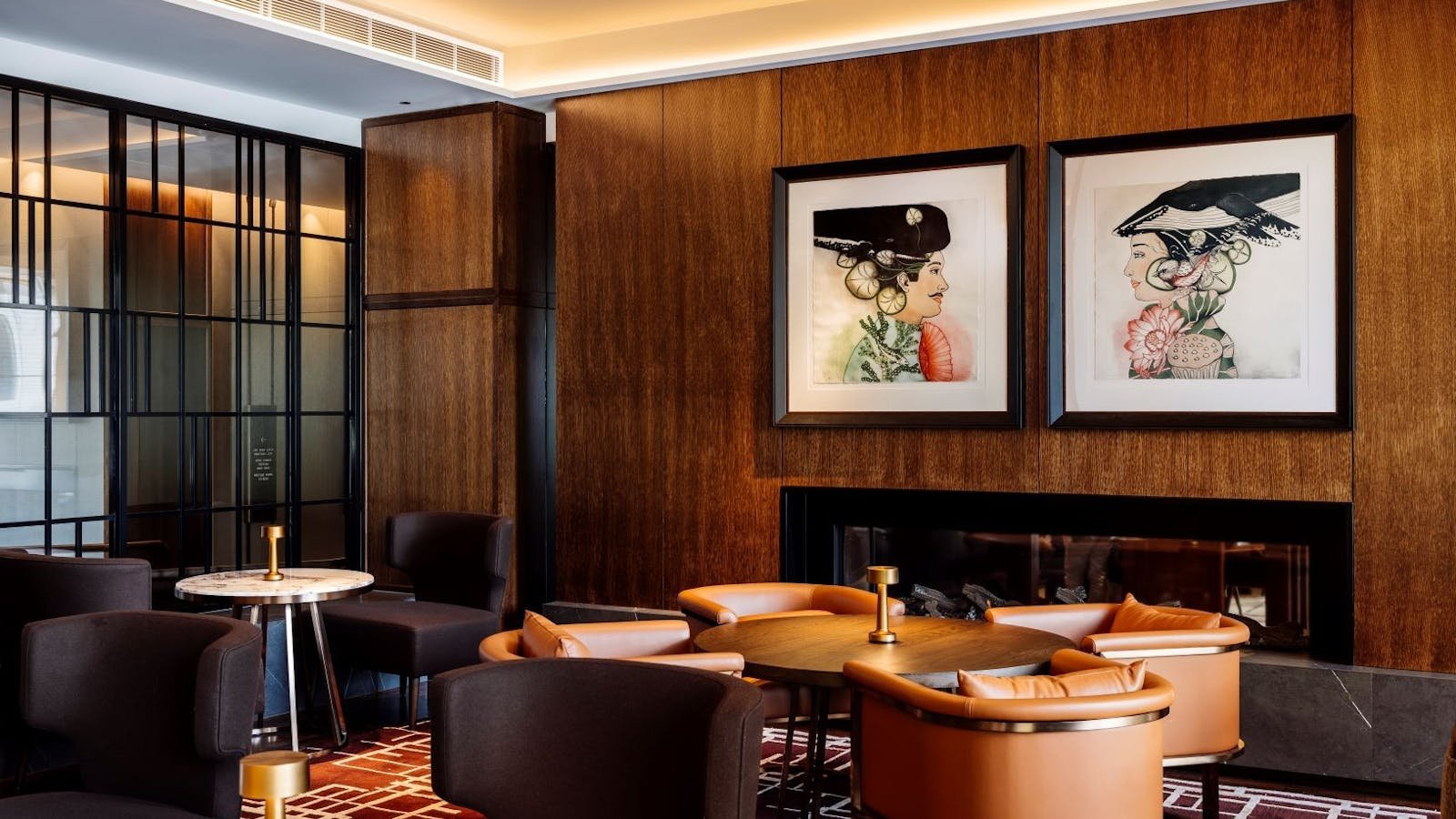
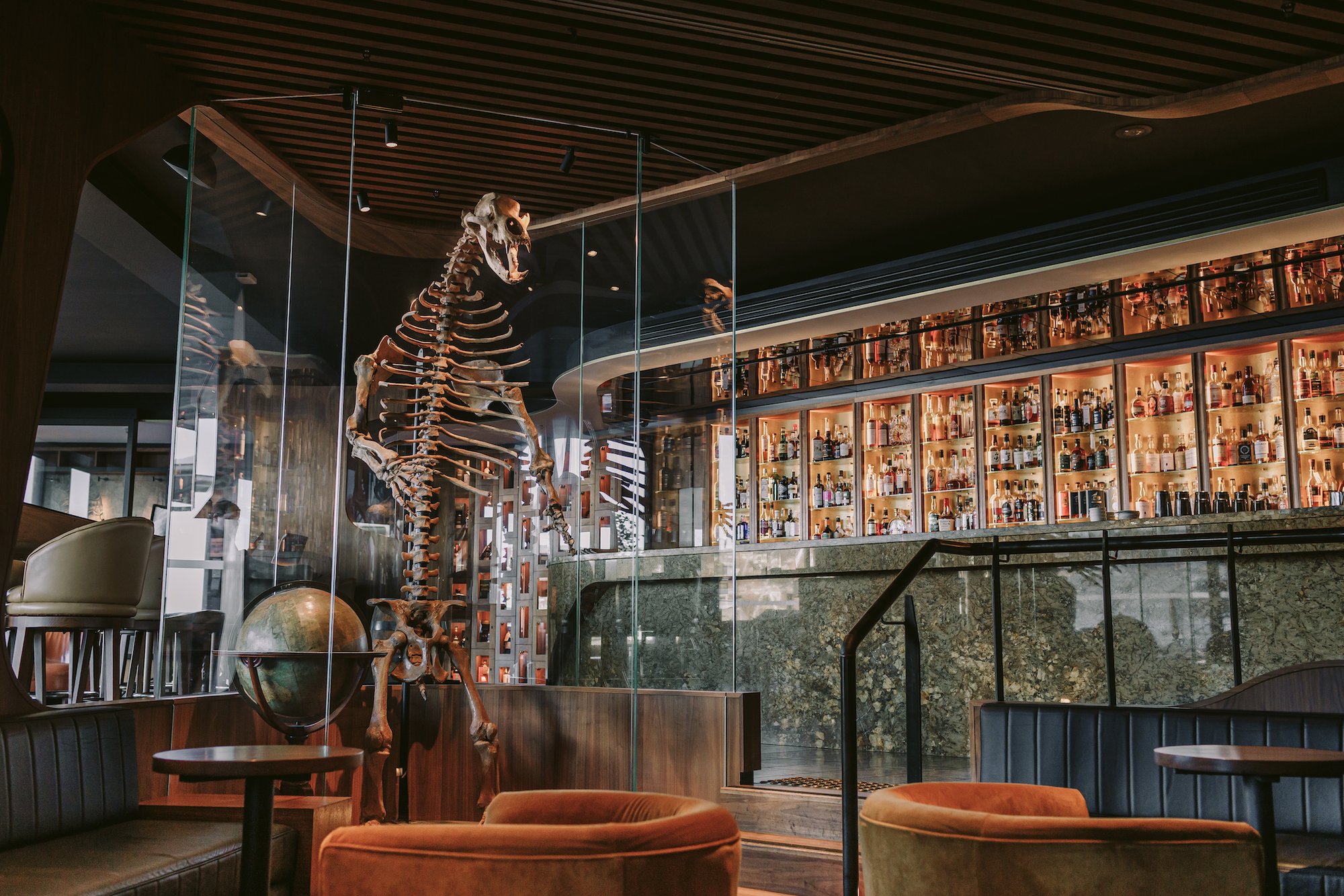
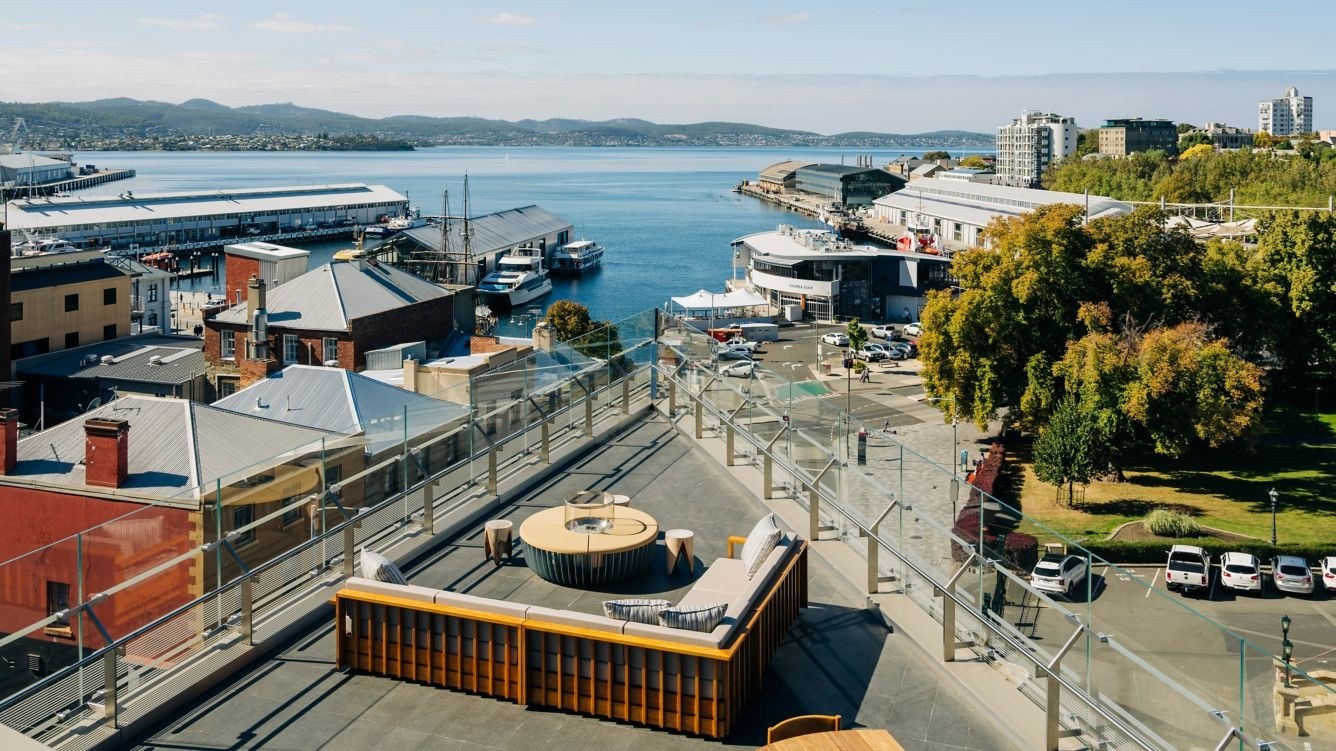
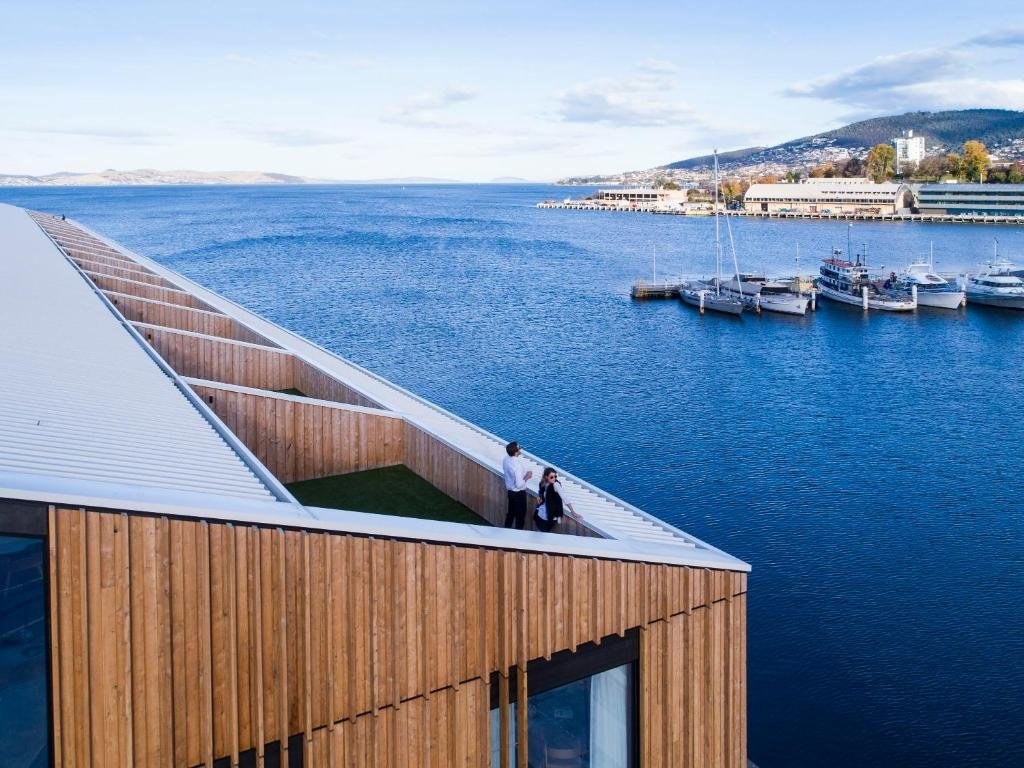
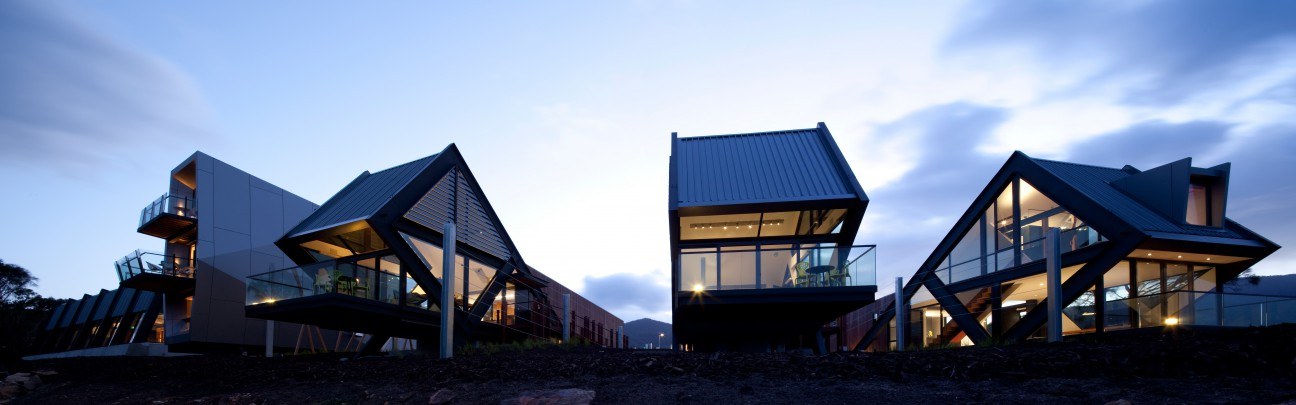
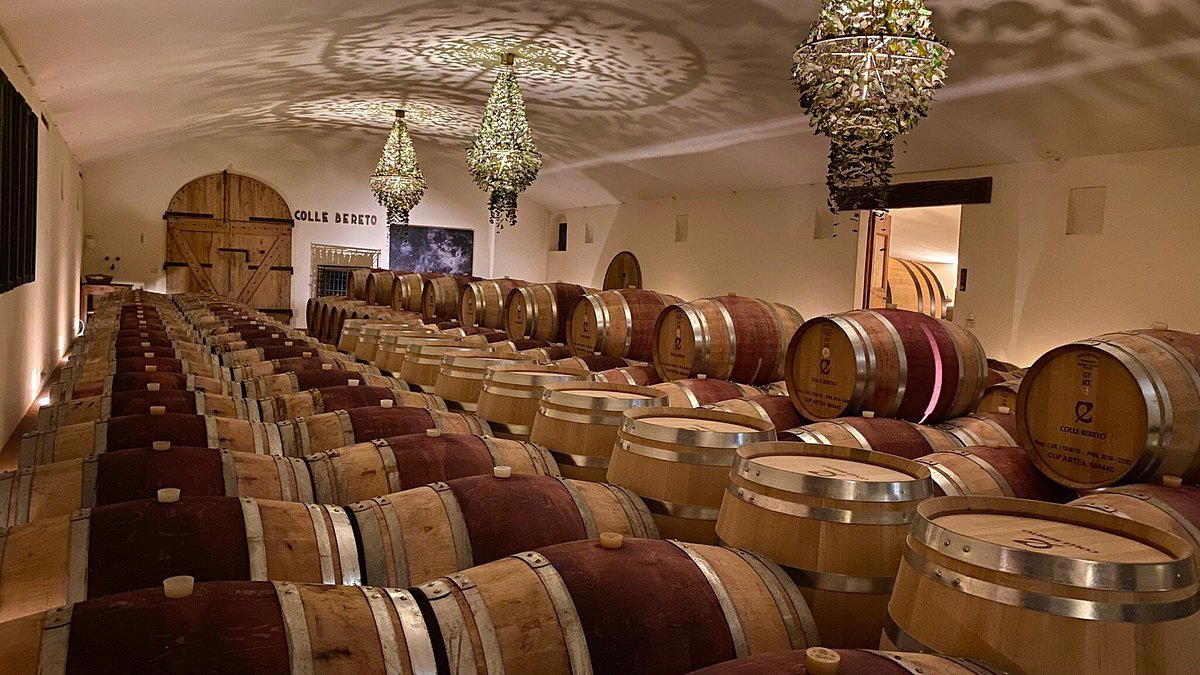
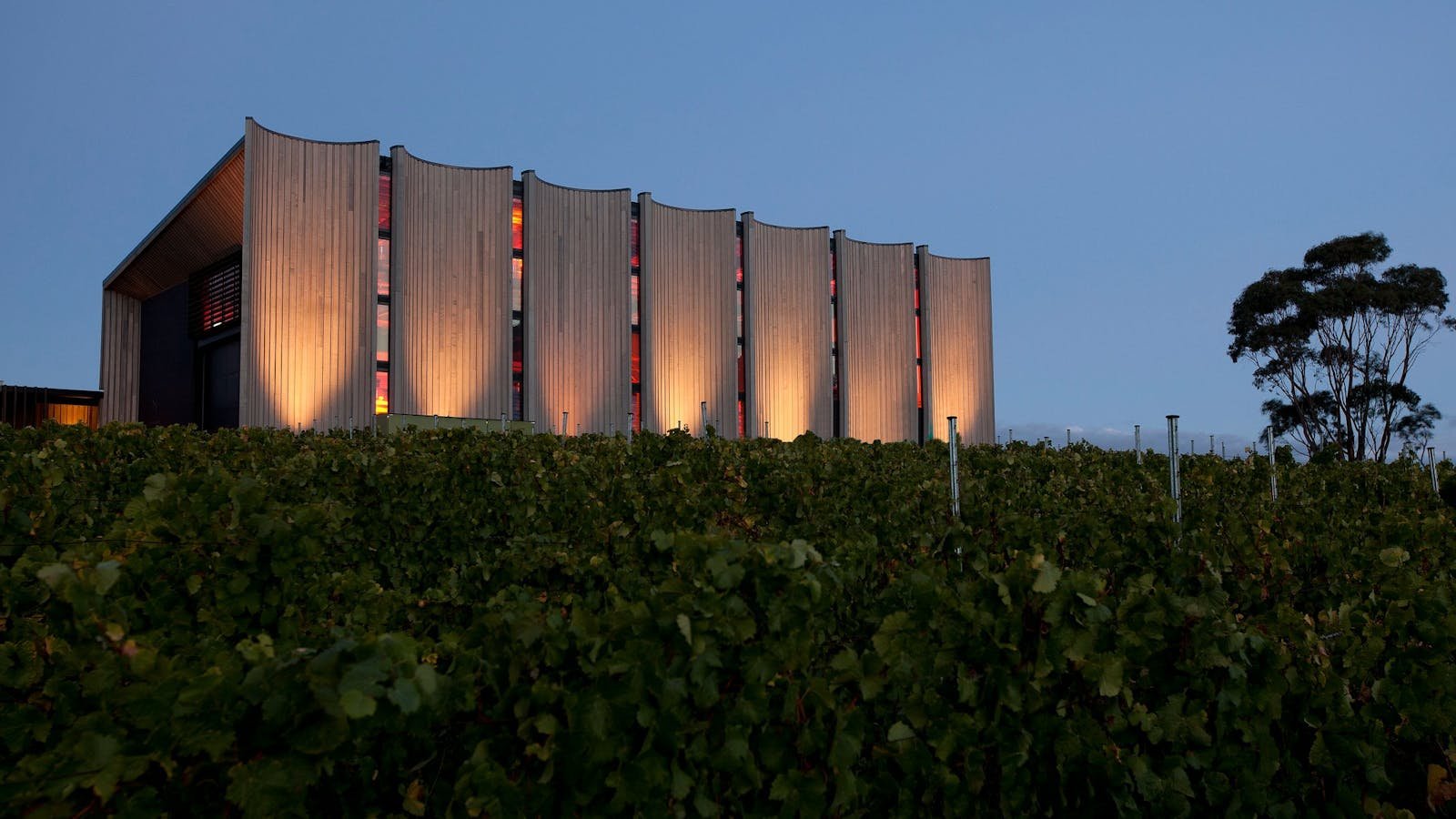
Sophisticated and scenic with vineyard and river views, blending modern architecture and rustic winery charm.
Tags
Vibe
Best For
Experience
View
Accessibility
At the Vineyard
- Tour Duration
- 60 minutes
- Tour Languages
- English
- Visits
- By reservation
- Production
- Small producer
- Wine Styles
- Still Red, Still White, Sparkling
- Food Pairing
- Offered
- Wine Club
- Not available
Know before you go
Know Before You Go
- Getting there
- 655 Main Road, Berriedale, Tasmania, 7011, Australia
Planning details
Location
Recognition and awards

Also consider
If Moorilla Estate is not the right fit
Choose Lark Distillery if the group wants a simpler Hobart city plan with less travel friction. Choose Frogmore Creek if the brief is a more traditional winery outing outside the city.
Winery context
How Moorilla Estate compares in Hobart
Moorilla Estate is the stronger choice when ambiance and occasion value matter more than staying central. Lark Distillery is easier for a Hobart city drinks plan, while Stefano Lubiana and Frogmore Creek make more sense for a broader wine-focused outing outside the core city.
For serious wine itinerary planning, Tolpuddle Vineyard is the peer to consider when the priority is vineyard reputation over a multi-purpose visitor experience. For spirits rather than wine, Sullivan's Cove competes more directly with Lark Distillery than with Moorilla Estate, and works better when the group wants a whisky-led stop.
Given the booking difficulty signal, plan Moorilla Estate ahead rather than treating it as the easy fallback. If the group needs the simplest logistics, choose Lark Distillery; if the brief is a more occasion-worthy winery visit close to Hobart, keep Moorilla Estate higher on the list.
Around this place
Discover more on Pearl
Unlock the full Moorilla Estate guide in Pearl, including awards, comparisons, FAQs, planning details, and nearby places.
Compare Moorilla Estate
| Venue | Location | Awards |
|---|---|---|
| Moorilla Estate | Hobart | 2026 Falstaff Winery Guide |
| Stefano Lubiana | Granton | No published awards |
| Lark Distillery | Hobart | No published awards |
| Tolpuddle Vineyard | Richmond | 2026 Falstaff Winery Guide |
| Frogmore Creek | Cambridge | No published awards |
| Sullivan's Cove | Cambridge | No published awards |
How Moorilla Estate Hobart compares with similar nearby venues.
FAQ
Frequently Asked Questions
Do I need a reservation at Moorilla Estate?
Plan ahead if the visit matters to your schedule, since Moorilla Estate runs on daytime hours and is closed Tuesday and Wednesday.
Are membership or subscription details for Moorilla Estate?
The recognition is Pearl 3 Star Prestige (2025), but any such decisions should be based on current information from the venue's official channels.
How long should I plan for a visit to Moorilla Estate?
Use the 11 AM–5 PM opening window on Monday and Thursday to Sunday when planning, and check directly if your timing is tight.
What other venues can I compare with Moorilla Estate?
Stefano Lubiana, Frogmore Creek, and Tolpuddle Vineyard are useful references when planning a broader trip. Moorilla Estate should be planned around its own Hobart details and opening hours.