
Nino Negri
Chiuro
Winery in Chiuro, Italy
 Book with Pearl
The Read
Alpine Nebbiolo Precision
Price
$10–20tasting
Why go
Book Nino Negri if Chiuro is part of a wine-focused Valtellina itinerary, especially if a guided or private tasting format is available. It is a stronger choice for enthusiasts who want context than for casual groups looking for a quick, low-commitment stop.
About Nino Negri
Is Nino Negri worth planning around in Chiuro? Nino Negri is a Chiuro venue with Pearl 2 Star Prestige (2025), and the dress code is smart casual. Those two facts give travelers a clear starting point, because they establish both recognition and the expected tone of a visit. Beyond those points, specific claims about formats, services, menus, hours, prices, or visit logistics should be confirmed directly with the venue before you build an itinerary around them. In practical terms, the name may belong on the list early, but the details should not be treated as settled until they are checked at the source.
That makes Nino Negri a strong candidate for travelers who want a clearly recognized stop in Chiuro, while also requiring practical follow-up. The appeal is strongest when the recognition itself is the reason for interest, rather than a particular experience. Treat public-facing plans cautiously unless they are confirmed by the venue, especially if you need a particular type of visit, timing, accessibility detail, or group arrangement. A little restraint at the planning stage can prevent a day in Chiuro from depending on assumptions that may not match current availability.
Plan this as a confirmed Chiuro stop, not an assumption-heavy itinerary
For a Chiuro itinerary, treat Nino Negri as a priority only after confirming the details that matter for your day. Build the rest of the schedule around timing and availability rather than assumptions about walk-ins, formats, or services. This is especially important if the stop is meant to anchor the day, because one uncertain appointment can affect meals, transfers, and the pace of the wider route. For broader planning, use current Chiuro guides, then cross-check nearby eating, sleeping, and after-dark options directly before you go. If you are comparing notable names in northern Italy, Ar.Pe.Pe. Bellavista, Ca' del Bosco, Guido Berlucchi, and Braulo can be useful reference points depending on the route.
The safest approach is simple: confirm directly, dress smart casual, and avoid overloading the day with expectations. Smart casual keeps the tone polished without requiring overcomplication, and direct confirmation keeps the itinerary grounded. Nino Negri's Pearl 2 Star Prestige (2025) is the main grounded reason to put it on the shortlist. Let that recognition guide your interest, but let current information from the venue guide the actual shape of the visit.
Who should choose it over a broader itinerary
Choose Nino Negri if your priority is a recognized Chiuro stop with a smart-casual dress code and Pearl 2 Star Prestige (2025). It suits travelers who prefer to focus on a specific name rather than stretch the day across too many moving parts. Choose a broader itinerary if your group wants to compare multiple notable names; in that case, Ar.Pe.Pe. Bellavista, Ca' del Bosco, Guido Berlucchi, and Braulo may help frame the wider route without assuming they are part of the same Chiuro visit. For planning beyond a single venue, confirm each stop directly before committing, because the usefulness of any route depends on current details rather than reputation alone.
The verdict: Nino Negri is worth considering for Chiuro travelers because the recognition is strong, but the practical details should be checked before committing. It is best approached as a promising, recognized stop that still needs confirmation on the specifics that shape a real visit. Keep the plan flexible until the venue confirms the current visit format and availability. Once those essentials are clear, it can be placed into the itinerary with far more confidence and far fewer assumptions.
Planning details
- Location
- Via Ghibellini, 3, 23030 Chiuro SO
- Website
- ninonegri.it
- Phone
- +39 0342 485211
The take
The Take
The Vibe
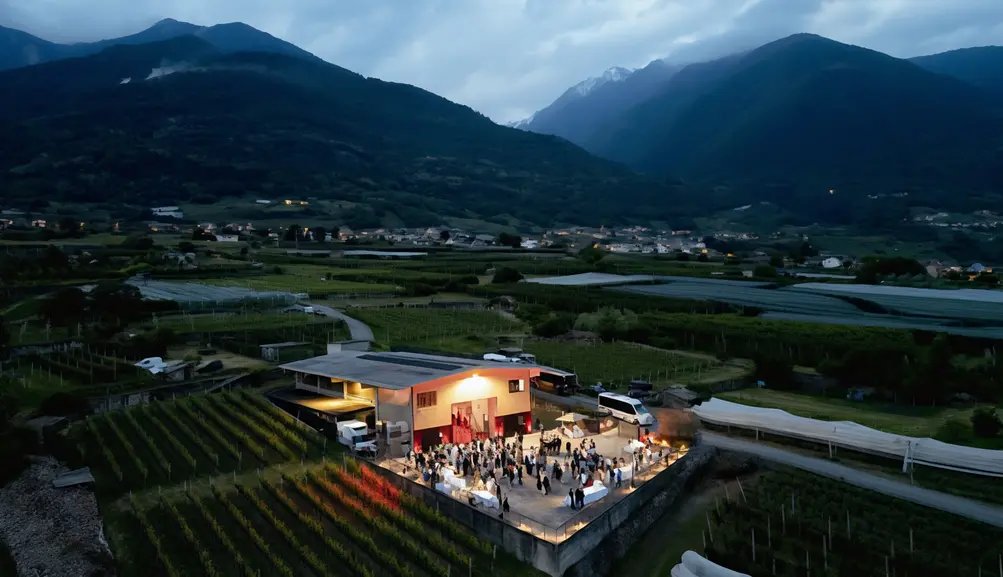
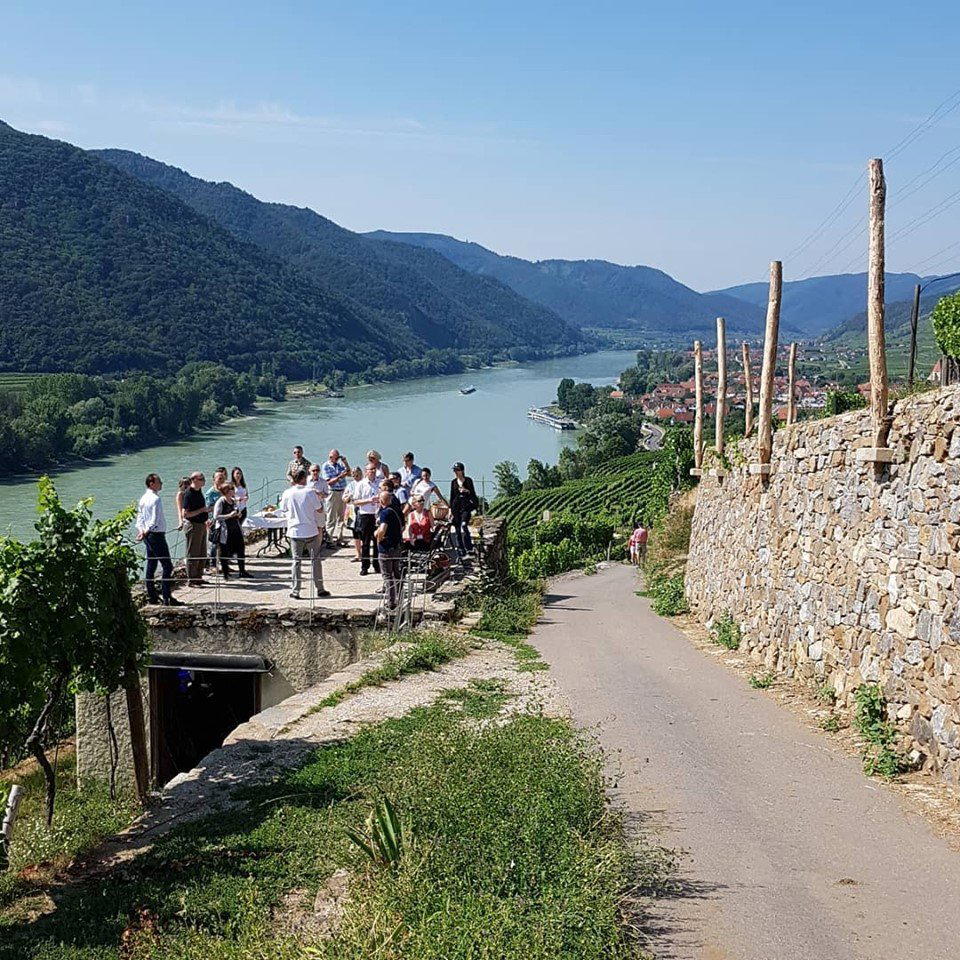
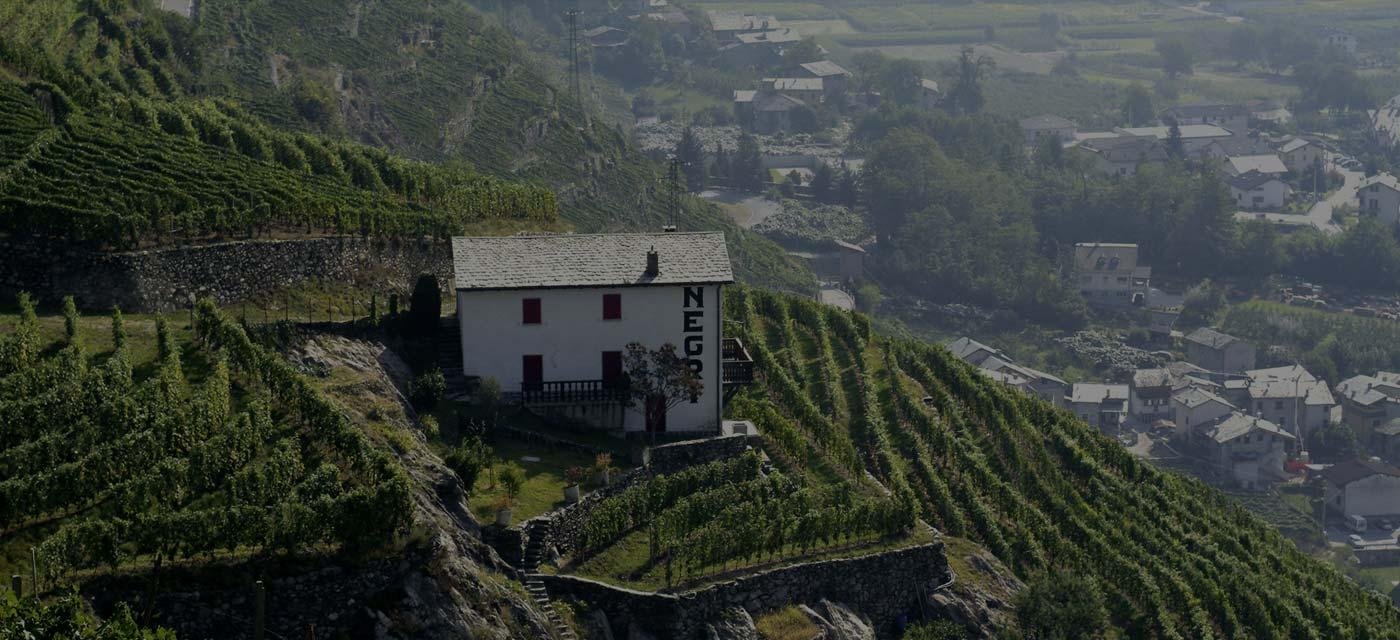
Nino Negri reads like a study in refined mountain viticulture. Perched on steep, south-facing terraces beneath the Rhaetian Alps, the estate channels a quiet, sophisticated energy that foregrounds place and process. The prose stresses granitic and schistose soils, hand harvesting on slopes exceeding 30 degrees and Nebbiolo’s local incarnation as Chiavennasca — details that produce wines defined by perfume, minerality and a taut acid spine. Visitors encounter an environment that is more about attentive tasting and geological nuance than spectacle, where the landscape’s austerity and the wines’ structural finesse create a composed, contemplative experience.
Best For
This is a destination for people who come to learn through tasting. The write-up frames Nino Negri within Valtellina’s classified crus and emphasizes how microclimate, altitude and soil drive differences between Sassella, Grumello, Inferno, Valgella and Maroggia. That focus makes the estate especially rewarding for curious oenophiles, students of terroir and collectors assessing age-worthiness. Rather than quick sampling, the property is best appreciated by visitors who have time to compare sites and styles, and who value geological context as much as individual vintages.
Tasting Tips
When approaching wines from Nino Negri, taste with terroir in mind: compare examples from different Valtellina subzones to hear how granitic, schistose soils and aspect alter perfume, phenolics and acidity. Expect Chiavennasca to show a lighter colour, pronounced aromatics and a firm acid spine; younger bottlings highlight perfume and tension, while older releases reveal structural complexity and age-worthiness. Take note of vineyard provenance on labels (Sassella, Grumello, Inferno, Valgella, Maroggia) and favour side-by-side tastings that showcase those cru-driven contrasts rather than single-bottle flights.
Venue details
Ambiance
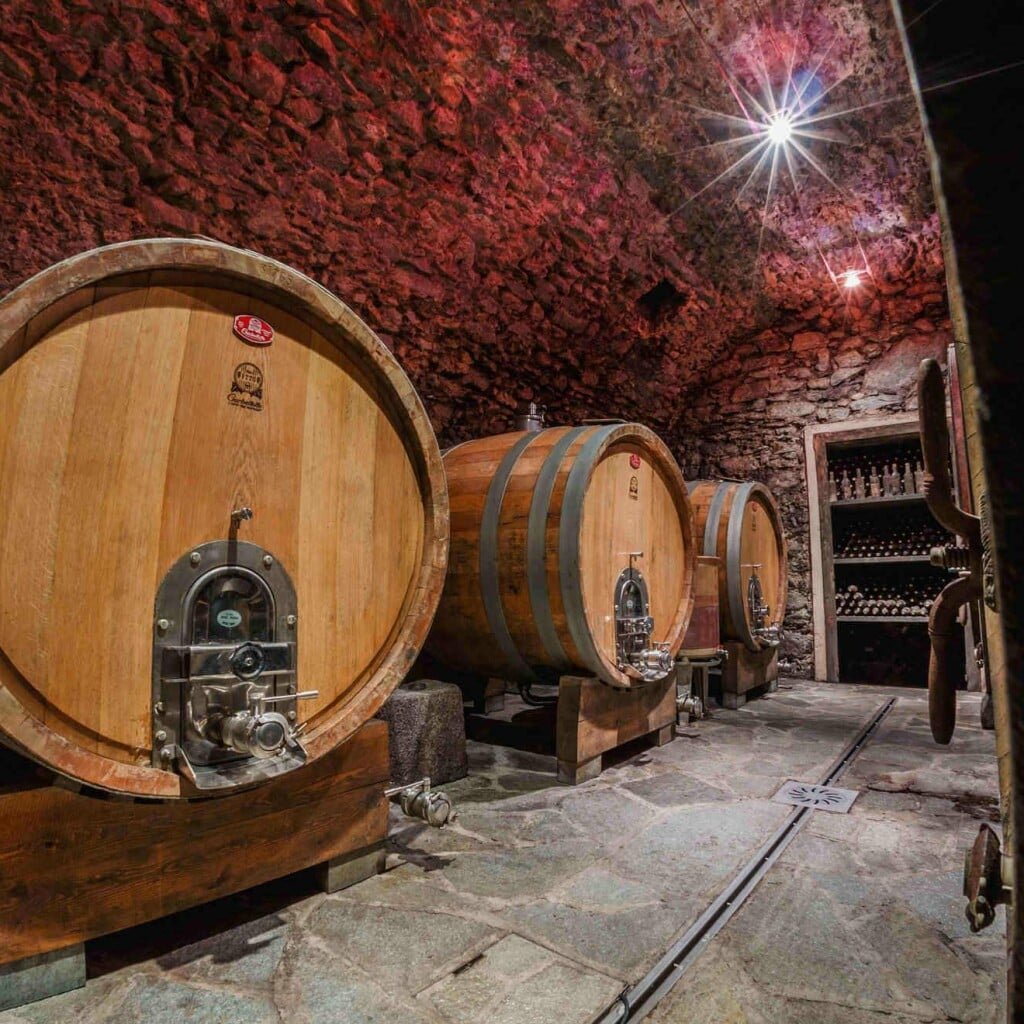
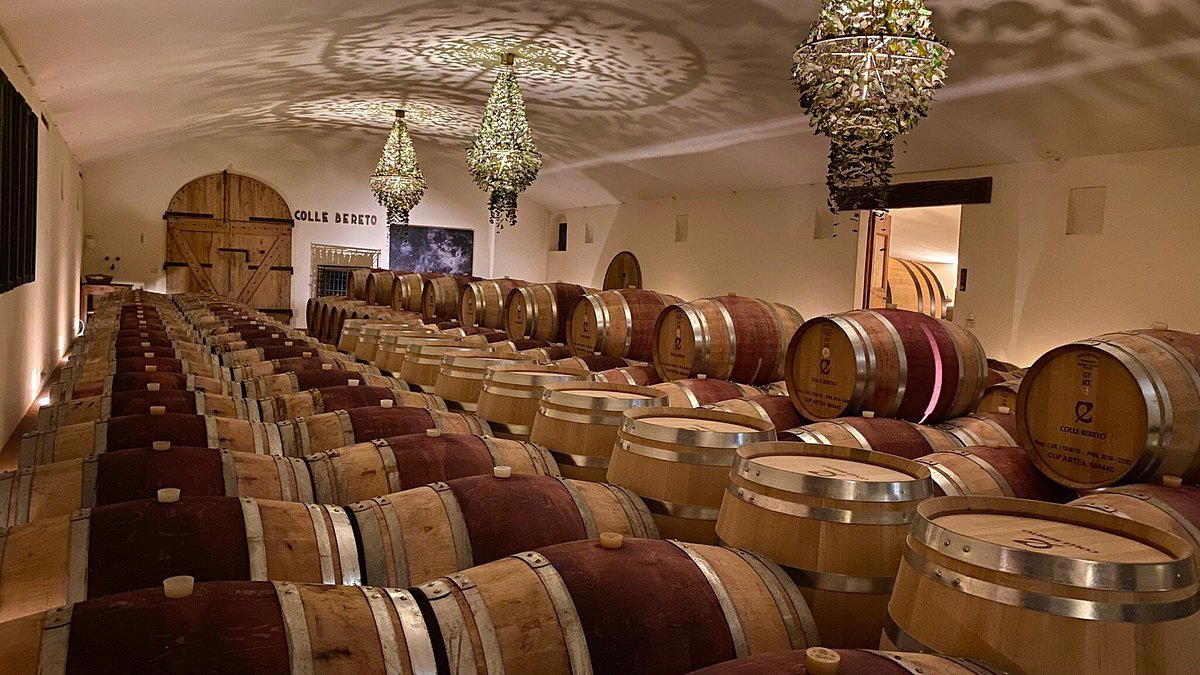
Historic and atmospheric with stone cellars, dim lighting in underground aging rooms, and a sense of heritage throughout the 15th-century castle setting.
Tags
Vibe
Best For
Experience
Sourcing
View
At the Vineyard
- Appellation
- Valtellina Superiore DOCG
- Varietals
- Nebbiolo, Chiavennasca
- Tour Duration
- 90 minutes to 4 hours
- Tour Languages
- Italian, English
- Visits
- By appointment only
- Farming
- Sustainable
- Wine Styles
- Still Red
- Food Pairing
- Offered
- Wine Club
- Not available
Know before you go
Know Before You Go
- Getting there
- Via Ghibellini, 3, 23030 Chiuro SO
Planning details
Location
Recognition and awards

Also consider
Also Consider
- Ar.Pe.Pe., Notable alternative
- Braulo (Amaro Braulio), Notable alternative
- Guido Berlucchi, Notable alternative
- Bellavista, Notable alternative
- Ca' del Bosco, Notable alternative
Winery context
How it compares in Chiuro and beyond
For a Valtellina-focused trip, Ar.Pe.Pe. is the closest cross-shop by category: choose it if the priority is another serious local wine reference, and choose Nino Negri if the Chiuro stop itself is the anchor. Both make more sense for wine travelers than for groups chasing a quick, casual drinks stop.
Braulo (Amaro Braulio) is the better alternative when the group wants a spirits-led detour rather than another winery. It is not a like-for-like swap on wine depth, but it works better for mixed-interest travelers who want regional drinking culture without committing the whole day to cellar appointments.
Guido Berlucchi, Bellavista, and Ca' del Bosco point the trip toward Franciacorta instead of Valtellina. Pick those if sparkling wine and a more polished wine-tourism circuit matter more; stay with Nino Negri if the goal is mountain Nebbiolo context and a tighter Chiuro-based itinerary.
Explore Chiuro
Around this place
Discover more on Pearl
Unlock the full Nino Negri guide in Pearl, including awards, comparisons, FAQs, planning details, and nearby places.
Compare Nino Negri
| Venue | Location | Awards |
|---|---|---|
| Nino Negri | Chiuro | 2026 Falstaff Winery Guide |
| Ar.Pe.Pe. | Sondrio | 2026 Falstaff Winery Guide |
| Braulo (Amaro Braulio) | Bormio | No published awards |
| Guido Berlucchi | Corte Franca | No published awards |
| Bellavista | Erbusco | 2026 Falstaff Winery Guide2025 Decanter Winery Prestige |
| Ca’ del Bosco | Erbusco | 2026 Falstaff Winery Guide |

How Nino Negri Chiuro compares with similar nearby venues.
FAQ
Frequently Asked Questions
When is the best time to visit Nino Negri?
Plan around Chiuro only after confirming current availability directly with Nino Negri. Its Pearl 2 Star Prestige (2025) makes it a notable stop to consider.
What is confirmed about Nino Negri?
Nino Negri is a Chiuro venue with Pearl 2 Star Prestige (2025) and a smart-casual dress code. Other practical details should be checked directly with the venue.
How long should I plan for a visit to Nino Negri?
Plan enough flexibility for a Chiuro stop, and confirm the current details with the venue before you go.
Does Nino Negri serve food?
Do not plan on Nino Negri as a meal stop unless the venue confirms that option directly.
Do I need a reservation at Nino Negri?
Contact Nino Negri directly before treating it as a walk-in or scheduled stop in Chiuro.
What other names are useful comparisons for Nino Negri?
Ar.Pe.Pe. is a natural comparison for travelers interested in another notable name in the region. For a broader route beyond Chiuro, Bellavista, Ca' del Bosco, Guido Berlucchi, and Braulo may also be useful comparisons.
What services are available at Nino Negri?
If you need a particular service, ask Nino Negri directly about the current policy before or during your visit.