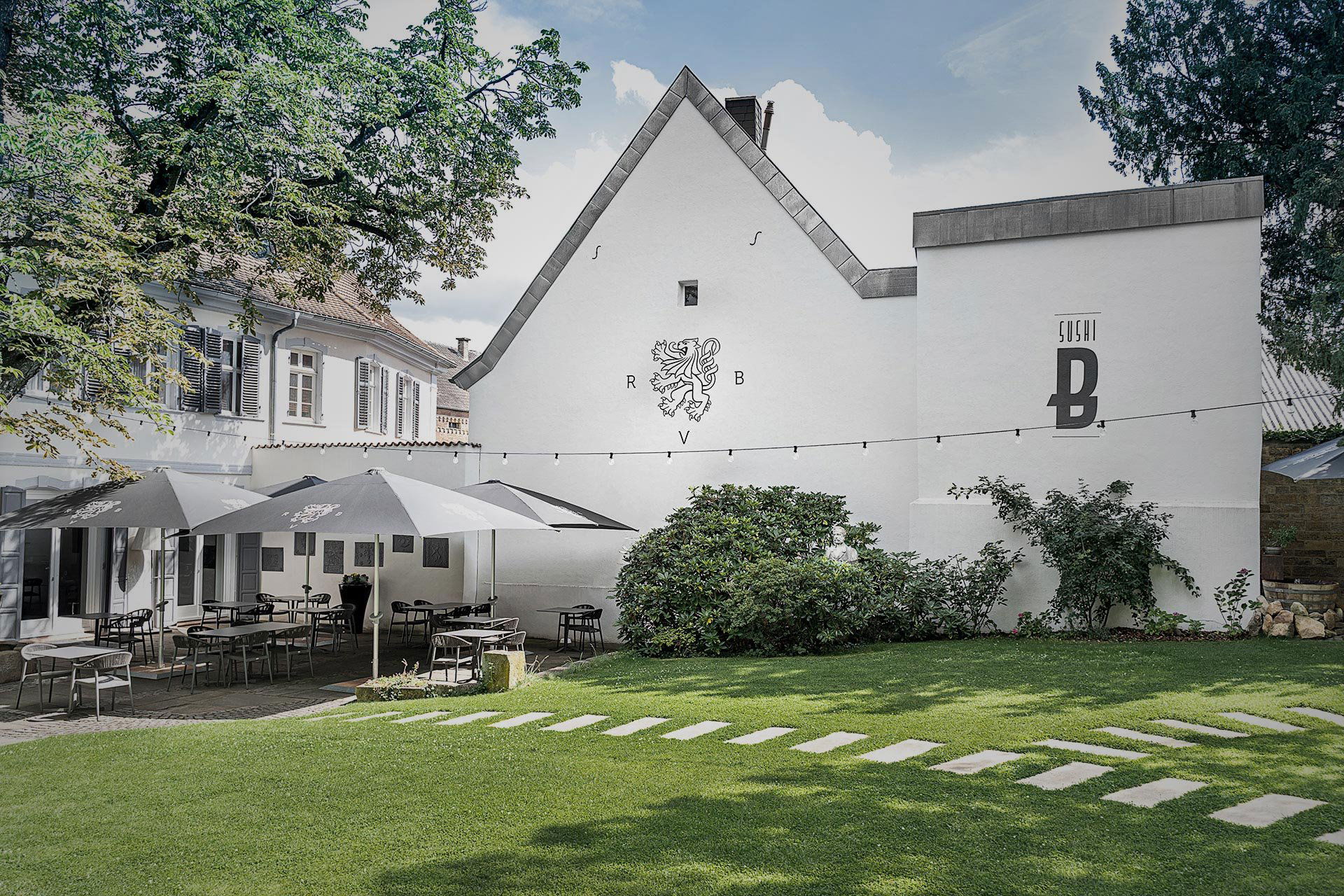

Weingut Reichsrat von Buhl
Deidesheim
Winery in Deidesheim, Germany
 Book with Pearl
The Read
Pfalz Site-Driven Riesling
Why go
Book Weingut Reichsrat von Buhl if Deidesheim is a serious wine stop, not just a casual tasting detour. The value is in choosing a reputation-led Pfalz anchor and building the day around it; if access is tight, compare nearby Von Winning and Bassermann-Jordan before overloading the itinerary.
About Weingut Reichsrat von Buhl
Weingut Reichsrat von Buhl is a Deidesheim venue recognized with Pearl 3 Star Prestige (2025). For travelers comparing notable names, it can be considered alongside Weingut Von Winning, Weingut Bassermann-Jordan, Weingut Dr. Bürklin-Wolf, Weingut Georg Mosbacher, and Weingut A. Christmann.
It's advisable to confirm details directly with Weingut Reichsrat von Buhl before visiting. The venue features a smart casual dress code and holds Pearl 3 Star Prestige (2025) recognition. Details such as visit format, pricing, hours, group capacity, food service, shipping, or reservation requirements should be confirmed directly. Use the broader Deidesheim planning page for nearby restaurants and other local planning needs.
Book this for a respected Deidesheim name, not for assumed specifics
Weingut Reichsrat von Buhl is a worthy addition to a Deidesheim itinerary due to its Pearl 3 Star Prestige (2025) recognition. Beyond that, the visit should not be planned around assumed details about formats, food, seating, or access. Confirm the current arrangements with the venue before making it the anchor of a day in Deidesheim.
If you are comparing options, keep the decision practical. Weingut Von Winning, Weingut Bassermann-Jordan, Weingut Dr. Bürklin-Wolf, Weingut Georg Mosbacher, and Weingut A. Christmann may be useful benchmarks depending on your route. The right choice depends on availability and the kind of visit each venue is offering at the time.
How to build the day around the venue
Plan around Deidesheim and keep the itinerary flexible until current details are known. Choose one primary stop, one meal, and a backup option, rather than assuming that every venue will offer the same access, timing, or visitor format.
The venue name, Deidesheim location, smart casual dress code, and Pearl 3 Star Prestige (2025) recognition are known. Operational details such as reservations, group size, food service, shipping, or a specific visit structure should be checked directly. Check the venue's official channels before finalizing plans.
Quick reference: best for travelers who want a reputable Deidesheim venue with Pearl 3 Star Prestige (2025); less ideal for plans that depend on visit details that require confirmation.
Planning details
- Location
- Weinstraße 18, 67146 Deidesheim
- Website
- von-buhl.de
- Phone
- +49 6326 96500
The take
The Take
The Vibe
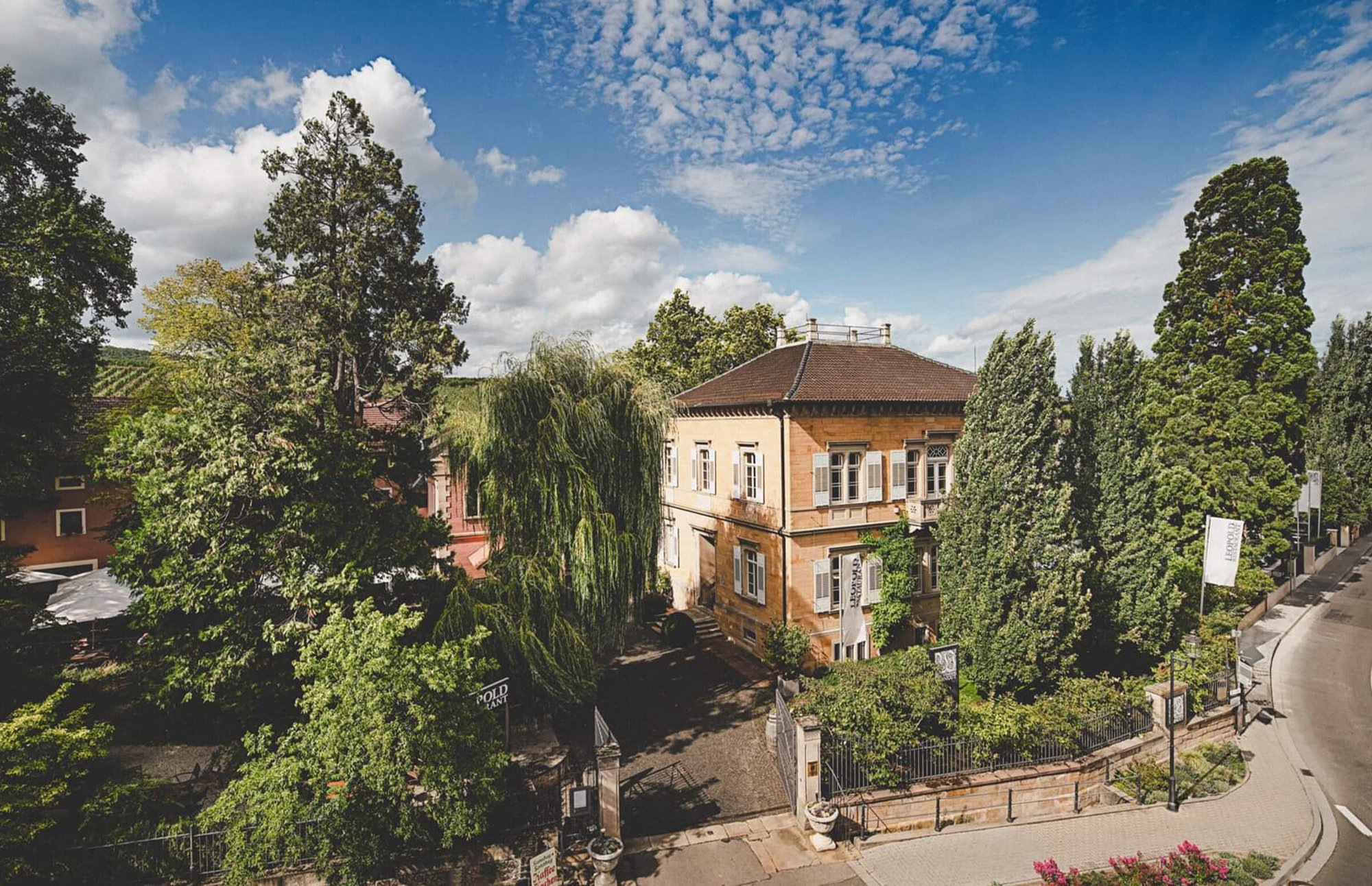
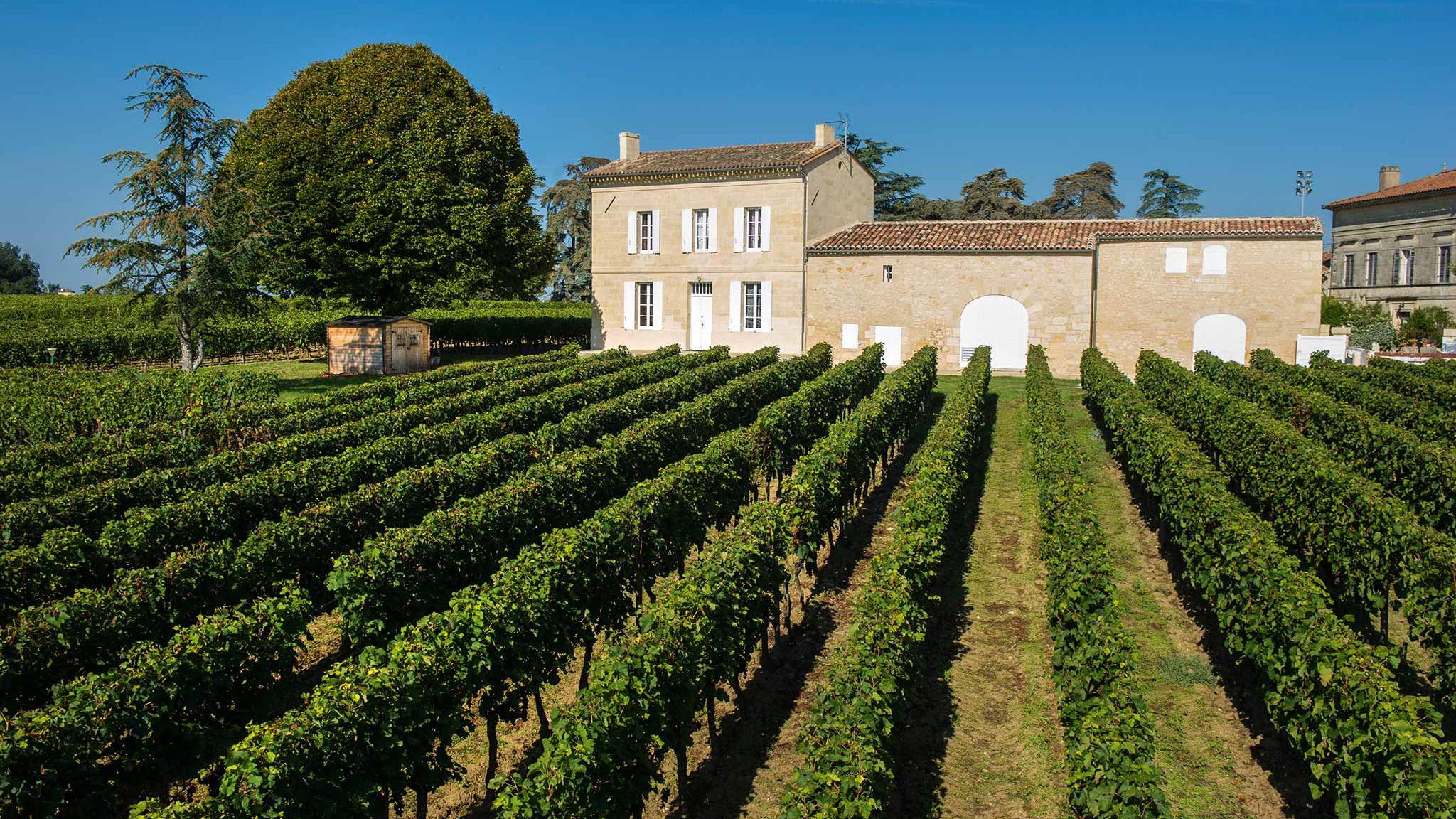
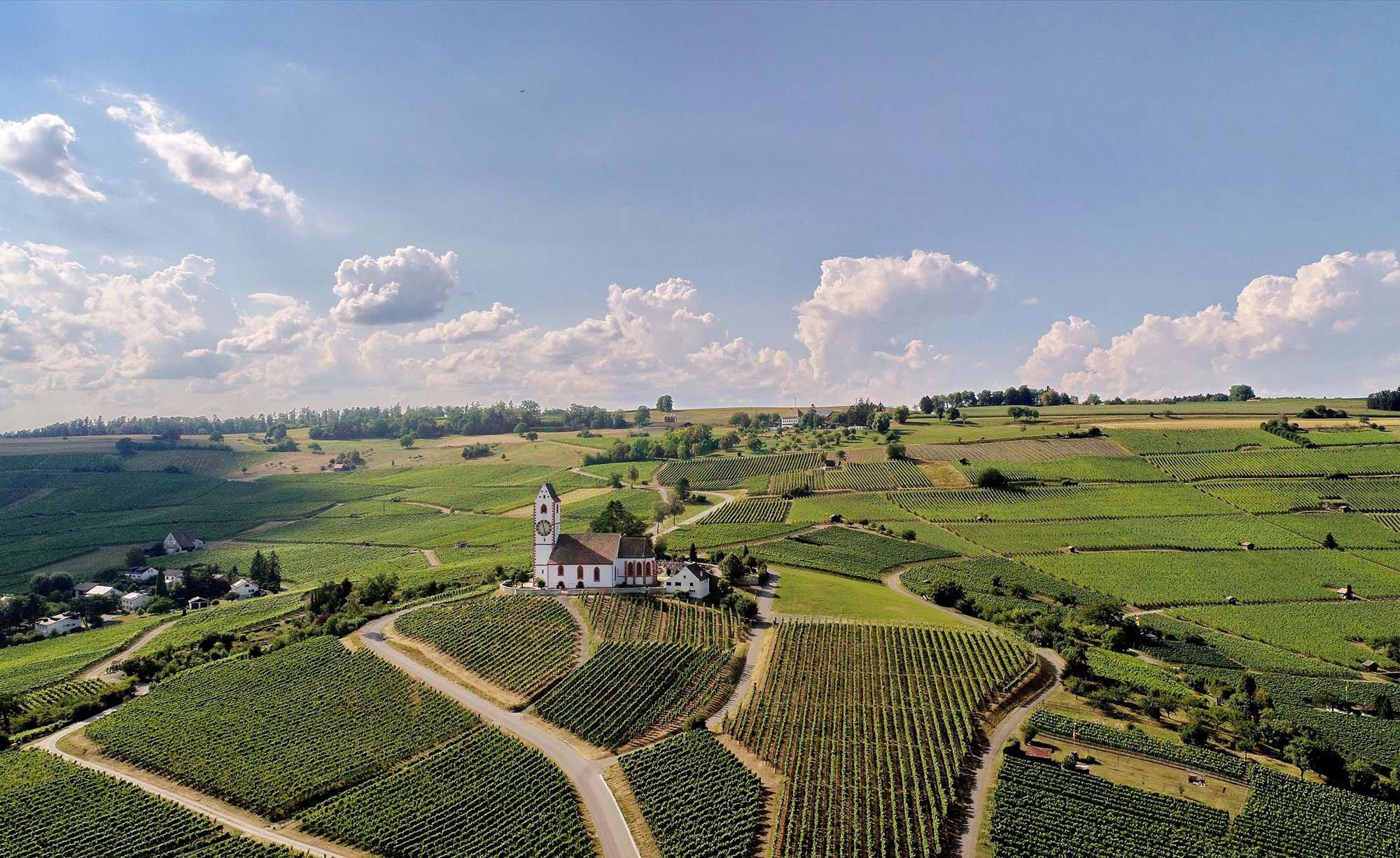
Reichsrat von Buhl reads like one of Deidesheim’s cornerstone estates: storied, refined and measured by terroir. The copy emphasizes longevity and recognition—an estate with more than a century of presence and a recent Pearl 3 Star Prestige award—so the impression is of serious, high‑caliber winemaking rather than flash. The surrounding Haardt Mountains and contiguous vineyards frame a warm, dry Pfalz expression of Riesling that balances riper fruit with mineral tension. Visitors and collectors encounter a house that is classic in pedigree but sophisticated in execution, where place and consistency trump novelty.
Best For
This estate is best for serious Riesling enthusiasts, students of German terroir and anyone seeking context for Pfalz styles. The write‑up situates von Buhl among Deidesheim’s top houses and highlights site specificity and Grosse Lage connections, so it rewards focused tasting and comparison of vineyard‑designated bottles. It also suits solo exploration and special‑occasion visits for people who want to engage with regional distinctions—riper Pfalz fruit framed by mineral backbone—rather than casual or novelty drinking. The estate’s pedigree makes it a stop for collectors and anyone pursuing wine education.
Tasting Tips
When you encounter von Buhl’s wines, prioritize site‑designated Rieslings and any Grosse Lage bottlings the estate lists; the copy stresses that site‑specific tension is what separates standout bottles from regional pleasers. Given the Pfalz tendency toward riper, fuller expressions, look for wines that balance ripe fruit with minerality or seek prestige‑tier or older vintages that demonstrate the house’s consistency across a portfolio. Avoid assuming all Pfalz Rieslings will be delicate; instead, choose examples that explicitly note vineyard origin or higher classification on the label.
Venue details
Ambiance
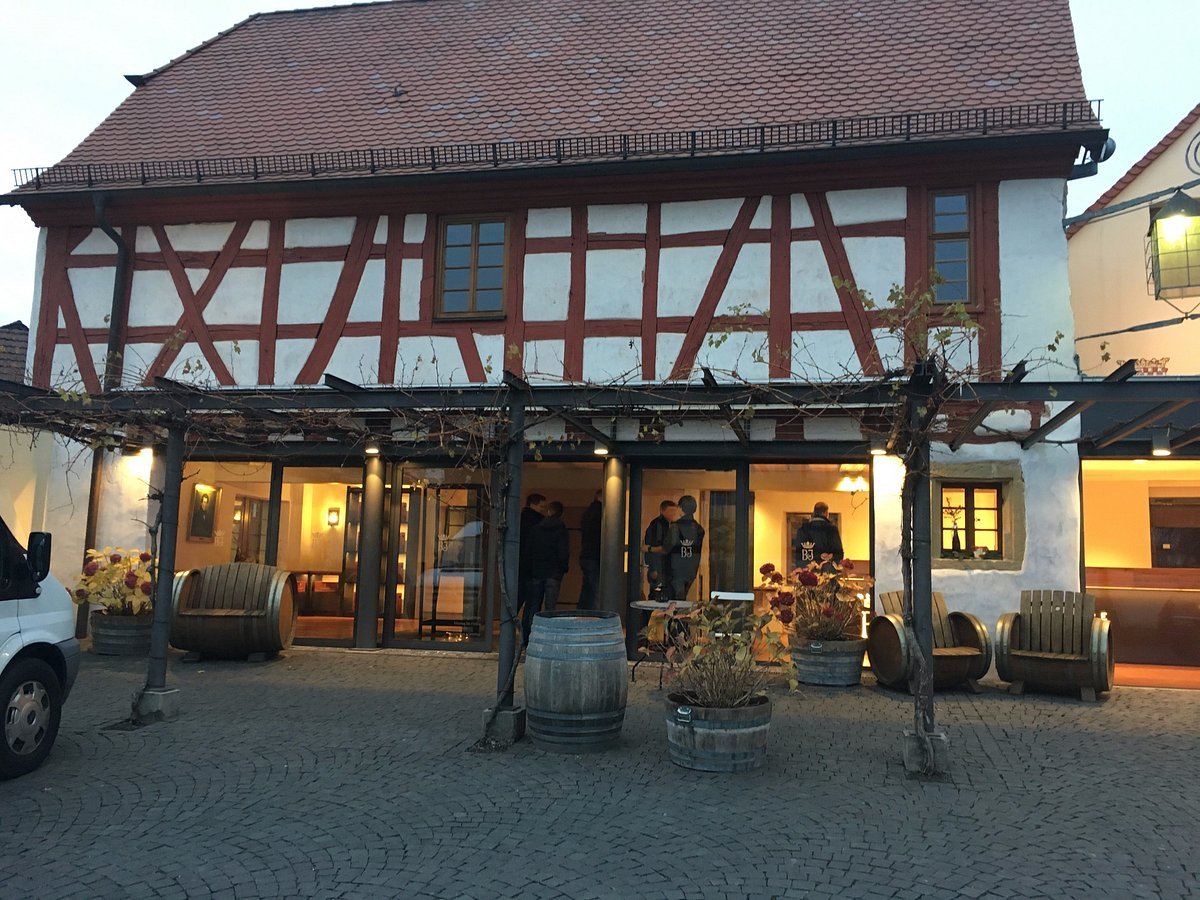
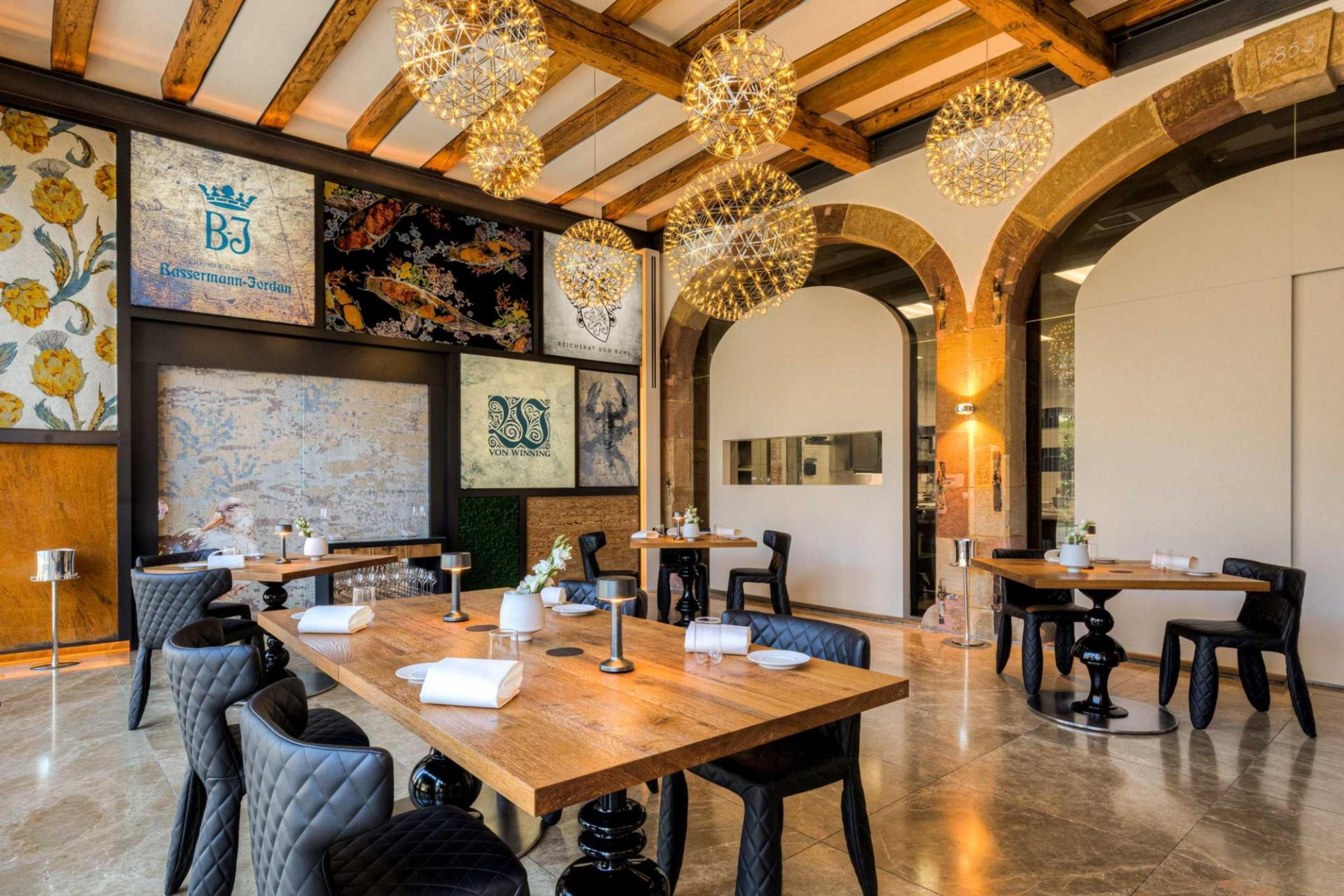
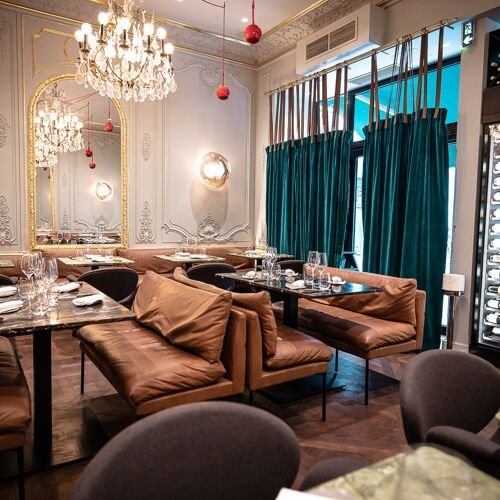
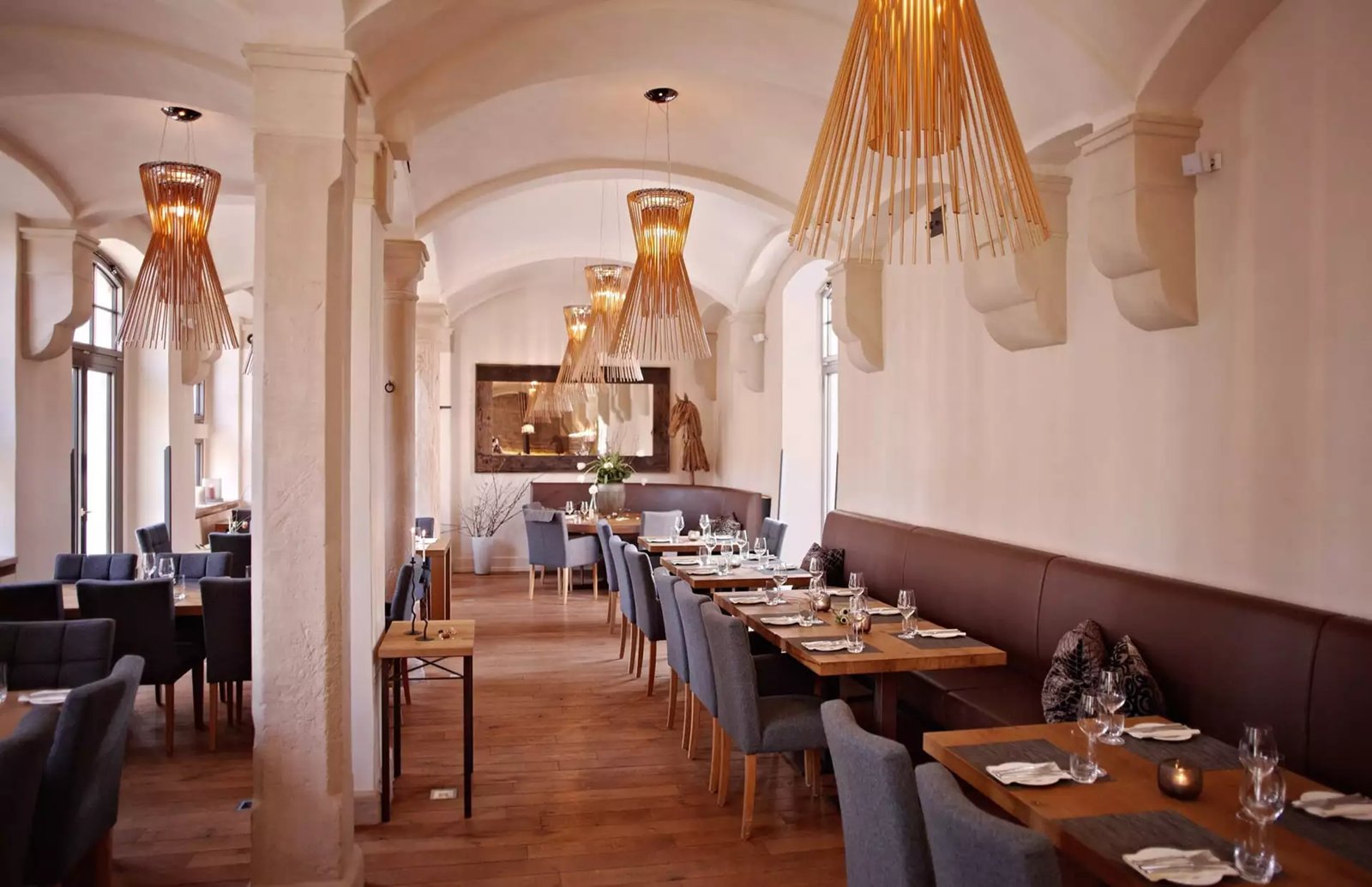
Timeless, terroir-focused elegance in a classic historic setting with precise, site-expressive wines.
Tags
Vibe
Best For
Experience
Sourcing
View
At the Vineyard
- Appellation
- Pfalz
- Varietals
- Riesling, Pinot Noir, Pinot Blanc, Pinot Gris, Chardonnay
- Tour Duration
- 60-90 minutes
- Wine Club
- Not available
Know before you go
Know Before You Go
- Getting there
- Weinstraße 18, 67146 Deidesheim
Planning details
Location
Recognition and awards

Also consider
If this is hard to book
Try Weingut Von Winning first if the goal is to stay in Deidesheim and keep the day wine-focused without adding regional travel. Try Weingut Bassermann-Jordan if the schedule needs another close alternative that can sit neatly around lunch, dinner, or a hotel check-in.
Winery context
How it compares in and around Deidesheim
Choose Weingut Reichsrat von Buhl when the day needs one serious Deidesheim anchor. Weingut Von Winning is the natural cross-shop for travelers who want another prominent Deidesheim name, while Weingut Bassermann-Jordan is the other close peer to check if timing or group size makes the first choice difficult.
For a broader Pfalz comparison, Weingut Georg Mosbacher, Weingut Dr. Bürklin-Wolf, and Weingut A. Christmann are better viewed as itinerary alternatives rather than same-hour substitutes. Pick them when the trip is built around the wider region; stay in Deidesheim when logistics and walking-distance planning matter more.
On value for money, the recommendation is simple: prioritize the estate if one high-conviction tasting is worth more than covering multiple addresses. If the plan is casual, Von Winning or Bassermann-Jordan may be easier to fold into a town-based afternoon.
Explore Deidesheim
Around this place
Discover more on Pearl
Unlock the full Weingut Reichsrat von Buhl guide in Pearl, including awards, comparisons, FAQs, planning details, and nearby places.
Compare Weingut Reichsrat von Buhl
| Venue | Location | Awards |
|---|---|---|
| Weingut Reichsrat von Buhl | Deidesheim | 2026 Falstaff Winery Guide |
| Weingut Von Winning | Deidesheim | 2026 Falstaff Winery Guide |
| Weingut Bassermann-Jordan | Deidesheim | 2026 Falstaff Winery Guide |
| Weingut Georg Mosbacher | Forst an der Weinstraße | 2026 Falstaff Winery Guide |
| Weingut Dr. Bürklin-Wolf | Wachenheim an der Weinstraße | 2026 Falstaff Winery Guide |
| Weingut A. Christmann | Neustadt an der Weinstraße | 2026 Falstaff Winery Guide |
How Weingut Reichsrat von Buhl Deidesheim compares with similar nearby venues.
FAQ
Frequently Asked Questions
What other names can I compare with Weingut Reichsrat von Buhl?
Weingut Von Winning, Weingut Bassermann-Jordan, Weingut Dr. Bürklin-Wolf, Weingut Georg Mosbacher, and Weingut A. Christmann may be useful benchmarks depending on your route and availability.
What visit details should I confirm before going?
Beyond the Deidesheim location, smart casual dress code, and Pearl 3 Star Prestige (2025) recognition, current arrangements should be confirmed directly with Weingut Reichsrat von Buhl before committing to plans.
Can Weingut Reichsrat von Buhl handle large groups?
Group capacity should be confirmed directly. Ask the venue directly before setting a date, especially if your plans depend on a larger party being accommodated.
Does Weingut Reichsrat von Buhl serve food?
Food service details should be confirmed directly. If you want to build a full day in Deidesheim, confirm current venue details directly and plan meals separately if needed.