

2026 Falstaff Winery Guide: The Ultimate Wine Authority — Page 42
Falstaff's 2026 Wineries guide.

Venues on this list
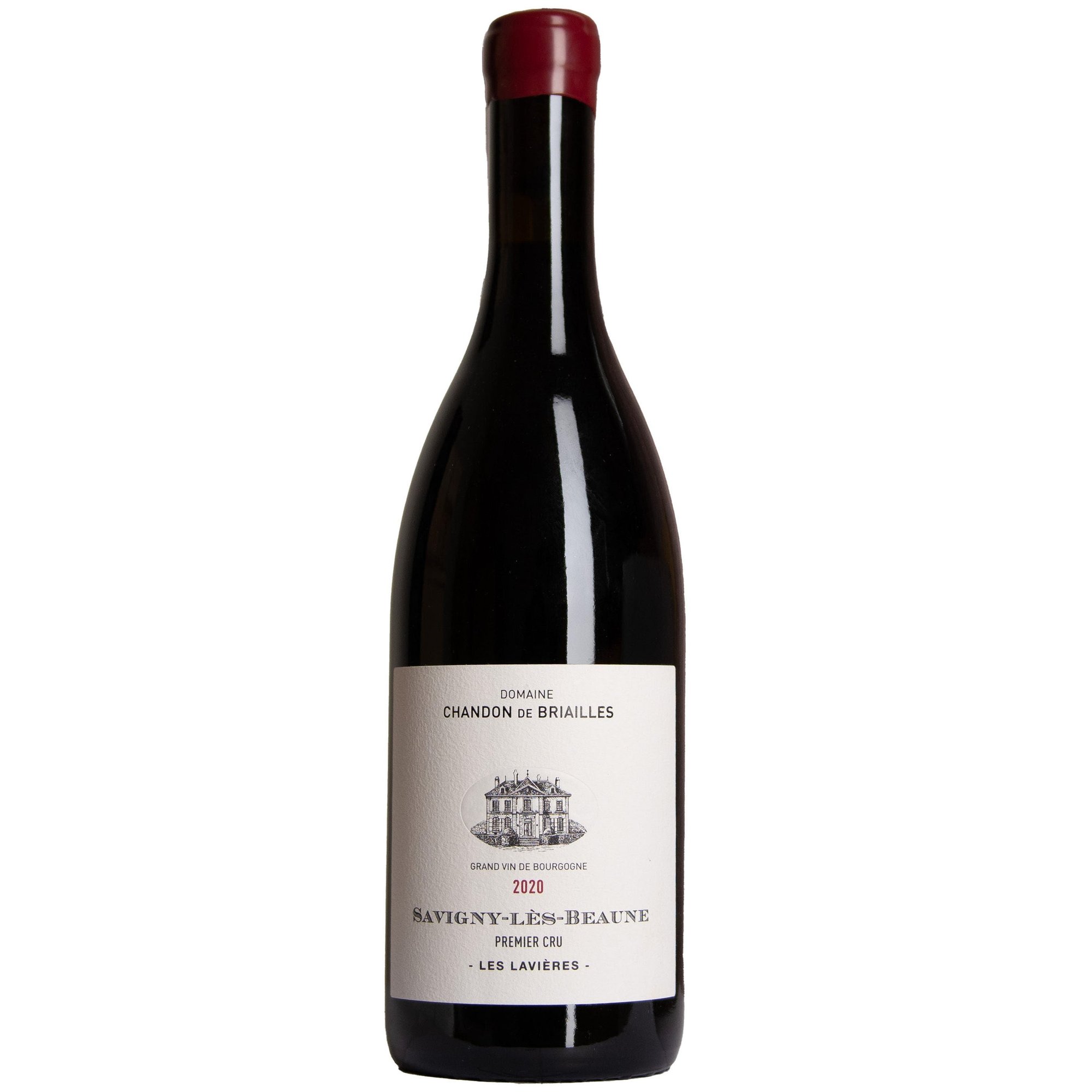
Domaine Chandon de Briailles
Savigny-lès-Beaune, France
A focused Savigny-lès-Beaune producer choice for Burgundy travelers who want a smaller, more wine-led stop than the large Beaune houses. Book it for a special-occasion itinerary if producer character matters; choose Maison Louis Jadot or Domaine des Hospices de Beaune instead when predictability, scale, or group logistics matter more.
Glaetzter Wines PTY LTD
Tanunda, Australia
Book around Glaetzter Wines PTY LTD only if the goal is serious Barossa reds rather than a conventional cellar-door visit. The draw is a compact Shiraz-led portfolio, family roots in the region, and a producer-first setup; casual tasters wanting easy hospitality should build the day around more visitor-facing Tanunda wineries.
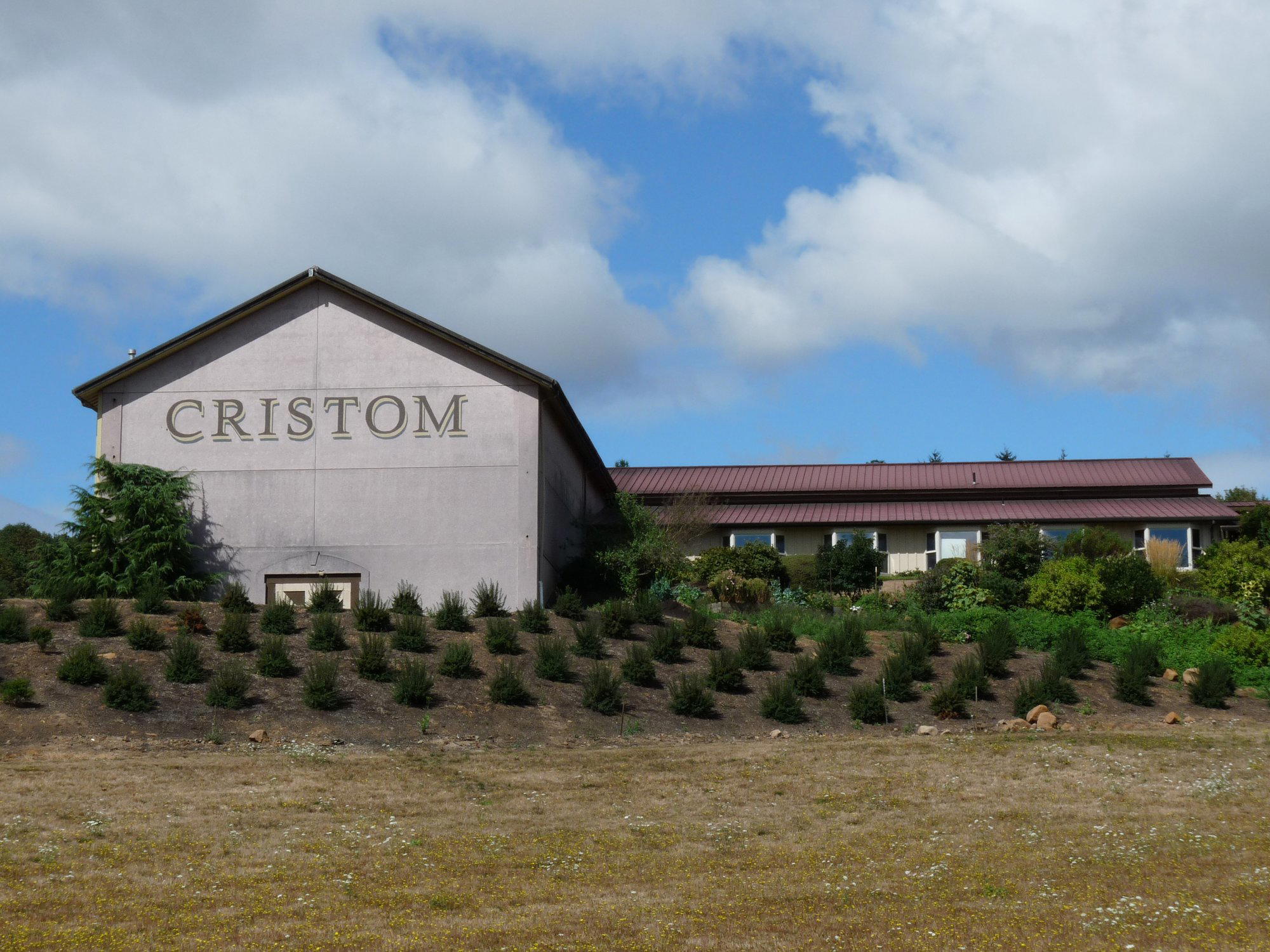
Cristom Vineyards
Salem, Germany
Cristom Vineyards is worth pursuing for a wine-led Salem itinerary, especially if the visit is meant to anchor the day rather than fill a gap. Booking difficulty is the main caution: plan early, keep the schedule flexible, and confirm format details before building the rest of the trip around it.
Chateau La Croix du Casse
Pomerol, France
Worth planning if the goal is a polished, Merlot-led Pomerol rather than a trophy-label visit. Chateau La Croix du Casse is strongest for drinkers who want elegant Right Bank texture, credible vintage interest, and bottles that make sense to open, not just collect.
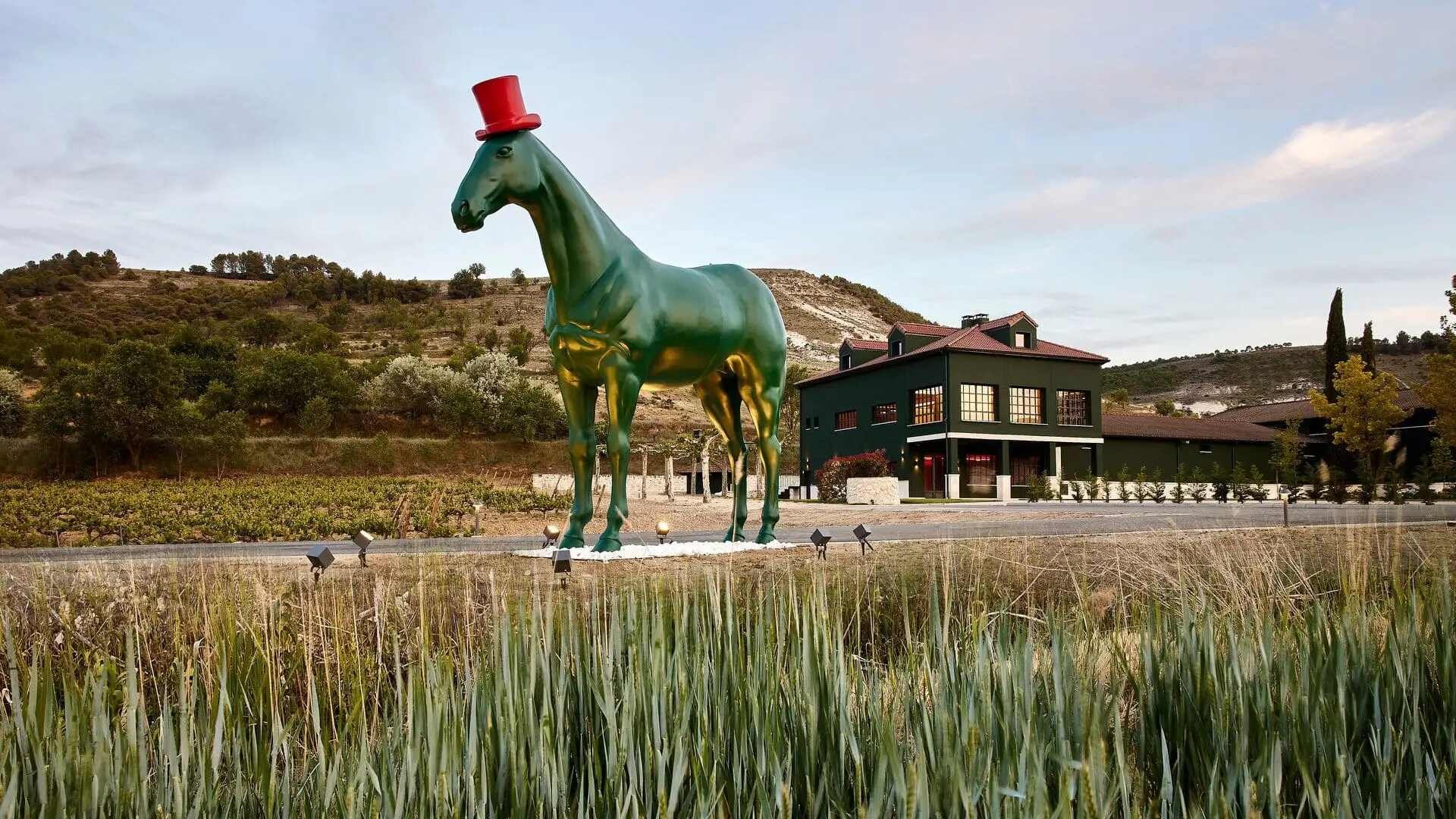
Bodegas Virtus
Aldeyuso, Spain
Bodegas Virtus is a strong Aldeyuso pick for a polished Ribera del Duero tasting with vineyard views, modern architecture, and a quieter boutique feel. It is especially worthwhile for couples or small groups who want Tempranillo plus Albillo Mayor context, sustainability details, and a scenic setting rather than a quick, high-volume tasting room. Falstaff Listed in 2026.
Corte Gardoni
Valeggio Sul Mincio, Italy
Corte Gardoni is a practical Valeggio Sul Mincio winery shortlist pick for a relaxed Veneto wine day, with Falstaff Listed recognition in 2026 as the main trust signal. It suits couples or small celebration itineraries better than a tightly packed tasting schedule, especially when paired with lunch or an overnight nearby.
Cantina Daniele Rossi
Torgiano, Italy
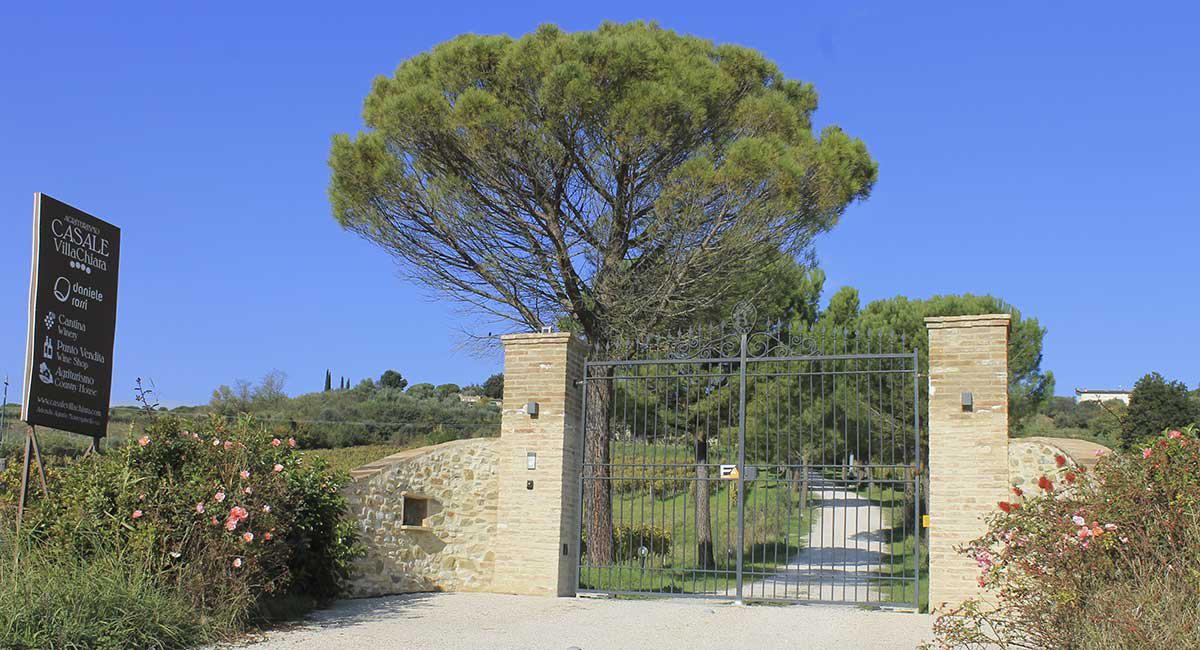
Book Cantina Daniele Rossi if you want a relaxed Umbrian winery visit with family hospitality, vineyard views and a focused tasting format rather than a formal estate tour. It is an appointment-only, casual stop in Torgiano with Falstaff Listed recognition for 2026 and a value-forward format that suits couples, small groups and first-time visitors to the area.
Château Lestage-Simon
Saint Seurin De Cadourne, France
Château Lestage-Simon is worth prioritising if you want a quieter Haut-Médoc visit with serious Left Bank context and a Merlot-led wine profile. It suits travelers building a Saint-Seurin-de-Cadourne wine route more than anyone chasing grand château spectacle.
Castello di Monsanto
Barberino Tavarnelle, Italy
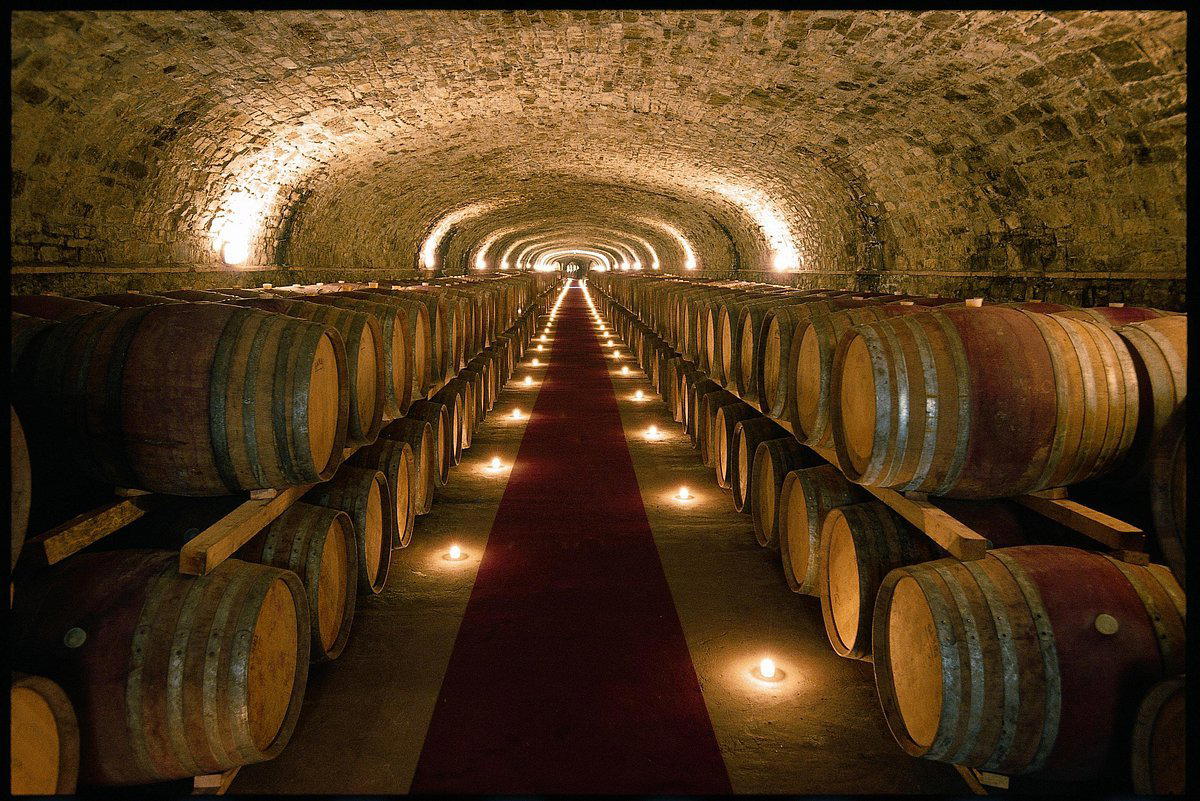
Castello di Monsanto is the Barberino Tavarnelle pick for wine travellers who care about the estate setting as much as the tasting. It is worth pursuing for a slower, context-led Chianti visit, but the booking difficulty makes it a poor spontaneous backup, especially for larger groups.
Domaine Pascal Dance
Bourg En Lavaux, Switzerland
Book Domaine Pascal Dance if you want a quiet Lavaux winery visit built around local varieties rather than a formal tasting-room production. It suits couples and small celebrations well, especially if Chasselas is the main reason for the trip. Skip it if you need food pairings, a structured tour, or a large-group setup.
Maison Chanson Père & Fils
Beaune, France
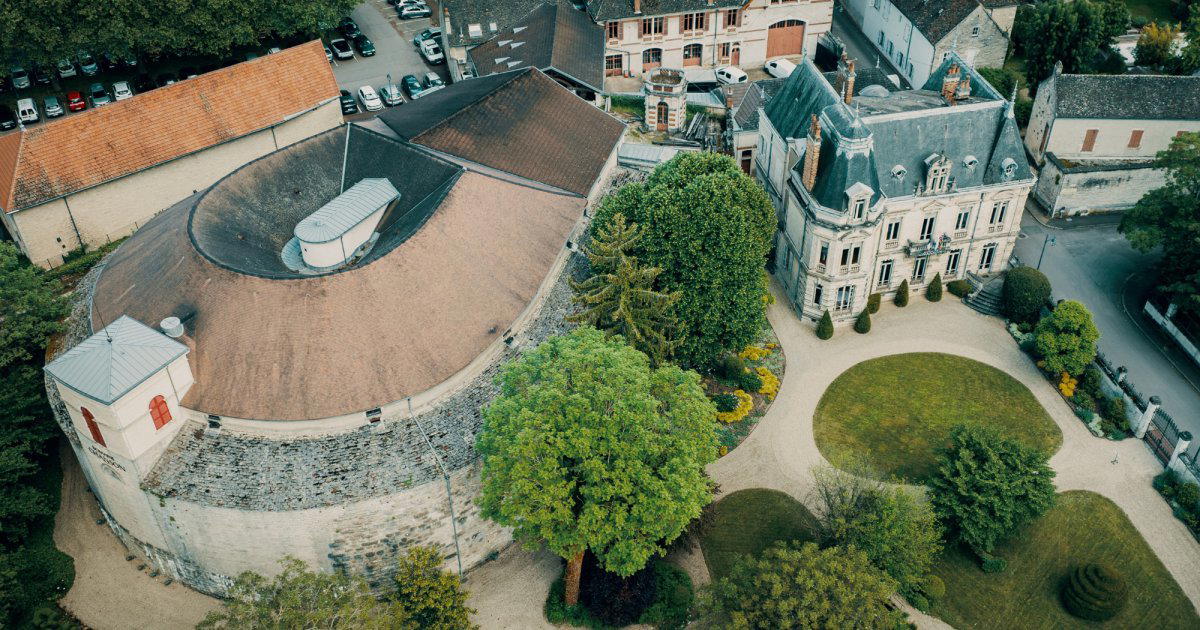
Book Maison Chanson Père & Fils if the goal is a serious Beaune wine stop with historic merchant-house context and a polished special-occasion feel. Access should be treated as difficult, so it works better as the anchor of a planned day than as a flexible add-on between meals and other tastings.
Château la Couronne
Montagne, France
A practical Montagne pick for travelers who want a wine-first Libournais stop with a Falstaff Listed 2026 signal. Book it for calm appellation context and easy planning, but do not treat it as a food-pairing or restaurant-led visit unless separate dining details are confirmed elsewhere.
Copain Wines
Healdsburg, United States
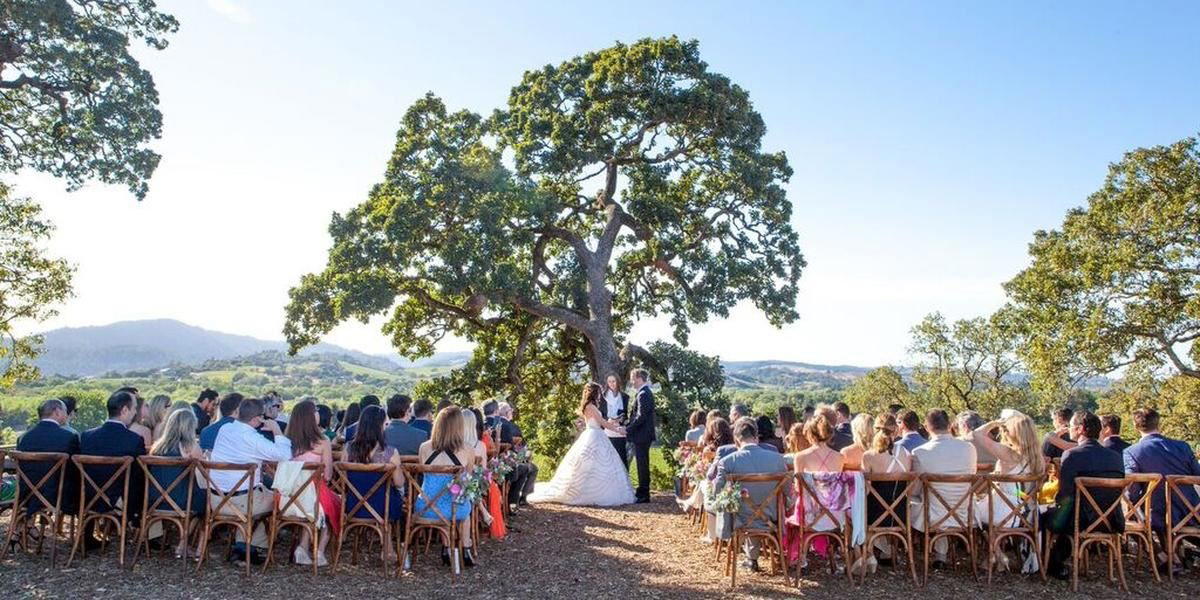
Copain Wines is worth booking for a calm Healdsburg tasting built around cool-climate Pinot Noir, Chardonnay, and Syrah. Go for patio weather, vineyard views, and a slower Russian River Valley context rather than a fast downtown-style tasting stop.
Bodegas Darien
Logroño, Spain
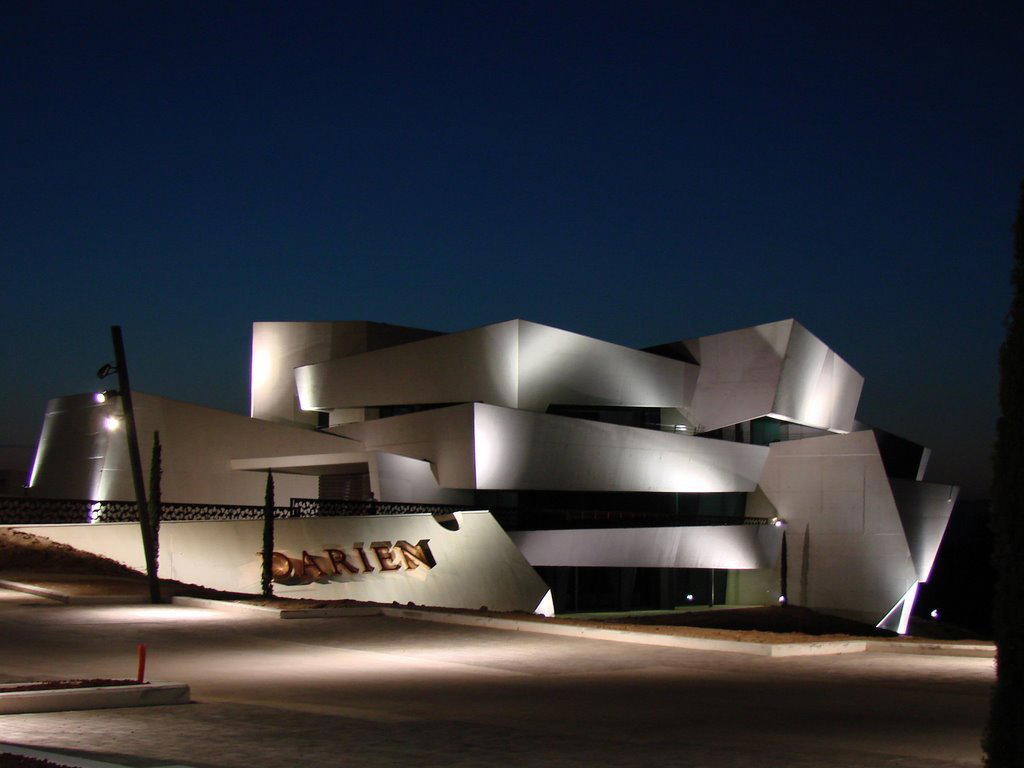
Book Bodegas Darien when the winery setting is part of the occasion. Its modern architectural estate, guided wine-tourism format, Tempranillo-led range, on-site restaurant, and 2026 Falstaff 1 Star make it better for planned celebrations than casual drop-ins.
Rust en Vrede Wine Estate
Stellenbosch, South Africa
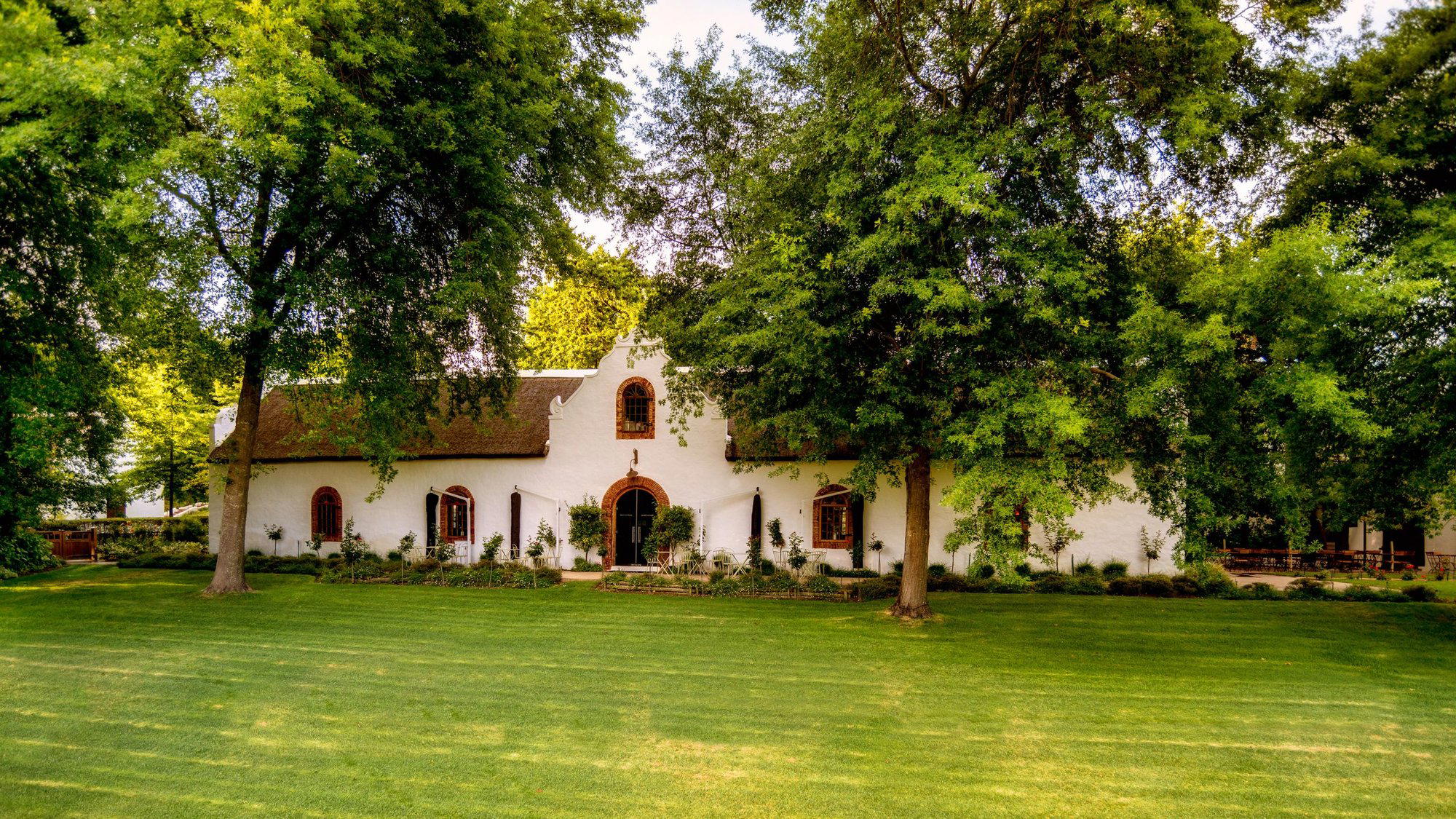
Rust en Vrede Wine Estate is worth prioritising if the Stellenbosch day is built around serious wine rather than a loose tasting crawl. It suits visitors considering a more focused or private-format experience; for easier group flexibility, cross-shop Blaauwklippen Wine Estate or Ernie Els Wines.
Cave Cidis
Tolochenaz, Switzerland
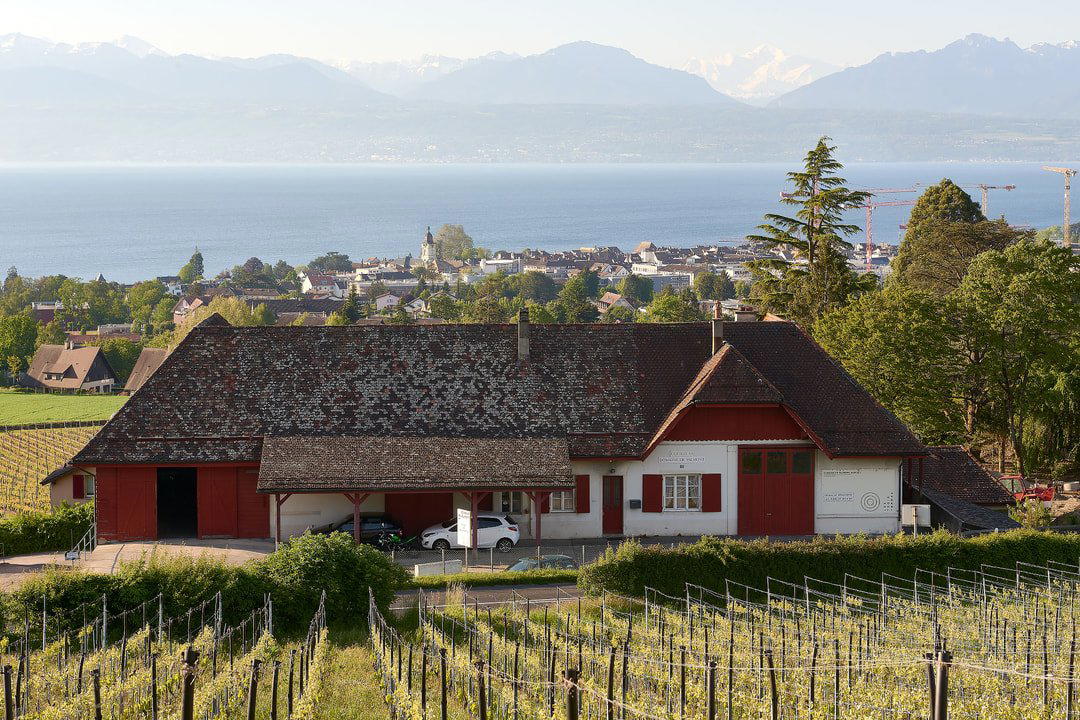
Cave Cidis works as a calm La Côte wine stop if the goal is practical Swiss-wine context rather than a full destination tasting. Falstaff recognition in 2026 gives it a credible quality signal, but absent published pricing or detailed visit logistics, treat it as one part of a wider Tolochenaz wine day.
Domaine Neumeyer
Molsheim, France
Worth planning if you want a quiet, explanation-led Alsace tasting rather than a flashy visitor experience. Domaine Neumeyer is strongest for wine travelers interested in Muschelkalk soils, Bruderthal, biodynamic farming, and family-scale production in Molsheim; less suited to groups looking for food pairings or a casual drop-in cellar stop.
Domaine Frôté
Neuenstadt, Switzerland
Domaine Frôté works for Swiss-wine travelers already spending time in Neuenstadt, especially those interested in smaller Canton Bern producers. Its 2026 Falstaff listing gives it a credible signal, but the smarter move is to taste before joining any club or allocation model.
Icardi
Castiglione Tinella, Italy
Book Icardi if you want a relaxed, good-value Piedmont tasting with breadth: Moscato, Barbera, Dolcetto, Nebbiolo, Barbaresco, and Barolo all sit within the same family-run estate story. The $$ positioning works well for travelers who want regional context, a historic tuff-rock tasting room, and credible recognition without a luxury-only setup.
Finca Montepedroso
Rueda, Spain
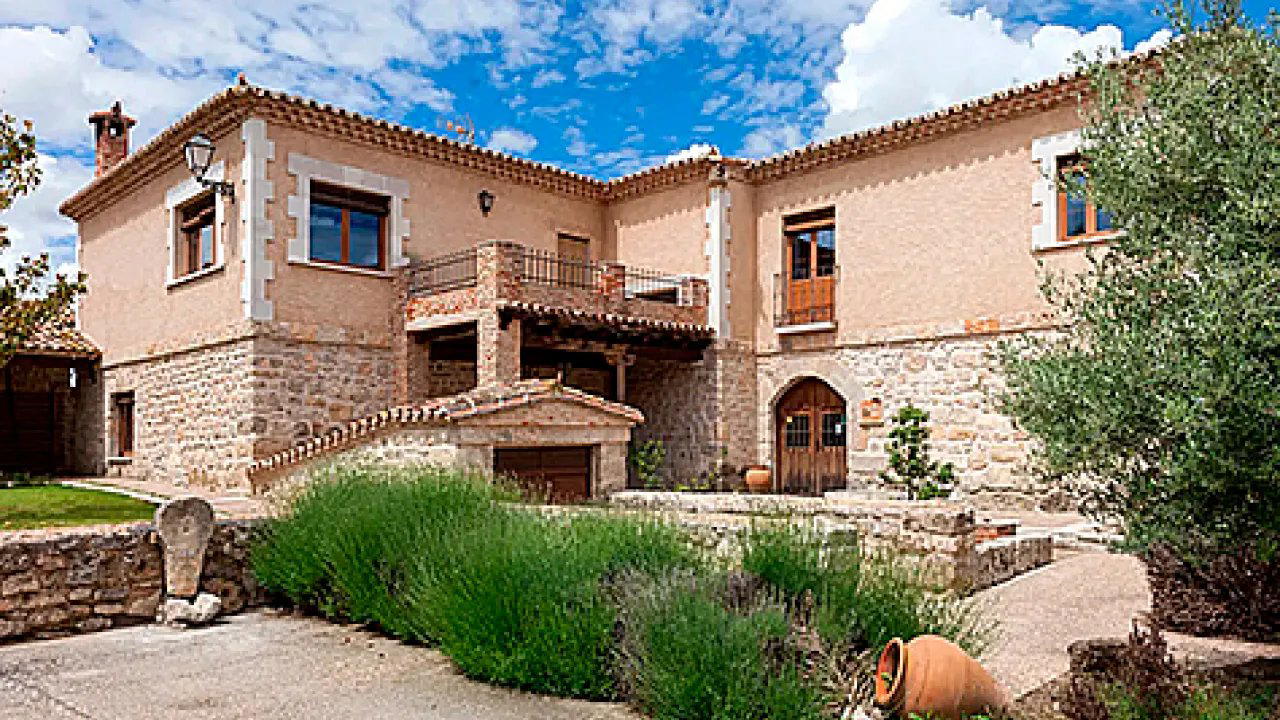
Finca Montepedroso is worth booking if you want a calm, focused Rueda winery visit built around estate-grown Verdejo rather than a broad tasting-room lineup. The draw is the production choices: high-plateau vineyards, night harvesting, lees work in stainless steel, and concrete ageing for the Enoteca bottling. Skip it if you need a food-led visit or a spontaneous walk-in plan.
Enderlin Weine
Maienfeld, Switzerland
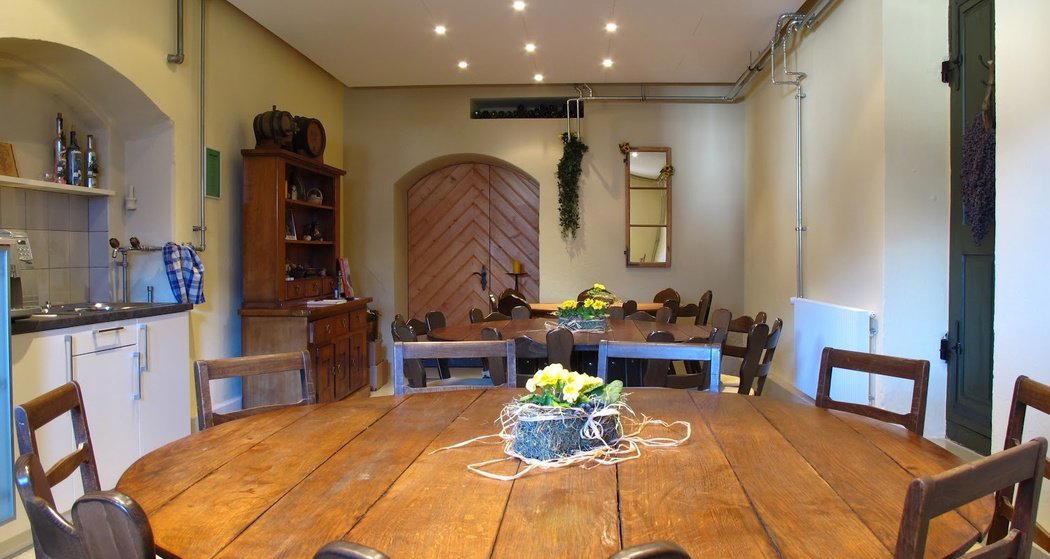
Enderlin Weine is worth booking for curious wine travellers who want a small Maienfeld producer rather than a polished visitor-centre experience. The draw is the range: Pinot Noir anchors the regional story, while Riesling-Sylvaner, Pinot-family whites, Gewürztraminer, Zweigelt and Cabernet Sauvignon make the tasting more exploratory.
Cupertinum
Copertino, Italy
A sensible Copertino pick for travelers who want a wine-focused stop with 2026 Falstaff recognition, not a restaurant meal. Treat it as a tasting or bottle-discovery visit, and ask about any upgraded or private format if context matters. Easy booking makes it useful for a flexible Salento itinerary.
Domaine Amiot Guy et Fils
Chassagne-Montrachet, France
A focused Chassagne-Montrachet winery pick for travelers planning a wine-first Côte de Beaune day. Book it as a concise appointment within a broader village itinerary, especially for couples or small special-occasion groups that care more about Burgundy context than built-in dining or hospitality extras.
Bodegas y Viñedos Pintia
San Roman De Hornija, Spain
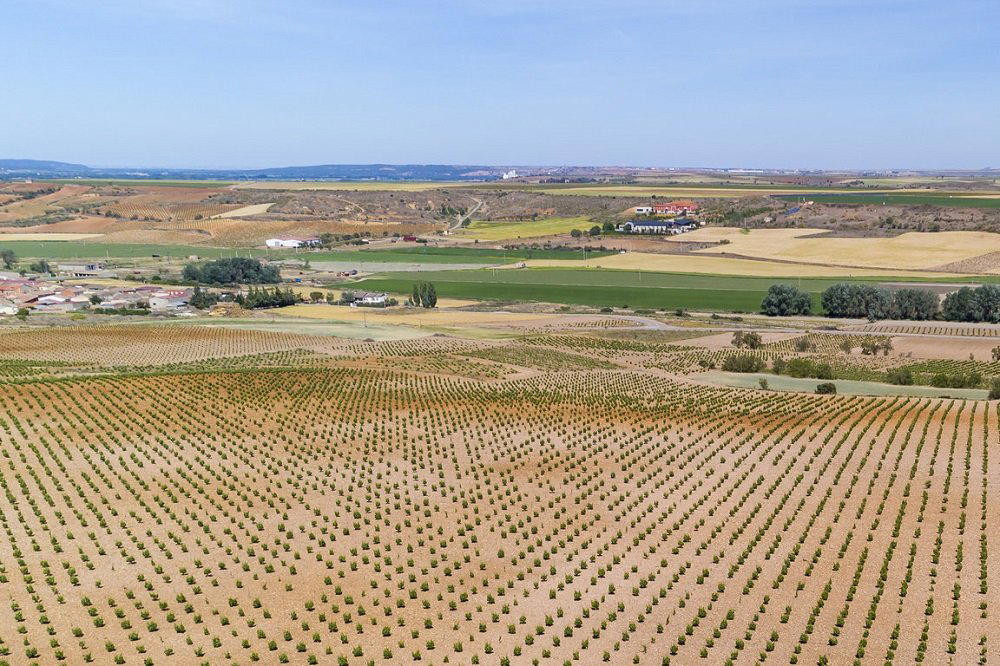
Plan around Bodegas y Viñedos Pintia only if the goal is serious Toro context, not an easy tasting-room stop. The draw is 100% Tinta de Toro from an Álvarez family project with strong critic recognition and a production-led, estate-focused style; casual wine tourists should use San Román de Hornija as the broader base instead.
Domaine Sérafin Père & Fils
Gevrey-Chambertin, France
Book Domaine Sérafin Père & Fils if the goal is serious Gevrey-Chambertin Pinot Noir rather than a polished winery-tour setup. The draw is the cellar-driven style: old vines, estate fruit, native yeasts, unfined and unfiltered bottlings, and 100% new oak on key cuvées. Better for collectors and repeat Burgundy visitors than casual groups.
Dehesa de los Canónigos
Pesquera de Duero, Spain
Dehesa de los Canónigos is a better fit for a planned Ribera del Duero wine day than a spontaneous stop. Its Falstaff 2 Stars recognition in 2026 gives it a clear quality signal, but visitors should treat logistics as appointment-led and build buffer time around Pesquera de Duero.
Bodegas y Viñedos Barona
Burgos, Spain
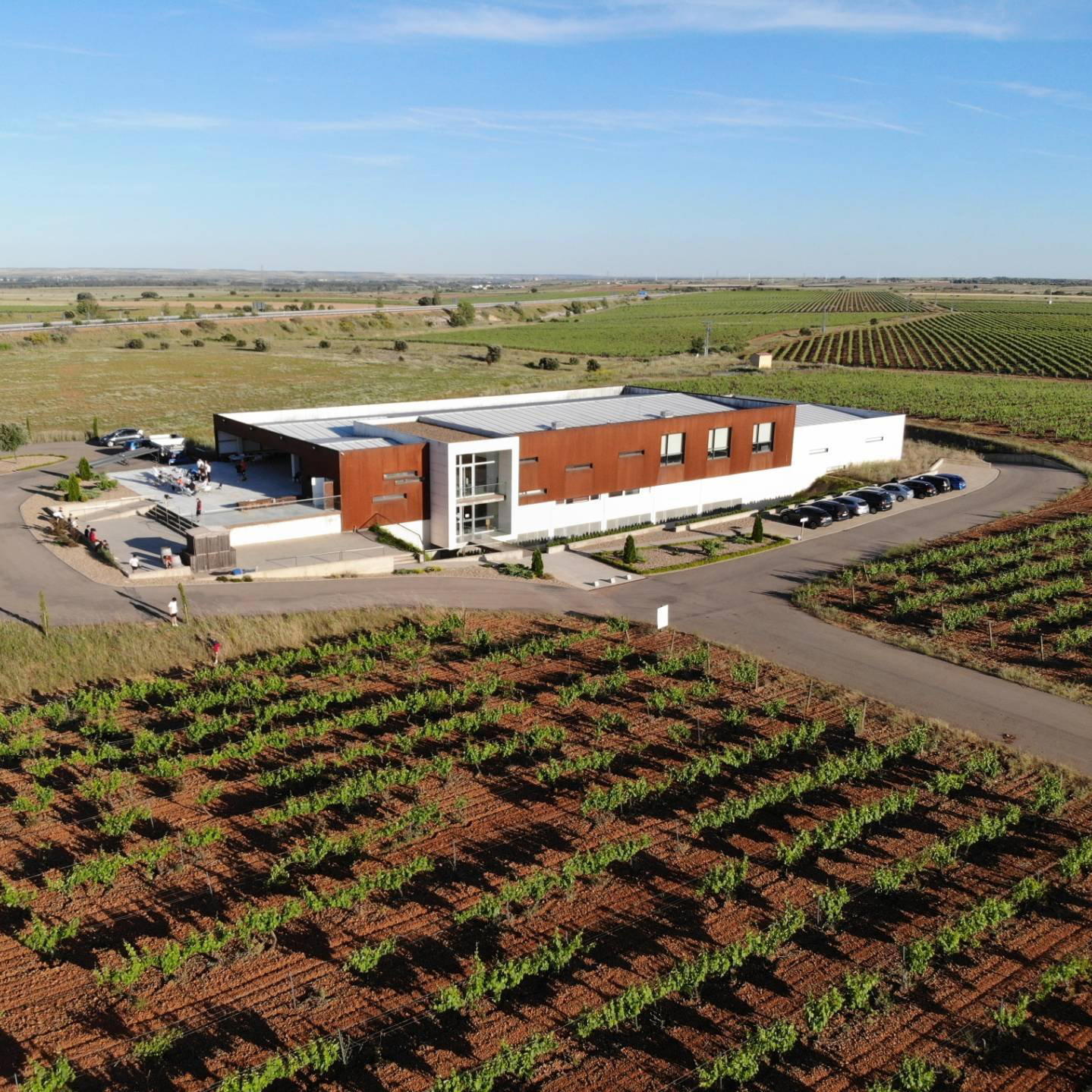
Shortlist Bodegas y Viñedos Barona if the goal is a wine-focused Burgos stop with value in mind, not a fully packaged food-and-wine outing. Falstaff Listed in 2026 gives it a credible recognition signal, but planning should stay flexible because public visitor details are sparse.
Weingut Alzinger
Dürnstein, Austria
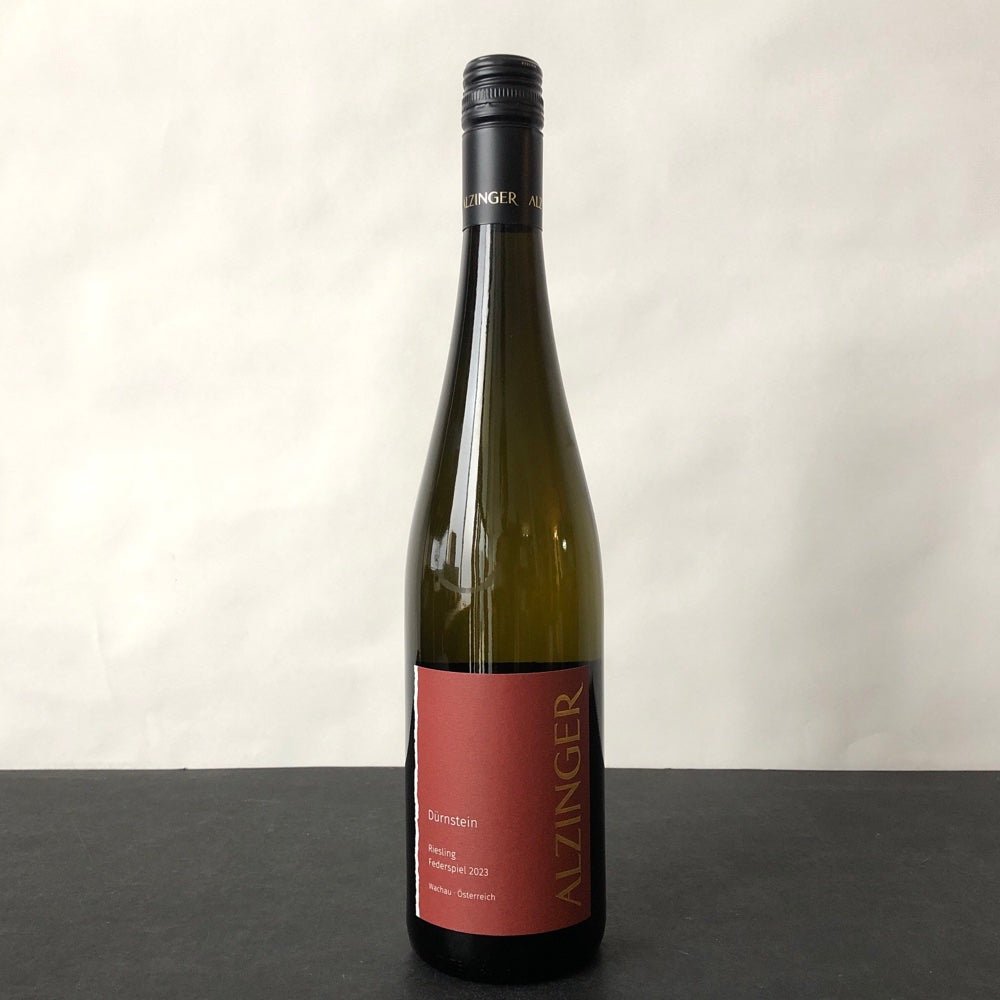
Prioritise Weingut Alzinger if the goal is a serious Wachau producer visit in Dürnstein, not a casual tasting-room crawl. The smart plan is wine first, food separately: confirm any pairing format before building the day around it, and cross-shop Domäne Wachau, Weingut Emmerich Knoll, and Weingut F. X. Pichler if availability is tight.
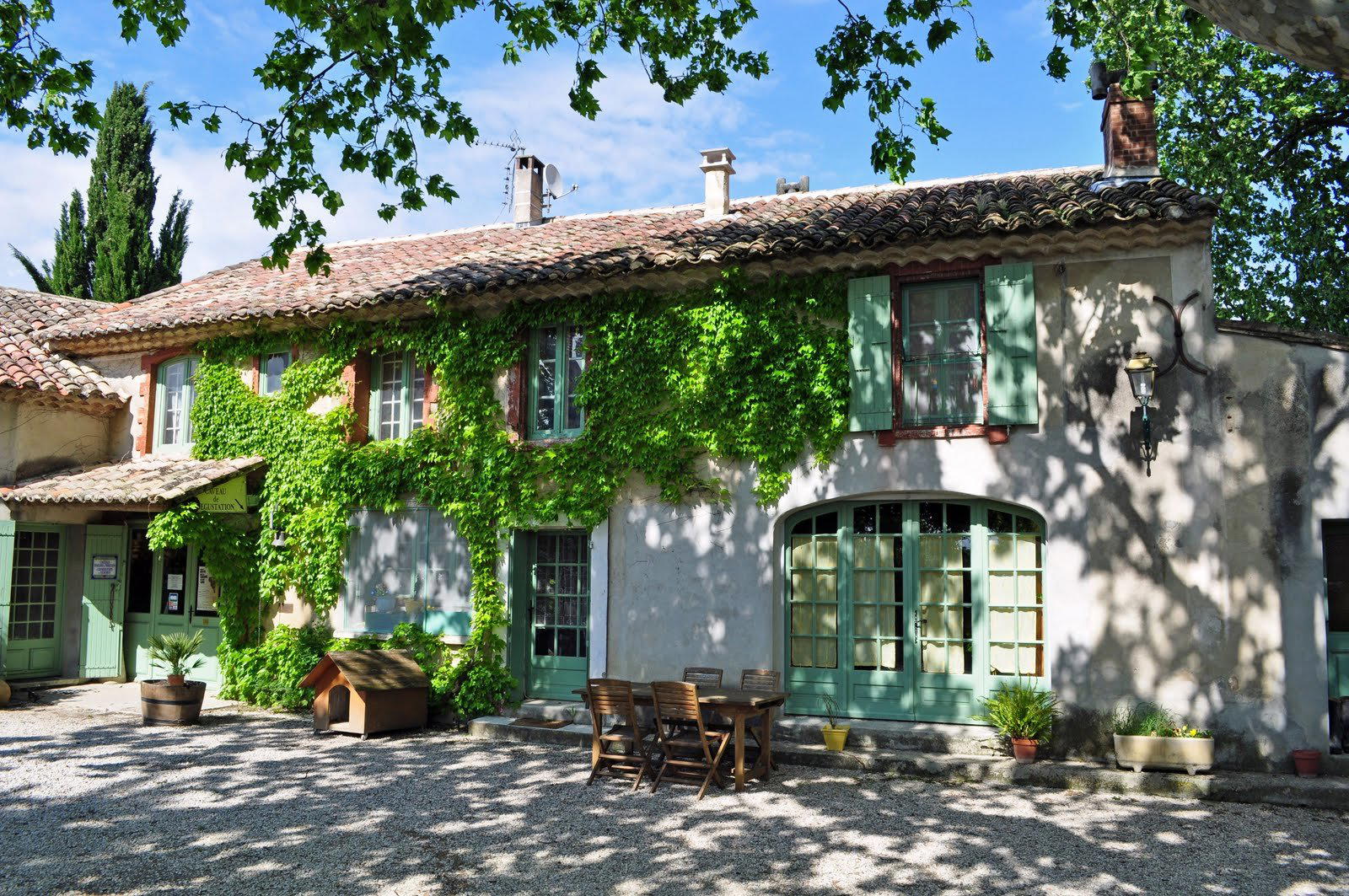
Famille Quiot
Châteauneuf-du-Pape, France
Famille Quiot works as an easy Châteauneuf-du-Pape add-on, especially for visitors who have already made one pass through the appellation and want more regional context. Falstaff listing for 2026 gives it a useful recognition signal, but plan it as part of a broader village itinerary rather than as the anchor of the day.
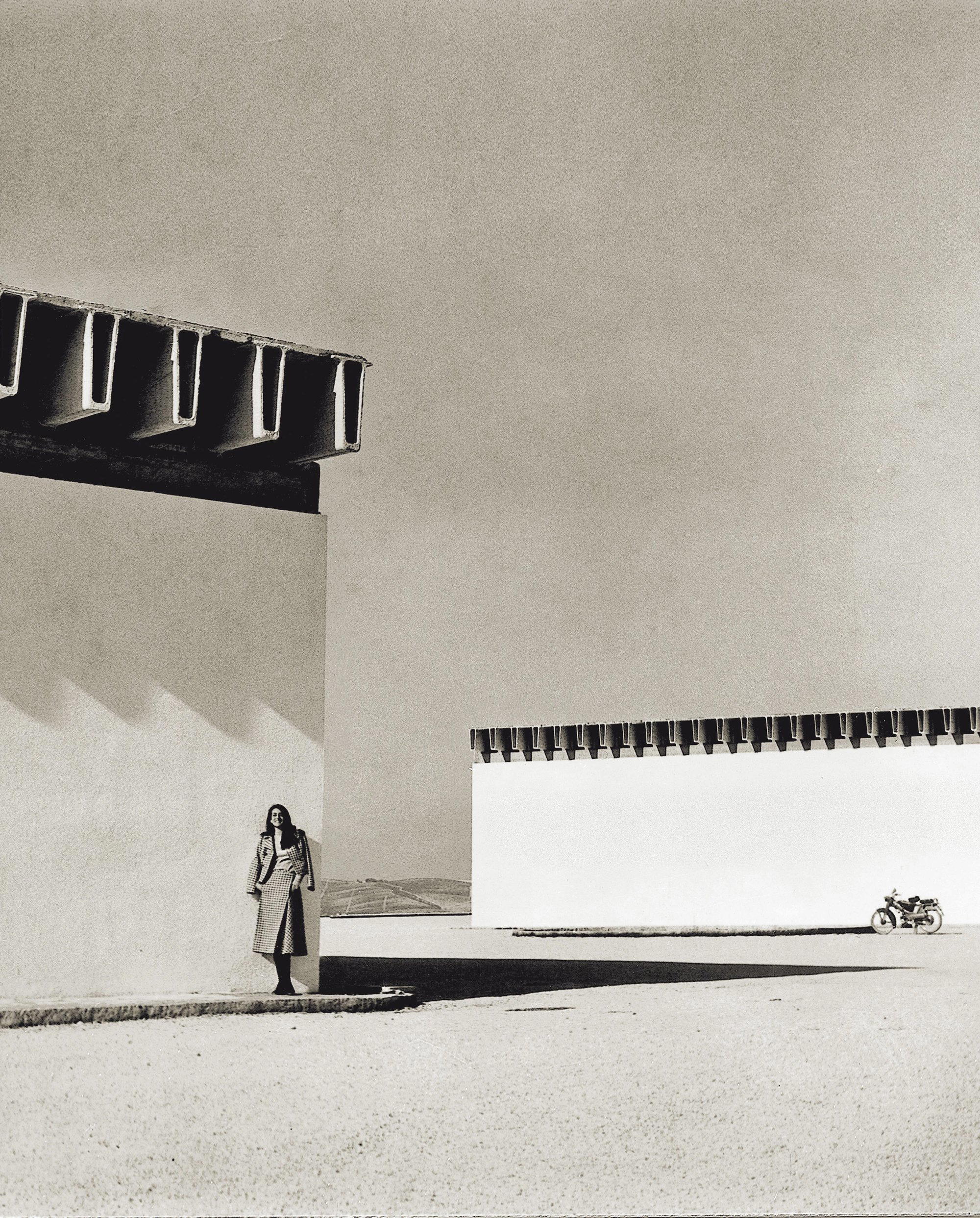
Bodegas Garvey
Jerez de la Frontera, Spain
A practical shortlist pick for return visitors to Jerez who want another bodega stop rooted in the city’s sherry tradition. Bodegas Garvey is a better fit for planned wine-focused itineraries than casual walk-in sightseeing; confirm the visit format before building a celebration, date, or business day around it.
How many of these have you visited?
Find out on Pearl and keep score across every place in 2026 Falstaff Winery Guide.