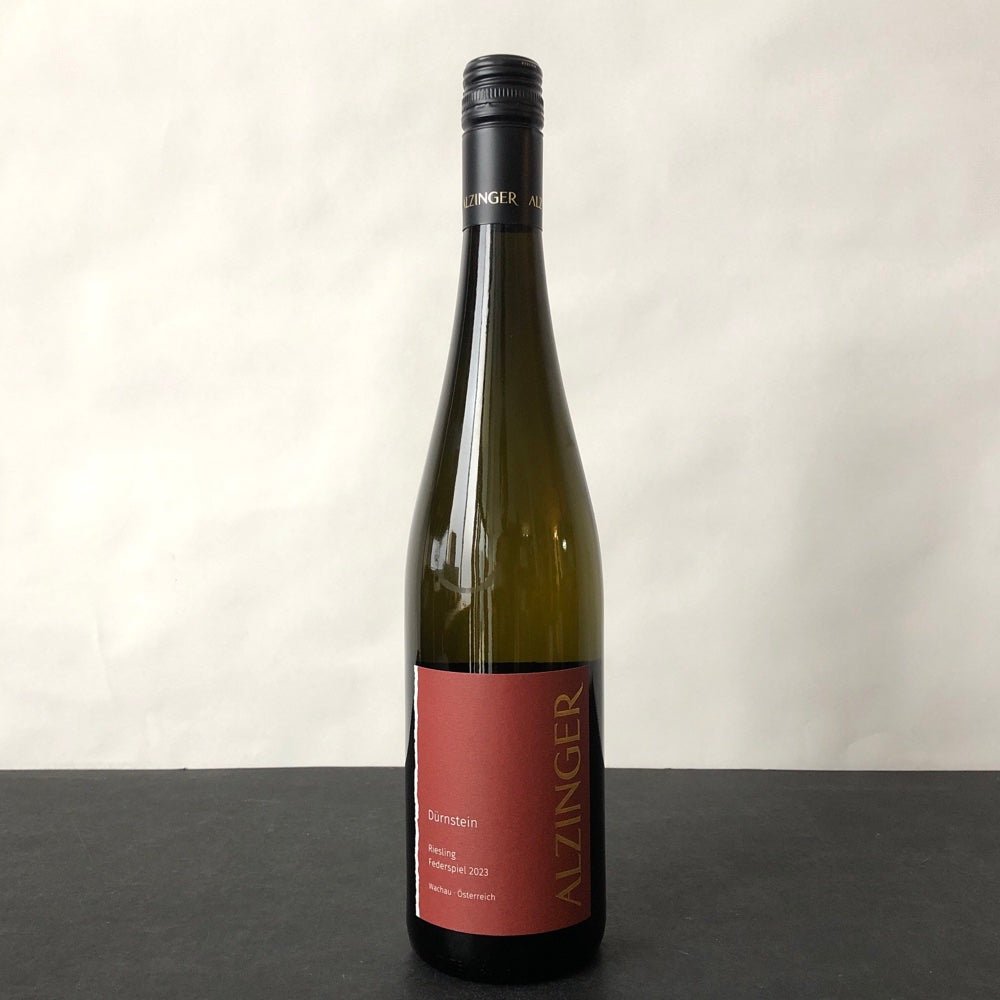

Weingut Alzinger
Dürnstein
Winery in Dürnstein, Austria
 Book with Pearl
The Read
Vineyard-Driven Wachau Precision
Why go
Prioritise Weingut Alzinger if the goal is a serious Wachau producer visit in Dürnstein, not a casual tasting-room crawl. The smart plan is wine first, food separately: confirm any pairing format before building the day around it, and cross-shop Domäne Wachau, Weingut Emmerich Knoll, and Weingut F. X. Pichler if availability is tight.
About Weingut Alzinger
Weingut Alzinger is a Dürnstein venue with Pearl 2 Star Prestige recognition for 2025. Plan ahead rather than assuming specific tasting formats, food service, bottle lists, prices, hours, or appointment rules. The dress code is smart casual.
For a Dürnstein itinerary, treat Weingut Alzinger as a named stop to research directly before visiting. Use Our full Dürnstein restaurants guide if you want to plan dining separately around the same day.
Choose this for a focused Dürnstein plan
The safest way to approach Weingut Alzinger is to confirm current visit details directly with the venue before building an itinerary around it. Plan around its Dürnstein location, smart casual dress code, and Pearl 2 Star Prestige recognition in 2025; check tasting format, menu, pairing program, pricing, hours, and service style directly.
If you are comparing notable names, consider Domäne Wachau, Weingut Emmerich Knoll, Weingut F. X. Pichler, Weingut Hutter Distillery, and Weingut Salomon Undhof as separate options to research alongside Weingut Alzinger. Confirm each venue's current arrangements directly rather than assuming the same format across them.
Food planning should happen separately unless confirmed
Do not assume a full food program, pairing menu, lunch service, dinner service, or takeaway option. If food is important to the day, plan it separately and confirm any venue-specific offering directly with Weingut Alzinger before relying on it.
For a careful Dürnstein plan, keep the itinerary flexible: check current details with the venue, dress smart casual, and leave enough time for any separate dining or other local plans. Pearl 2 Star Prestige recognition for 2025 makes Weingut Alzinger a venue worth noting, but the practical details should be checked before arrival.
Planning details
- Location
- Unterloiben 11, 3601 Dürnstein
- Website
- alzinger.at
- Phone
- +43 2732 77900
The take
The Take
The Vibe
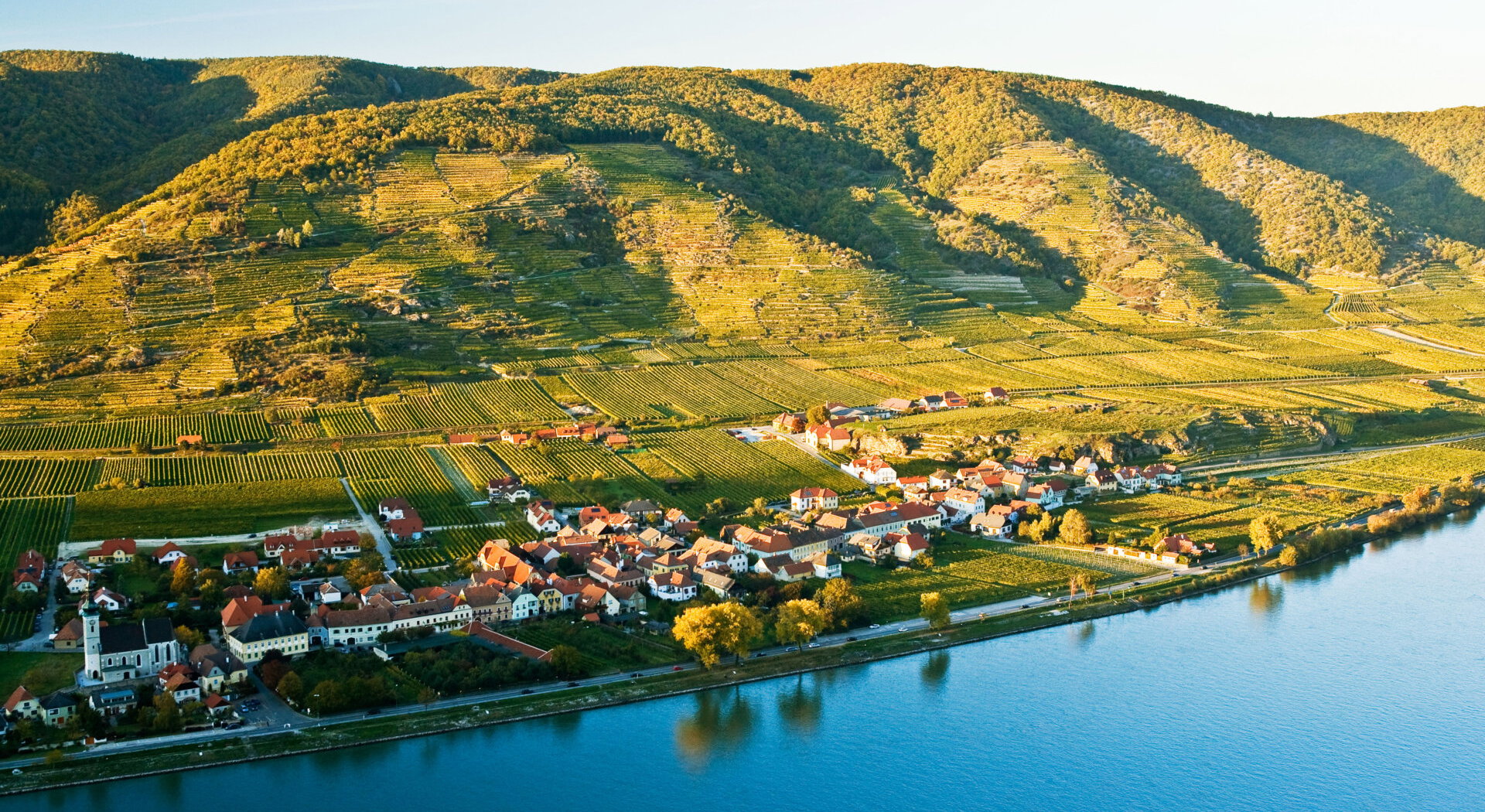
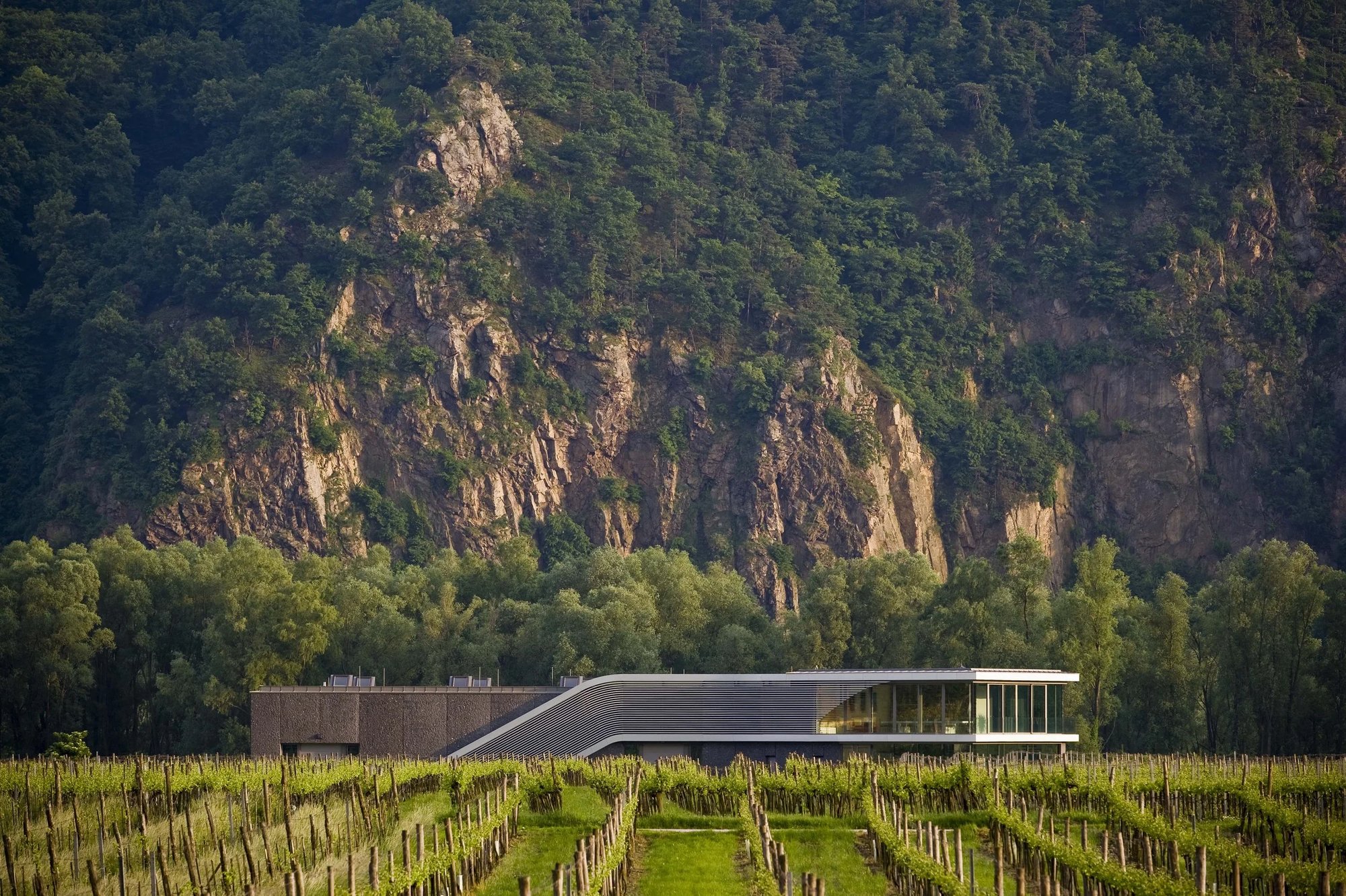
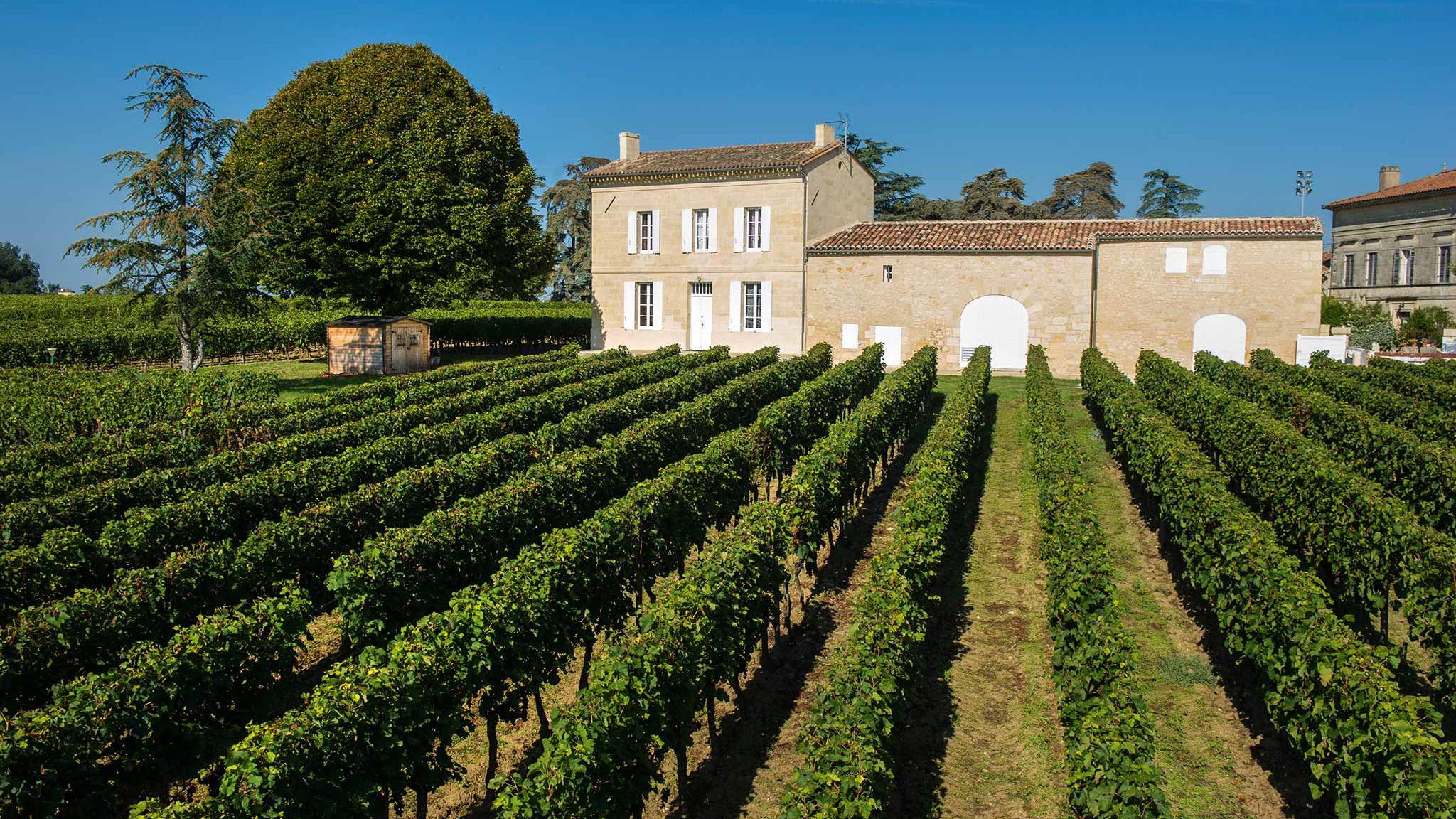
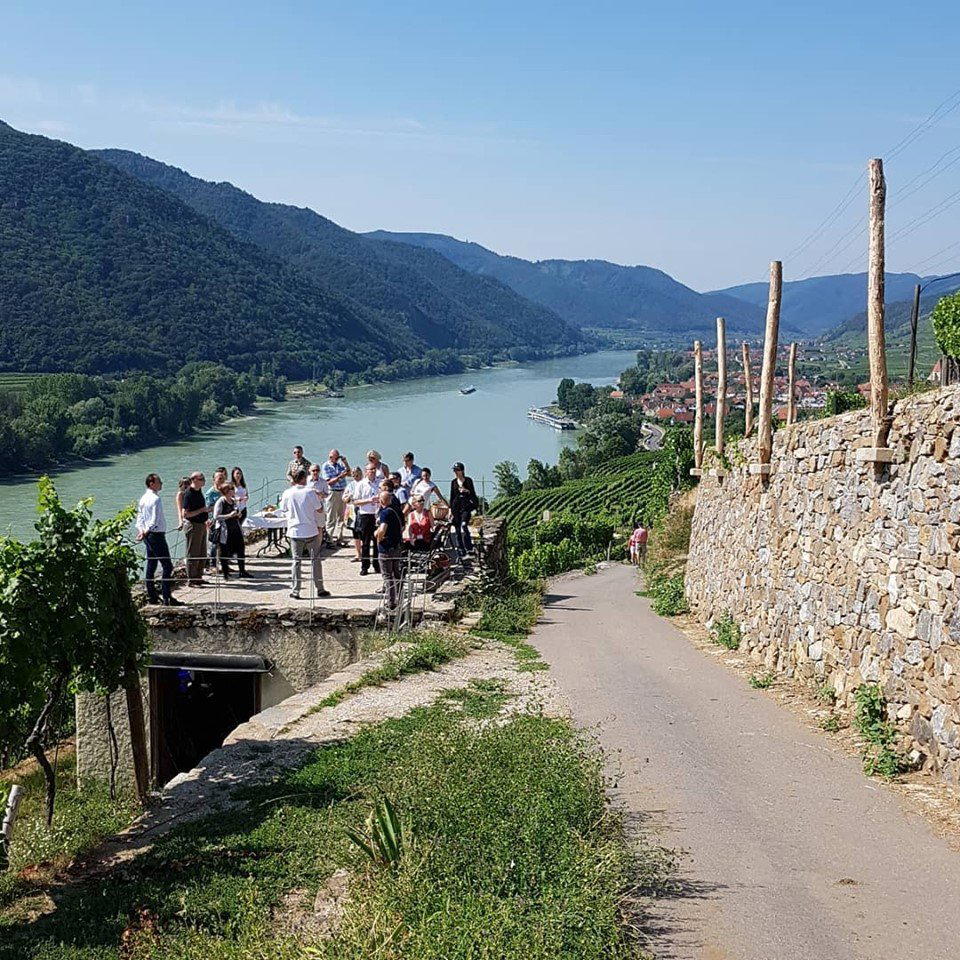
Weingut Alzinger reads like a study in geological precision and measured restraint. Set in Unterloiben at the eastern edge of the Wachau gorge, the estate’s identity is rooted in steep, narrow-terraced parcels and a climate that preserves aromatic clarity. The writing emphasizes mineral intensity and classification-driven transparency, and a Pearl 2 Star Prestige recognition underlines the producer’s standing among serious Wachau houses. The overall impression is of a refined, terroir-forward estate that prioritizes clarity, structure and vineyard expression over stylistic flourish.
Best For
Alzinger is best suited to visitors who come for wine-focused discovery: students of terroir, collectors and travelers seeking clear examples of Wachau Grüner Veltliner and Riesling. The text frames the estate within the region’s technical classification system and peer group, which makes it a natural stop for wine education and solo exploration. Given the estate’s critical recognition and focus on high-register parcels, it also suits special-occasion tastings for guests who value precision and provenance.
Tasting Tips
When tasting Alzinger, prioritize Grüner Veltliner and Riesling and pay attention to the Vinea Wachau classifications—Steinfeder, Federspiel and Smaragd—since the write-up highlights how those labels communicate altitude, ripeness and style. Ask about the specific terraced parcels and look for Smaragd-level wines from the steep sites; the estate’s Pearl 2 Star Prestige status signals bottles that routinely attract critical attention. Focus questions on mineral expression and night-time cooling effects to understand how site and microclimate shape each wine.
Venue details
Ambiance
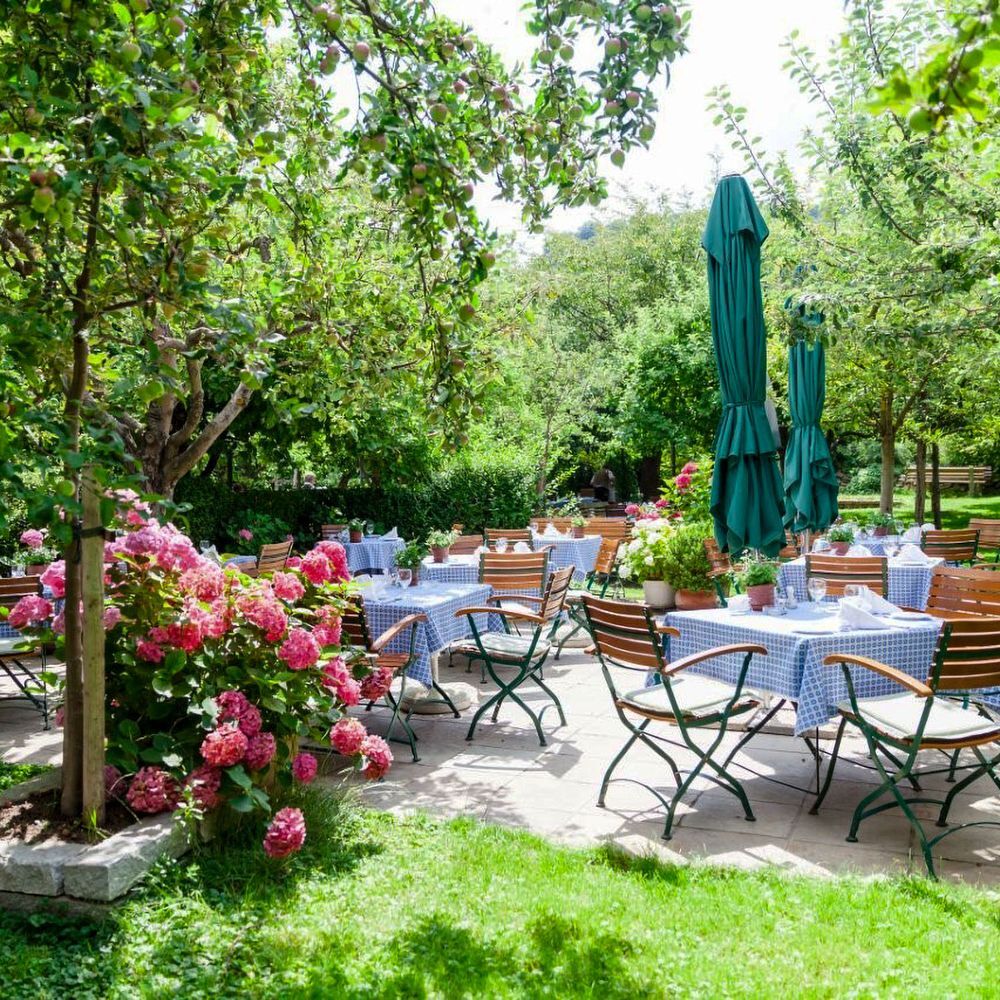
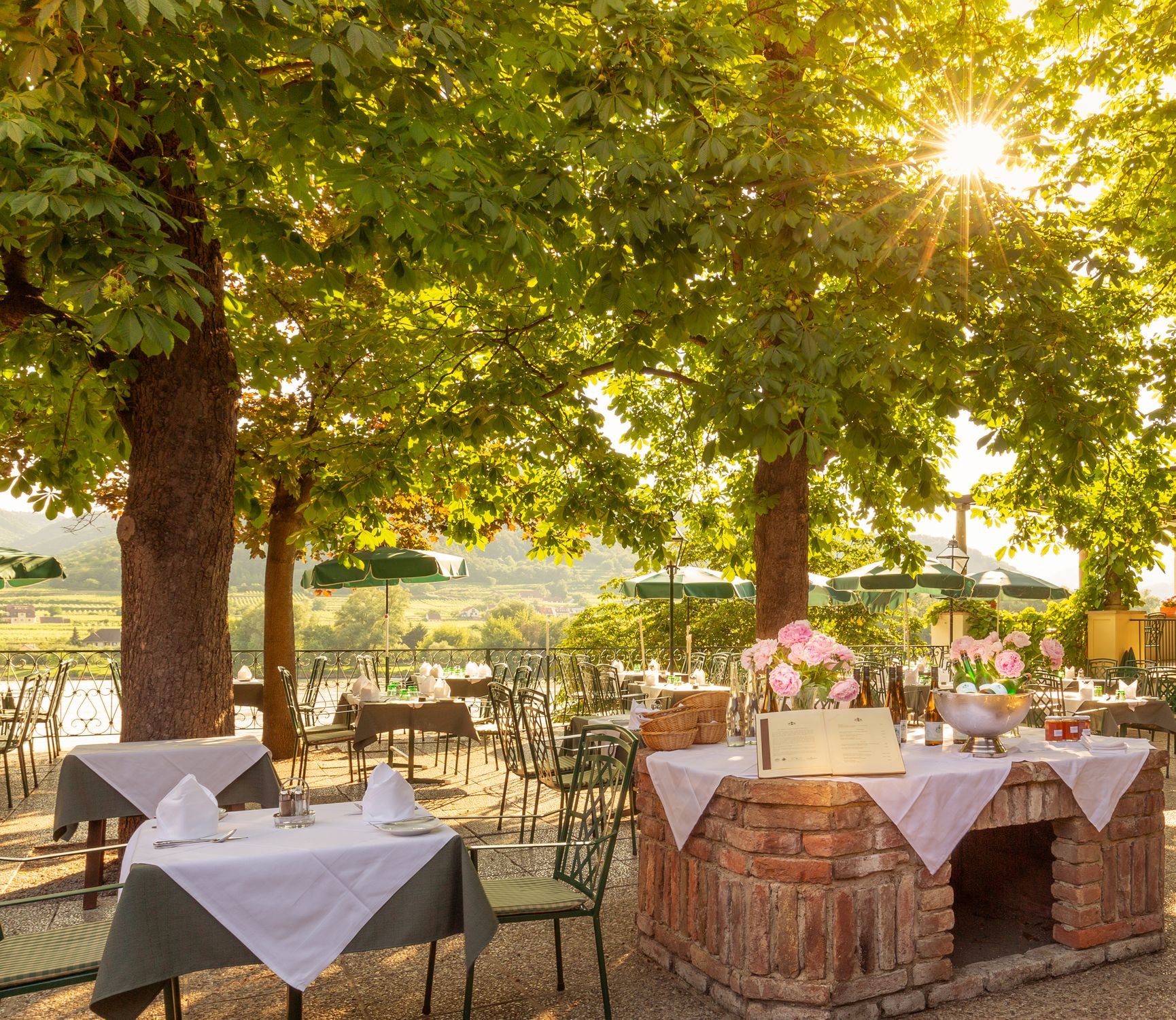
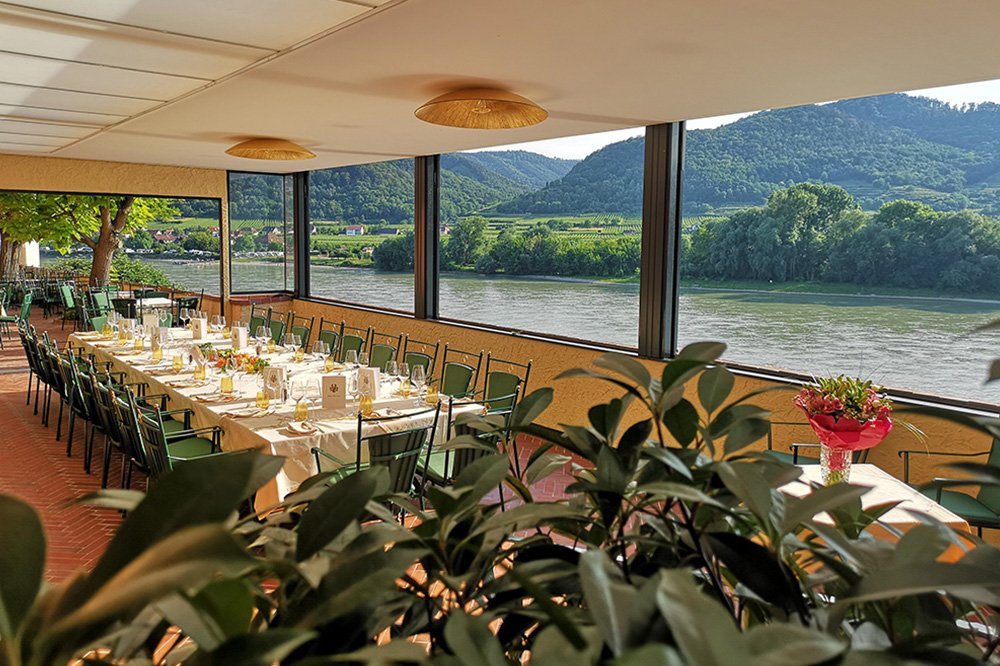
Refined and understated atmosphere reflecting the weightless intensity and clarity of its wines, with emphasis on minerality and site expression.
Tags
Vibe
Best For
Experience
Sourcing
View
At the Vineyard
- Appellation
- Wachau DAC
- Varietals
- Grüner Veltliner, Riesling
- Visits
- By appointment only
- Production
- Small producer
- Wine Styles
- Still White
- Wine Club
- Not available
Know before you go
Know Before You Go
- Getting there
- Unterloiben 11, 3601 Dürnstein
Planning details
Location
Recognition and awards

Also consider
Also Consider
- Weingut Emmerich Knoll, Notable alternative
- Weingut F. X. Pichler, Notable alternative
- Domäne Wachau, Notable alternative
- Weingut Hutter Distillery, Notable alternative
- Weingut Salomon Undhof, Notable alternative
Winery context
How It Compares
Against Weingut Emmerich Knoll and Weingut F. X. Pichler, this is the choice for travellers who want a focused Wachau producer visit without turning the day into a trophy hunt. Knoll and F. X. Pichler make more sense for visitors building a high-intensity producer itinerary; Alzinger is the better fit when the day needs to stay concentrated around Dürnstein and wine remains the main event.
Domäne Wachau is the safer fallback for groups that want a broader regional overview or an easier shared plan. If the group includes less wine-focused travellers, start there. If everyone is coming for producer depth, keep Alzinger higher on the list and use Domäne Wachau as the more accessible counterpoint.
Weingut Hutter Distillery and Weingut Salomon Undhof are better cross-shops only if the itinerary can stretch beyond the immediate Dürnstein core. For a compact Wachau day, prioritise Alzinger, Knoll, F. X. Pichler, and Domäne Wachau before adding out-of-metro stops.
Explore Dürnstein
Around this place
Discover more on Pearl
Unlock the full Weingut Alzinger guide in Pearl, including awards, comparisons, FAQs, planning details, and nearby places.
Compare Weingut Alzinger
| Venue | Location | Awards |
|---|---|---|
| Weingut Alzinger | Dürnstein | 2026 Falstaff Winery Guide |
| Weingut Emmerich Knoll | Dürnstein | 2026 Falstaff Winery Guide |
| Weingut F. X. Pichler | Dürnstein | 2026 Falstaff Winery Guide |
| Domäne Wachau | Dürnstein | 2026 Falstaff Winery Guide2025 World's 50 Best Vineyards · #682024 World's 50 Best Vineyards · #332023 World's 50 Best Vineyards · #142022 World's 50 Best Vineyards · #202021 World's 50 Best Vineyards · #222020 World's 50 Best Vineyards · #32019 World's 50 Best Vineyards · #19 |
| Weingut Hutter Distillery | Mautern an der Donau | No published awards |
| Weingut Salomon Undhof | Stein an der Donau | 2026 Falstaff Winery Guide |

How Weingut Alzinger Dürnstein compares with similar nearby venues.
FAQ
Frequently Asked Questions
What is the flagship wine at Weingut Alzinger?
How long should I plan for a visit to Weingut Alzinger?
Do I need a reservation at Weingut Alzinger?
Contact Weingut Alzinger directly before visiting Dürnstein so you can confirm the current process.
Is there a dress code at Weingut Alzinger?
Yes. The dress code for Weingut Alzinger is smart casual.
What recognition does Weingut Alzinger have?
Weingut Alzinger has Pearl 2 Star Prestige recognition for 2025.