
Weingut Emmerich Knoll
Unterloiben, Dürnstein
Winery in Dürnstein, Austria
 Book with Pearl
The Read
Wachau Terroir Precision
Why go
A serious Dürnstein winery to prioritize when the trip is built around Wachau wine rather than casual tasting. Plan around the wines, not food service, and cross-shop it with Weingut Alzinger, Weingut F. X. Pichler, and Domäne Wachau depending on access and how structured you want the day to feel.
About Weingut Emmerich Knoll
Weingut Emmerich Knoll is a Dürnstein venue with Pearl 3 Star Prestige (2025) recognition. That accolade is the central reason the venue belongs on the radar for travelers comparing notable names in and around Dürnstein. The dress code is smart casual. If you are considering a visit, plan with care and confirm any visit-specific details directly with the venue before building the rest of your day around it.
The safest way to evaluate it is to avoid assumptions about menus, service formats, prices, hours, or tasting arrangements. Those details can shape an itinerary significantly, so treat them as questions to settle directly with the venue. Consider Weingut Emmerich Knoll a notable Dürnstein name on the strength of its recognition, then use direct venue communication for anything operational. If you are comparing other options, Domäne Wachau, Weingut Alzinger, Weingut F. X. Pichler, Weingut Hutter Distillery, and Weingut Salomon Undhof are relevant names to consider without assuming they offer the same experience, the same visitor access, or the same practical setup.
Plan practical details directly with the venue
The hospitality angle calls for caution: do not assume a restaurant format, cuisine, menu, or tasting-menu detail without direct guidance from the venue. Travelers should be especially careful about how they interpret the listing. It should not be read as evidence of a full dining program, a casual drop-in tasting, a structured cellar visit, or any other specific form of hospitality unless the venue confirms that directly. Travelers should not treat it as confirmation of a meal, lunch service, dinner service, or any specific hospitality format. For planning around the day, use Our full Dürnstein restaurants guide and confirm the venue-specific details separately.
Pearl 3 Star Prestige (2025) recognition is the core reason to keep Weingut Emmerich Knoll on a Dürnstein shortlist, especially for visitors who use distinctions as a way to narrow a broader field of possibilities. The important distinction is between recognition and logistics: one gives the venue its place on the shortlist, while the other still needs direct confirmation. If your itinerary involves comparing notable names, it can be considered alongside Weingut Alzinger, Weingut F. X. Pichler, Domäne Wachau, Weingut Hutter Distillery, and Weingut Salomon Undhof, while avoiding assumptions about identical access, hours, pricing, or visitor format.
Who should make the effort
Consider Weingut Emmerich Knoll if you are building a Dürnstein itinerary around clearly recognized venues and are comfortable confirming practical details in advance. It is best suited to travelers who do not need every element pre-described, but who are willing to contact the venue and clarify what is actually possible for their specific visit. The dress code is smart casual, so plan attire accordingly without reading more into that note than it says. For lodging and after-visit planning, broader Dürnstein guides can be more useful than relying on assumptions about what the venue itself provides. In practice, use it as a careful starting point: recognition puts the venue on the radar, and the final shape of any visit should come from direct confirmation.
Planning details
- Location
- Unterloiben 132, 3601 Dürnstein
- Website
- knoll.at
- Phone
- +43 2732 793550
The take
The Take
The Vibe
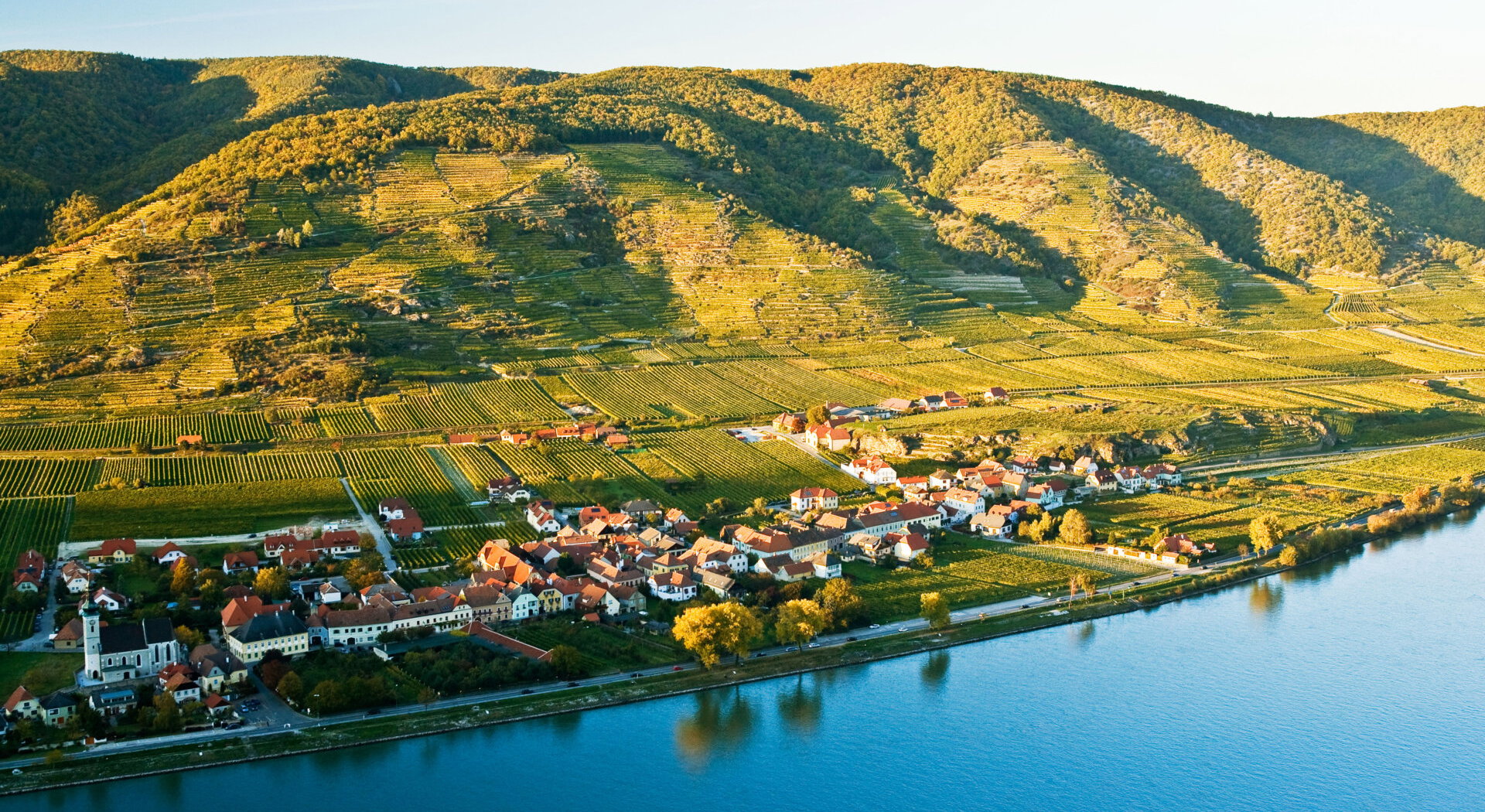
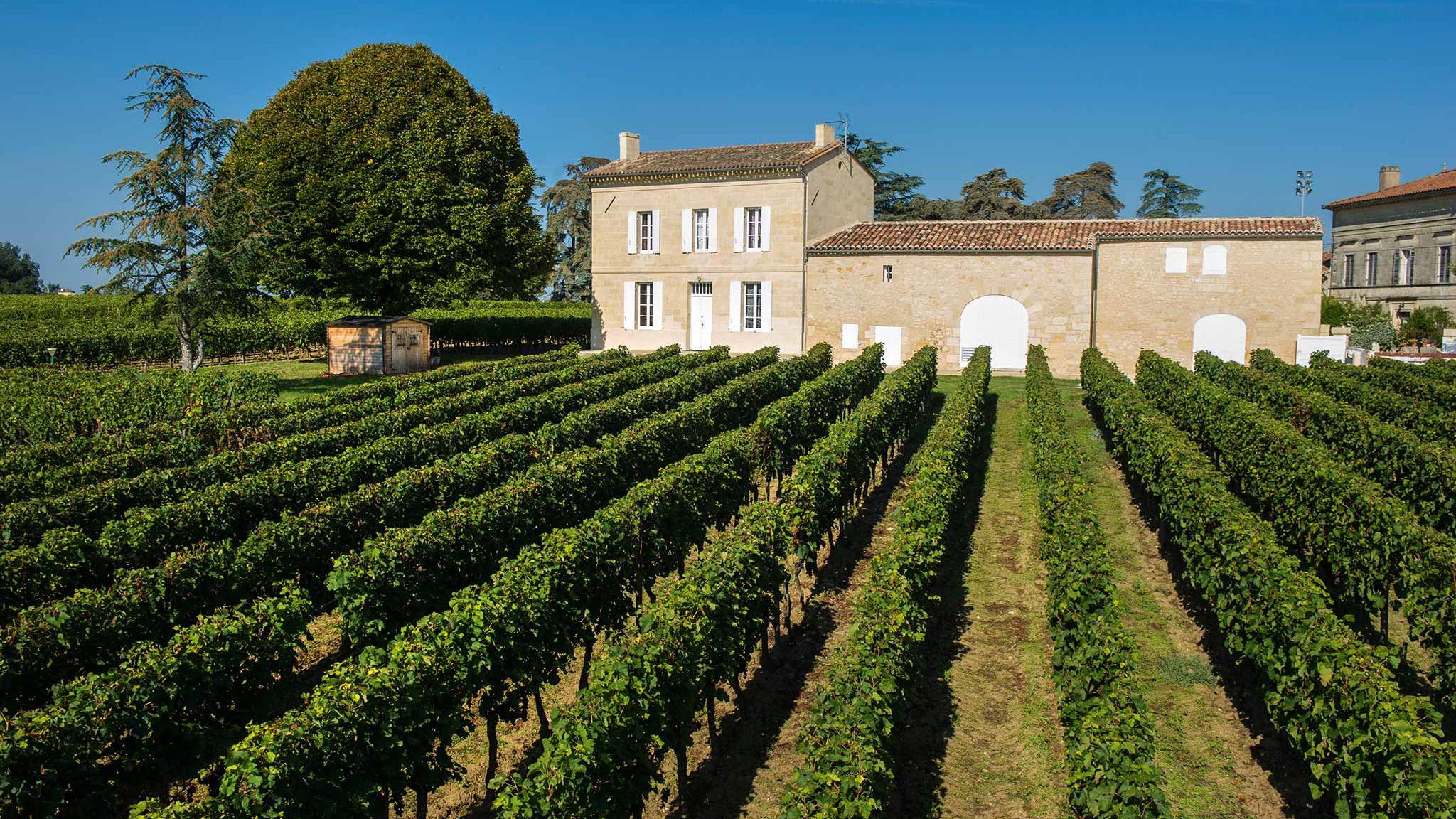
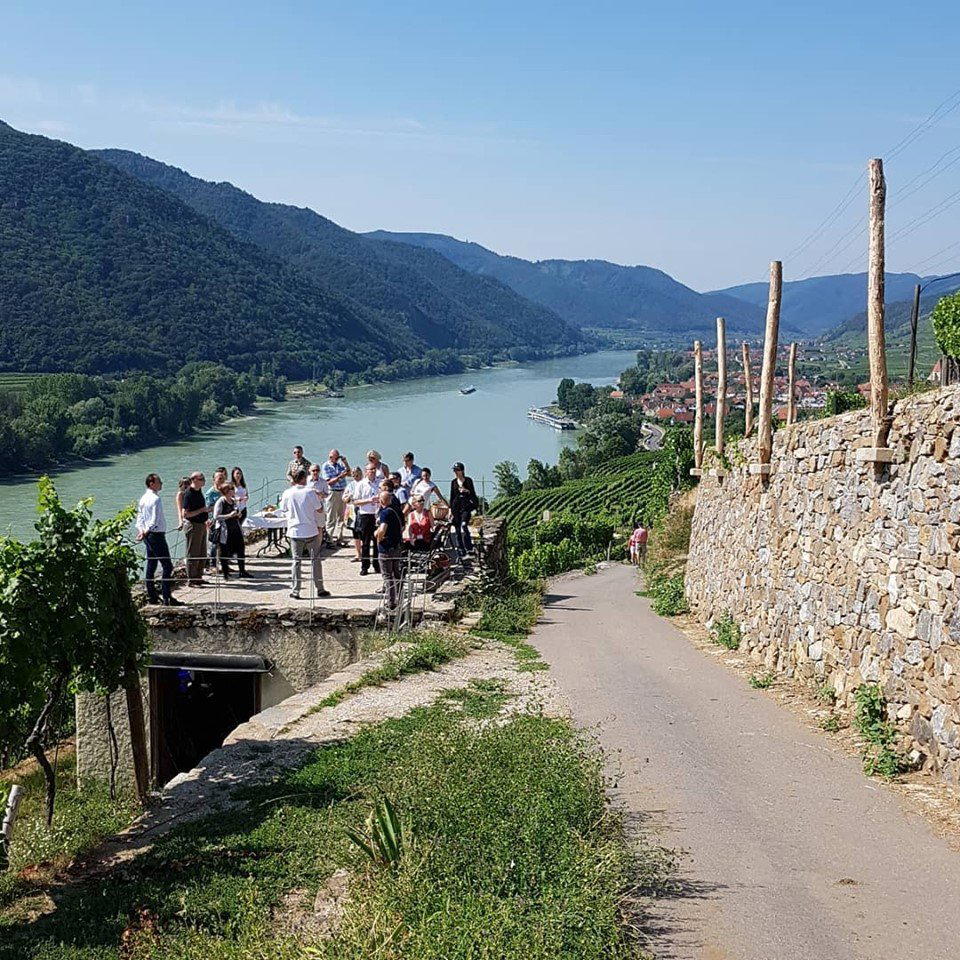
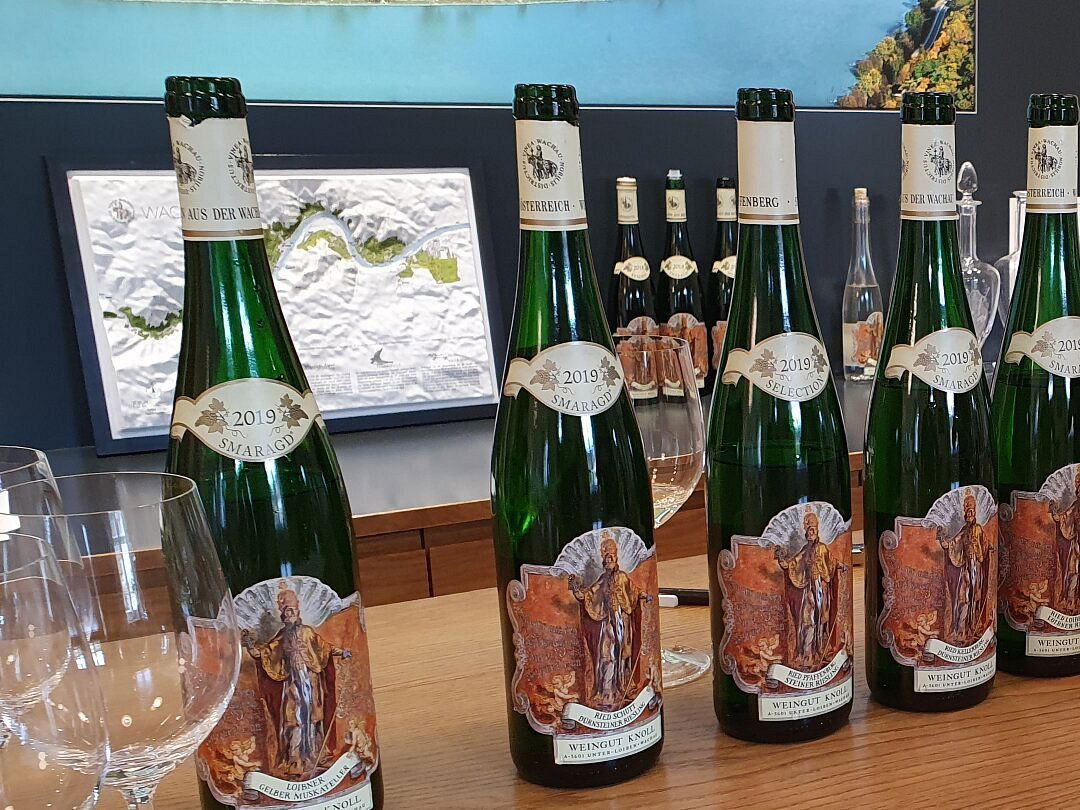
Weingut Emmerich Knoll reads like a study in restraint and place. Set on the Wachau's terraced, UNESCO‑listed slopes, the estate projects a quietly historic sophistication: wines that show both site character and a concentrated, house‑recognisable density. The narrative in the cellar mirrors the landscape — patient, exacting and unhurried — and that temperament carries through to the tasting experience. Rather than flashy gestures, the estate offers contemplative precision: mineral gneiss and loess, river light, and vines trained on steep terraces that reward both time and close attention.
Best For
Knoll is especially well suited to anyone focused on wine education and a concentrated tasting of site expression. The text emphasizes the Vinea Wachau classification and Smaragd‑tier Rieslings and Grüner Veltliners, so visitors who want to study ripeness, texture and cellar technique will find rich material. It also fits special‑occasion visits where the goal is to taste ageworthy, textural wines that reflect a long tradition. Solo explorers and attentive small groups who appreciate terroir, patience and nuance will get the most from a visit.
Tasting Tips
When exploring Knoll's range, prioritize the estate's Smaragd‑tier bottlings and the Grüner Veltliners and Rieslings noted for extended lees time or skin contact. These wines show the density and grip the description highlights, and they reward attention to vintage and age. Ask about vinification choices when you taste — the estate frames its style between site transparency and deliberate cellar craft — and seek out examples that demonstrate texture and bottle age rather than immediate, fruit‑forward appeal.
Venue details
Ambiance
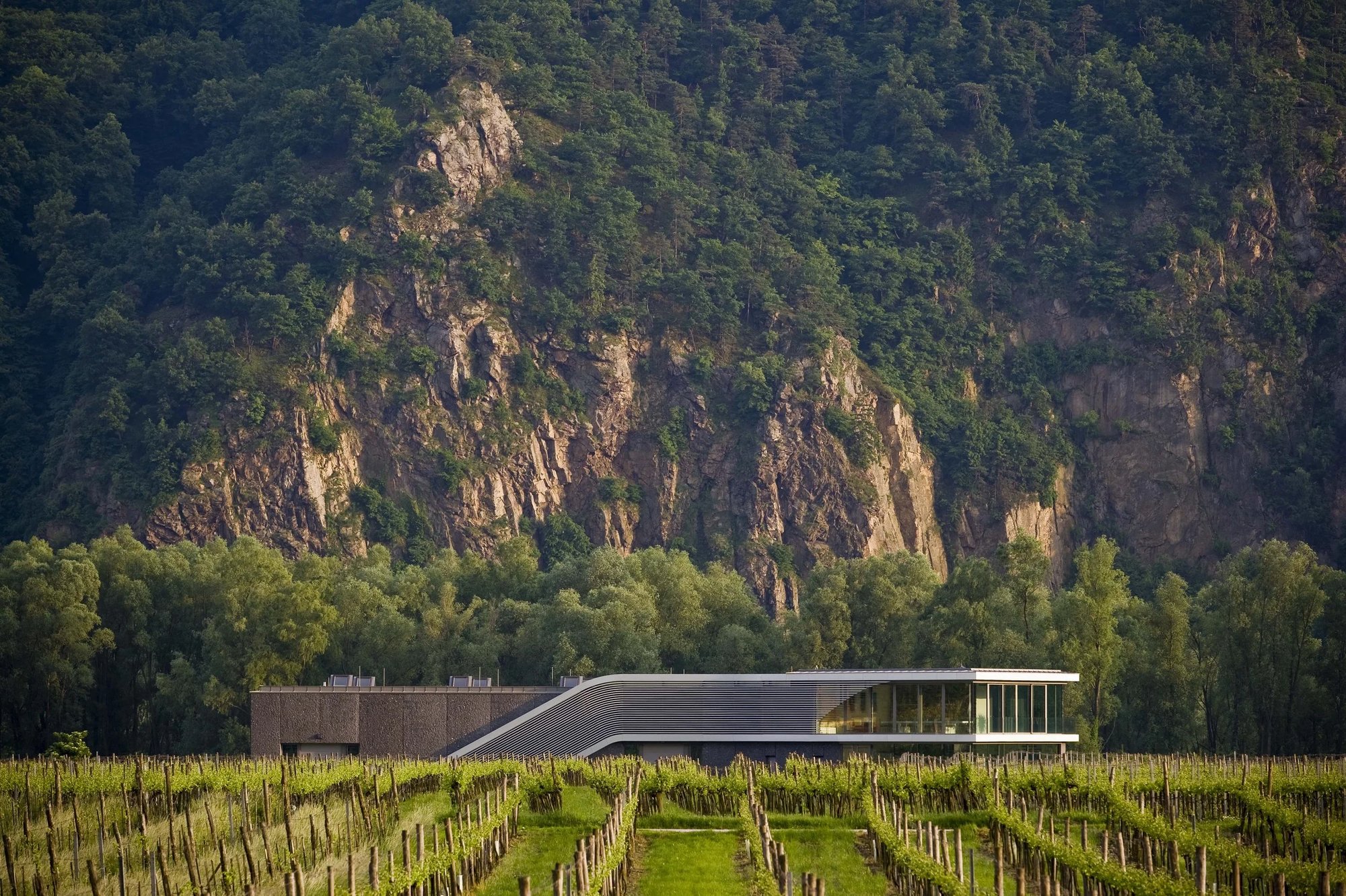
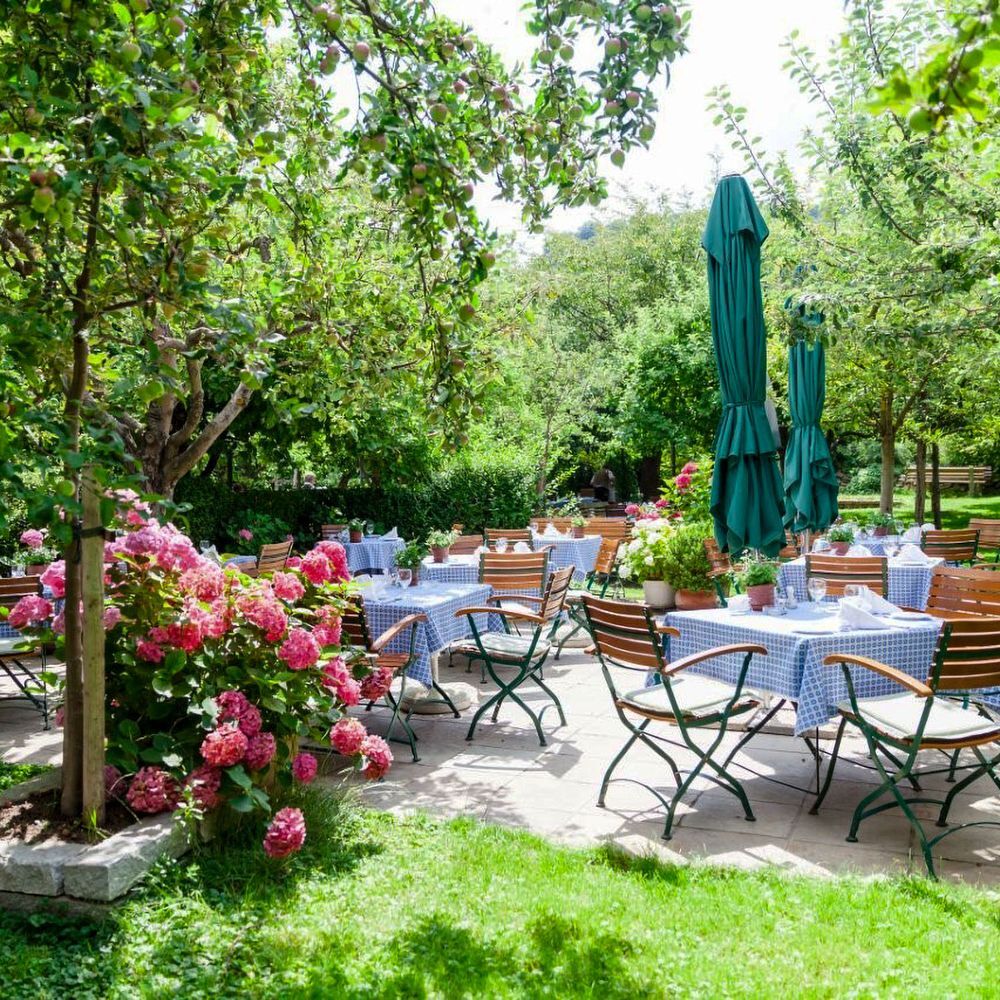
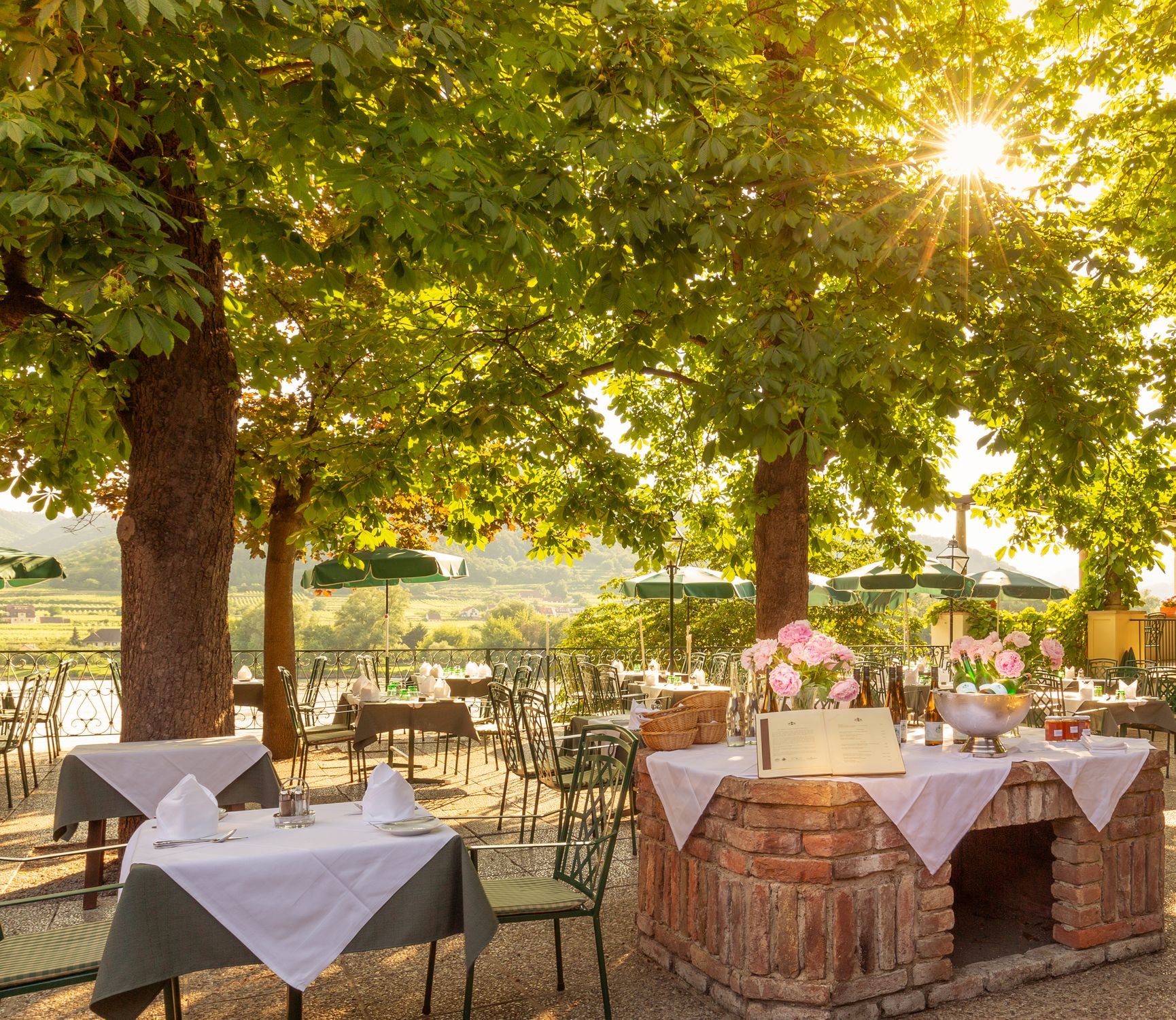
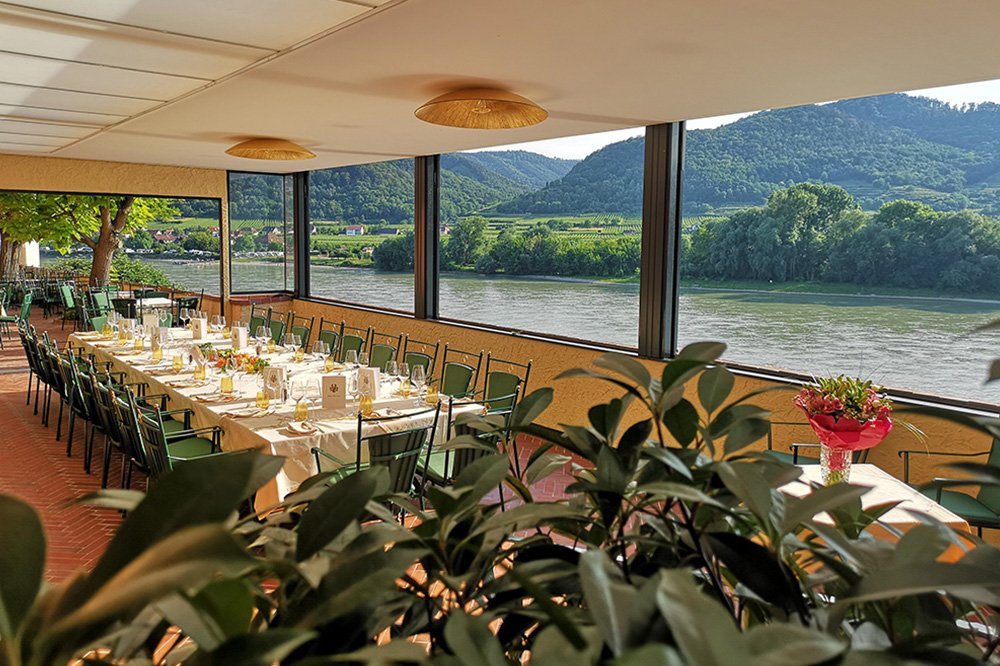
Classic and elegant atmosphere reflecting generations of winemaking tradition in a scenic Danube Valley setting.
Tags
Vibe
Best For
Experience
View
At the Vineyard
- Appellation
- Wachau
- Varietals
- Riesling, Grüner Veltliner, Chardonnay, Gelber Muskateller, Gelber Traminer
- Tour Duration
- 60-90 minutes
- Tour Languages
- German, English
- Visits
- By appointment only
- Wine Styles
- Still White
- Wine Club
- Not available
Know before you go
Know Before You Go
- Getting there
- Unterloiben 132, 3601 Dürnstein
Planning details
Location
Recognition and awards

Also consider
Where to Look If This Is Full
Try Domäne Wachau first if the group needs a more flexible Wachau visit. For another serious Dürnstein producer comparison, look at Weingut Alzinger or Weingut F. X. Pichler.
Winery context
How It Compares
Against Weingut Alzinger and Weingut F. X. Pichler, Weingut Emmerich Knoll is the choice for travelers who want the Dürnstein visit to feel producer-led and serious rather than casual. With no reliable public price signal across the set, value should be judged by how much the tasting matters to the trip: if wine is the reason for the day, prioritize the harder-to-secure names first.
Domäne Wachau is the safer cross-shop for visitors who want a more accessible Wachau stop and less scheduling friction. Weingut Emmerich Knoll is the better fit for depth; Domäne Wachau is the better fit when the group includes casual drinkers or when the itinerary needs more flexibility.
Weingut Hutter Distillery and Weingut Salomon Undhof make more sense as alternatives if the trip extends beyond central Dürnstein. Keep them as backup or route-based choices rather than direct substitutes for a focused Wachau tasting day.
Explore Dürnstein
Around this place
Discover more on Pearl
Unlock the full Weingut Emmerich Knoll guide in Pearl, including awards, comparisons, FAQs, planning details, and nearby places.
Compare Weingut Emmerich Knoll
| Venue | Location | Awards |
|---|---|---|
| Weingut Emmerich Knoll | Dürnstein | 2026 Falstaff Winery Guide |
| Weingut Alzinger | Dürnstein | 2026 Falstaff Winery Guide |
| Weingut F. X. Pichler | Dürnstein | 2026 Falstaff Winery Guide |
| Domäne Wachau | Dürnstein | 2026 Falstaff Winery Guide2025 World's 50 Best Vineyards · #682024 World's 50 Best Vineyards · #332023 World's 50 Best Vineyards · #142022 World's 50 Best Vineyards · #202021 World's 50 Best Vineyards · #222020 World's 50 Best Vineyards · #32019 World's 50 Best Vineyards · #19 |
| Weingut Hutter Distillery | Mautern an der Donau | No published awards |
| Weingut Salomon Undhof | Stein an der Donau | 2026 Falstaff Winery Guide |

How Weingut Emmerich Knoll Dürnstein compares with similar nearby venues.
FAQ
Frequently Asked Questions
Does Weingut Emmerich Knoll serve food?
Do not plan around food without checking directly. Contact the venue's official channels for current details on any restaurant, cuisine, menu, lunch service, dinner service, or tasting-menu format.
How long should I plan for a visit to Weingut Emmerich Knoll?
Confirm timing directly with the venue rather than relying on an assumed tasting length or service format, especially if you are planning a wider Dürnstein itinerary.