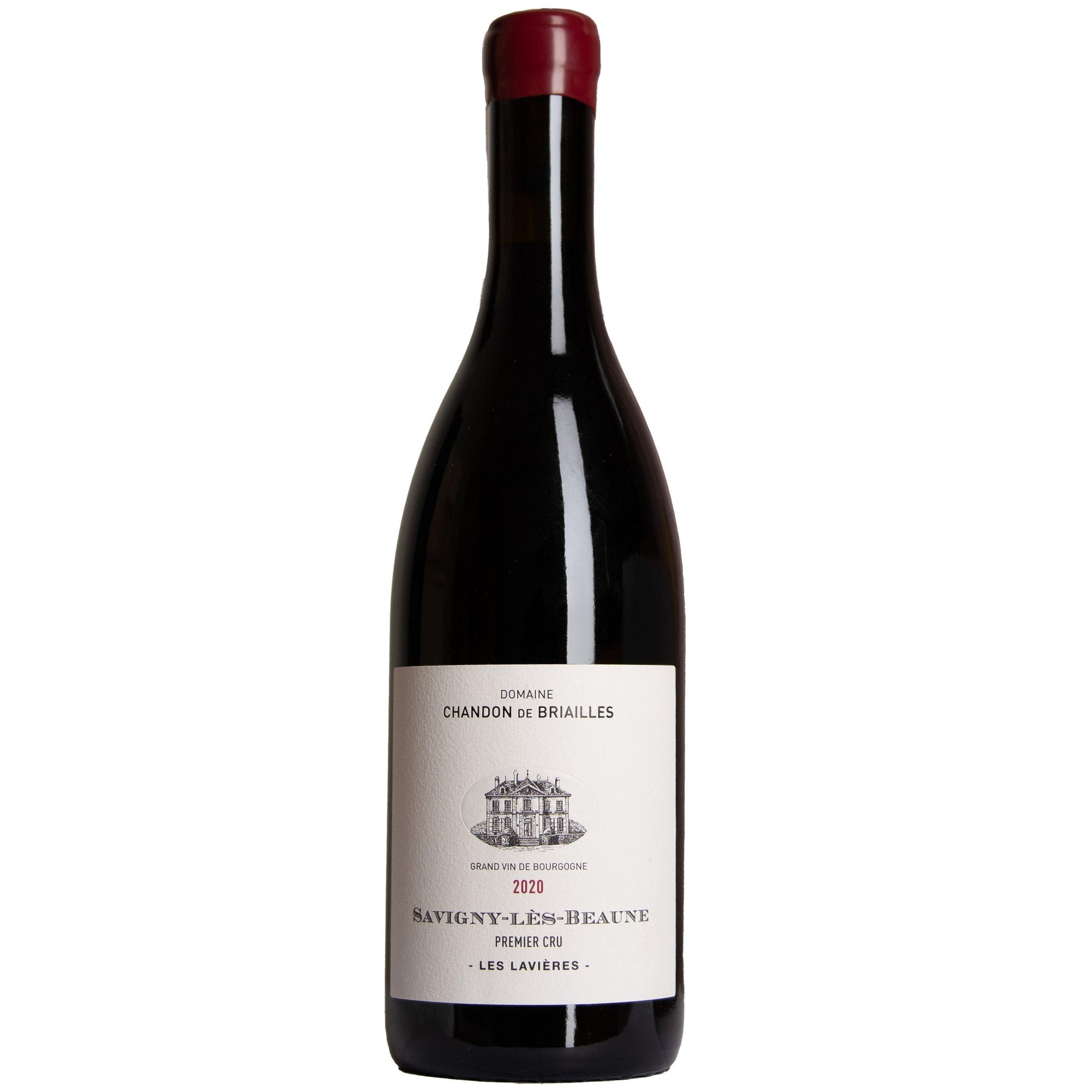

Domaine Chandon de Briailles
Savigny-lès-Beaune
Winery in Savigny-lès-Beaune, France
 Book with Pearl
The Read
Village-Terroir Burgundy
Why go
A focused Savigny-lès-Beaune producer choice for Burgundy travelers who want a smaller, more wine-led stop than the large Beaune houses. Book it for a special-occasion itinerary if producer character matters; choose Maison Louis Jadot or Domaine des Hospices de Beaune instead when predictability, scale, or group logistics matter more.
About Domaine Chandon de Briailles
Domaine Chandon de Briailles is a Savigny-lès-Beaune venue with Pearl 2 Star Prestige recognition for 2025. Beyond that recognition and a smart-casual dress code, practical details such as service format, pricing, hours, group capacity, or visitor amenities are not specified. It is best to confirm arrangements directly with the venue before making it part of an itinerary.
If you are comparing other regional names, Maison Louis Jadot, Maison Chanson Père & Fils, Domaine des Hospices de Beaune, Domaine Guilbert-Gillet, and Domaine Bonneau du Martray are useful reference points. Domaine Chandon de Briailles should be evaluated on its Savigny-lès-Beaune setting and Pearl 2 Star Prestige status.
A focused Savigny-lès-Beaune stop, not a broad public-visit default
Domaine Chandon de Briailles is in Savigny-lès-Beaune, carries Pearl 2 Star Prestige recognition for 2025, and calls for smart-casual dress. It does not specify a set service length, a particular format, group capacity, or walk-in availability.
That means planning should stay practical and direct. Confirm availability, timing, visitor details, and any service expectations with the venue before you go. If you need a more predictable public-facing stop, compare options such as Domaine des Hospices de Beaune, Maison Louis Jadot, or Maison Chanson Père & Fils after checking their current details.
Who should choose it over other regional names
Choose Domaine Chandon de Briailles when a Savigny-lès-Beaune setting and Pearl 2 Star Prestige recognition are enough to justify making a direct enquiry. Choose Maison Louis Jadot, Maison Chanson Père & Fils, Domaine des Hospices de Beaune, Domaine Guilbert-Gillet, or Domaine Bonneau du Martray only after checking the current details that matter for your own visit.
For planning around town, distinguish facts from assumptions: Our full Savigny-lès-Beaune restaurants guide is a better place to research meals around a potential visit.
Planning details
- Location
- 1 Rue Soeur Goby, 21420 Savigny-lès-Beaune
- Website
- chandondebriailles.com
- Phone
- +33 3 80 21 52 31
The take
The Take
The Vibe
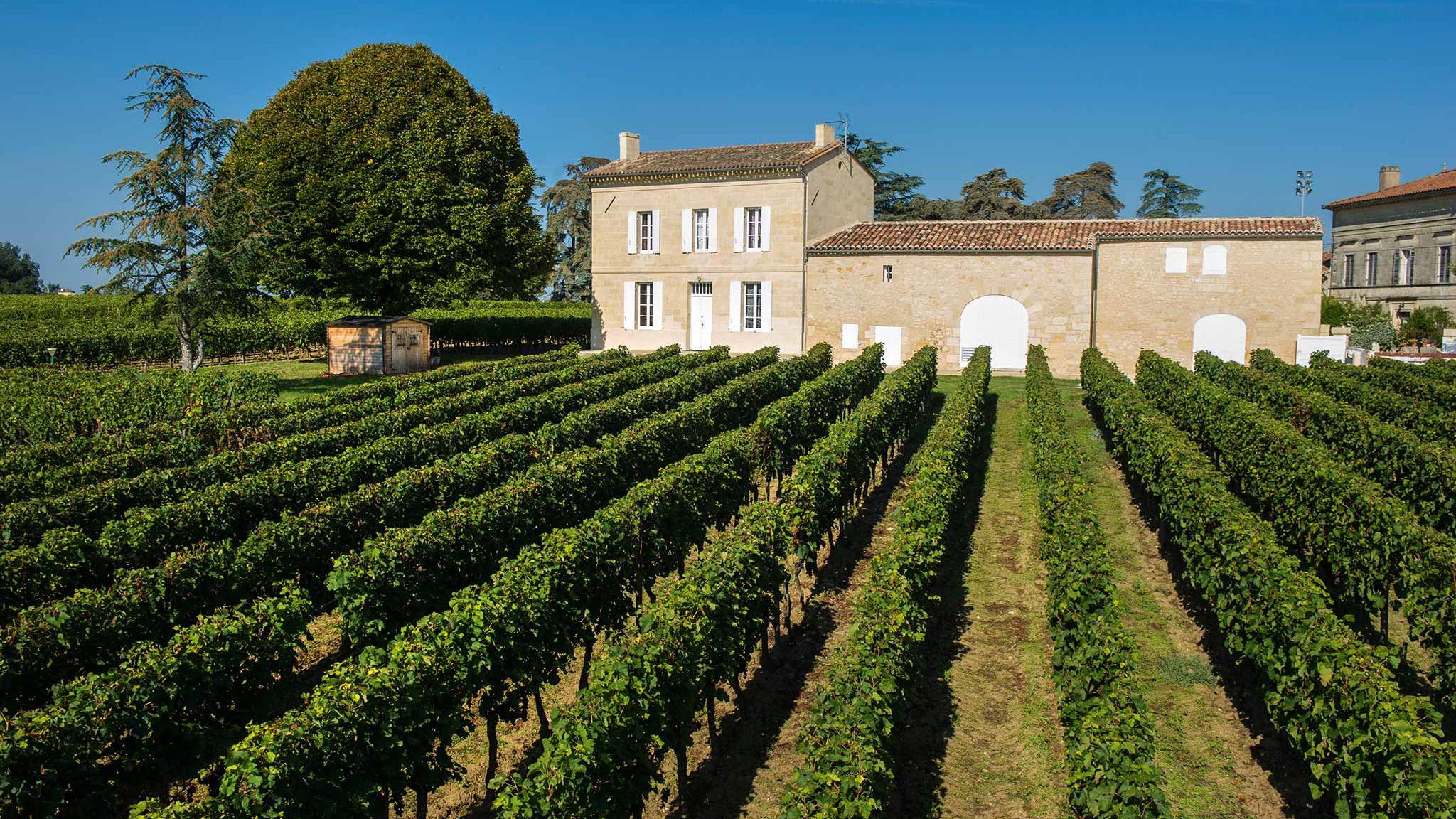
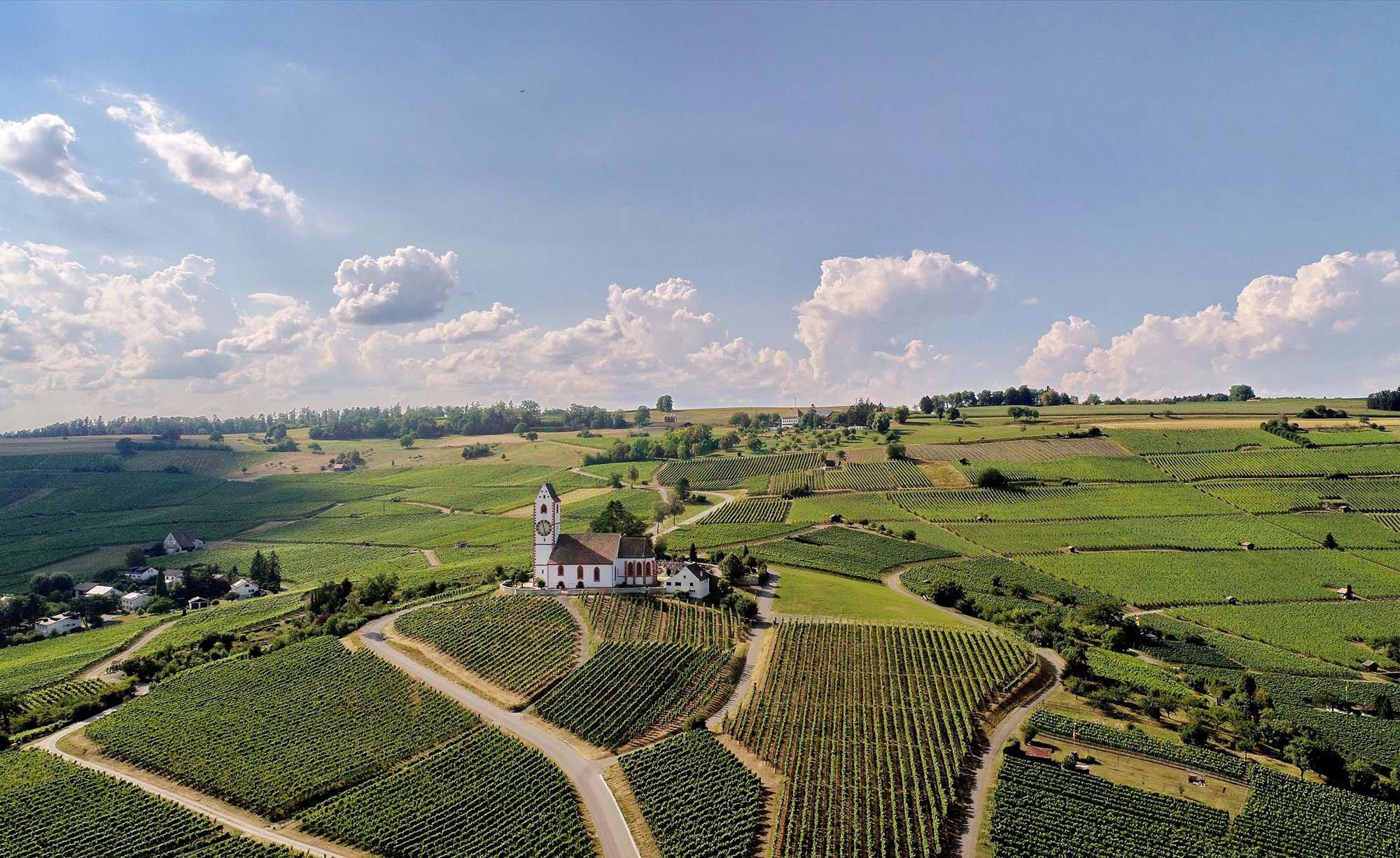
Domaine Chandon de Briailles presents an understated, terroir-forward character. It sits quietly in a side valley of Savigny-lès-Beaune, where alternating bands of limestone, clay and gravel produce cooler, more angular expressions of Pinot Noir. The domaine’s holdings across both northern and southern exposures give its lineup an internal range defined by soil and slope rather than overt stylistic showmanship. Accolades like the 2025 Pearl 2 Star Prestige underline a disciplined, precise approach: wines that favor mineral tension and site fidelity over flamboyance, making the domaine feel like a measured, quietly sophisticated example of Burgundian craft.
Best For
This domaine is tailor-made for people building a deeper, more technical understanding of Burgundy. Readers and tasters who want to move beyond marquee names will find value in the clear discussion of exposures, soil types and resulting structural differences in the wines. Collectors seeking precise, site-driven bottles and sommeliers mapping nuance among Côte de Beaune villages will appreciate the estate’s holdings in Savigny-lès-Beaune, Corton and Pernand-Vergelesses. It also suits solo exploration or focused study, offering a coherent portfolio that teaches how small spatial shifts can change a wine’s profile.
Venue details
Ambiance
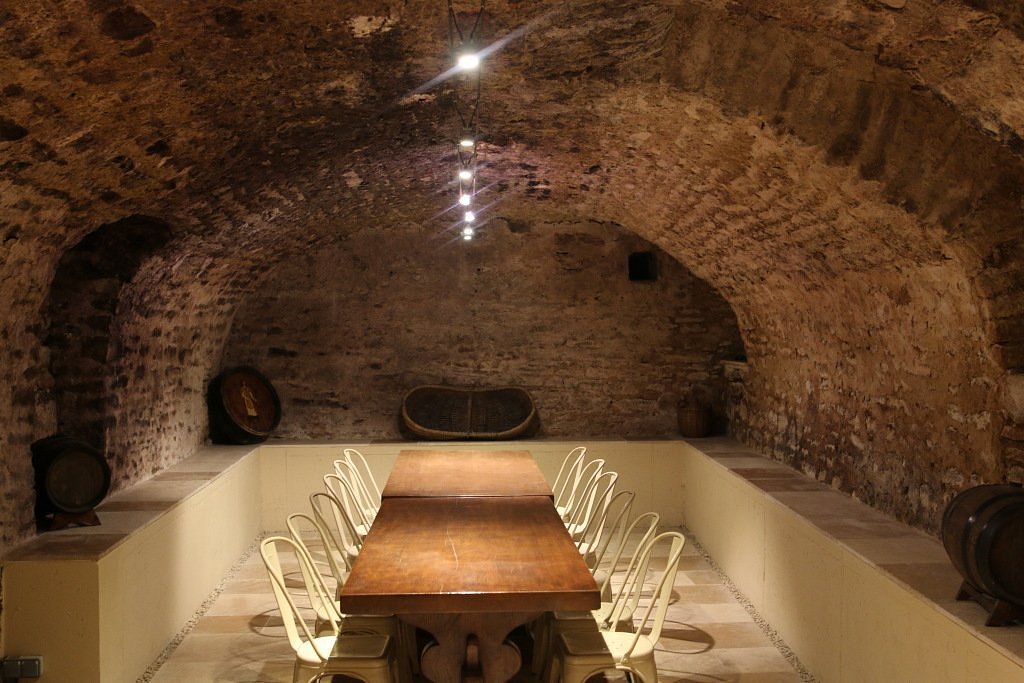
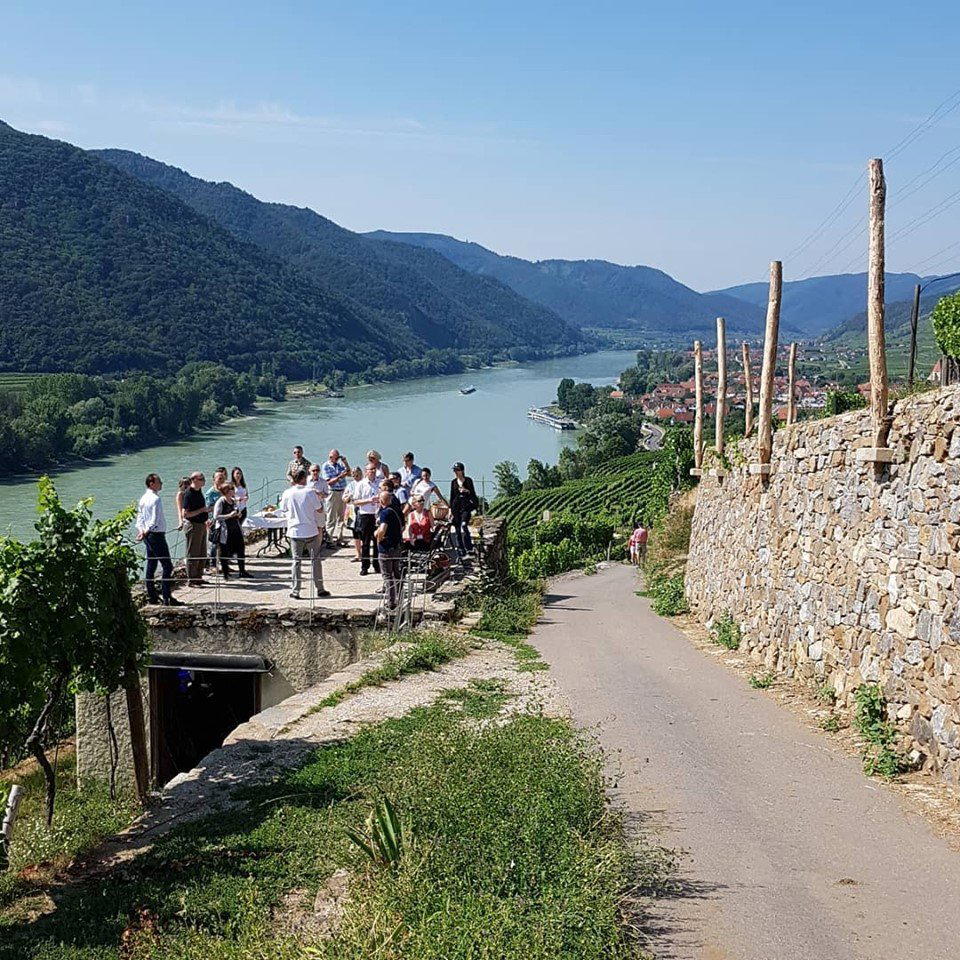
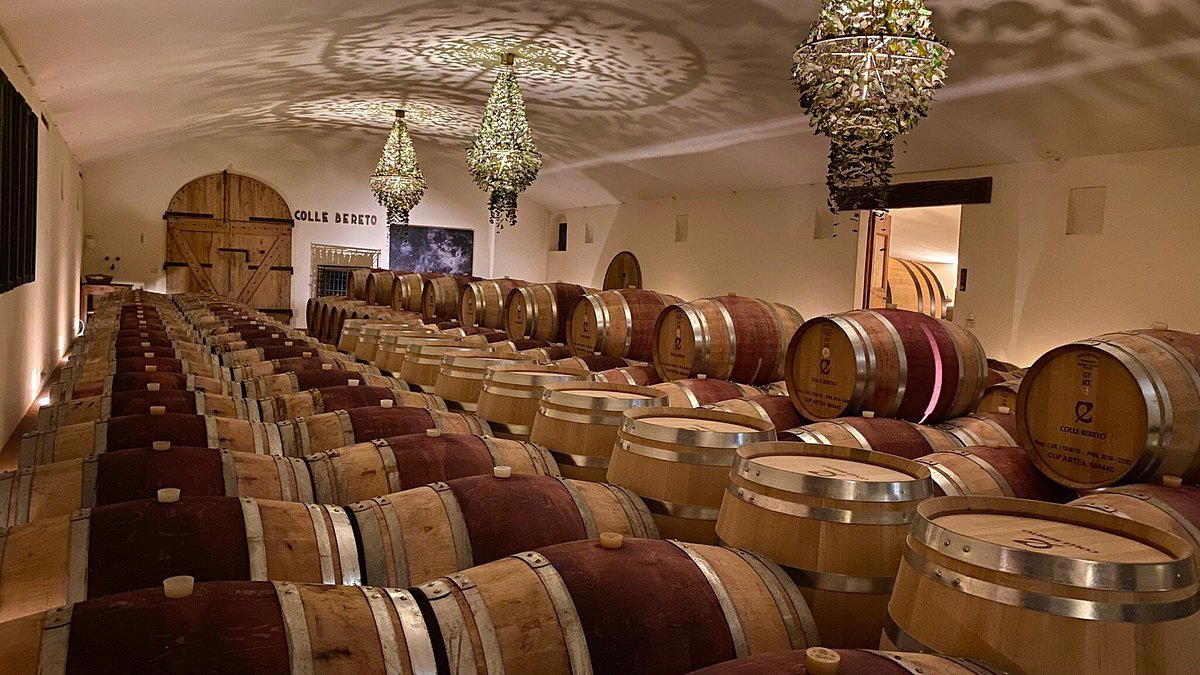
Refined and elegant with a rustic charm, featuring old vines and traditional Burgundian cellars.
Tags
Vibe
Best For
Experience
Sourcing
View
At the Vineyard
- Appellation
- Savigny-lès-Beaune AOC
- Varietals
- Pinot Noir, Chardonnay
- Tour Duration
- 60-90 minutes
- Visits
- By appointment only
- Farming
- Biodynamic
- Production
- Small producer
- Wine Styles
- Still Red, Still White
- Wine Club
- Not available
Know before you go
Know Before You Go
- Getting there
- 1 Rue Soeur Goby, 21420 Savigny-lès-Beaune
Planning details
Location
Recognition and awards

Also consider
Where to look if this is not available
Try Domaine Guilbert-Gillet first if you want to stay in Savigny-lès-Beaune and keep the day focused on village-level Burgundy. It is the most relevant substitute by location.
For a more predictable Beaune-area fallback, look at Maison Louis Jadot or Maison Chanson Père & Fils. They are better suited to mixed groups and visitors who want a larger-name framework.
Winery context
How it compares in and around Savigny-lès-Beaune
Domaine Chandon de Briailles is the better pick for a smaller, more producer-led Savigny-lès-Beaune visit. Domaine Guilbert-Gillet is the closest like-for-like alternative in the village, so cross-shop it first if the main issue is availability rather than style.
Maison Louis Jadot and Maison Chanson Père & Fils make more sense for visitors who want a broader Beaune name and a more conventional visitor framework. They are safer choices for mixed-interest groups; this domaine is the sharper choice for wine-focused travelers who do not need a polished large-house format.
Domaine des Hospices de Beaune is stronger for heritage-driven itineraries, while Domaine Bonneau du Martray is the prestige cross-shop for readers aiming higher in the Côte de Beaune hierarchy. For value, start with the Savigny options; for name recognition, shift toward Beaune.
Explore Savigny-lès-Beaune
Around this place
Discover more on Pearl
Unlock the full Domaine Chandon de Briailles guide in Pearl, including awards, comparisons, FAQs, planning details, and nearby places.
Compare Domaine Chandon de Briailles
| Venue | Location | Awards |
|---|---|---|
| Domaine Chandon de Briailles | Savigny-lès-Beaune | 2026 Falstaff Winery Guide |
| Domaine Guilbert-Gillet | Savigny-lès-Beaune | No published awards |
| Maison Louis Jadot | Beaune | 2026 Michelin 1 Grape - Burgundy2026 Falstaff Winery Guide |
| Domaine des Hospices de Beaune | Beaune | No published awards |
| Domaine Bonneau du Martray | Pernand-Vergelesses | 2026 Michelin 2 Grapes - Burgundy2026 Falstaff Winery Guide2025 Pearl 4 Star Prestige |
| Maison Chanson Père & Fils | Beaune | 2026 Falstaff Winery Guide |

How Domaine Chandon de Briailles compares with similar nearby venues.
FAQ
Frequently Asked Questions
What are the key details for Domaine Chandon de Briailles?
Domaine Chandon de Briailles is a Savigny-lès-Beaune venue with Pearl 2 Star Prestige recognition for 2025 and a smart-casual dress code.
How long should I plan for a visit to Domaine Chandon de Briailles?
When is the best time to visit Domaine Chandon de Briailles?
Hours or best-time guidance are not available for Domaine Chandon de Briailles. Check directly with the venue for current availability, and plan to dress smart casual.
Does Domaine Chandon de Briailles offer membership or allocation access?
Membership or allocation information is not available for Domaine Chandon de Briailles. If that matters to you, confirm the current options directly with the venue.
What other venues are useful comparisons for Domaine Chandon de Briailles?
Useful comparisons include Maison Louis Jadot, Domaine des Hospices de Beaune, Domaine Bonneau du Martray, Maison Chanson Père & Fils, and Domaine Guilbert-Gillet. Compare them with Domaine Chandon de Briailles after checking current details from each venue.
Does Domaine Chandon de Briailles serve food?
Food-service information is not available for Domaine Chandon de Briailles. Do not plan a meal around the venue unless it confirms food service directly.