

2026 Falstaff Winery Guide: The Ultimate Wine Authority — Page 126
Falstaff's 2026 Wineries guide.

Venues on this list
Cascina Nuova
Castel Boglione, Italy
Cascina Nuova works if the goal is organic Barbera and Nizza DOCG context in Castel Boglione, especially for travelers who care more about denomination, farming, and value than a polished tasting-room production. It is a stronger fit as part of a Monferrato wine day than as a standalone hospitality destination.
Champagne Lilbert-Fils
Cramant, France
A serious Cramant producer to prioritise if the trip is about grower Champagne depth rather than polished visitor facilities. Champagne Lilbert-Fils carries Falstaff 3 Stars for 2026, which makes it worth researching early for a focused Côte des Blancs itinerary.
Bodegas Santalba
Gimileo, Spain
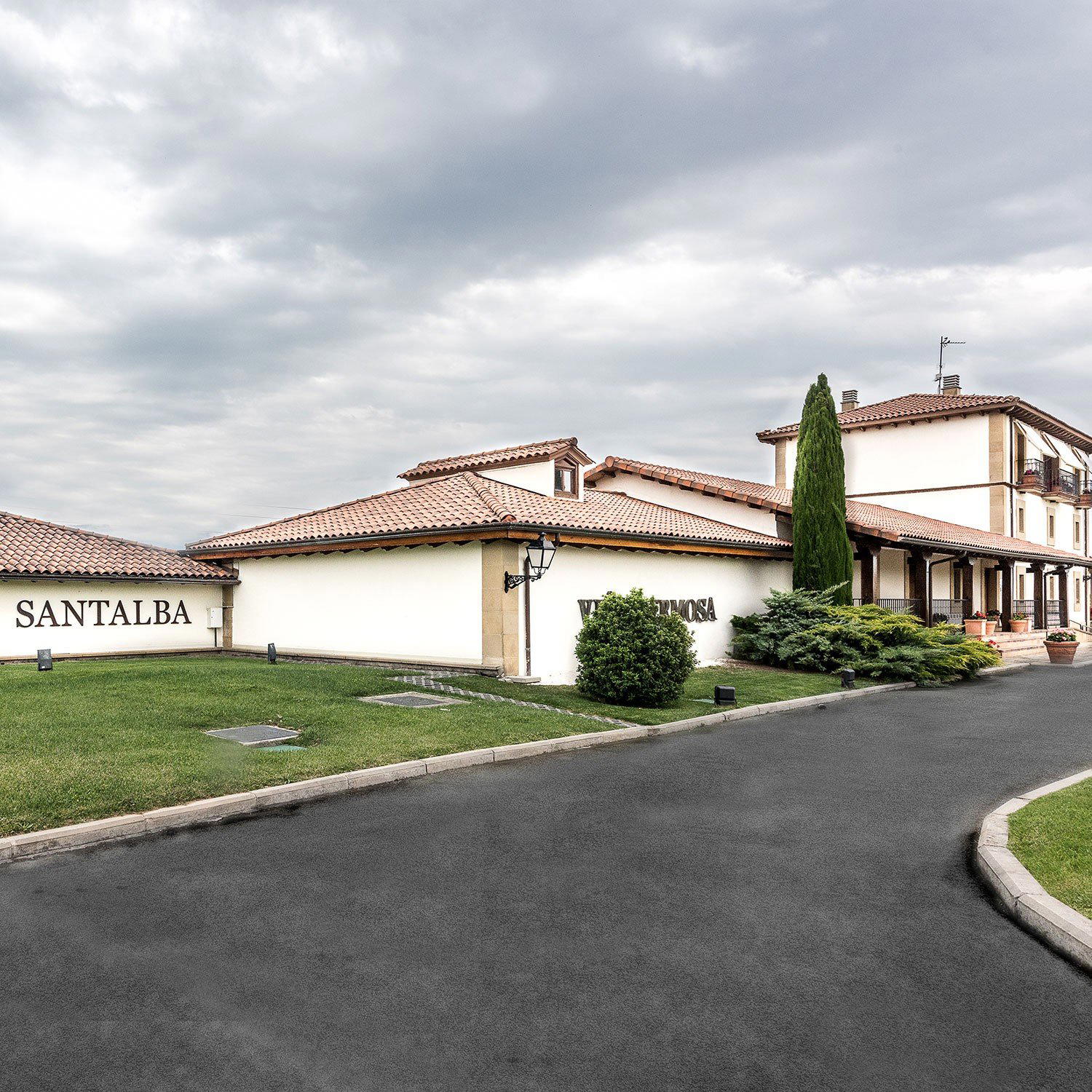
Bodegas Santalba works for a planned Rioja winery day in Gimileo, especially if external recognition matters: it holds Falstaff 1 Star for 2026. Go in as a wine-focused visitor, not as someone relying on the stop for food, large-group logistics, or a fully packaged hospitality experience.
Black Stallion Estate Winery
Napa, United States
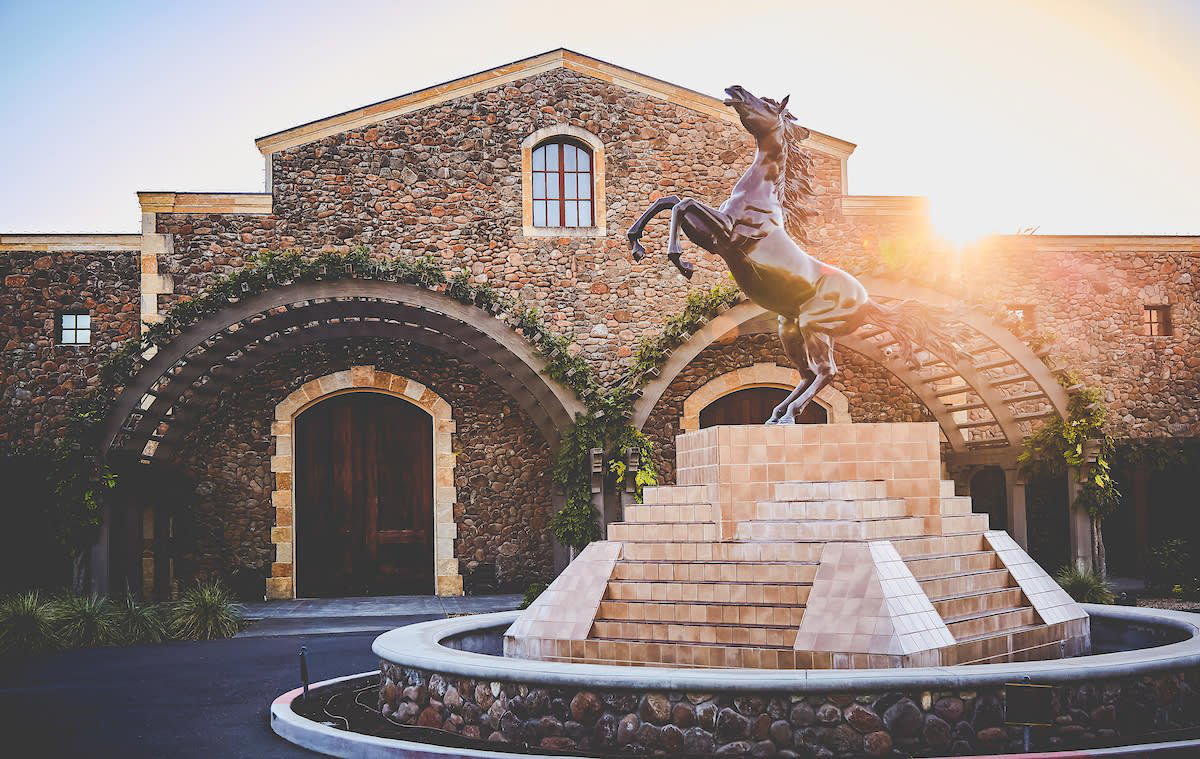
A sensible Silverado Trail pick for travelers who want a polished Napa estate stop without building the whole day around one named flagship bottle. Book it as part of a broader tasting itinerary, then ask targeted questions about current releases, cellar-worthy wines, and shipping before buying.
Domaine Terres Georges
Castelnau D Aude, France
Book Domaine Terres Georges if you want a small, appointment-led Minervois tasting with a personal feel and approachable bottle pricing. It is stronger as a wine-focused visit than a food-pairing stop, with six cuvées across red, white, and rosé from a 12-hectare HVE-certified estate.
Domaine Armand Rousseau
Gevrey-Chambertin, France
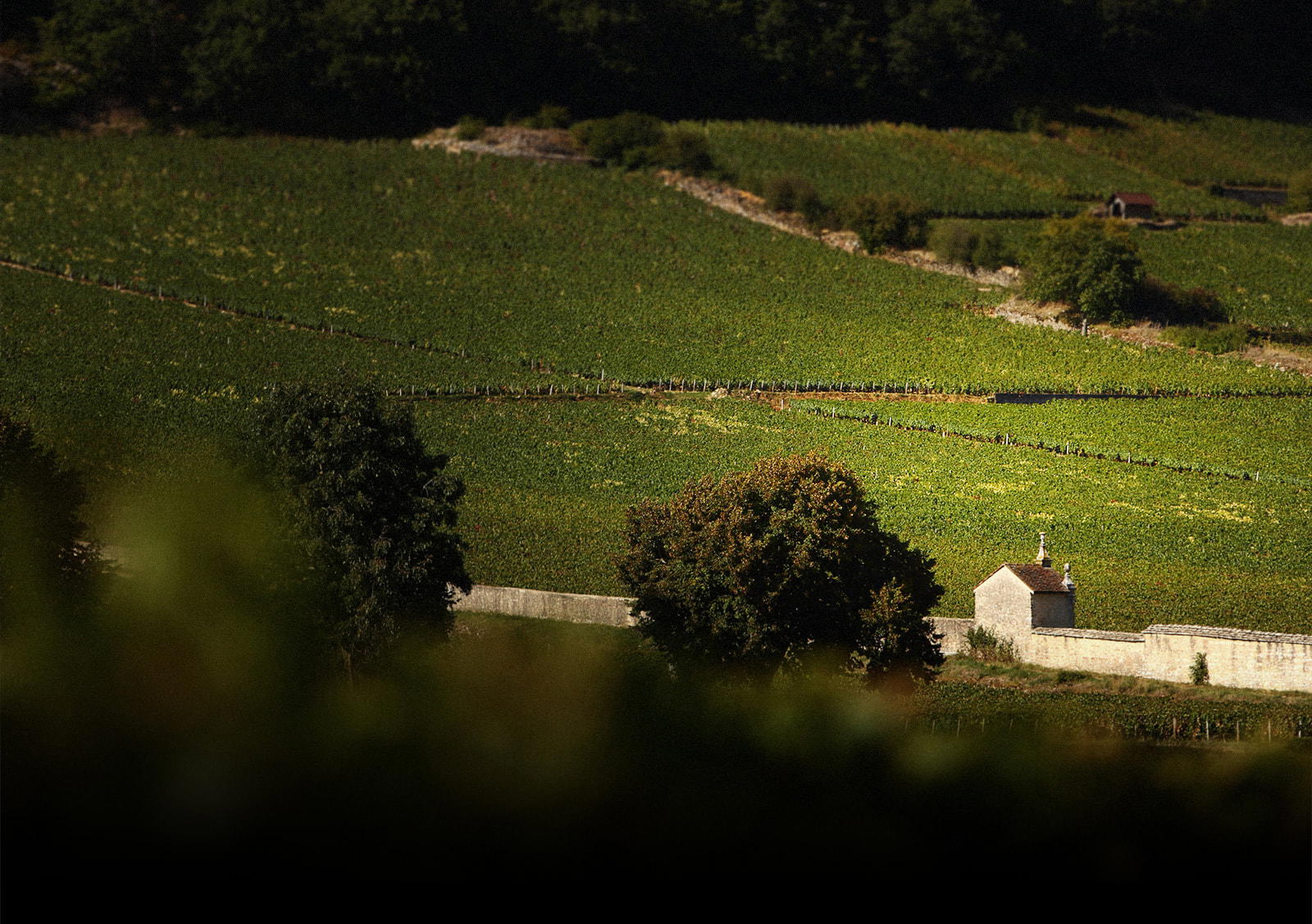
Domaine Armand Rousseau is a wine estate in Gevrey-Chambertin, Burgundy.
I Tant Vins
Gandesa, Spain
Book I Tant Vins if the goal is a focused Catalan wine stop built around native varieties and Garnatxa rather than a polished hospitality estate. The producer’s 2026 Falstaff 2 Stars recognition and $$ positioning make it a smart discovery pick for Gandesa, especially for drinkers comparing Montsant and Terra Alta expressions.
Altes Schlößchen - Ludwig Schneider
Sankt Martin, Germany
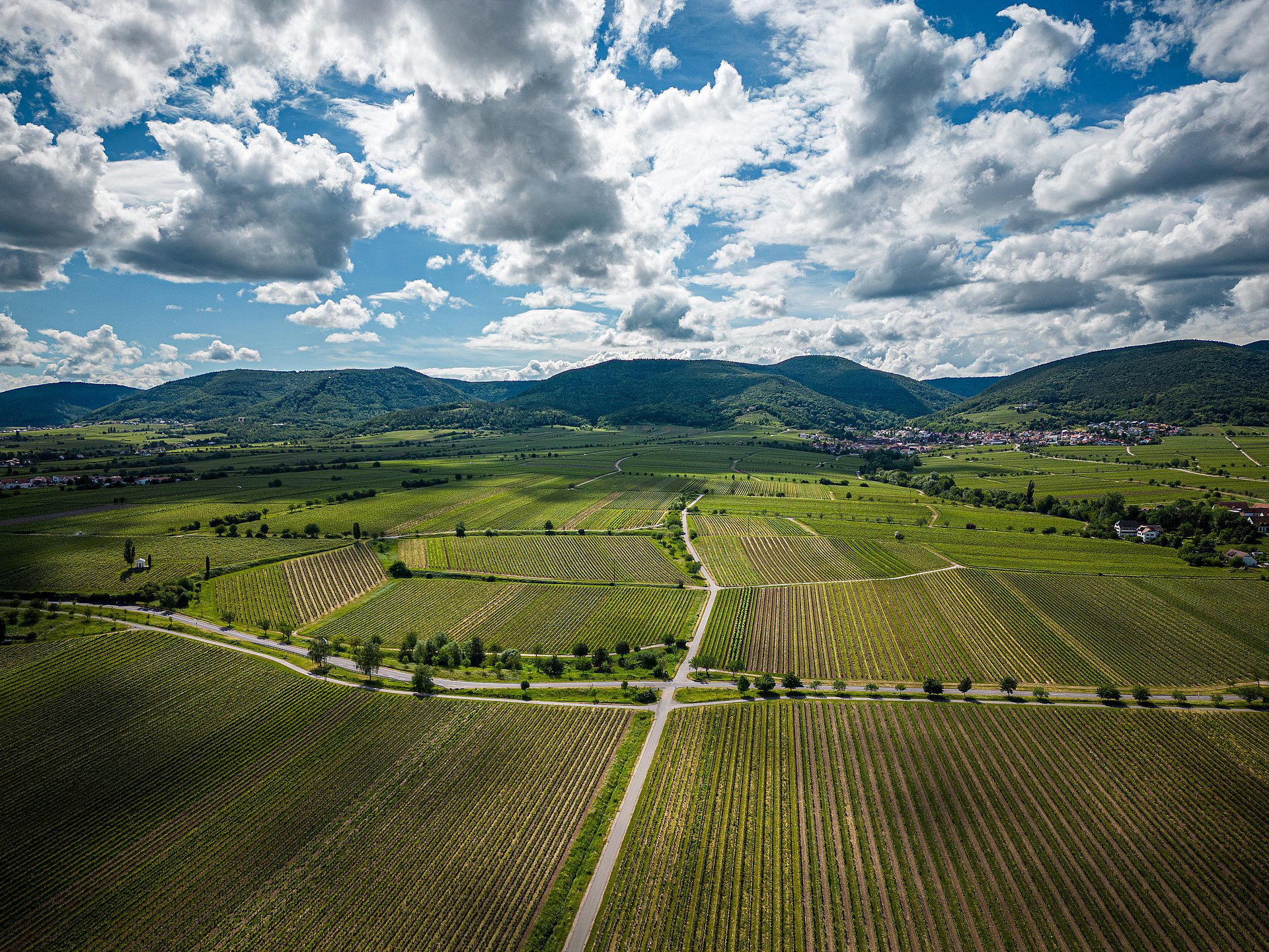
Altes Schlößchen - Ludwig Schneider is worth prioritizing if you want a Sankt Martin winery stop with historic setting, broad Pfalz coverage, and a relaxed buying angle. The draw is the combination of a 400-year-old half-timbered base, a 70-hectare vineyard spread, and Falstaff recognition, with Riesling at the center but enough Grauburgunder, Pinot Noir, rosé, and Sekt for mixed groups.
Château Clarisse
Puisseguin, France
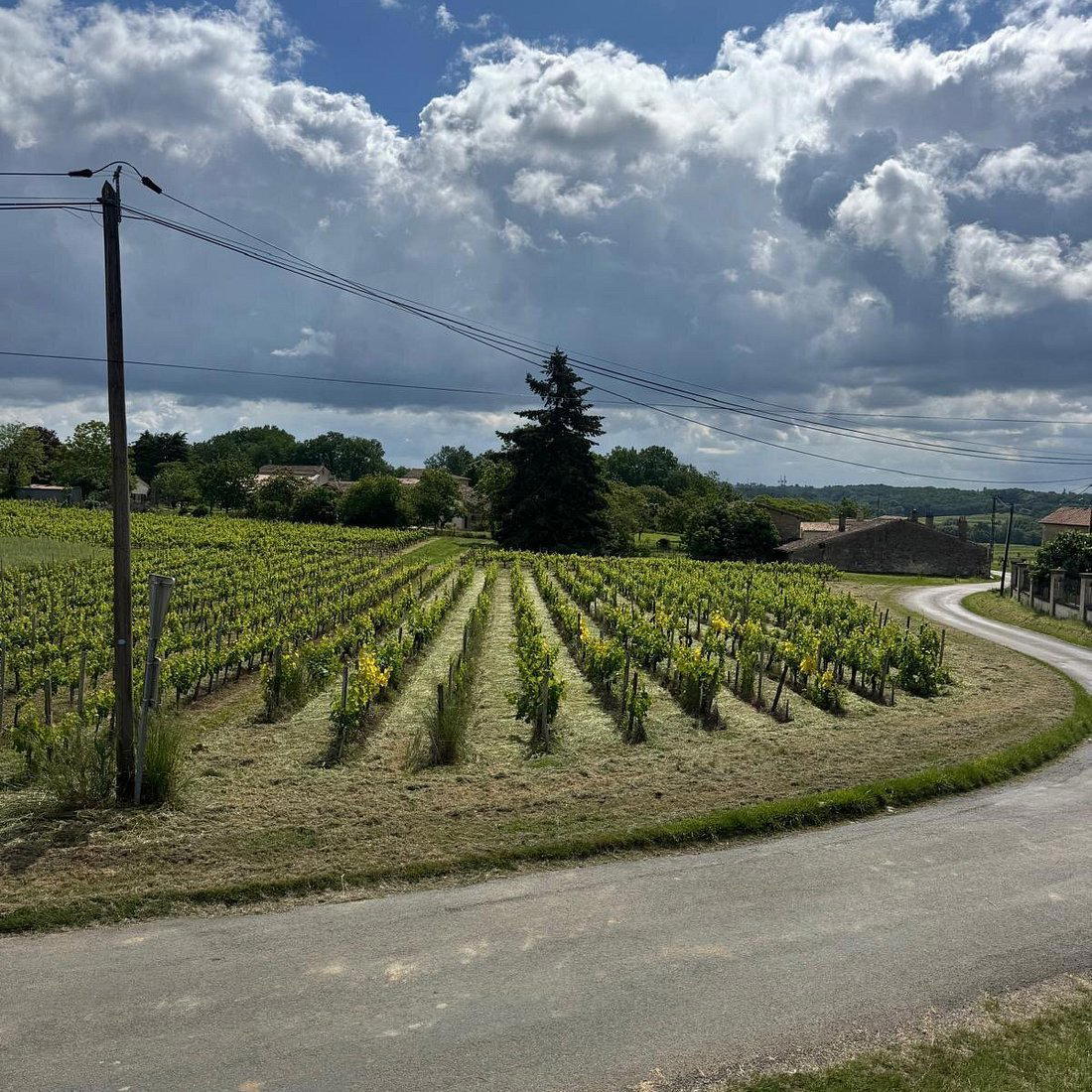
Book Château Clarisse if you want a calm Puisseguin-Saint-Émilion tasting with real production detail rather than a polished château circuit. The case for going is strongest for organic farming, Merlot-led Right Bank wines and guided context through vines and cellar spaces.

Château Beau-Séjour Bécot
Saint-Émilion, France
Book Château Beau-Séjour Bécot if the goal is a serious Saint-Émilion tasting built around production choices, limestone-and-clay terroir, and a Merlot-led flagship red. It is a better fit for Bordeaux learners and collectors than for visitors seeking food service or a casual drop-in tasting.
Weingut Klumpp
Bruchsal, Germany
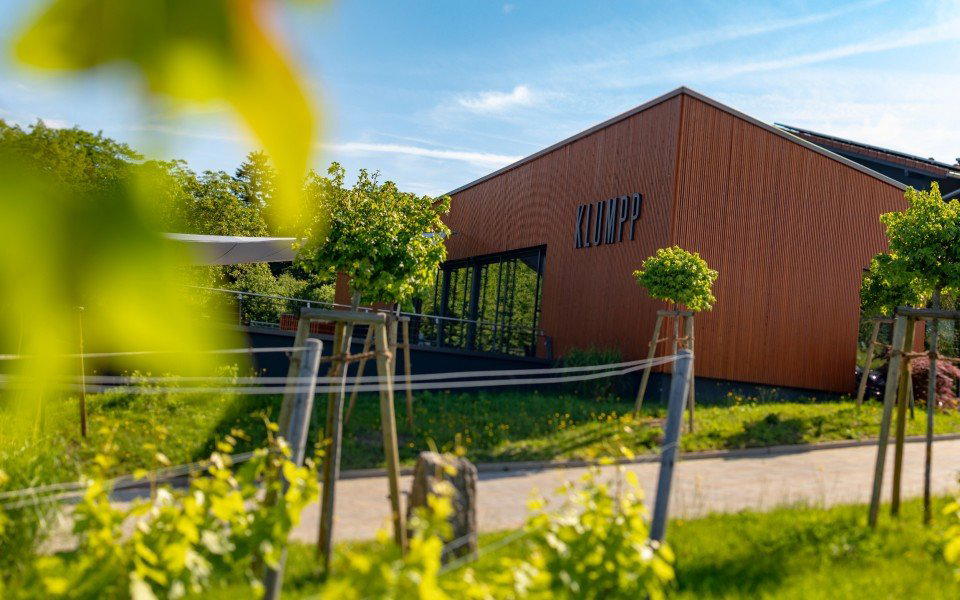
A targeted Bruchsal winery pick for travelers building a northern Baden route rather than chasing a heavily documented destination estate. Weingut Klumpp works as a regional anchor if Bruchsal already fits the itinerary; compare it with larger-name German estates if reputation and visitor infrastructure matter more.
Majella Wines
Coonawarra, Australia
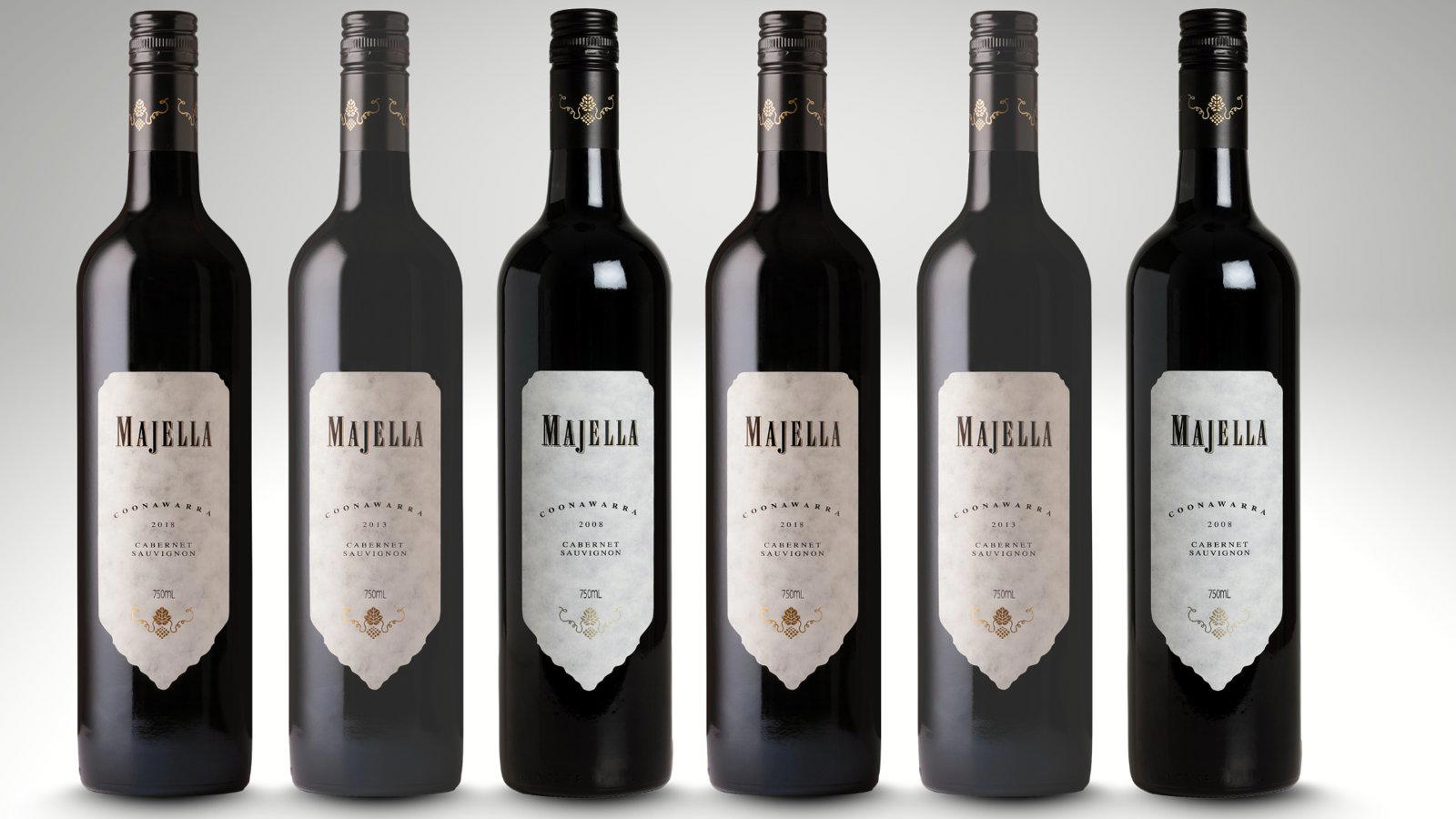
Majella Wines works as a focused Coonawarra estate stop, especially for travellers building a wine-led day rather than looking for a restaurant-style cellar door. Treat it as an intentional booking alongside Katnook, Balnaves, Wynns, Parker, or Penley, not as a quick add-on.
Fattorie Isola
Sassari, Italy
Fattorie Isola works if you want a quiet, appointment-led Sardinian wine stop focused on local grapes rather than a polished tasting-room format. The draw is a family agricultural estate near Sassari and Sorso, with Vermentino, Cannonau, and Semidano, compact production, and Falstaff recognition. Do not book it for a guaranteed food-pairing program.
Castello di Fonterutoli
Castellina in Chianti, Italy
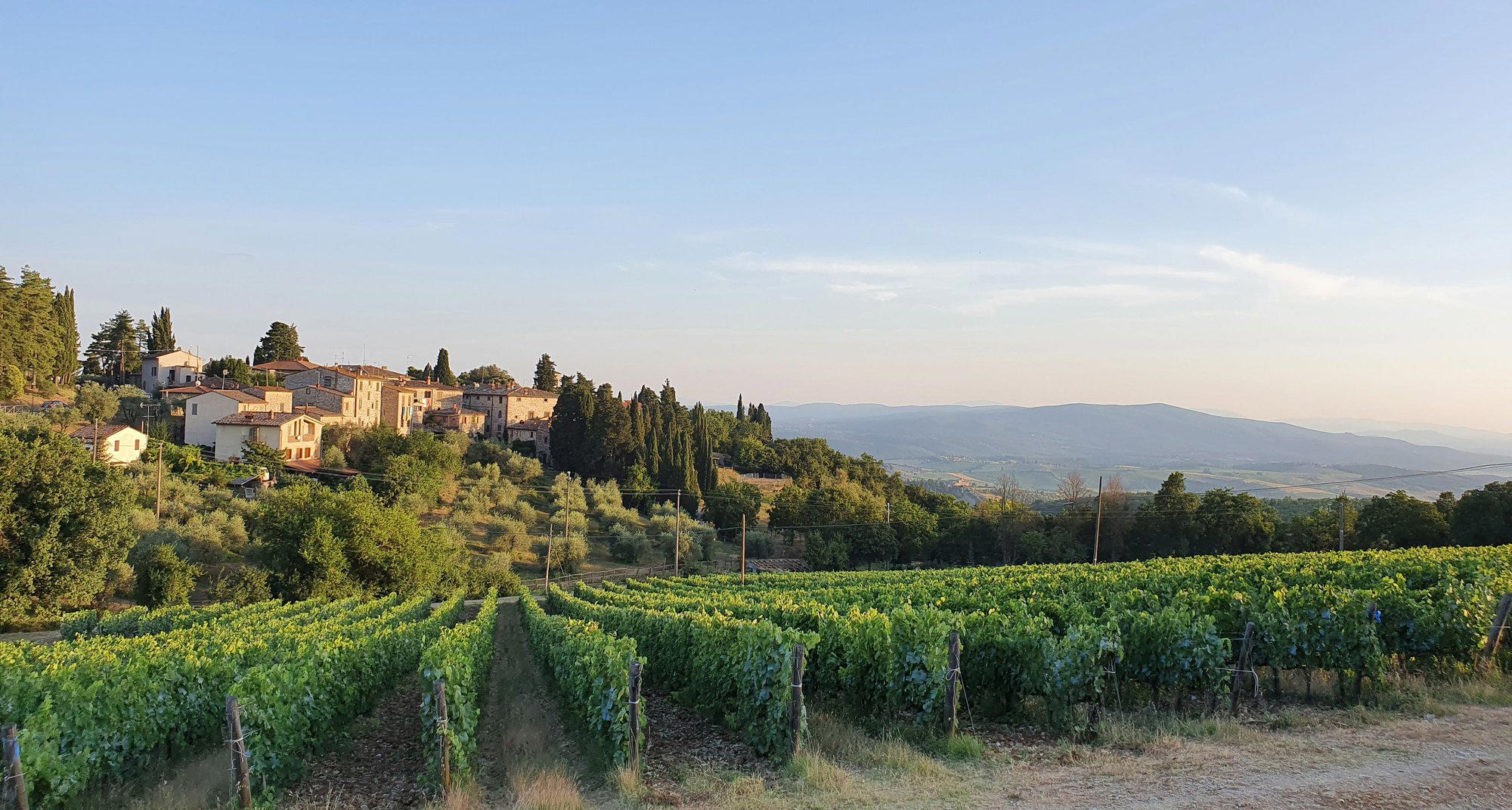
A strong choice when the day is built around Chianti wine, collecting, or a special-occasion estate visit rather than a meal-first plan. Castello di Fonterutoli makes the most sense for couples, clients, or small groups who want the winery to anchor the itinerary and have time to evaluate bottles seriously.
Colle Santa Mustiola
Chiusi, Italy
A good choice in Chiusi if the priority is a quiet, wine-led visit rather than a packaged hospitality experience. The 2026 Falstaff listing gives Colle Santa Mustiola enough credibility to justify the stop, but confirm logistics before building a day around it, especially for food, groups, or fixed timing.
Bodega Jardi Lavica
Binissalem, Spain
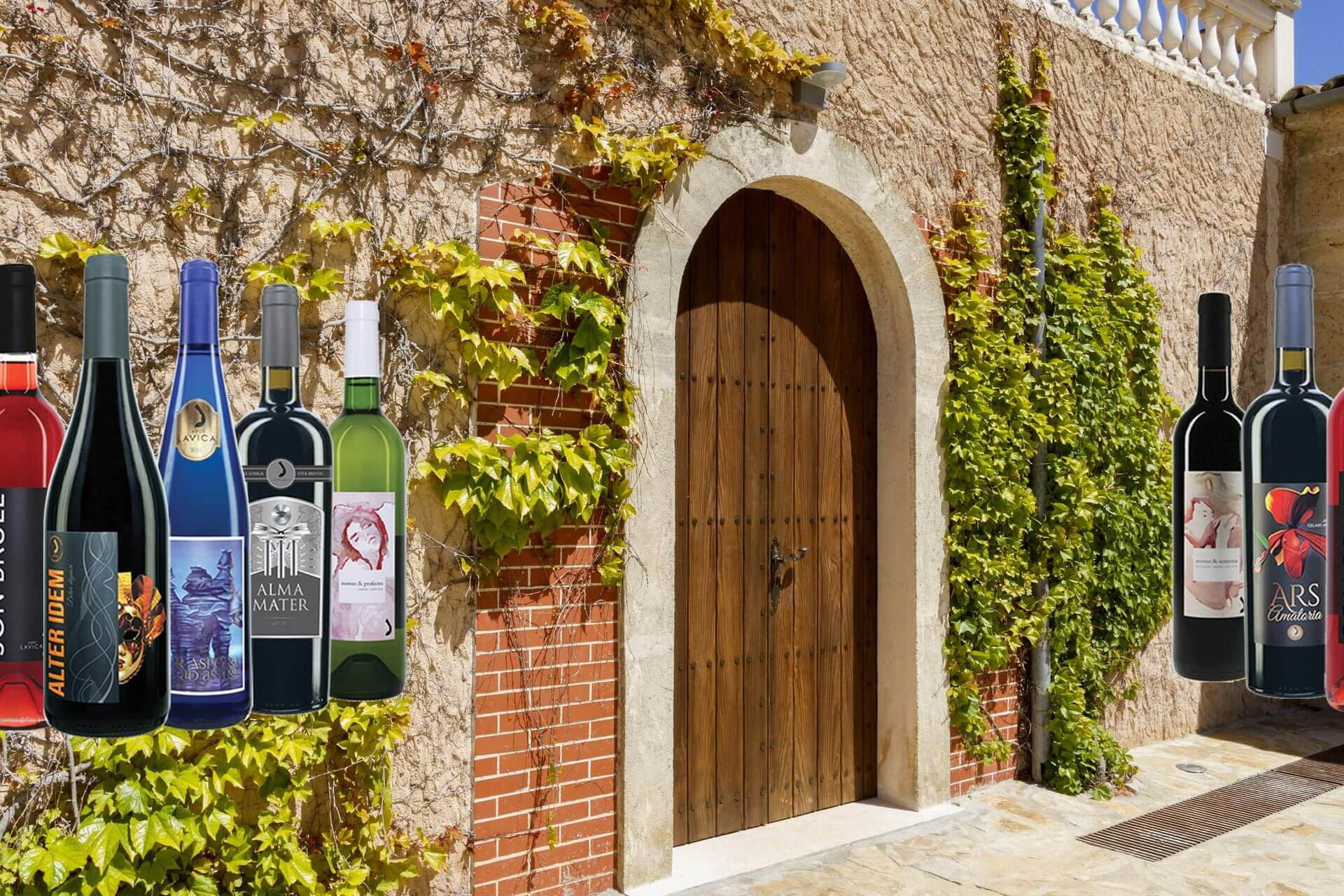
Book Bodega Jardi Lavica if the priority is a scenic, guided Binissalem tasting with villa atmosphere and a clear sense of place. The value is in the hosted format, estate setting, and white, rosé, and red lineup with snacks, rather than in highly detailed public wine specs or collector-level bottle information.
Château Fourcas-Dupré
Listrac-Médoc, France
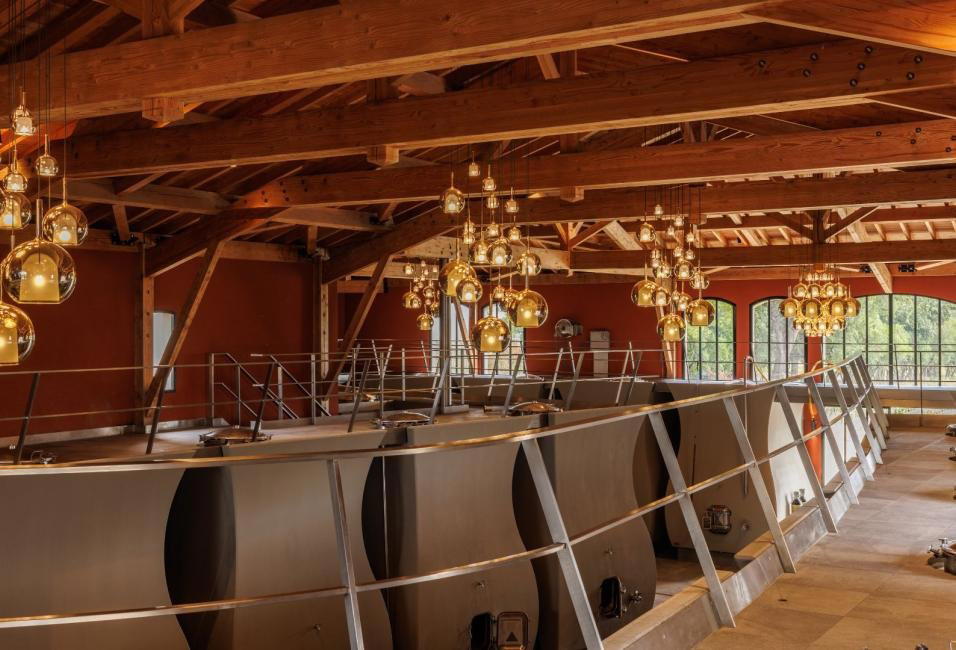
Worth booking for a quiet, value-led Listrac-Médoc château visit focused on the flagship red rather than a full dining experience. The appeal is the mix of historic estate atmosphere, renovated cellars, Falstaff Listed recognition for 2026, and a $$ price signal that makes bottle-buying feel sensible.
Ca' Viola
Dogliani, Italy
Ca' Viola is a plan-ahead Dogliani winery pick for travellers who want a wine-first Piedmont stop with a 2026 Falstaff 4 Stars recognition signal. It suits special-occasion planning better than casual walk-in touring, especially if the day is built around Dogliani’s winery circuit rather than food, nightlife, or hotel amenities.
Cave de l'Angelus
Saint Germain, Switzerland
Cave de l'Angelus is a practical Valais cellar for visitors who care more about grape range and family production than polished estate theatre. Go for a focused look at regional varieties and traditional versus barrel-aged selections; skip it if the setting itself is your main priority.
Finigeto
Godiasco Salice Terme, Italy
Finigeto is worth booking if your Oltrepò Pavese trip is about Pinot Nero and metodo classico rather than resort-style winery hospitality. Expect a rural, appointment-minded estate feel, with the strongest pull coming from its sparkling-wine focus and vineyard-adoption program. Casual visitors should plan it as one focused stop, not a full-day destination.
Domaine D'Ardhuy
Corgoloin, France
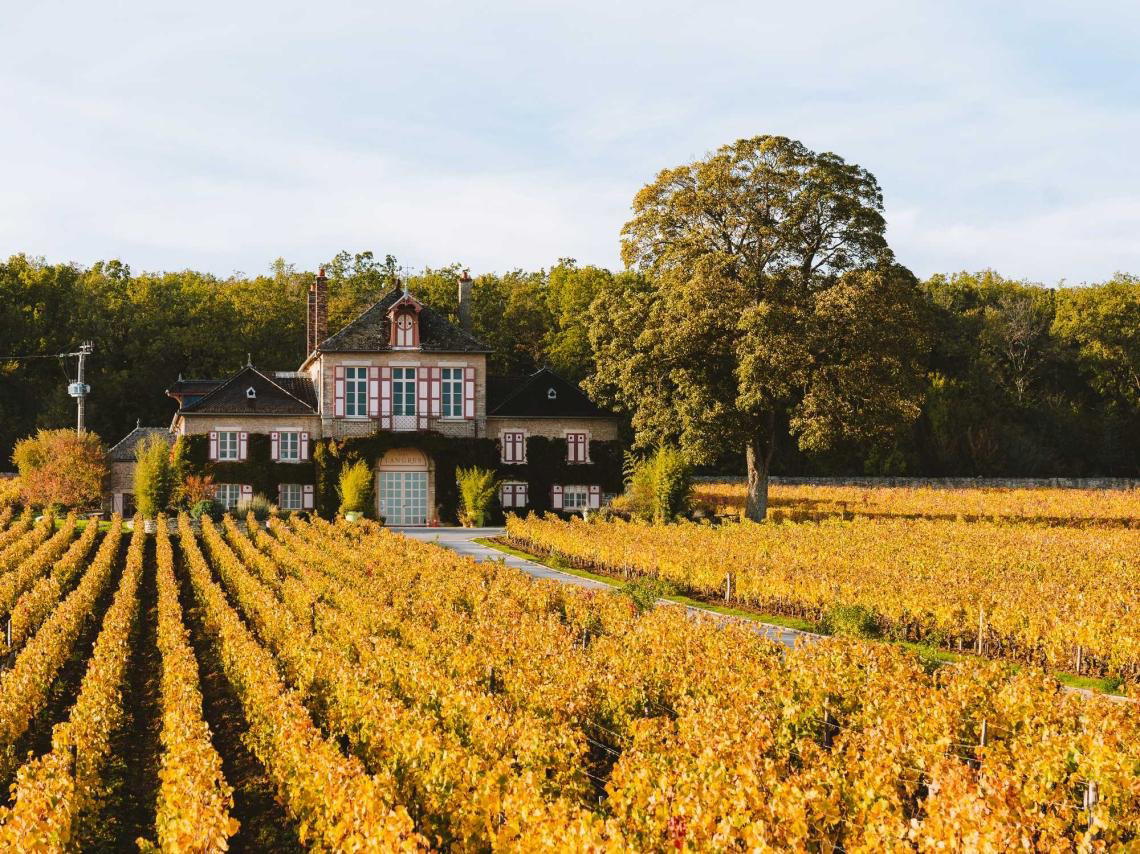
Worth considering for Burgundy-focused travelers using Corgoloin as a Côte de Beaune base, especially if the priority is wine rather than a full dining experience. Domaine D'Ardhuy has Falstaff Listed recognition for 2026, but visitor-facing details are thin, so treat it as a targeted winery enquiry rather than the sole anchor of a special-occasion day.
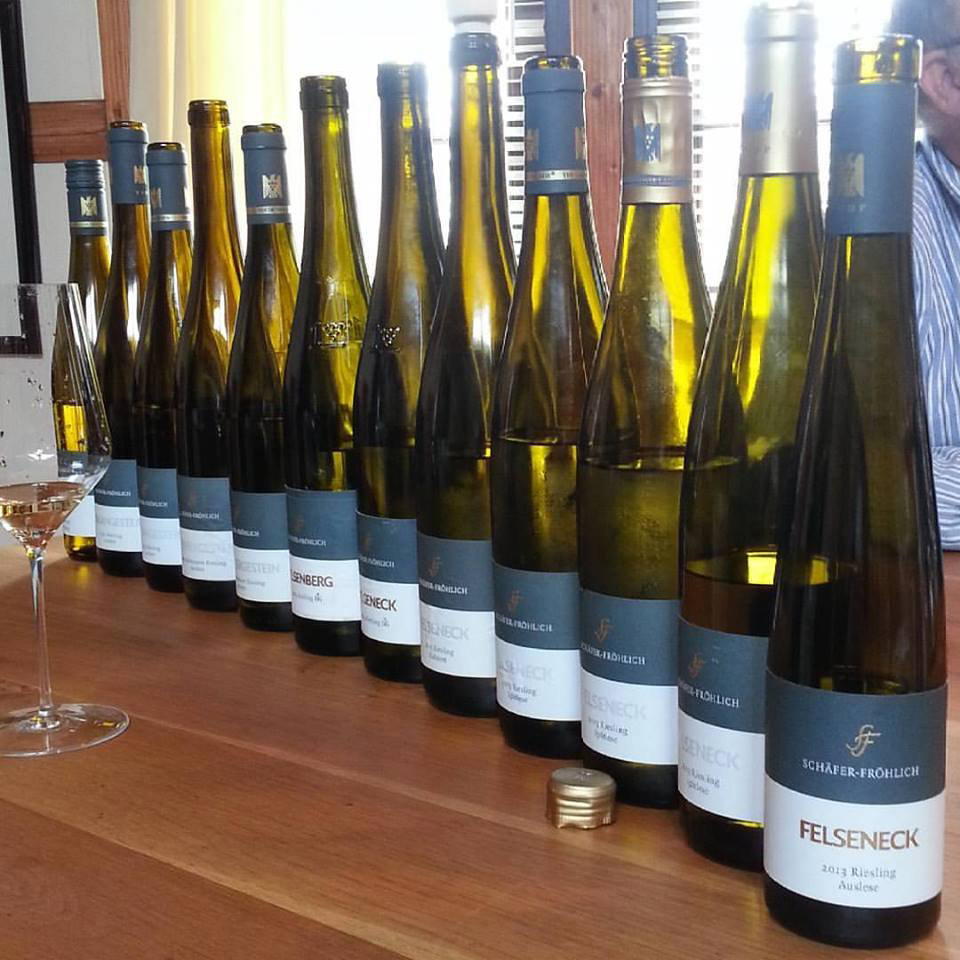
Weingut Schäfer-Fröhlich
Bockenau, Germany
A serious Bockenau wine stop for travelers who care more about Riesling depth than an easy tasting-room afternoon. Booking is difficult, so treat Weingut Schäfer-Fröhlich as an anchor visit rather than a flexible add-on. Its Pearl 3 Star Prestige recognition makes it worth targeting for collectors and focused wine travelers.
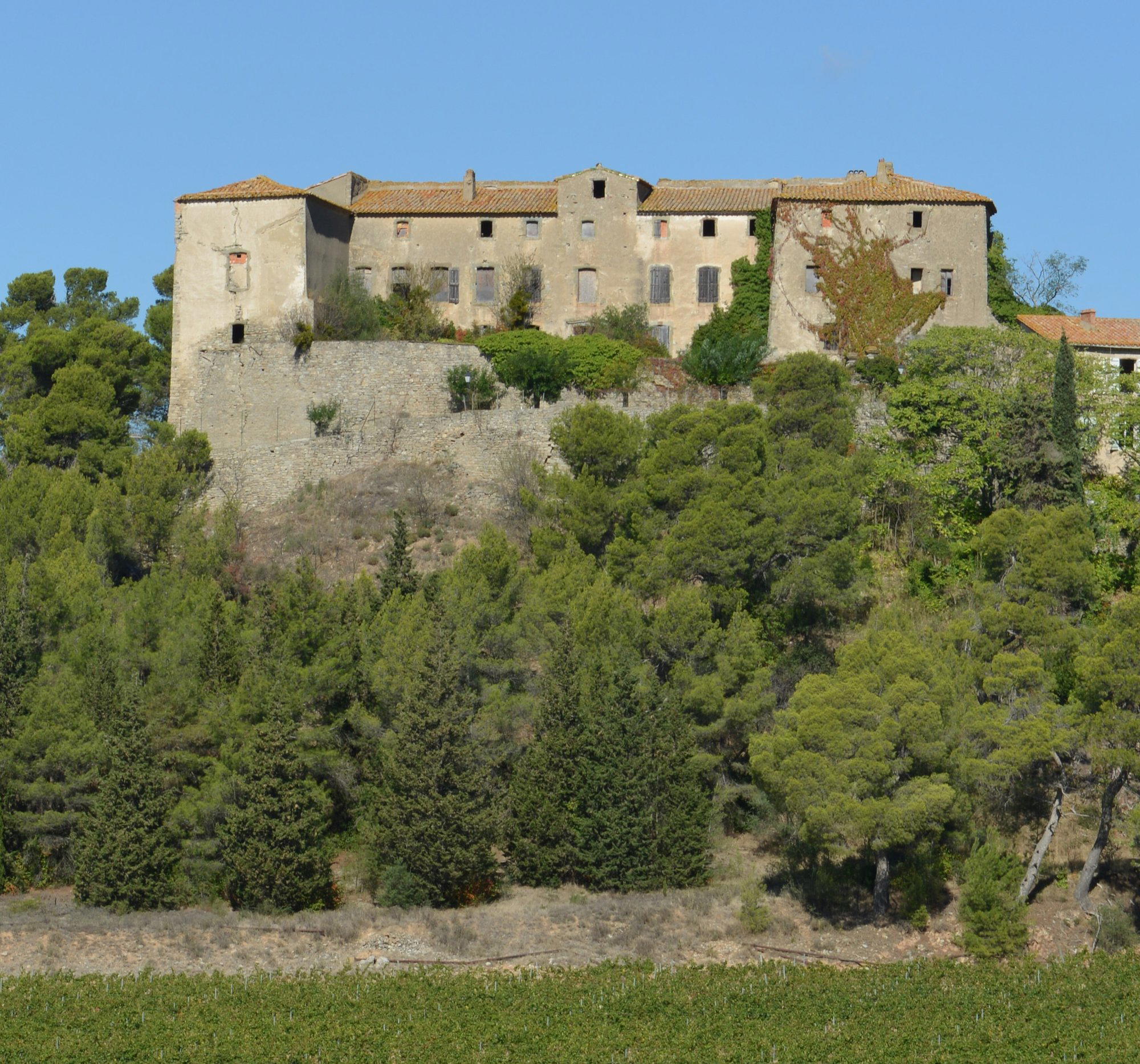
Chateau d´Oupia
Oupia, France
Worth considering as a flexible Minervois wine stop, especially for travelers already passing through Oupia. The 2026 Falstaff Winery listing is the main confidence signal, but this is not a venue to build an entire day around unless tasting arrangements are confirmed. Better for independent wine-route planning than for guests expecting a packaged private experience.
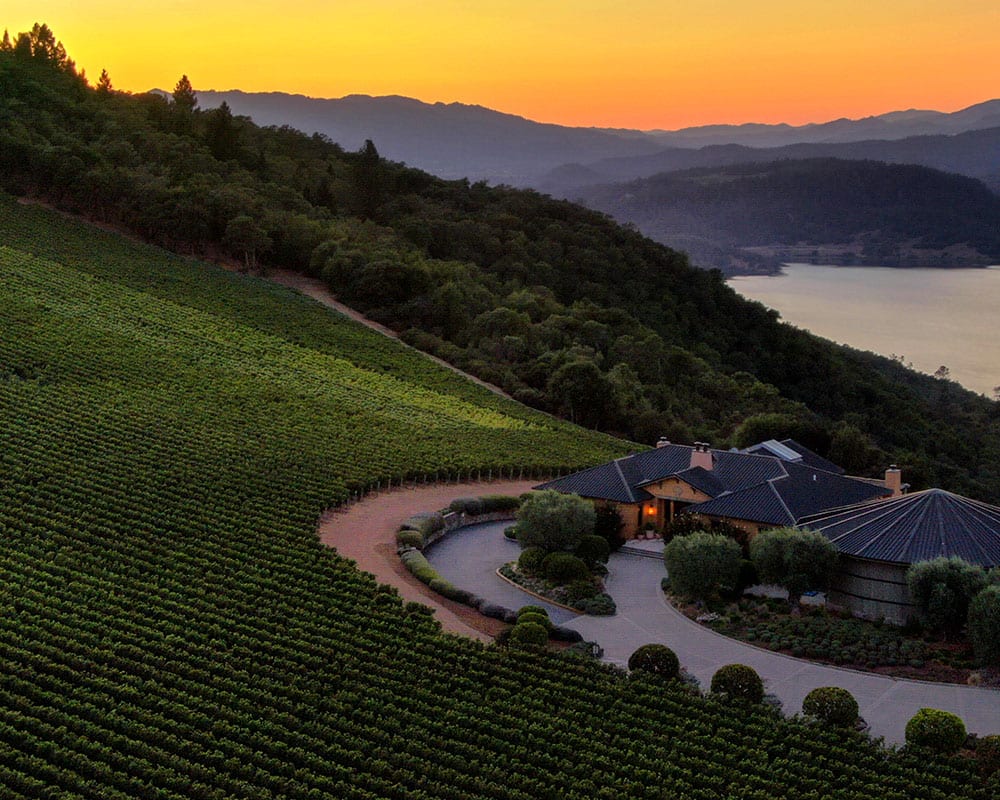
Colgin Cellars
St. Helena, United States
Colgin Cellars is a serious St. Helena choice for collectors and repeat Napa visitors, not a casual drop-in tasting. Prioritize it if wine access matters more than food, flexible timing, or a broad hospitality format; choose an easier St. Helena winery if this is a first-trip itinerary or a group day.
Donnachiara
Montefalcione, Italy
Donnachiara is worth shortlisting for a wine-led stop in Montefalcione, especially for couples or small groups planning a Campania itinerary around recognized estates. Falstaff Listed in 2026, it has a useful credibility signal, but food service, tasting format, pricing, and group capacity should be confirmed before making it the anchor of a celebration.
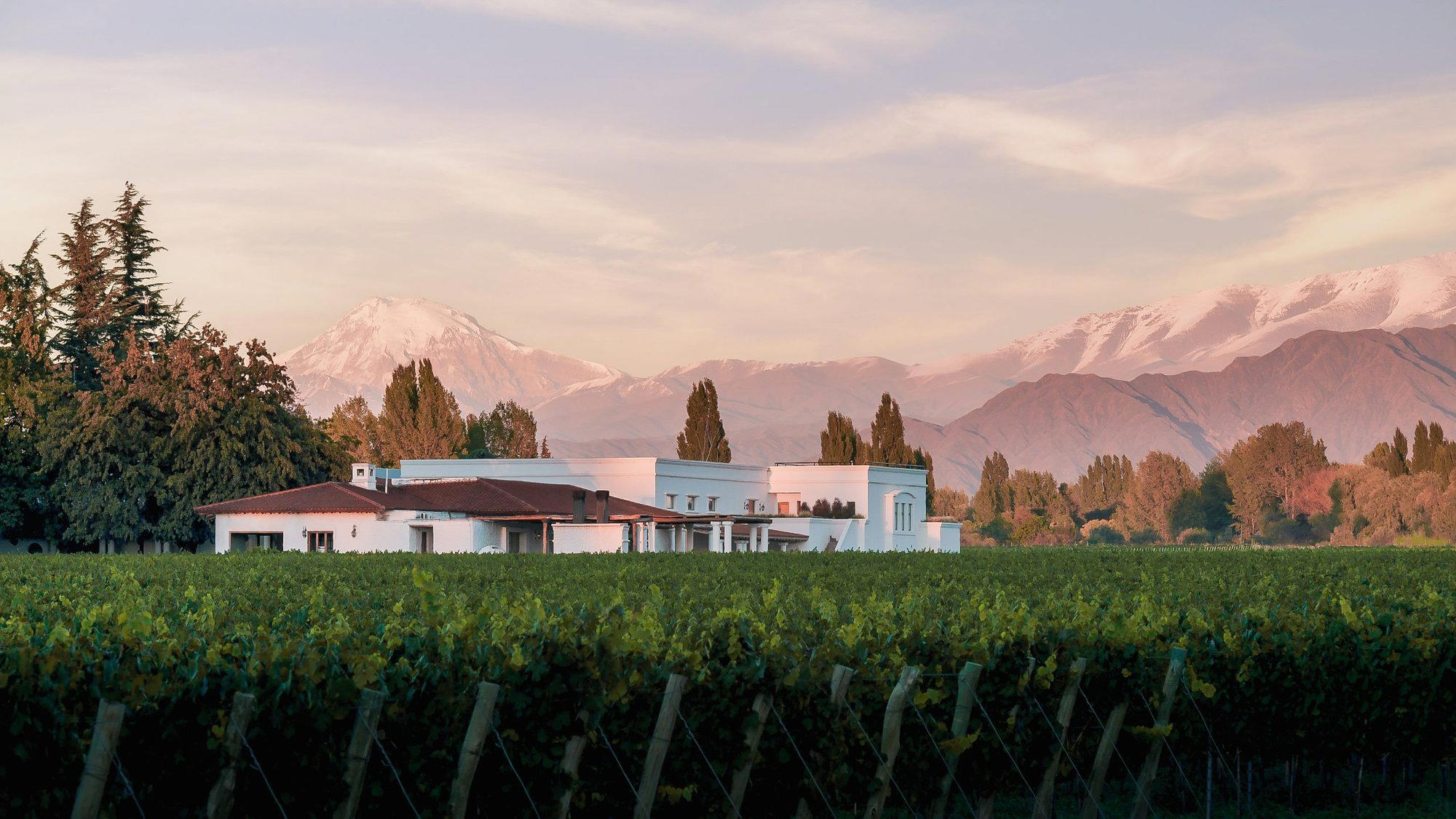
Nieto Senetiner
Luján de Cuyo, Argentina
Book Nieto Senetiner if the goal is a polished Luján de Cuyo winery visit for a celebration, date, or serious Mendoza tasting day. The 2025 Pearl 3 Star Prestige signal makes it a strong candidate, but any wine-club decision should wait until pricing, shipment, and access terms are clear.
Biocave
Miege, Switzerland
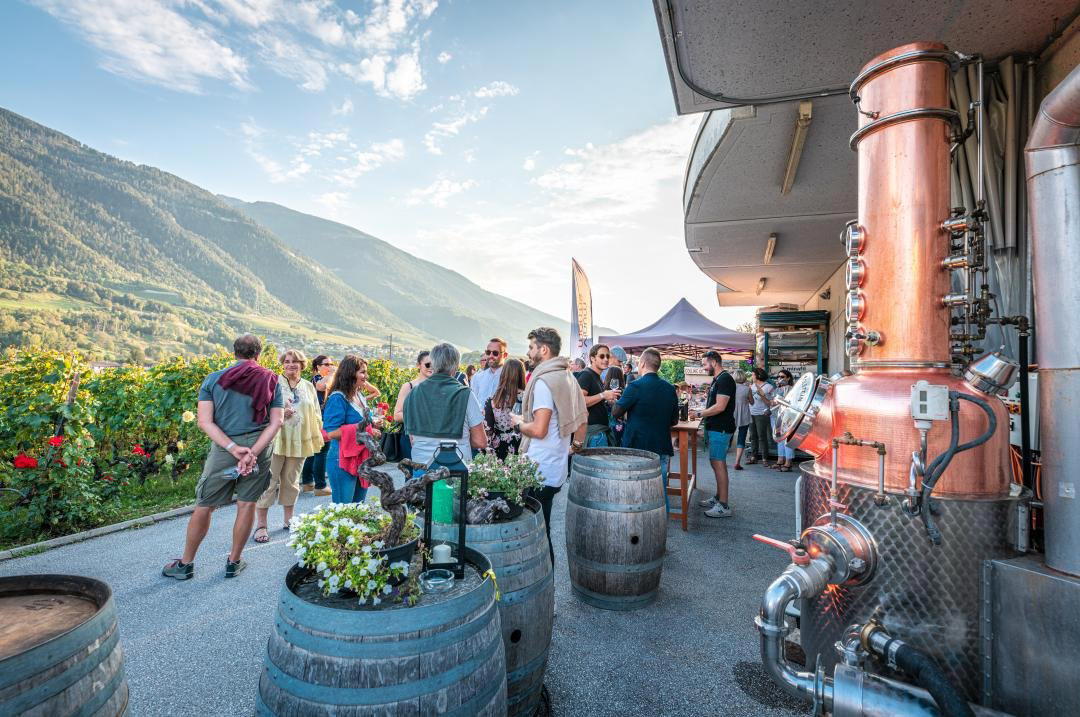
Biocave is a good Miège choice for a calm, wine-focused tasting rather than a flashy cellar visit. Book it for a couple, small celebration, or organic Valais deep dive; skip it if the group wants a large-format hospitality setup or a full meal built around the wines.
Cantine Lozza
Santa Giuletta, Italy
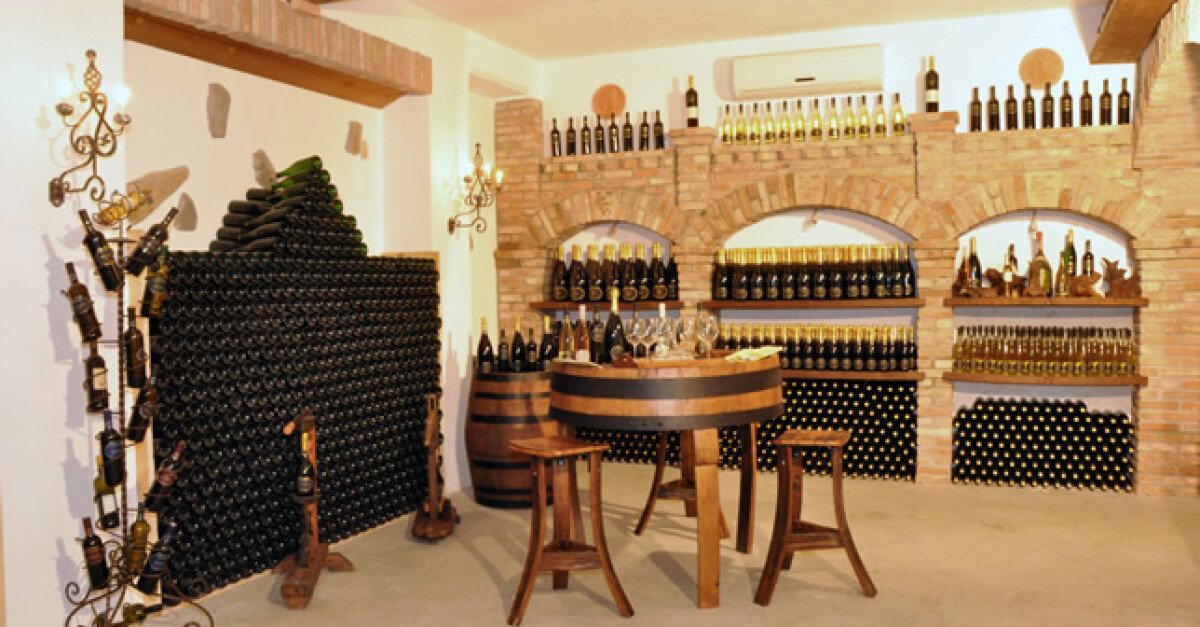
Worth booking if you want an organic Oltrepò Pavese tasting with a calm terrace setting rather than a formal collector-style visit. Cantine Lozza works well for dates, small celebrations, and relaxed groups who care about value, family hospitality, and a broad local wine range.
Beato Bartolomeo
Breganze, Italy
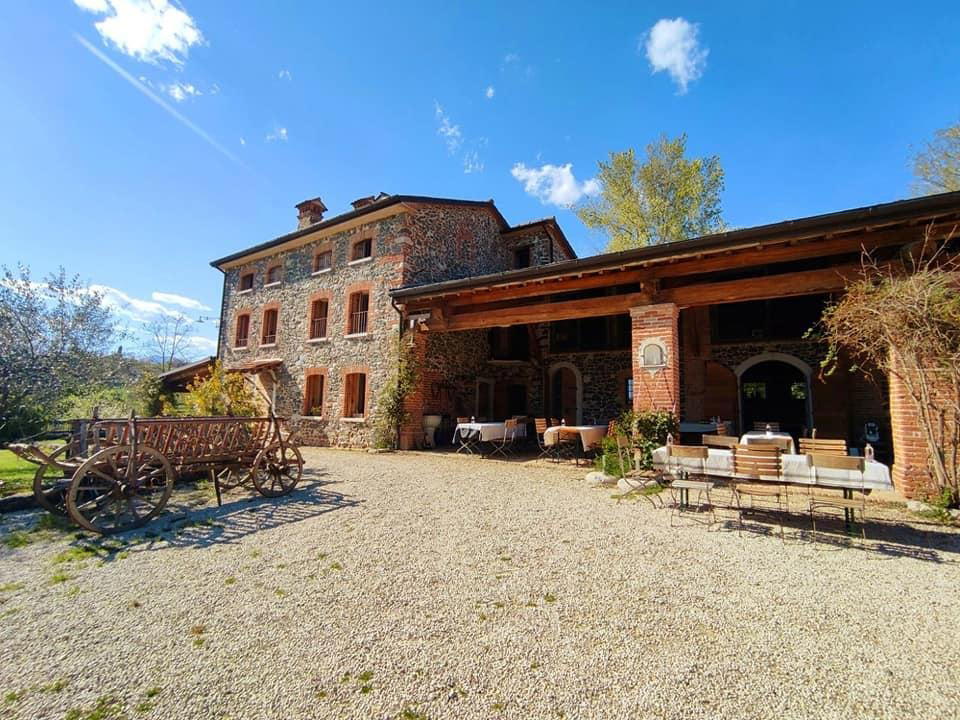
Beato Bartolomeo is worth planning for if the goal is a practical Veneto tasting with regional context, not a high-ceremony cellar visit. The draw is the Breganze DOC range, especially Torcolato, and the option to make the tasting more complete with cured meats. It suits couples, small celebrations, and wine-curious groups who want a grounded cooperative perspective.
Acquesi
Acqui Terme, Italy
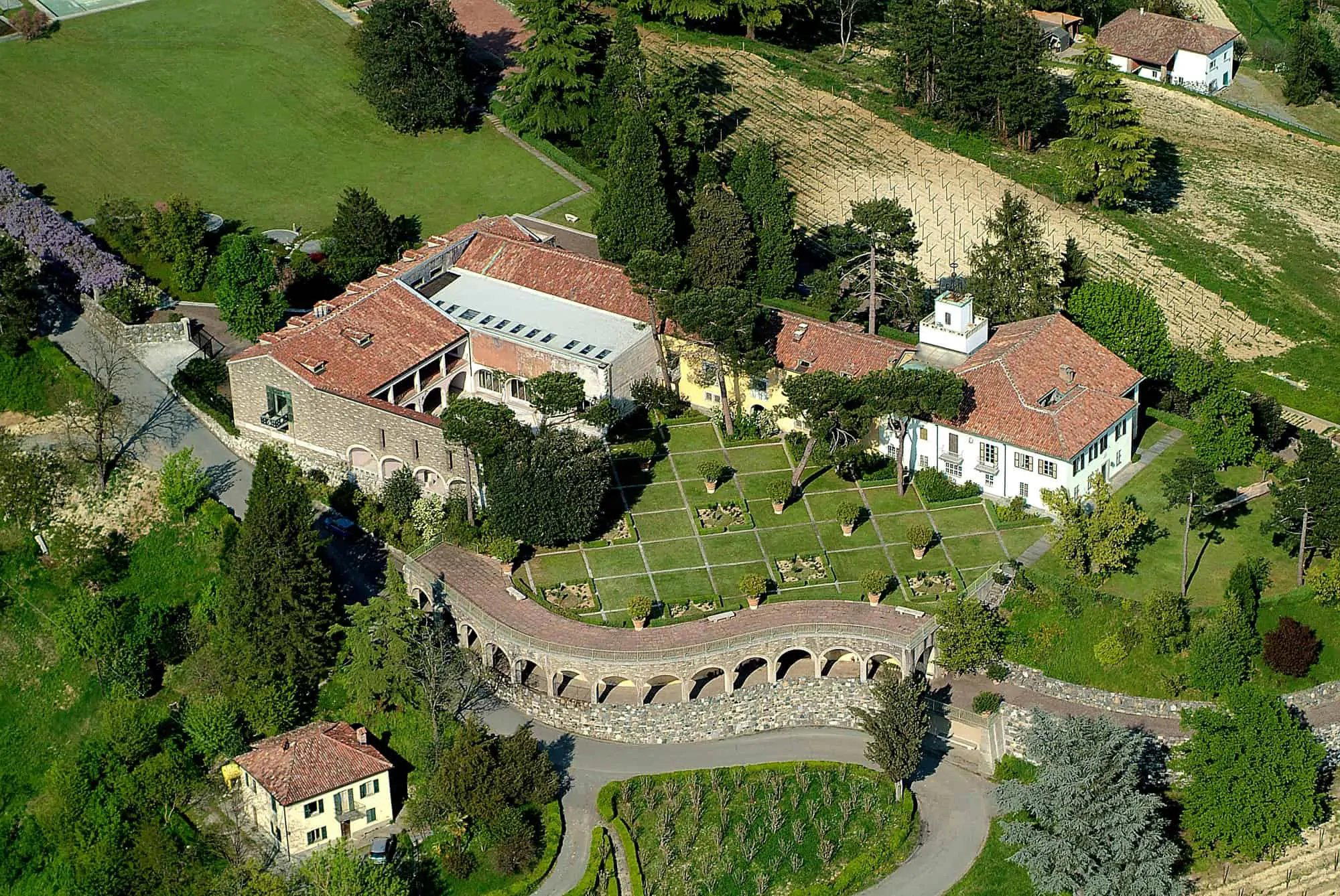
Book Acquesi if the goal is to understand Acqui Terme through aromatic sparkling wine rather than chase a broad cellar tasting. The sweet red Brachetto d’Acqui and Moscato-led Asti styles are the reason to go; a private tasting is most useful for groups who want DOCG distinctions explained clearly.
Finca Allende
Briones La Rioja, Spain
Finca Allende is worth prioritising if Rioja Alta wine is the reason for the trip, not just a stop between meals. The 2026 Falstaff 4-star recognition supports the quality case, but practical planning matters: use it for a small celebration or wine-focused itinerary where timing can stay flexible.
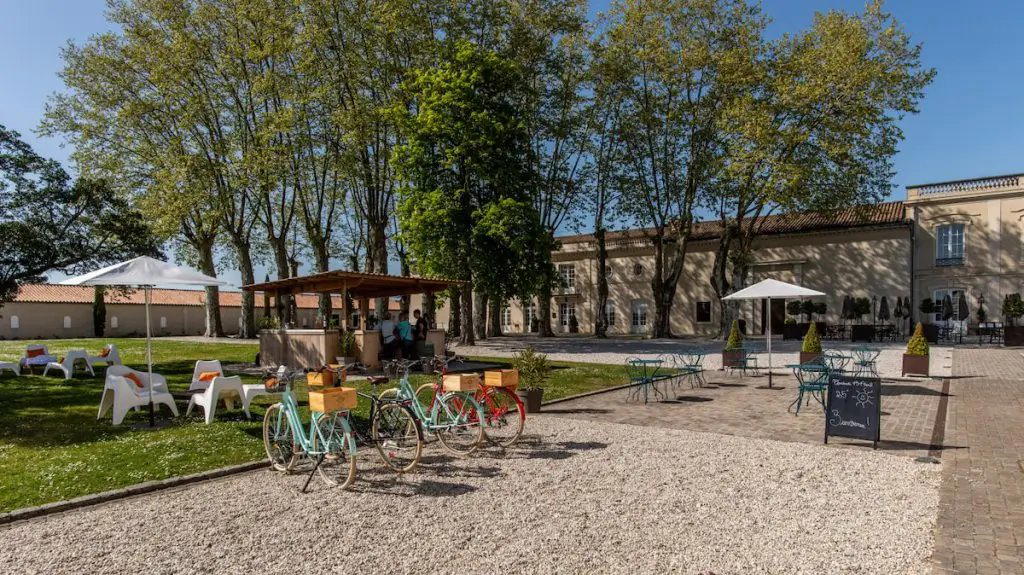
Château Guadet
Saint-Émilion, France
Château Guadet is worth booking for a compact, personal Saint-Émilion tasting with serious farming credentials and a village-cellar setting. It suits couples, small celebrations, and Bordeaux drinkers who want context on biodynamics, limestone terroir, and vintage differences more than a large château production.
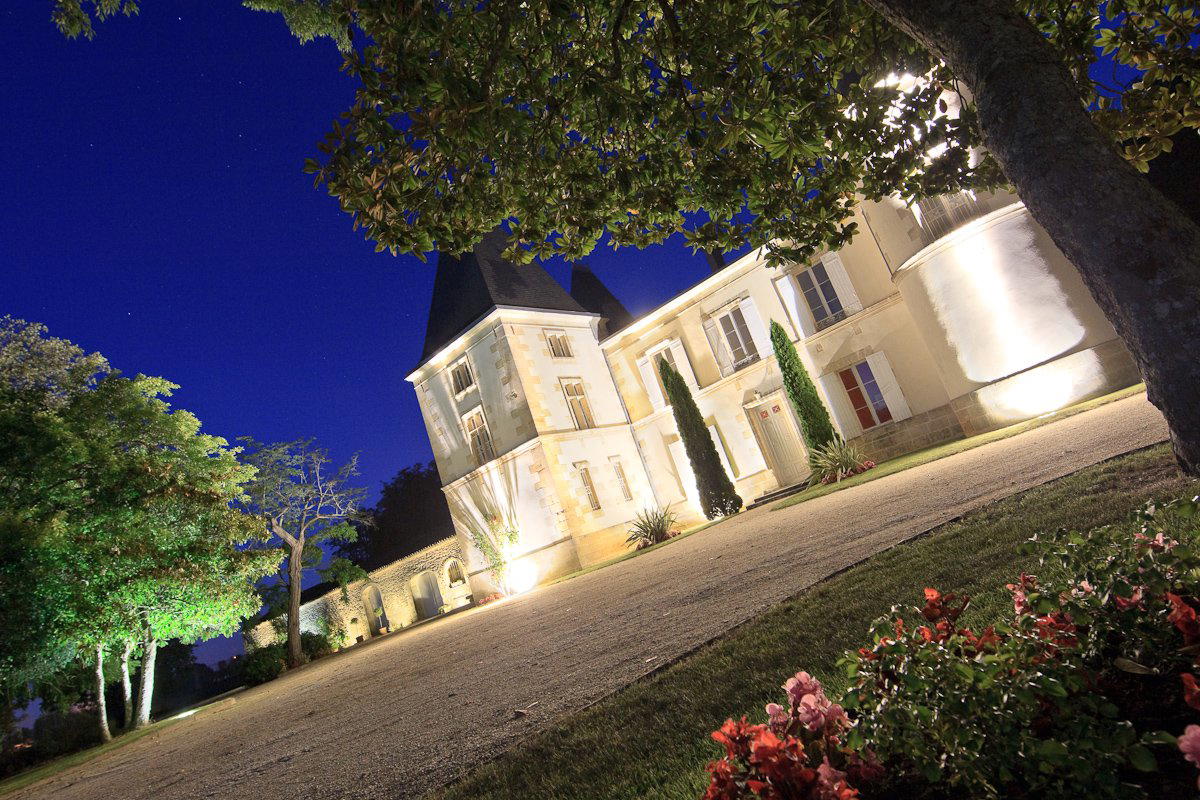
Château Escot
Lesparre Medoc, France
Château Escot is a cautious yes for a Lesparre-Médoc wine day if the priority is tasting and bottle assessment rather than a fully scripted château experience. Its Falstaff Listed recognition in 2026 gives it enough credibility to consider, but confirm visit details before building a celebration itinerary around it.
Csite
Budapest, Hungary
Csite is worth booking if your priority is small-scale natural Tokaj wine rather than a polished tasting-room setup. The draw is Furmint-led, barrel-aged production from hand-worked vineyard sites, with appointment-only access and a quiet rural feel. Skip it for large casual groups; prioritize it for a focused first look at low-intervention Hungarian whites.
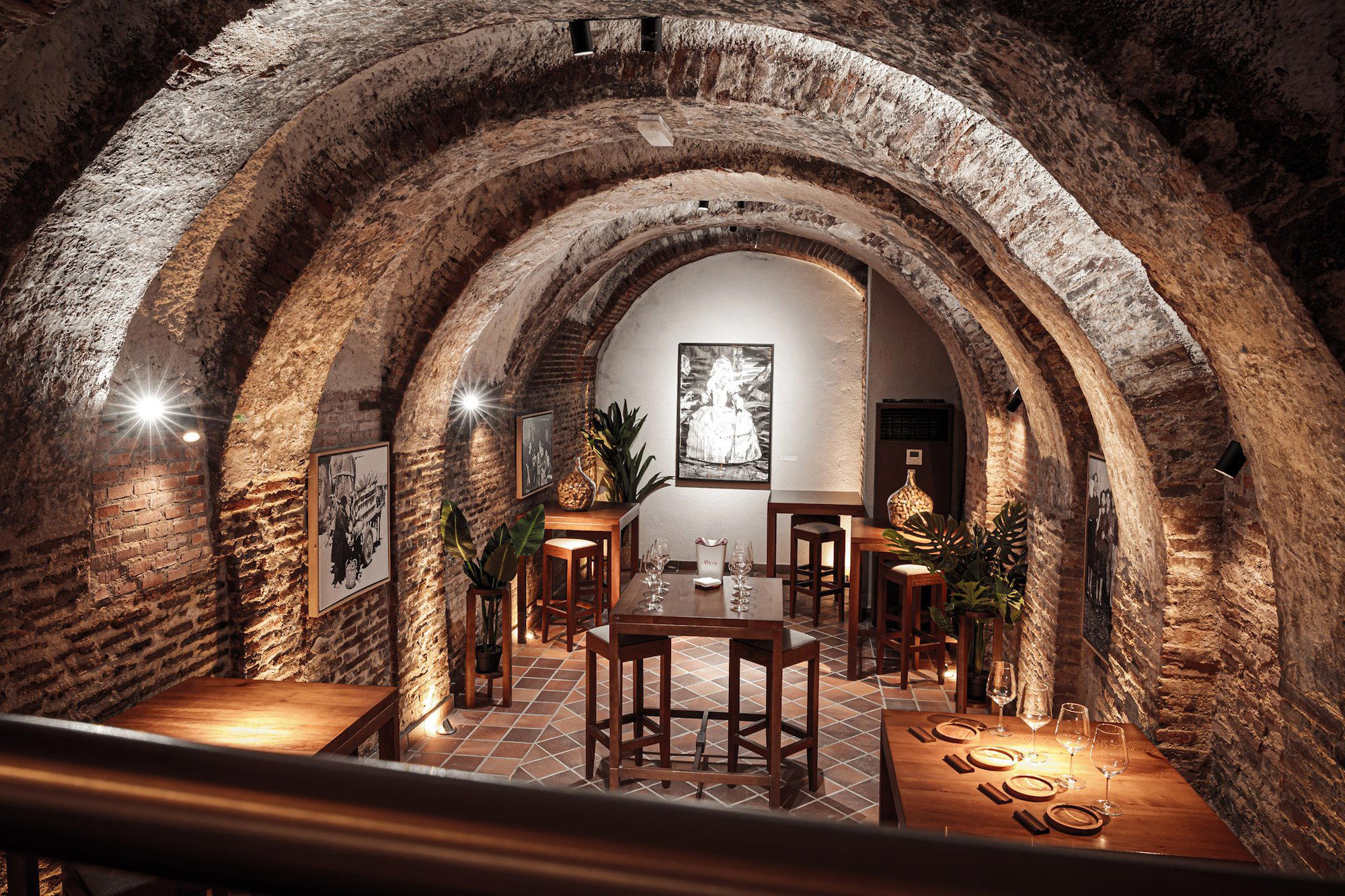
Bodegas Grupo Yllera
Valladolid, Spain
Book Bodegas Grupo Yllera if you want a Valladolid winery visit that feels structured, educational, and visually memorable rather than just another tasting stop. The 20-meter-deep cave cellar and Rueda/Ribera del Duero split make it especially good for mixed groups and returning wine-country travelers who want context, not only pours.
Corte Mamaor
Valeggio Sul Mincio, Italy
Corte Mamaor is worth booking if you want a compact, family-run Custoza and Bardolino tasting near Lake Garda without turning the day into a long cellar itinerary. The format suits couples and small groups, with local cured meats and cheeses supporting the wines. Go for regional context, not luxury production value.
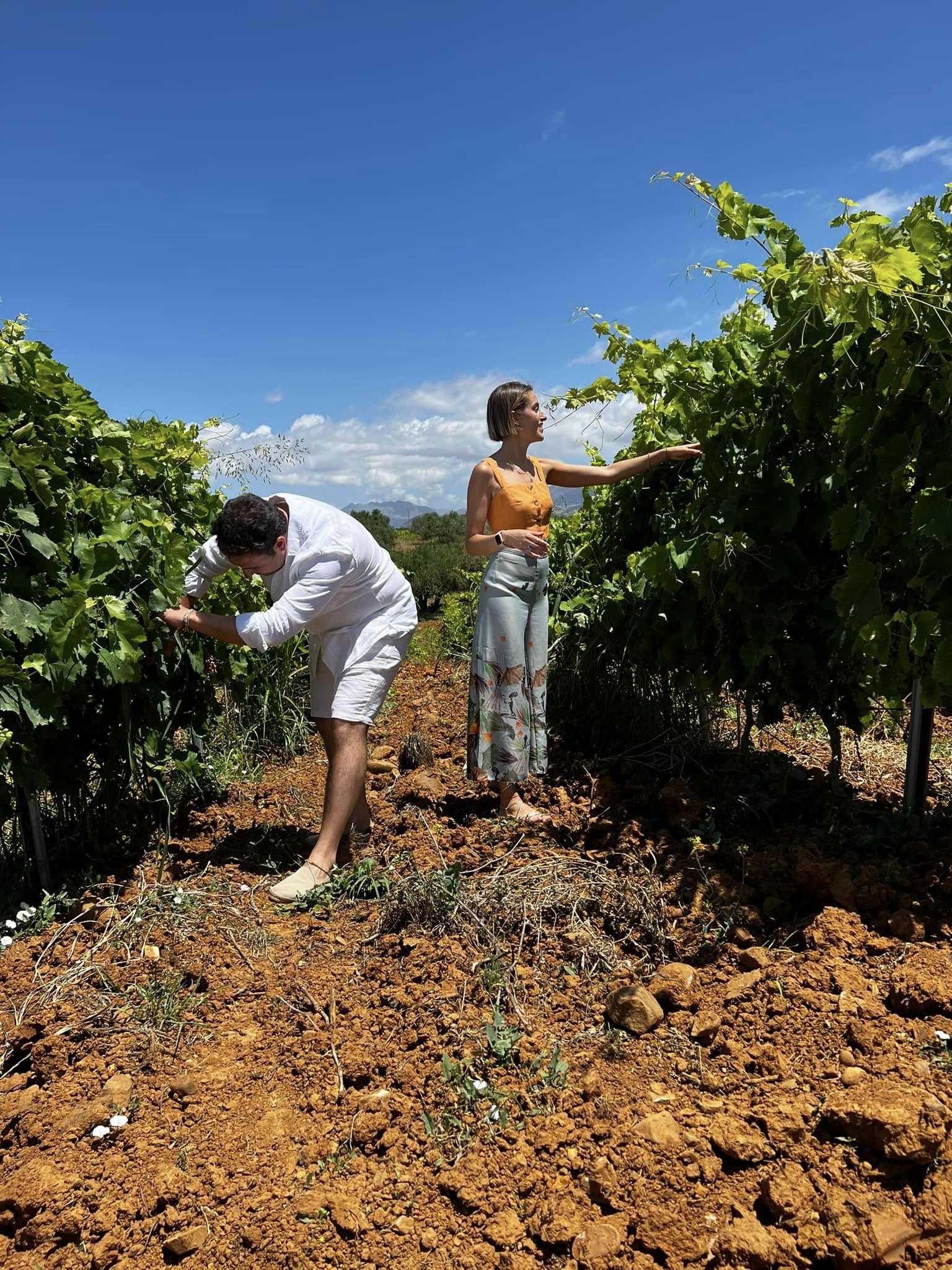
Azienda Vitivinicola Tola
Partinico, Italy
Book Azienda Vitivinicola Tola for a relaxed organic Sicilian winery tasting with family context, vineyard views, and a comfortable modern baglio-style setting. It is strongest for curious wine travelers who want time and explanation rather than a flashy cellar stop or collector-focused tasting.
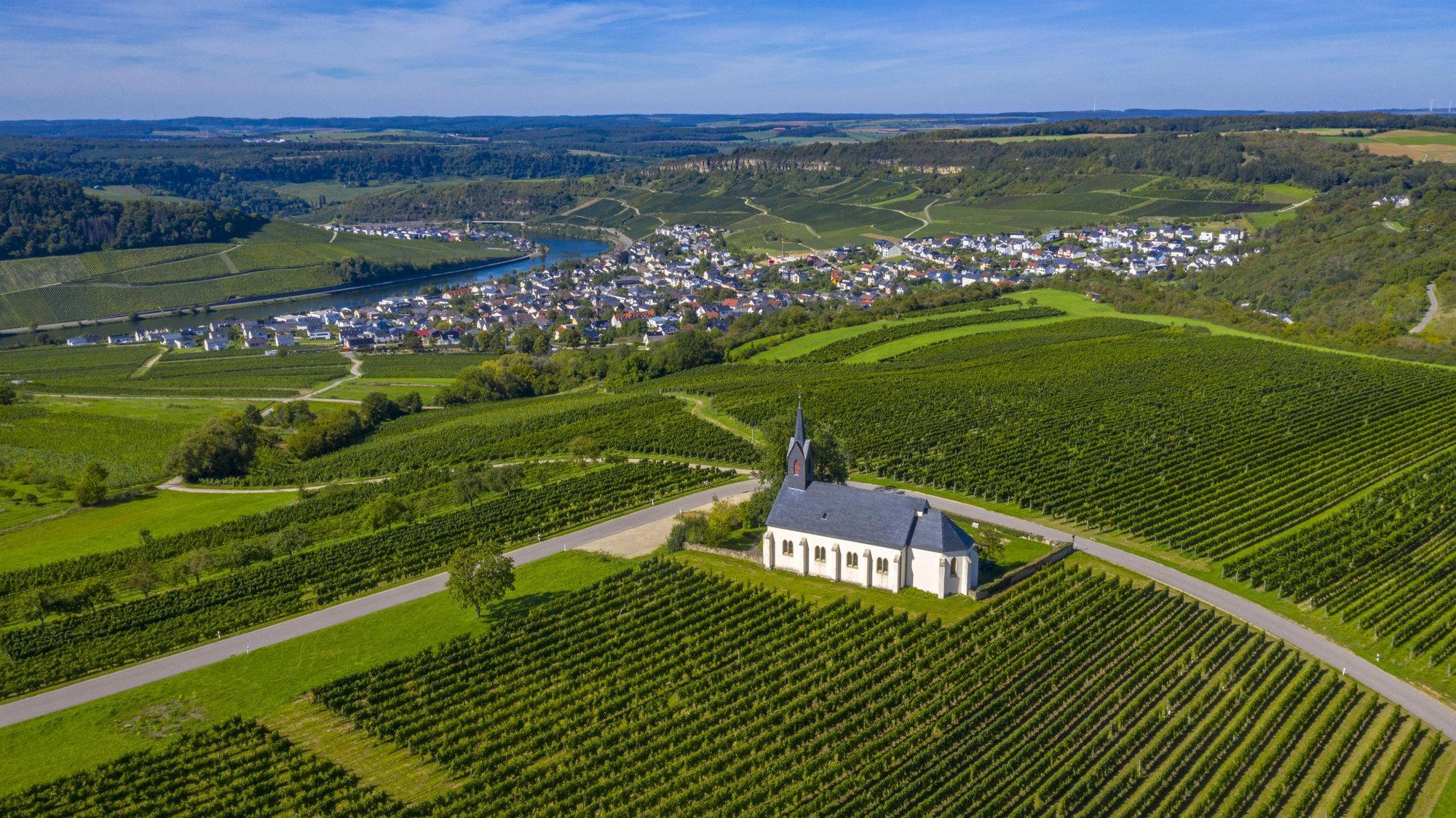
BioWeingut Beck-Winter
Nittel, Germany
BioWeingut Beck-Winter is worth shortlisting if the goal is an organic Moselle wine stop in Nittel, not a full-service food experience. Its Falstaff 1 Star recognition for 2026 gives it a credible quality signal, but plan ahead and treat any wine-club decision as something to make only after tasting.
Jean Geiler
Ingersheim, France
Jean Geiler is a smart Alsace Wine Route stop if the priority is breadth, easy logistics, and a group-friendly cooperative tasting near Colmar. Book it for an accessible look at Alsace AOC, Crémant, Grand Cru, late-harvest, and sweet styles; skip it if the occasion calls for a highly polished private-estate appointment.
Franco Mondo
San Marzano Oliveto, Italy
Franco Mondo works if the goal is Barbera d’Asti and a relaxed, family-run Piedmont wine stop rather than a formal luxury tasting. The strongest reason to visit is the appellation-led range, with Barbera d’Asti at the center and Alta Langa DOCG, Piemonte Sauvignon DOC, and Le Rose Nizza DOCG adding useful context.
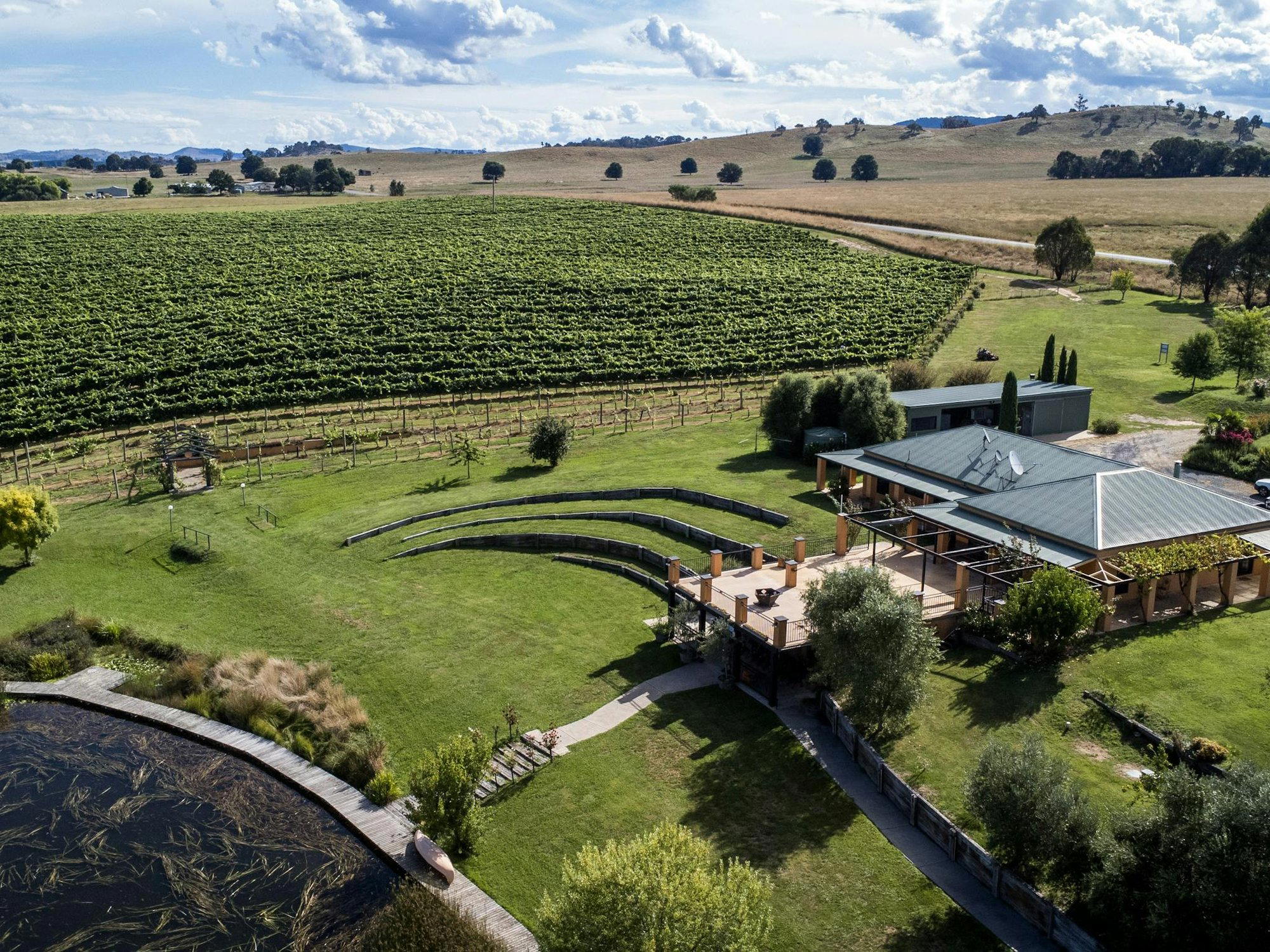
Allegiance Wines
Alstonville, Australia
Allegiance Wines is worth flagging for wine-focused Alstonville planning because it is Falstaff Listed (2026), but do not build a food-pairing itinerary around it without more confirmed detail. Treat it as a wine-led candidate and use broader Alstonville guides to lock in meals, stays, and backup plans.
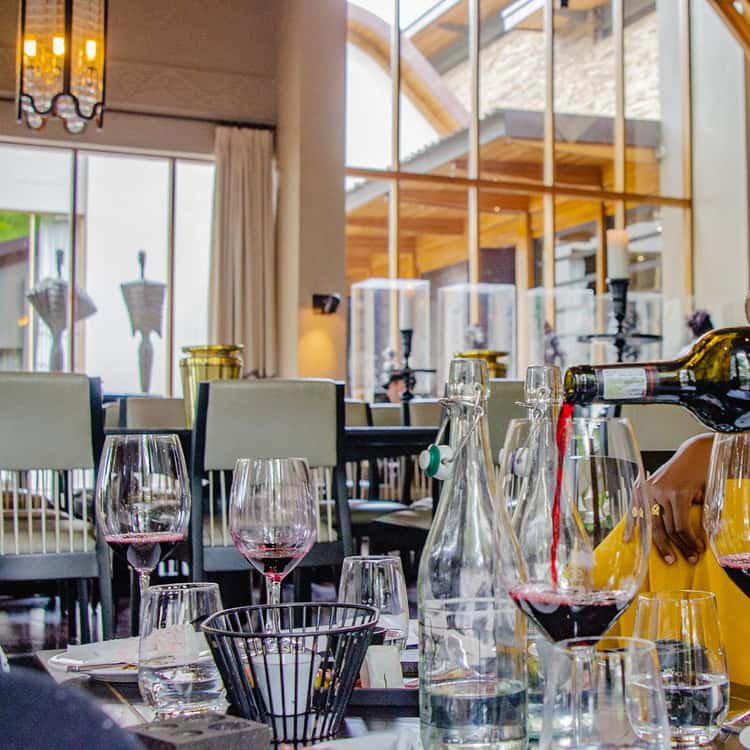
Constantia Glen
Cape Town, South Africa
Constantia Glen is a strong pick for travelers who want a serious Constantia wine stop without committing to a full Stellenbosch or Franschhoek day. Book it as part of a focused Cape Town winery route, especially if scenery, regional context, and convenience matter more than ticking off the oldest or flashiest estate.
El Maestro Sierra
Jerez de la Frontera, Spain
El Maestro Sierra is worth pursuing if the goal is serious aged sherry rather than a visitor-center experience. The appeal is its 1832 heritage, almacenista roots, long-aged solera wines and Falstaff Listed recognition in 2026; casual tasters may prefer a more conventional hospitality format elsewhere in Jerez.
Château La Reyne
Puy-L’Évêque, France
Château La Reyne is a strong pick for travelers who want a serious, low-key Cahors Malbec visit rather than a glossy tasting-room experience. Go for organic vineyard context, cellar insight, and the estate’s structured, mineral-driven style; plan it as part of a slower Puy-L’Évêque wine day, not a rushed stop.
Drius
Cormons, Italy
Drius works if the goal is a calm, wine-led stop in Cormons rather than a restaurant-style occasion. The main trust signal is its Falstaff Listed status for 2026; plan it as a focused tasting and arrange meals, lodging, and broader itinerary pieces separately.
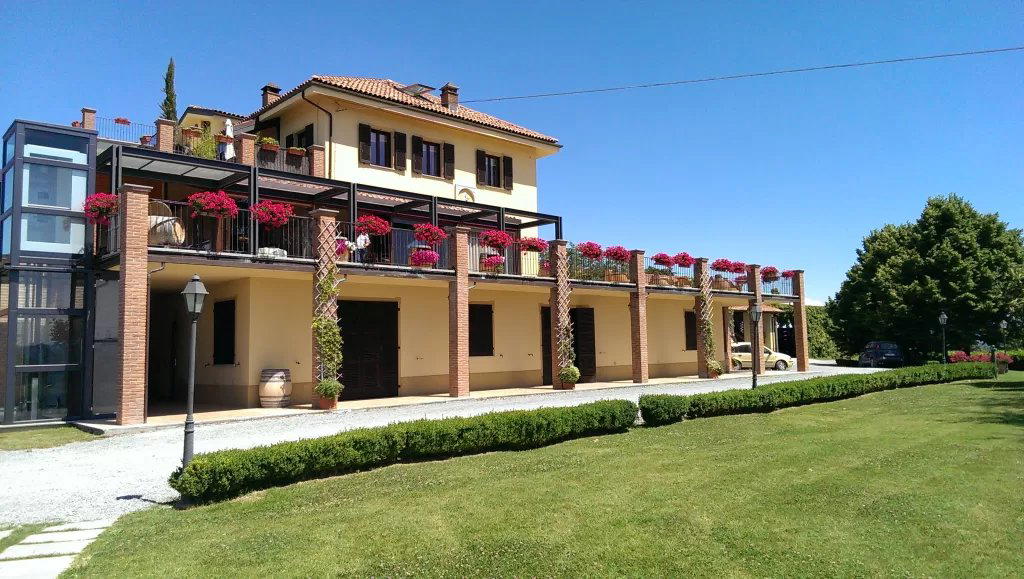
Araldica - Il Cascinone
Acqui Terme, Italy
Worth booking if Alta Langa metodo classico is the point of the trip. Araldica - Il Cascinone is a rural, production-led Piedmont estate with steep vineyards, classic cellar spaces, and a serious focus on Pinot Noir sparkling wine, backed by Falstaff Listed recognition for 2026. Skip it if the priority is a design-heavy tasting room or restaurant-style hospitality.
Pietradolce
Castiglione di Sicilia, Italy
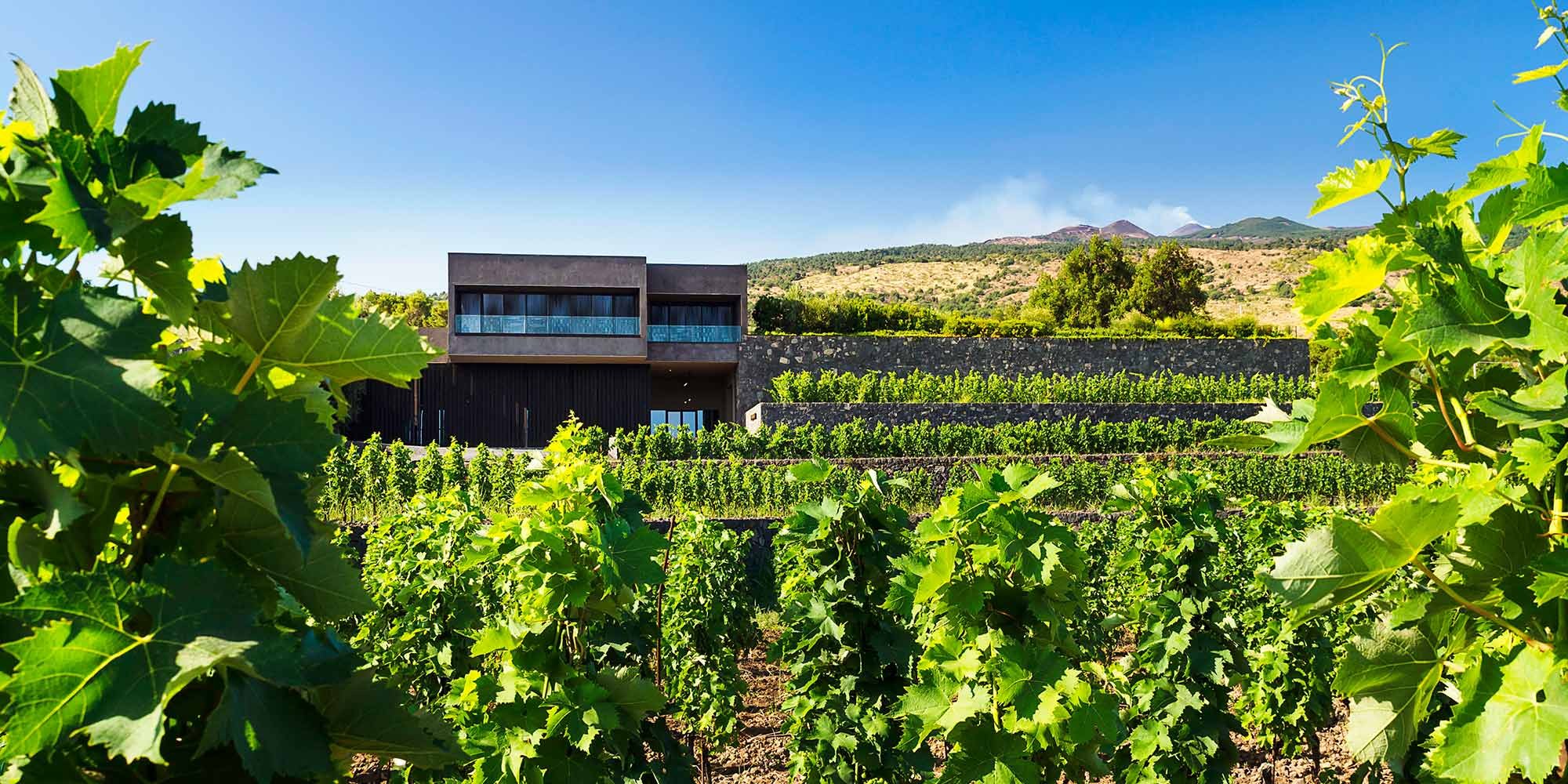
Pietradolce is a Solicchiata Etna winery focused on high-altitude volcanic vineyards, old-vine Nerello Mascalese and Carricante, and polished single-site expressions of the northern slope.
Familia Falasco - Bodega Los Haroldos
San Martín, Argentina
A good choice if the priority is a traditional San Martín winery visit with family heritage, Mendoza staples, and a production-led tasting rather than a glossy cellar-door experience. The $$ positioning and Falstaff Listed 2026 recognition make it a sensible value pick for travelers who want Malbec, Bonarda, and regional context in one stop.
Alberto Voerzio
La Morra, Italy
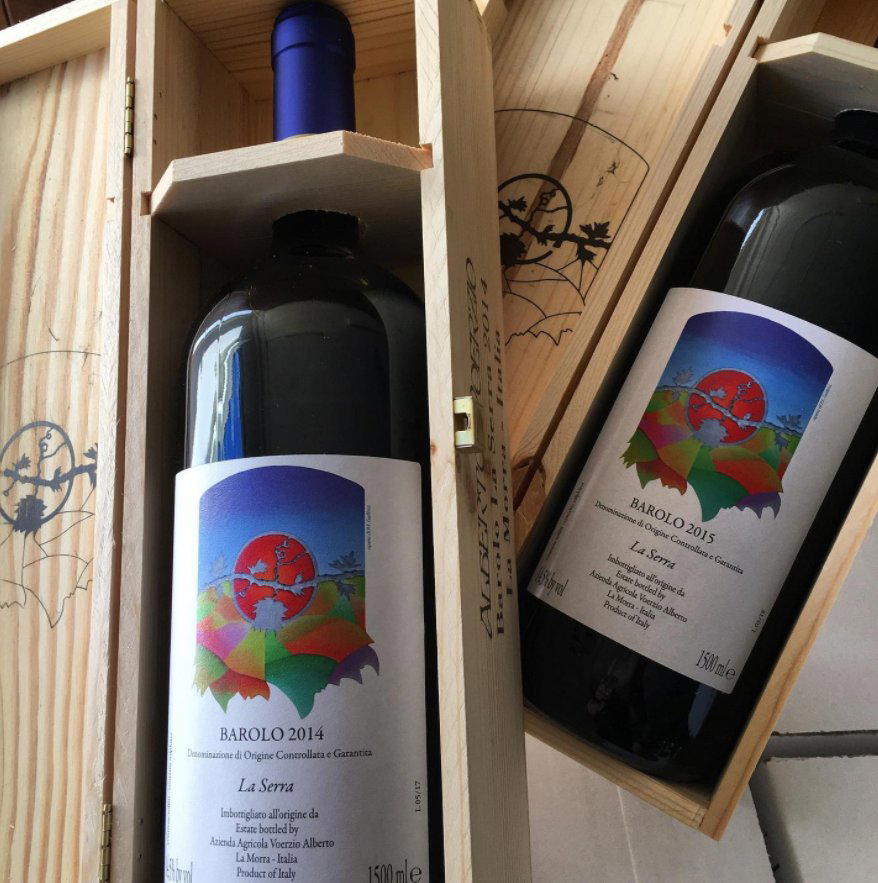
Alberto Voerzio works for a quiet La Morra winery-focused itinerary, especially if the priority is Piedmont cellar access rather than a polished restaurant or visitor-center experience. Falstaff listing in 2026 gives it a useful recognition signal, but wine-club value, shipping, food service, and flagship bottling details should not be assumed without confirmation.
Familie Marolf Weinbau
Erlach, Switzerland
Plan Familie Marolf Weinbau as a quiet Erlach wine-country stop rather than a full hospitality experience. Its 2026 Falstaff listing gives it a credible wine signal, but the safer play is a small-group visit with flexible plans around it, especially for a celebration or date-day itinerary.
Agricola del Nudo
Grosseto, Italy
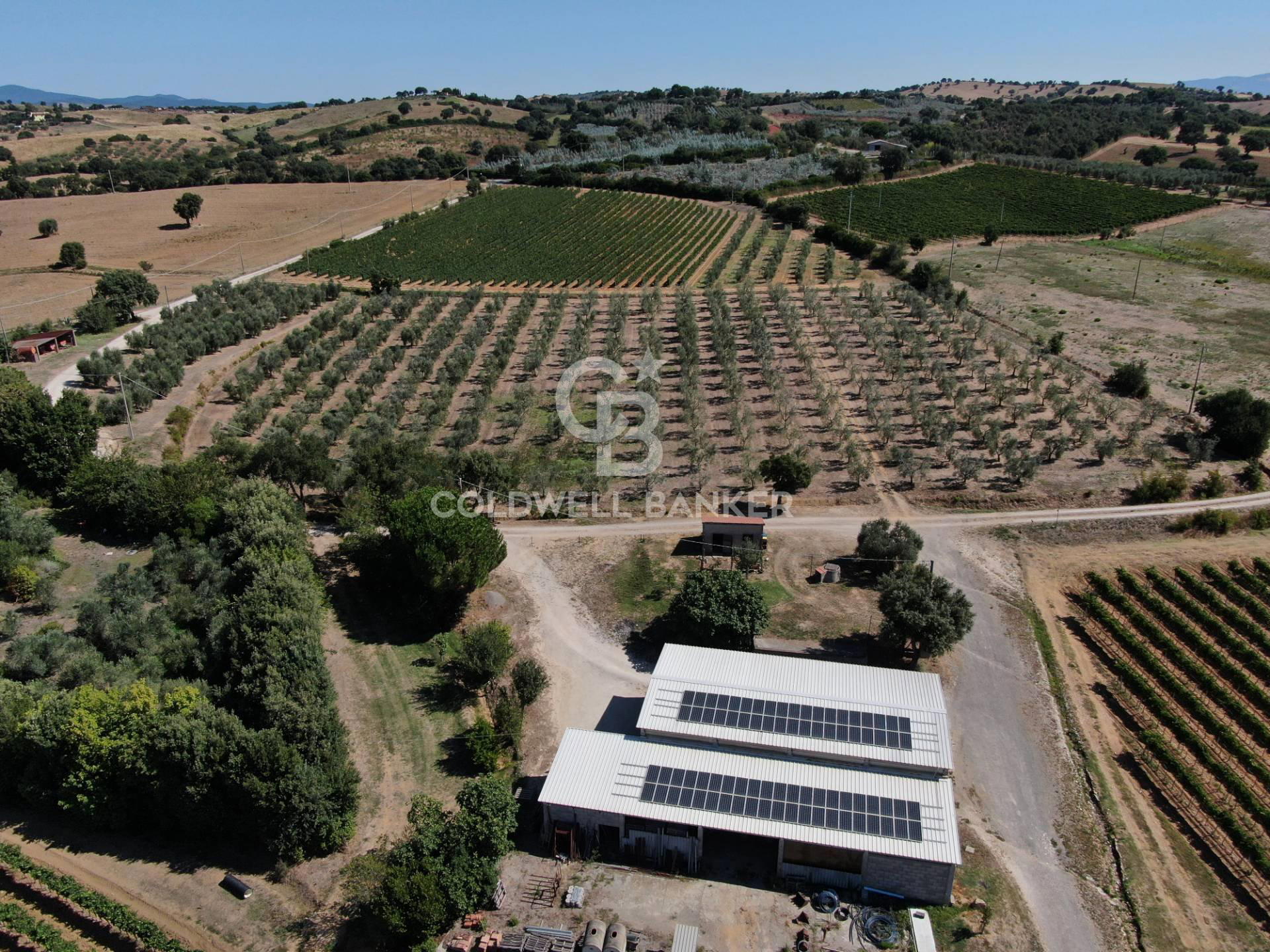
Agricola del Nudo is a good fit if you want a focused Maremma Toscana winery rather than a polished hospitality stop. The draw is organic, low-intervention work around Vermentino, Sangiovese, and Syrah, with Falstaff recognition adding a useful quality signal. Go for regional context and a quieter rural experience, not for a big-group tasting-room production.
Château Simian
Piolenc, France
Book Château Simian if you want a grounded Southern Rhône winery visit with organic and biodynamic farming at the center. The setting in Piolenc adds real value for travelers who care about vineyards, old Grenache, and family continuity; choose the longer tour if this is your main wine stop of the day.
Château Réaut
Rions, France
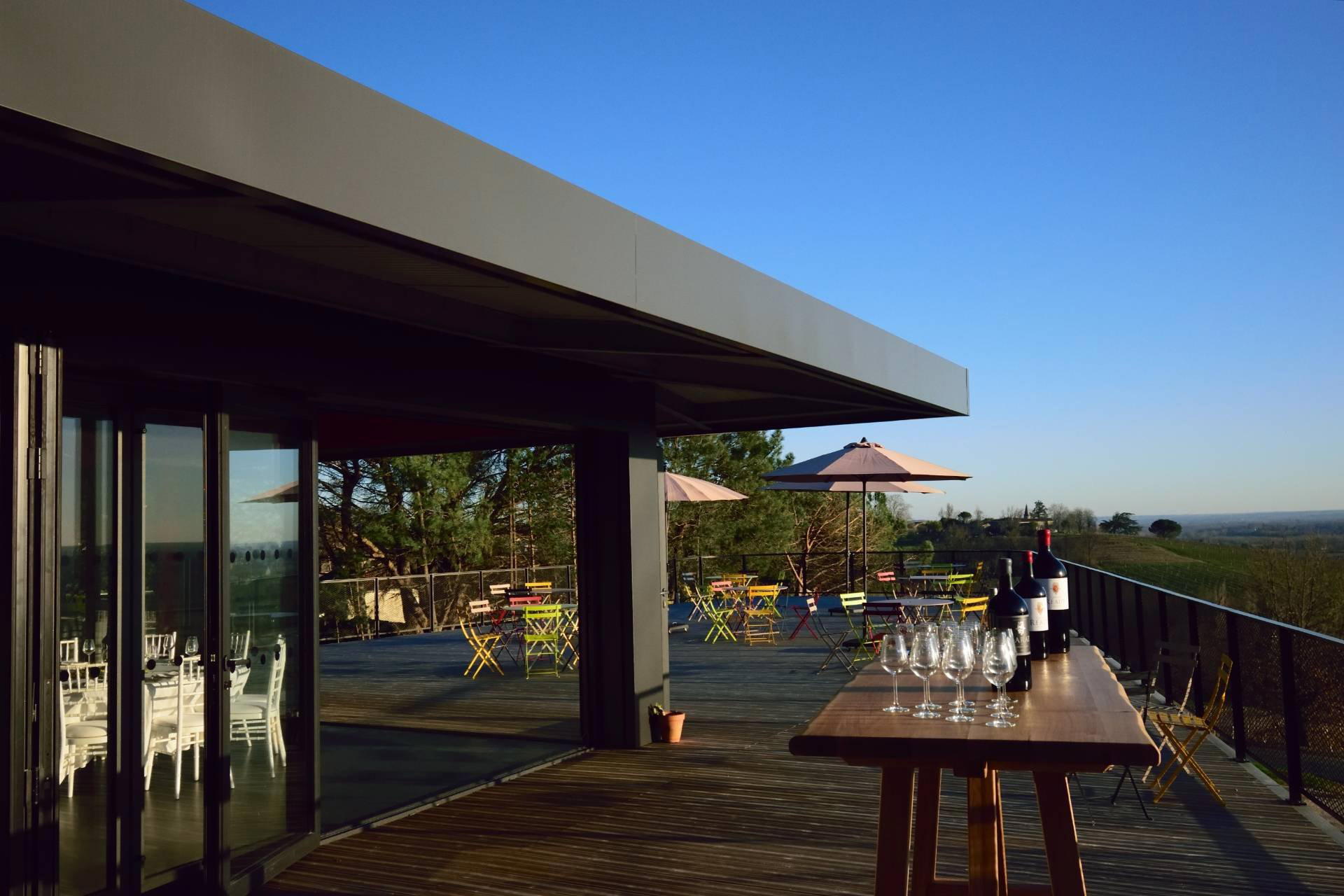
Château Réaut is worth booking if you want a relaxed Bordeaux winery visit with strong value, modern cellar design, and a terrace overlooking the Garonne. At a low tasting fee, it works especially well for dates, celebrations, business groups, and mixed wine-knowledge groups who want context without a stiff collector-focused experience.
Château Brown
Léognan, France
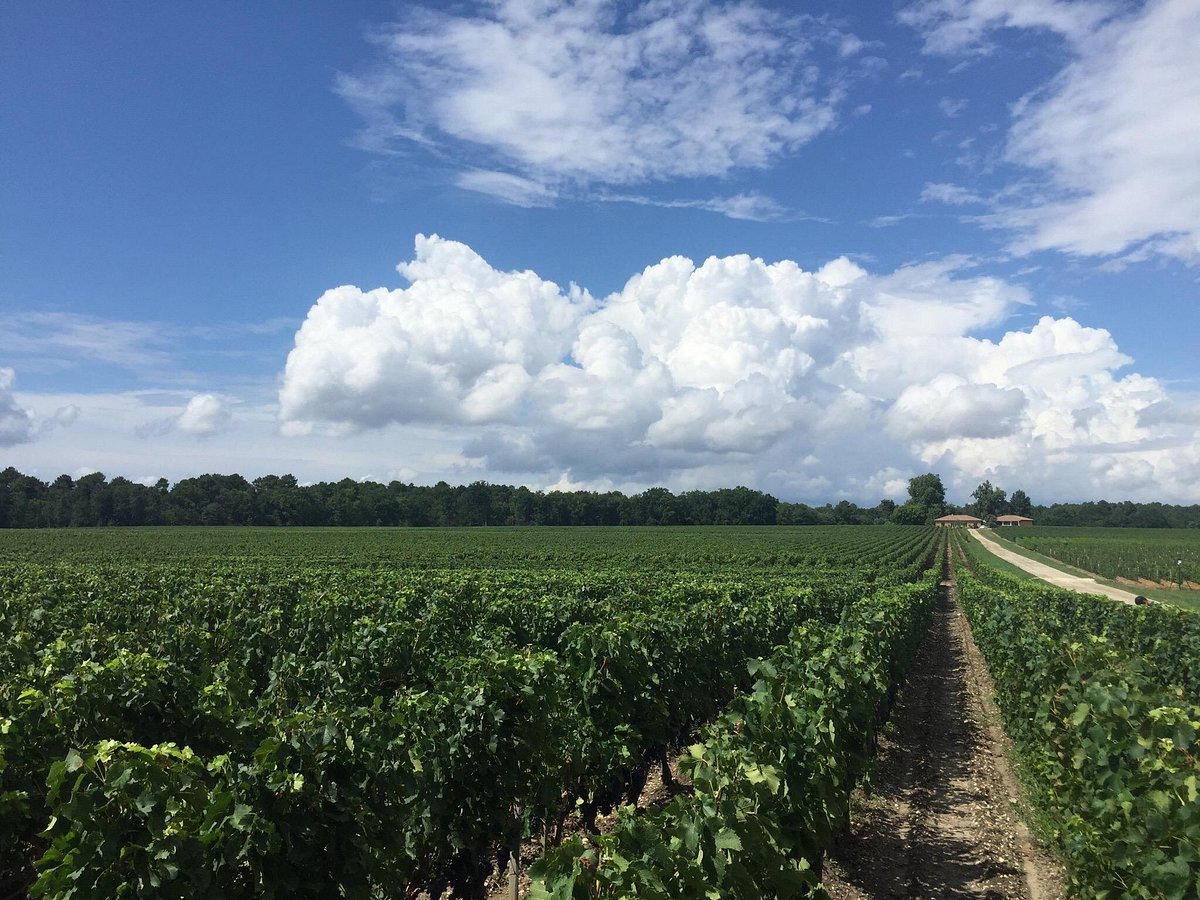
Château Brown works as part of a focused Léognan winery loop, especially for a second Bordeaux trip where logistics matter more than spectacle. Plan it with nearby restaurants, hotels, and other Pessac-Léognan stops rather than treating it as a standalone destination.
Tenuta di Trinoro
Sarteano, Italy
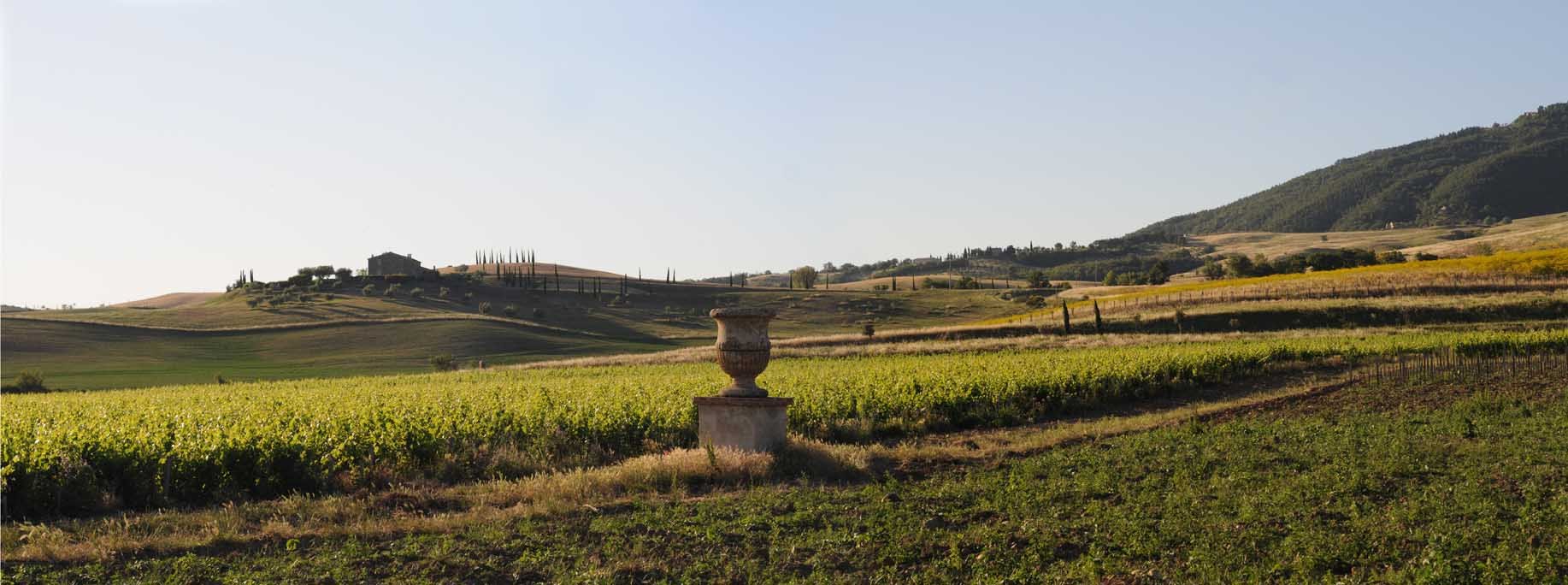
Tenuta di Trinoro is worth prioritising if the day is built around serious wine rather than easy tasting-room logistics. Its 2 Star Prestige signal makes it a stronger fit for collectors and repeat Tuscany travellers than for first-timers who want a broad Montalcino overview. Cross-shop it against Poggio di Sotto, Cerbaiona, Biondi-Santi Tenuta Greppo, Casanova di Neri, and Il Poggione before committing the day.
How many of these have you visited?
Find out on Pearl and keep score across every place in 2026 Falstaff Winery Guide.