

2026 Falstaff Winery Guide: The Ultimate Wine Authority — Page 125
Falstaff's 2026 Wineries guide.

Venues on this list
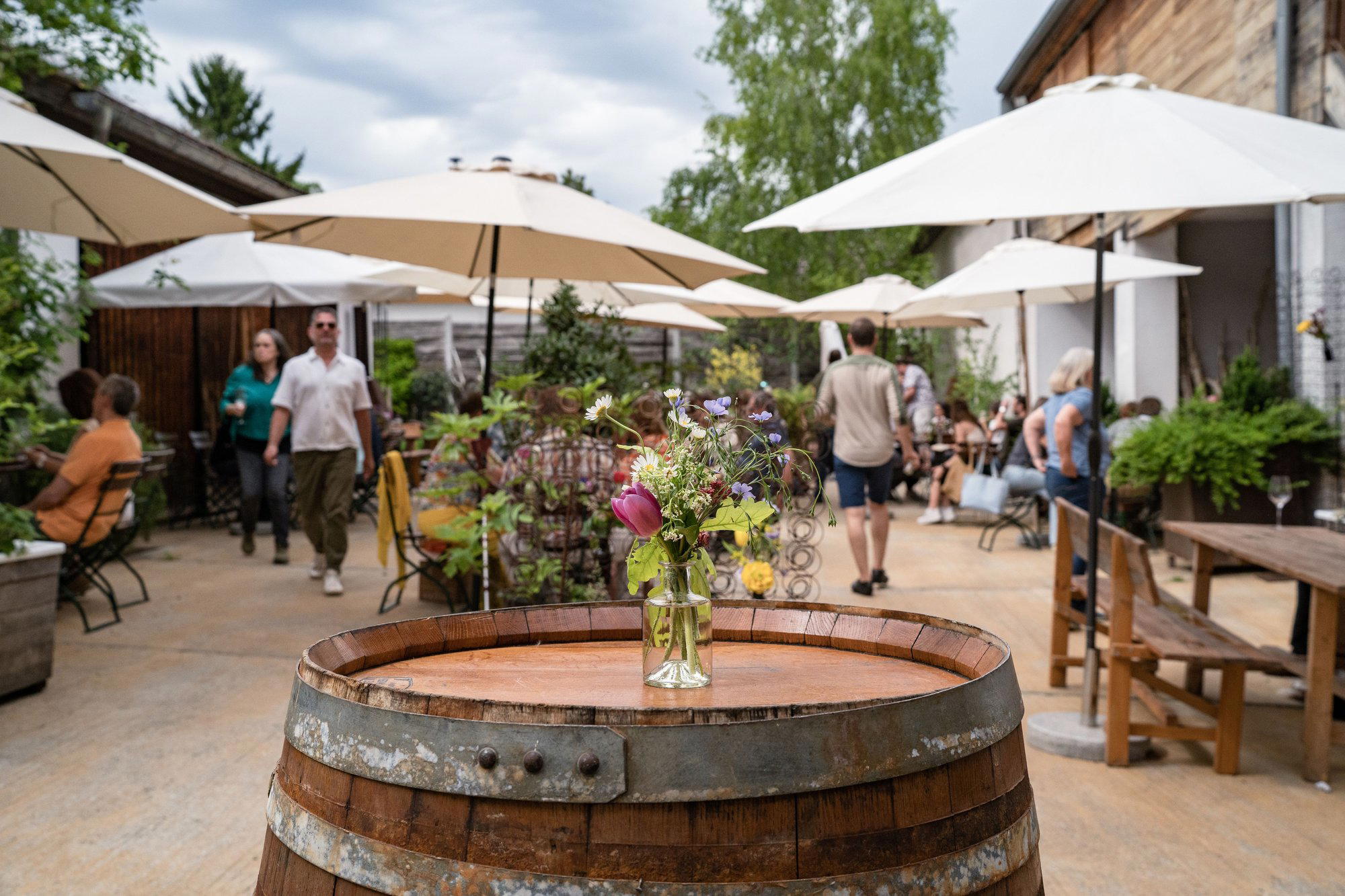
Bioweingut Arkadenhof Hausdorf
Gro Riedenthal, Austria
A strong choice for curious Wagram wine drinkers who prefer organic farming, family-scale production, and a quiet rural tasting over a polished cellar-door setup. Book for Grüner Veltliner, Roter Veltliner, PIWI varieties, low-histamine wines, and the added art-and-preserves angle; skip it if you want a high-service luxury tasting room.
Farina
San Pietro In Cariano, Italy
Farina is a sensible San Pietro in Cariano pick for wine-focused travelers who want a recognized Veneto producer rather than a restaurant-style stop. Book it as part of a wider Valpolicella winery day, with expectations centered on wine context, not food, chef-driven dining, or a long hospitality format.
Château Le Jurat
Saint-Émilion, France
Château Le Jurat works if you want a traditional Saint-Émilion Grand Cru without paying mainly for name recognition. The value case is strongest around its Merlot-led blend, 8-hectare clay-limestone vineyard, manual harvesting, concrete fermentation, and restrained barrel use. Go for wine context, not a heavily produced visitor experience.
De Haan Altés
Gandesa, Spain
A focused Gandesa winery stop for drinkers who want Terra Alta’s white-wine story, especially Garnatxa Blanca and Vi Brisat. Go for a compact, wine-led visit with strong value in the bottle range; skip it if the priority is a restaurant-style winery experience or a broad hospitality program.
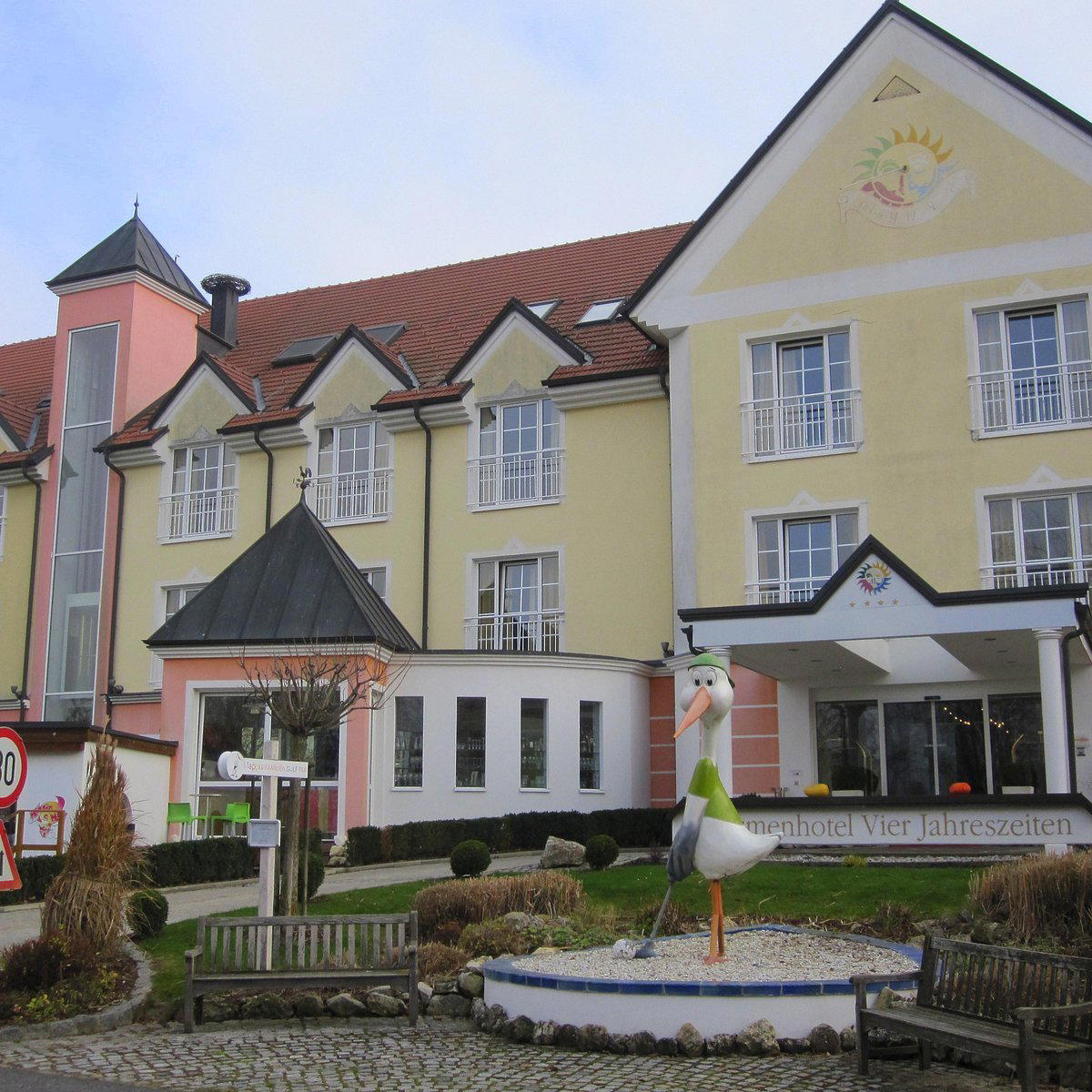
Arkadenweinhof Weber
Lutzmannsburg, Austria
Arkadenweinhof Weber works as a flexible Lutzmannsburg wine stop, mainly because of its Falstaff 2026 listing. It is not the right pick if the decision depends on confirmed flagship bottles, tasting fees, food service, shipping, or booking details before arrival.
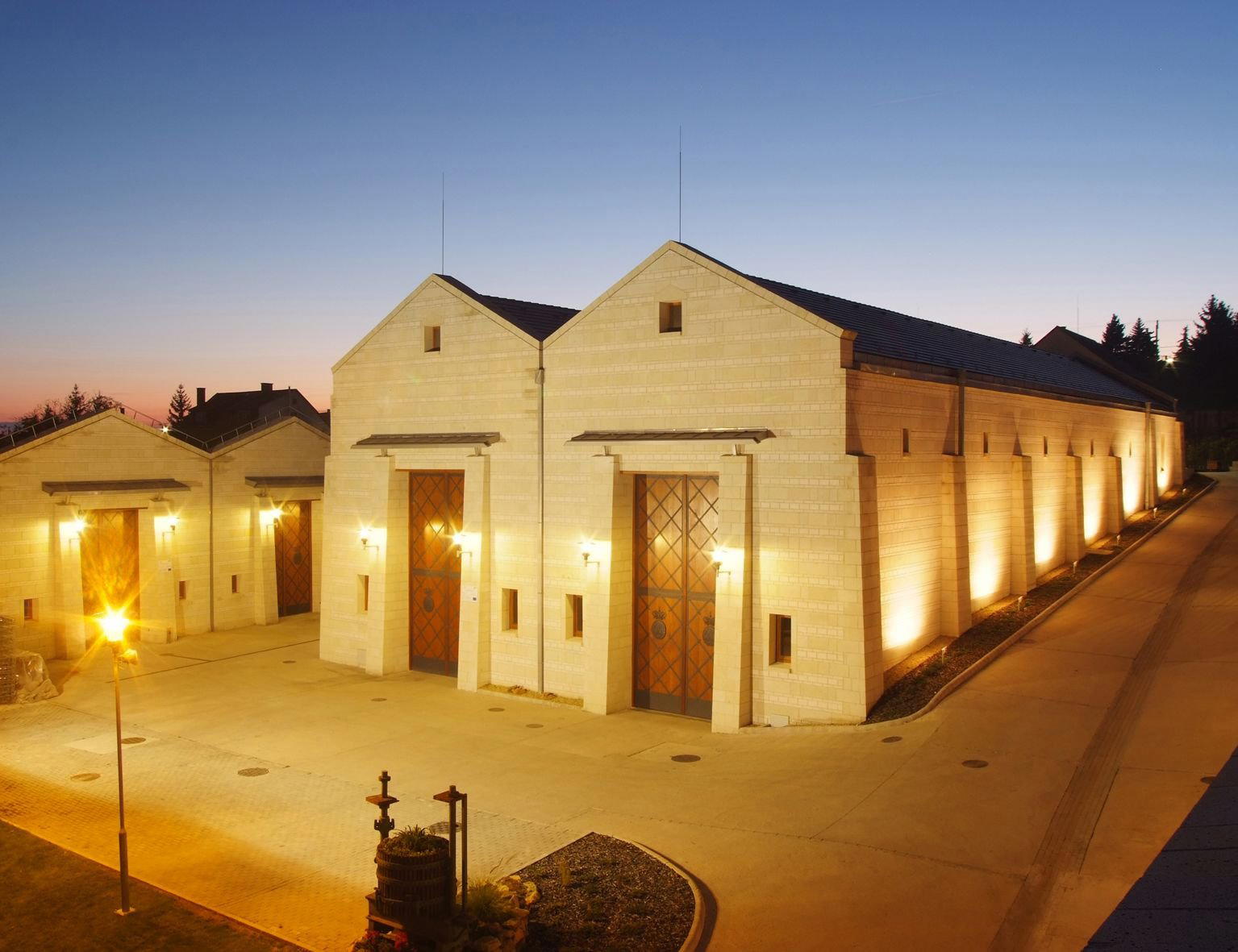
Royal Tokaji
Mád, Hungary
Royal Tokaji is the Mád pick for travelers who want Tokaji depth rather than a casual cellar stop. It is strongest for aszú-focused context and regional orientation; cross-shop Szepsy for reputation-led depth, Holdvölgy for polish, and Barta Pince for a more vineyard-driven counterpoint.
Giuseppe Principiano
Monforte d'Alba, Italy
Giuseppe Principiano works if the priority is a traditional, family-run Barolo producer rather than a polished tasting-room experience. The draw is the Monforte d’Alba setting, four-generation farming story, compact regional portfolio, and cellar work with stainless steel and large Slavonian oak. Smaller wine-focused parties are the safer fit.
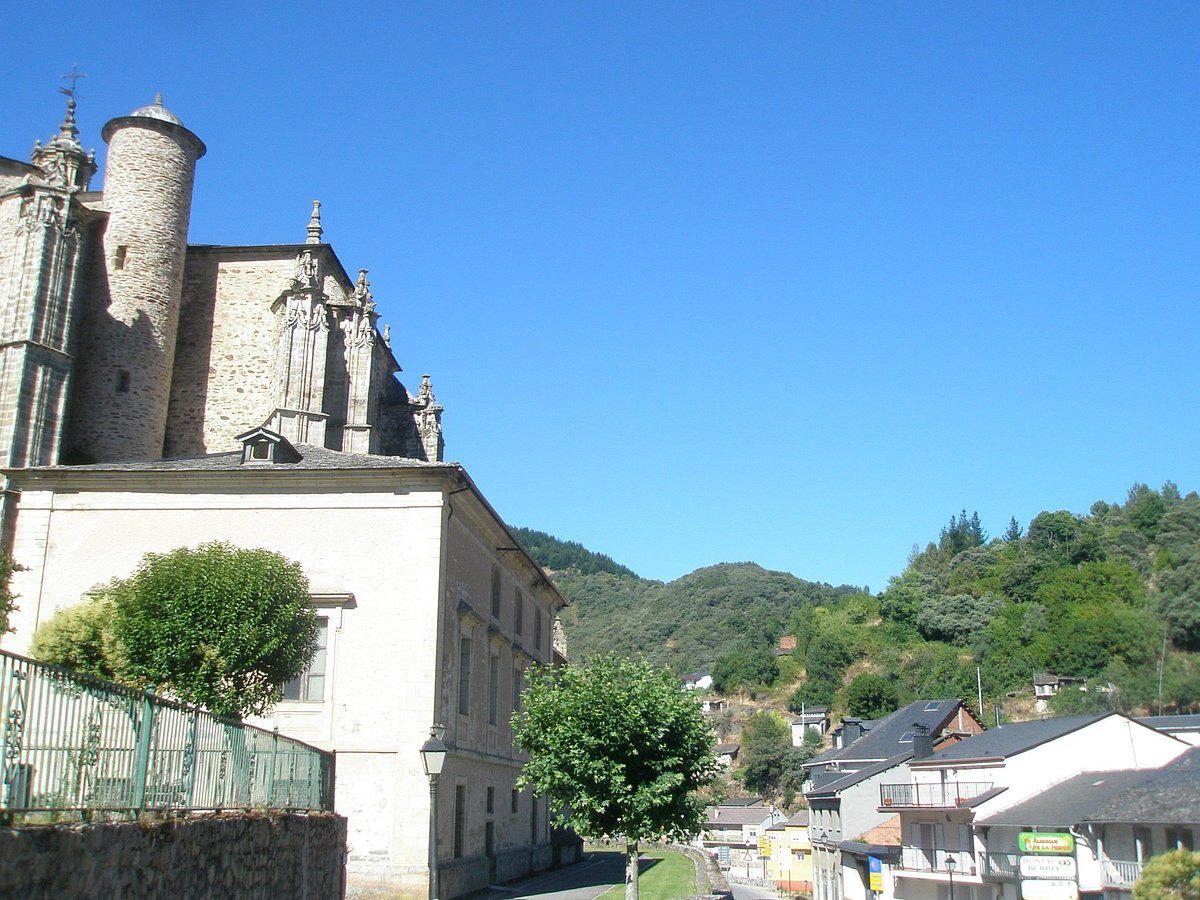
Bodegas y Viñedos Paixar
Villafranca Del Bierzo, Spain
Bodegas y Viñedos Paixar is worth pursuing for drinkers who want a focused, serious Bierzo Mencía rather than a conventional winery visit. The appeal is the high-altitude slate-vineyard setting, old-vine concentration, one-wine discipline, and Falstaff 3 Stars recognition in 2026; the tradeoff is appointment-only access and little reason to go if hospitality matters more than the bottle.
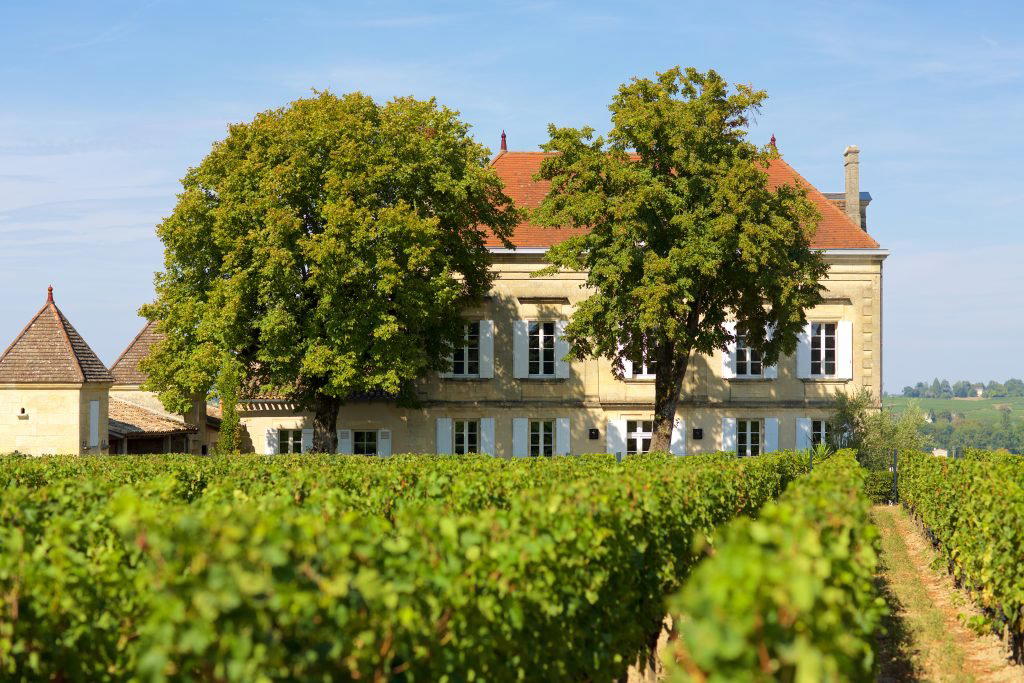
Château Moulin du Cadet
Saint-Émilion, France
Book Château Moulin du Cadet if you want a focused Saint-Émilion Grand Cru Classé appointment built around one 100% Merlot wine, not a broad tasting-room circuit. It is strongest for buyers who care about bottle age, biodynamic farming, and a quieter right-bank estate format; skip it if you need food service or a casual walk-in setup.
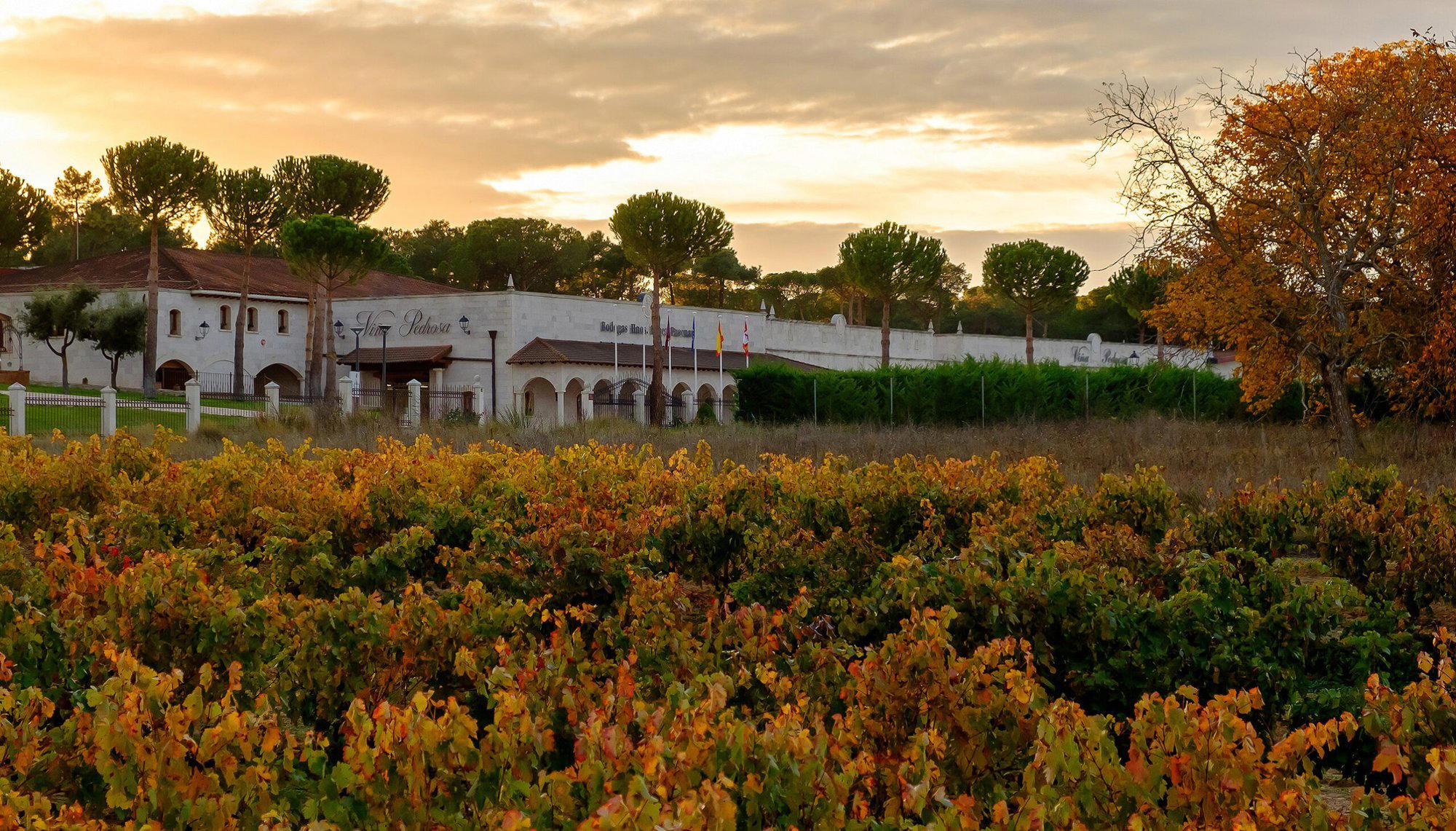
Bodegas Hnos. Pérez Pascuas
Pedrosa De Duero Burgos, Spain
Book Bodegas Hnos. Pérez Pascuas if the priority is a serious Ribera del Duero visit focused on traditional reds, estate identity, and cellar context. At $25 per person with appointment-only access and Falstaff 4 Stars for 2026, it is better for wine-focused travelers than for casual drop-ins or groups trying to keep the day loose.
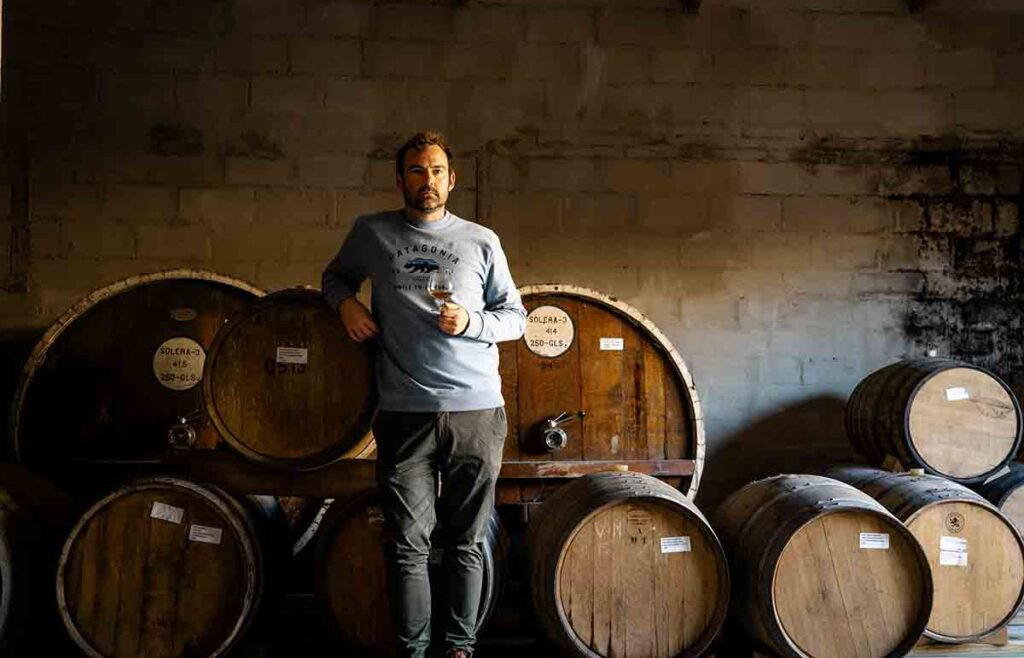
Boplaas Family Vineyards
Calitzdorp, South Africa
Boplaas Family Vineyards is worth prioritizing if Calitzdorp and the Little Karoo are central to the trip. It suits wine travelers looking for regional context and a quieter estate stop rather than a high-production Cape Winelands experience; Falstaff listing in 2026 gives it a useful recognition signal for shortlisting.
Château Marjosse
Grezillac, France
Book Château Marjosse if the priority is serious Entre-deux-Mers wine rather than hospitality extras. The appointment-only format suits Bordeaux drinkers who want Pierre Lurton’s clay-limestone reds and aromatic whites in context, with no restaurant or lodging to pad the visit.
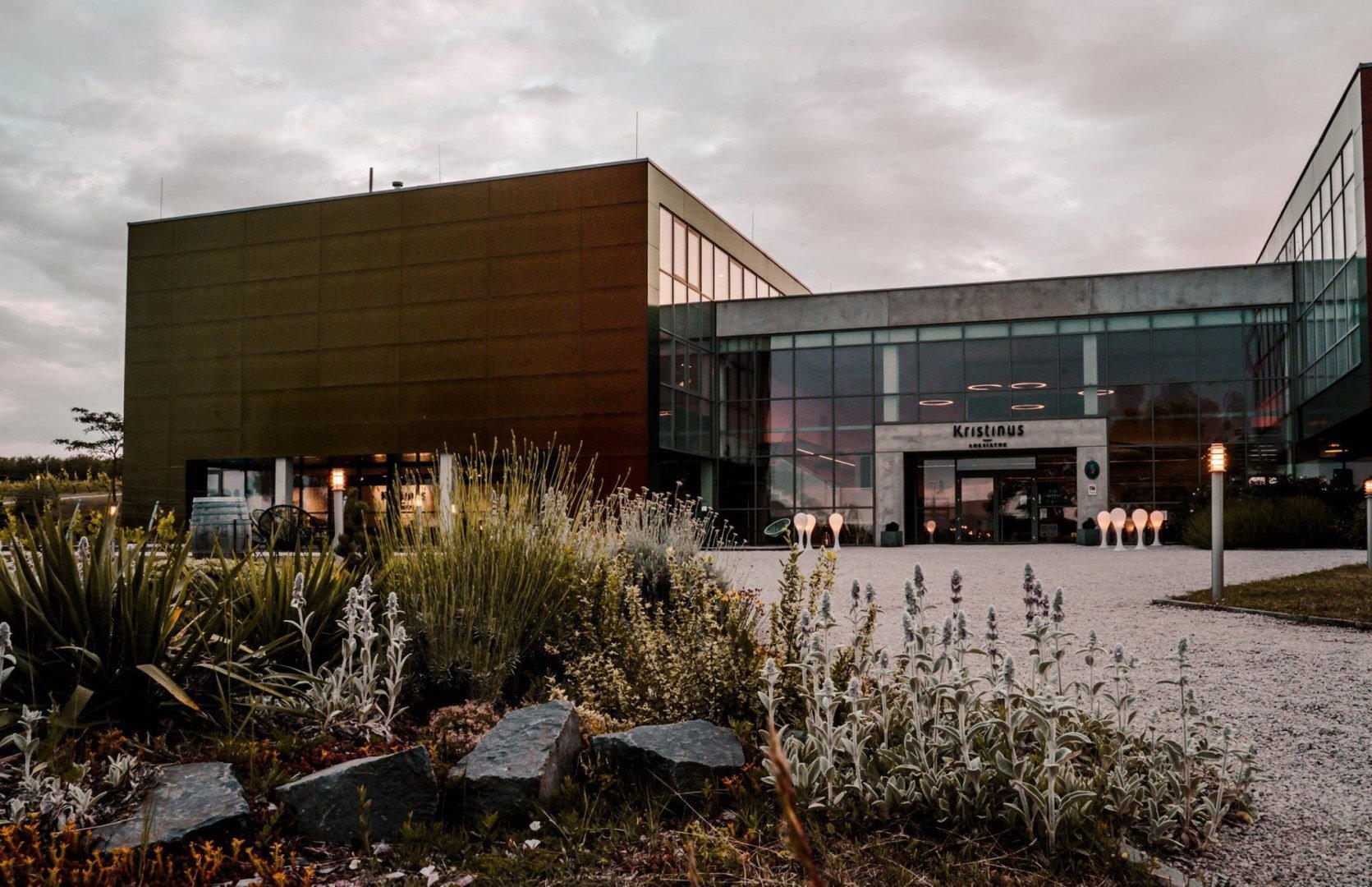
Kristinus
Kethely, Hungary
Kristinus works as an easy daytime Kethely stop, not as a late-night or special-occasion anchor. With no confirmed cuisine, price tier, awards, or chef-led format, treat it as a practical local option and compare with more clearly positioned nearby peers before planning a major meal around it.
Az. Agr. Patrone Elena
Cortemilia, Italy
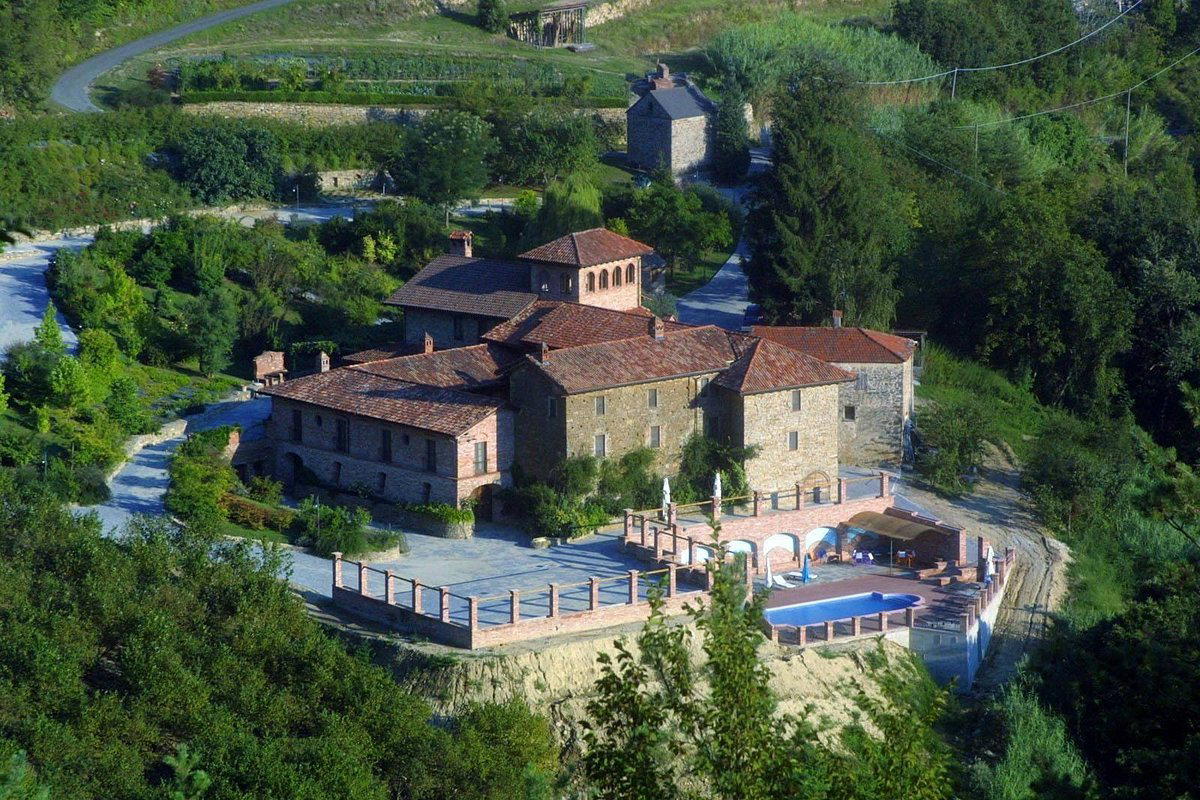
Book Az. Agr. Patrone Elena if you want a quiet, estate-grown Alta Langa tasting anchored by Nebbiolo and accessible bottle pricing. It is better for couples or small groups than large celebrations, with the value coming from the guided, family-run vineyard context rather than luxury hospitality extras.
Apostolos Thymiopoulos
Trilofos, Greece
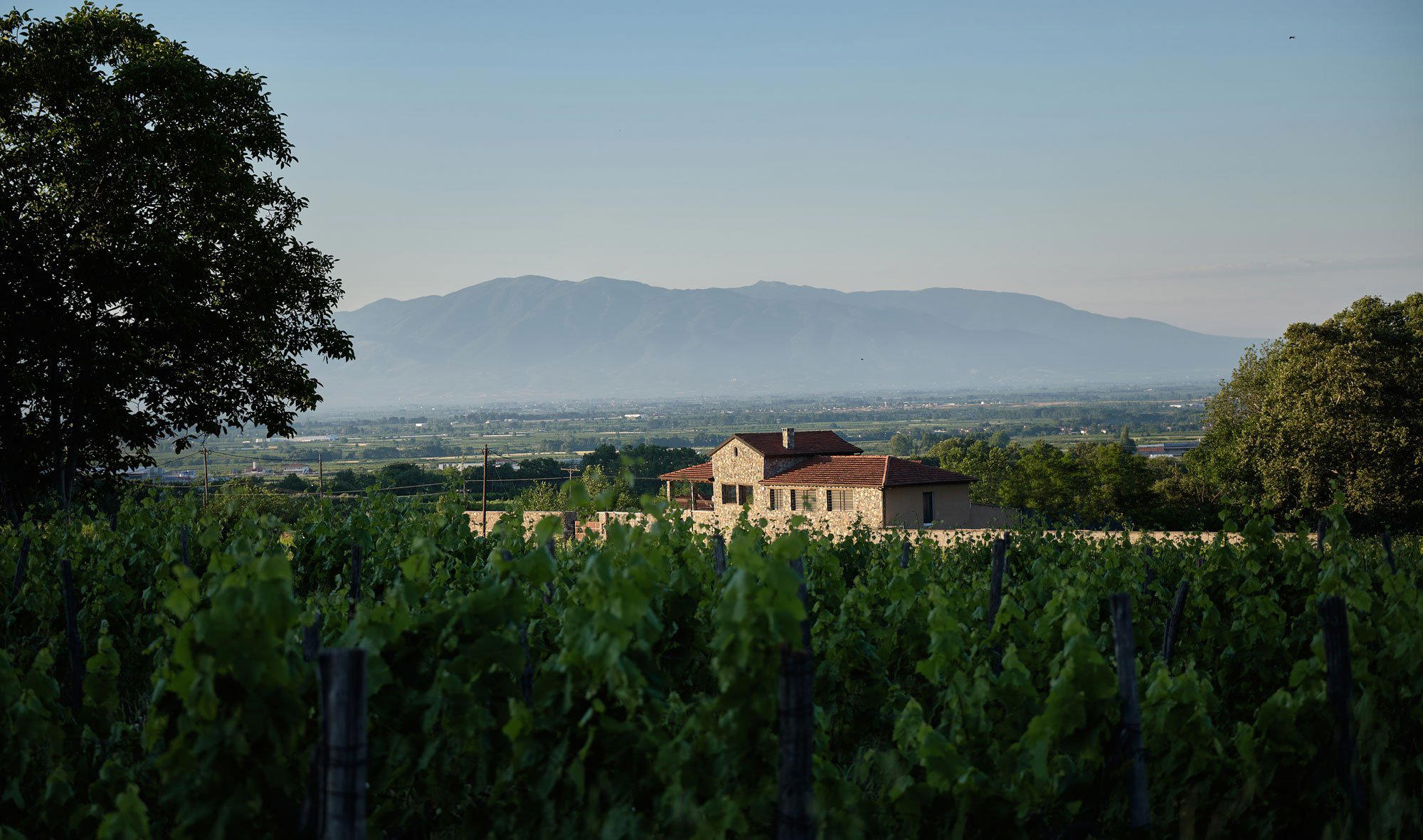
Prioritise Apostolos Thymiopoulos if the goal is a serious, wine-led Naoussa stop rather than a packaged estate visit. It suits travellers who will adjust plans for access, but larger groups or visitors needing clear public tasting logistics should keep nearby alternatives ready.
Bio-Weingut Bernthaler + Bernthaler
Gols, Austria
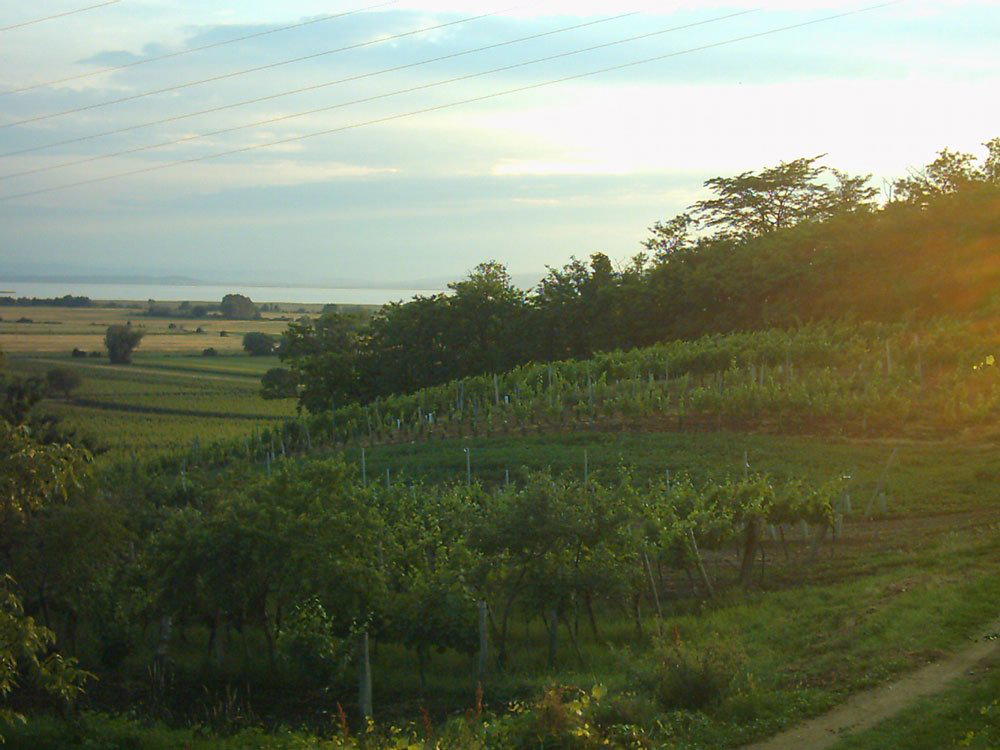
A strong choice for serious wine travelers who want an appointment-led, organic Burgenland tasting rather than a polished drop-in stop. The draw is the working-estate feel, family continuity since 1755, certified organic farming, and old-vine Neusiedlersee wines at a $$ price signal. Better for small, curious groups than casual visitors needing fixed hours or food service.
Champagne Baron Albert
Charly Sur Marne, France
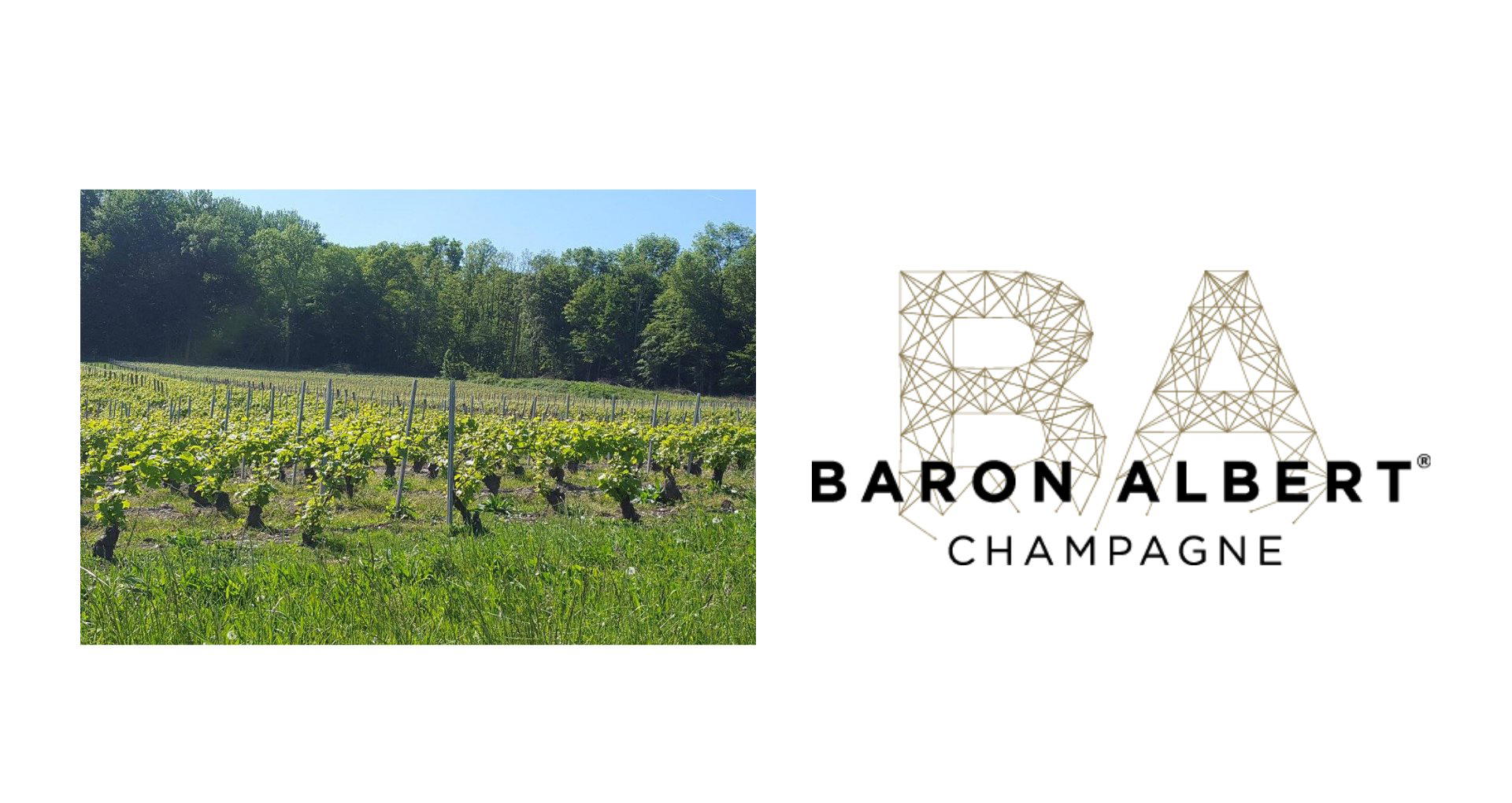
Book Champagne Baron Albert if you want a practical Marne Valley grower visit with family history, Meunier focus, and sustainability credentials rather than a polished luxury-house experience. The $$ positioning makes it a strong value stop for a celebration built around tasting and buying Champagne, especially if l’Universelle Brut, La Symbolique Brut Nature NV, or the 2018 La Majestueuse are the draw.
Cave Belmur
Perroy, Switzerland
Cave Belmur is a practical Perroy wine stop, better for a flexible, low-pressure visit than for a destination tasting built around a named flagship bottle. Its $$ positioning and walk-in-friendly approach make it useful if you are already planning time in La Côte, but visitors seeking a structured tasting, food pairing, or detailed estate story should compare other Perroy winery options first.
Cantine di Ora
Auer, Italy
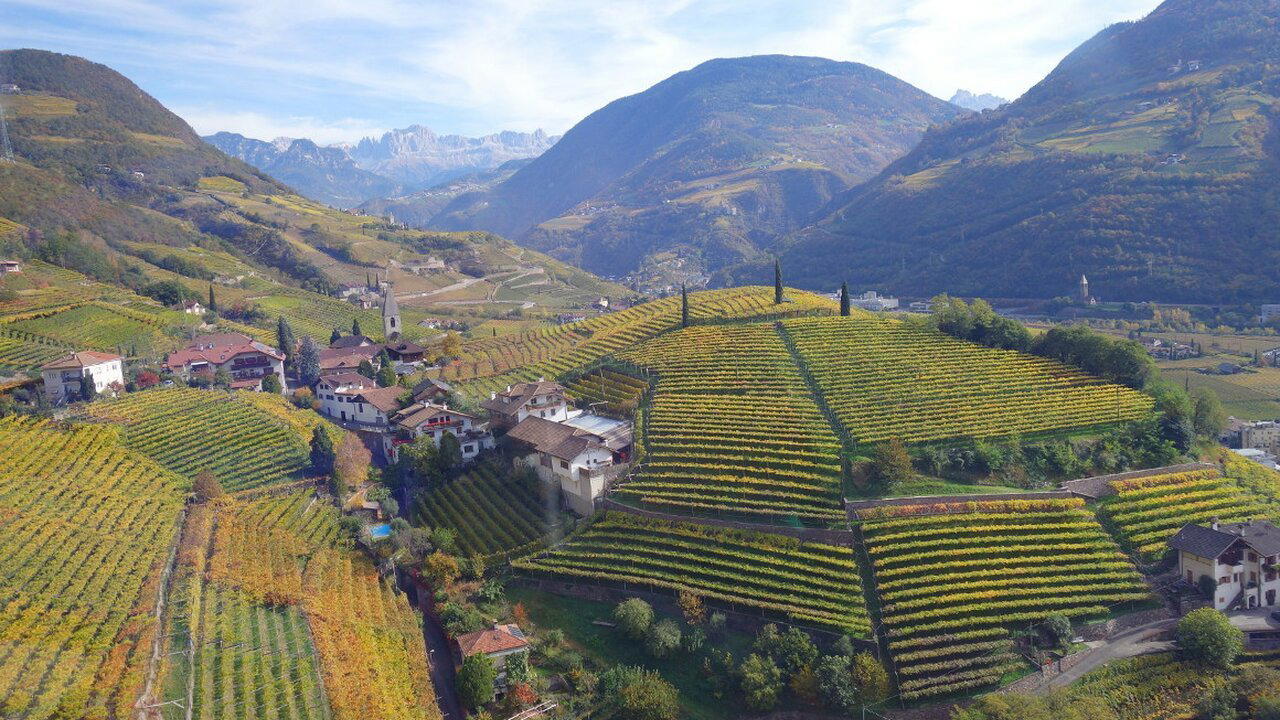
Book Cantine di Ora if the goal is a polished Alto Adige tasting with regional context rather than cellar drama. The $$ positioning, Falstaff Listed 2026 recognition and broad portfolio make it a useful Auer stop for understanding Gewürztraminer, Lagrein, Pinot varieties, Metodo Classico and the mineral, structured profile of the area.
Wölffer Estate Vineyard
Sagaponack, United States
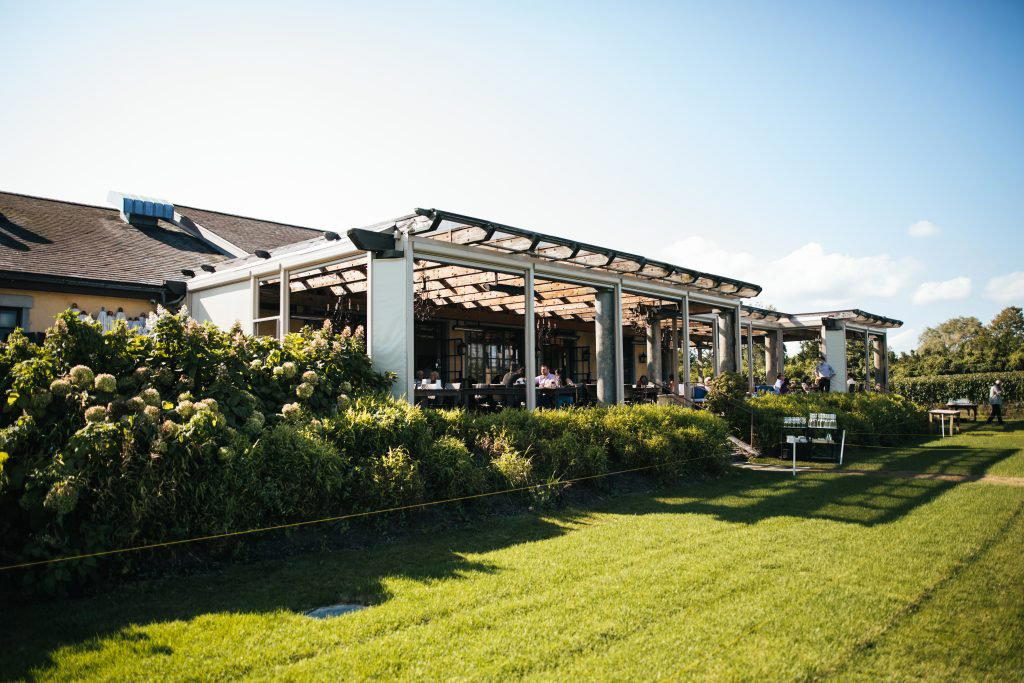
Book Wölffer Estate Vineyard if the Hamptons estate setting is part of the value, not just the wine. It suits couples, small groups, and travelers building a Sagaponack day around one polished vineyard stop; skip it if you want a dense, multi-winery tasting route.
Domaine la Graveirette
Bédarrides, France
Domaine la Graveirette is a sensible Bédarrides winery to consider when the goal is a practical Châteauneuf-du-Pape-area stop, not a heavily staged tasting. Its 2026 Falstaff listing gives it a useful credibility signal, but value should be judged by on-site bottle pricing and how it fits into a wider Rhône itinerary.
Domaine Jean-Baptiste Ponsot
71150 Rully, France
Book Domaine Jean-Baptiste Ponsot if the goal is a serious, appointment-led Rully tasting with a strong Chardonnay focus and clear Premier Cru context. It is better suited to wine buyers and Burgundy-curious couples than large casual groups, with the value coming from parcel detail, family continuity, and a focused cellar experience.
Château Cap de Mourlin
Saint-Émilion, France
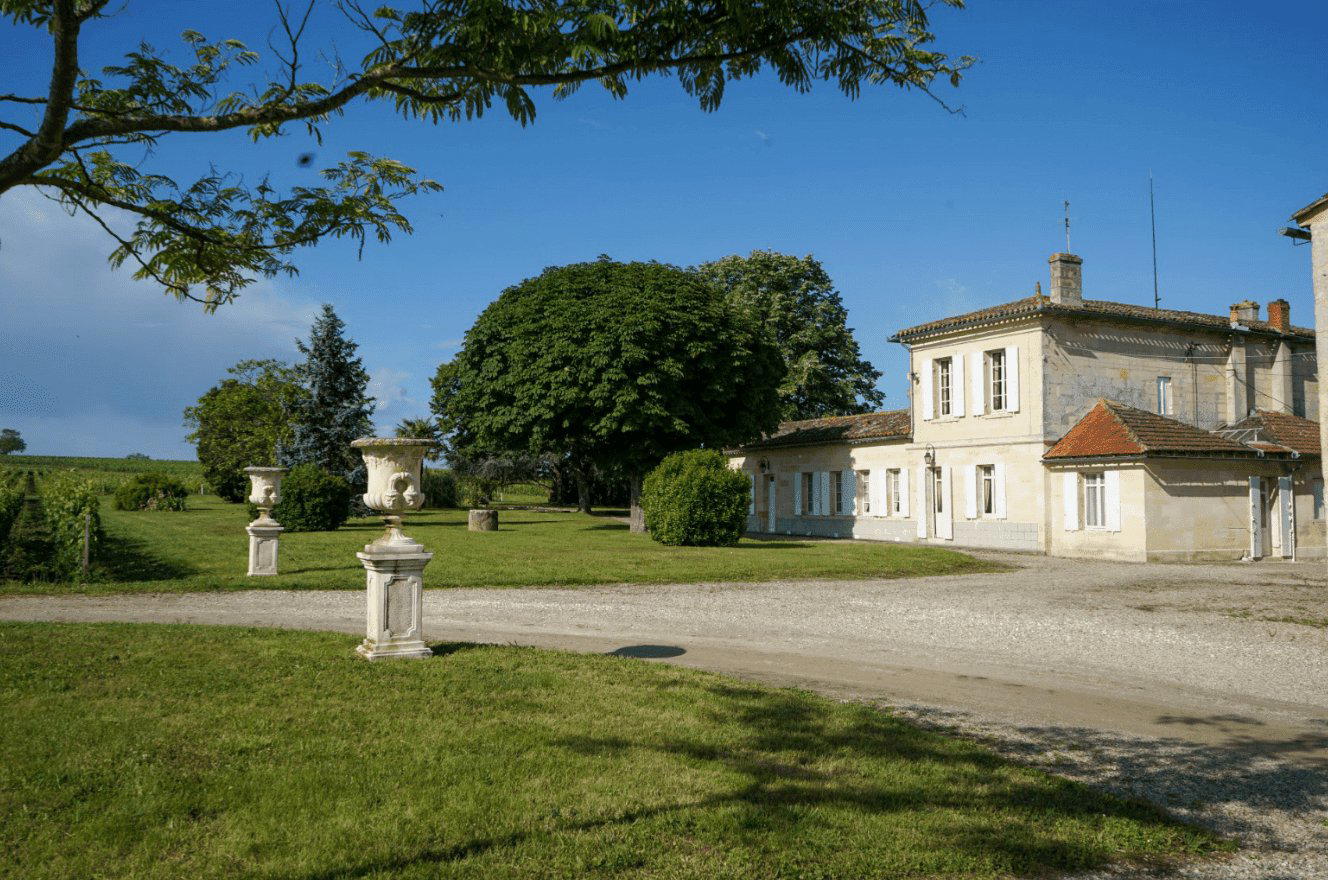
Château Cap de Mourlin works for a quieter Saint-Émilion winery stop, especially if the tasting format can be confirmed in advance. Falstaff 1 Stars (2026) gives it a useful recognition signal, but travelers seeking a tightly defined private experience should verify details before planning the day around it.
Divigna
Conegliano, Italy
Book Divigna if organic Conegliano Valdobbiadene Prosecco Superiore DOCG is the point of the trip. The draw is an 8-hectare single-block vineyard in a woodland-protected amphitheater, plus a credible $$ profile backed by Falstaff listing and prior critic/consumer recognition. It is better for wine explorers than for travelers seeking a glossy, restaurant-style estate visit.
Château Deyrem Valentin
Soussans, France
Château Deyrem Valentin is a practical Margaux-area winery stop for travelers already planning time in Soussans. Its Falstaff Listed status in 2026 gives it a useful credibility signal, but this is a better fit for a focused wine visit than for travelers looking for confirmed dining, large-group facilities, or a heavily programmed experience.
Casetto
Cisano Di Bardolino, Italy
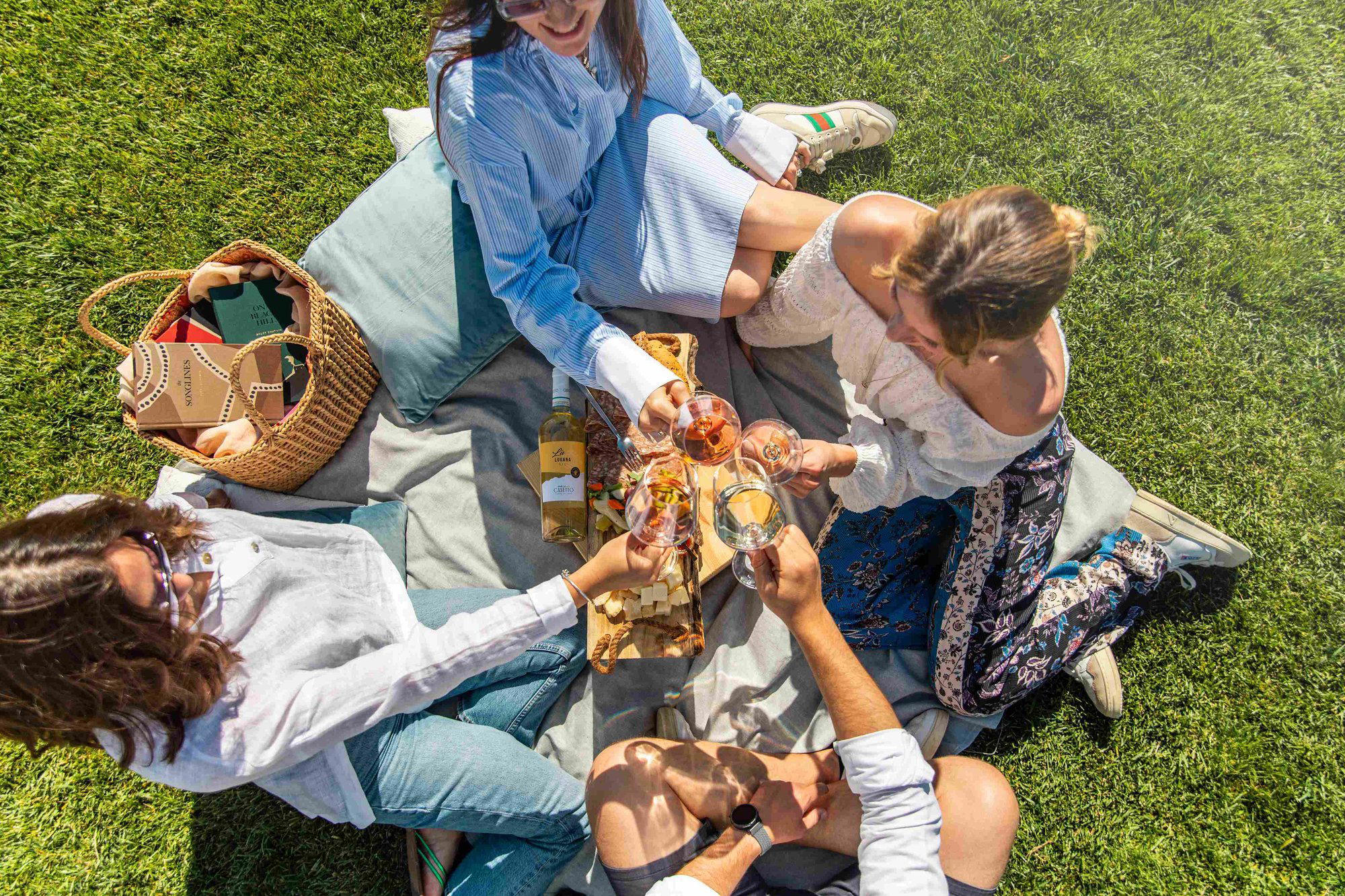
Casetto is a good first Lake Garda winery booking if the priority is a calm tasting rather than a formal cellar experience. Go for the relaxed vineyard setting, Bardolino context, family-run feel, and casual dress code; consider a private tasting only if the winery visit is the main event of the day.
Château Ramage La Batisse
Saint Sauveur En Medoc, France
Book Château Ramage La Batisse if you want a classic, value-minded Haut-Médoc tasting rather than a glossy château production. The appeal is Cru Bourgeois Supérieur credibility, Falstaff Listed recognition for 2026, HEV Level 3 certification, and a quiet historic estate setting built around Cabernet Sauvignon and Merlot.
Bodegas Solar de Urbezo
Cariñena, Spain
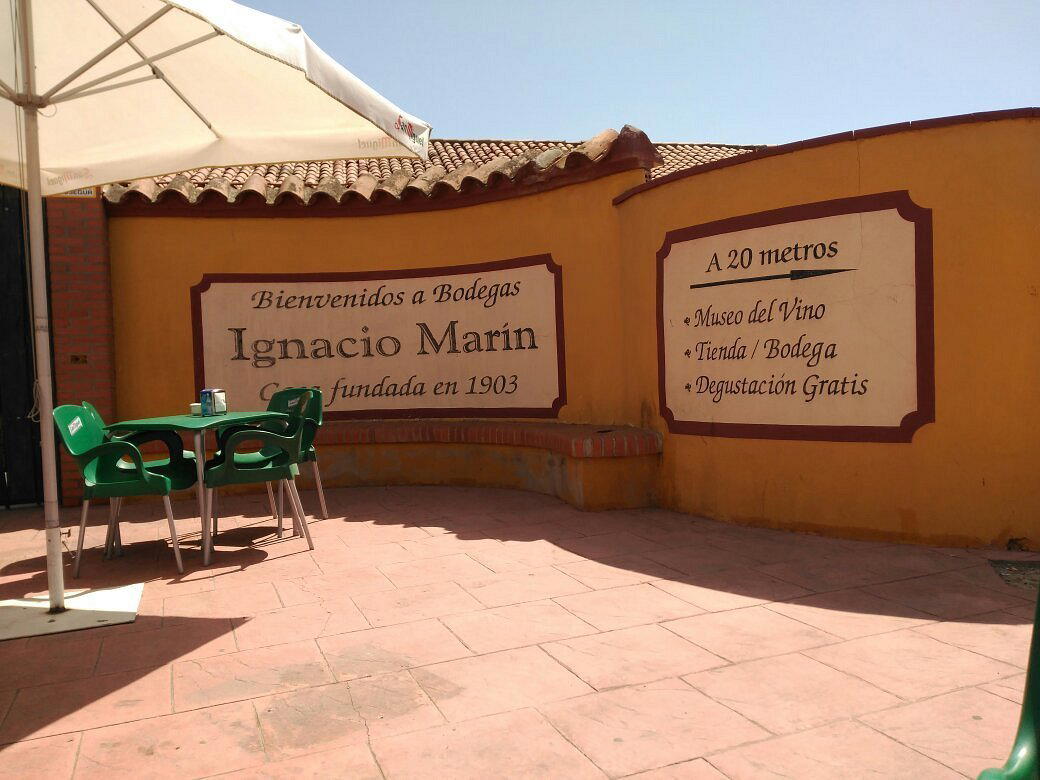
Bodegas Solar de Urbezo works for a first Cariñena tasting if value, family-owned vineyards and regional context matter more than polished luxury. Expect a relaxed, educational winery visit centered on estate-grown fruit, ecological vineyard work and classic cellar production rather than a high-design hospitality experience.
Château Le Sartre
Léognan, France
Château Le Sartre is worth prioritizing if the goal is a quieter Pessac-Léognan visit with real emphasis on white Graves. Its appeal is production-led: Sauvignon Blanc and Sémillon, gravel-driven structure, and a refined estate atmosphere rather than a high-theater visitor experience. Casual groups may want a broader hospitality setup elsewhere.
Fattoria Fazzuoli
Terranuova Bracciolini, Italy
Prioritise Fattoria Fazzuoli if the goal is a quiet Valdarno farm visit centred on organic Tuscan wine, olive oil, and Pugnitello rather than a high-gloss tasting room. It suits couples and slow-travel wine drinkers better than last-minute groups, since visits are appointment only and the experience is tied closely to the estate setting.
Château Clos Chaumont
Haux, France
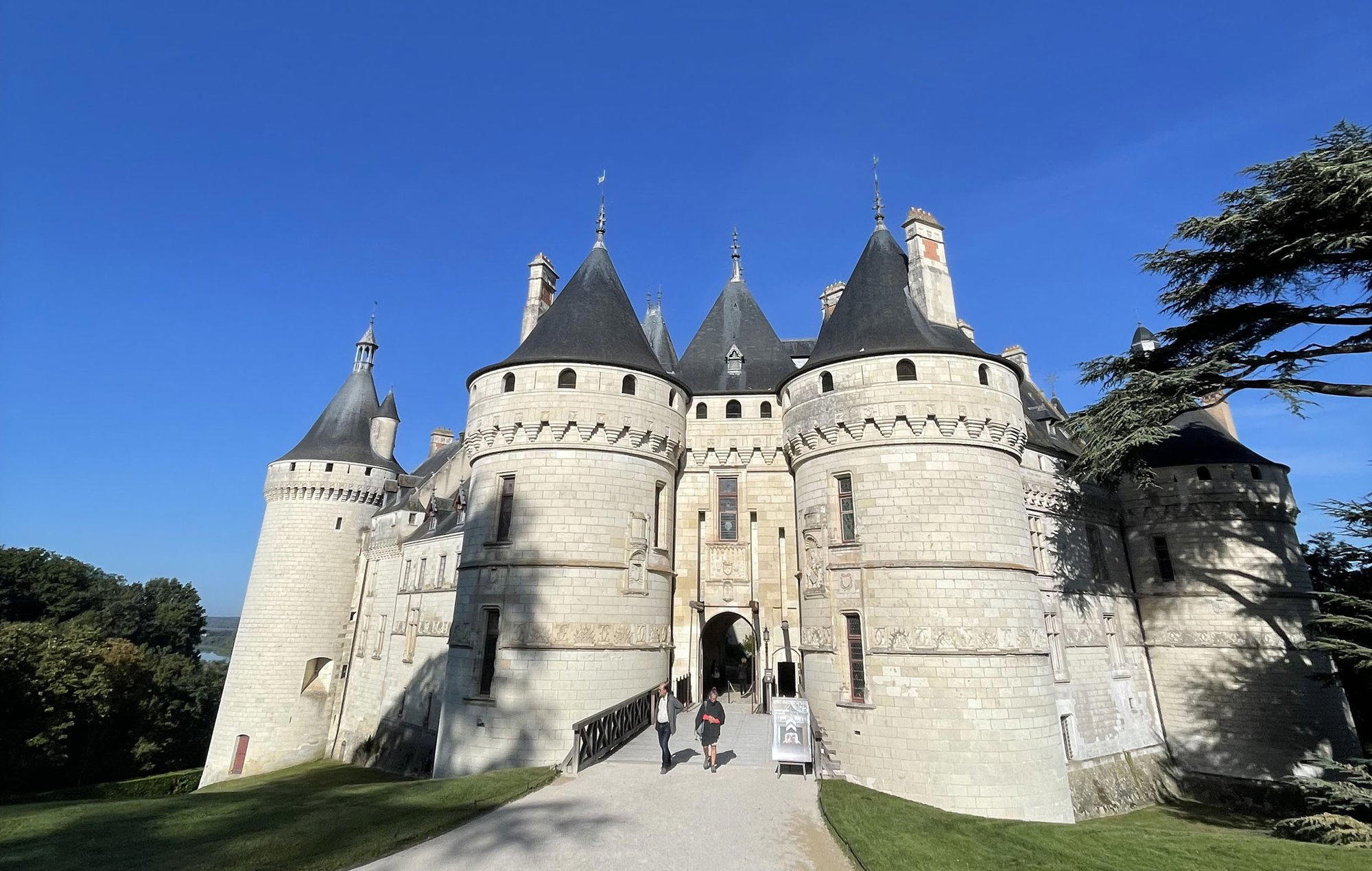
Château Clos Chaumont works if you are already building a Haux wine route, especially around Premières Côtes de Bordeaux. Its Falstaff Listed (2026) recognition gives it a useful credibility signal, but sparse public logistics make it a better fit for focused wine travelers than casual visitors looking for a fully pre-planned tasting day.
Château Sainte Colombe
Saint Genies Des Mourgues, France
Château Sainte Colombe is a better fit for private professional events than for casual wine tasting. Book it if the priority is a quiet château setting for a seminar, retreat, or hosted group gathering; skip it if the trip depends on public tastings, a flagship wine, or a restaurant-style dining program.
Marqués de Cáceres
Cenicero, Spain
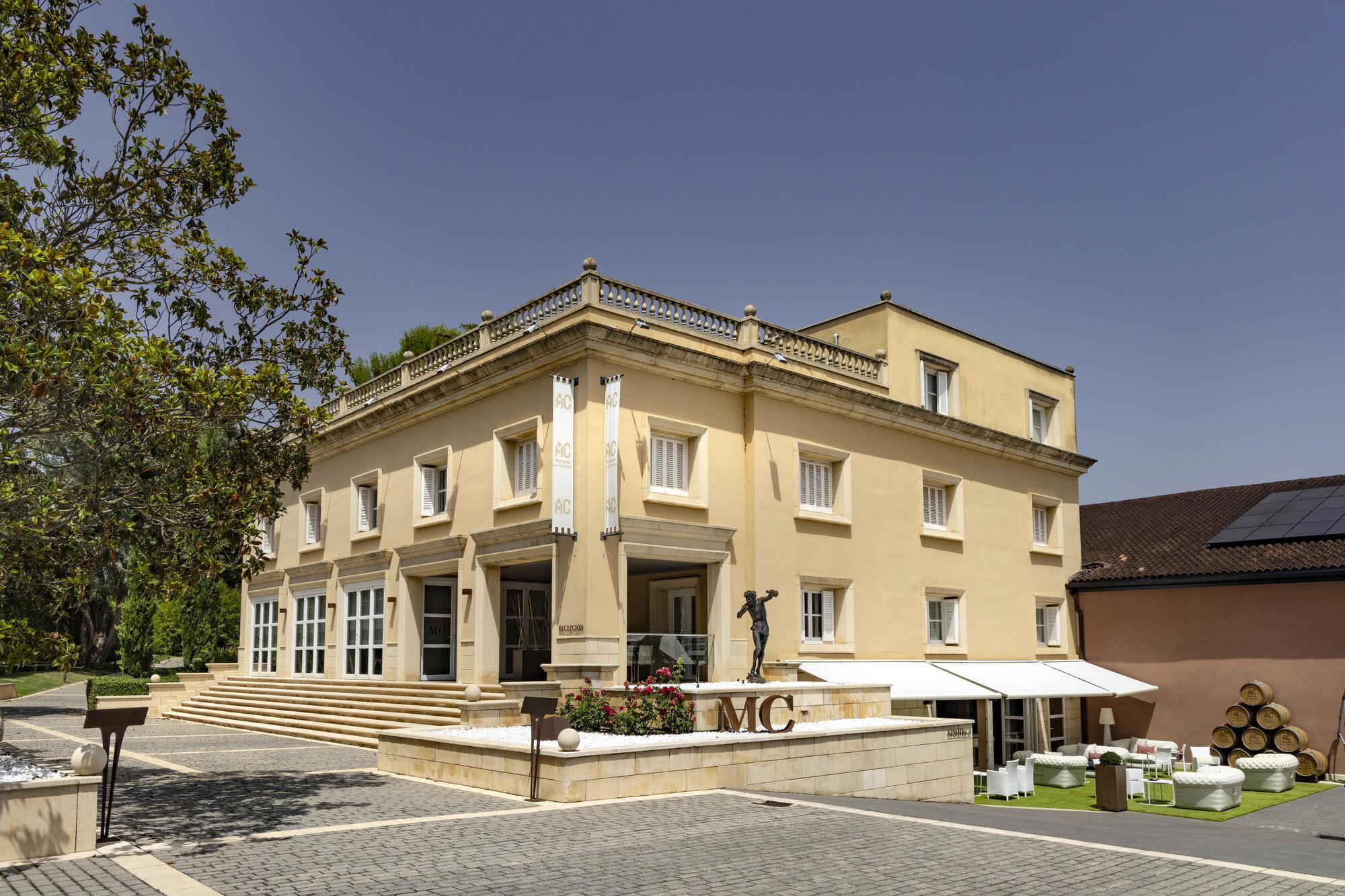
Marqués de Cáceres works as a classic Rioja anchor in Cenicero, especially for first-timers who want regional context over architectural spectacle. Put it ahead of more design-led estates if recognition and Rioja positioning matter most; cross-shop Marqués de Riscal, Bodegas Ysios, or Bodegas Baigorri if the visit needs a stronger visual set piece.

Avelino Vegas
Santiuste De San Juan Bautista, Spain
Avelino Vegas is worth following for buyers who want serious Rueda Verdejo and Ribera del Duero Tempranillo from one family-run producer, especially given its Falstaff 1 Star recognition in 2026. It is a weaker fit for travelers seeking food, walk-in tastings, or a polished wine-tourism day; the stronger play is cellar buying or an appointment-led visit.
Domaine Albin Jacumin
Châteauneuf-du-Pape, France
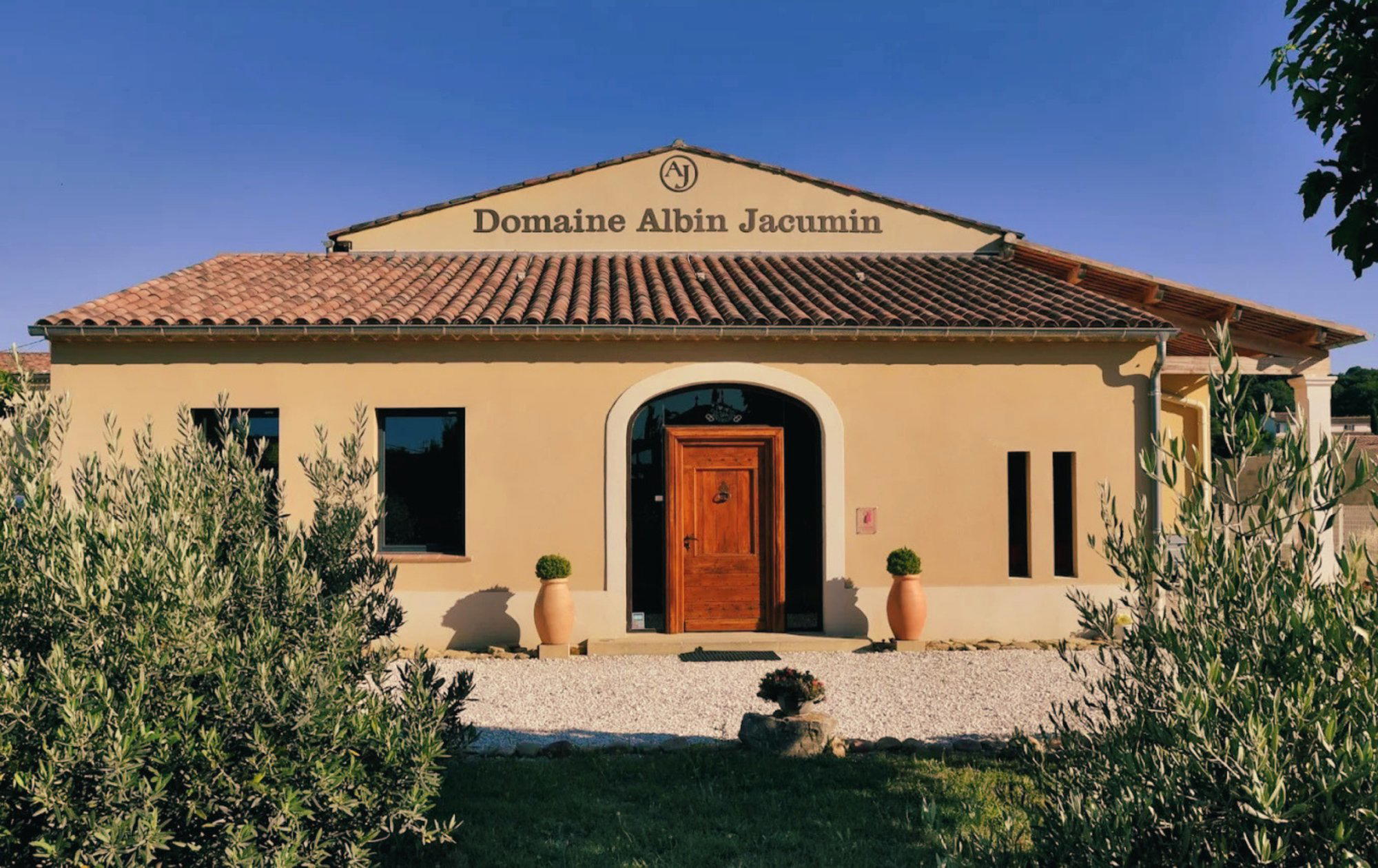
Book Domaine Albin Jacumin if your Châteauneuf-du-Pape day is centered on serious wine buying rather than food, views, or a broad visitor setup. It is a better fit for first-timers who want producer context and potential allocation value than for casual groups needing fully published logistics.
Buschenschank Mahler
Deutschlandsberg, Austria
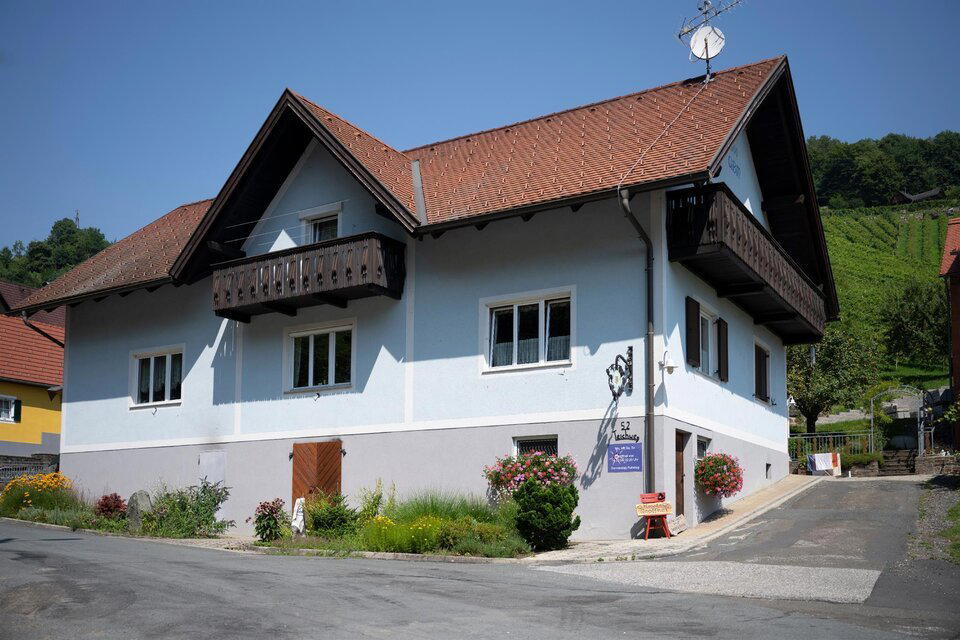
A relaxed West Styrian Buschenschank for house wines, regional cold plates, fruit juices, and spirits in a cozy rural setting. Book it for a casual Schilcherland stop with food on the table and local texture; skip it if the day calls for a formal, technical cellar tasting. Falstaff listing adds a useful quality signal.
Château Mukhrani
Mtskheta, Georgia
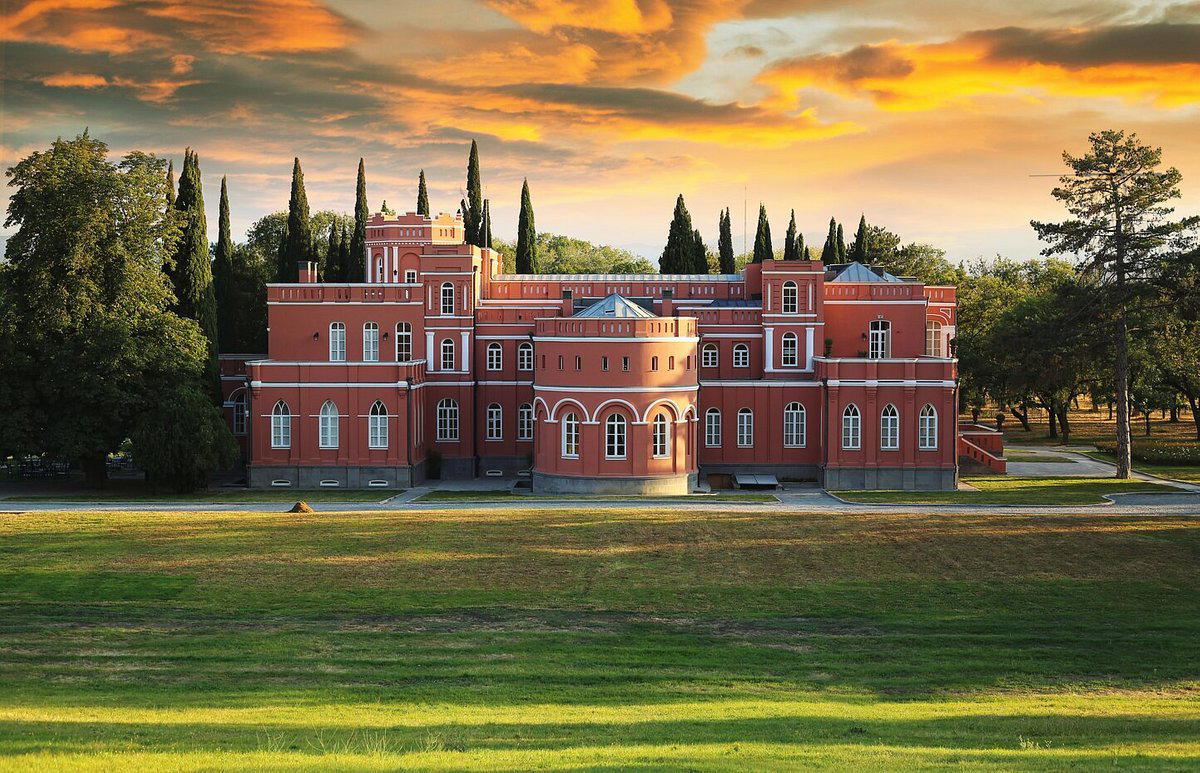
Château Mukhrani is worth prioritizing when the estate setting is part of the point: palace address, international vineyard recognition, and enough occasion value for hosted guests or celebrations. It is less suited to a casual, detail-light drop-in unless timing, food, and group logistics are confirmed in advance.
Domaine Clef de Saint Thomas
Châteauneuf-du-Pape, France
Worth considering if you want a smaller, more personal Châteauneuf-du-Pape stop rather than a formal cellar-door production. The draw is the compact contrast between younger-vine Pierre Troupel wines and the more age-minded La Clef de Saint Thomas cuvées, with a rustic estate-event feel that suits repeat visitors to the appellation.
Château Suau
Capian, France
Château Suau is worth prioritizing if the draw is organic Bordeaux, a historic hilltop estate and a quieter château atmosphere rather than a high-gloss tasting production. It fits couples and small celebration groups especially well, with enough range across red, white, rosé and sweet wine styles to support a food-led wine day.
Cayuse Vineyards
Walla Walla, United States
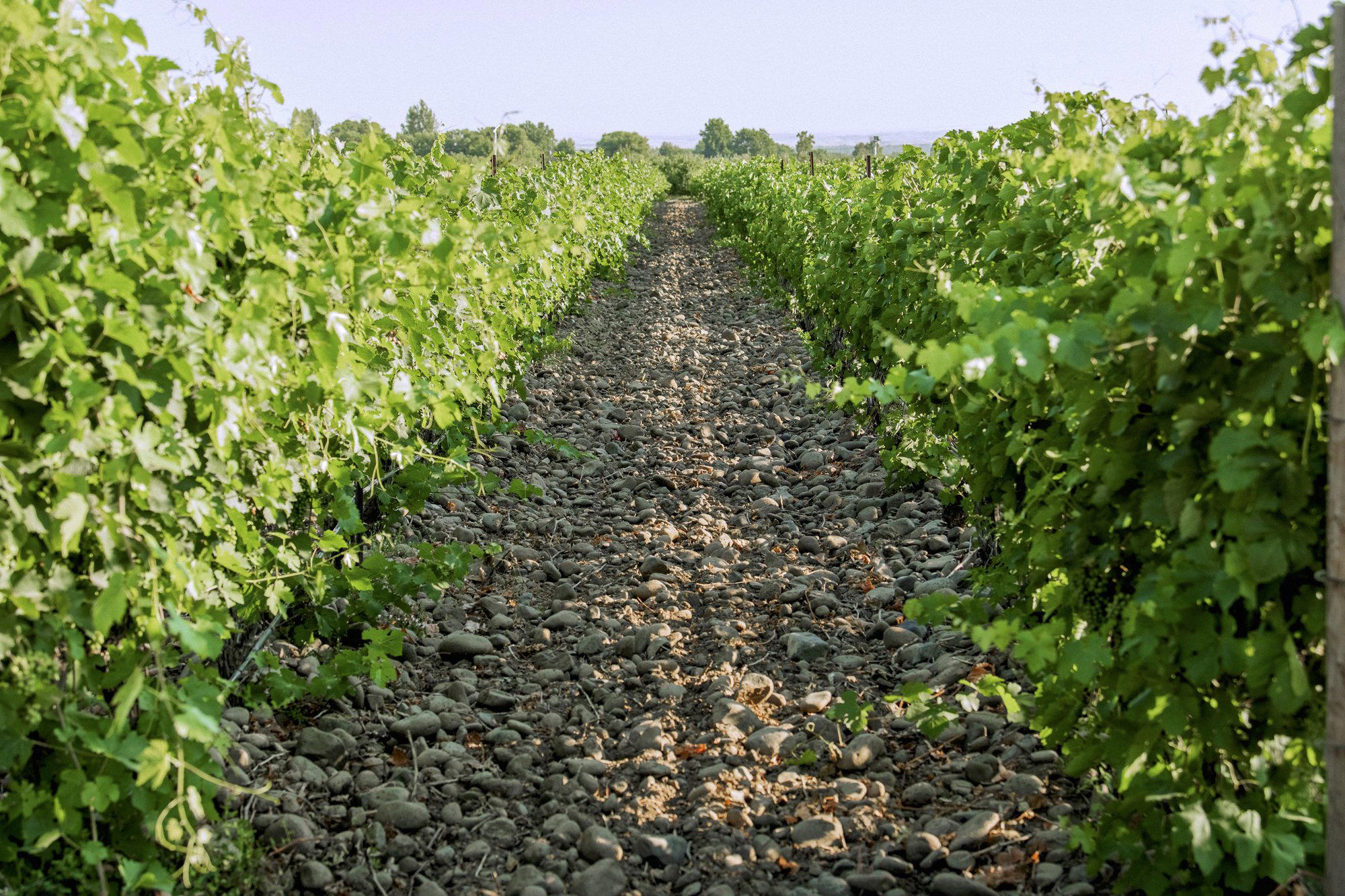
Cayuse Vineyards is a strong Walla Walla choice for wine-focused travelers building a planned itinerary rather than a casual tasting-room day. Falstaff Winery listed recognition for 2026 adds a useful trust signal, but sparse public logistics mean it suits visitors willing to plan ahead and keep the day uncluttered.
Eberle Winery
Paso Robles, United States
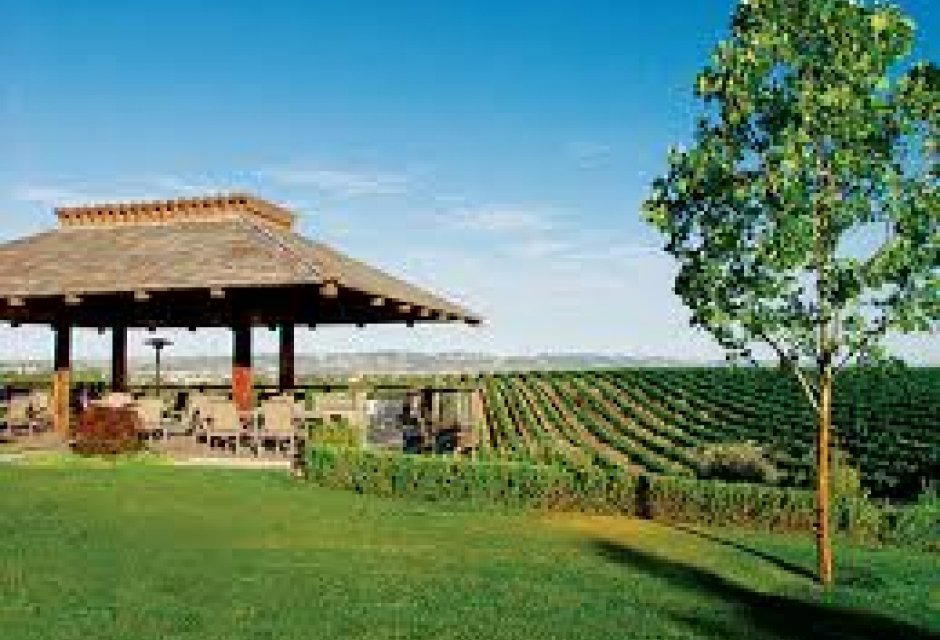
Eberle Winery is a strong Paso Robles pick for couples, celebrations, and first-time wine-country itineraries that need a polished anchor rather than a niche discovery. Booking access is difficult, so treat it as a planned stop and pair it with a smaller producer if the day allows.
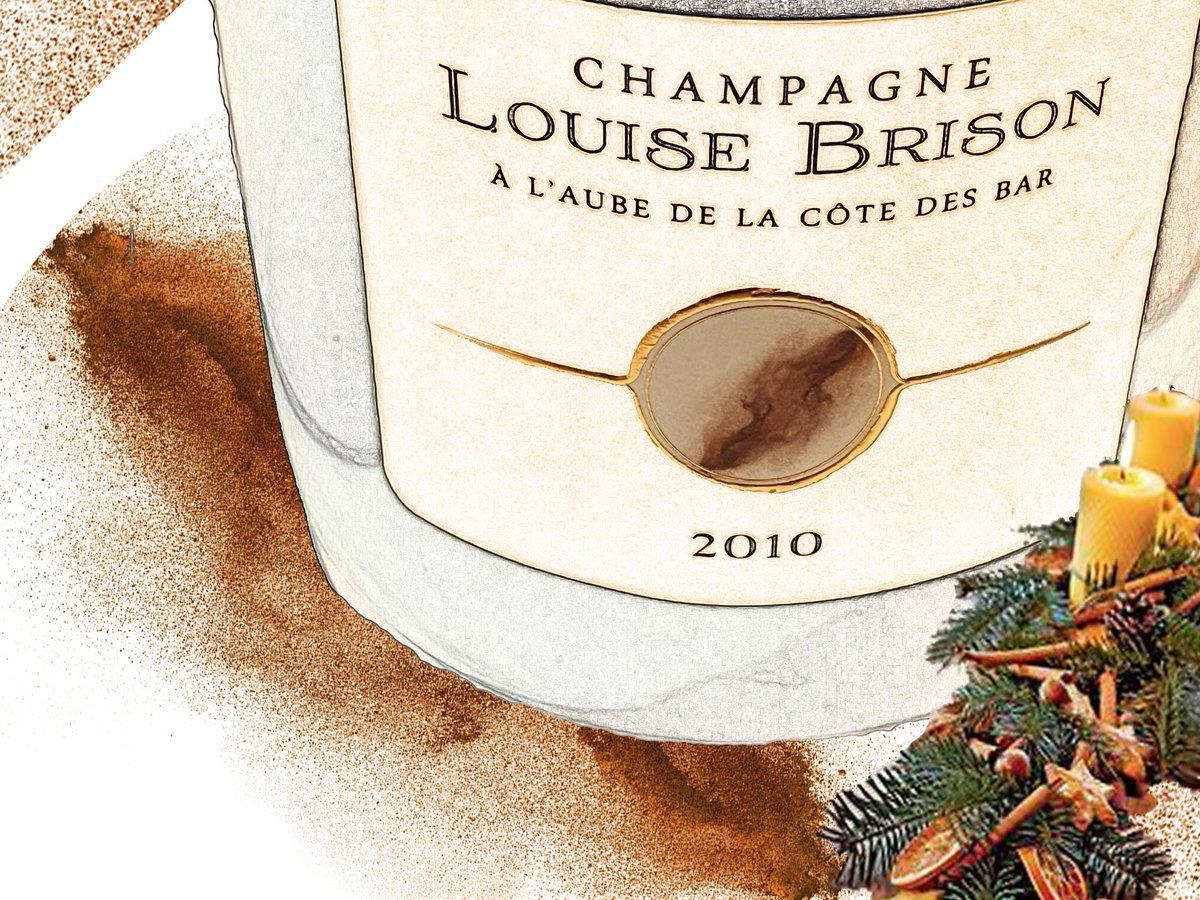
Champagne Louise Brison
Noe Les Mallets, France
Against larger Champagne-house itineraries, Champagne Louise Brison is better treated as a focused grower-producer stop in Noé-les-Mallets. It suits first-timers already passing through the area, especially if the visit format is confirmed in advance. Falstaff listing for 2026 gives it a useful recognition signal, but plan it as part of a wider village route rather than a standalone day.
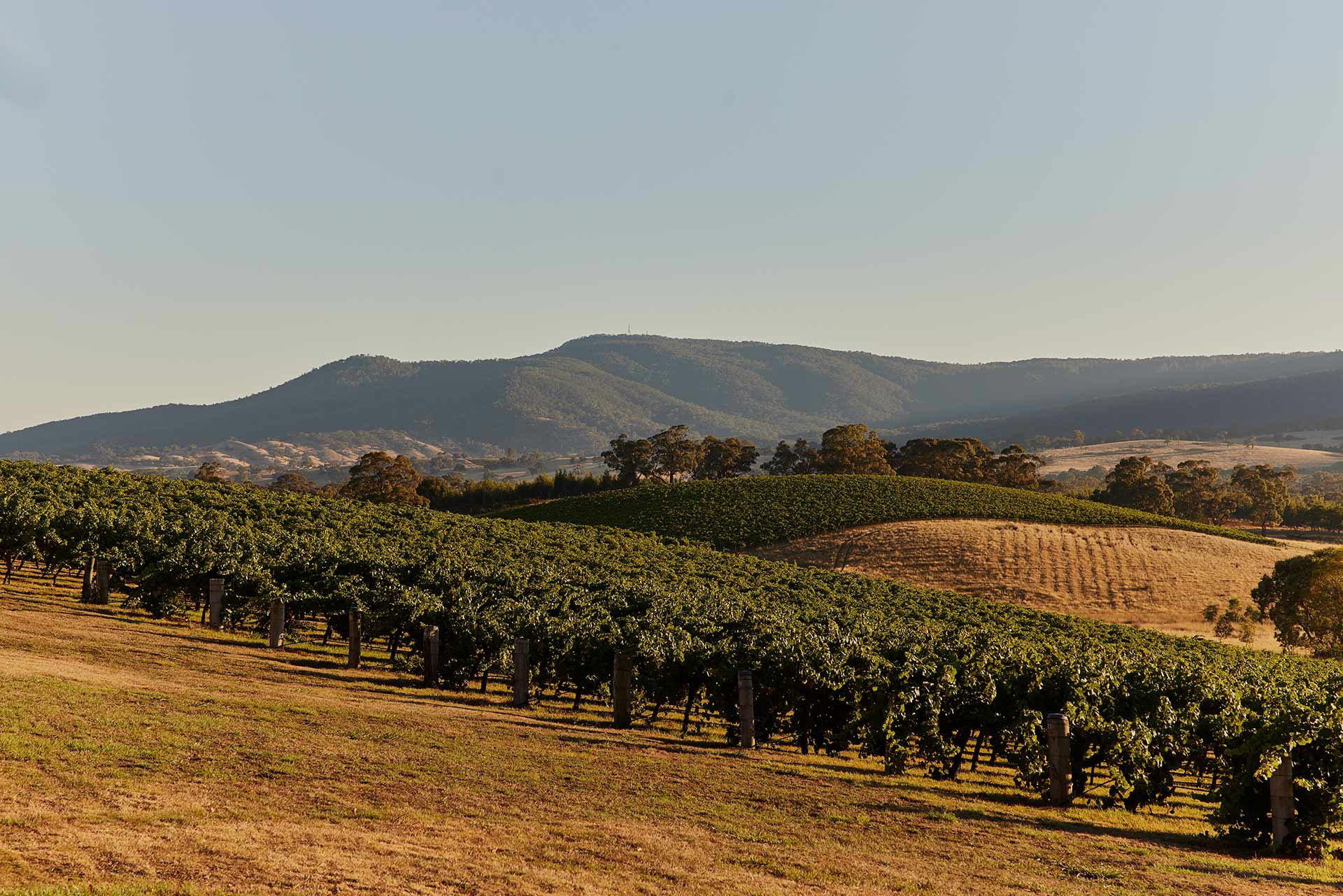
Mount Langi Ghiran
Grampians, Australia
Prioritise Mount Langi Ghiran if the Grampians trip is built around serious regional wine rather than a casual cellar-door crawl. It is a stronger fit for bottle-focused couples or small groups than for visitors who need confirmed food, pricing, hours, or large-group logistics upfront.
Domaine Frédéric Magnien
Morey-Saint-Denis, France
Book Domaine Frédéric Magnien if the priority is serious biodynamic Burgundy with a focus on Premier and Grand Cru terroir, not a casual walk-in tasting. The appointment-only format suits travellers who want Pinot Noir detail, small-scale négociant context, and a quieter Morey-Saint-Denis stop built around production rather than hospitality extras.
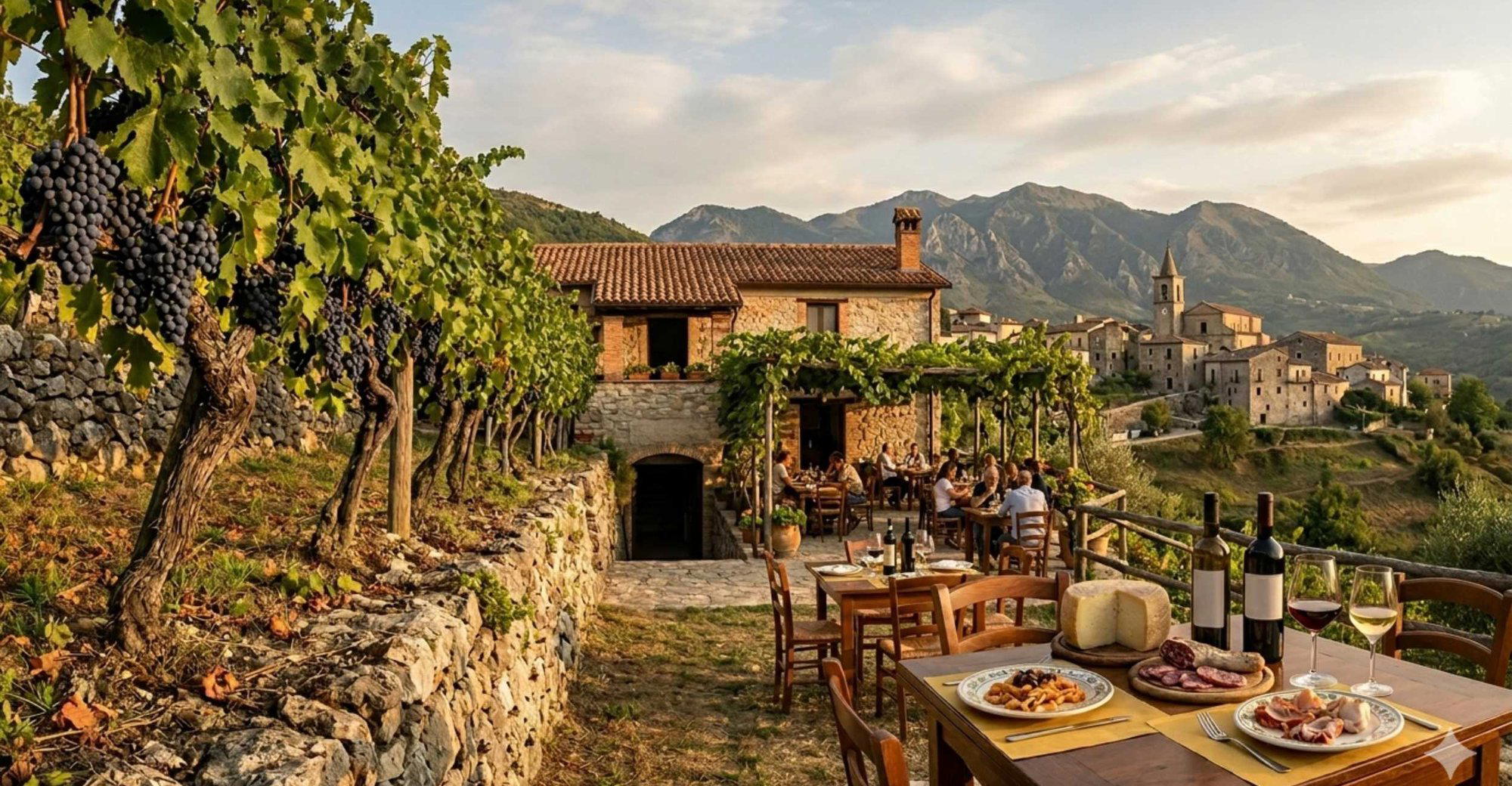
Cantina di Solopaca
Solopaca, Italy
Book Cantina di Solopaca if the goal is an accessible, educational Sannio wine visit rather than a romantic boutique tasting. The draw is cooperative scale, native Campanian grapes and a walk-in friendly format, with Falstaff Listed recognition in 2026 adding a current quality signal.
How many of these have you visited?
Find out on Pearl and keep score across every place in 2026 Falstaff Winery Guide.