

2026 Falstaff Winery Guide: The Ultimate Wine Authority — Page 124
Falstaff's 2026 Wineries guide.

Venues on this list
Emotion Wine
Horitschon, Austria
Emotion Wine is a sensible Horitschon stop for travelers already building a Central Burgenland wine route, especially those focused on the local Blaufränkisch context. It carries Falstaff listing recognition for 2026, but visit format, pricing, and hours should be confirmed before making it the anchor of a day.
Etienne et Sébastien Riffault
Sury En Vaux, France
Book Etienne et Sébastien Riffault if natural-leaning Sancerre is the reason for the trip. The value is in the farming, old vines, estate fruit, and low-intervention cellar work, not in polished hospitality or food service. It suits serious wine travellers better than casual visitors looking for a packaged tasting day.
Cantine Cellaro
Sambuca Di Sicilia, Italy
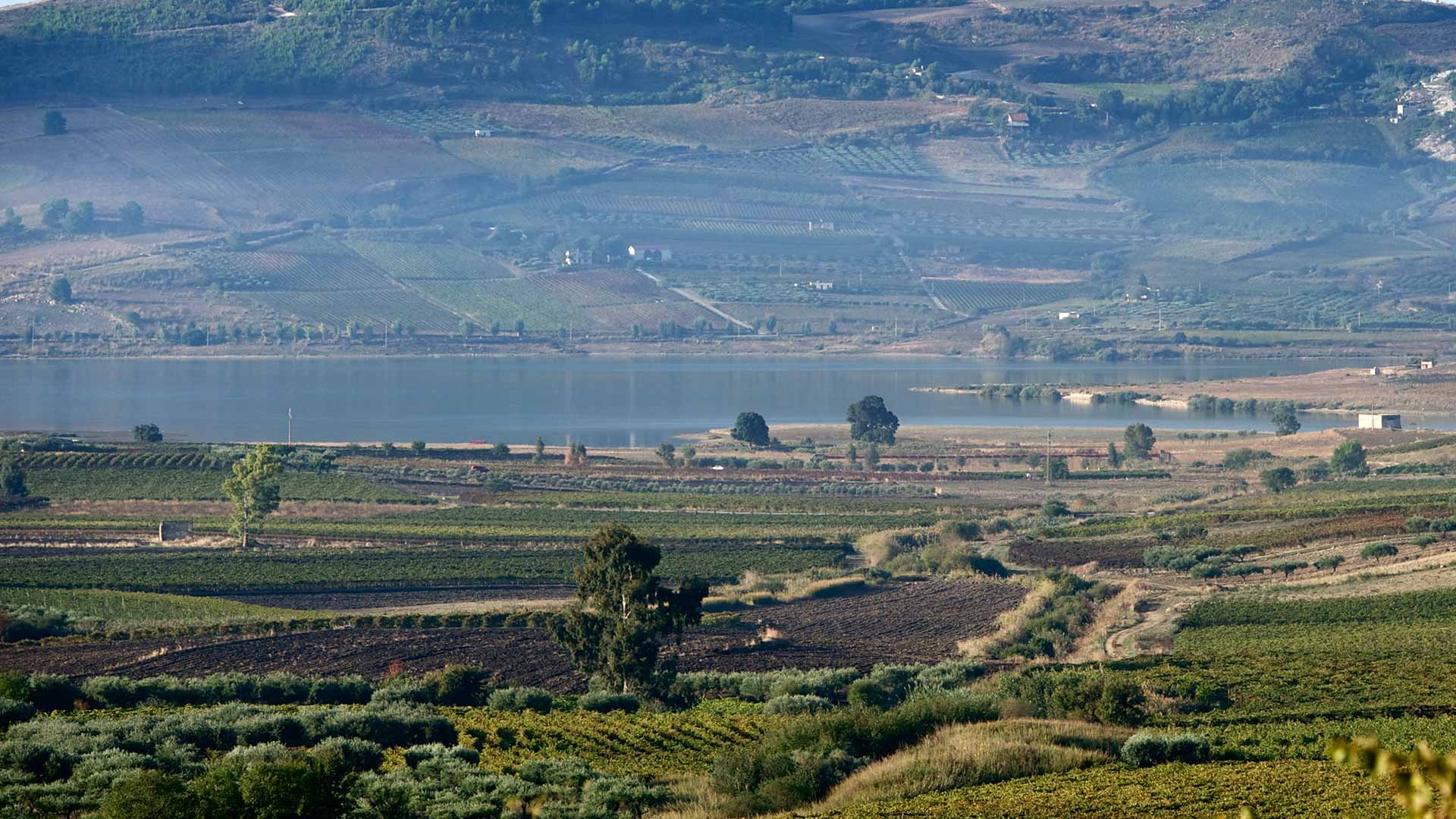
Cantine Cellaro works as a wine-first stop in Sambuca Di Sicilia, especially if the itinerary already includes inland Sicily and you want an easy-booking winery with Falstaff Listed recognition for 2026. Do not treat it as a confirmed food-pairing destination unless the current tasting and dining format is verified before you plan the day around it.
Berryessa Gap Vineyards
Winters, United States
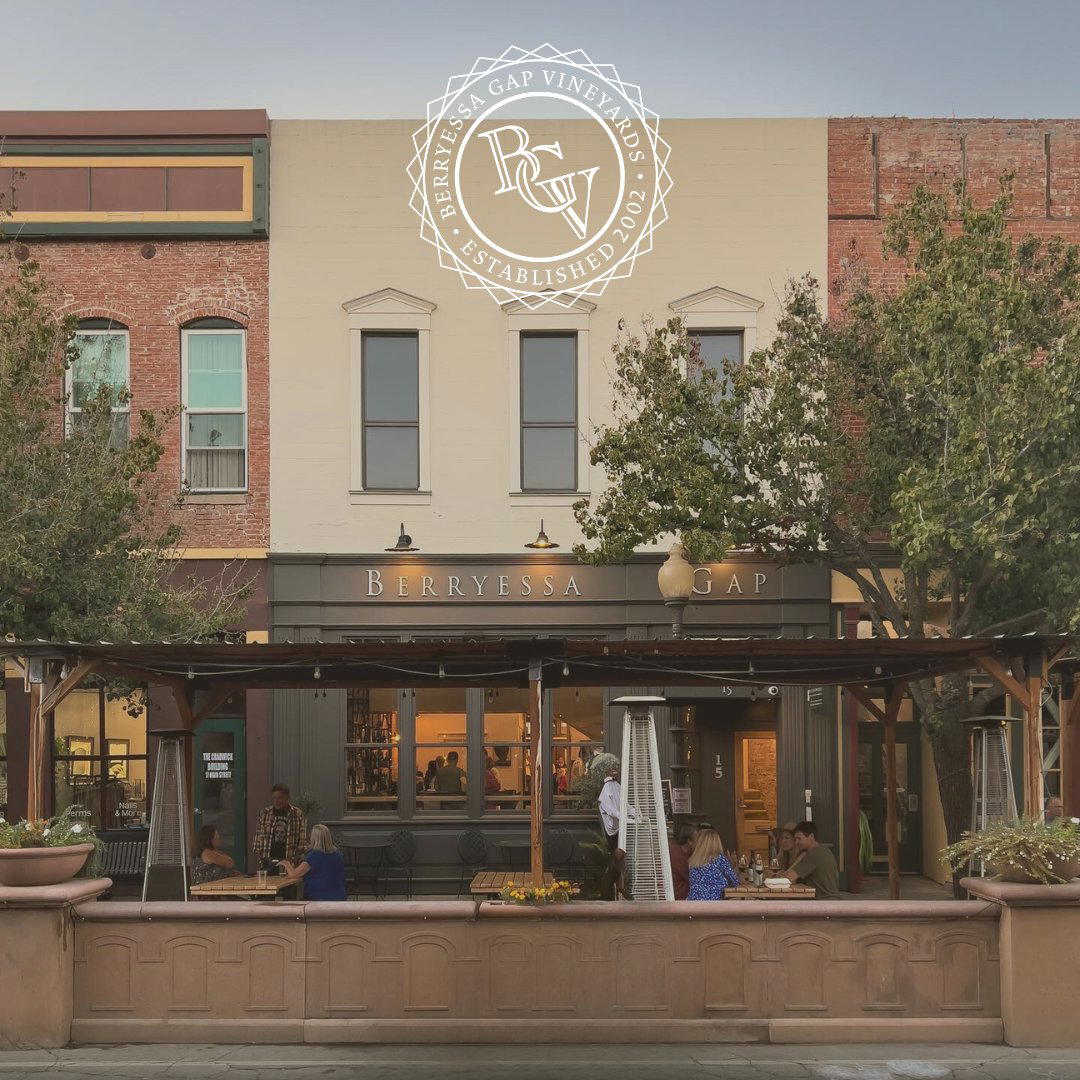
Berryessa Gap Vineyards is a good Winters pick for tasters who want a casual, affordable winery visit with more varietal range than expected. Book it for a daytime tasting if conversation and scenery matter, or aim for evening if live music, wine, and Spanish tapas sound like the better occasion.
Cave de Champ de Clos
Chexbres, Switzerland
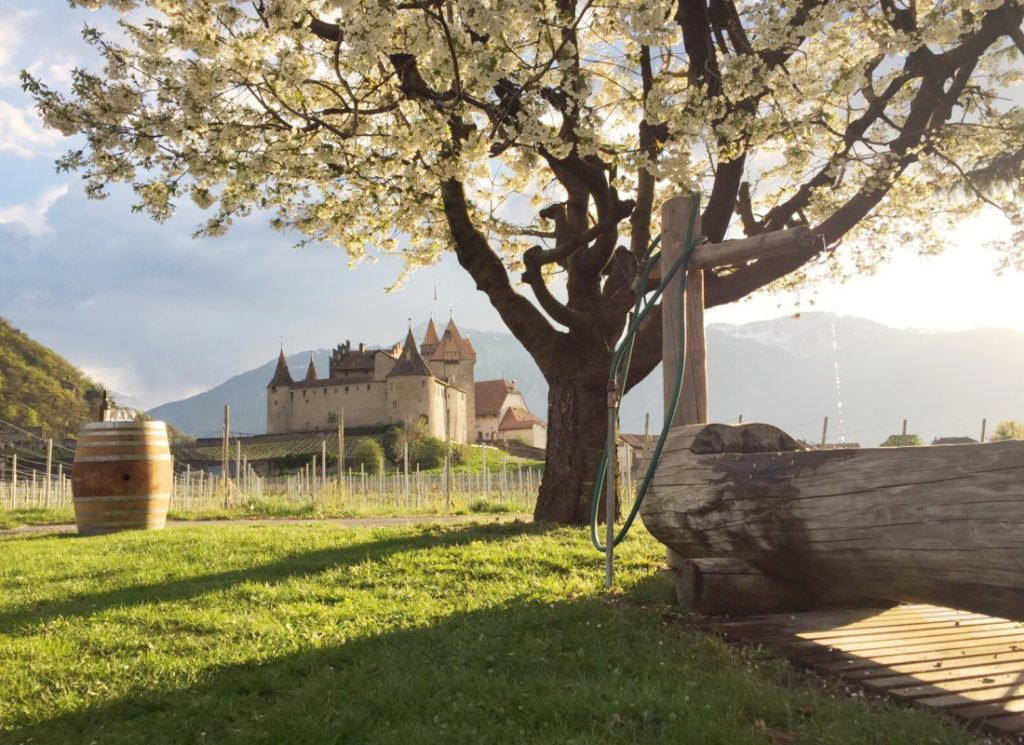
Cave de Champ de Clos is a cautious yes for travelers who want a wine-first Chexbres stop with a Falstaff Listed (2026) quality signal. Do not plan around food pairings, flagship bottles, or large-group logistics unless those details are confirmed directly; this is better treated as a focused winery visit than a meal-led destination.
Black Estate
Waipara Valley, New Zealand
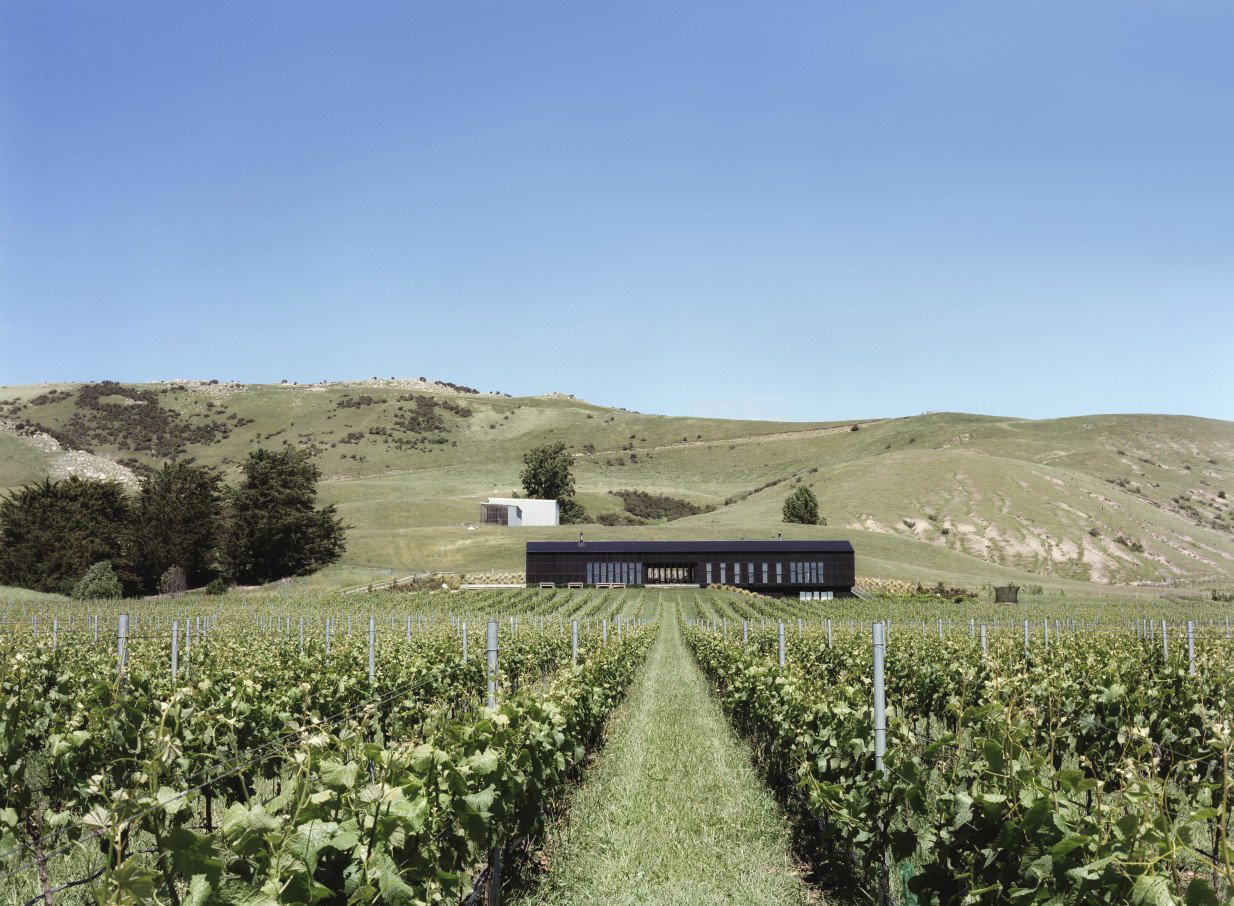
Black Estate is the Waipara Valley pick to prioritise when the trip calls for a serious producer-led winery visit rather than a casual drop-in. Falstaff 2 Stars in 2026 gives it a clear quality signal, but booking difficulty is high, so plan early and keep flexible dining or tasting backups nearby.
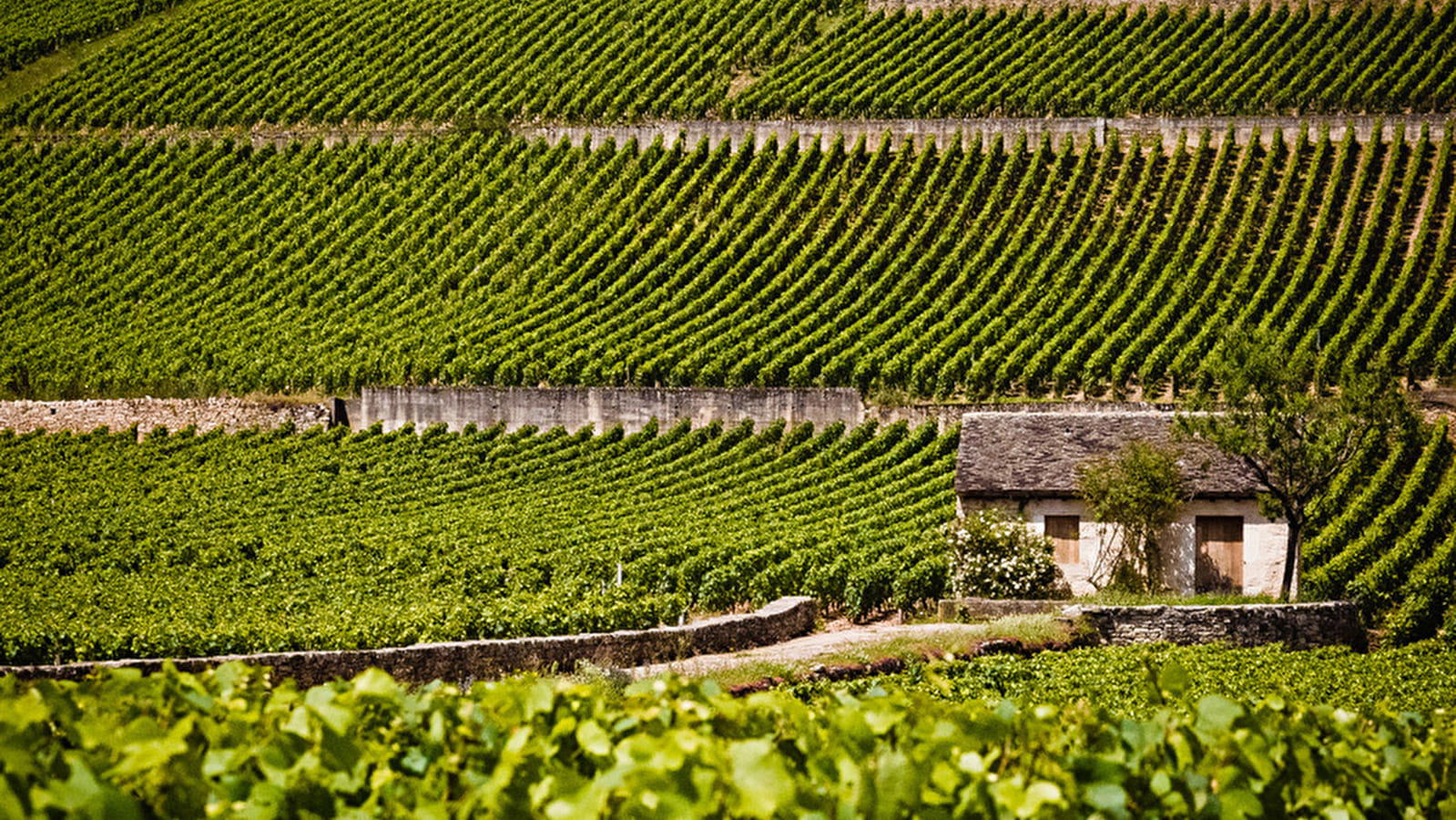
Domaine Bouchard Père et Fils
Beaune, France
A serious Beaune booking for travelers who want Burgundy heritage, not a casual tasting-room stop. Domaine Bouchard Père et Fils is strongest for collectors, special occasions, and allocation-minded visitors who value producer history and a composed cellar atmosphere over easygoing discovery.
Diesel Farm
Marostica, Italy
Diesel Farm is a sensible Marostica pick for travelers planning around wine rather than a guaranteed dining experience. Falstaff listing for 2026 gives it a useful credibility signal, but treat it as a winery stop and pair it with a separate restaurant plan if food is central to the day.
Fleurs de Prairie
Stanford, United States
Fleurs de Prairie works as an accessible South of France rosé, not as a Stanford winery visit. The useful signal is style: pale, fresh, floral, citrus-leaning Languedoc rosé with a named winemaker behind it. For tastings, tours, or group hospitality, use Stanford winery listings instead.
Colja Jozko
Sgonico, Italy
Choose Colja Jozko if the goal is a calm Karst farmhouse tasting rather than a polished luxury winery stop. The value is in the local-grape focus, cave cellar, rural dining room, and appointment-led format, with Falstaff listing in 2026 adding a useful recognition signal for first-time visitors.
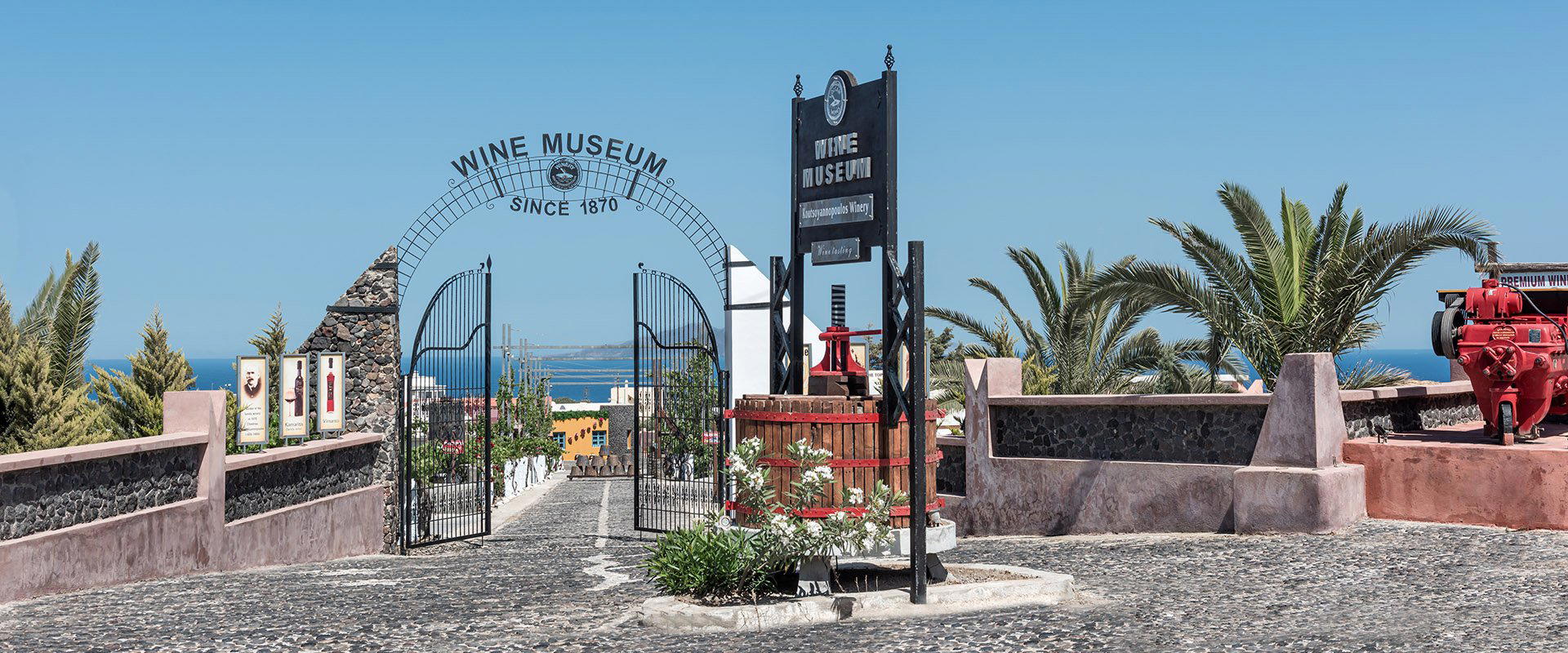
Koutsoyannopoulos Winery - Volcan Wines
Vothonas, Greece
Koutsoyannopoulos Winery is a smart first Santorini wine stop if the goal is context before chasing view-led tastings. Its Vothonas location suits an inland wine itinerary, and the 2025 Pearl 2 Star Prestige signal makes it worth shortlisting, especially for first-timers comparing Santorini producers rather than looking only for a scenic terrace.
Diora Wines
Manteca, United States
Diora Wines is a smart Manteca pick for a short, quiet tasting centered on Monterey Pinot Noir and Chardonnay, especially if value and wine education matter more than a full destination-winery setup. The price is approachable, booking is easy, dress is casual, and the 2026 Falstaff listing adds a useful credibility signal.
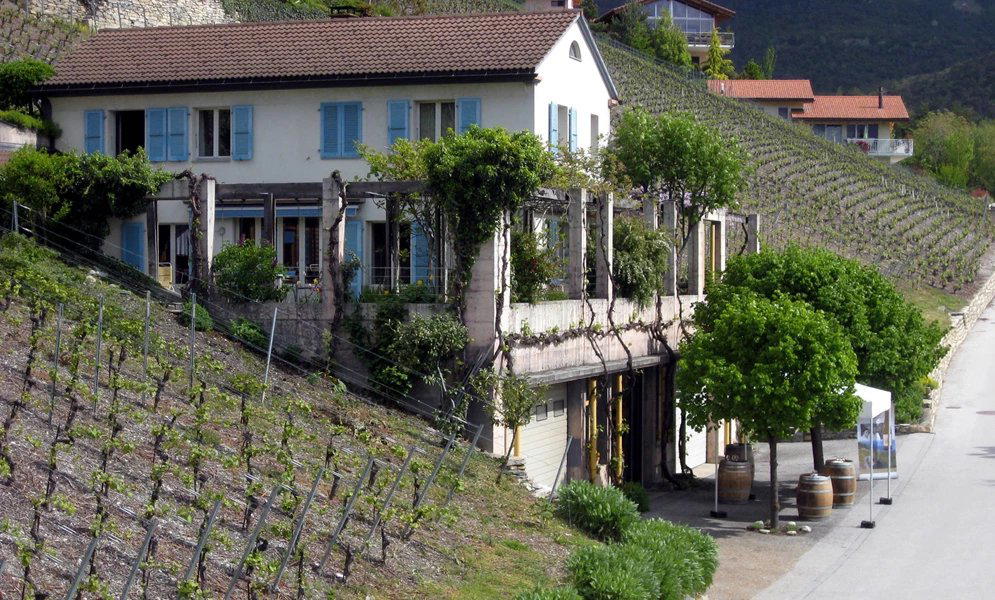
Cave de la Pierre
Venthone, Switzerland
Choose Cave de la Pierre for a personal, low-polish Valais winery visit rather than a staged tasting-room experience. The 2026 Falstaff listing gives it useful credibility, and the $$ positioning makes the strongest case for visitors who plan to taste with buying intent, not just fill a scenic afternoon.
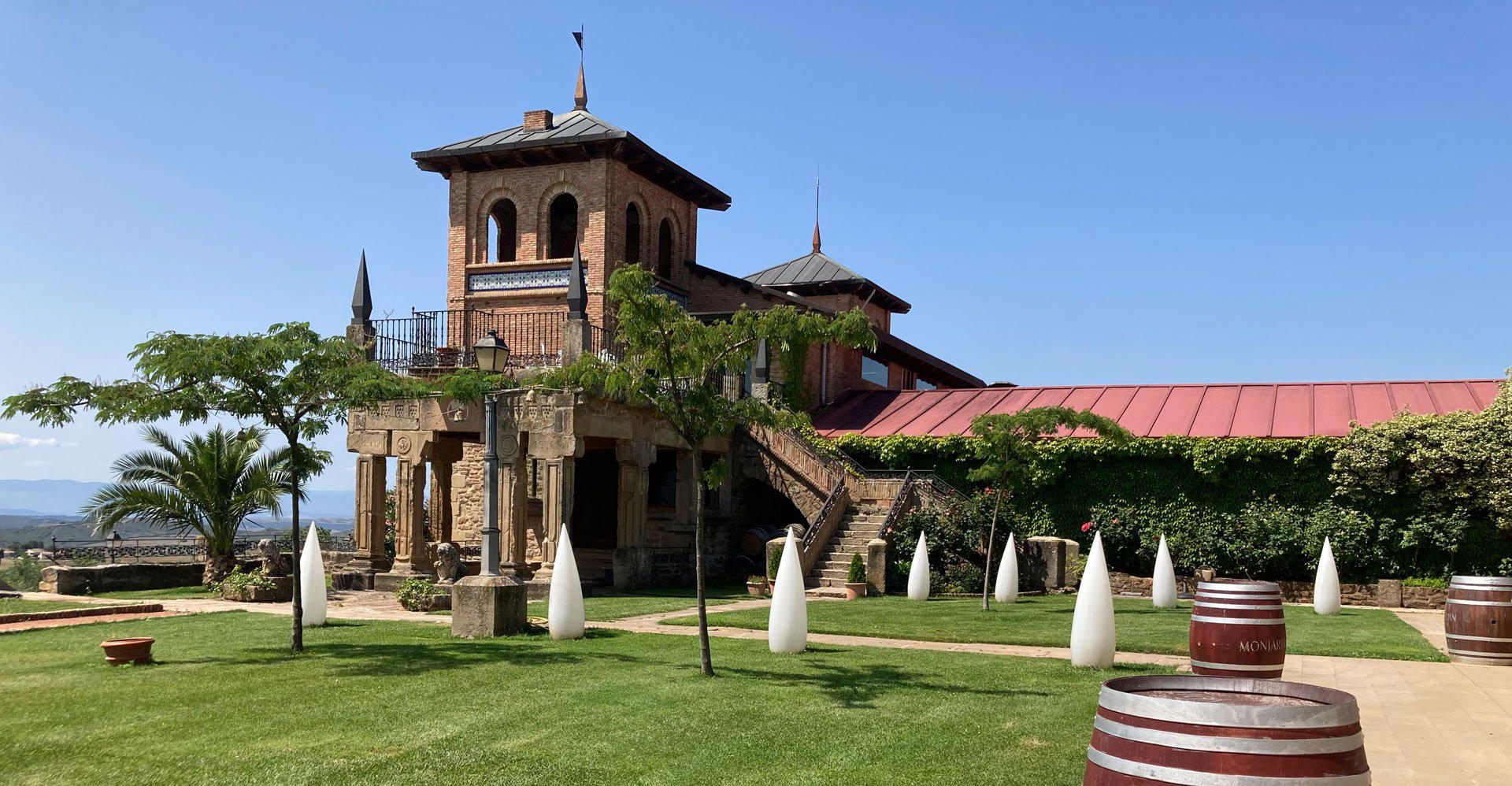
Castillo de Monjardin
Villamayor De Monjardin Navarra, Spain
Book Castillo de Monjardin if you want a Navarra winery visit with scenery, cellar context and food pairing potential rather than a quick tasting stop. The draw is the combination of Monjardín mountain, Camino de Santiago context, family ownership and a wine program tied to Chardonnay, night harvesting and barrel fermentation.
Dyer Straits Wine Company
Calistoga, United States
Dyer Straits Wine Company is worth targeting if the goal is serious Diamond Mountain Cabernet rather than a conventional Napa tasting stop. The draw is a 2.3-acre estate, limited bottling, a $465 flagship Cabernet signal, and a documented 93-point 2016 vintage; skip it if the trip needs broad flights, food, or a social tasting-room format.
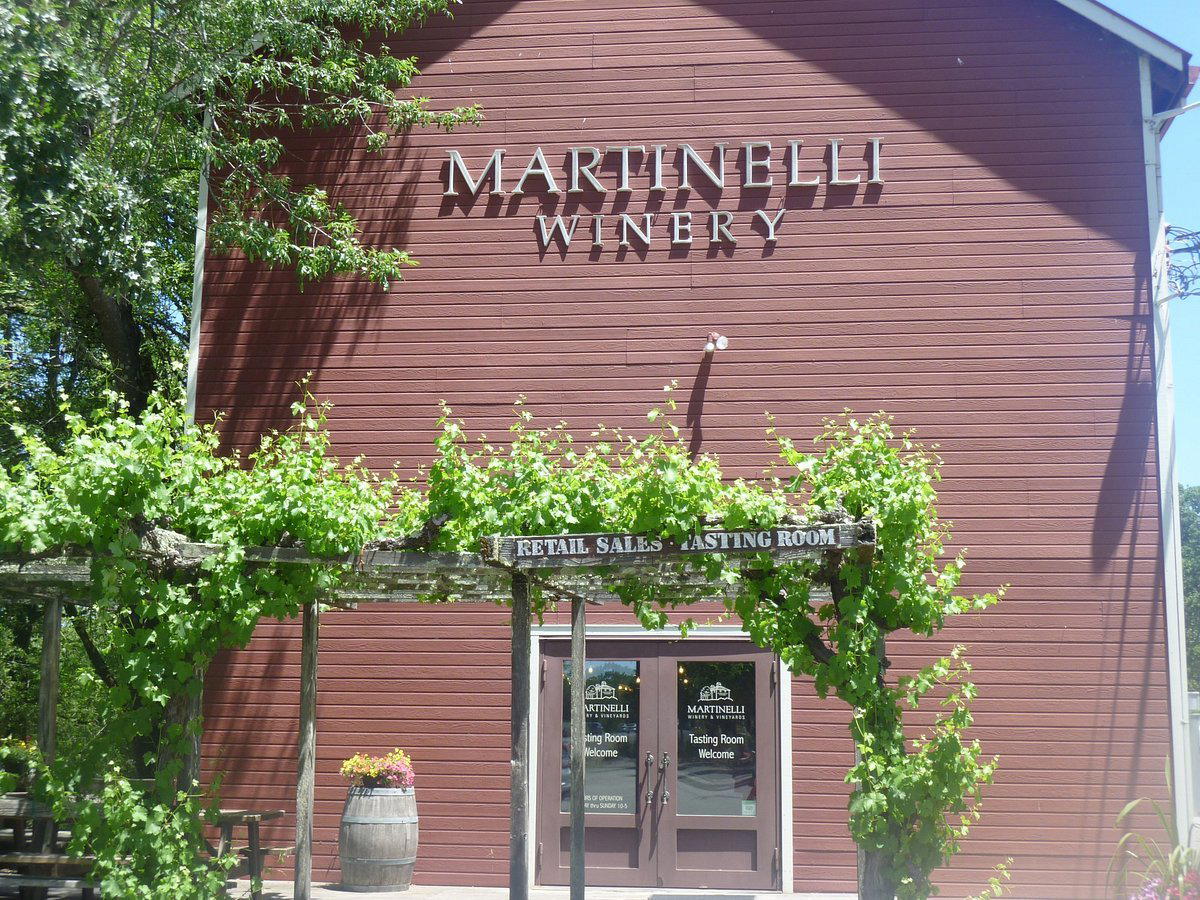
Martinelli Winery
Windsor, United Kingdom
Martinelli Winery is a better fit for wine travelers building a selective Windsor plan than for casual visitors who need posted tasting details, food, or easy group logistics. The 2025 two-star prestige recognition gives it a clear reason to consider, but the practical move is to treat it as a targeted wine stop and keep the rest of the itinerary flexible.
Domus Aurea
Santiago de Chile, Chile
Domus Aurea is a wine-first Santiago de Chile pick with a 2026 Falstaff listing as its clearest quality signal. It suits couples or small groups planning a focused producer visit, but it is less useful for travelers who need published pricing, set timing, food details, or confirmed group logistics before choosing.
Cave Arte Vinum
Vetroz, Switzerland
Cave Arte Vinum is worth choosing for a quiet, wine-first tasting in Vétroz, especially if the group cares about Valais varieties, low-yield viticulture, and a personal cellar setting. It is better for couples or small, engaged groups than for a large celebration needing a polished hospitality operation.
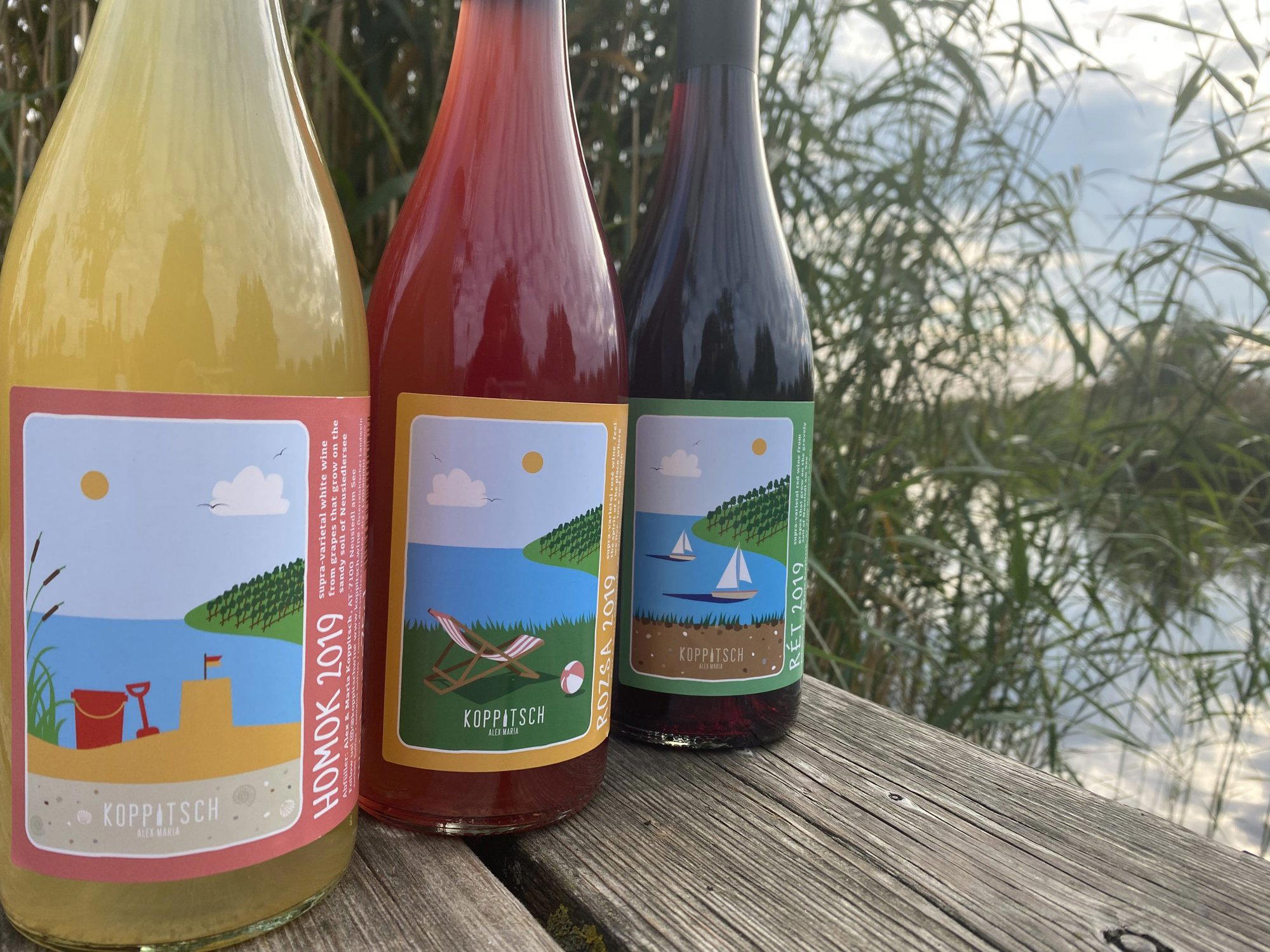
Weingut Koppitsch
Neusiedl am See, Austria
A smart pick for wine travelers using Neusiedl am See as more than a lake stop. Alexander Koppitsch suits visitors who want Burgenland context and an easy-booking winery visit, but it is not the right choice if the group needs confirmed food service, large-group infrastructure, or a fully published tasting format.
Château Les Bois Mathieu
Saint-Mont, France
Château Les Bois Mathieu is worth a Saint-Mont stop if the goal is a serious, food-friendly rosé rather than a casual tasting. The draw is its structured local blend, fresh red-fruit profile and connection to Plaimont’s Saint-Mont work; first-timers should plan it around lunch or dinner pairing rather than expecting a sprawling visitor program.
Fattoria Nannì
Montefano, Italy
Fattoria Nannì is a practical Montefano choice for travelers who want a focused Verdicchio producer visit rather than a broad hospitality experience. Treat it as a confirmed appointment and build the day with enough time around the countryside setting; it suits first-timers who want regional context more than a long, highly structured estate program.

Adalia
Verona, Italy
Book Adalia if you want a quiet, organic Val di Mezzane winery stop with bottles that make sense around food, especially Soave, Valpolicella, Ripasso and Amarone. It is Falstaff listed for 2026 and better suited to a focused wine appointment than a full hospitality day with dining built in.
Dalva Distinctive Wines – C. da Silva
Vila Nova de Gaia, Portugal
Book Dalva Distinctive Wines – C. da Silva if the priority is classic Gaia Port context at a manageable $$ level, not a high-production tasting room. The 1862 heritage, barrel-lined atmosphere, and 2026 Falstaff Listed recognition make it a strong fit for wine travelers who want aged Tawny and Douro context without a difficult reservation.
Hamacht Weine
Teufen Zh, Switzerland
Hamacht Weine is worth planning for if the goal is focused Zürcher Weinland wines rather than a polished visitor circuit. Prioritize Pinot Noir, Sauvignon Blanc and Crémant, with bottles in the CHF 20.90 to CHF 35.00 range making the strongest case for a mixed purchase or appointment-led tasting.
Javier Sanz
La Seca, Spain
Book Javier Sanz if the goal is a small, context-rich Rueda tasting rather than a full meal. The converted church setting, four-wine format, and focus on Verdejo, pre-phylloxera vines, and recovered grape varieties make it a strong pick for wine travelers who want depth; the food pairing is useful but light.
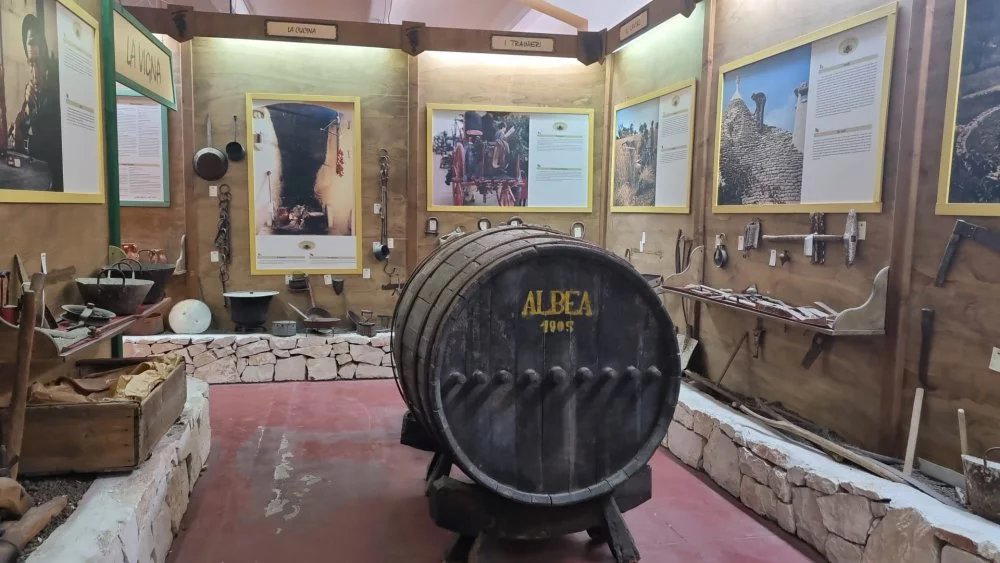
Cantina Museo Albea
Alberobello, Italy
Cantina Museo Albea is a strong Alberobello pick for travelers who want a wine tasting with real local context. Book it for the historic stone winery-museum, carved rock vats, native Puglian grape focus, and guided educational format rather than for a flashy cellar-door experience.
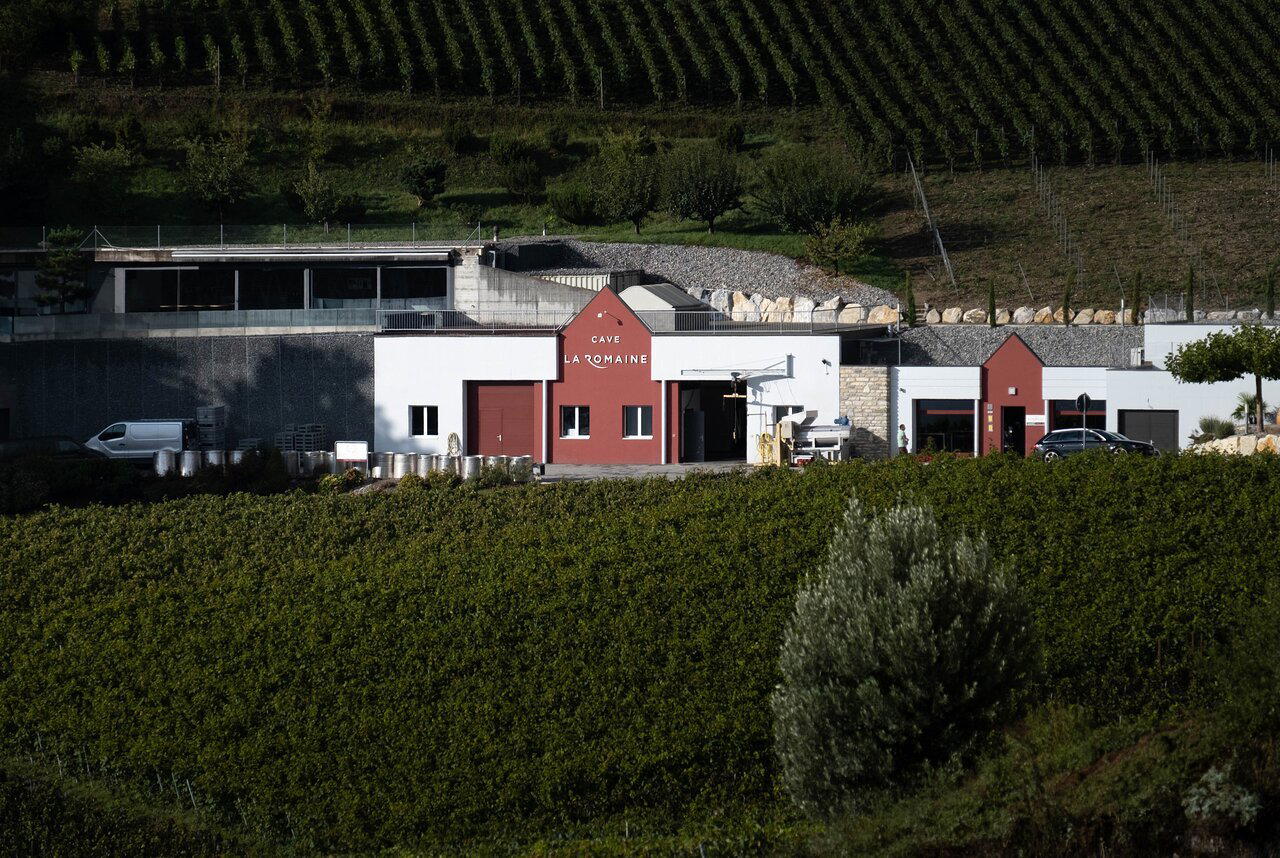
Cave La Romaine
Flanthey, Switzerland
Worth booking for a calm, wine-first Valais tasting with a polished modern cellar and a dramatic underground barrel room. Cave La Romaine is strongest for couples, small celebrations, and Swiss-wine-curious visitors who want regional grapes and pairing-friendly pours rather than a full restaurant experience.
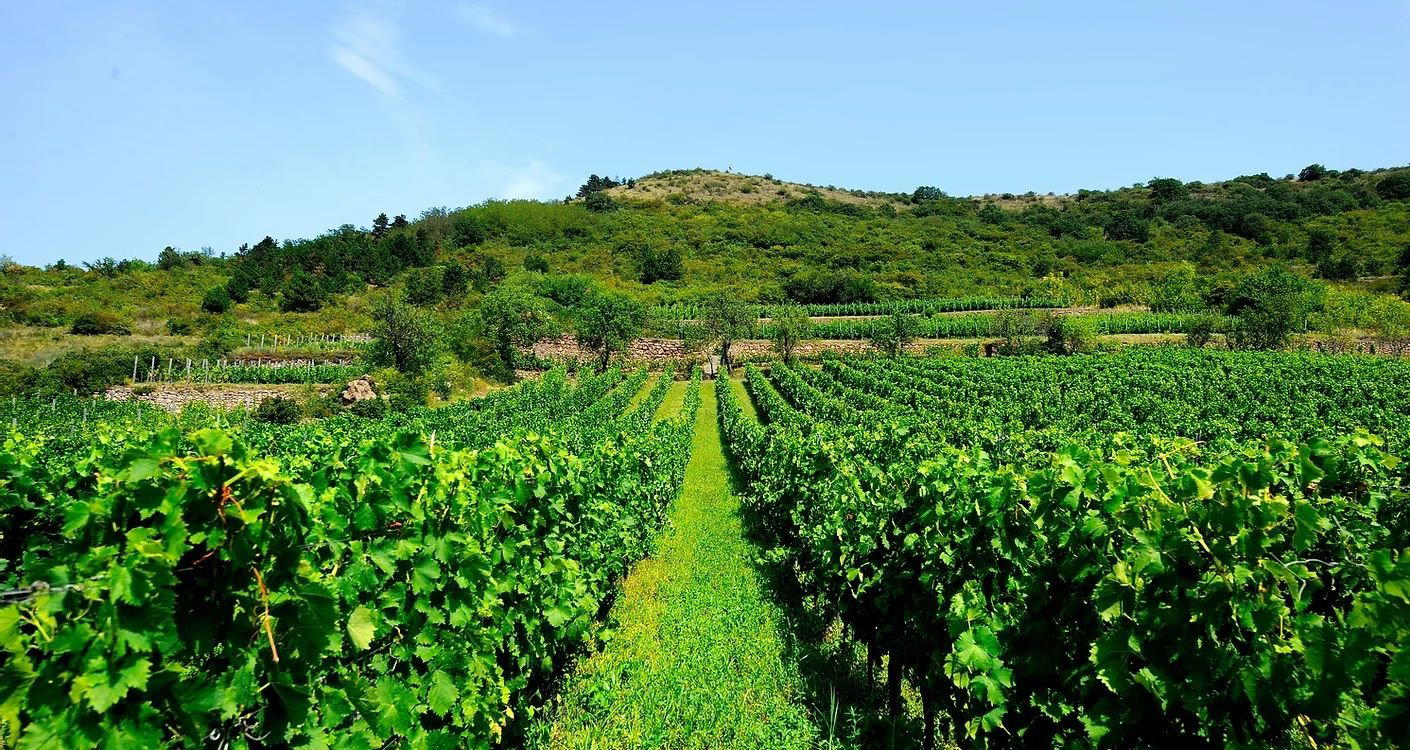
Pendits Winery
Abaújszántó, Hungary
Pendits Winery is a strong pick for wine-focused travellers planning a serious Abaújszántó stop, especially if the day is built around quiet tasting time rather than quick drop-ins. Treat it as a plan-ahead visit and cross-shop nearby Tokaj names if the group needs easier logistics or a more predictable visitor setup.
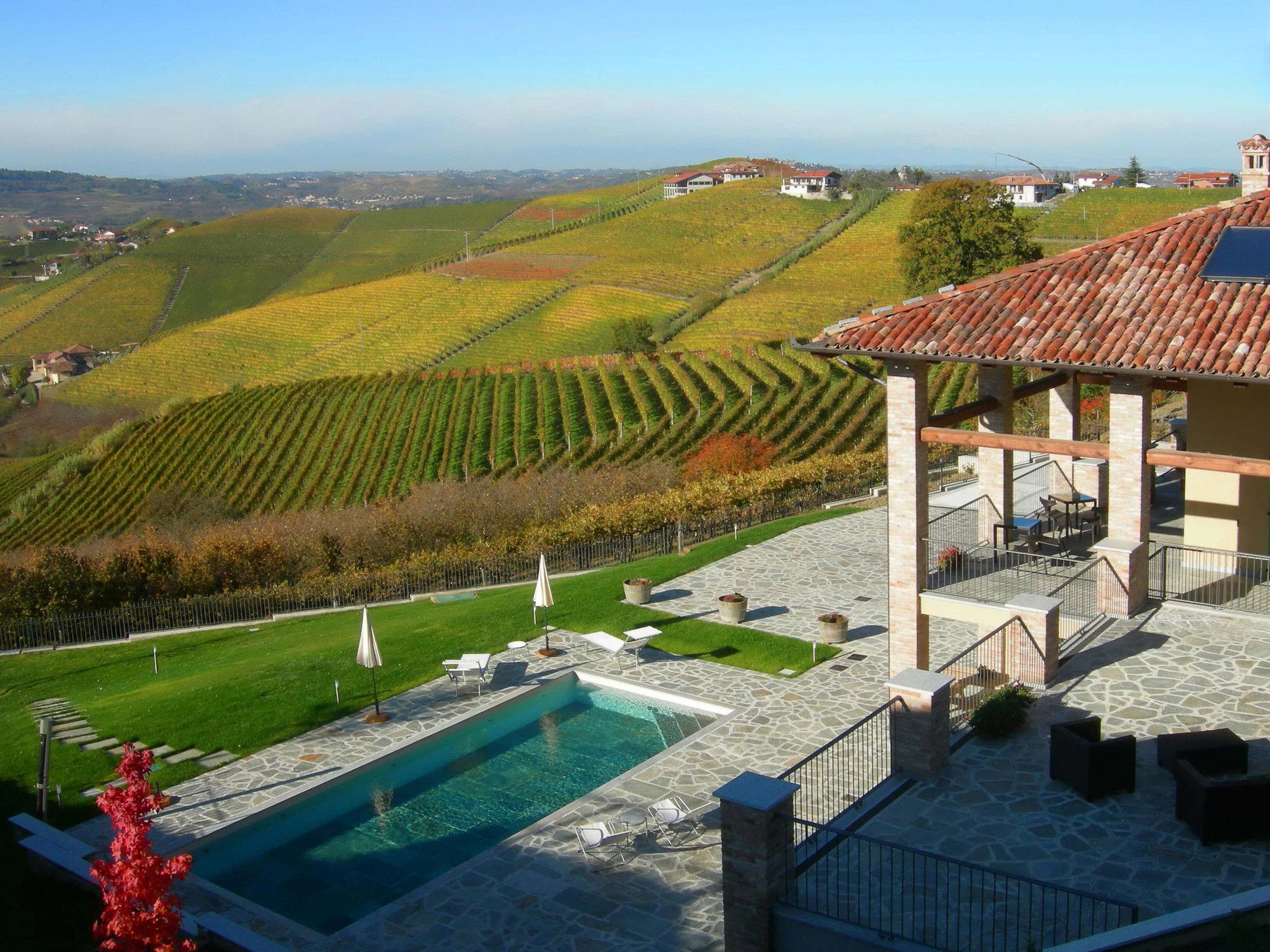
Giuseppe Cortese
Barbaresco, Italy
Giuseppe Cortese is a strong pick for Barbaresco travellers who want Rabajà-focused Nebbiolo and a serious price-to-quality argument, not a broad hospitality showcase. Falstaff 3 Stars for 2026 and strong critical attention around the 2021 Barbaresco support the case, but the experience is better suited to wine-focused visitors than large mixed groups.
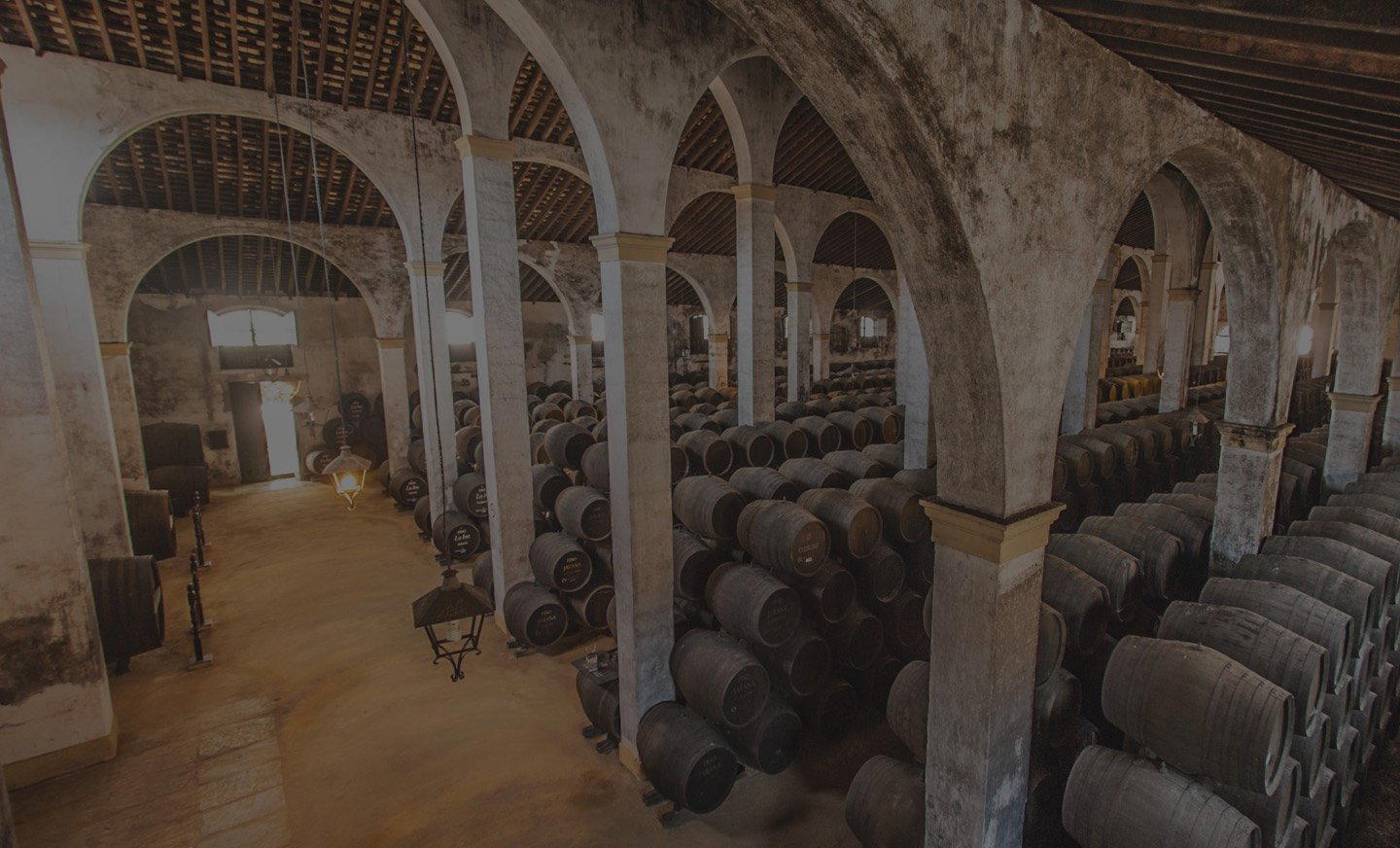
Lustau
Jerez de la Frontera, Spain
Lustau is worth prioritizing if sherry is the point of the Jerez trip, especially for drinkers weighing value and quality rather than chasing a broad tourist showcase. Plan ahead: the booking difficulty is high, and it fits better as a focused wine stop than a casual add-on.
Fattoria Villa Ligi
Pergola, Italy
Worth booking for a quiet Pergola winery visit centered on Marche identity, organic farming, and local grape character. Fattoria Villa Ligi is better for small groups and returning wine travelers than for anyone seeking a full-service hospitality day with dining or a heavily structured tour.
Domaine Chapoton
Rochegude, France
Domaine Chapoton is a better fit for Rhône buyers than casual wine tourists: the draw is estate-grown Rochegude wine at accessible listed prices, not a hospitality-heavy visit. Prioritize the Rochegude red if you want the clearest village-specific expression, especially given its 93/100 La Revue du Vin de France rating.
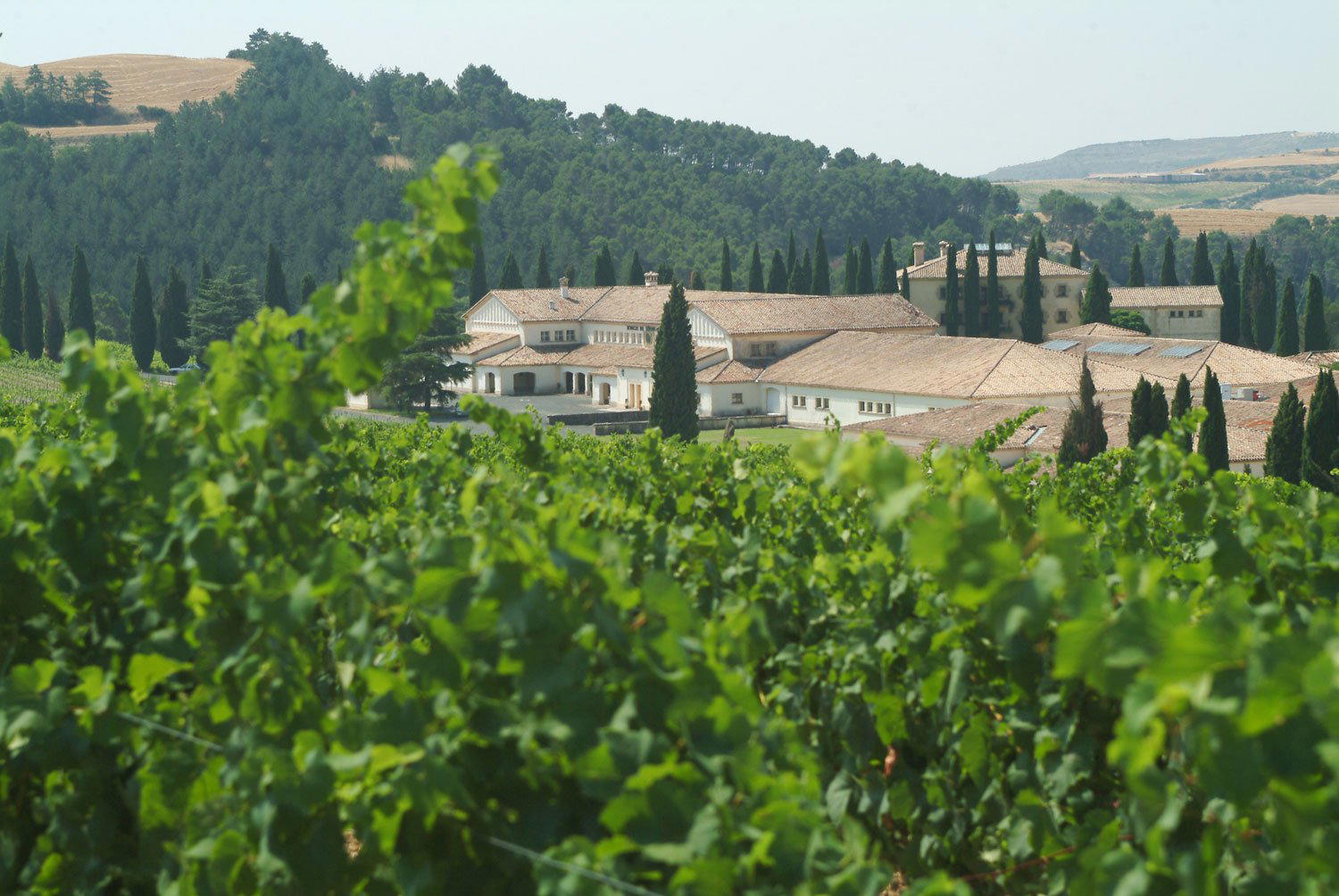
Bodega de Sarria S.A.
Puente La Reina, Spain
Bodega de Sarria S.A. works if Puente La Reina is already on the itinerary and the goal is a Navarre wine stop with outside recognition: Falstaff awarded it 2 Stars in 2026. Treat it as a planned regional add-on rather than a casual drop-in, since public visit details, pricing, and direct booking channels are not surfaced here.
Château Trotanoy
Pomerol, France
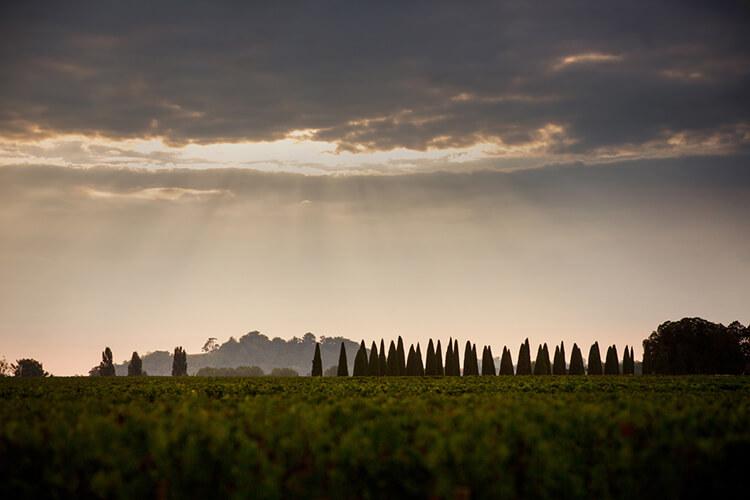
Château Trotanoy is worth pursuing if the priority is serious Pomerol depth rather than an easy cellar-door stop. Its Pearl 3 Star Prestige recognition and Jean- Berrouet connection make it a high-conviction target for collectors, but access is the deciding factor; casual visitors may get more practical value from a more visitor-facing Pomerol peer.
Cave de la Brunière
St Leonard, Switzerland
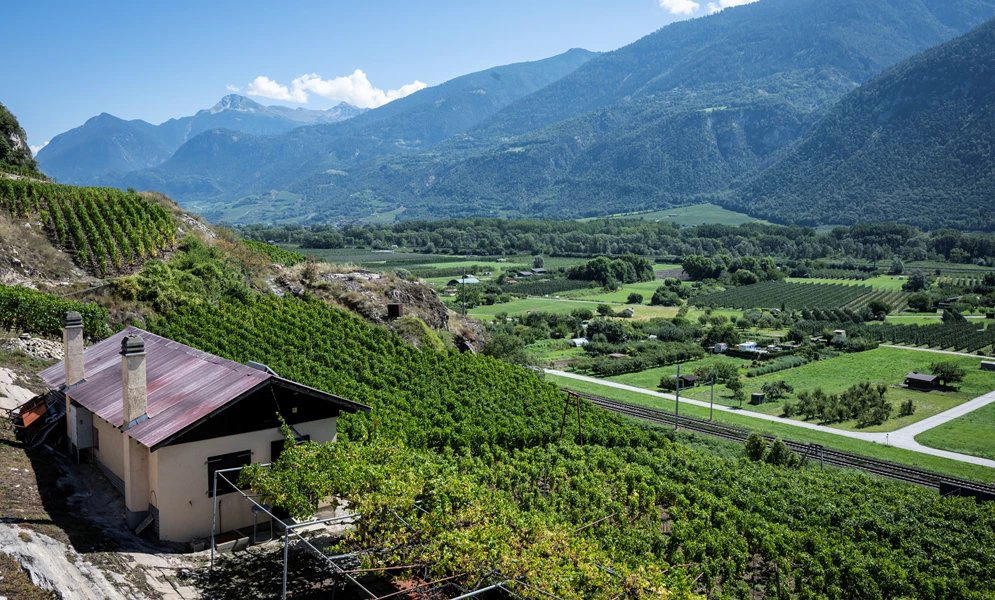
Cave de la Brunière is worth shortlisting if the aim is Valais wine depth and you are comfortable confirming the practical details before committing. Its Falstaff Listed 2026 recognition is the main trust signal; wine-club value should be judged only after checking allocation terms, shipping, pickup, and tasting access.
Domaine Denizot
Verdigny, France
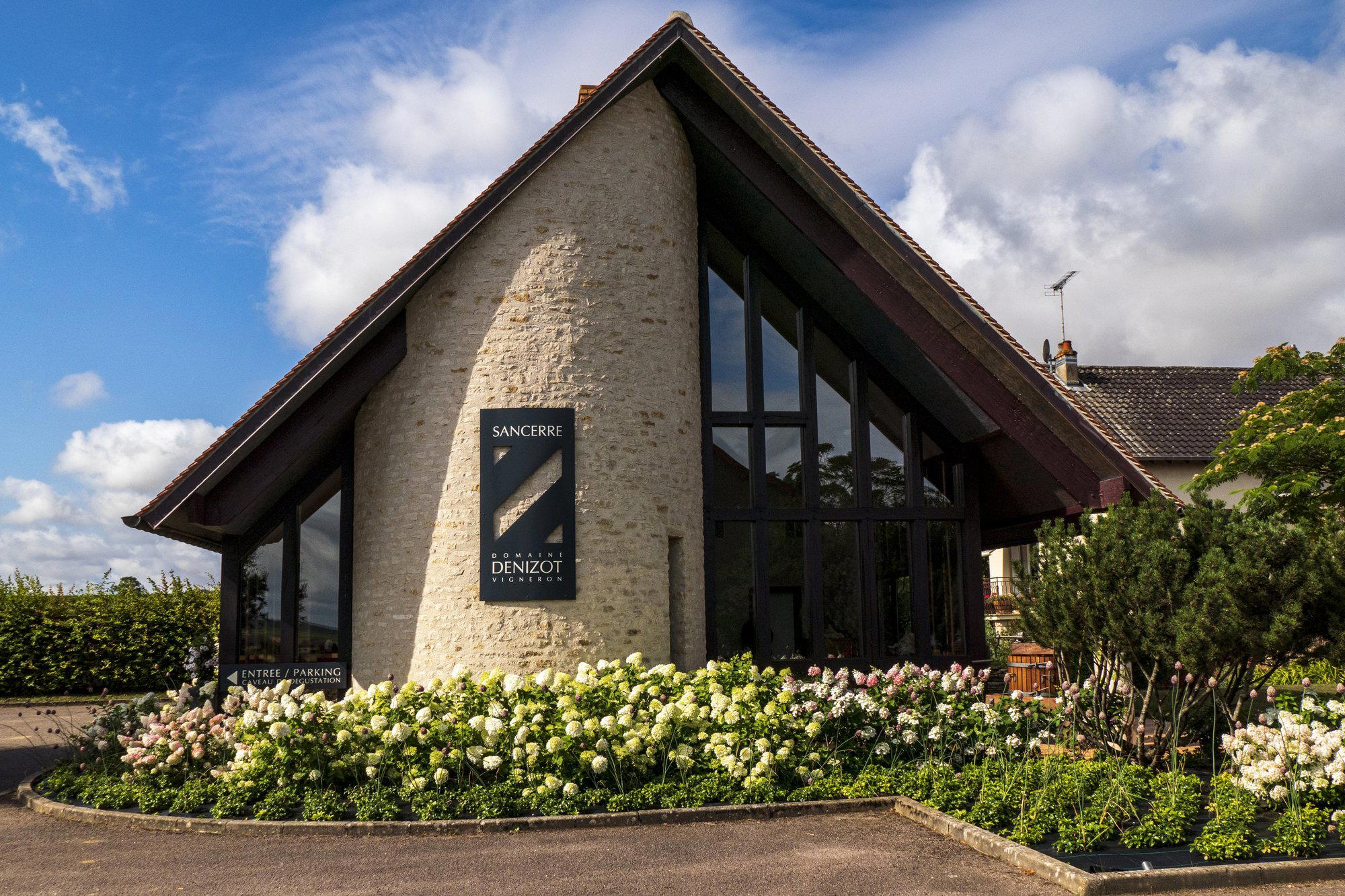
Worth booking if the goal is a quiet, producer-led Sancerre tasting rather than a polished wine-tourism stop. Domaine Denizot is strongest for visitors who care about Sauvignon Blanc, Loire Pinot Noir, limestone soils, and family-run winemaking context in Verdigny.
Colline di Sopra
Montescudaio, Italy
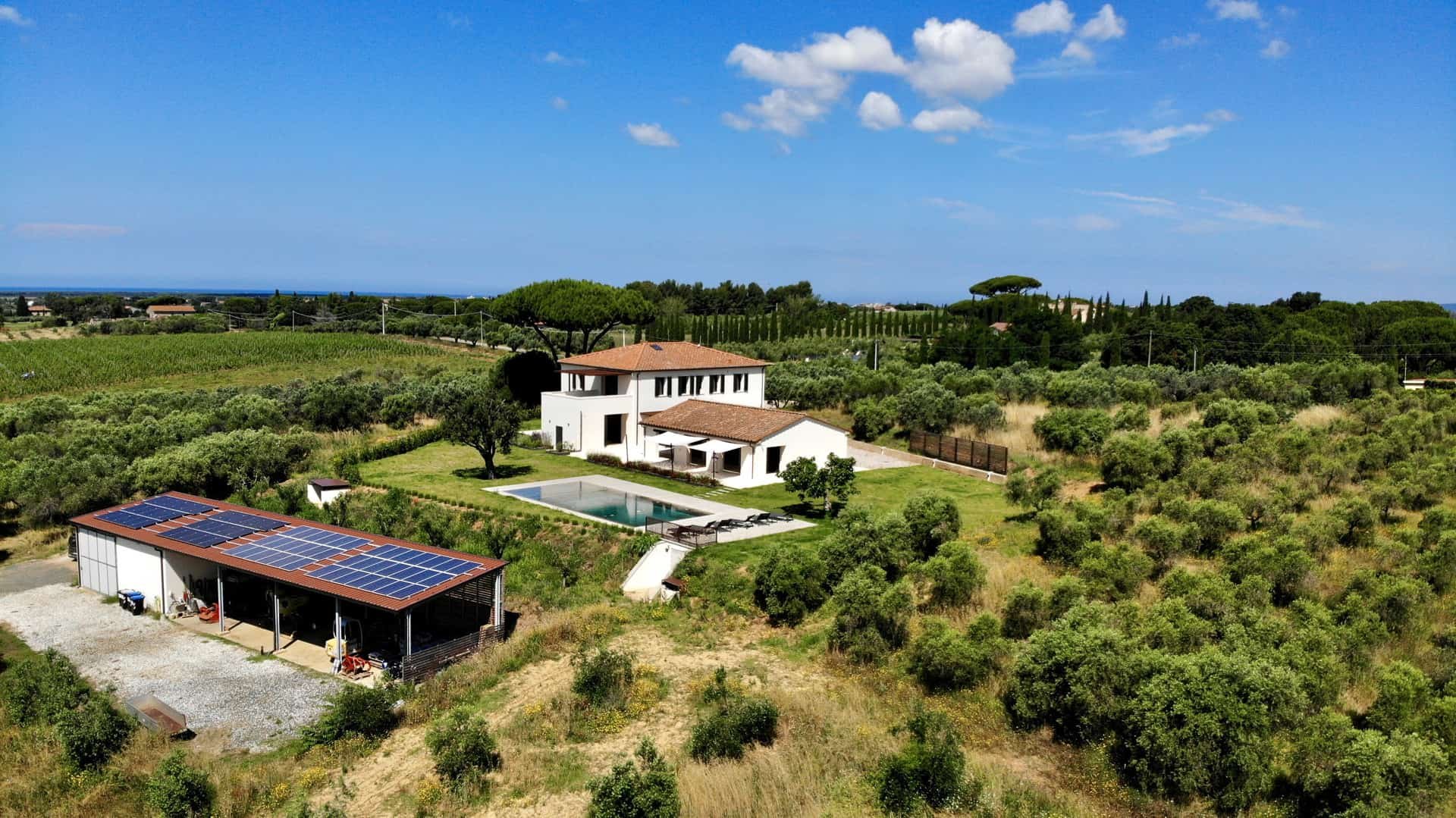
Book Colline di Sopra if the appeal is an organic Tuscan estate experience where the grounds matter as much as the glass. The strongest case is the 100% organic ICEA-certified farming, Falstaff 3 Stars in 2026, and a calm Montescudaio setting with vineyards, woodland, and lake terrain.
Domaine de Bargylus Grand Vin De Syrie - Famille Saadé
Beirut, Lebanon
Book Domaine de Bargylus Grand Vin De Syrie - Famille Saadé if the priority is a serious, provenance-led wine experience rather than a broad hospitality day. The appeal is the estate-grown Syrian mountain fruit, focused red and white Grand Vin portfolio, and 2026 Falstaff listing; it is strongest for collectors, celebrations, and wine-led dinners.
Bedin - Colli Asolani
Cornuda, Italy
Book Bedin - Colli Asolani if you want a focused Asolo Prosecco Superiore DOCG tasting at a family-run Cornuda estate with roots back to 1948. It is strongest for travelers who care about Glera, Brut versus Extra Dry styles, and sustainable vineyard work, less so for anyone seeking a broad Italian cellar or food-led visit.
Brunner Weinmanufaktur
Eich, Switzerland
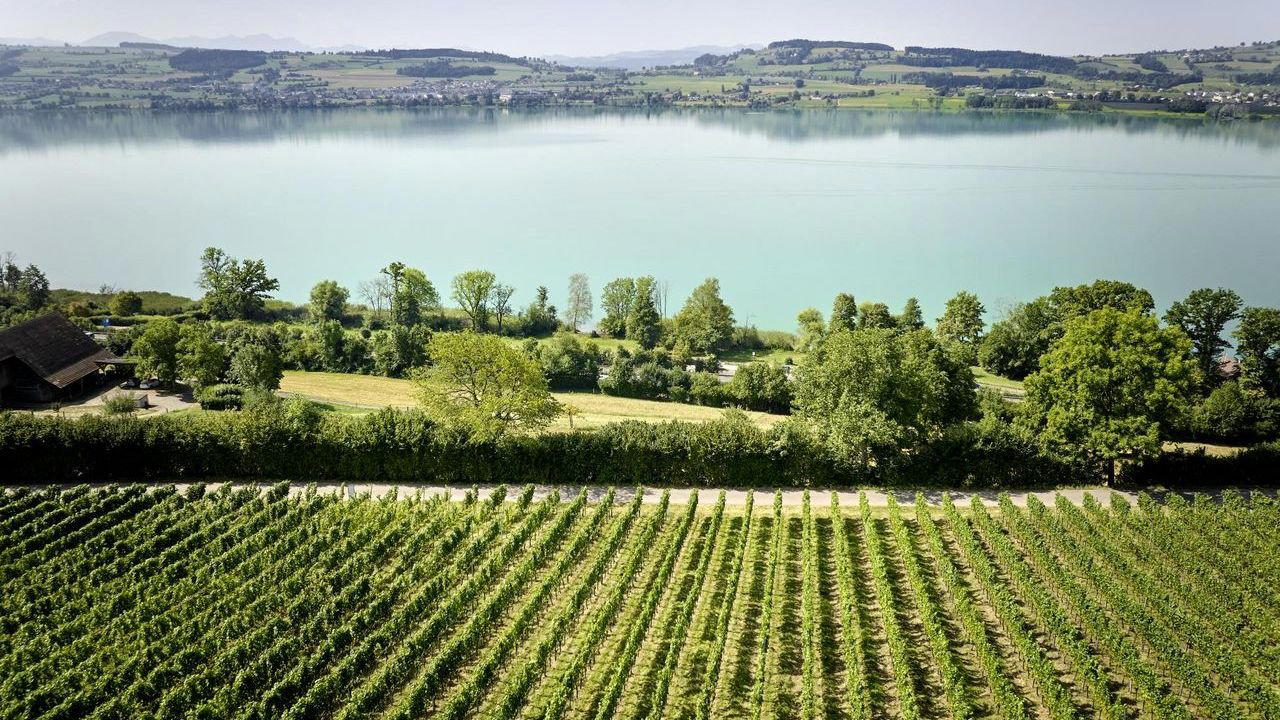
Book Brunner Weinmanufaktur only if the point of the trip is a focused Eich wine visit, not a casual drop-in with restaurant-style amenities. The Falstaff 2 Stars recognition gives it a credible reason to be on a Seetal wine itinerary, but confirm access before shaping the day around it.
Amayna
Las Condes, Chile
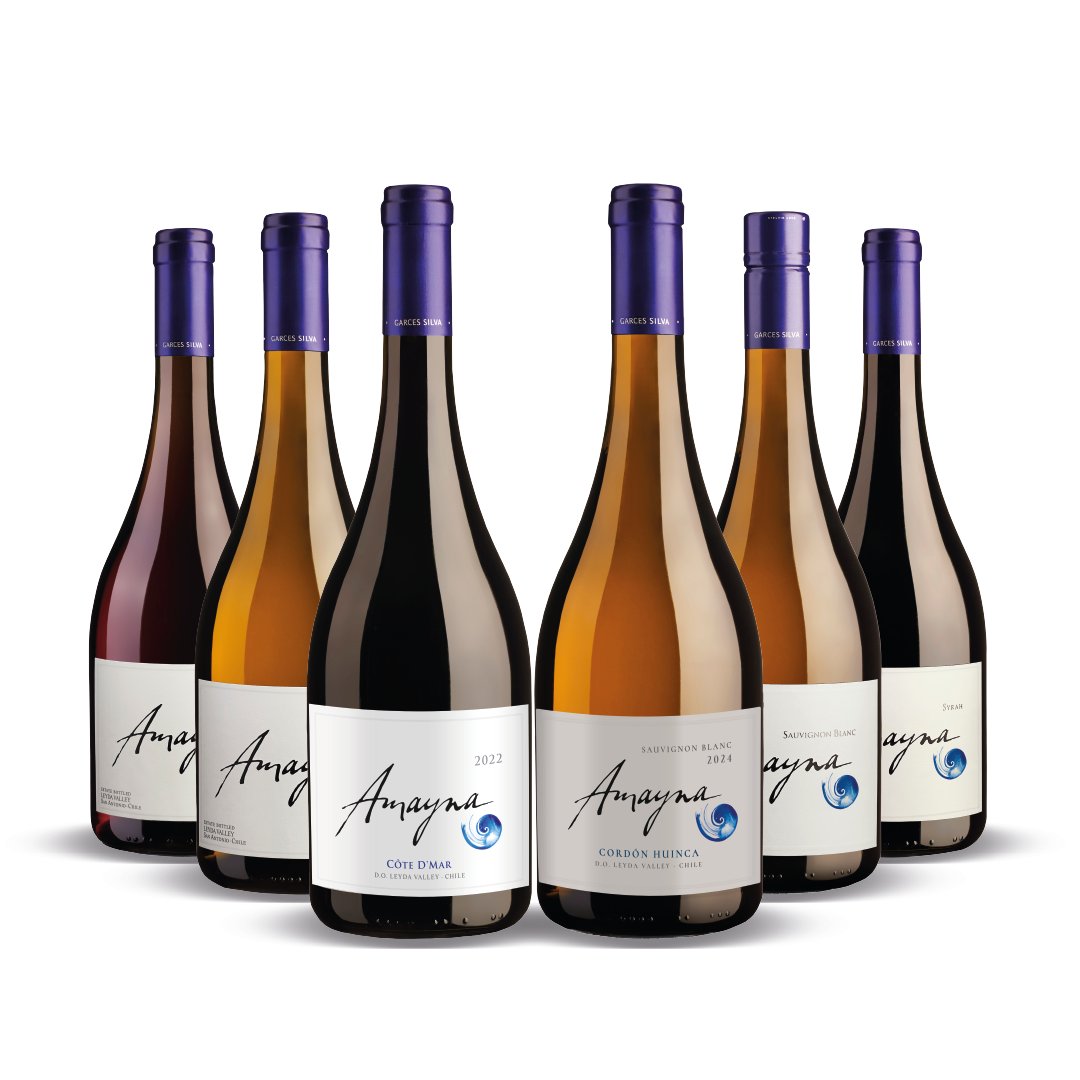
Book Amayna if you want a focused read on Chile’s coastal Leyda Valley rather than a casual drop-in tasting. The strongest draw is the cool-climate portfolio, especially Sauvignon Blanc, backed by Falstaff recognition and appointment-only access. It is better for wine-focused travelers than groups seeking a loose, food-led afternoon.
Barollo
Preganziol, Italy
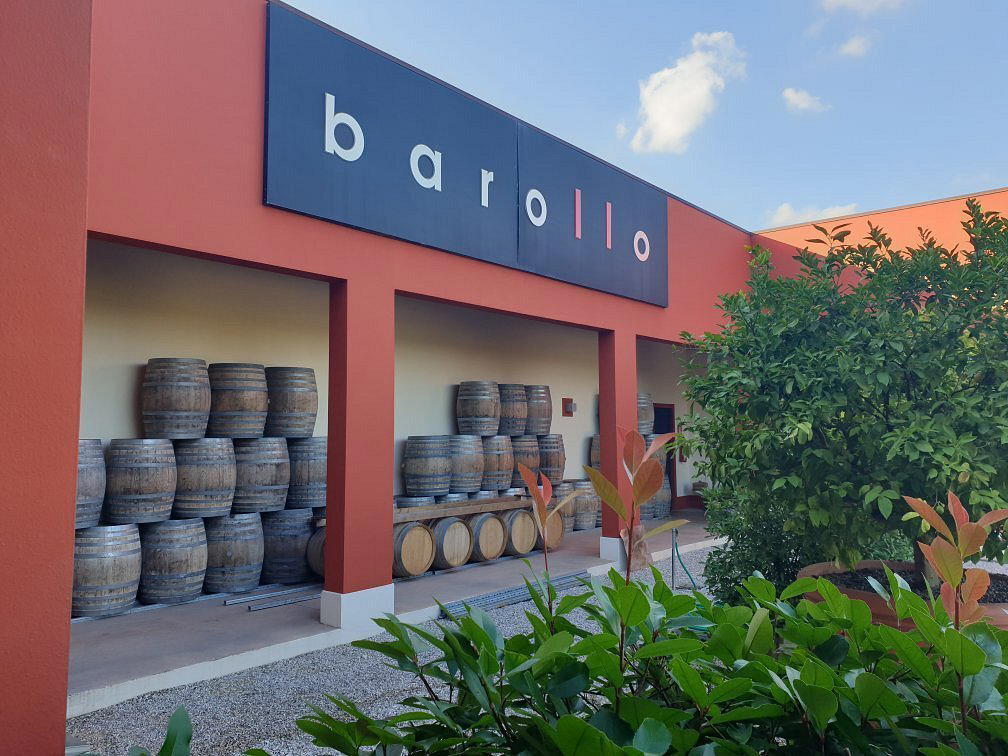
Barollo is a cautious yes for Preganziol wine planning: useful if Falstaff recognition is your filter, but not enough to justify a wine-club commitment without confirmed terms. Treat it as a local shortlist candidate, especially if you are already building a Veneto day around Preganziol.
How many of these have you visited?
Find out on Pearl and keep score across every place in 2026 Falstaff Winery Guide.