
Lustau
center, Jerez de la Frontera
Winery in Jerez de la Frontera, Spain
 Book with Pearl
The Read
Solera-Depth Sherry
Price
$20–30tasting
Why go
Lustau is worth prioritizing if sherry is the point of the Jerez trip, especially for drinkers weighing value and quality rather than chasing a broad tourist showcase. Plan ahead: the booking difficulty is high, and it fits better as a focused wine stop than a casual add-on.
About Lustau
Lustau is a Jerez de la Frontera venue with a smart casual dress code and Pearl 3 Star Prestige recognition for 2025. For planning, confirm practical details such as visit format, pricing, reservations, menus, group size, and exact location directly before you go.
Use Lustau as a named Jerez de la Frontera option when building a premium itinerary, especially if recognition is part of how you prioritize stops. Keep the plan flexible unless you have current details from the venue itself.
Book this for recognition, not assumptions
The case for Lustau is direct: it is in Jerez de la Frontera, it carries Pearl 3 Star Prestige recognition for 2025, and the dress code is smart casual. Those are the facts to rely on when deciding whether it belongs in a serious local plan.
For comparison, González Byass (Tío Pepe), Bodegas Tradición, Valdespino, Williams & Humbert, and Bodegas Barbadillo are other named venues travelers may consider in a broader planning set. Lustau should be judged on confirmed information rather than assumptions about format, access, or specific offerings.
Who should prioritize it on a Jerez de la Frontera itinerary
Prioritize Lustau if you want a Jerez de la Frontera venue with Pearl 3 Star Prestige recognition for 2025 and are comfortable confirming practical details directly. If your decision depends on precise timing, pricing, group policies, food, or a particular style of visit, verify those details before committing.
For broader planning, keep any Jerez de la Frontera day structured around confirmed details rather than assumptions, and confirm current information directly before finalizing the visit.
Planning details
- Location
- C. Arcos, 53, 11402 Jerez de la Frontera, Cádiz
- Website
- lustau.es
- Phone
- +34 956 34 15 97
The take
The Take
The Vibe
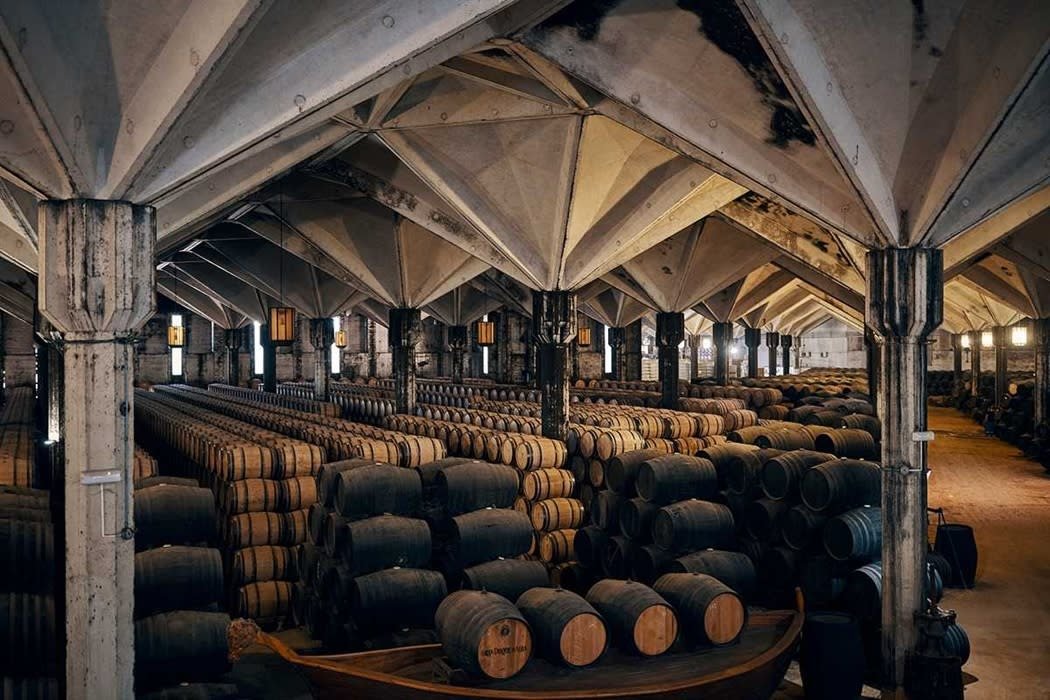
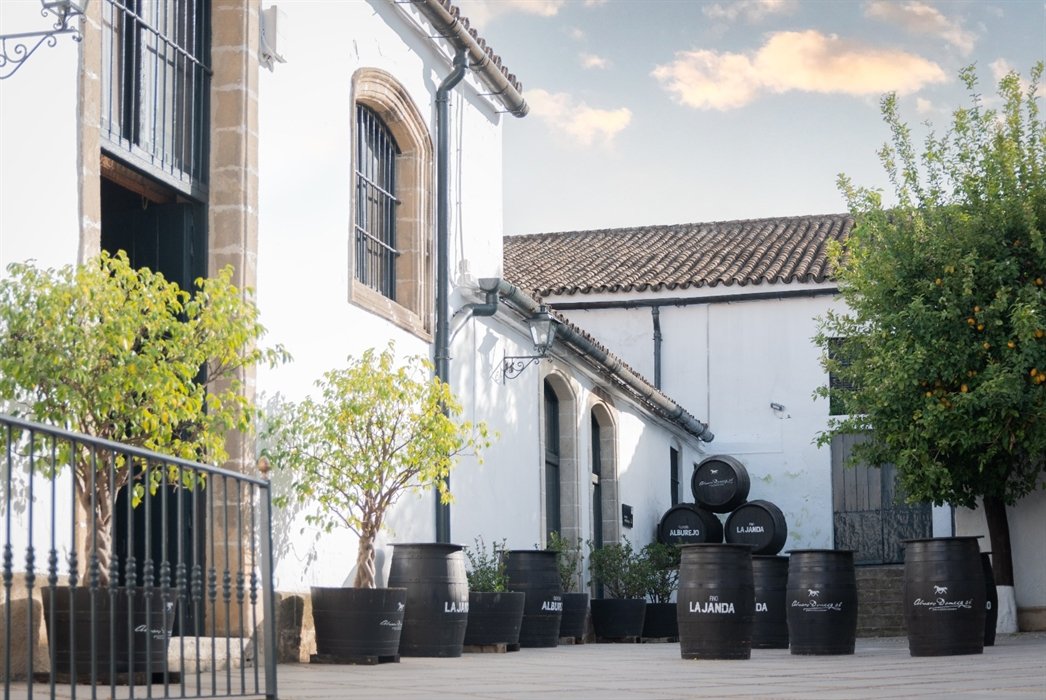
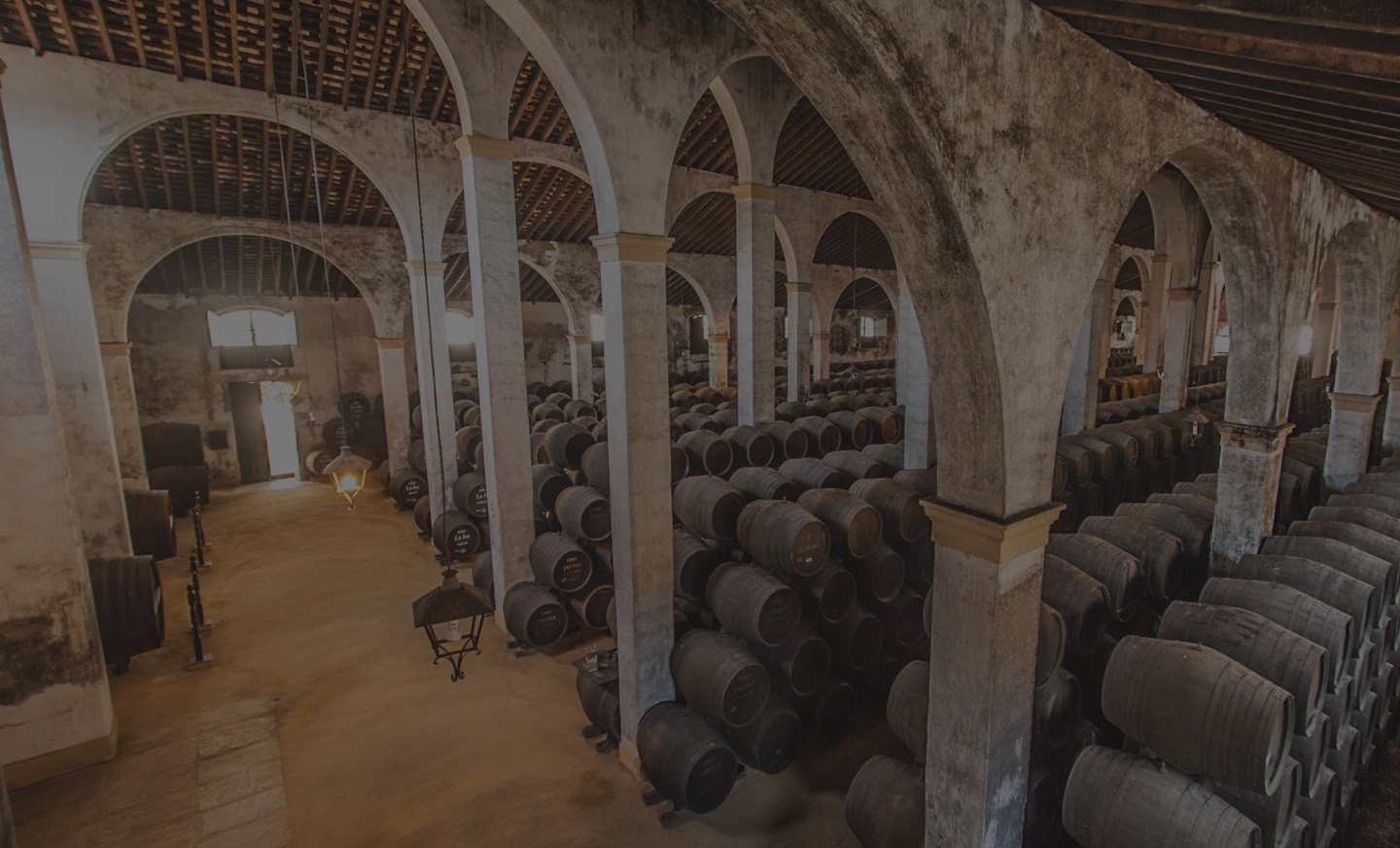
Lustau presents as a refined, quietly authoritative destination rooted in Jerez’s deep sherry-making tradition. The description places the bodega on Calle Arcos amid weathered bodegas and centuries-old production methods, giving the property a calm, slightly meditative air on still mornings. Its archival solera stocks and recent industry recognition project seriousness and sophistication rather than flash. Visitors encounter a sense of continuity—historic walls, oxidative aromas in the air, and a catalog of aged bottlings—that makes Lustau feel like a working institution where craftsmanship and provenance take center stage.
Best For
This is a place best suited to those seeking a focused wine-education experience or a special-occasion stop for collectors and serious drinkers. The write-up emphasizes Lustau’s deep archive and solera stock and notes its Pearl 3 Star Prestige recognition, positioning it for visitors who want to explore category depth rather than casual tasting. Its central location in Jerez also makes it a natural complement to historical sightseeing in the cathedral and old merchant quarter—appealing to travelers who pair cultural touring with substantive encounters with local wine heritage.
Tasting Tips
When engaging with Lustau, center the conversation on soleras and archival bottlings: the text highlights the depth of Lustau’s solera stock and its almacenista-quality reserves. Ask staff about the house’s older soleras and the expressions that earned its Pearl 3 Star Prestige recognition, and prioritize samples that illustrate oxidative aging and category depth. Framing questions around the solera system and the bodega’s historic holdings yields the most informative tastings here, since the producer’s distinction rests on aged stocks rather than single-varietal novelties.
Venue details
Ambiance
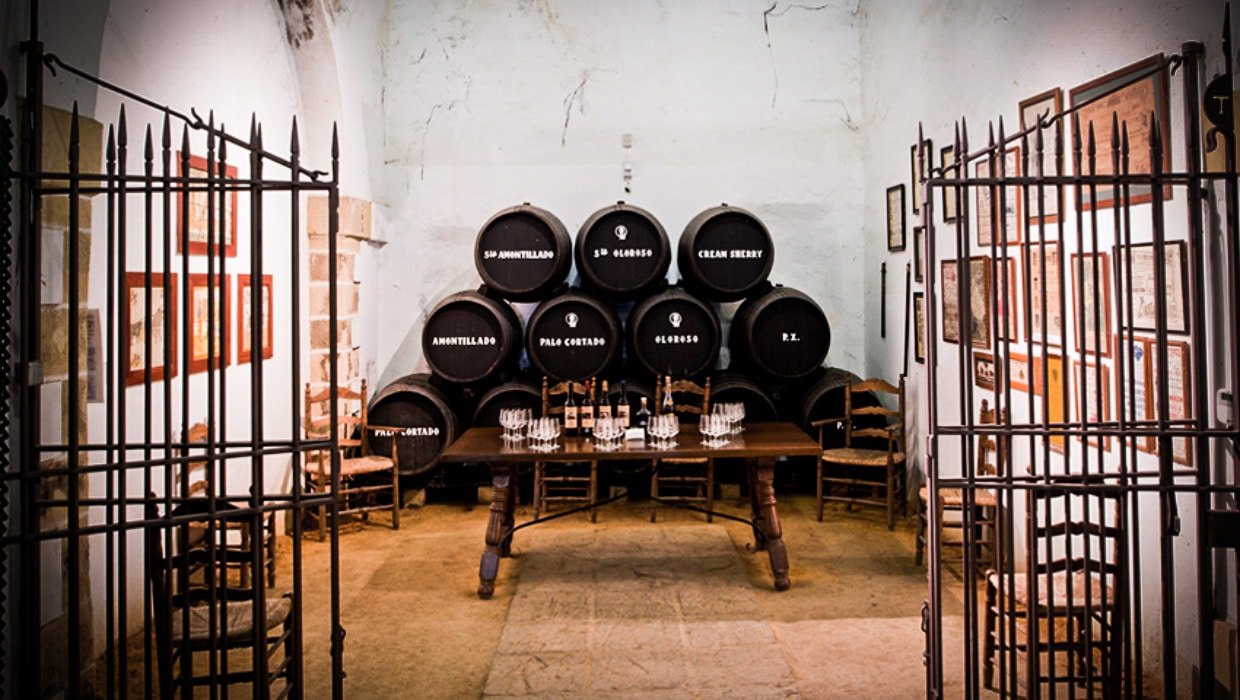
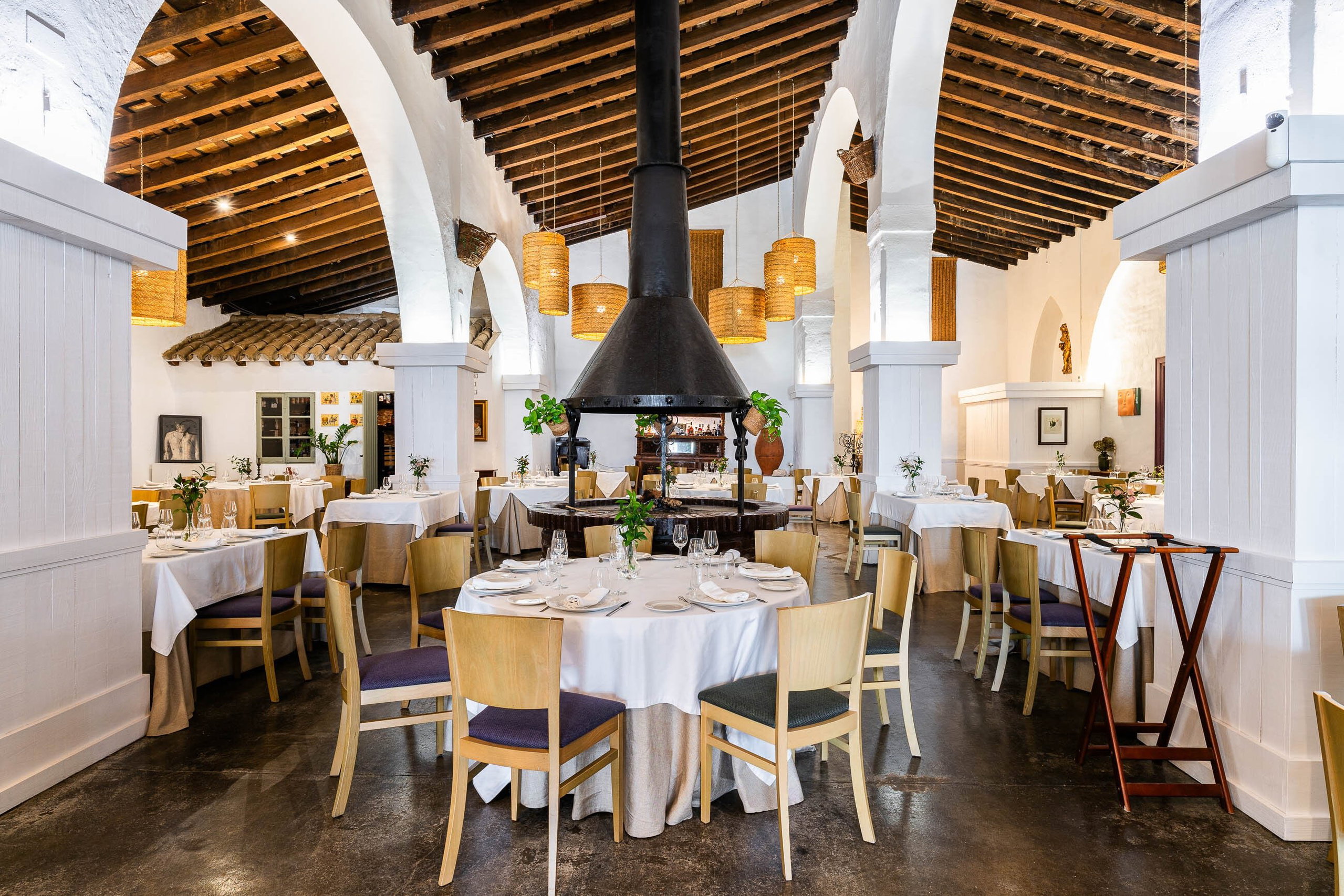
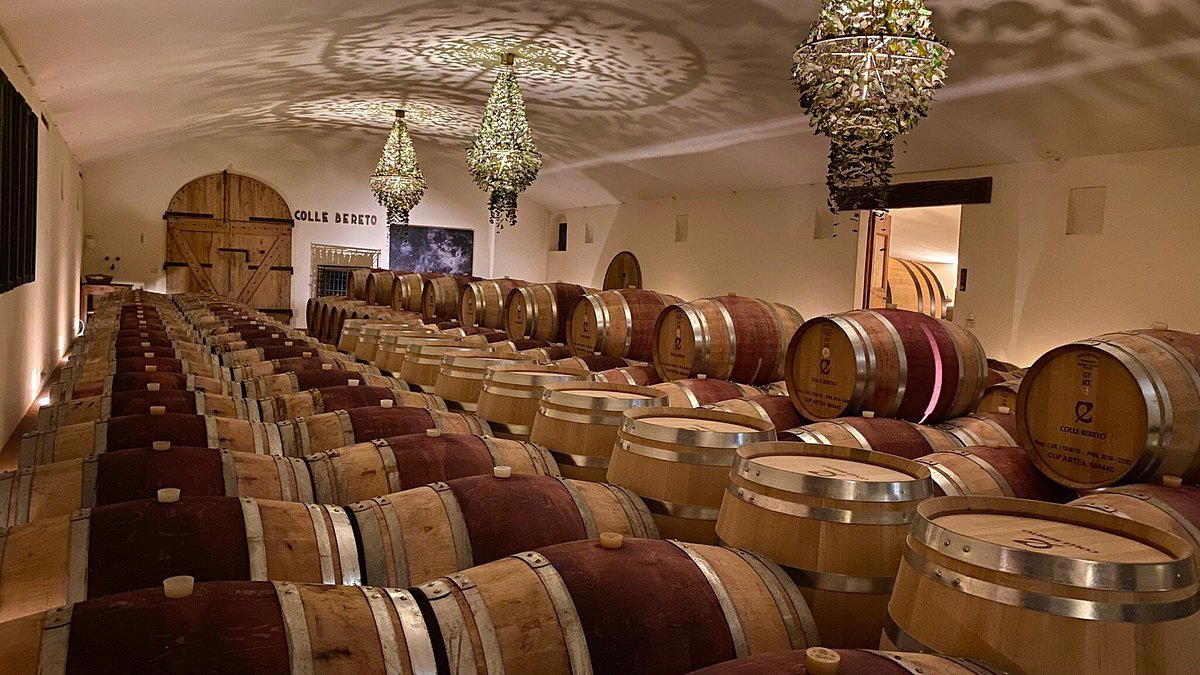
Atmospheric historic bodegas with pleasant sherry aromas permeating the maturation buildings and beautiful stained glass windows.
Tags
Vibe
Best For
Experience
At the Vineyard
- Appellation
- Jerez-Xérès-Sherry DO
- Varietals
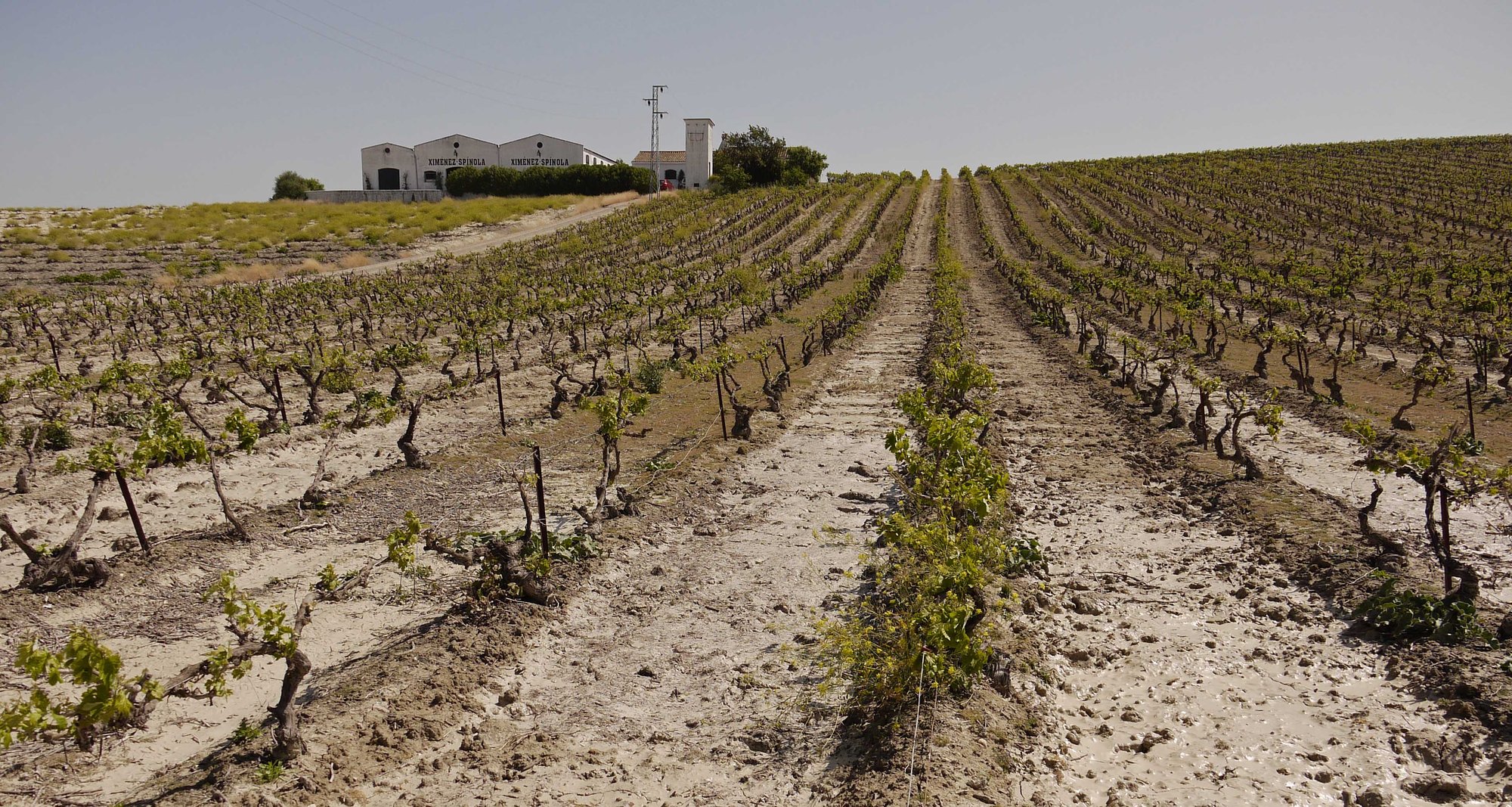
- Palomino, Pedro Ximénez, Moscatel
- Tour Duration
- 60-90 minutes
- Tour Languages
- Spanish, English
- Visits
- By reservation
- Wine Styles
- Fortified
- Food Pairing
- Offered
- Wine Club
- Not available
Know before you go
Know Before You Go
- Getting there
- C. Arcos, 53, 11402 Jerez de la Frontera, Cádiz
Planning details
Location
Recognition and awards

Also consider
If Lustau is unavailable
Try Bodegas Tradición first if the group is wine-focused and wants a quieter alternative. Try Valdespino or Williams & Humbert if availability and logistics matter more than chasing a single preferred booking.
Winery context
How Lustau compares in Jerez
Lustau is the value-focused pick for drinkers who care about sherry as a category, while González Byass (Tío Pepe) is the easier recommendation for a first-time visitor who wants a larger-name Jerez experience. Choose Lustau when the priority is wine seriousness and price-to-quality; choose González Byass when the group includes people who want a more broadly recognizable stop.
Bodegas Tradición is the sharper cross-shop for collectors or travelers who prefer a quieter, more focused atmosphere. Williams & Humbert and Valdespino are useful alternatives when availability drives the decision, especially if Lustau is difficult to secure for the date needed.
Bodegas Barbadillo belongs in the broader sherry conversation but is less convenient if the plan is centered only on Jerez de la Frontera. For a tight city itinerary, keep the short list to Lustau, Bodegas Tradición, Williams & Humbert, and Valdespino, then decide based on booking access and how serious the group is about sherry.
Explore Jerez de la Frontera
Around this place
Discover more on Pearl
Unlock the full Lustau guide in Pearl, including awards, comparisons, FAQs, planning details, and nearby places.
Compare Lustau
| Venue | Location | Awards |
|---|---|---|
| Lustau | Jerez de la Frontera | 2026 Falstaff Winery Guide |
| González Byass (Tío Pepe) | Jerez | 2025 World's 50 Best Vineyards · #212024 World's 50 Best Vineyards · #342023 World's 50 Best Vineyards · #212022 World's 50 Best Vineyards · #62021 World's 50 Best Vineyards · #92020 World's 50 Best Vineyards · #18 |
| Bodegas Tradición | Jerez de la Frontera | 2026 Falstaff Winery Guide |
| Williams & Humbert | Jerez de la Frontera | 2026 Falstaff Winery Guide |
| Valdespino | Jerez de la Frontera | 2026 Falstaff Winery Guide |
| Bodegas Barbadillo | Sanlúcar de Barrameda | 2026 Falstaff Winery Guide |

How Lustau Jerez de la Frontera compares with similar nearby venues.
FAQ
Frequently Asked Questions
Is a membership program at Lustau worth joining?
Lustau is in Jerez de la Frontera, has a smart casual dress code, and holds Pearl 3 Star Prestige recognition for 2025.
Does Lustau serve food?
When is the best time to visit Lustau?
What other venues should I compare with Lustau?
Other relevant names to compare while planning include González Byass (Tío Pepe), Bodegas Tradición, Williams & Humbert, Valdespino, and Bodegas Barbadillo.