

Château Mukhrani
Mukhrani, Mtskheta
Winery in Mtskheta, Georgia
 Book with Pearl
The Read
Caucasian Palace Viticulture
Price
$20–30tasting
Why go
Château Mukhrani is worth prioritizing when the estate setting is part of the point: palace address, international vineyard recognition, and enough occasion value for hosted guests or celebrations. It is less suited to a casual, detail-light drop-in unless timing, food, and group logistics are confirmed in advance.
About Château Mukhrani
Château Mukhrani in Mtskheta holds two key distinctions: Pearl 2 Star Prestige in 2025 and a World's 50 Best Vineyards #47 placement in 2023. For a celebration, date, or client outing, consider it when those recognitions matter and when a smart-casual venue in Mtskheta fits the occasion.
Château Mukhrani is a prestige choice, though specific details on cuisine, menu format, tasting structure, price, hours, shipping service, or dining setup are not available. The right expectation is therefore simple: treat it as a recognized Mtskheta venue and confirm practical details directly before building a day around it.
The recognition is the reason to make this a special-occasion stop
In Mtskheta, this is a venue to consider when the outing needs a more polished frame than an ordinary stop. Pearl 2 Star Prestige and the World's 50 Best Vineyards #47 ranking give Château Mukhrani a stronger external profile than many options, while the smart-casual dress code points to a considered but not overly formal visit.
The recognition matters because premium venue choices can be hard to judge from basic listings alone. A World's 50 Best Vineyards placement is a useful external filter, and the Pearl 2 Star Prestige distinction adds another distinction. Menu, pricing, timing, or service-format questions are not available, so confirm those details before committing.
Plan the day around confirmed details, not assumptions
Operating hours, pricing, menus, or service specifics are not available, making this a venue to arrange with intent. Treat the visit as something to confirm in advance, especially for groups or any occasion where timing matters. For a smoother itinerary, pair Château Mukhrani with broader Mtskheta planning rather than stacking too many unconfirmed commitments around it.
Quick reference: choose Château Mukhrani for a recognized, smart-casual Mtskheta venue with Pearl 2 Star Prestige and World's 50 Best Vineyards #47 credentials; confirm timing, food, group arrangements, and any other practical needs before committing the day around it.
Planning details
- Location
- Mukhranbatoni Palace, Natakhtari-Tsilkani-Mukhrani, Mukhrani 3309
- Website
- chateaumukhrani.com
- Phone
- +995 595 99 13 15
The take
The Take
The Vibe
Château Mukhrani reads as a place where history and place shape the wine. A palace announces the estate before the vines, and the text repeatedly frames the property within centuries of winemaking, anchoring it in Georgia’s claim as the ‘‘original wine country.’’ The writing emphasizes a distinct Mukhrani terroir — sharp valley light, cooling night air from surrounding ridgelines and limestone-rich soils — and presents wines that are structured and balanced rather than merely ripe. The overall impression is classic and measured: an elegant, historically grounded estate that prizes site expression and geological specificity.
Best For
This estate is best for visitors who want to learn about terroir and taste wines rooted in history. The copy positions Mukhrani as a teaching site — “Where the Caucasus Teaches You What Terroir Actually Means” — making it ideal for focused wine-education visits and for milestone celebrations that benefit from the palace setting and estate scale. Travelers seeking a thoughtful exploration of indigenous Georgian varieties and the ways soil, elevation and climate shape wines will find the visit particularly rewarding.
Tasting Tips
When tasting at Mukhrani, center the visit on site-driven comparisons and indigenous varieties mentioned in the text. The description contrasts Mukhrani’s limestone soils and elevation-driven acidity with Kakheti’s clay profiles and references varieties such as Rkatsiteli and Kisi, so ask to sample local expressions and any wines that showcase structure over simple ripeness. Inquire about how soil and nighttime cooling influence balance; those technical notes are central to the estate’s identity and will illuminate the character the narrative emphasizes.
Venue details
Ambiance
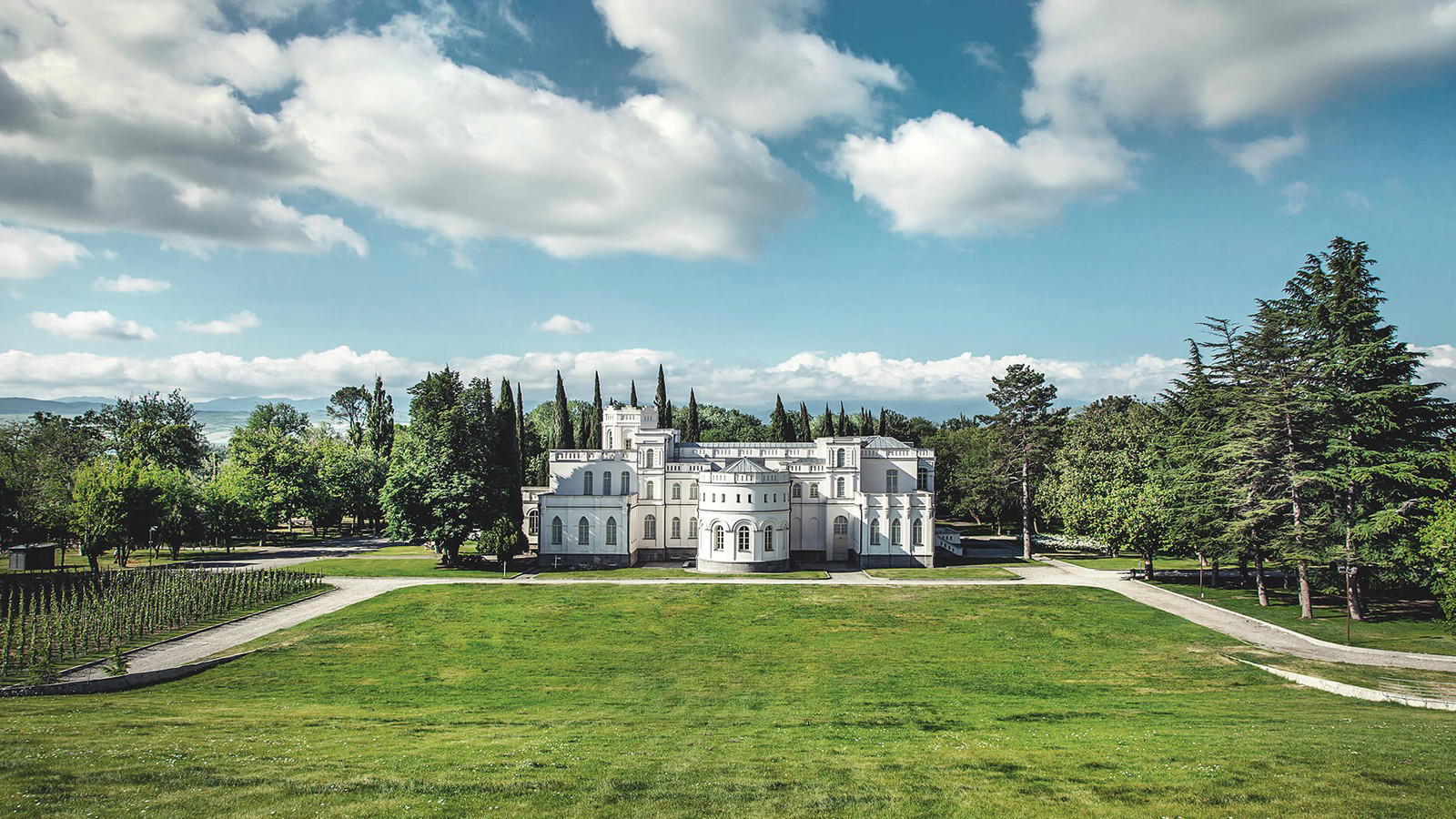
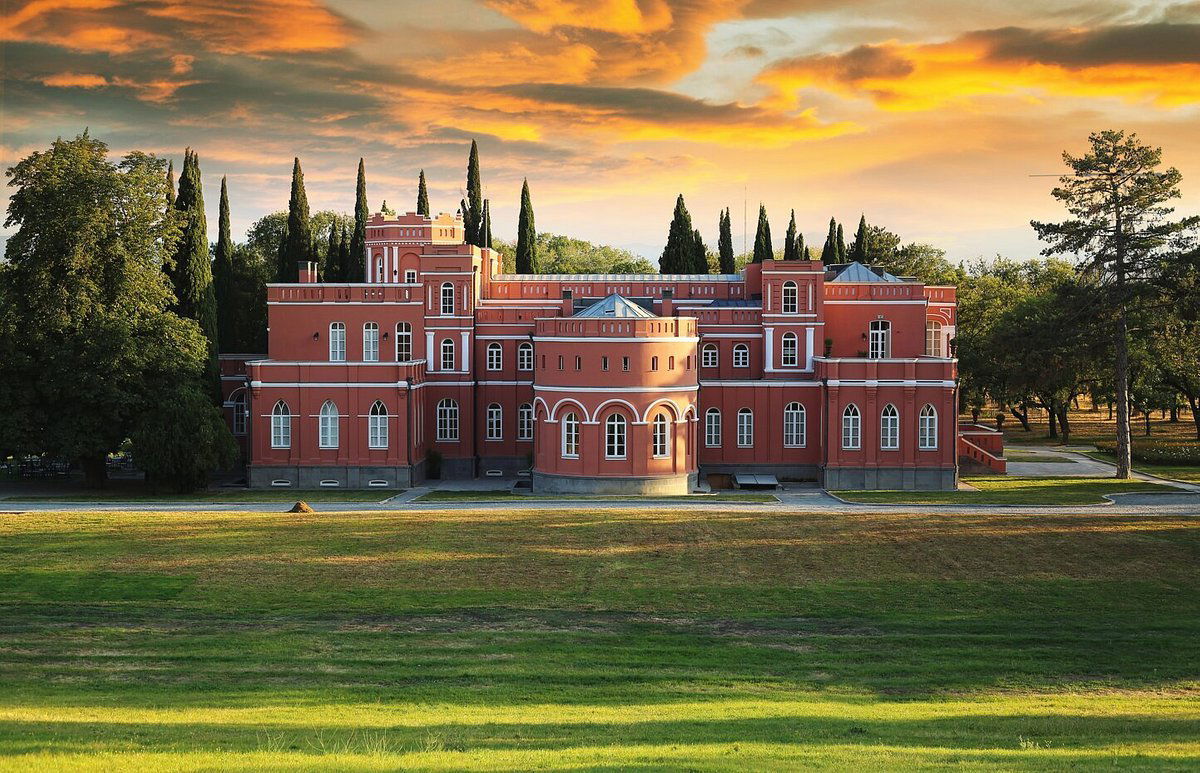
Elegant and regal atmosphere in a restored 19th-century chateau with picturesque vineyards and lush gardens.
Tags
Vibe
Best For
Experience
Sourcing
View
At the Vineyard
- Appellation
- Kartli
- Varietals
- Saperavi, Goruli Mtsvane, Rkatsiteli, Shavkapito, Tavkveri
- Tour Duration
- 60-90 minutes
- Tour Languages
- English
- Visits
- By reservation
- Farming
- Organic
- Production
- Mid-size producer
- Wine Styles
- Still Red, Still White, Dessert, Skin Contact
- Food Pairing
- Offered
- Wine Club
- Not available
Know before you go
Know Before You Go
- Getting there
- Mukhranbatoni Palace, Natakhtari-Tsilkani-Mukhrani, Mukhrani 3309
Planning details
Location
Mukhranbatoni Palace, Natakhtari-Tsilkani-Mukhrani, Mukhrani 3309 · Directions
Recognition and awards


Also consider
Also Consider
- Château Buera, Notable alternative
Winery context
How it compares with Château Buera
Choose Château Mukhrani if ambiance and occasion value are the priority. Its palace setting near Mtskheta gives it a stronger sense of arrival for celebrations, hosted guests, and business entertaining, while Château Buera is the better cross-shop if the itinerary points east toward Telavi or if the group wants another Georgian winery option outside the immediate Mtskheta plan.
On booking strategy, treat Château Mukhrani as the harder commitment: plan ahead, especially for groups or date-specific occasions. Château Buera is the sensible backup to compare when the desired timing does not work, but the decision should come down to route and mood. For a palace-led estate day near Mtskheta, stay with Mukhrani; for a broader Kakheti-style wine route, look at Château Buera in Telavi.
Explore Mtskheta
Around this place
Discover more on Pearl
Unlock the full Château Mukhrani guide in Pearl, including awards, comparisons, FAQs, planning details, and nearby places.
Compare Château Mukhrani
| Venue | Location | Awards |
|---|---|---|
| Château Mukhrani | Mtskheta | 2026 Falstaff Winery Guide2025 World's 50 Best Vineyards · #752023 World's 50 Best Vineyards · #47 |
| Château Buera | Telavi | 2026 Falstaff Winery Guide2025 World's 50 Best Vineyards · #72 |
How Château Mukhrani Mtskheta compares with similar nearby venues.
FAQ
Frequently Asked Questions
When is the best time to visit Château Mukhrani?
What other venues can I compare with Château Mukhrani?
Château Buera is a natural comparison if you are looking at another premium venue option, while Château Mukhrani holds Pearl 2 Star Prestige and World's 50 Best Vineyards #47 (2023) recognition.
How long should I plan for a visit to Château Mukhrani?
Visit length or service format is not available. Plan with enough flexibility for a Mtskheta outing, and confirm the expected timing directly with Château Mukhrani before finalizing your itinerary.
What is the dress code at Château Mukhrani?
The dress code is smart casual. If you are planning a special visit, use that as the baseline and check directly for any event-specific guidance.
Does Château Mukhrani serve food?
Food service, menu format, or cuisine are not available. If a meal is important, confirm food availability directly before planning your visit to Château Mukhrani in Mtskheta.
Where is Château Mukhrani located?
Do I need a reservation at Château Mukhrani?
A reservation policy is not available. Because Château Mukhrani holds Pearl 2 Star Prestige and World's 50 Best Vineyards #47 (2023) recognition, it is sensible to plan ahead and confirm arrangements directly.