
Royal Tokaji
Mád
Winery in Mád, Hungary
 Book with Pearl
The Read
Mád Terroir Precision
Why go
Royal Tokaji is the Mád pick for travelers who want Tokaji depth rather than a casual cellar stop. It is strongest for aszú-focused context and regional orientation; cross-shop Szepsy for reputation-led depth, Holdvölgy for polish, and Barta Pince for a more vineyard-driven counterpoint.
About Royal Tokaji
For an explorer using Mád as a base, Royal Tokaji is a Pearl 3 Star Prestige venue for 2025. The practical guidance is straightforward: the dress code is smart casual, and the venue is in Mád. Those two pieces of information are useful because they give the stop a clear place in an itinerary. Use Royal Tokaji as a focused stop when you want a clearly recognized Mád venue on the itinerary. If you are comparing options, Szepsy, Holdvölgy, Barta Pince, Szent Tamás Winery, and Zsirai Winery are the natural names to consider alongside it, while other dining in Mád can be considered more generally.
Choose this for a Pearl-recognized Mád stop
Royal Tokaji's distinction is Pearl 3 Star Prestige for 2025. That makes it a strong candidate for travelers who prioritize recognized venues while planning in Mád. In practical terms, the distinction gives the stop editorial weight. It is best treated as a reliable anchor point: a venue with a clear recognition marker, placed within Mád, suitable for consideration when you are assembling a tighter, more deliberate route.
For practical planning, keep expectations grounded: smart casual dress is the dress code, and the location is Mád. That means visitors can prepare in a polished but unfussy way. Specific details such as service format, tasting structure, prices, hours, or particular specialties are not included here. The safest approach is to plan around the essentials and avoid assuming anything more precise.
Who should cross-shop it
If the priority is a carefully planned day around Royal Tokaji, compare it with Szepsy, Holdvölgy, Barta Pince, Szent Tamás Winery, and Zsirai Winery, while treating other Mád dining more generally unless you have details directly. The right choice depends on the kind of stop you want, but this page only confirms Royal Tokaji's Mád location, smart casual dress code, and Pearl 3 Star Prestige recognition for 2025. For that reason, the comparison should be made at the level of itinerary fit rather than imagined specifics. Royal Tokaji suits the shortlist when recognition and a Mád setting matter most.
For travelers extending beyond a single stop, keep the comparison centered on the details above or refer more generally to other venues. Royal Tokaji should be planned as a recognized Mád venue rather than described through claims about specific offerings or formats. This is especially important when building a day with multiple stops, where inaccurate assumptions can create unrealistic expectations. Treat the venue as a confirmed, recognized point in Mád, dress smart casual, and leave any finer operational or experiential details to direct confirmation.
Planning details
- Location
- Mád, Rákóczi u. 35, 3909
- Website
- royal-tokaji.com
- Phone
- +36 47 548 500
The take
The Take
The Vibe
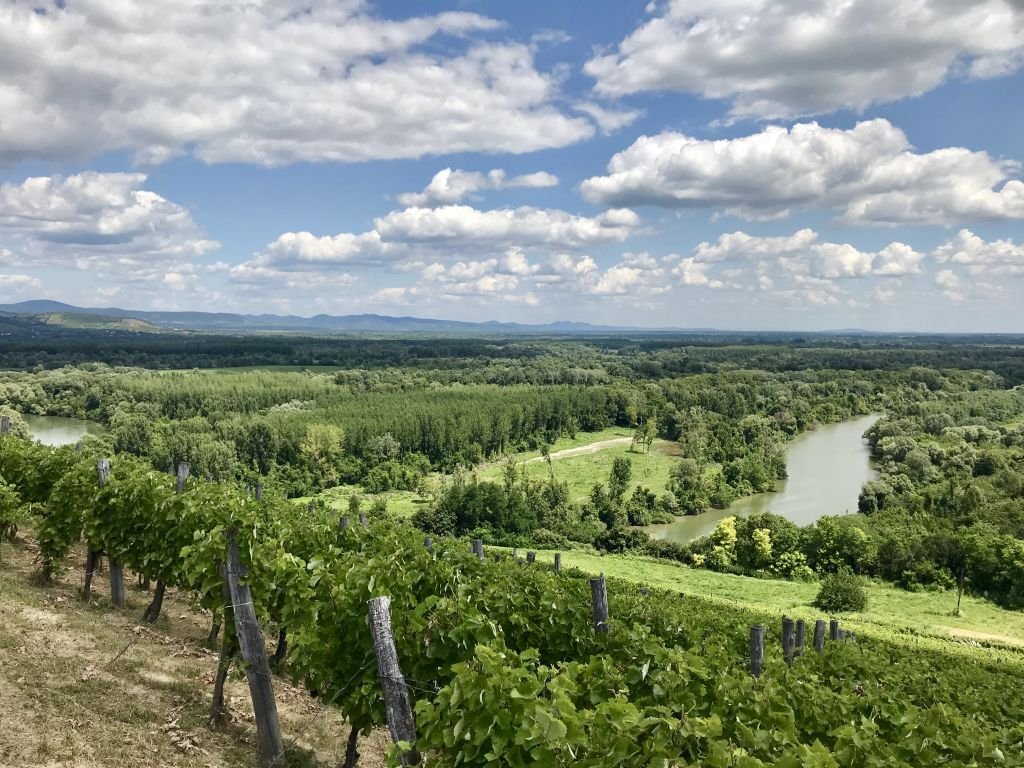
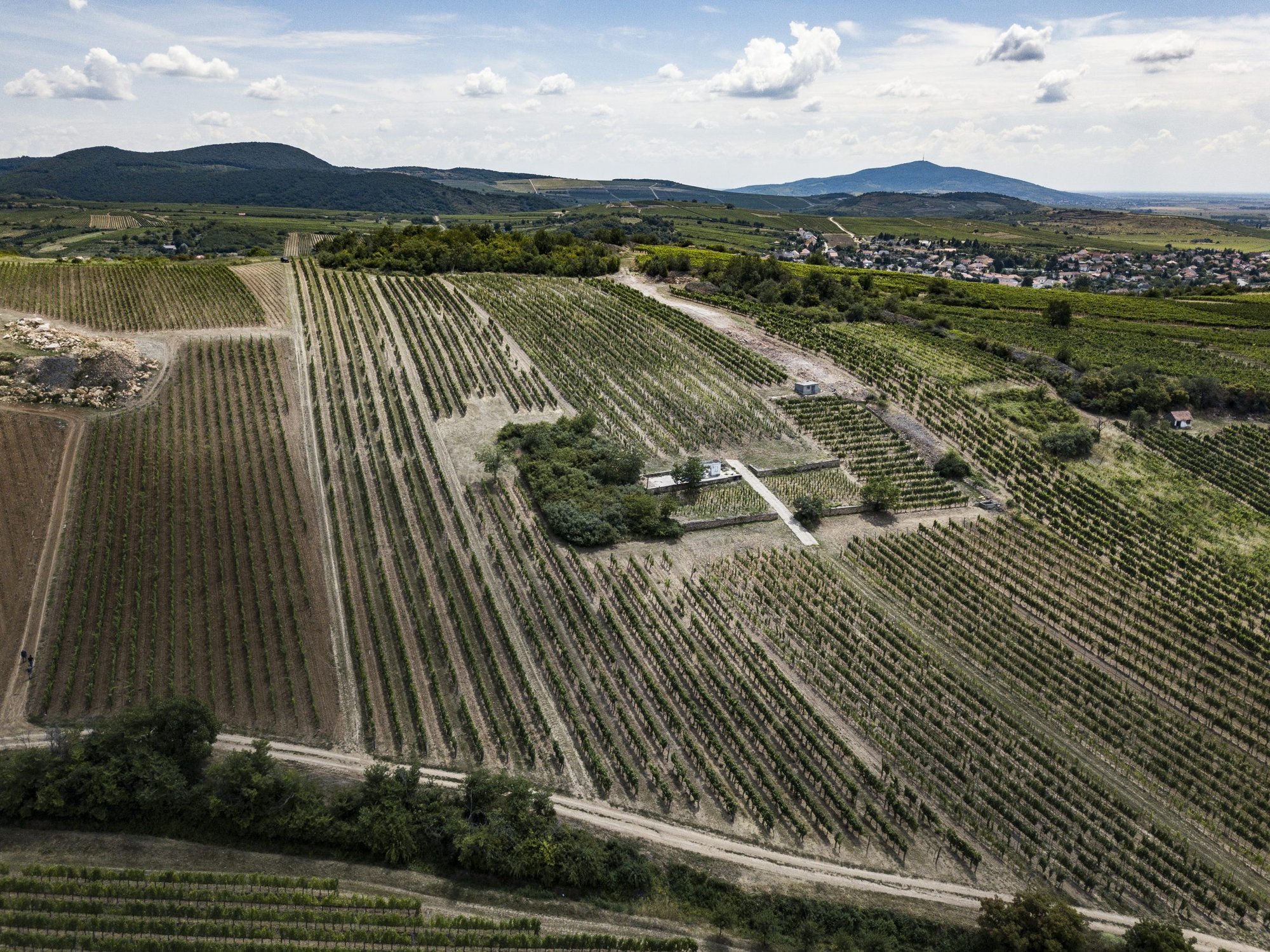
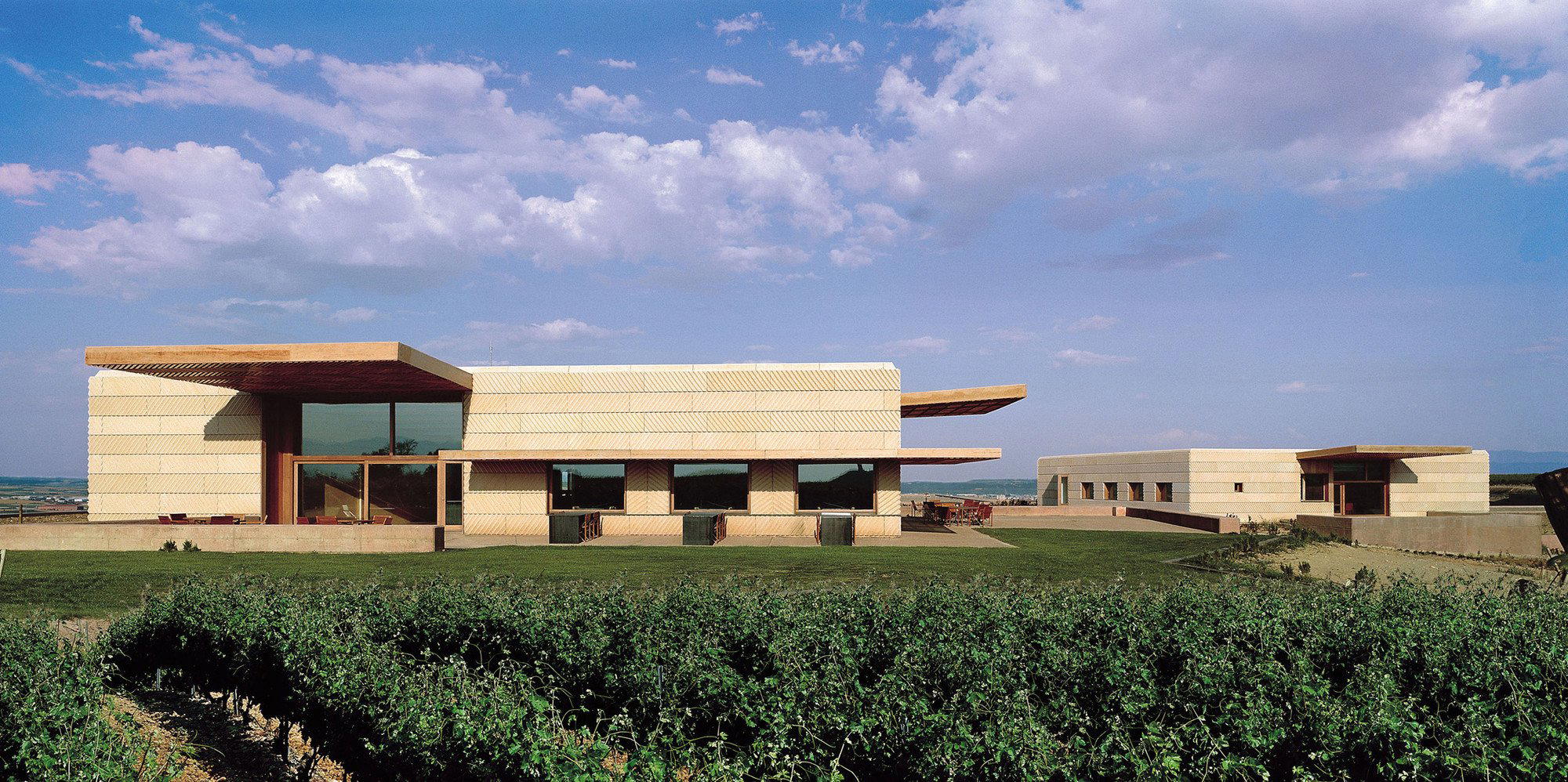
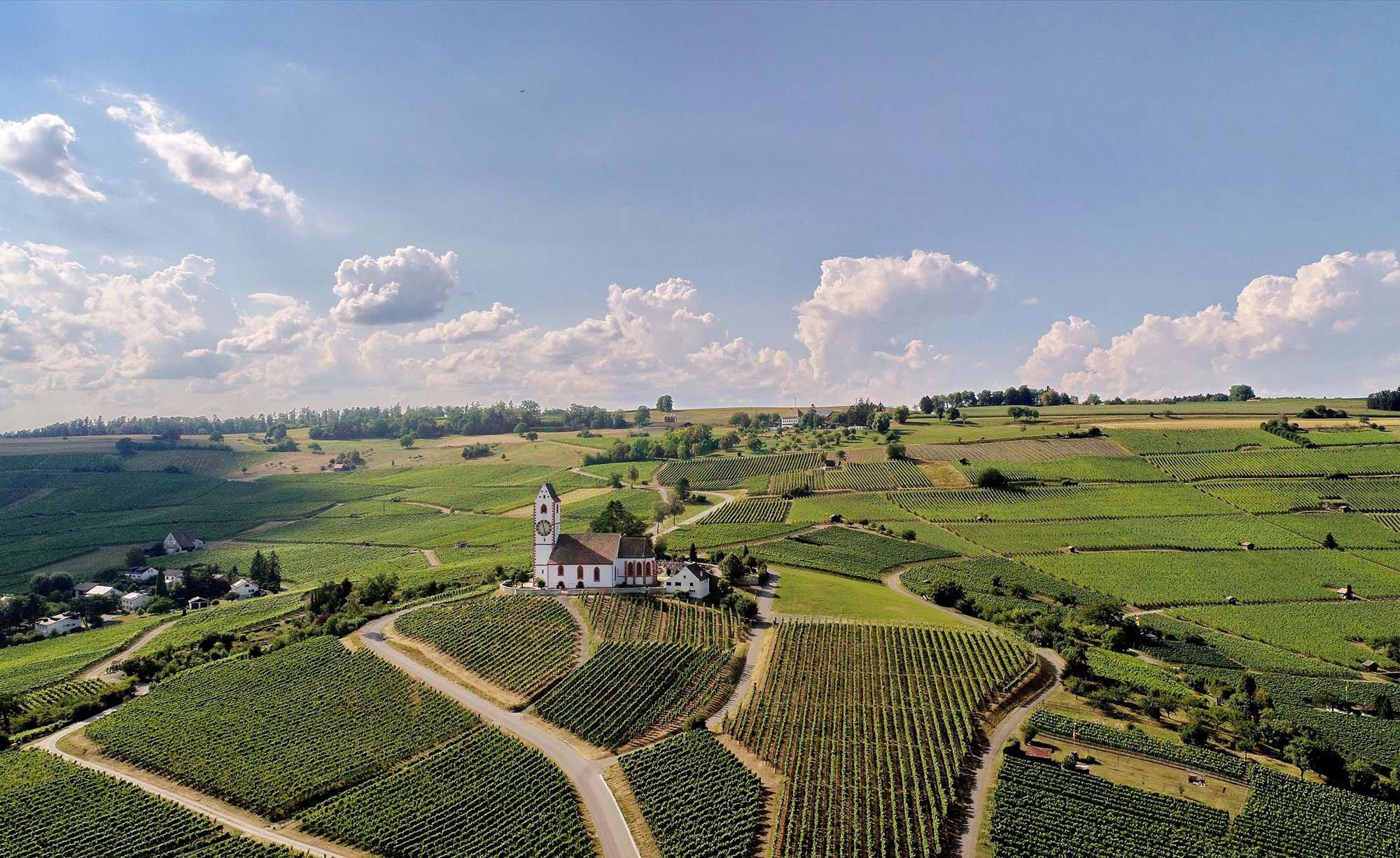
Royal Tokaji situates itself firmly within Tokaj’s layered history, presenting a refined, serious presence rather than a flashy showpiece. The winery lives in a small, characterful village framed by volcanic hills and ancient vine rows, which gives visits a quietly confident, old-world feel. Tasting here feels intentional: the focus is on single-vineyard identity and regional pedigree, so the atmosphere favors contemplation and expertise. Visitors sense both the weight of the region’s reputation and the careful modern revival underway, making the overall tone classic and sophisticated while still retaining the low-key charm of a working wine village.
Best For
This is a destination for people who come to learn. Royal Tokaji works best for visitors prioritizing wine education, single-vineyard study and serious tasting — students of Furmint and Aszú, trade professionals and committed enthusiasts. Day-trippers from Budapest and travelers building a focused Tokaj itinerary will find the winery a useful anchor for exploring nearby producers. Because the emphasis is on provenance and history rather than crowded spectacle, small groups and deliberate visits deliver the most value; it is less a party stop and more a place to deepen understanding of the region’s top sites.
Tasting Tips
Plan ahead and approach visits with research. The write-up highlights "producer-led visits that reward prior research," so contacting the winery in advance and asking about single-vineyard offerings is wise. Focus tastings on the named premier sites — Nyulászó, Király, Betsek — and prioritize guided formats that explain vineyard differences. Treat a visit as part of a broader Mád itinerary: pair Royal Tokaji with neighboring producers to compare expressions. Avoid assuming casual walk-ins; allocate time for a measured, educational tasting rather than a quick stop.
Venue details
Ambiance
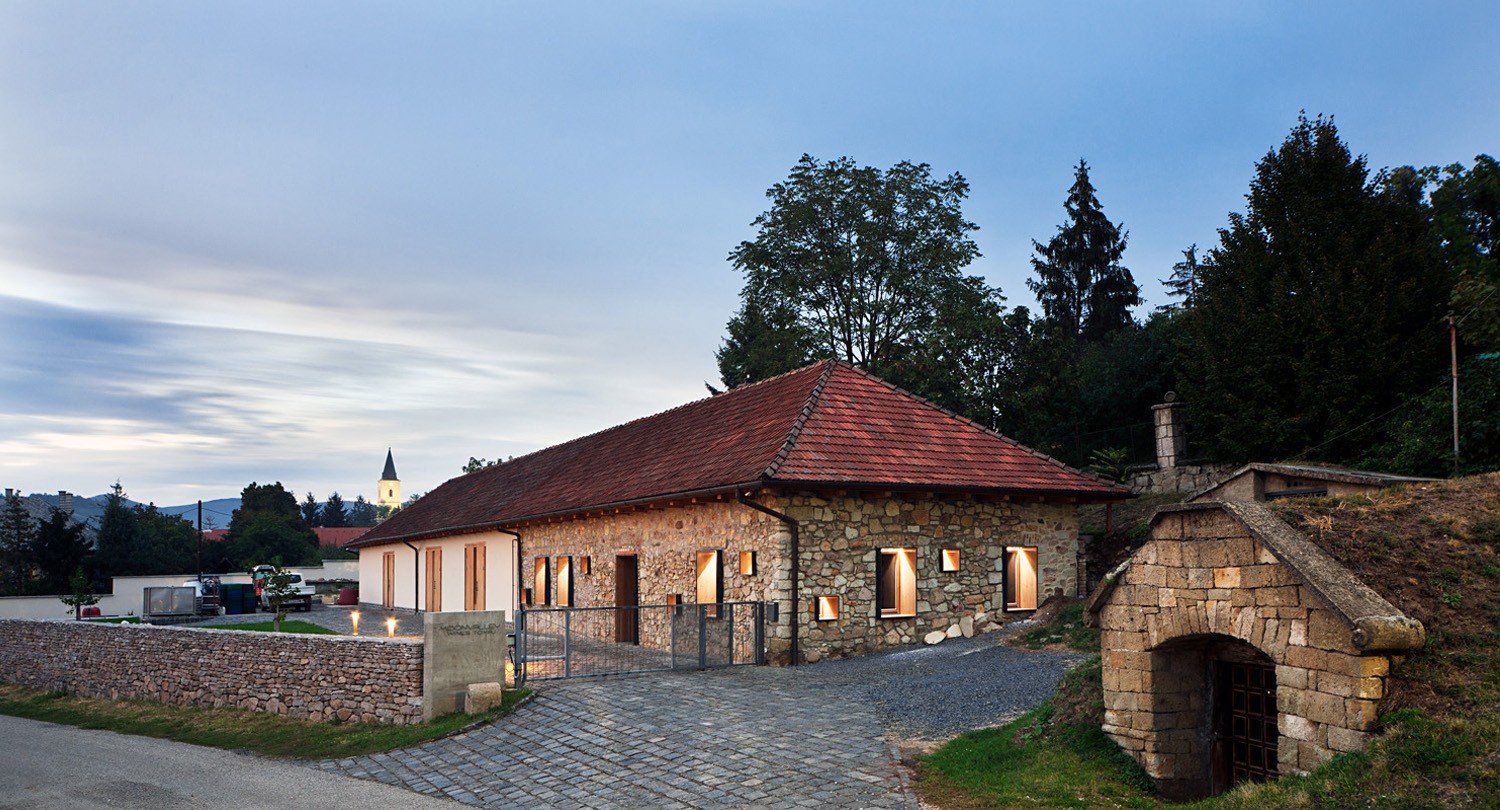
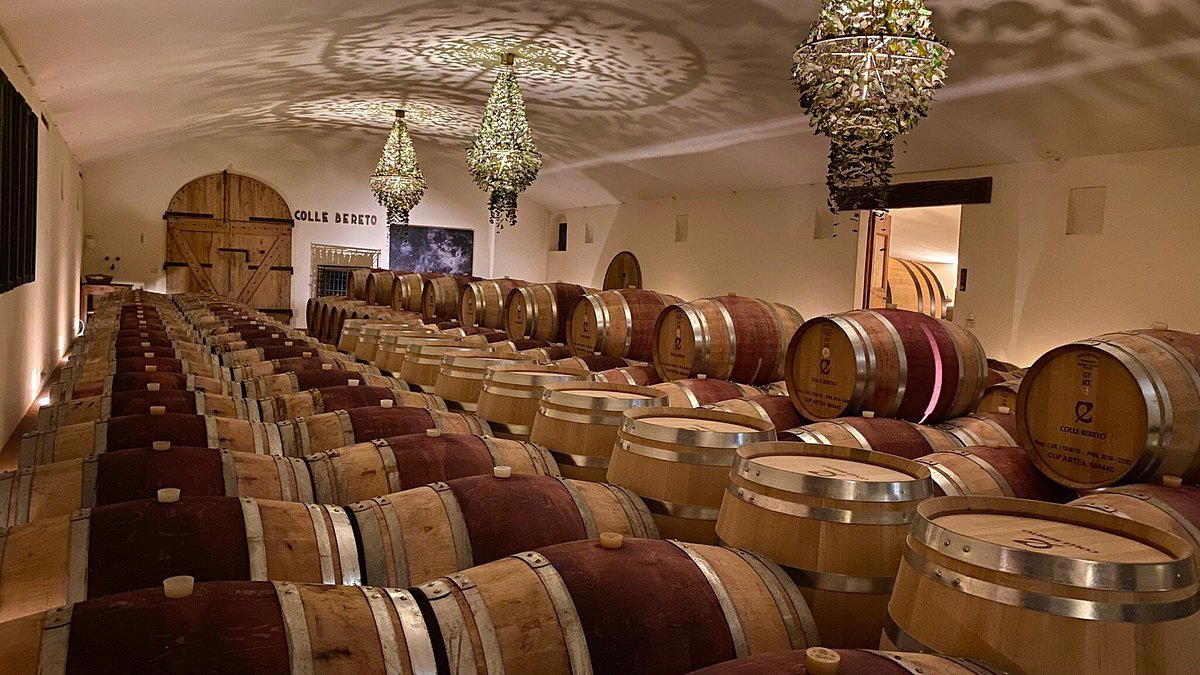
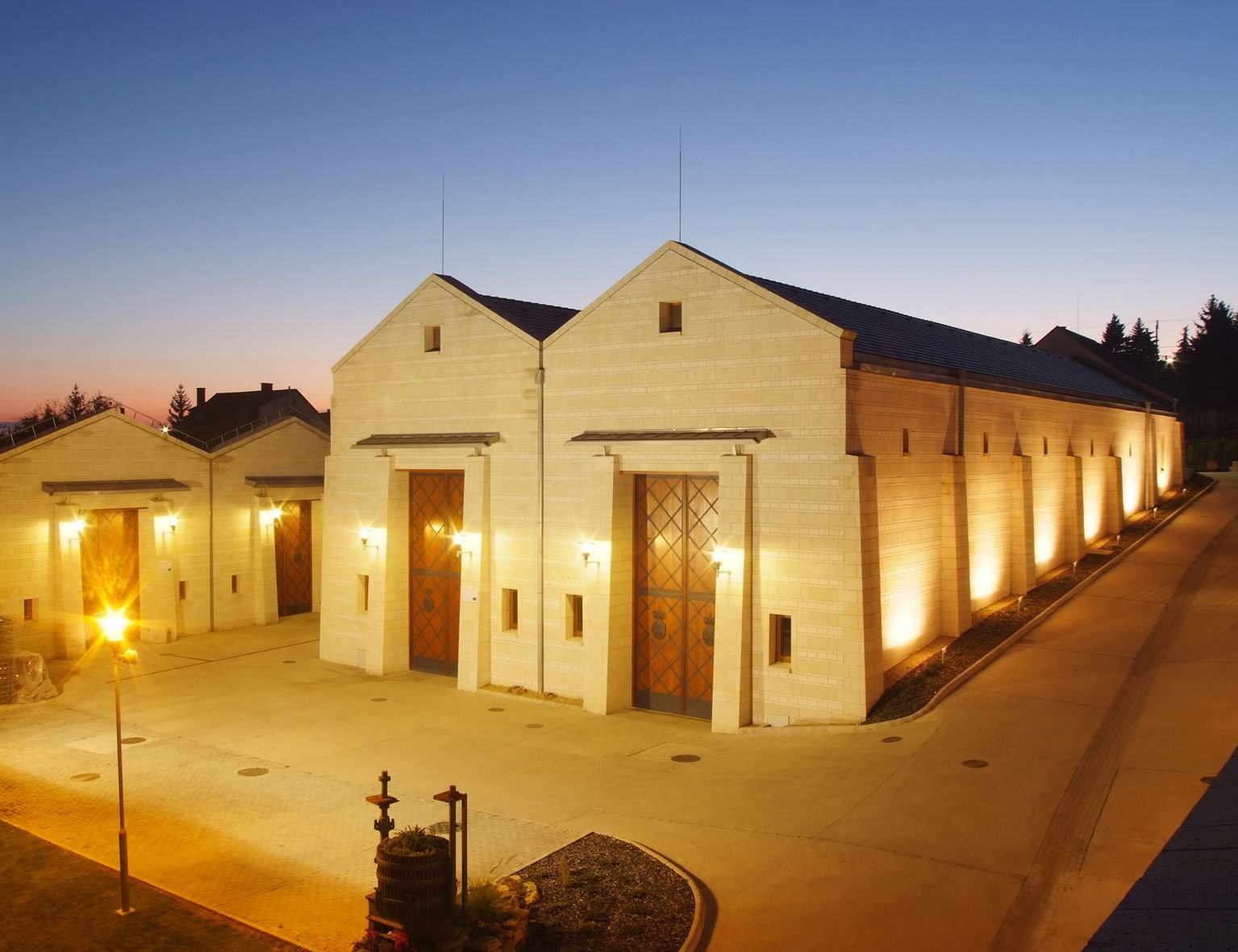
Historic medieval cellars with pitch-dark, mold-covered environments providing cool, damp conditions ideal for slow wine maturation; elegant modern winery blending tradition with state-of-the-art facilities.
Tags
Vibe
Best For
Experience
View
At the Vineyard
- Appellation
- Tokaj
- Varietals
- Furmint, Sárgamuskotály, Hárslevelű, Kabar
- Tour Duration
- 60-90 minutes
- Tour Languages
- English, Hungarian
- Visits
- By appointment only
- Wine Styles
- Dessert, Fortified
- Wine Club
- Not available
Know before you go
Know Before You Go
- Getting there
- Mád, Rákóczi u. 35, 3909
Planning details
Location
Recognition and awards

Also consider
Where to look if this is not available
Try Szepsy first if the goal is a high-demand Mád reference point, or Holdvölgy if a more polished cellar experience matters. Barta Pince is the better second choice for travelers who want a more site-focused counterpoint within the same town.
Winery context
How It Compares in Mád
Royal Tokaji is the safer choice for visitors who want a classic Tokaji frame and a clear sense of why Mád matters. Szepsy is the tougher, reputation-led comparison and likely the more competitive target for serious collectors; choose Royal Tokaji when the priority is regional orientation rather than chasing the hardest slot.
Holdvölgy is the cross-shop for a more polished visitor experience, while Barta Pince is the better call if vineyard atmosphere and a smaller-scale feel matter more. Royal Tokaji sits between those use cases: more canonical than casual, but less dependent on a single vineyard-visit mood.
Zsirai Winery and Szent Tamás Winery are useful alternates if booking pressure or timing gets in the way. For a first Mád wine day, start with Royal Tokaji or Szepsy, then add Holdvölgy or Barta Pince for contrast.
Explore Mád
Around this place
Discover more on Pearl
Unlock the full Royal Tokaji guide in Pearl, including awards, comparisons, FAQs, planning details, and nearby places.
Compare Royal Tokaji
| Venue | Location | Awards |
|---|---|---|
| Royal Tokaji | Mád | 2026 Falstaff Winery Guide |
| Szepsy | Mád | 2026 Falstaff Winery Guide2024 World's 50 Best Vineyards · #432023 World's 50 Best Vineyards · #35 |
| Holdvölgy | Mád | 2026 Falstaff Winery Guide |
| Barta Pince | Mád | 2026 Falstaff Winery Guide |
| Zsirai Winery | Mád | No published awards |
| Szent Tamás Winery | Mád | No published awards |

How Royal Tokaji Mád compares with similar nearby venues.
FAQ
Frequently Asked Questions
What specific offerings are confirmed for Royal Tokaji?
The confirmed details are that Royal Tokaji is in Mád, has a smart casual dress code, and holds Pearl 3 Star Prestige recognition for 2025.
What is Royal Tokaji known for?
Royal Tokaji is a Pearl 3 Star Prestige venue in Mád for 2025.
How can I contact Royal Tokaji?
Use Royal Tokaji's official channels for current contact details.