
Marqués de Cáceres
Cenicero
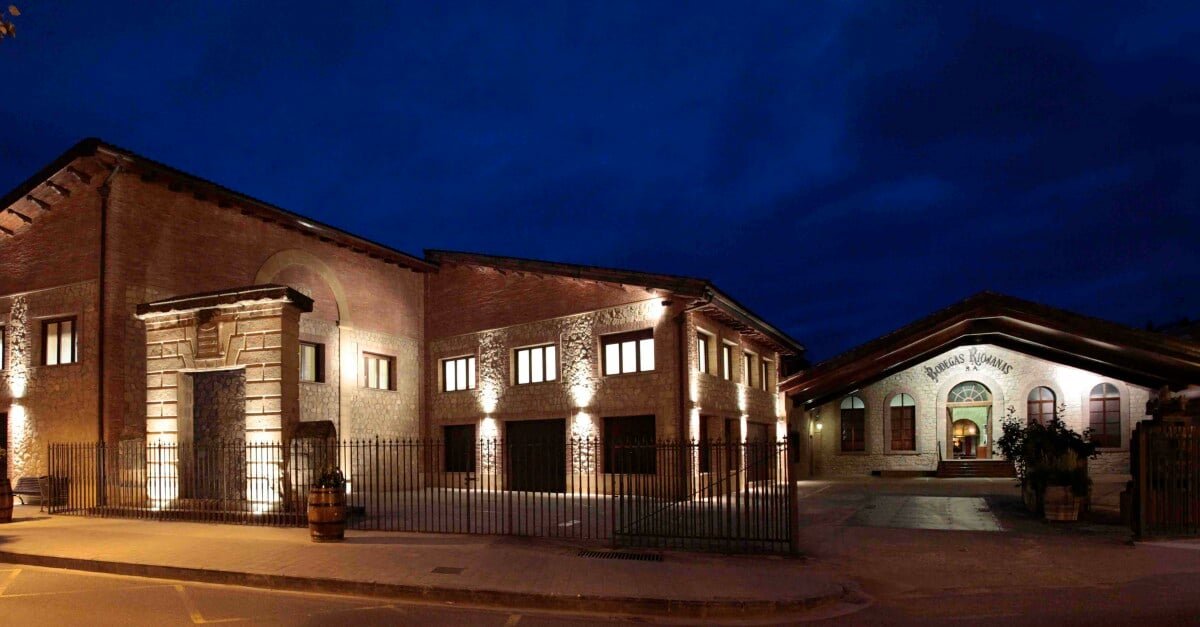
Winery in Cenicero, Spain
 Book with Pearl
The Read
Rioja Alta Terroir Authority
Why go
Marqués de Cáceres is worth considering as a classic Rioja anchor in Cenicero, especially for first-timers who want regional context over architectural spectacle. Put it ahead of more design-led estates if recognition and Rioja positioning matter most; cross-shop Marqués de Riscal, Bodegas Ysios, or Bodegas Baigorri if the visit needs a stronger visual set piece.
About Marqués de Cáceres
Marqués de Cáceres is a venue in Cenicero with a smart casual dress code and Pearl 3 Star Prestige recognition for 2025.
For travelers comparing other venues, Marqués de Cáceres can be considered alongside Bodegas Baigorri, Bodegas Ysios, Bodegas de los Herederos del Marqués de Riscal, Finca Valpiedra, and Marqués de Riscal.
A Cenicero stop with limited planning detail
Marqués de Cáceres is in Cenicero, it carries Pearl 3 Star Prestige recognition for 2025, and the dress code is smart casual. Those facts are enough to frame it as a notable venue, but they do not confirm a specific visit style, format, group setup, service offering, or reservation policy.
The safest planning approach is to confirm Marqués de Cáceres directly before visiting. If you are building a broader itinerary, compare it naturally with Finca Valpiedra, Bodegas Baigorri, Bodegas Ysios, Marqués de Riscal, and Bodegas de los Herederos del Marqués de Riscal.
How to use it in an itinerary
Plan around the confirmed basics first: Marqués de Cáceres is in Cenicero, has a smart casual dress code, and holds Pearl 3 Star Prestige recognition for 2025. Any further details, including whether a visit is available, how to book, what is included, and which services are offered, should be confirmed with the venue before you commit time in the day.
If you are deciding between several recognized names, use Marqués de Cáceres as one potential Cenicero option and compare it with Bodegas Baigorri, Bodegas Ysios, Bodegas de los Herederos del Marqués de Riscal, Finca Valpiedra, and Marqués de Riscal.
Planning details
- Location
- Av. Fuenmayor, 11, 26350 Cenicero, La Rioja
- Website
- marquesdecaceres.com/visitas
- Phone
- +34 941 45 40 00
The take
The Take
The Vibe
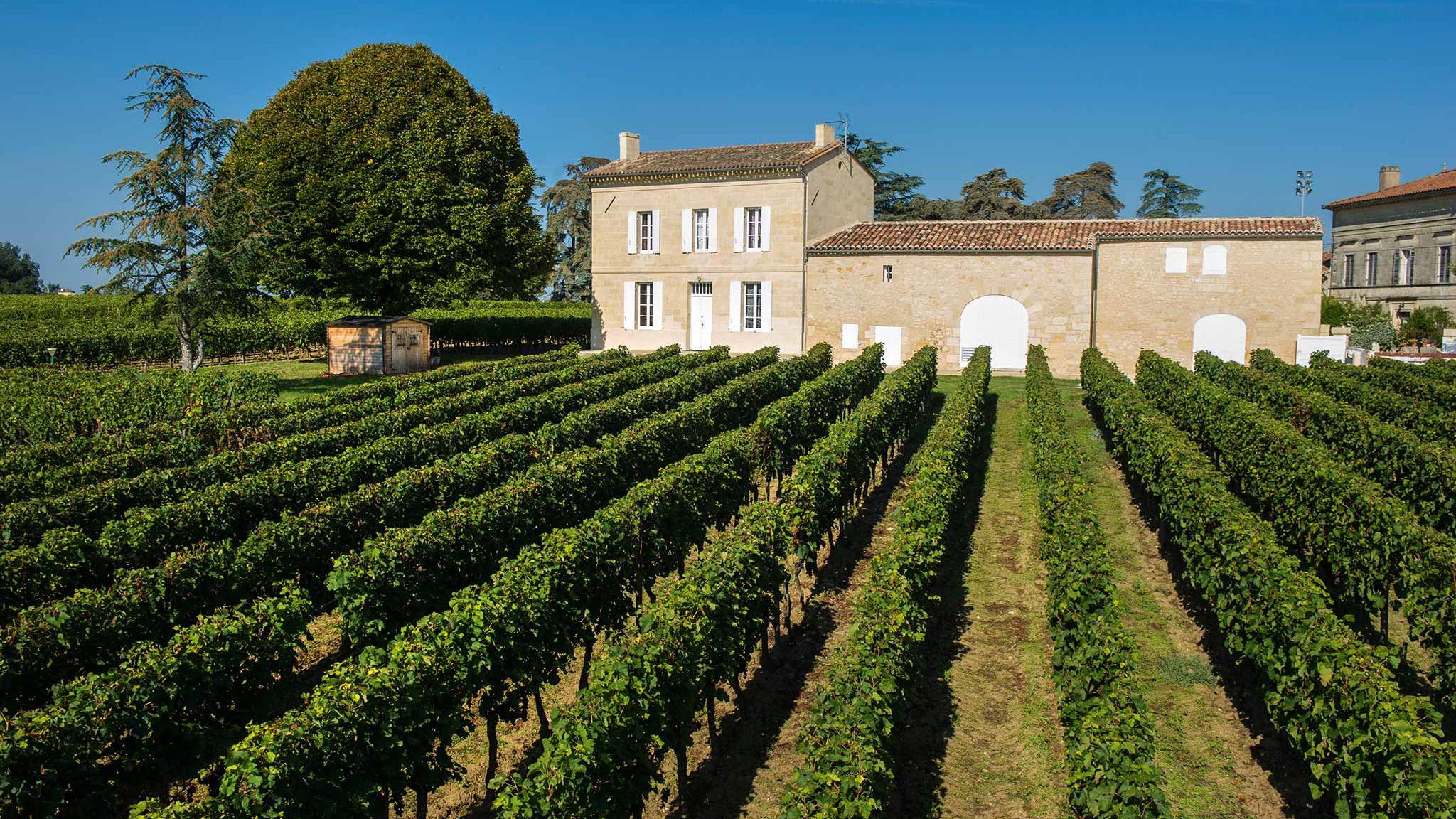
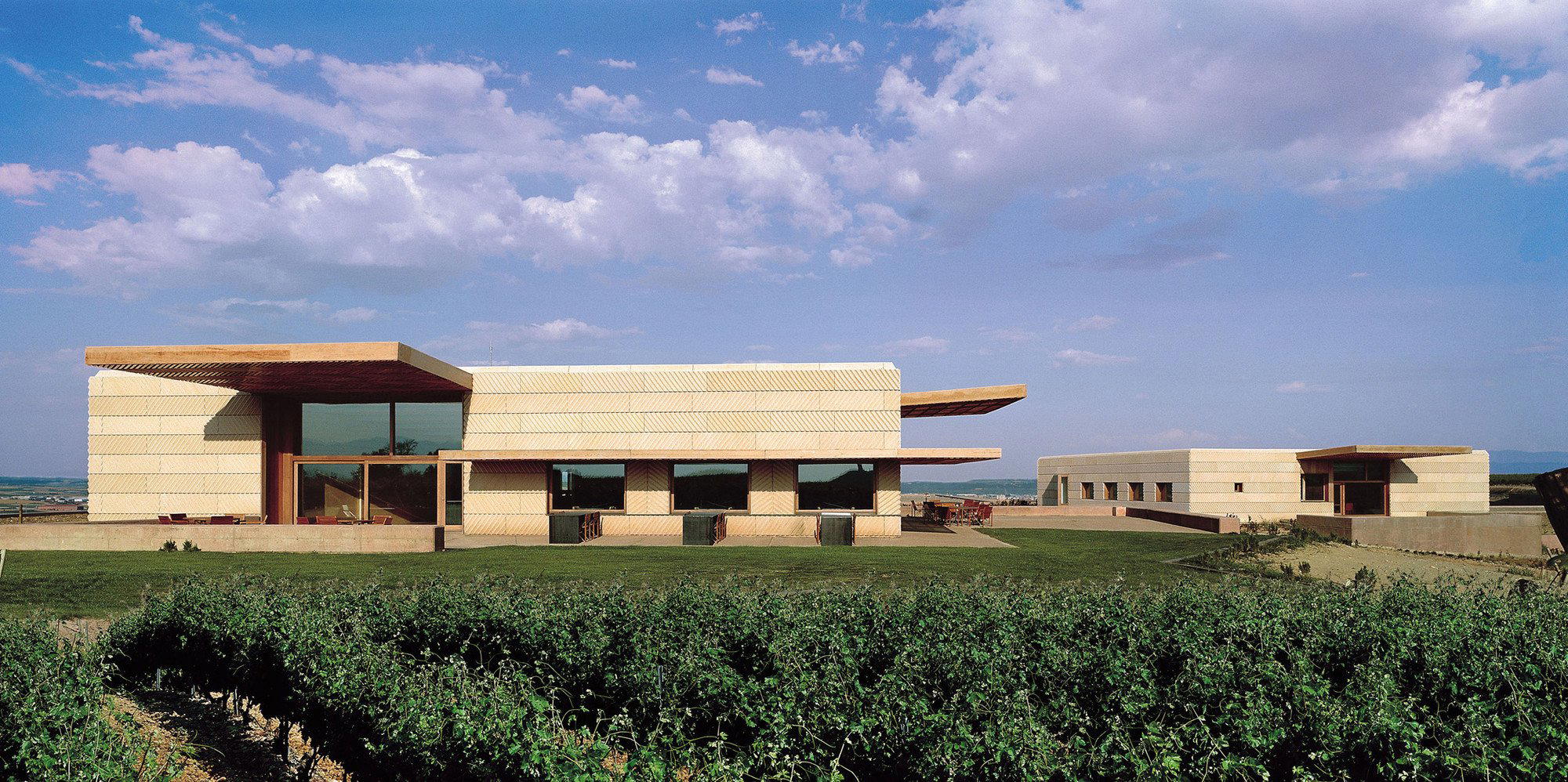
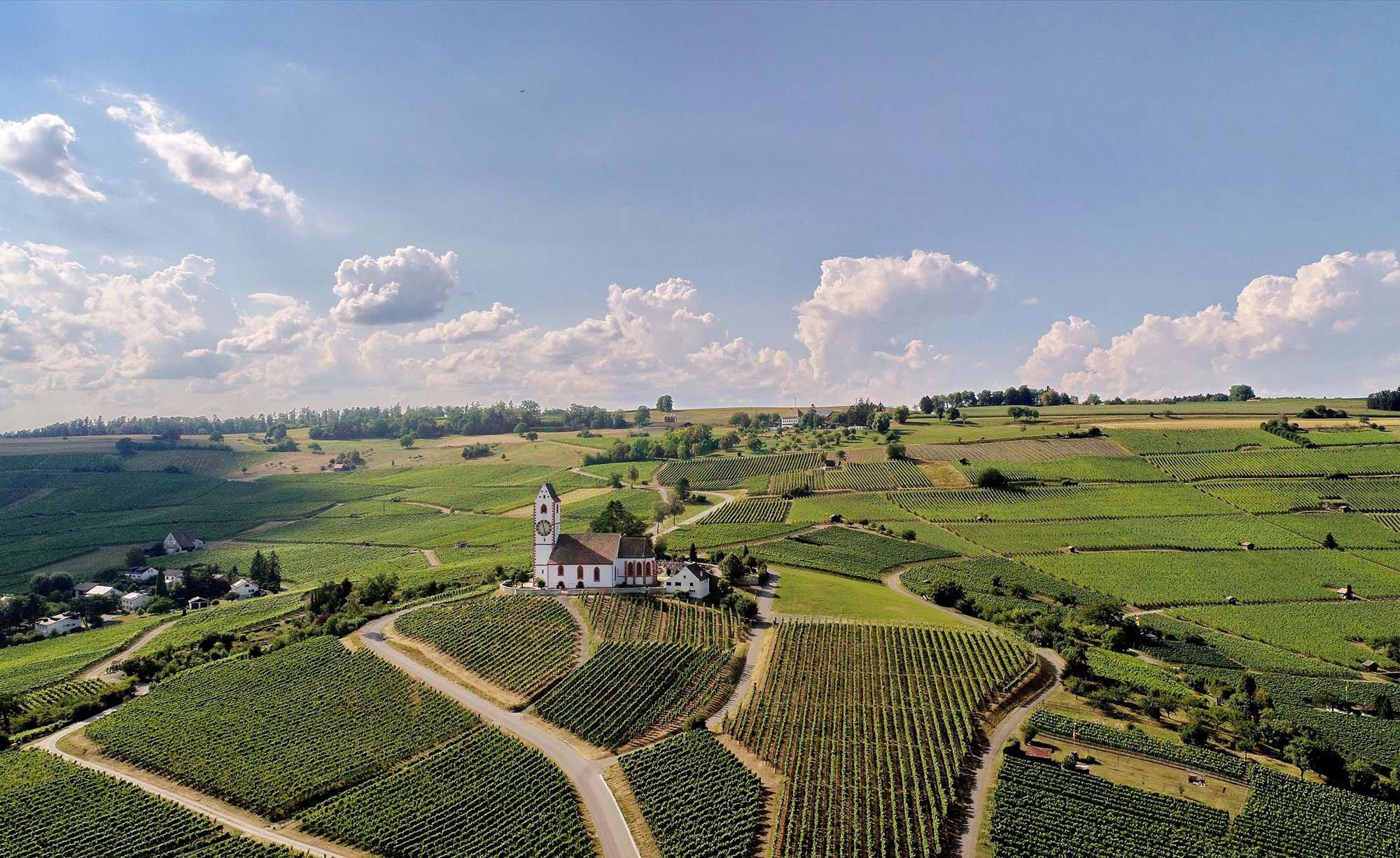
Marqués de Cáceres is rooted in its Rioja Alta landscape: a village-setting on clay-limestone soils framed by the Sierra de Cantabria and moderated by the Ebro. The copy reads like a terroir case study, emphasizing altitude, drainage and a climate that yields structured, age-worthy Tempranillo. The winery presents itself as a thoughtful, quality-focused producer — measured rather than flashy — where vineyard conditions are central to identity. The tone is instructive and quietly assured, positioning the estate as a sober, scenic expression of La Rioja’s capacity for long-lived red wines.
Best For
This winery is best for visitors who care about terroir and the architecture of age-worthy Rioja. The description highlights structure, defined acidity and a slower-to-open profile — qualities that reward tasting with context and time. That makes Marqués de Cáceres well suited to wine-education visits and to people exploring Rioja on their own, as well as to shoppers or guests looking for bottles worthy of special occasions. The 2025 Pearl 3 Star Prestige rating signals consistent quality, so expect offerings that sit comfortably in a mature, considered tasting program.
Tasting Tips
When selecting from Marqués de Cáceres, look for wines that cite Rioja Alta or Cenicero and Tempranillo components: the write-up stresses clay-limestone soils, altitude and a climate that produce structured, age-worthy reds with defined acidity. Prioritize bottlings described as built for age or with a focus on structure if you want wines that develop over years rather than immediate crowd-pleasers. The winery’s Pearl 3 Star Prestige recognition is a practical cue for seeking consistently crafted wines rather than experimental or entry-level labels.
Venue details
Ambiance
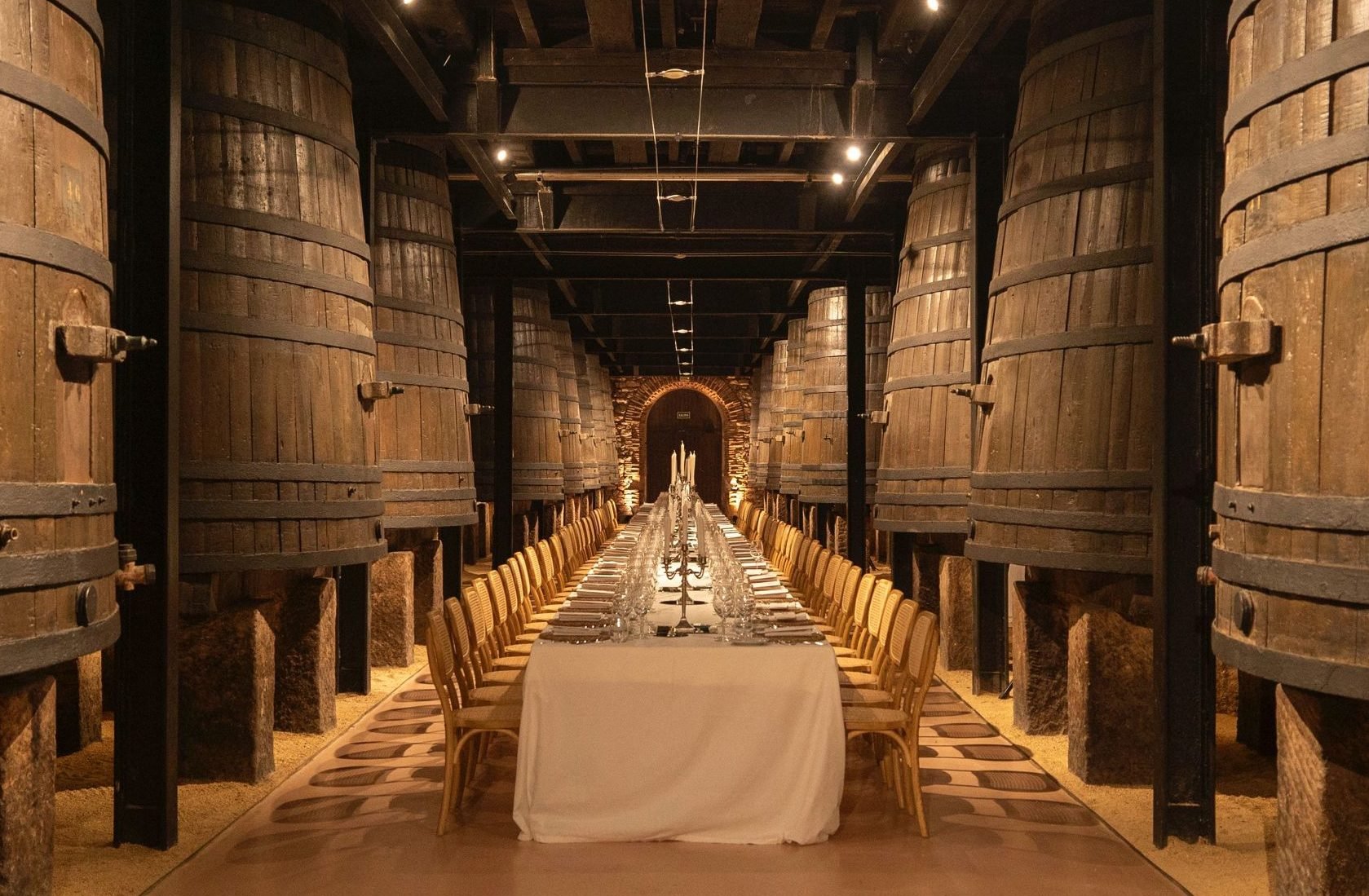
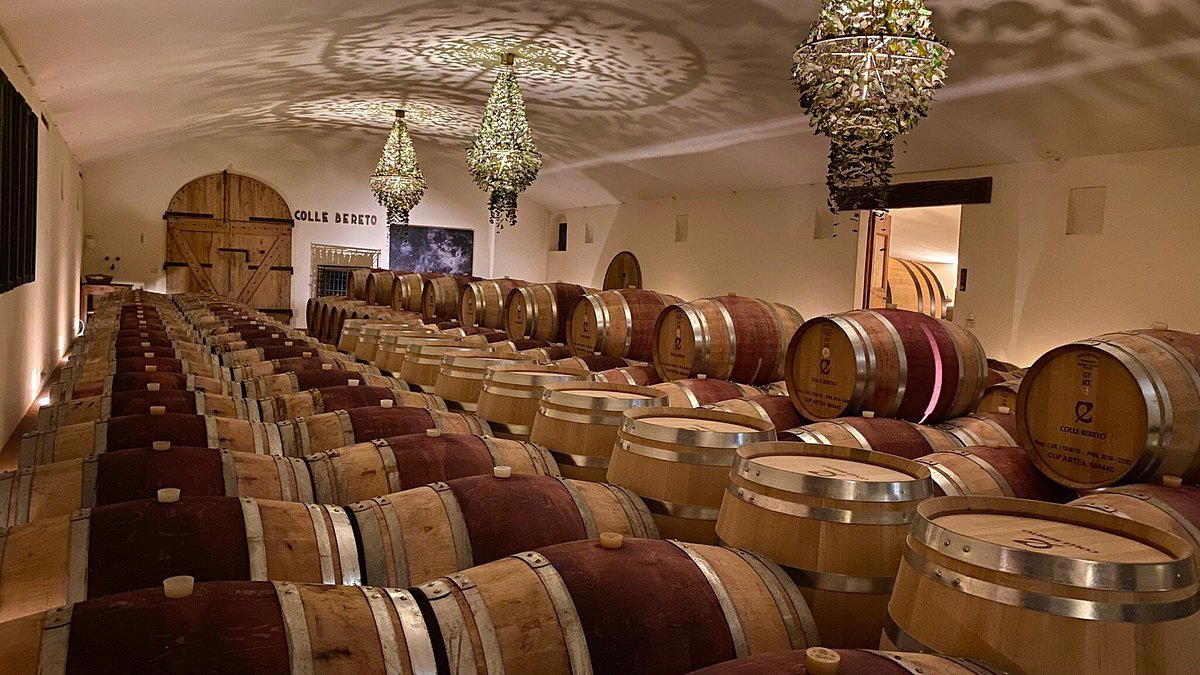
Sophisticated and elegant atmosphere in an aesthetically pleasing underground winery with comprehensive, well-organized tours and tastings.
Tags
Vibe
Best For
Experience
View
At the Vineyard
- Appellation
- D.O.Ca. Rioja
- Varietals
- Tempranillo, Garnacha, Graciano, Viura, Verdejo
- Tour Duration
- 60-90 minutes
- Visits
- By reservation
- Production
- Large producer
- Wine Styles
- Still Red, Still White, Still Rose
- Food Pairing
- Offered
- Wine Club
- Not available
Know before you go
Know Before You Go
- Getting there
- Av. Fuenmayor, 11, 26350 Cenicero, La Rioja
Planning details
Location
Av. Fuenmayor, 11, 26350 Cenicero, La Rioja · Directions
Recognition and awards

Also consider
Where to look if this is not the right fit
If the priority is visual impact, look first at Bodegas Ysios or Marqués de Riscal. Both are stronger choices for travelers who want the winery itself to define the day.
If the itinerary needs a calmer Rioja contrast, Finca Valpiedra is the better backup. It gives the day a different rhythm without pushing the schedule toward another large-format destination stop.
Winery context
How it compares in Rioja
Choose Marqués de Cáceres if the priority is a classic Rioja reference point in Cenicero. Finca Valpiedra is the better cross-shop for travelers who want a more estate-driven, countryside-feeling stop, while Marqués de Riscal is the obvious pick when architecture and a bigger destination feel matter more than a quieter regional read.
Bodegas de los Herederos del Marqués de Riscal and Marqués de Riscal make more sense for visitors building a headline Rioja itinerary. Bodegas Baigorri and Bodegas Ysios are stronger for ambiance-led planning, especially if the day needs a memorable room or exterior. Marqués de Cáceres is the more practical choice when the goal is to understand a major Rioja name without making the visit hinge on spectacle.
For booking strategy, put the harder-to-secure architectural estates first, then use Marqués de Cáceres as the stabilizing Rioja stop if the schedule allows. It is the right comparison point for value-minded travelers who care less about dramatic design and more about leaving Cenicero with a clearer sense of the region.
Explore Cenicero
Around this place
Discover more on Pearl
Unlock the full Marqués de Cáceres guide in Pearl, including awards, comparisons, FAQs, planning details, and nearby places.
Compare Marqués de Cáceres
| Venue | Location | Awards |
|---|---|---|
| Marqués de Cáceres | Cenicero | 2026 Falstaff Winery Guide |
| Finca Valpiedra | Fuenmayor | 2026 Falstaff Winery Guide |
| Marqués de Riscal | Elciego | No published awards |
| Bodegas de los Herederos del Marqués de Riscal | Rioja | Guía Repsol Soles 20262026 Falstaff Winery Guide2025 Decanter Winery Prestige2024 World's 50 Best Vineyards · #12023 World's 50 Best Vineyards · #22022 World's 50 Best Vineyards · #22021 World's 50 Best Vineyards · #22020 World's 50 Best Vineyards · #62019 World's 50 Best Vineyards · #9 |
| Bodegas Baigorri | Samaniego | 2026 Falstaff Winery Guide2025 Decanter Winery Prestige |
| Bodegas Ysios | Laguardia | 2026 Falstaff Winery Guide2025 World's 50 Best Vineyards · #32024 World's 50 Best Vineyards · #4 |



How Marqués de Cáceres Cenicero compares with similar nearby venues.
FAQ
Frequently Asked Questions
Can Marqués de Cáceres handle large groups?
Contact Marqués de Cáceres directly if you are planning for a larger party in Cenicero.
What services does Marqués de Cáceres offer?
Ask Marqués de Cáceres directly about what is available before relying on any specific offering.
How long should I plan for a visit to Marqués de Cáceres?
Confirm the current format, timing, and arrival guidance with Marqués de Cáceres before planning your day in Cenicero.
What should I know before visiting Marqués de Cáceres?
Marqués de Cáceres is in Cenicero, has a smart casual dress code, and holds Pearl 3 Star Prestige recognition for 2025. Confirm all other practical details directly before visiting.
What other venues can I compare with Marqués de Cáceres?
For comparison, consider Bodegas Baigorri, Bodegas Ysios, Bodegas de los Herederos del Marqués de Riscal, Finca Valpiedra, and Marqués de Riscal.
Do I need a reservation at Marqués de Cáceres?
Contact Marqués de Cáceres directly before visiting, especially if timing, group size, or a specific experience matters.
What is Marqués de Cáceres recognized for here?
Marqués de Cáceres is listed here as a Cenicero venue with Pearl 3 Star Prestige recognition for 2025 and a smart casual dress code.