

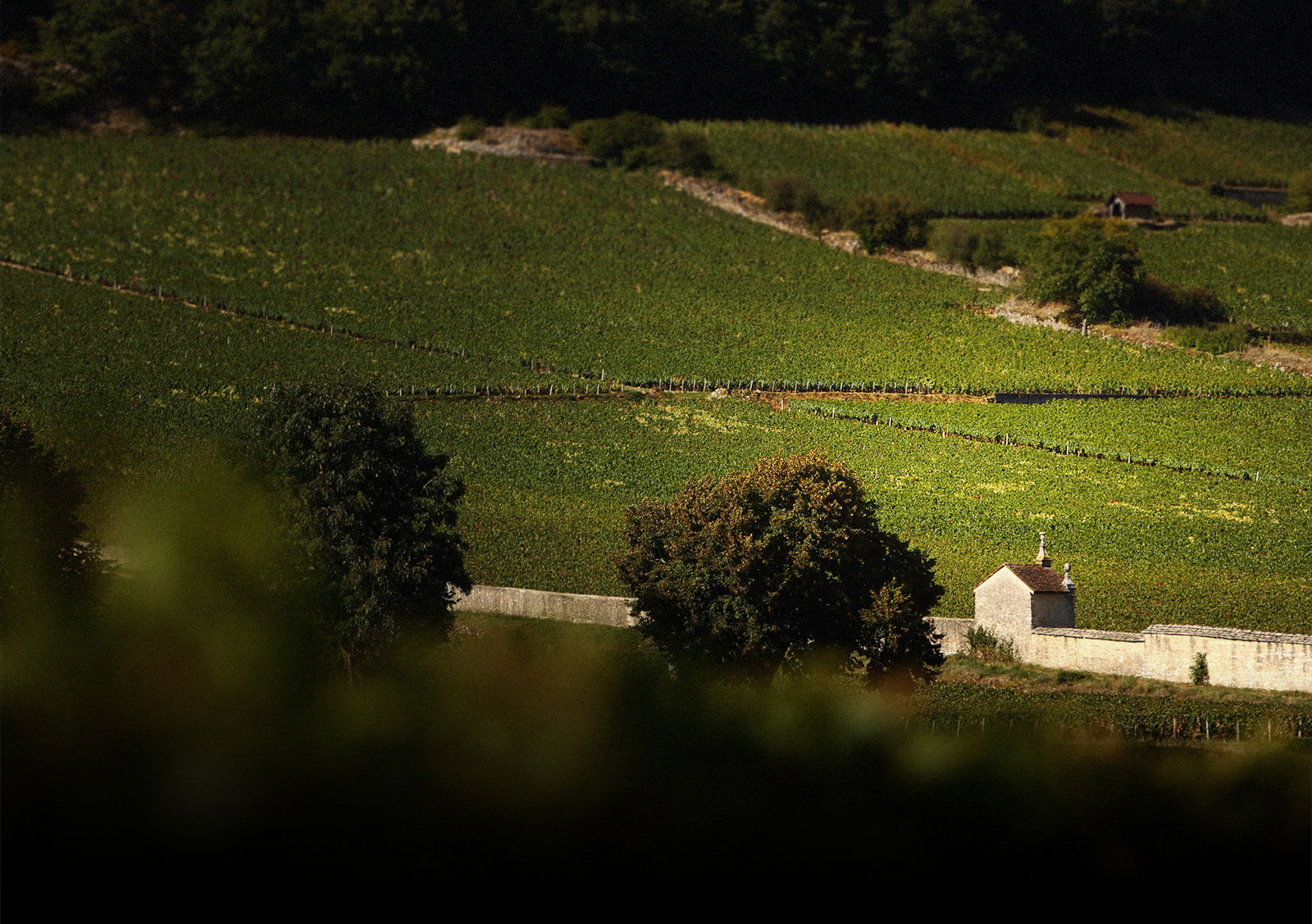



Domaine Armand Rousseau
Gevrey-Chambertin
Winery in Gevrey-Chambertin, France
 Book with Pearl
The Read
Grand Cru Terroir Precision
Why go
Domaine Armand Rousseau is a wine estate in Gevrey-Chambertin, Burgundy.
About Domaine Armand Rousseau
Is Domaine Armand Rousseau worth planning a Gevrey-Chambertin trip around? It can be, if your interest is specifically in Domaine Armand Rousseau and you are comfortable planning with limited available details. The basics are concise rather than expansive: the venue is in Gevrey-Chambertin, Cyrille Rousseau is listed as chef/owner, the dress code is smart casual, and Pearl recognizes it with 5 Star Prestige (2025). Taken together, those points give the venue real weight, but they do not describe the complete shape of a visit. That distinction is important for anyone building a day with fixed plans around a single stop.
The practical verdict is simple. Prioritise it if Domaine Armand Rousseau itself is the reason for the trip, rather than if you need full details about format, timing, pricing, menus, or services. Those specifics are not readily available, so the safest plan is to treat the venue as a Gevrey-Chambertin anchor and confirm any operational details directly before making the rest of the itinerary depend on it. In other words, this is a name to place carefully in the plan, not a venue from which to infer an entire program.
Plan for available context, not for an assumed program
The assigned lens here matters: a tasting menu, pairing format, or dining component to plan around is not specified. Readers looking for a meal should separate that decision from any Domaine Armand Rousseau plan. Use Gevrey-Chambertin restaurants guide for dining research, then treat Domaine Armand Rousseau as its own planning question, with details confirmed directly. This avoids turning a concise profile into a set of assumptions it was never meant to support.
That separation is useful because it keeps the itinerary honest. The available information supports a focused Gevrey-Chambertin listing, not assumptions about a full hospitality program. If the day needs more flexibility, compare the plan with other options before locking the schedule. A careful planner can still give Domaine Armand Rousseau priority while leaving enough room to adjust timing and nearby stops according to independently confirmed information.
What to expect: plan around available details
Specifics like seating, service style, tasting length, food availability, pricing, or beverage format are not detailed. The known details are narrower: Domaine Armand Rousseau is in Gevrey-Chambertin, Cyrille Rousseau is the listed chef/owner, the dress code is smart casual, and the venue carries Pearl 5 Star Prestige (2025). That is enough to make it a meaningful name for a careful itinerary, but not enough to replace direct confirmation. The strongest approach is to let the available facts set the level of interest, then let direct communication establish the practical details.
For a fuller day, pair the plan with practical details confirmed elsewhere. Comparable names to research include Domaine Denis Mortet, Domaine Drouhin-Laroze, Domaine Dugat-Py, Domaine Duroché, and Domaine Henri Rebourseau, alongside other Gevrey-Chambertin options considered generically. The decision is less about filling the day with assumptions and more about confirming what each stop can actually provide. That mindset is especially useful when a venue has clear recognition but limited published detail: the itinerary can remain ambitious without becoming overcommitted.
Quick reference: make Domaine Armand Rousseau a focused Gevrey-Chambertin anchor, and confirm operational details directly before planning around them. Keep the plan grounded in available information, then build the rest of the day from independently confirmed information.
Planning details
- Location
- 1 Rue de l'Aumônerie, 21220 Gevrey-Chambertin
- Website
- domaine-rousseau.com
- Phone
- +33 3 80 34 30 55
The take
The Take
The Vibe
Domaine Armand Rousseau reads like a piece of Burgundy history. The estate’s story stretches back to a first vintage in 1929 and to parcels farmed since medieval times, and that continuity is the dominant impression: old, low-trained Pinot Noir vines, gnarled trunks and limestone-marl soils that shape concentrated, classically structured wines. The writing on the land and the family’s long stewardship create a quietly powerful presence rather than flamboyance — an authoritative, historically rooted domaine where terroir and tenure matter as much as technique.
Best For
This domaine is best for people who want to study terroir and taste the fruits of long-established vineyard stewardship. The text frames Armand Rousseau as a producer whose holdings and vine age deliver concentration and complexity, making visits or tastings especially illuminating for collectors, students of Burgundy and anyone focused on the relationship between parcel, vine age and wine character. It’s also a natural choice when a rare bottle or allocation is appropriate for a special celebration given the house’s high standing among collectors.
Tasting Tips
Expect availability to be tightly constrained and demand to outstrip supply: the profile emphasizes that allocations from Domaine Armand Rousseau are highly sought after and treated by collectors like financial assets. If you’re pursuing these wines, plan well in advance, be prepared for limited allocation and premium pricing, and work with reputable merchants or established contacts who handle prized Burgundy releases — patience and early planning are practical necessities for securing notable Rousseau bottlings.
Venue details
Ambiance
Classic and elegant with a focus on tradition, offering an intimate, historic atmosphere centered around exceptional wine heritage.
Tags
Vibe
Best For
Experience
Sourcing
View
At the Vineyard
- Appellation
- Gevrey-Chambertin AOC
- Varietals
- Pinot Noir
- Visits
- By appointment only
- Farming
- Organic
- Wine Styles
- Still Red
- Wine Club
- Available
Know before you go
Know Before You Go
- Getting there
- 1 Rue de l'Aumônerie, 21220 Gevrey-Chambertin
Planning details
Location
Recognition and awards

Also consider
Also Consider
- Domaine Dugat-Py, Notable alternative
- Domaine Denis Mortet, Notable alternative
- Domaine Drouhin-Laroze, Notable alternative
- Domaine Duroché, Notable alternative
- Domaine Henri Rebourseau, Notable alternative
Winery context
How It Compares
Choose Domaine Armand Rousseau when prestige and Burgundy context matter more than convenience. Against Domaine Dugat-Py and Domaine Denis Mortet, it sits in the same serious Gevrey-Chambertin conversation, but the decision is less about casual value and more about whether the itinerary can absorb a highly difficult booking.
For travellers who want a broader village read with less pressure, Domaine Drouhin-Laroze, Domaine Duroché, and Domaine Henri Rebourseau are the more practical cross-shops to investigate first. They keep the focus in Gevrey-Chambertin while giving the day more room to work if the headline appointment does not come through.
The value call is blunt: Rousseau is the splurge-minded, access-driven choice; the others are better for building a complete village itinerary. If only one appointment is possible and the goal is collector-level context, prioritise Rousseau. If the goal is a smoother wine-country day with restaurant timing, compare availability across the peers before committing.
Explore Gevrey-Chambertin
Around this place
Discover more on Pearl
Unlock the full Domaine Armand Rousseau guide in Pearl, including awards, comparisons, FAQs, planning details, and nearby places.
Compare Domaine Armand Rousseau
| Venue | Location | Awards |
|---|---|---|
| Domaine Armand Rousseau | Gevrey-Chambertin | 2026 Falstaff Winery Guide2026 Michelin 1 Grape - Burgundy2025 Pearl 5 Star Prestige |
| Domaine Dugat-Py | Gevrey-Chambertin | 2026 Falstaff Winery Guide2026 Michelin 3 Grapes - Burgundy |
| Domaine Denis Mortet | Gevrey-Chambertin | 2026 Falstaff Winery Guide2026 Michelin 2 Grapes - Burgundy2025 Pearl 4 Star Prestige |
| Domaine Drouhin-Laroze | Gevrey-Chambertin | 2026 Falstaff Winery Guide |
| Domaine Duroché | Gevrey-Chambertin | 2026 Michelin 1 Grape - Burgundy2026 Falstaff Winery Guide |
| Domaine Henri Rebourseau | Gevrey-Chambertin | 2026 Falstaff Winery Guide |


How Domaine Armand Rousseau, Gevrey-Chambertin Verdict compares with similar nearby venues.
FAQ
Frequently Asked Questions
When is the best time to plan around Domaine Armand Rousseau?
The best time is whenever you can confirm the details directly and plan focused time in Gevrey-Chambertin. Domaine Armand Rousseau has Pearl 5 Star Prestige (2025), but specific hours, format, and other operational details are not specified.
How long should I plan for Domaine Armand Rousseau?
No specific timing is available. Plan conservatively, confirm timing directly with Domaine Armand Rousseau, and leave a buffer if it is part of a wider Gevrey-Chambertin itinerary.
What other names should I compare with Domaine Armand Rousseau?
Relevant comparison names include Domaine Denis Mortet, Domaine Drouhin-Laroze, Domaine Dugat-Py, Domaine Duroché, and Domaine Henri Rebourseau. Use them as planning references alongside Domaine Armand Rousseau when shaping a focused itinerary.
What is Domaine Armand Rousseau known for?
Domaine Armand Rousseau is a Gevrey-Chambertin venue recognized by Pearl with 5 Star Prestige (2025). Cyrille Rousseau is listed as chef/owner, and the dress code is smart casual.