
Tenuta di Trinoro
Val d'Orcia, Sarteano
Winery in Sarteano, Italy
 Book with Pearl
The Read
High-Altitude Bordeaux Varietals
Why go
Tenuta di Trinoro is worth prioritising if the day is built around serious wine rather than easy tasting-room logistics. Its 2 Star Prestige signal makes it a stronger fit for collectors and repeat Tuscany travellers than for first-timers who want a broad Montalcino overview. Cross-shop it against Poggio di Sotto, Cerbaiona, Biondi-Santi Tenuta Greppo, Casanova di Neri, and Il Poggione before committing the day.
About Tenuta di Trinoro
Tenuta di Trinoro is a Sarteano venue with Pearl 2 Star Prestige (2025). The best way to evaluate it is to start with the recognition and location, then check the venue's own channels before making plans.
The dress code is smart casual. Specifics such as visiting format, food service, pricing, opening hours, reservations, and on-site experience are not specified, so they should not be assumed.
Worth prioritising if the recognition matters to your trip
The clearest reason to put Tenuta di Trinoro on a Sarteano itinerary is its Pearl 2 Star Prestige (2025) recognition. If your planning is driven by recognised venues, it may deserve attention; if your plans depend on detailed service information, confirm directly before committing.
For planning around town, keep Tenuta di Trinoro as a Sarteano reference point, then use current local resources and the Sarteano hotels guide to avoid building the day around assumptions. Other Sarteano dining or travel options should be checked directly if part of the group is not focused on Tenuta di Trinoro.
How to think about value before committing
The most reliable comparison is with other recognised names rather than assumptions about format or service. If you are weighing Tenuta di Trinoro against Azienda Agricola Casanova di Neri di Giacomo Neri, Biondi-Santi Tenuta Greppo, Cerbaiona, Il Poggione, or Poggio di Sotto, compare based on your own priorities and the latest details each venue provides directly.
To build a plan, start with the Sarteano location, the smart casual dress code, and the Pearl 2 Star Prestige (2025) recognition, then verify the rest before you go.
Planning details
- Location
- Via Val d'Orcia, 15, 53047 Sarteano SI
- Website
- vinifranchetti.com
- Phone
- +39 0578 267110
The take
The Take
The Vibe
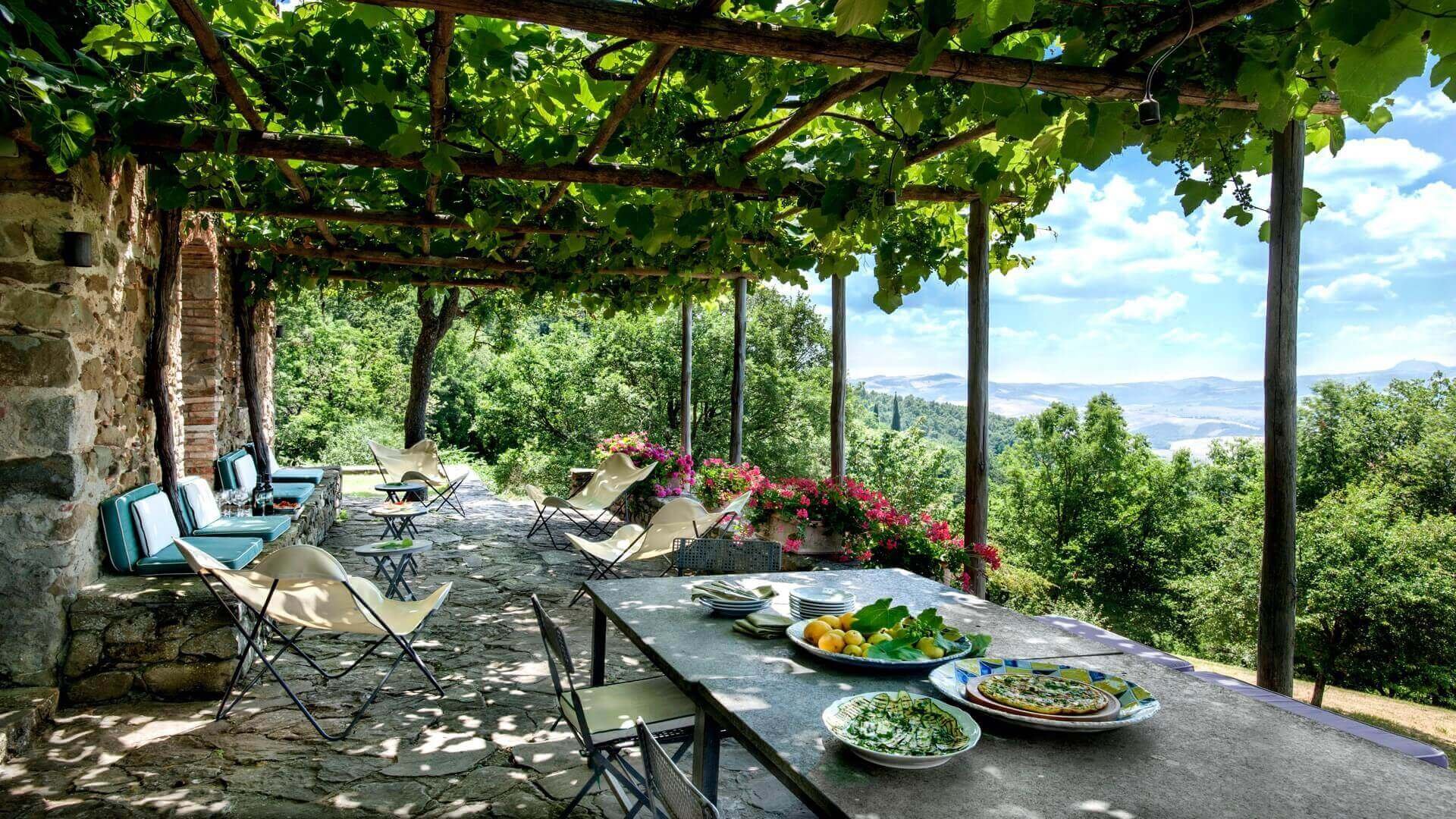
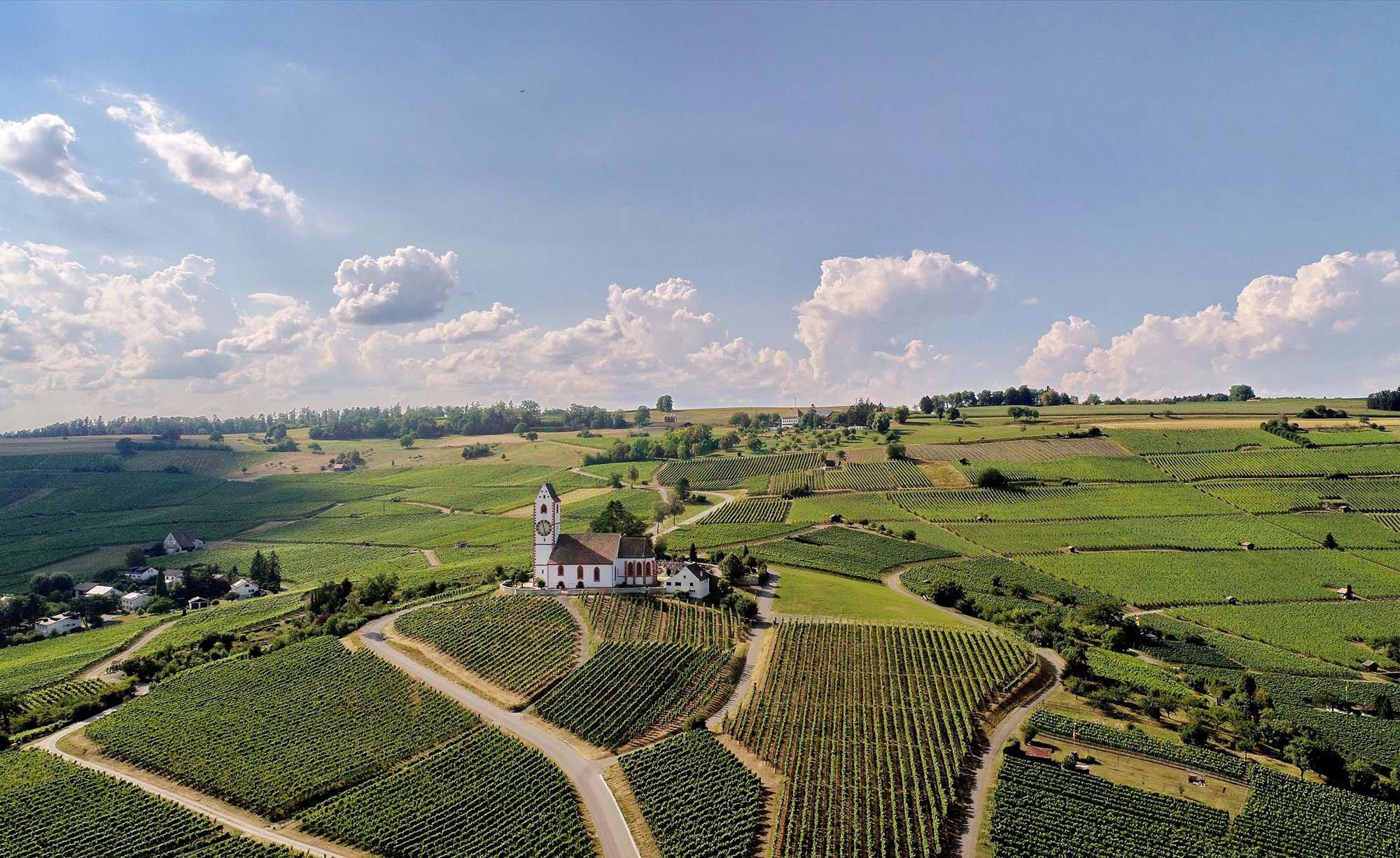
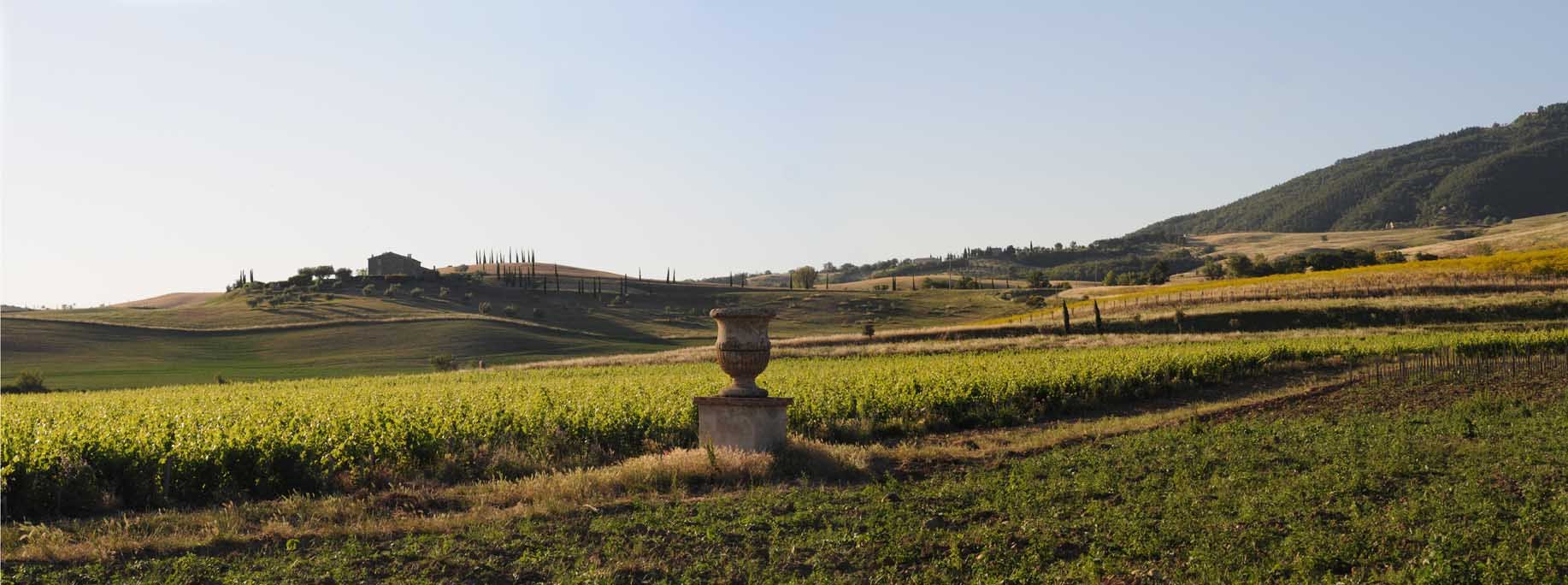
Tenuta di Trinoro reads like a quietly rigorous estate tucked into the less-traveled reaches of the Val d'Orcia. The narrative foregrounds geology—the volcanic tufo layered over clay and tufo—and an elevation that cools summer heat, both of which lend the site an understated, contemplative presence. Rather than glamorous fanfare, the property announces itself through pale volcanic rock, scrub oak and disciplined vines; the result is a serene, focused wine place that rewards close attention. For visitors who value terroir-first character and a sense of being slightly off the beaten path, the estate feels like a refined discovery.
Best For
This estate is particularly suited to visitors who come for terroir study and serious tasting, and to those marking a meaningful occasion in a distinct Tuscan setting. The text emphasizes soil specificity, elevation-driven ripening and producers who prioritize expression over appellation formulae—qualities that make the property useful for wine education and comparative tasting. At the same time, the secluded, elevated site and dramatic Val d'Orcia landscape provide a quietly memorable backdrop for special occasions where guests want an immersive, landscape-forward experience rather than a crowded tourist stop.
Tasting Tips
When exploring labels from this corner of Sarteano, look for bottlings that reference the estate or single-vineyard plots and that call out volcanic or tufo soils; the description repeatedly links mineral signature and drainage to the site. Prioritize wines from higher-elevation parcels or vintages noted for longer hang time and delayed phenolic development, since those conditions are highlighted as defining the estate's style. Ask about how the volcanic deposits influence aromatics and structure—texts like this point to minerality and precise ripeness as distinguishing features rather than obvious fruit-driven profiles.
Venue details
Ambiance
Remote, isolated rural setting amid rolling hills and vineyards with a focus on terroir-driven sophistication and harmony with nature.
Tags
Vibe
Best For
Experience
View
At the Vineyard
- Appellation
- Toscana IGT
- Varietals
- Cabernet Franc, Merlot, Cabernet Sauvignon, Petit Verdot, Semillon
- Tour Duration
- 60-90 minutes
- Visits
- By appointment only
- Production
- Small producer
- Wine Styles
- Still Red
- Wine Club
- Available
Know before you go
Know Before You Go
- Getting there
- Via Val d'Orcia, 15, 53047 Sarteano SI
Planning details
Location
Recognition and awards

Also consider
If this is too hard to schedule
Try Biondi-Santi Tenuta Greppo if the priority is a classic Brunello reference point, or Il Poggione if the group needs a more practical Montalcino alternative.
For a more collector-minded substitute, compare availability at Poggio di Sotto or Cerbaiona.
Winery context
How It Compares
Choose Tenuta di Trinoro over Il Poggione if the day is about prestige signalling and a more focused collector target. Choose Il Poggione if the group needs a more forgiving, classic Montalcino-style plan with less pressure on a single appointment.
Biondi-Santi Tenuta Greppo and Azienda Agricola Casanova di Neri di Giacomo Neri are stronger cross-shops for travellers who want the Brunello reference points first. Tenuta di Trinoro makes more sense after those basics are covered, especially for someone returning to the area and looking for a more selective stop.
Poggio di Sotto and Cerbaiona are the closest strategic comparisons for a wine-led day where reputation matters more than convenience. If only one appointment can be pursued, pick based on the desired focus: Tenuta di Trinoro for Sarteano and Val d'Orcia positioning, the others for a more direct Montalcino frame.
Explore Sarteano
Around this place
Discover more on Pearl
Unlock the full Tenuta di Trinoro guide in Pearl, including awards, comparisons, FAQs, planning details, and nearby places.
Compare Tenuta di Trinoro
| Venue | Location | Awards |
|---|---|---|
| Tenuta di Trinoro | Sarteano | 2026 Falstaff Winery Guide |
| Poggio di Sotto | Montalcino | 2025 Pearl 4 Star Prestige |
| Cerbaiona | Montalcino | 2026 Falstaff Winery Guide2025 Pearl 4 Star Prestige |
| Azienda Agricola Casanova di Neri di Giacomo Neri | Montalcino | 2026 Falstaff Winery Guide2025 World's 50 Best Vineyards · #87 |
| Biondi-Santi Tenuta Greppo | Montalcino | 2026 Falstaff Winery Guide2025 Pearl 5 Star Prestige |
| Il Poggione | Montalcino | 2026 Falstaff Winery Guide |


How Tenuta di Trinoro Sarteano compares with similar nearby venues.
FAQ
Frequently Asked Questions
What is Tenuta di Trinoro known for?
The key details are its Sarteano location, smart casual dress code, and Pearl 2 Star Prestige (2025) recognition. More specific claims about the experience are not detailed here.
Are membership or club details available for Tenuta di Trinoro?
Membership or club details are not specified. Base any decision on information provided directly by Tenuta di Trinoro, not on assumed access, pricing, or benefits.
What other venues can I compare with Tenuta di Trinoro?
Useful comparison names include Poggio di Sotto, Cerbaiona, Azienda Agricola Casanova di Neri di Giacomo Neri, Biondi-Santi Tenuta Greppo, and Il Poggione. Confirm geography, visit options, and current details directly when planning.
How long should I plan for a visit to Tenuta di Trinoro?
When is the best time to visit Tenuta di Trinoro?
Best timing is not specified. Use the Sarteano location, smart casual dress code, and Pearl 2 Star Prestige (2025) recognition as starting points, then verify current arrangements directly.