
Weingut Klumpp
Bruchsal
Winery in Bruchsal, Germany
 Book with Pearl
The Read
Kraichgau Loess Viticulture
Why go
A targeted Bruchsal winery pick for travelers building a northern Baden route rather than chasing a heavily documented destination estate. Weingut Klumpp is worth considering as a regional anchor if Bruchsal already fits the itinerary; compare it with larger-name German estates if reputation and visitor infrastructure matter more.
About Weingut Klumpp
Consider Weingut Klumpp as a Bruchsal stop if you are specifically looking at this venue and want a concise addition to the day rather than a fully defined itinerary. Weingut Klumpp has Pearl 2 Star Prestige (2025), and the dress code is casual. That combination gives the venue a straightforward role in planning. It can sit comfortably within a Bruchsal-focused day when the goal is to include a distinguished venue, while the casual dress code keeps the tone practical.
Do not build a visit around assumptions about visitor programs, food service, shipping, reservations, prices, or opening hours. Those are exactly the kinds of details that can shape whether a stop works smoothly, how much time it requires, and whether it fits with the rest of a day in Bruchsal. If you are planning a wider Bruchsal day, confirm practical details directly before committing your schedule, especially if the stop needs to align with other fixed plans. A direct check keeps the visit grounded in what the venue can actually accommodate and avoids letting a simple listing carry more weight than it can responsibly support.
Use it as a Bruchsal anchor, not the whole plan
The most reliable way to frame Weingut Klumpp is simple: it is a Bruchsal venue with Pearl 2 Star Prestige (2025). That is enough to make it relevant for someone already looking closely at Bruchsal, but not enough to define an entire day without further detail. In practical terms, think of it as an anchor point: a named, place-specific venue that can help give shape to a route, while still leaving room for adjustment around confirmed logistics. The Pearl 2 Star Prestige (2025) recognition is the key point to carry forward, and the casual dress code helps clarify the expected level of formality. Beyond that, the page should stay intentionally restrained.
For a broader comparison, you can look at Weingut A. Christmann, Weingut Dautel, Weingut Graf Neipperg, Weingut Müller-Catoir, and Weingut Ökonomierat Rebholz without treating any of them as part of Bruchsal itself. That comparison can be useful if you are trying to understand how Weingut Klumpp sits among other venues, but it should not blur geography or imply that those names belong to the same local plan. Use them as reference points, not as automatic additions to a Bruchsal itinerary. The distinction matters because a clean plan depends on knowing what is actually in Bruchsal and what is simply part of a wider field of comparison.
Keep the plan flexible unless you have confirmed the details you need directly with the venue. Flexibility is especially important here because the available information is useful but compact: Bruchsal location, casual dress code, and Pearl 2 Star Prestige (2025) recognition. Those facts support a measured recommendation, not a promise of a particular kind of visit. The grounded case for Weingut Klumpp is its Bruchsal location, casual dress code, and Pearl 2 Star Prestige (2025) recognition; anything beyond that should be checked before you go. If those points match what you are looking for, it can be a sensible Bruchsal stop. If you need specific services, timing, or a more structured experience, verify first and let the answer determine how central the venue becomes in your day.
Planning details
- Location
- Heidelberger Str. 100, 76646 Bruchsal
- Website
- weingut-klumpp.com
- Phone
- +49 7251 16719
The take
The Take
The Vibe
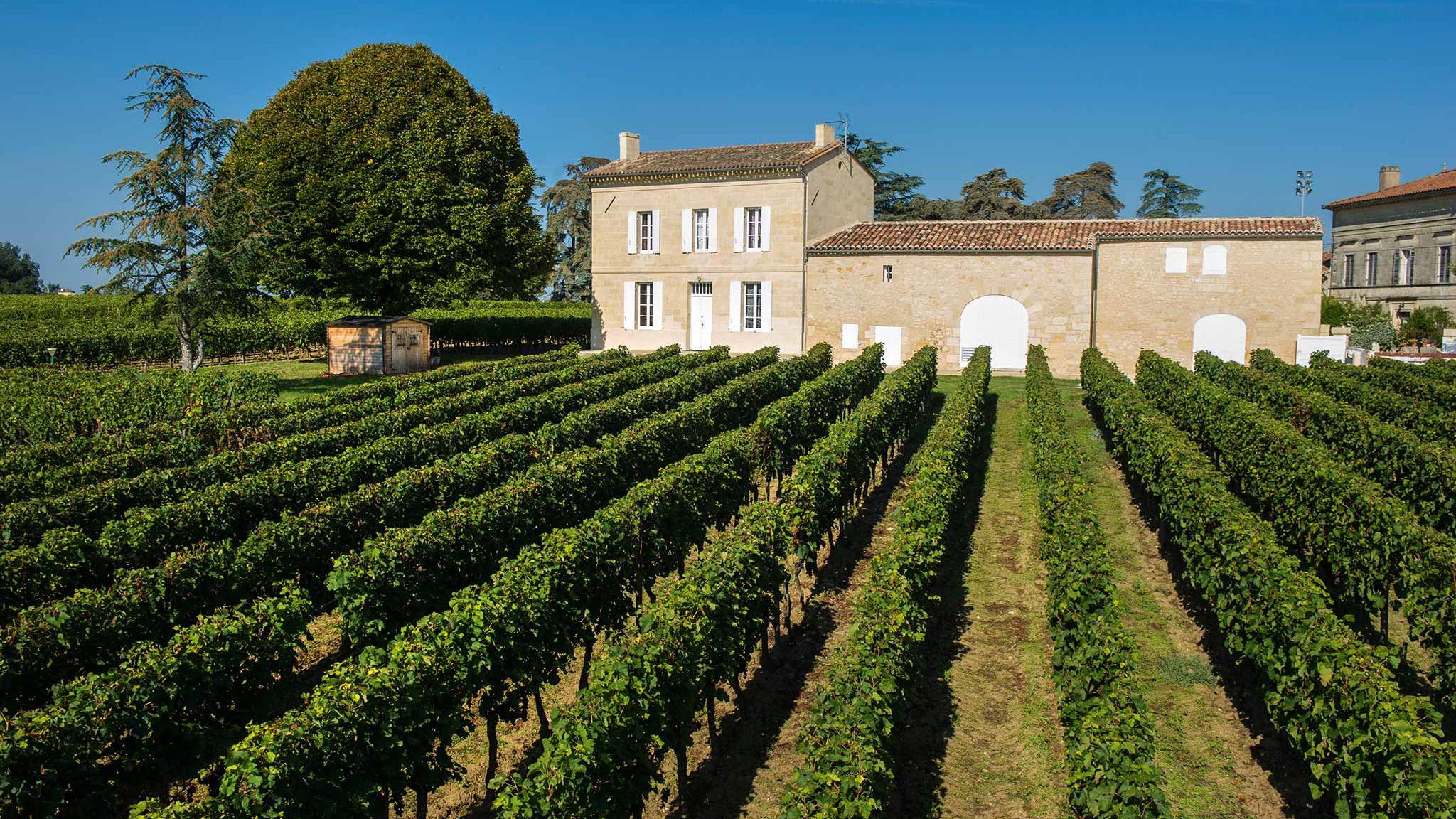
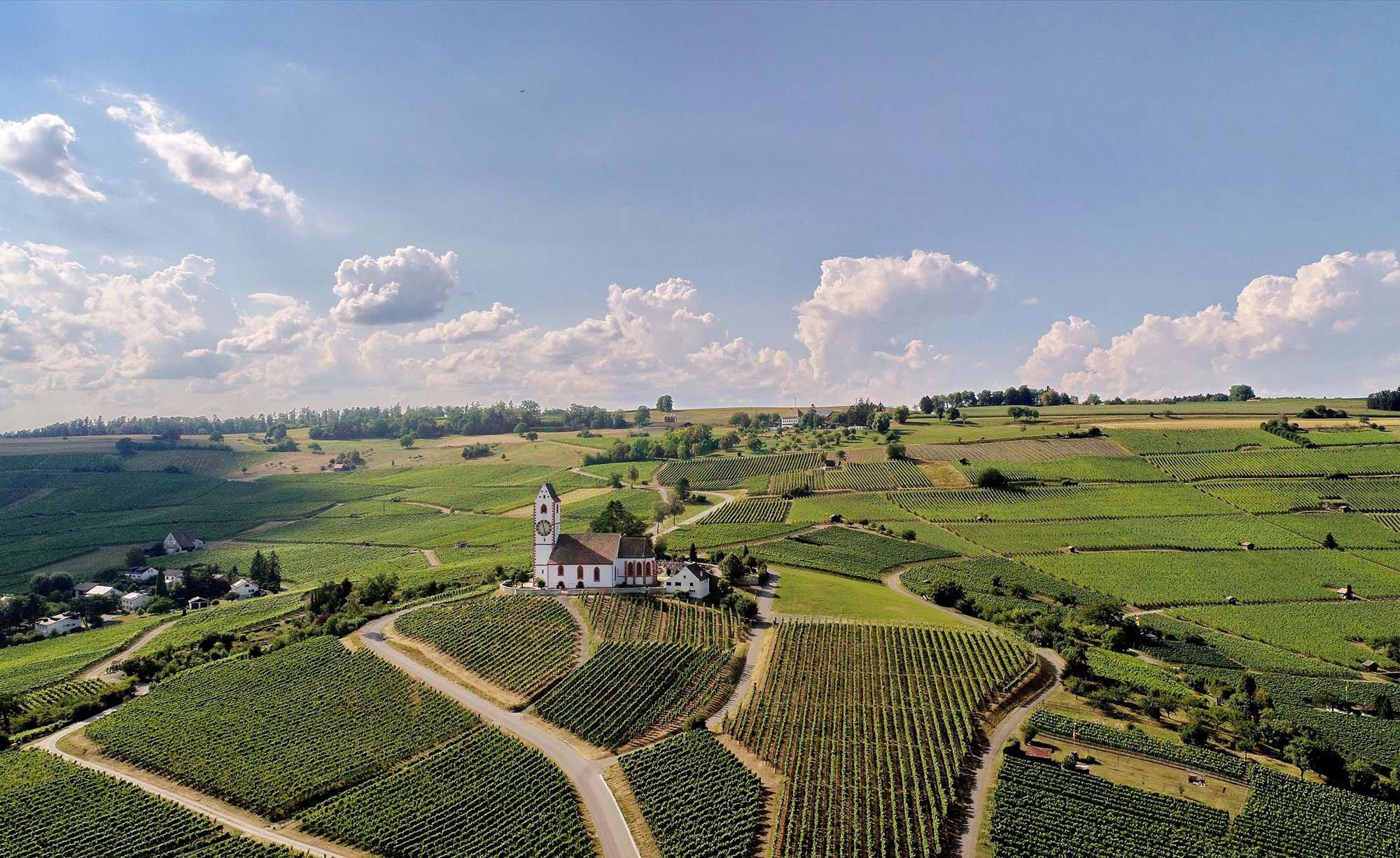
Weingut Klumpp reads as an understated, terroir-forward estate tucked into the gentle folds of the Kraichgau. The write-up emphasizes a quieter, less tourist-trodden corridor of Baden, so the place feels like a discreet find for visitors who prize nuance over flash. The estate’s recent Pearl 2 Star Prestige recognition lends a composed sophistication to its reputation: this is a producer whose consistency and sense of place matter more than sheer power. Landscaped loess and clay-limestone soils, cool easterly air and rolling hills shape a serene, contemplative setting for tasting.
Best For
Klumpp is best for travelers focused on terroir and regional study rather than loud, social wine experiences. The profile repeatedly points to serious wine travelers and the estate’s growing reputation in a lower-profile part of Baden, so it suits solo explorers, students of geology-in-the-glass and small groups pursuing wine education. Visitors who value quiet, thoughtful tasting and the opportunity to compare how loess and clay-limestone soils translate into bottle will find the estate particularly rewarding. It’s a destination for attentive drinking rather than spectacle.
Tasting Tips
When seeking out Klumpp at retail or in a tasting, prioritize bottles tied to the estate’s Pearl 2 Star Prestige recognition and labels that reference single sites or the Kraichgau expression. The copy stresses loess and clay-limestone soils and the moderating Rhine influence, so look for wines that show mineral lift, measured acidity and textural depth rather than overt extraction. Because the write-up frames the estate as consistent across multiple wines, consider trying multiple bottlings to gauge the variations of site and vintage within the Kraichgau context.
Venue details
Ambiance
Classic winery atmosphere focused on quality organic production in a rural setting.
Tags
Vibe
Best For
Experience
Sourcing
View
At the Vineyard
- Appellation
- Kraichgau
- Varietals
- Pinot Noir, Grauburgunder, Riesling, Weißburgunder, St. Laurent
- Tour Duration
- 60-90 minutes
- Tour Languages
- German
- Visits
- By reservation
- Farming
- Organic
- Wine Styles
- Still Red, Still White
- Wine Club
- Not available
Know before you go
Know Before You Go
- Getting there
- Heidelberger Str. 100, 76646 Bruchsal
Planning details
Location
Recognition and awards

Also consider
Also Consider
- Weingut Graf Neipperg, Notable alternative
- Weingut Dautel, Notable alternative
- Weingut Ökonomierat Rebholz, Notable alternative
- Weingut Müller-Catoir, Notable alternative
- Weingut A. Christmann, Notable alternative
Winery context
How it compares for a Bruchsal-based wine plan
Choose Weingut Klumpp when Bruchsal is the practical anchor and the day needs to stay compact. Weingut Graf Neipperg and Weingut Dautel make more sense for travelers willing to go out of metro range for a broader Württemberg comparison; they are better cross-shops when the route is built around regional variety rather than Bruchsal convenience.
Weingut Ökonomierat Rebholz, Weingut Müller-Catoir, and Weingut A. Christmann are stronger fits for a Pfalz-leaning itinerary where the main goal is benchmark comparison across established names. Against those peers, Klumpp is the more location-led choice: useful if the reader is already in Bruchsal, less compelling if the day is designed around a single destination winery.
For booking strategy, prioritize the by route efficiency. If lodging, dining, or transport is centered on Bruchsal, start here. If the trip can absorb extra travel time, cross-shop the Pfalz and Württemberg options first, then use Klumpp as the Baden counterpoint rather than the sole reason for the journey.
Explore Bruchsal
Around this place
Discover more on Pearl
Unlock the full Weingut Klumpp guide in Pearl, including awards, comparisons, FAQs, planning details, and nearby places.
Compare Weingut Klumpp
| Venue | Location | Awards |
|---|---|---|
| Weingut Klumpp | Bruchsal | 2026 Falstaff Winery Guide |
| Weingut Graf Neipperg | Schwaigern | 2026 Falstaff Winery Guide |
| Weingut Dautel | Bönnigheim | 2026 Falstaff Winery Guide |
| Weingut Ökonomierat Rebholz | Siebeldingen | 2026 Falstaff Winery Guide |
| Weingut Müller-Catoir | Neustadt an der Weinstraße | 2026 Falstaff Winery Guide |
| Weingut A. Christmann | Neustadt an der Weinstraße | 2026 Falstaff Winery Guide |
How Weingut Klumpp Bruchsal compares with similar nearby venues.
FAQ
Frequently Asked Questions
How long should I plan for a visit to Weingut Klumpp?
Plan timing directly with Weingut Klumpp before building a schedule around it.
Does Weingut Klumpp serve food?
When is the best time to visit Weingut Klumpp?
Are membership options for Weingut Klumpp?
If that matters to you, ask Weingut Klumpp directly.
What other venues are useful comparisons for Weingut Klumpp?
For broader comparison, look at Weingut Graf Neipperg, Weingut Dautel, Weingut Ökonomierat Rebholz, Weingut Müller-Catoir, and Weingut A. Christmann. Weingut Klumpp remains the Bruchsal reference point in that set.
Do I need a reservation at Weingut Klumpp?
Does Weingut Klumpp offer shipping?
If shipping matters, ask Weingut Klumpp directly before or during your visit.