Hotel Sunroute Ginza
Chūō, Tokyo
Hotel in Tokyo, Japan
 Book with Pearl
Why go
Hotel Sunroute Ginza offers a clean, compact base in one of Tokyo's most central and walkable neighbourhoods. It won't match the design depth of Andaz or the service polish of Aman, but for travellers prioritising location over in-hotel experience, the Ginza address justifies the booking. Book outside peak spring and autumn seasons for better availability and softer rates.
About Hotel Sunroute Ginza
Quick Verdict
Hotel Sunroute Ginza is a practical, well-located mid-range option in one of Tokyo's most expensive and walkable neighbourhoods. If your priority is sleeping in Ginza without paying luxury hotel rates, this is a sensible pick. It won't compete with Bvlgari Hotel Tokyo or Aman Tokyo on design or service depth, but for travellers who plan to spend most of their time outside the hotel, the address does real work.
Space and Atmosphere
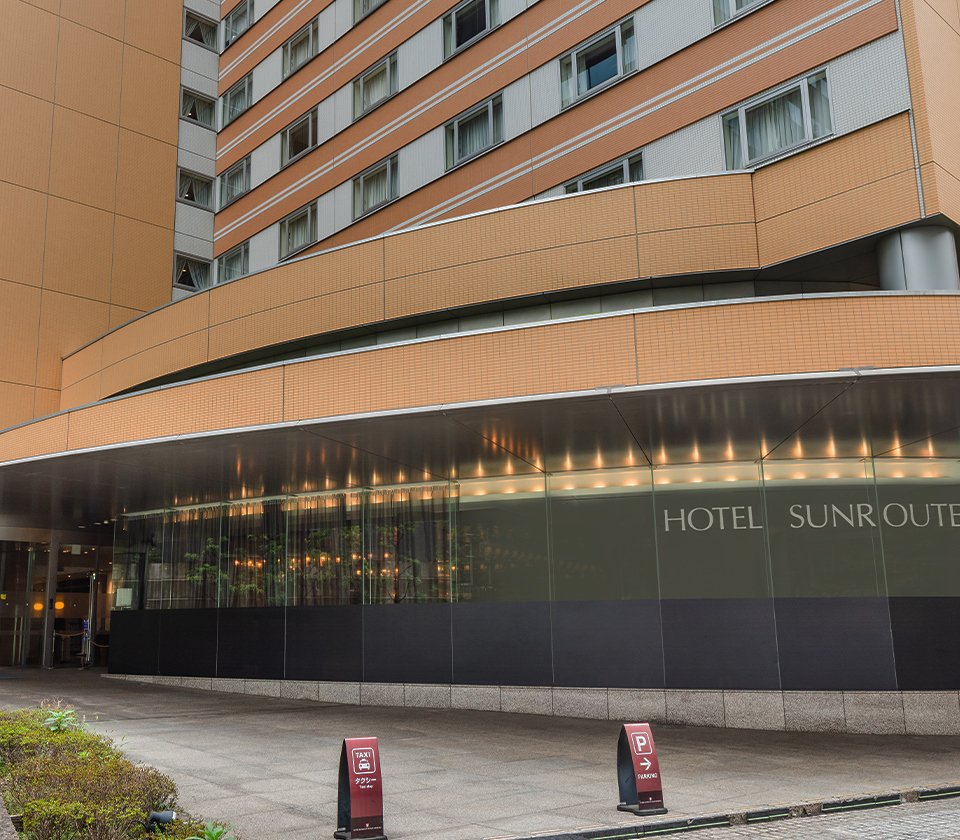
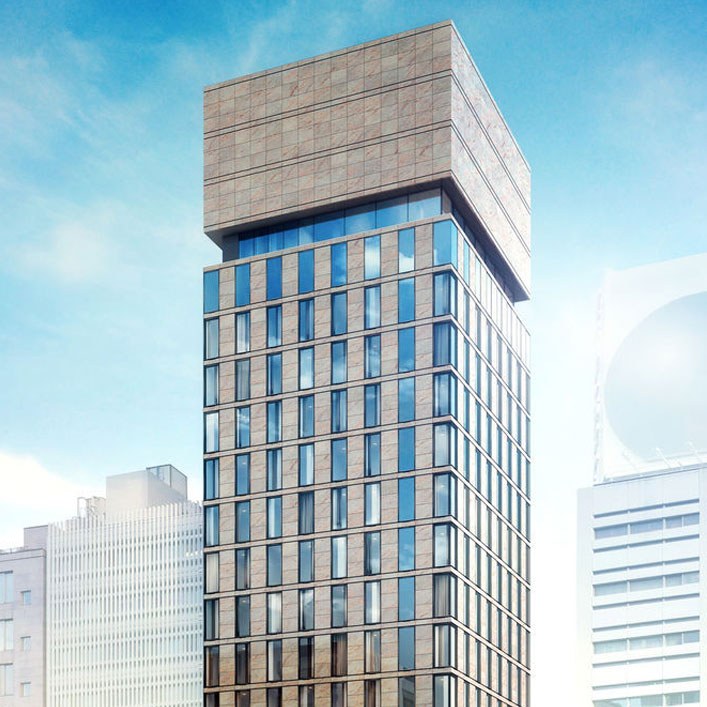
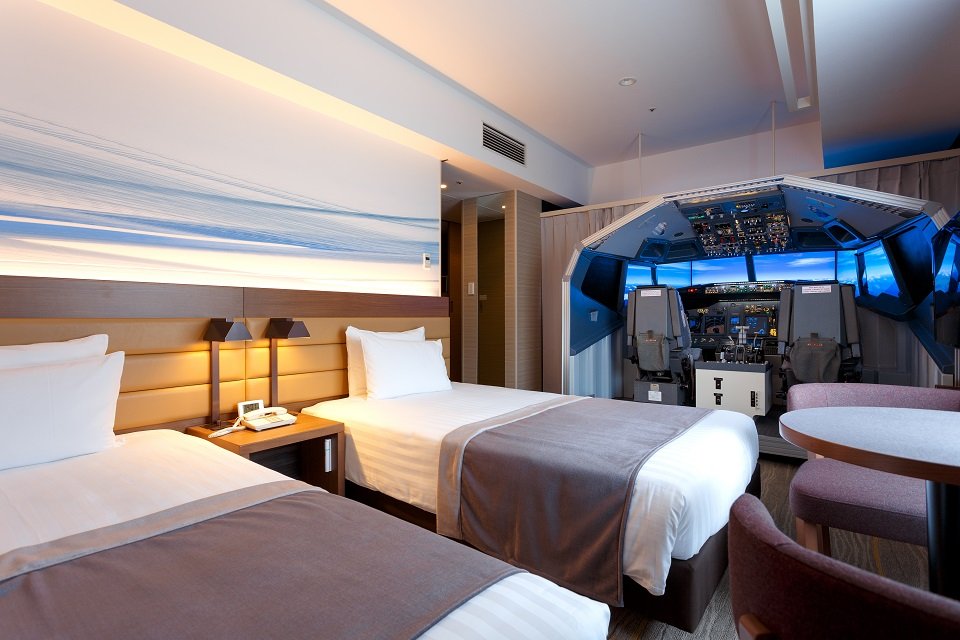
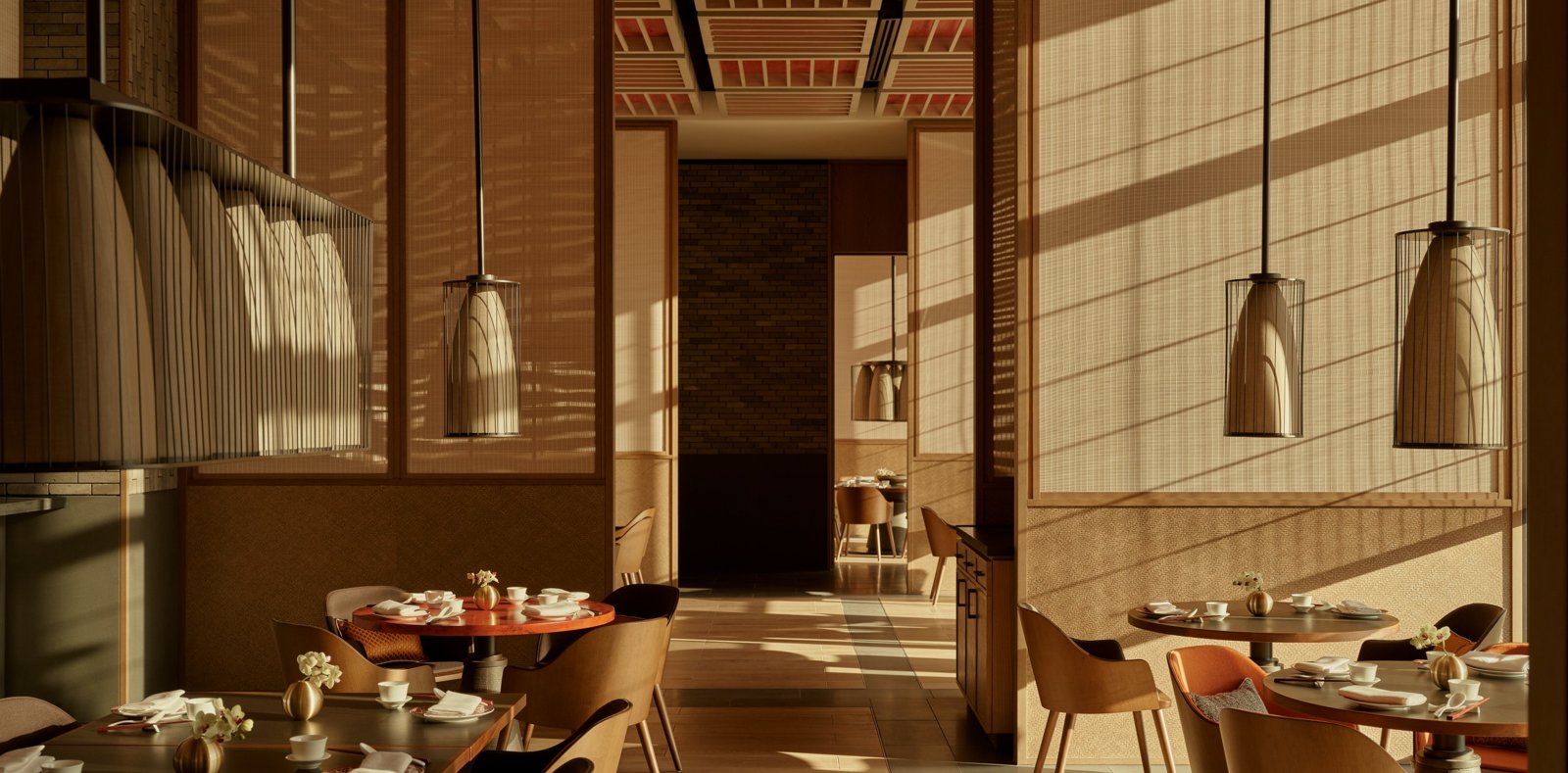
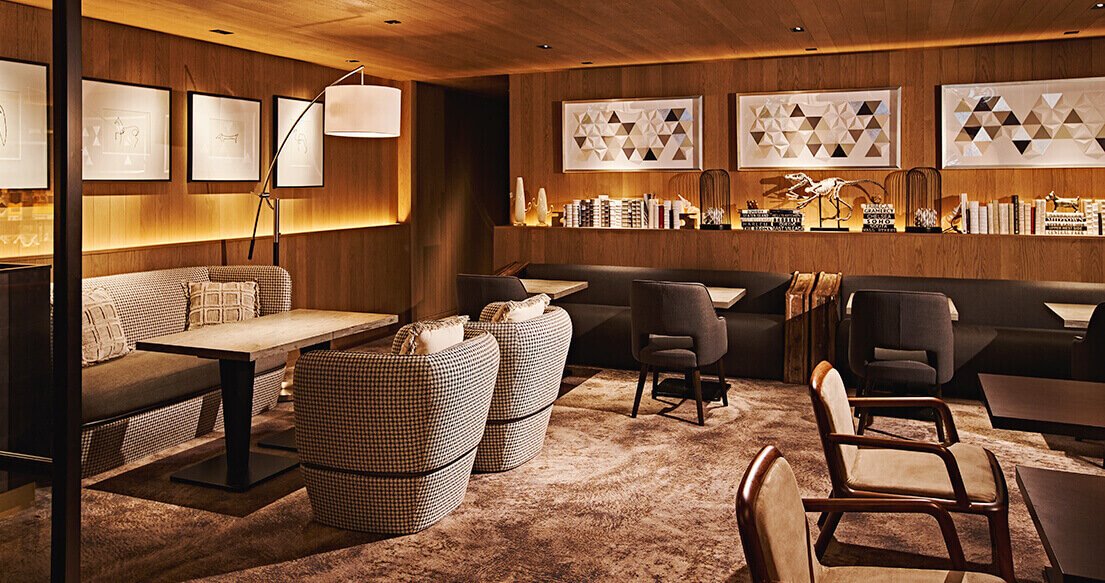
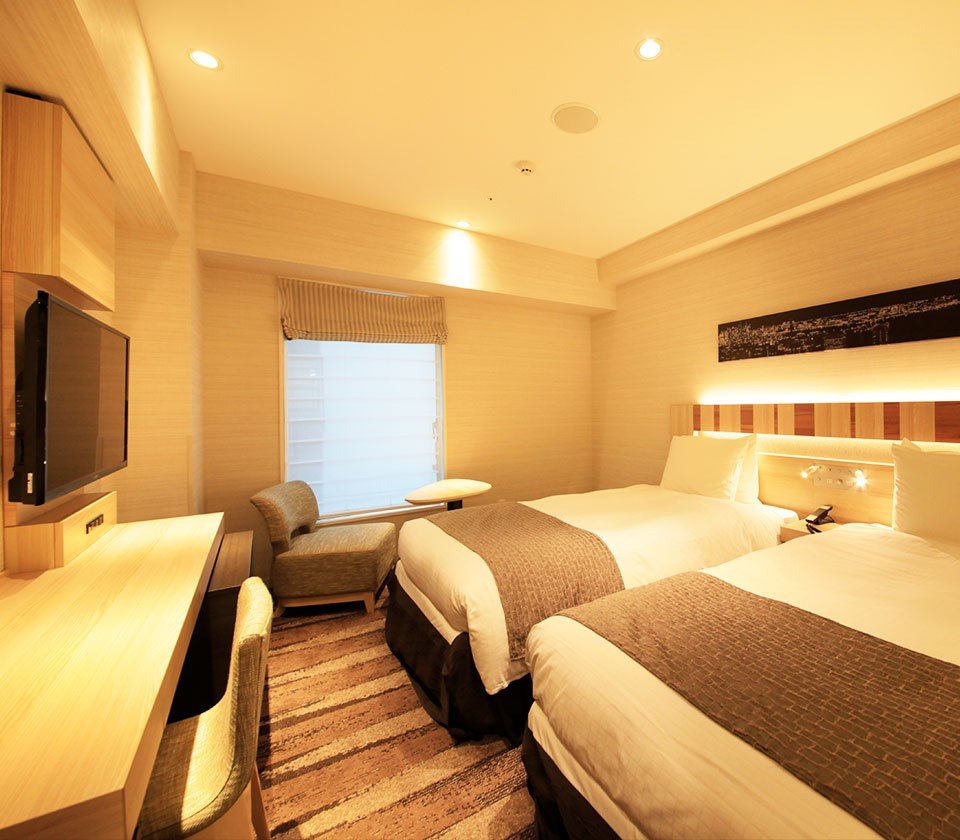
Sunroute's design language sits firmly in the functional business-hotel register that Japanese mid-market chains have refined over decades: clean lines, compact rooms, efficient layouts. The physical space is unlikely to be a reason you book, but it is unlikely to actively disappoint either. Rooms are small by Western standards, which is the norm across this price tier in Tokyo, and the overall feel is tidy rather than characterful. If design and atmosphere are central to your stay, you will get considerably more from Andaz Tokyo or Bellustar Tokyo. What the Sunroute format does well is deliver a calm, orderly environment: no cavernous lobbies, no scene-making bar crowds, just a clean base from which to explore the city.
Location
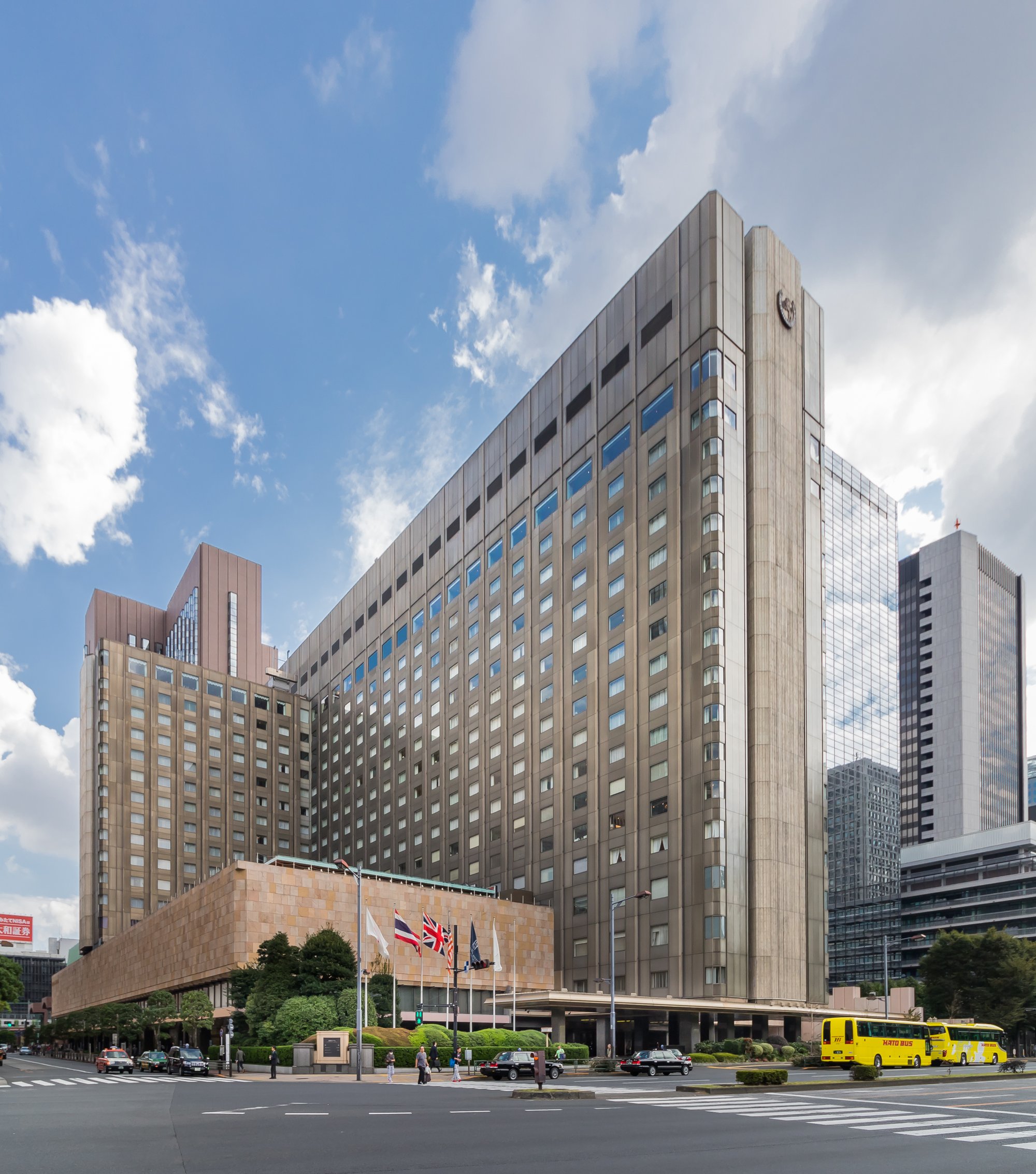
The address at 1 Chome-15-11 Ginza puts you in the heart of a neighbourhood that concentrates department stores, galleries, high-end dining, and the Tsukiji outer market within a short walk. For first-time visitors to Tokyo who want central access without commuting overhead, this is a genuinely strong position. Ginza is also well connected by metro to Shibuya, Shinjuku, and Asakusa, which makes it a practical base for broader city exploration. Check our full Tokyo restaurants guide and our full Tokyo hotels guide to calibrate where this fits in the city's wider offering.
Ideal time to visit
Spring (late March to early May) and autumn (October to mid-November) are the peak seasons for Tokyo, when cherry blossoms and autumn foliage draw the largest crowds and push prices up across the city. If you want the Ginza location at its most manageable, aim for January through February or late June, when occupancy tends to ease and rates across mid-range properties typically soften. Summer humidity in Tokyo is significant, which affects how much you'll want to walk between Ginza's attractions, factor that into your planning.
For broader Tokyo inspiration, see the Tokyo bars guide, the Tokyo experiences guide, and the Tokyo wineries guide. If you're planning a wider Japan trip, consider pairing with HOTEL THE MITSUI KYOTO, Gora Kadan in Hakone, or Amanemu in Mie for a contrast in setting and scale.
Quick reference: Ginza address, mid-range price tier, leading avoided during cherry blossom peak if budget is a concern.
The take
The Vibe
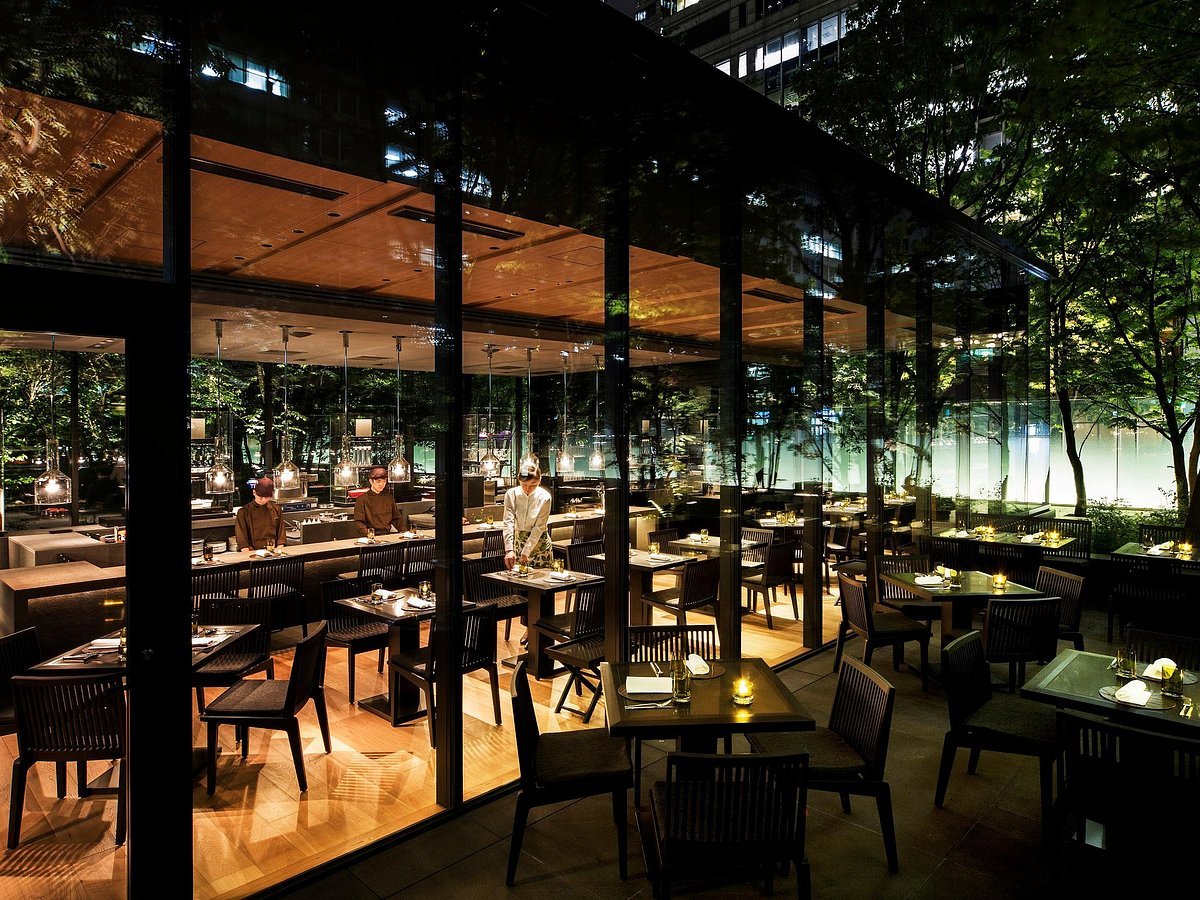
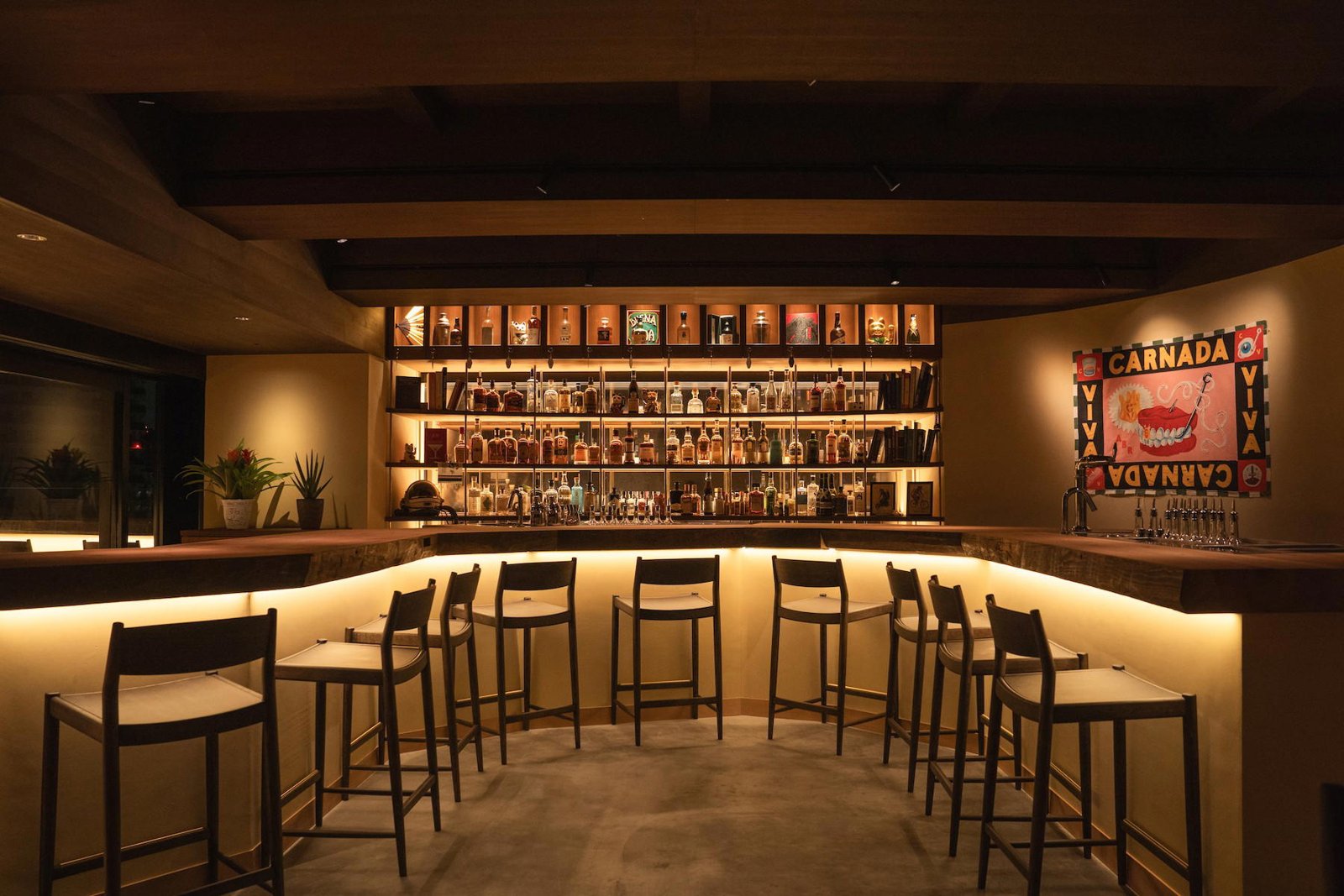
Hotel Sunroute Ginza reads as a practical, business‑focused stay in the southern stretch of Ginza. It sits squarely in Tokyo’s mid‑market tier: efficient operations, compact rooms and a clear emphasis on location rather than on‑site luxury. Guests find a straightforward, no‑frills environment that serves as a sleep‑and‑transit base, trading the wellness offerings and extensive F&B programming of flagship hotels for a more accessible price point. The overall tone is pragmatic: convenient, functional and tuned to travellers who plan to spend most of their time exploring Ginza or using nearby transit hubs.
Best For
This hotel is best for travellers who prioritise location and value over extensive on‑property facilities. Its address puts guests within easy walking distance of Ginza’s retail corridors and close to the Shimbashi transit hub, making it a sensible pick for business travellers, short‑stay visitors and anyone using the city as a base for daytime exploration. It is less suited to guests seeking a hotel retreat with spa facilities, expansive dining programs or large guest rooms; instead, it reliably delivers a competent, centrally located place to sleep and move on from.
Stay Tips
Treat bookings here as practical logistics: secure your room early if you need to be in central Ginza or close to Shimbashi, since the property competes chiefly on location and price. Don’t expect in‑depth on‑site dining or wellness options: plan dinners at Ginza’s many restaurants and specialty counters instead. For travellers valuing easy transit connections, confirm proximity to the specific station or exit you plan to use, and if you’re staying for only one or two nights, opt for the smallest room category to reflect the hotel’s role as a compact, efficient base.
Venue details
Ambiance
Contemporary and bright with modern design elements; guests praise the clean, well-maintained spaces and efficient service in a vibrant urban setting.
Tags
Vibe
Best For
Experience
Amenities
Accessibility
About the Stay
- Rooms
- 165
- Check-in
- 14:00
- Check-out
- 11:00
- Property Type
- Design hotel
- Property Style
- Contemporary Urban Hotel with Modern Japanese Influenced Design
- Design Style
- Modern Minimalist with Japanese Aesthetic Touches; Clean Lines and Innovative Bathroom Design
- Families
- Welcome
Alternatives to Hotel Sunroute Ginza
- Bvlgari Hotel Tokyo: Notable alternative
- Aman Tokyo: Notable alternative
- Four Seasons Hotel Tokyo at Otemachi: Notable alternative
- Palace Hotel Tokyo: Notable alternative
- Andaz Tokyo: Notable alternative
Against Tokyo's top-tier options, Hotel Sunroute Ginza competes on location and price rather than experience. Bvlgari Hotel Tokyo and Aman Tokyo are in a different category entirely: both justify rates many times higher through design, service, and F&B depth. If your budget stretches to luxury, Four Seasons Hotel Tokyo at Otemachi and Palace Hotel Tokyo both offer more considered rooms, stronger concierge support, and more memorable in-hotel experiences at a mid-luxury price point.
For travellers who want personality without the full luxury price, Andaz Tokyo is the more interesting mid-market alternative: the design is sharper, the rooftop bar adds genuine value, and the Toranomon location is nearly as useful as Ginza for metro access. Sunroute makes sense if you want to spend the least possible to sleep in Ginza itself, and plan to be out of the hotel from early morning until late evening.
For a wider Tokyo stay comparison and options across all price tiers, see our full Tokyo hotels guide. If you're considering other Japan destinations, Benesse House in Naoshima and Zaborin in Kutchan represent the kind of design-led stays that Sunroute does not attempt to replicate.
Questions
What is check-in like at Hotel Sunroute Ginza?
Expect a straightforward, efficient process typical of Japanese business-hotel chains: front desk check-in, clear signage, and minimal fuss. Sunroute operates in the functional mid-market register, so service is attentive and professional without the white-glove theatre of Ginza's luxury alternatives.
When is the best time to book Hotel Sunroute Ginza?
Book late March to early May for cherry blossom season, or October to mid-November for autumn foliage: both peak periods when Tokyo hotels fill fast across every category. If you want lower rates and more flexibility, July to August is quieter but humid, and January to February offers the best availability. For peak periods, book at least six to eight weeks out.
Do loyalty programs work at Hotel Sunroute Ginza?
Sunroute operates its own loyalty scheme rather than participating in major international programs like Marriott Bonvoy or IHG One Rewards. If you stay frequently across Japan's Sunroute properties, the in-house program offers incremental value. For occasional Tokyo visitors, the loyalty angle is not a strong reason to choose this property over alternatives.
Which room category is best at Hotel Sunroute Ginza?
Rooms at Japanese mid-market business hotels in this tier tend to be compact by Western standards, so prioritise a higher floor for less street noise if that matters to you. Standard double or semi-double rooms are the practical choice for solo travellers or couples; twin configurations suit most business travellers.
How does Hotel Sunroute Ginza compare to nearby hotels?
Against luxury options like Aman Tokyo or Bvlgari Hotel Tokyo, Sunroute competes on location access rather than amenities or service depth. For travellers who want a Ginza address primarily as a base for exploring the city, Sunroute delivers the neighbourhood at a fraction of the cost. If in-hotel dining, spa facilities, or premium service are priorities, the gap between Sunroute and the area's five-star properties is substantial.