


Gora Kadan
Gora, Hakone
Hotel in Hakone, Japan
 Book with Pearl
The Read
Imperial Ryokan Precision
Why go
Gora Kadan is the Hakone splurge to prioritize when the ryokan stay is the main event, not just a place to sleep. Its Gōra address, high-recognition profile, and calm resort feel make the premium easier to justify for special occasions, but value-focused travelers should compare it with Hakone Gora Karaku, Fufu Hakone, or Hotel Indigo Hakone Gora before committing.
About Gora Kadan
Gora Kadan in Hakone is best evaluated as a premium stay with smart-casual dress expectations and notable outside recognition, including Michelin 3 Keys (2024), La Liste Top Hotels (2026) at 94.5 points, and a Relais Chateaux Award (2026). Travelers should be careful not to assume specific services, amenities, dining formats, room details, or hotel-style perks unless they have confirmed them directly for their dates.
The value question is therefore direct: Gora Kadan makes the most sense for travelers who want a highly regarded Hakone property and are comfortable paying for that level of recognition. It is harder to justify if the decision depends on specific requirements such as a particular meal format, wellness facility, room configuration, loyalty benefit, or service style.
Why the Hakone setting matters for value
Hakone is a destination where the stay itself can be a major part of the trip. For that kind of itinerary, outside recognition can help reassure guests that Gora Kadan belongs in a premium consideration set. The awards do not prove that it is the right fit for every traveler, but they do support treating it as a serious splurge rather than a generic accommodation choice.
The trade-off is that no single accolade answers every practical question a guest may care about. Travelers comparing it with Hotel Indigo Hakone Gora should confirm the differences that matter most to them directly, especially if they are deciding based on amenities, loyalty benefits, room type, dining, or flexibility rather than overall recognition.
Who should pay the premium
Pay up if your priority is a recognized premium stay in Hakone and the accolades matter to your decision. Michelin 3 Keys (2024), La Liste Top Hotels (2026) at 94.5 points, and a Relais Chateaux Award (2026) are the strongest reasons to keep Gora Kadan on a short list.
Cross-shop if your decision depends on a different hotel style or a more specific set of features. Hakone Gora Karaku, Fufu Hakone, Hakone Kowakien Tenyu, Hotel Indigo Hakone Gora, and Nazuna Hakone Miyanoshita are reasonable nearby names to consider, but each should be evaluated on its own details rather than assumed to offer the same kind of stay.
The decision is simple: choose Gora Kadan when a recognized Hakone property is worth the premium to you. If the stay needs to satisfy specific requirements, confirm those details before booking rather than relying on assumptions.
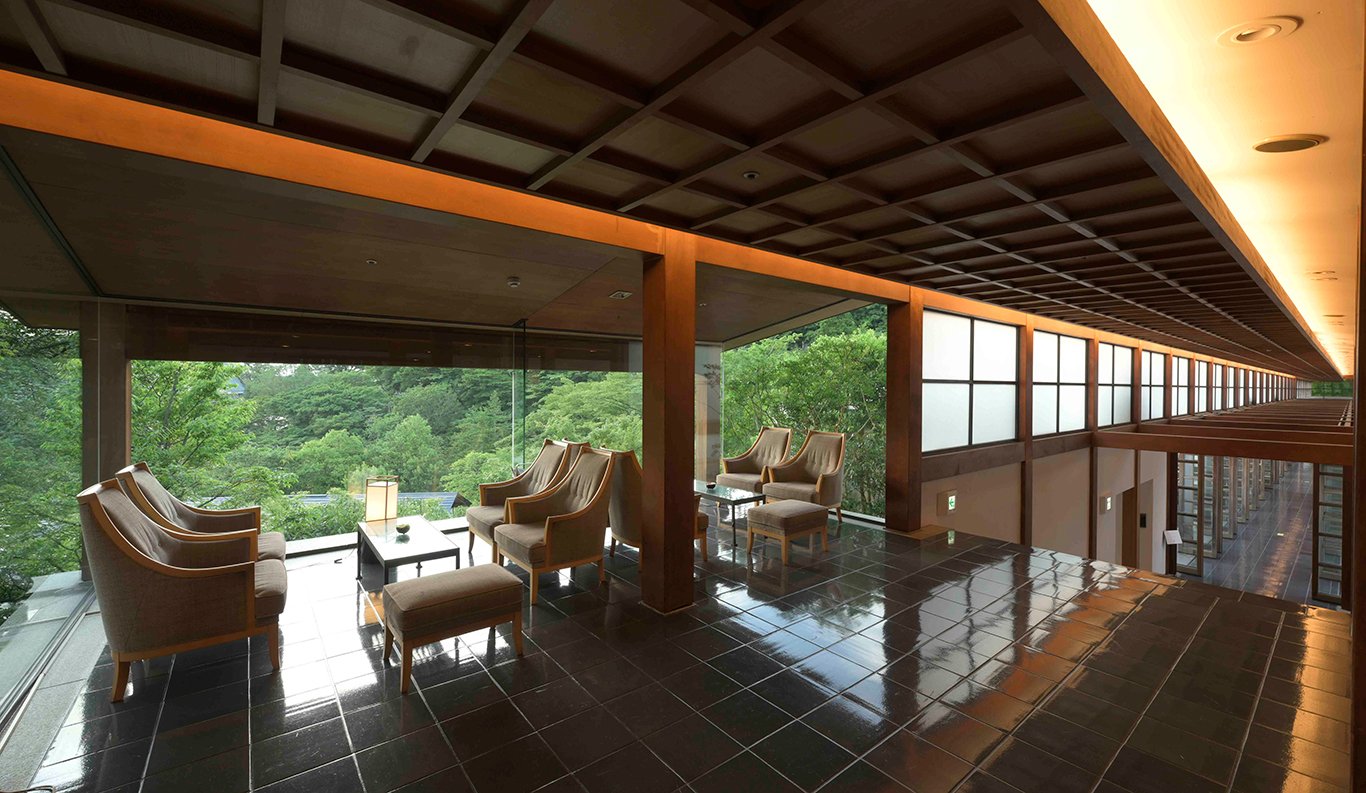
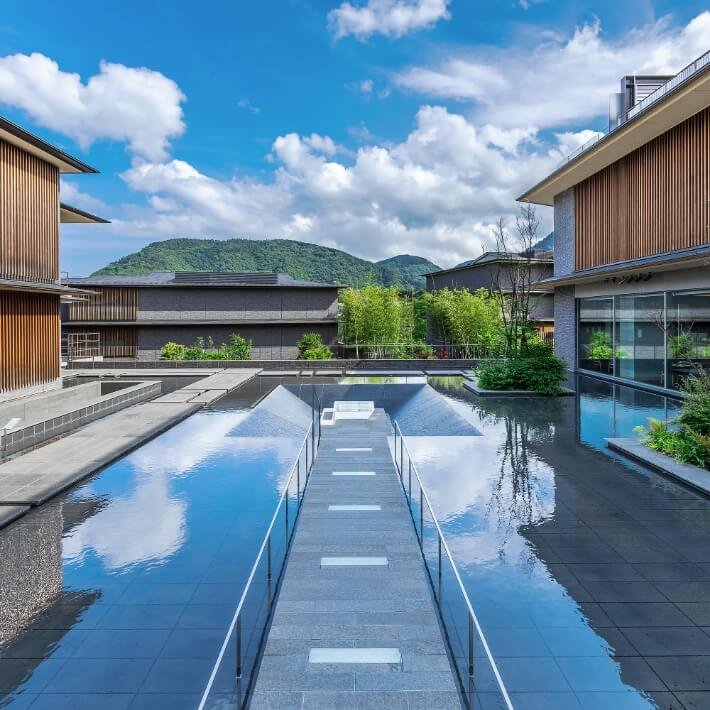
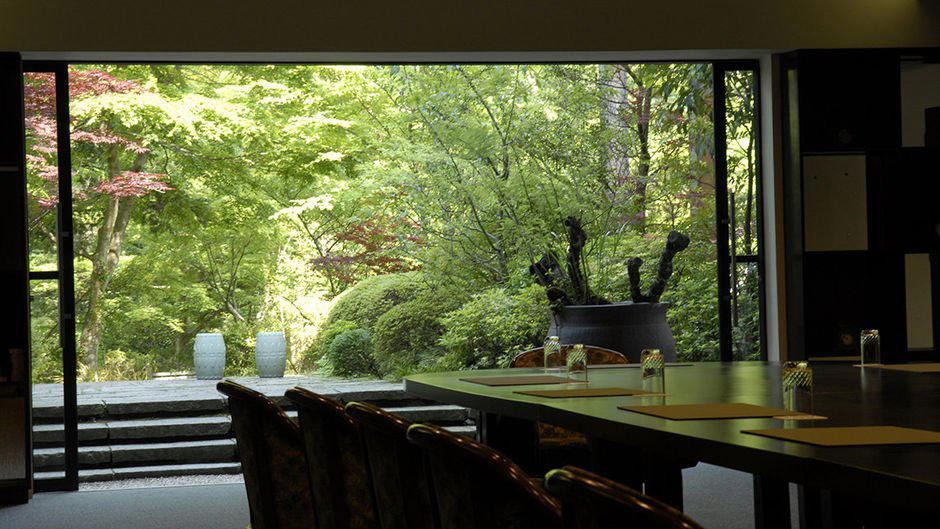
Inside Gora Kadan
Planning details
- Location
- 1300 Gōra, Hakone, Ashigarashimo District, Kanagawa 250-0408
- Website
- gorakadan.com/hakone
- Phone
- +81 120-131-331
The take
The Take
The Vibe
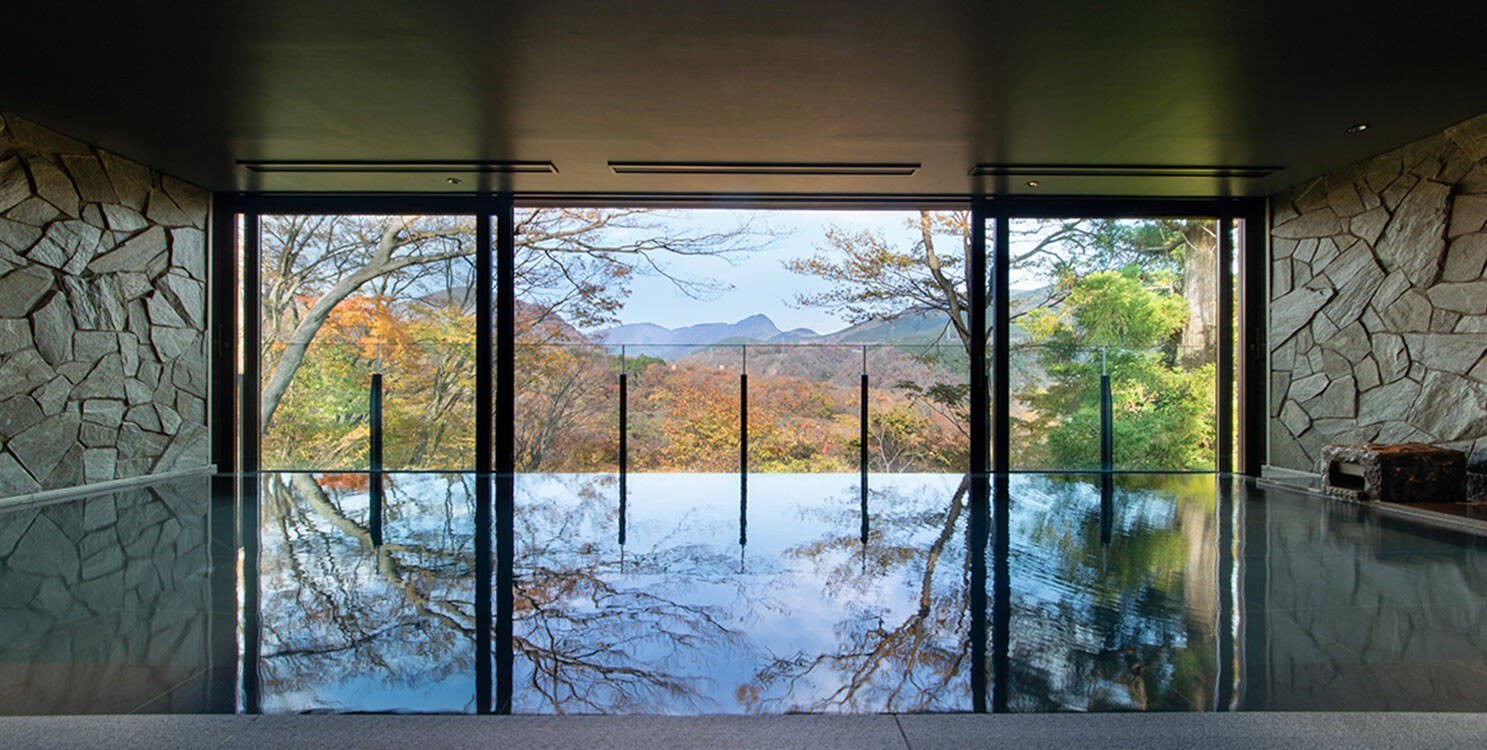
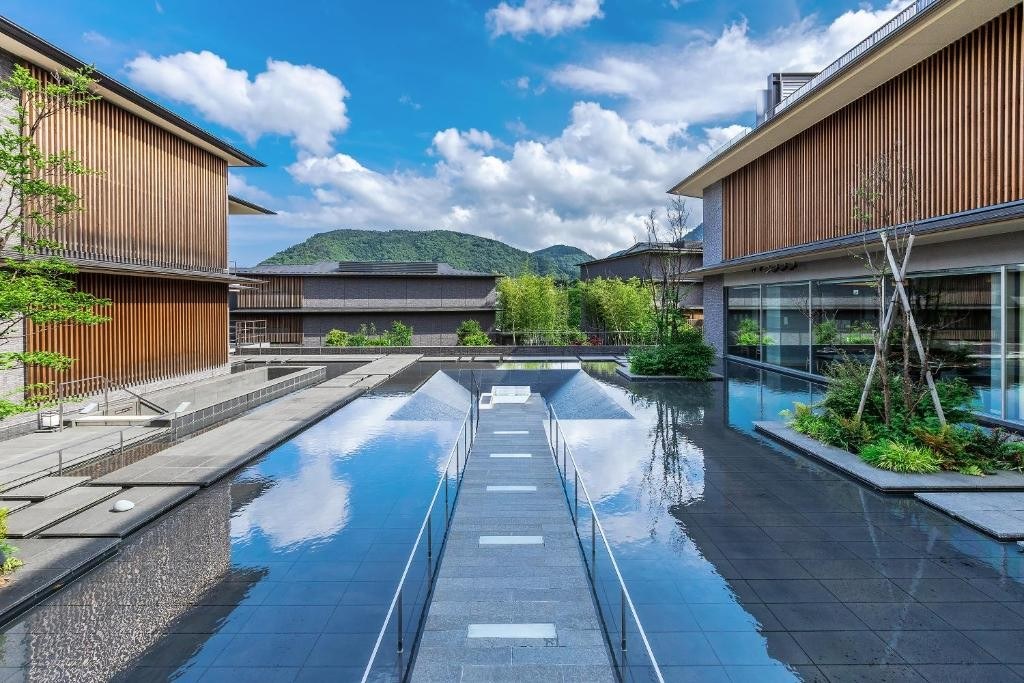
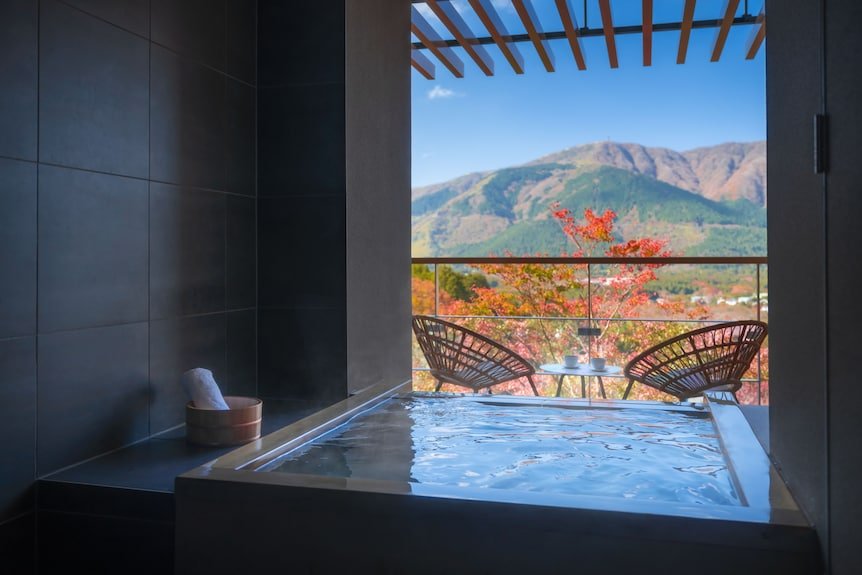
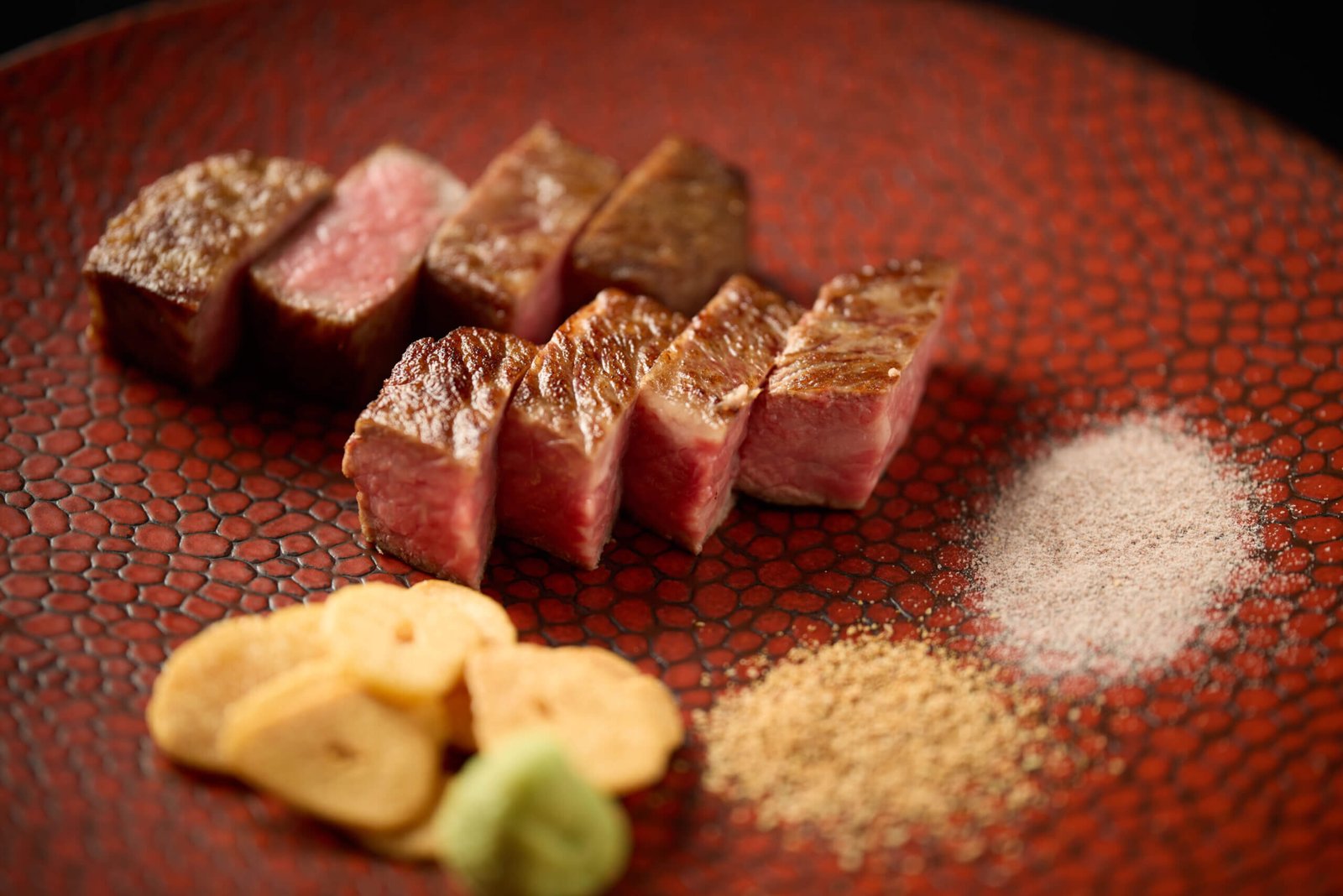
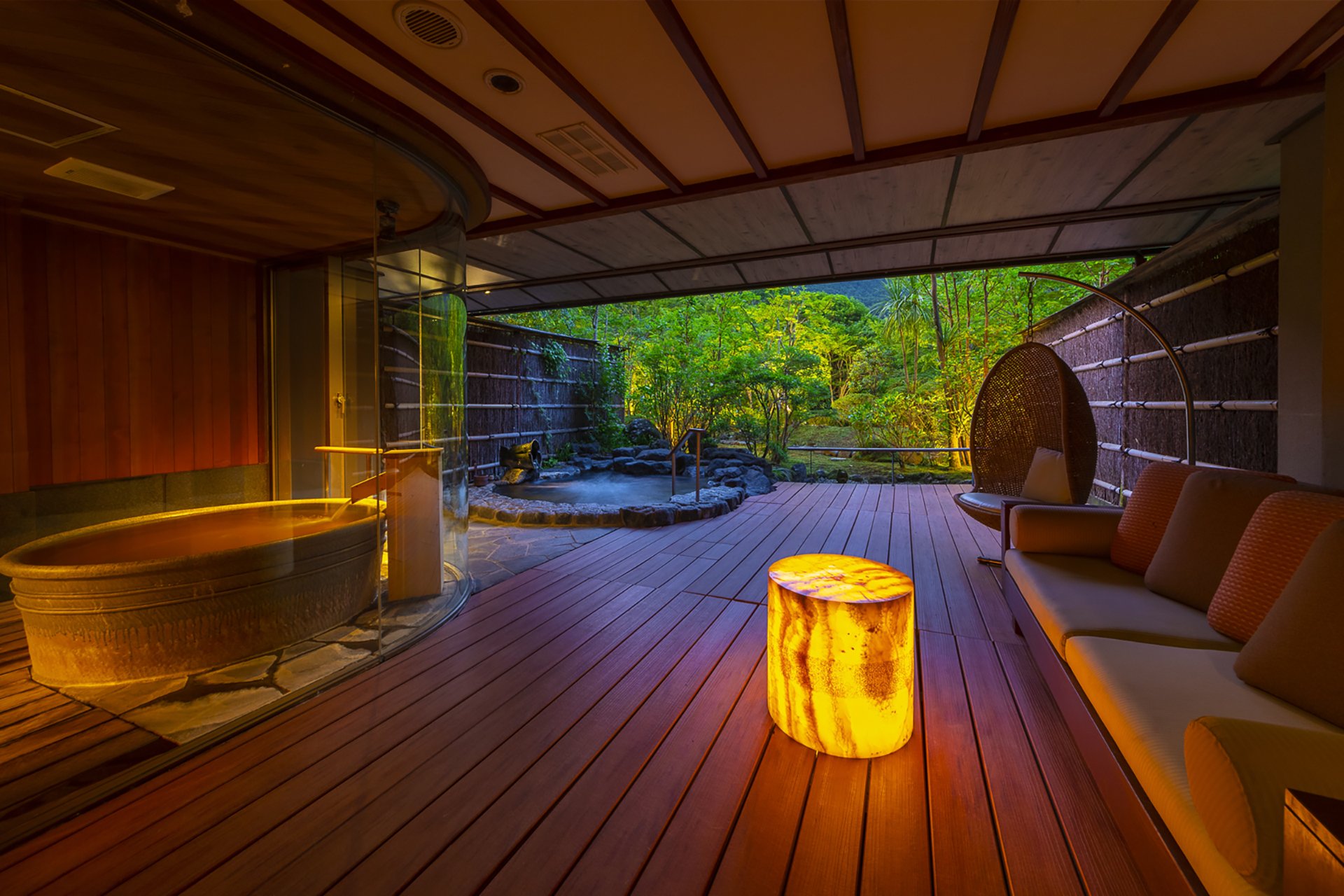
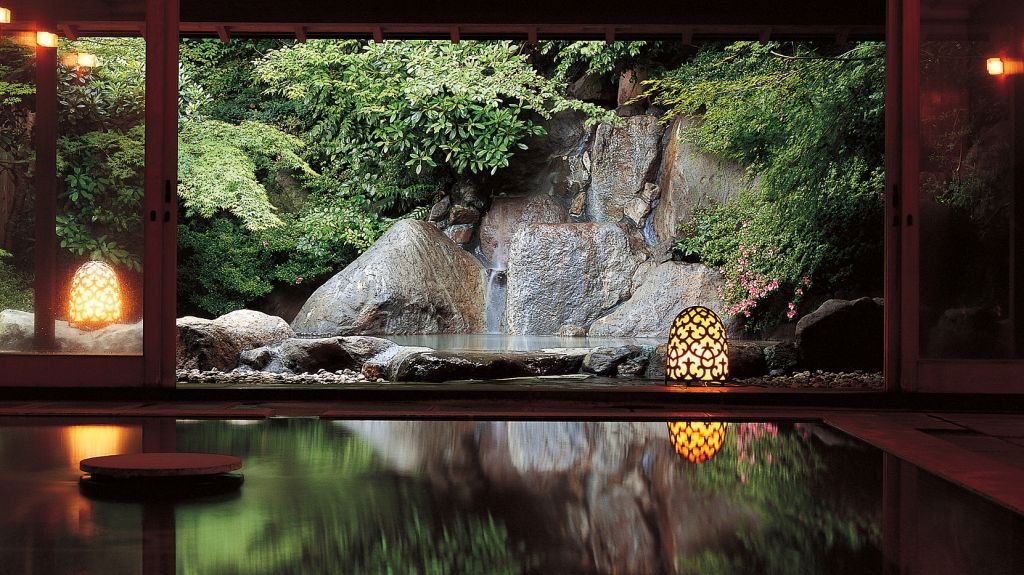
Gora Kadan operates as a refined Japanese ryokan where restraint and the landscape do most of the work. The hotel’s modest scale—41 rooms—keeps service intimate and unobtrusive, and common areas are deliberately sited to frame views of the Hakone hills rather than compete with them. The property’s imperial association lends a formal, quietly historic air: rock‑shaped outdoor baths and thoughtful proportions feel less like hotel amenities than parts of an extended private residence. Guests encounter a disciplined calm where seasonal food and thermal water shape the daily rhythm, and staff prioritize thoughtful silence over conspicuous attention.
Best For
This is a destination for travelers seeking a removed, restorative experience rather than urban flash. Couples on a romantic getaway or honeymoon, travelers celebrating an anniversary, and anyone after a wellness‑focused break will appreciate the emphasis on thermal bathing, seasonal cuisine and discreet service. The setting inside Fuji‑Hakone‑Izu National Park creates a clear buffer from Tokyo—arrivals by the Hakone Tozan Line reinforce that sense of distance—so it’s especially well suited to those who want to slow down, step into nature and rely on the hotel to curate a quietly ceremonial stay.
Stay Tips
Plan logistics around the hotel’s remote, park setting: the Hakone Tozan Line stops about 400 metres from the entrance and the rack railway journey helps set the tone of removal from Tokyo. Expect on‑site experiences to center on bathing and multi‑course seasonal meals; allocate time in your schedule for outdoor baths and the hotel’s dining rather than trying to sightsee extensively on arrival day. Service is deliberately restrained, so let staff guide timing for meals and baths if you want a seamless, low‑intervention stay.
Venue details
Ambiance
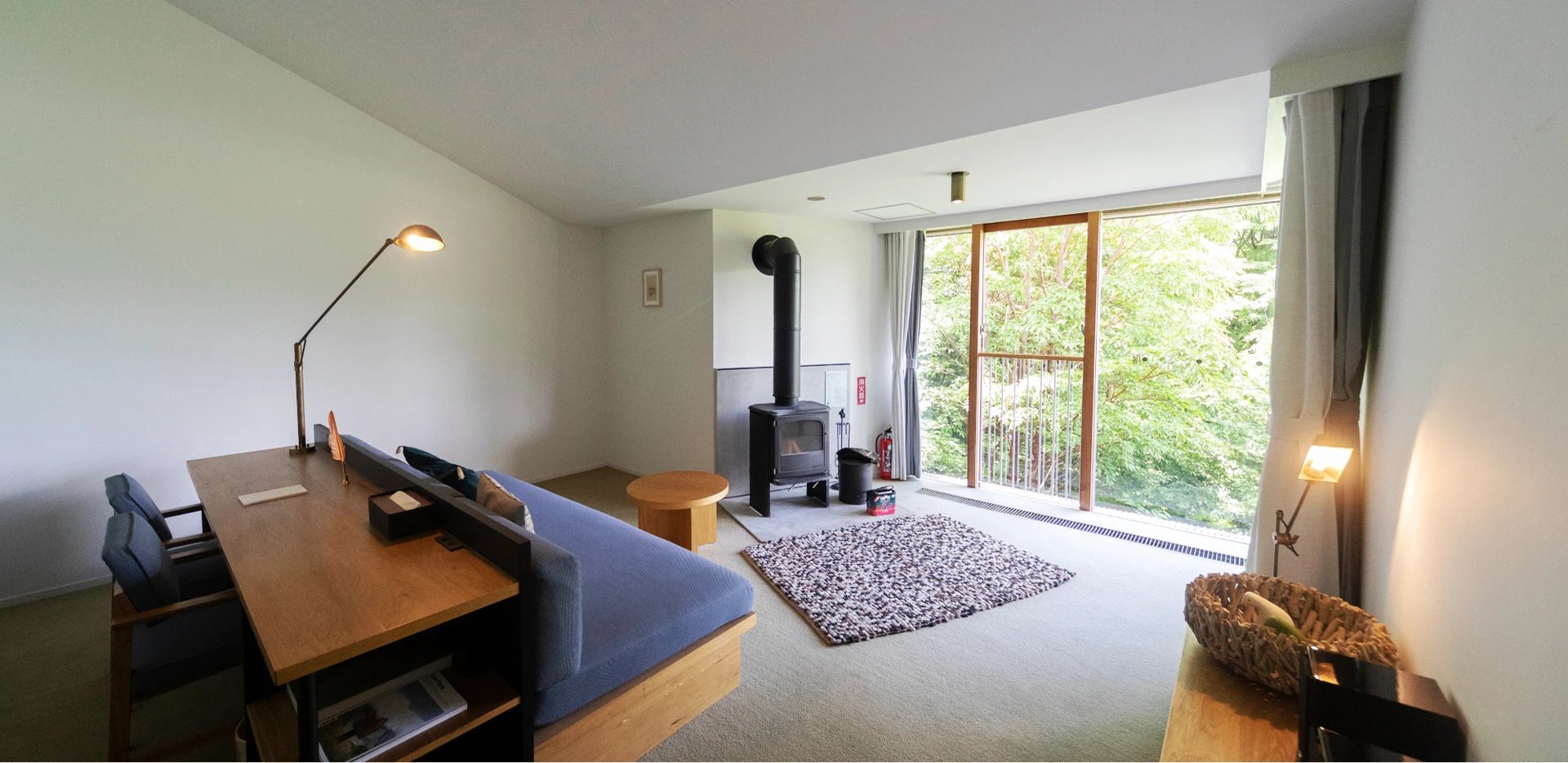
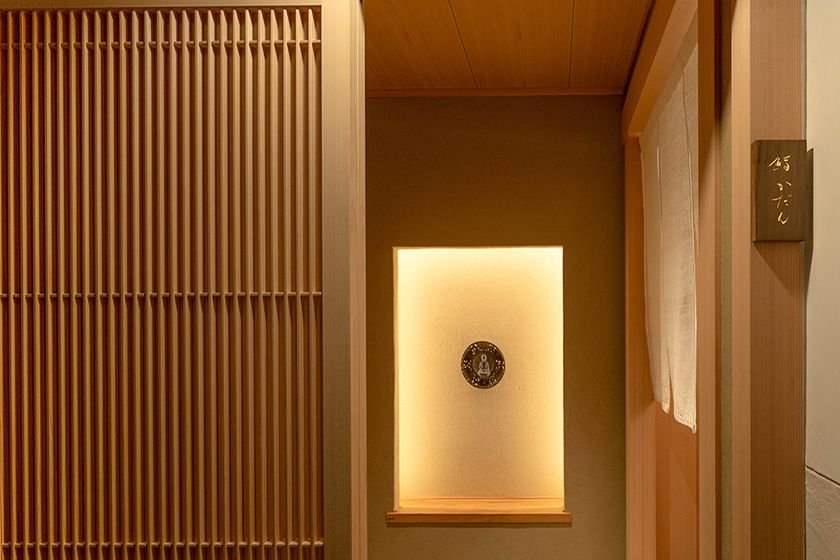
Serene and traditional Japanese atmosphere with tatami rooms, shoji screens, garden views, and relaxing onsen lighting.
Tags
Vibe
Best For
Experience
Amenities
View
Accessibility
About the Stay
- Rooms
- 39
- Check-in
- 15:00
- Check-out
- 11:00
- Property Style
- Traditional Japanese Ryokan with Modern Luxuries
- Design Style
- Tatami Flooring, Shoji Screens, Individually Decorated with Natural Elements
Know before you go
Know Before You Go
- Getting there
- 1300 Gōra, Hakone, Ashigarashimo District, Kanagawa 250-0408
Planning details
Location
1300 Gōra, Hakone, Ashigarashimo District, Kanagawa 250-0408 · Directions
Recognition and awards


Also consider
Also Consider
- Hakone Gora Karaku, Notable alternative
- Hotel Indigo Hakone Gora, Notable alternative
- Nazuna Hakone Miyanoshita, Notable alternative
- Fufu Hakone, Notable alternative
- Hakone Kowakien Tenyu, Notable alternative
Hotel context
How it compares in Hakone
Hakone Gora Karaku is the cleaner cross-shop for travelers who want a polished Hakone luxury stay with a more contemporary resort feel. Gora Kadan is the stronger call when the ryokan atmosphere and formal recognition matter more than broad hotel-style familiarity. For a value-seeker, Karaku may feel easier to justify if the priority is comfort and convenience; Gora Kadan makes more sense when the stay itself is the reason for the trip.
Hotel Indigo Hakone Gora is the practical alternative if brand familiarity, a more casual mood, and easier planning outweigh the desire for a traditional ryokan experience. It is the safer pick for travelers who want Hakone without committing to the full high-end ryokan format. Gora Kadan is harder to secure and more occasion-driven, but it offers a more serious sense of place.
Nazuna Hakone Miyanoshita is the one to compare for intimacy, while Fufu Hakone suits travelers who want luxury with a softer modern-resort feel. Hakone Kowakien Tenyu is the broader resort-style option. Choose Gora Kadan when ambiance, recognition, and the Gōra setting outweigh ease of booking and simple value math.
Explore Hakone
Around this place
Discover more on Pearl
Unlock the full Gora Kadan guide in Pearl, including awards, comparisons, FAQs, planning details, and nearby places.
Compare Gora Kadan
| Venue | Location | Awards |
|---|---|---|
| Gora Kadan | Hakone | 2026 Relais Chateaux Hotels2026 La Liste Top Hotels2025 Relais Chateaux AwardMichelin 3 Keys 20252025 Michelin 3 Keys2024 Michelin 3 Keys |
| Hakone Gora Karaku | Hakone | 2025 Michelin 1 Key2024 Michelin 1 Key |
| Hotel Indigo Hakone Gora | Hakonemachi, Ashigarashimo Gun | No published awards |
| Nazuna Hakone Miyanoshita | Hakone | No published awards |
| Fufu Hakone | Hakone | 2025 Michelin 1 Key2024 Michelin 1 Key |
| Hakone Kowakien Tenyu | Hakonemachi, Ashigarashimo Gun | No published awards |

How Gora Kadan Hakone compares with similar nearby venues.
FAQ
Frequently Asked Questions
How does Gora Kadan compare to nearby hotels?
Gora Kadan stands out for outside recognition: Michelin 3 Keys (2024), La Liste Top Hotels (2026) at 94.5 points, and a Relais Chateaux Award (2026). Travelers can also compare Fufu Hakone, Hakone Gora Karaku, Hakone Kowakien Tenyu, Hotel Indigo Hakone Gora, and Nazuna Hakone Miyanoshita, but should compare the specific features they care about for each property.
What is check-in like at Gora Kadan?
When is the best time to book Gora Kadan?
Because Gora Kadan is a premium Hakone property with notable recognition, it is sensible to check availability early for important dates.
How is the dining at Gora Kadan?
Do loyalty programs work at Gora Kadan?
If points, status benefits, or member rates are important, confirm those details directly before booking or compare with another Hakone option such as Hotel Indigo Hakone Gora.