
Zaborin
Hanazono, Kutchan, Kutchan
Hotel in Kutchan, Japan
 Book with Pearl
The Read
Forest-Framed Ryokan Modernism
Why go
Zaborin is the right Kutchan pick for a quiet special-occasion stay where privacy matters more than resort buzz. Michelin 2 Keys in 2024 and a 2026 Mr & Mrs Smith Seal of Approval give it credible luxury signals, but booking is difficult, so keep SHIGUCHI, Park Hyatt Niseko Hanazono, and Sansui Niseko in reserve.
About Zaborin
Zaborin is a Kutchan venue with a concise profile, noting a smart casual dress code, Michelin 2 Keys recognition in 2024, and a Mr & Mrs Smith Seal of Approval in 2026. Specifics like cuisine, prices, room count, service format, amenities, or detailed location within Kutchan are not available.
Use Zaborin as a consideration for travelers who value its recognition. If you are comparing options, keep the comparison focused on available information rather than assuming a particular dining concept, activity setup, or resort style. Other names worth cross-shopping include Park Hyatt Niseko Hanazono, Muwa Niseko, Sansui Niseko, Nikko Style Niseko HANAZONO, and SHIGUCHI.
A Kutchan profile
Zaborin is in Kutchan. The recognition is meaningful: Michelin 2 Keys in 2024 and the Mr & Mrs Smith Seal of Approval in 2026. The dress code is smart casual.
Travelers should confirm operational details directly before booking. Exact address details, meal formats, prices, opening hours, family policies, loyalty benefits, transportation logistics, or room-specific features are not available.
Worth considering with the right expectations
The safest way to evaluate Zaborin is as a Kutchan option with recognition, not as a venue defined by unspecified specifics. If your decision depends on dining, children's logistics, work setup, accessibility, or a particular style of stay, confirm those details directly before committing.
For comparison, Park Hyatt Niseko Hanazono, Muwa Niseko, Sansui Niseko, Nikko Style Niseko HANAZONO, and SHIGUCHI may also be relevant depending on your trip needs. For dining beyond the venue itself, compare Zaborin with other Kutchan dining options generically rather than relying on any specific cuisine or menu claim.
The clean verdict: keep Zaborin on the shortlist for a recognized Kutchan venue, especially if Michelin 2 Keys recognition and the Mr & Mrs Smith Seal of Approval matter to your decision. Confirm all practical details directly before building a trip around it.
Planning details
- Location
- 76-4 Hanazono, Kutchan, Abuta District, Hokkaido 044-0084
- Website
- zaborin.com
- Phone
- +81 136-23-0003
The take
The Take
The Vibe
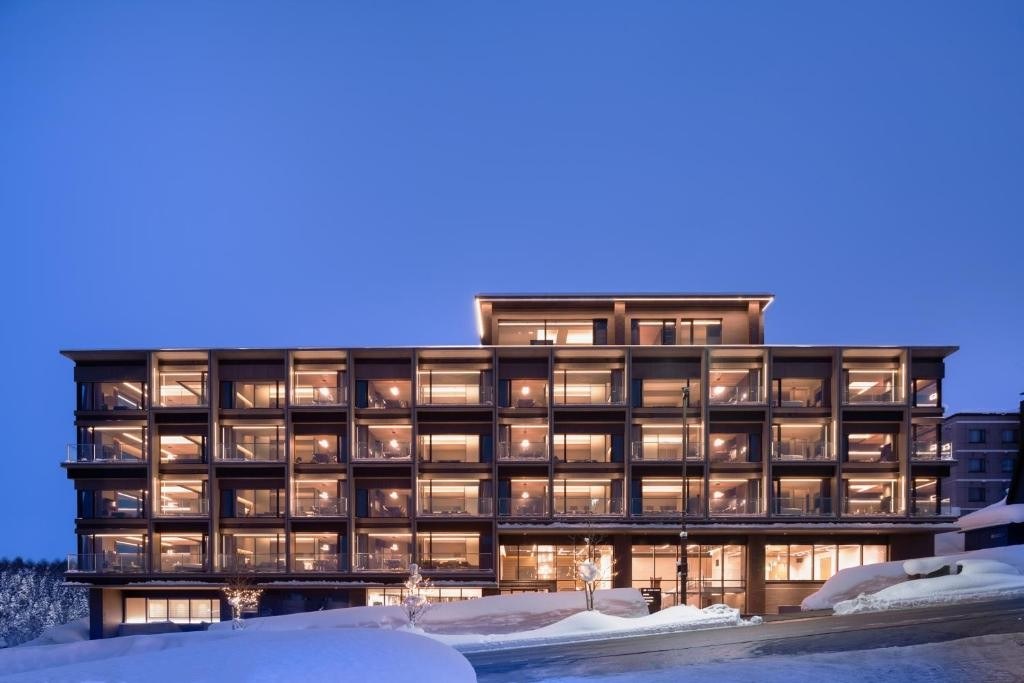
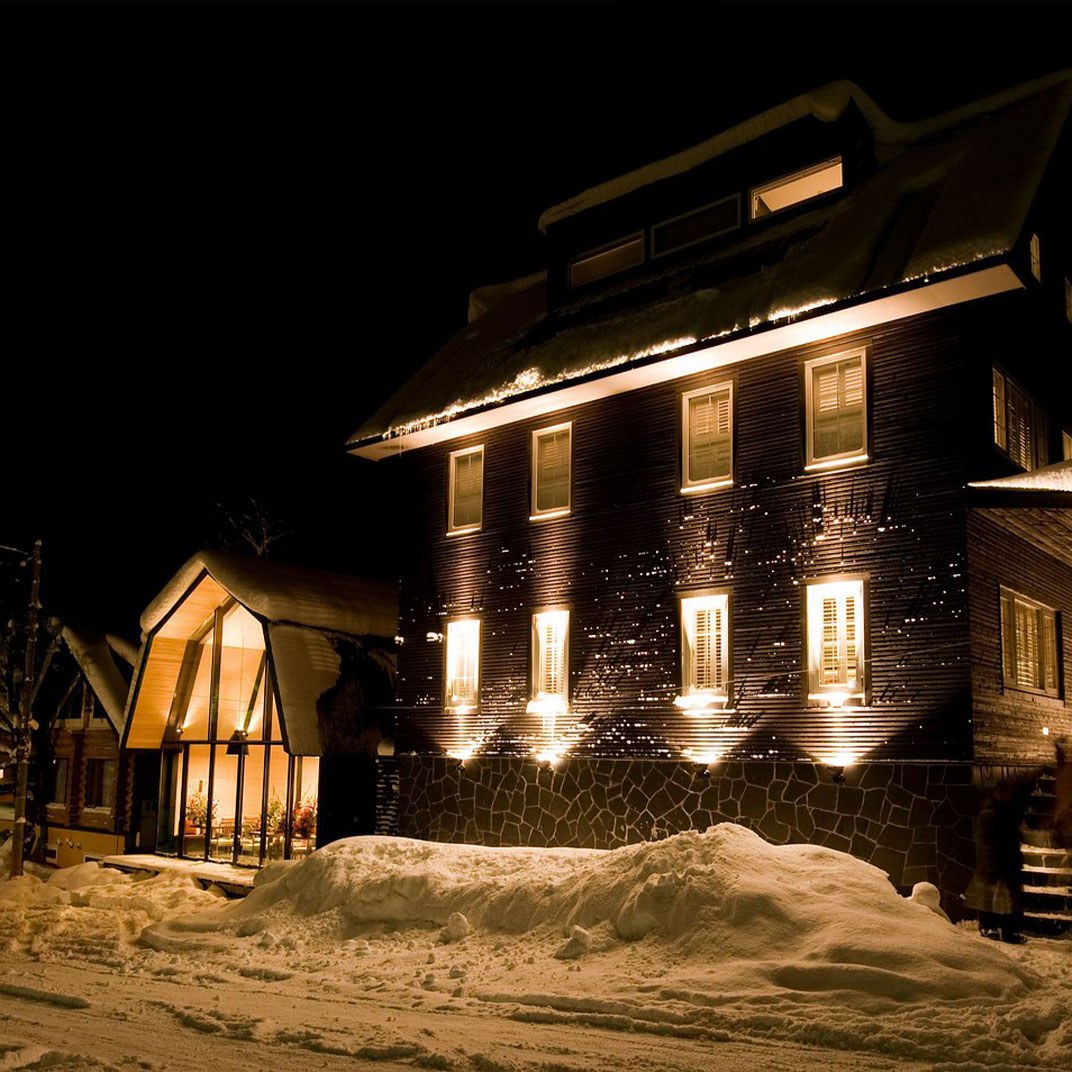
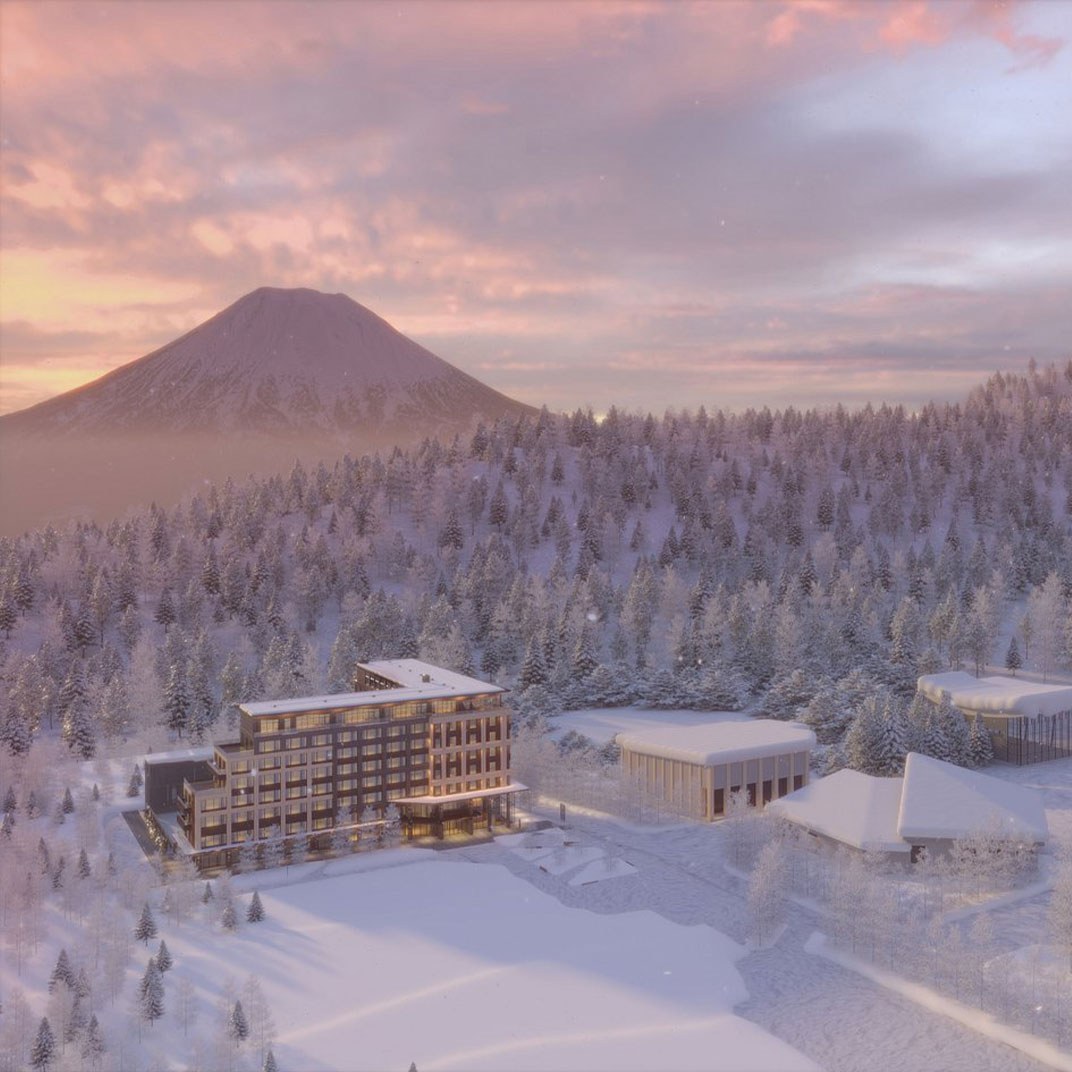
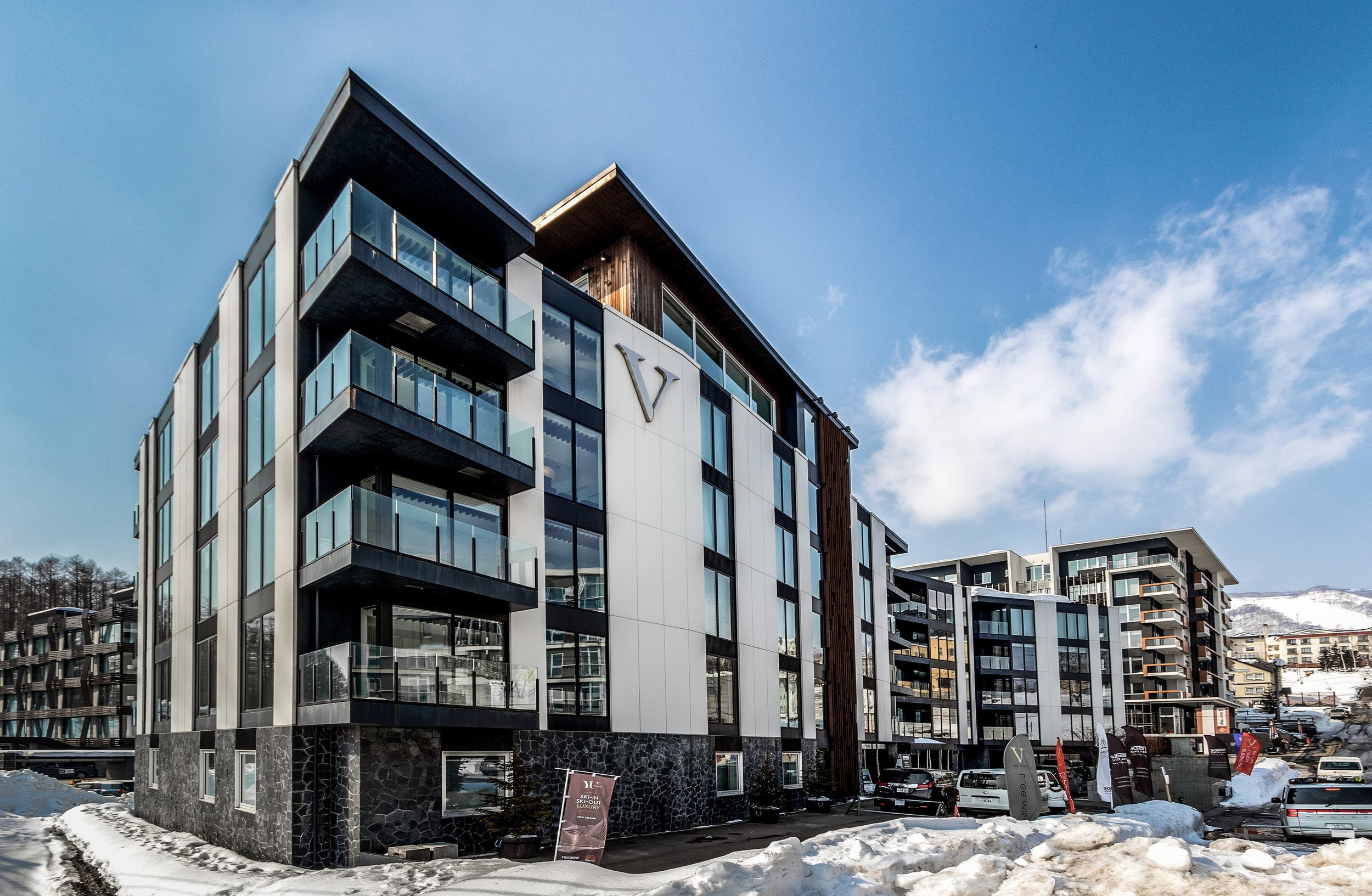
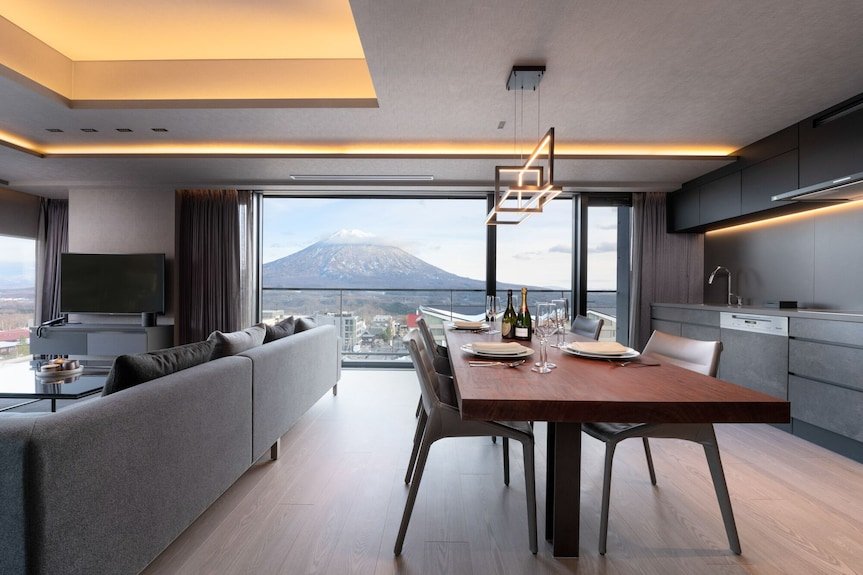
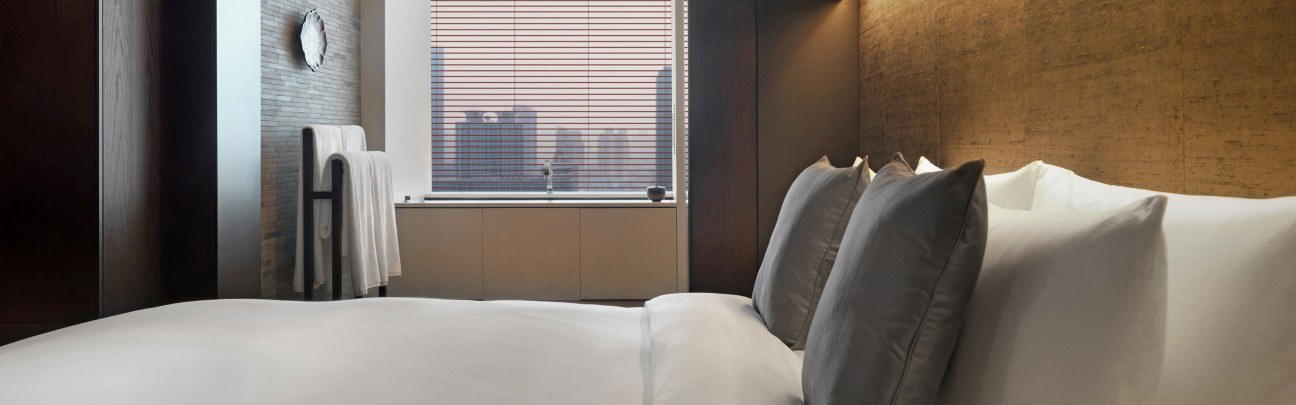
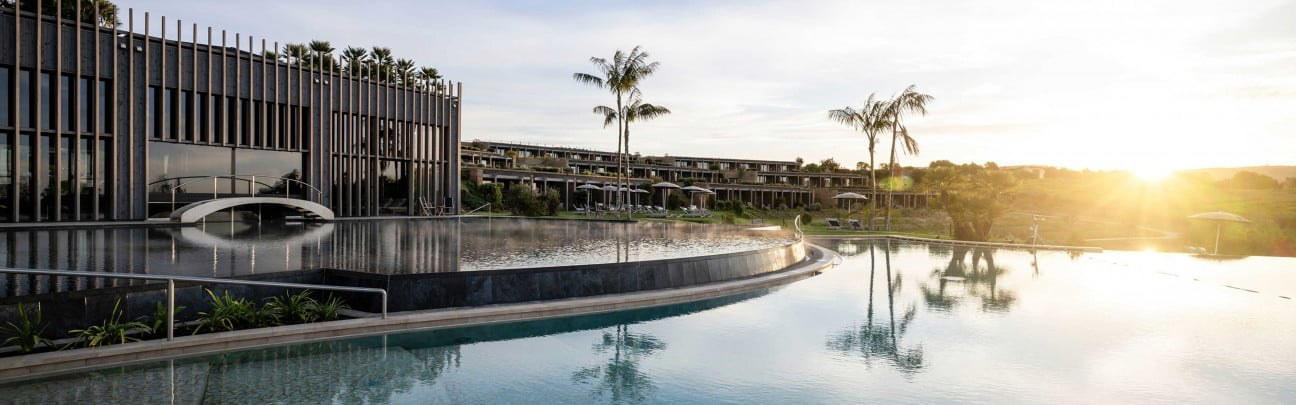
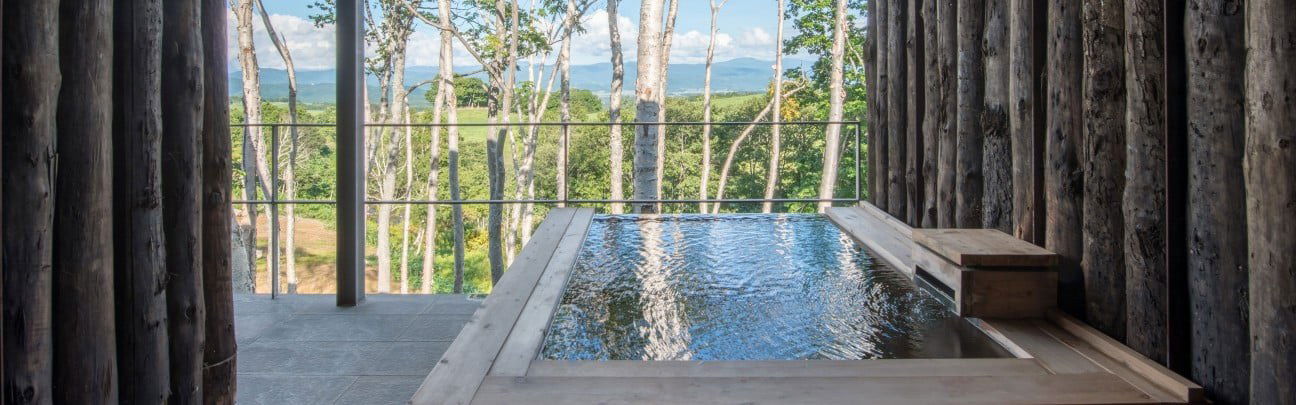
Zaborin places a contemporary ryokan in an intentionally framed forest setting, where architecture and landscape work together to quiet the world. Makoto Nakayama’s angular, considered building produces carefully composed sightlines: windows hold views of trees and walkways lead guests past stands of pines. The property emphasizes seclusion over spectacle, delivering a restrained, meditative atmosphere that invites lingering. Seasonal contrast is part of the appeal — heavy Hokkaido snow in winter gives way to a vivid, damp summer — and the overall effect is one of serene minimalism rather than overt showmanship.
Best For
Zaborin suits travelers who prize privacy and seasonal immersion without sacrificing access to Niseko’s infrastructure. It appeals to couples and small-party travelers seeking a quiet, design-forward ryokan for romantic getaways, anniversaries, honeymoons or wellness-focused stays; those uses are reinforced by the property’s secluded forest siting and measured architecture. The hotel also works for guests who want proximity to ski terrain but prefer to stay away from slope bustle—the Hanazono Forest location makes skiing an available option rather than the defining condition of the visit.
Stay Tips
Plan around seasons: book winter dates to experience heavy snowfall and a composed, snow-laden forest; choose summer for short, vivid greenery. Reserve early for peak ski season and holidays because the property’s seclusion and limited scale make availability tight. When booking, request rooms with the described sightlines or window-forward layouts if you want the framed-forest views called out in the design narrative. Expect a stay focused on quiet, contemplative time rather than resort-style animation, and arrange ground transfers ahead of arrival given the property’s forest setting outside the main resort corridor.
Venue details
Ambiance
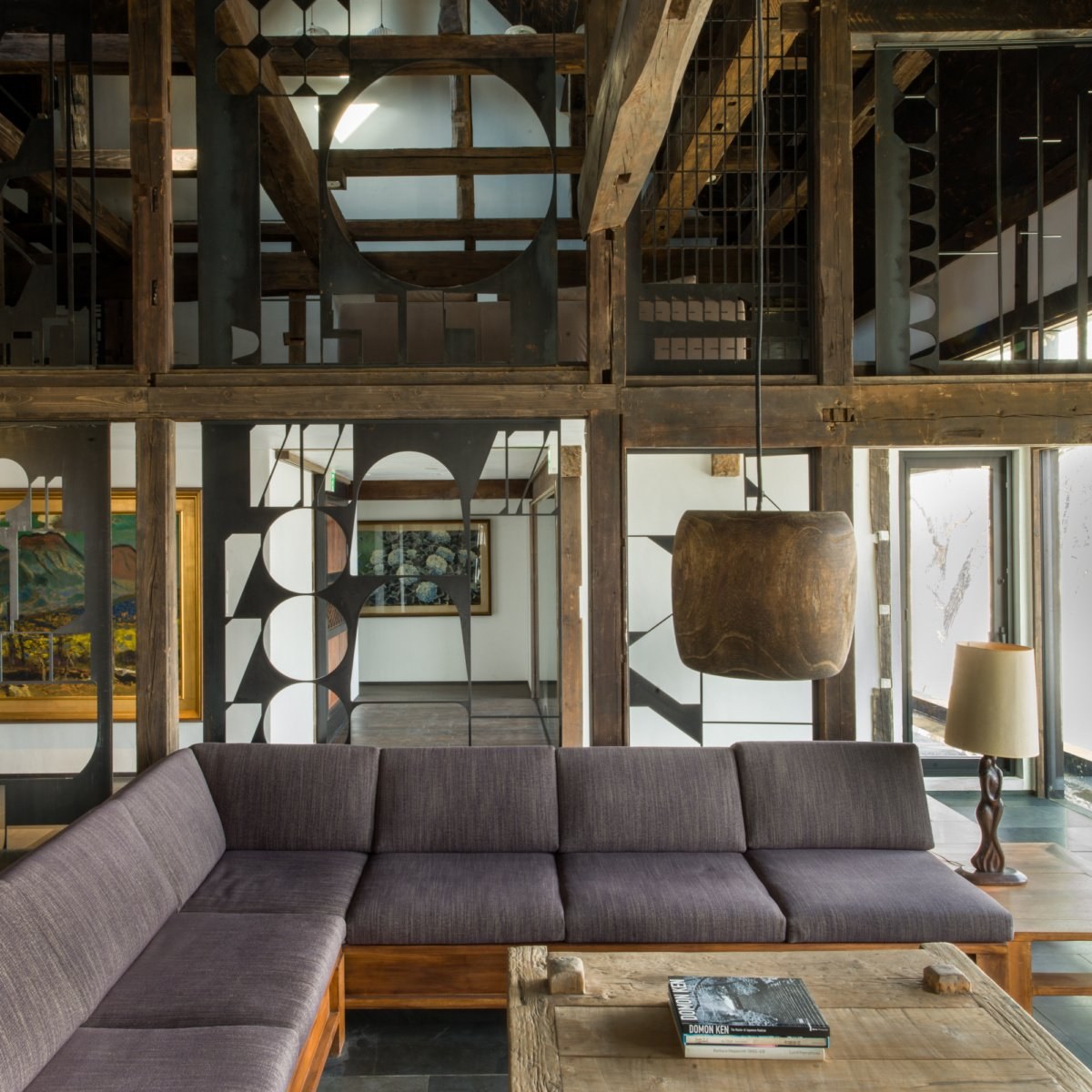
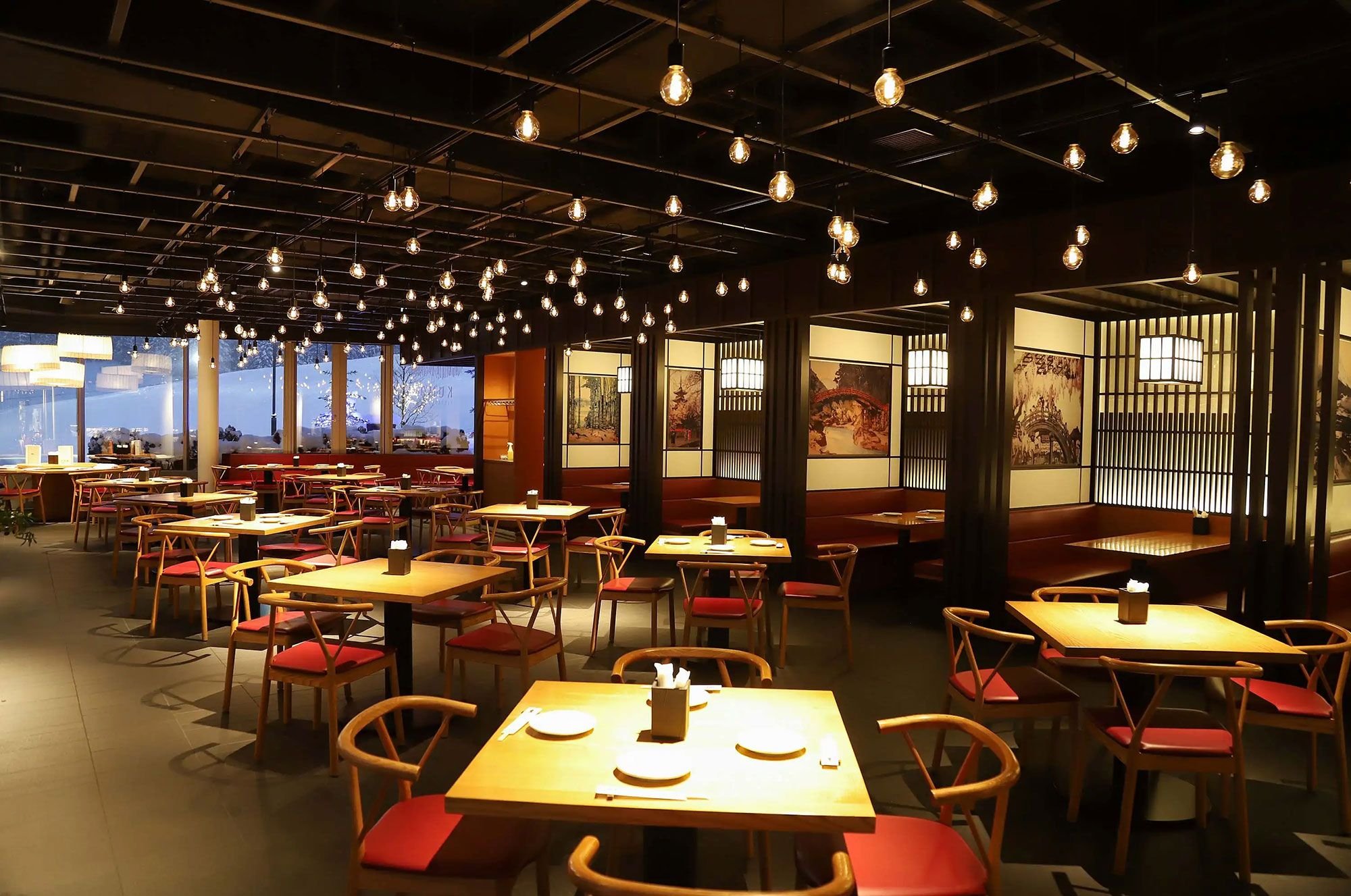
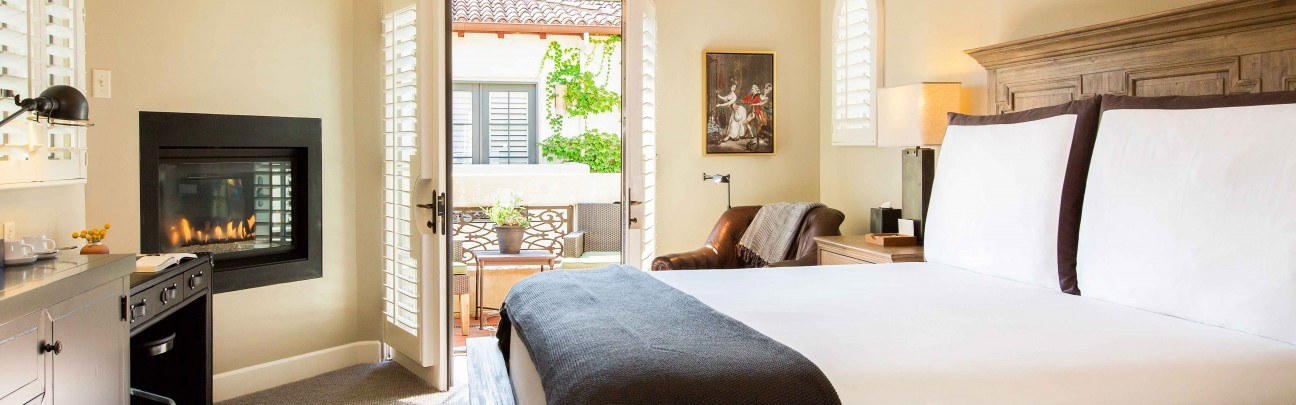
Minimalist contemporary design with contemplative mood; serene natural setting with fireplace in lobby; tranquil atmosphere enhanced by private dining rooms and garden views.
Tags
Vibe
Best For
Experience
Amenities
View
Accessibility
About the Stay
- Rooms
- 15
- Property Style
- Contemporary Japanese Luxury Ryokan Blending Traditional Hospitality with Modernist Architecture and Design Forward Minimalism.
- Design Style
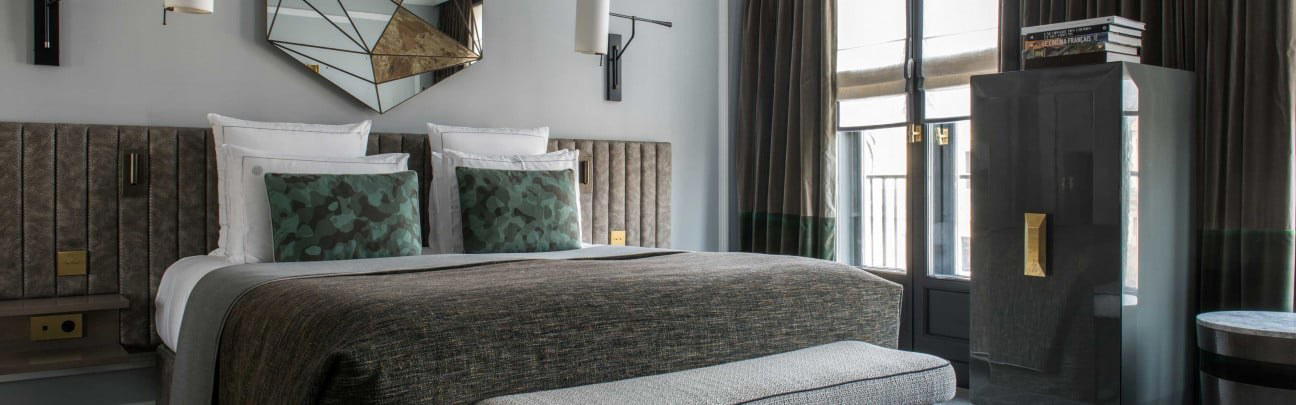
- Minimalist Contemporary with Natural Materials; Modernist Architecture by Makoto Nakayama Evoking Contemplative Mood; Clean Lines Balanced with Traditional Japanese Elements.
Know before you go
Know Before You Go
- Getting there
- 76-4 Hanazono, Kutchan, Abuta District, Hokkaido 044-0084
Planning details
Location
Recognition and awards
Also consider
Also Consider
- SHIGUCHI, Notable alternative
- Park Hyatt Niseko Hanazono, Notable alternative
- Nikko Style Niseko HANAZONO, Notable alternative
- Muwa Niseko, Notable alternative
- Sansui Niseko, Notable alternative
Hotel context
How it compares in Kutchan
Choose Zaborin over Park Hyatt Niseko Hanazono when the trip is built around privacy and a quieter special-occasion stay. Park Hyatt Niseko Hanazono is the stronger fit for travelers who want a larger resort framework and easier all-day logistics, while Zaborin is the better call when the hotel itself is the point of the trip.
SHIGUCHI is the closest emotional cross-shop: both make more sense for travelers seeking calm rather than a busy hotel scene. If Zaborin is unavailable, SHIGUCHI should be the first alternative for a similarly quiet Hokkaido stay. Nikko Style Niseko HANAZONO is the more practical fallback for travelers who care more about being in Kutchan than securing a rarefied retreat.
For a Niseko trip with more conventional luxury-hotel expectations, compare Muwa Niseko and Sansui Niseko. They are better fits for guests who want a sharper resort base and easier movement around the area. Zaborin is the splurge to pursue when ambiance and privacy outweigh convenience and booking flexibility.
Explore Kutchan
Around this place
Discover more on Pearl
Unlock the full Zaborin guide in Pearl, including awards, comparisons, FAQs, planning details, and nearby places.
Compare Zaborin
| Venue | Location | Awards |
|---|---|---|
| Zaborin | Kutchan | 2026 Mr & Mrs Smith Luxury Hotels2026 Michelin 2 KeysMichelin 2 Keys 20252025 Michelin 2 Keys2024 Michelin 2 Keys |
| SHIGUCHI | Kutchan | 2026 Michelin 1 Key2025 Michelin 1 Key |
| Park Hyatt Niseko Hanazono | Niseko | 2026 Virtuoso Luxury Hotel Collection2026 Forbes RecommendedStar Wine Lists 20262026 Michelin 1 KeyMichelin 1 Key 20252025 Michelin 1 Key2024 Michelin 1 Key |
| Nikko Style Niseko HANAZONO | Kutchan | No published awards |
| Muwa Niseko | Niseko | 2026 Michelin 1 Key2025 Michelin 1 Key2024 Michelin 1 Key |
| Sansui Niseko | Kutchan | 2026 Michelin 1 Key2025 Michelin 1 Key2024 Michelin 1 Key |





How Zaborin Kutchan compares with similar nearby venues.
FAQ
Frequently Asked Questions
Is Zaborin good for business travel?
Zaborin is not specifically noted as a business-focused venue. It is a recognized Kutchan venue with Michelin 2 Keys in 2024 and a Mr & Mrs Smith Seal of Approval in 2026, but travelers who need work-specific facilities should confirm those details directly or compare with Park Hyatt Niseko Hanazono.
How is the location of Zaborin?
Zaborin is in Kutchan. A more specific address, neighborhood, landmark, or district is not available, so location-sensitive travelers should confirm exact logistics directly before booking.
Is Zaborin family-friendly?
Specific family facilities or policies are not available. Families should contact Zaborin directly before booking and may also compare it with Park Hyatt Niseko Hanazono or Nikko Style Niseko HANAZONO depending on their needs.
Do loyalty programs work at Zaborin?
Loyalty-program participation, points earning, or elite benefits at Zaborin are not available. If loyalty value is important, confirm directly before booking or compare with Park Hyatt Niseko Hanazono.
How does Zaborin compare to other venues?
Zaborin is a Kutchan venue with Michelin 2 Keys recognition in 2024 and a Mr & Mrs Smith Seal of Approval in 2026. For a broader comparison set, consider Park Hyatt Niseko Hanazono, Nikko Style Niseko HANAZONO, Muwa Niseko, Sansui Niseko, and SHIGUCHI, while confirming current details directly with each property.
How is the dining at Zaborin?
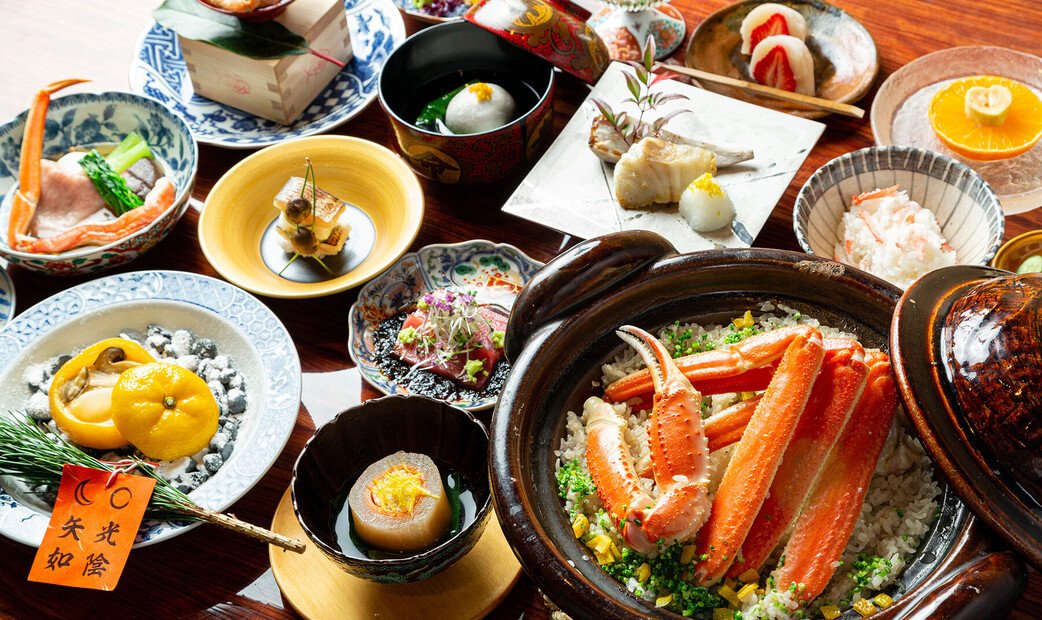
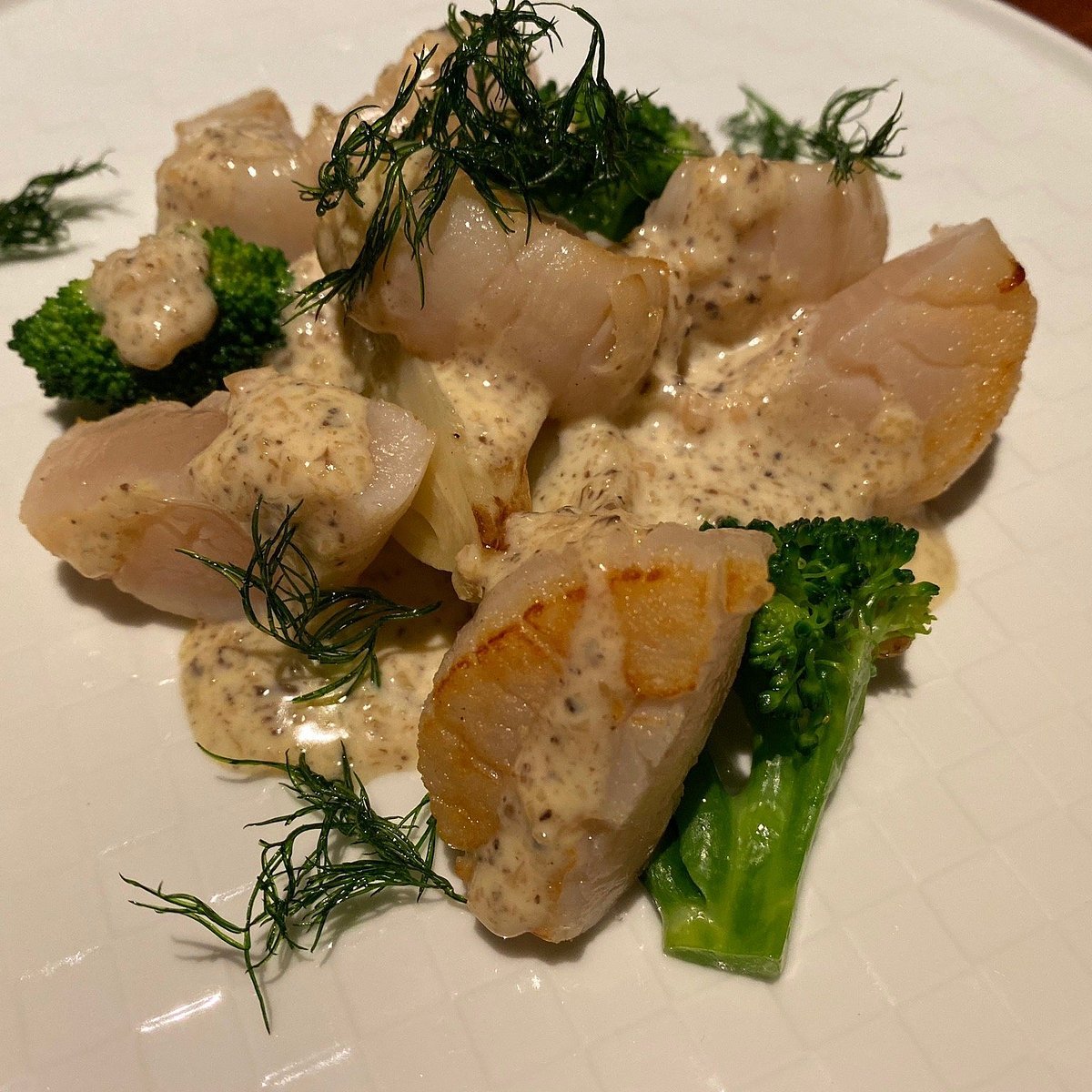
A specific cuisine, menu format, price, or dining concept is not available. The dress code is smart casual, and travelers who are choosing primarily for dining should confirm current details directly with Zaborin.
What is check-in like at Zaborin?
A specific check-in style or arrival experience is not available. Zaborin is in Kutchan and has Michelin 2 Keys recognition in 2024, but practical arrival details should be checked directly before travel.