

White Swan Hotel
Shamian Island, Guangzhou
Hotel in Guangzhou, China
 Book with Pearl
Why go
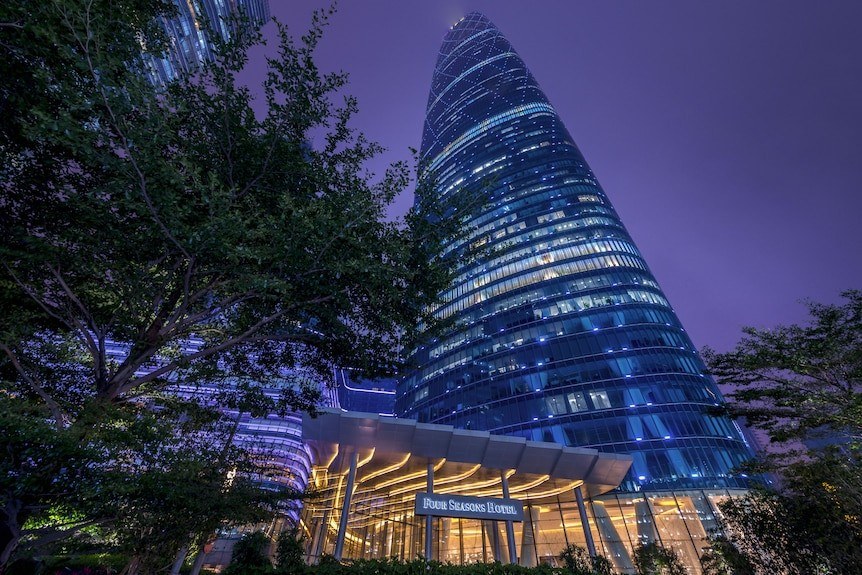
White Swan Hotel is worth booking if Shamian Island is central to the trip and a calmer Liwan base matters more than tower-hotel convenience. The 2026 wine recognition adds credibility for guests who care about dining support, but business travelers focused on Zhujiang New Town should cross-shop Jumeirah Guangzhou, Park Hyatt Guangzhou, or Four Seasons Hotel Guangzhou.
About White Swan Hotel
Book White Swan Hotel if you want a Guangzhou hotel with a strong recognition profile. The hotel is in Guangzhou, its dress code is smart casual, and it is associated with Star Wine List and Forbes Soon To Be Rated recognition for 2026.
Details such as street address, district, specific room details, amenity list, cuisine, chef, service format, or price point are not available, so the safest way to evaluate the hotel is against your own itinerary and booking needs. If you are comparing stays in the city, Jumeirah Guangzhou, Park Hyatt Guangzhou, and Four Seasons Hotel Guangzhou are natural alternatives to check alongside White Swan Hotel.
Choose White Swan Hotel for its recognition
The hotel's 2026 recognition: Star Wine List and Forbes Soon To Be Rated is a key highlight. This recognition does not, by itself, imply a particular restaurant concept, menu format, chef, room category, wellness facility, or service style, so those details should be checked directly before booking.
Dining should be approached with the same caution. Star Wine List is a relevant cue, but details like a named cuisine, signature dish, tasting menu, chef, or price are not available. If the trip is built around meals, use our full Guangzhou restaurants guide alongside the hotel choice. If the trip is built around staying at White Swan Hotel, confirm current dining details directly with the property.
Who should book, and who should cross-shop
White Swan Hotel makes the most sense for travelers who are comfortable choosing a Guangzhou hotel on the basis of its recognition and smart casual dress code, while verifying practical details before committing. Specific family amenities, business facilities, pool or spa details, room counts, or loyalty benefits are not available.
For cross-shopping, keep the comparison broad and fact-based. Consider LN Hotel Five, Sofitel Guangzhou Sunrich, Jumeirah Guangzhou, Park Hyatt Guangzhou, and Four Seasons Hotel Guangzhou if you want to compare White Swan Hotel with other Guangzhou options before deciding.
Inside White Swan Hotel
 restaurantHongtu HallA Michelin-starred dim sum house in Guangzhou's Panyu District, Hongtu Hall has held one Michelin star in both 2024 and 2025 at a mid-range price point that sits well below the city's Cantonese fine-dining tier. The address places it outside the central business district, drawing guests who make the deliberate trip south for yum cha at a recognised standard.
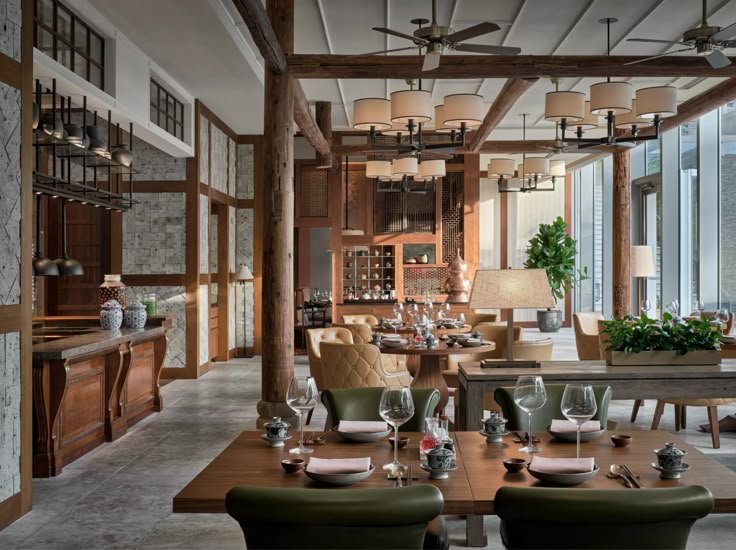
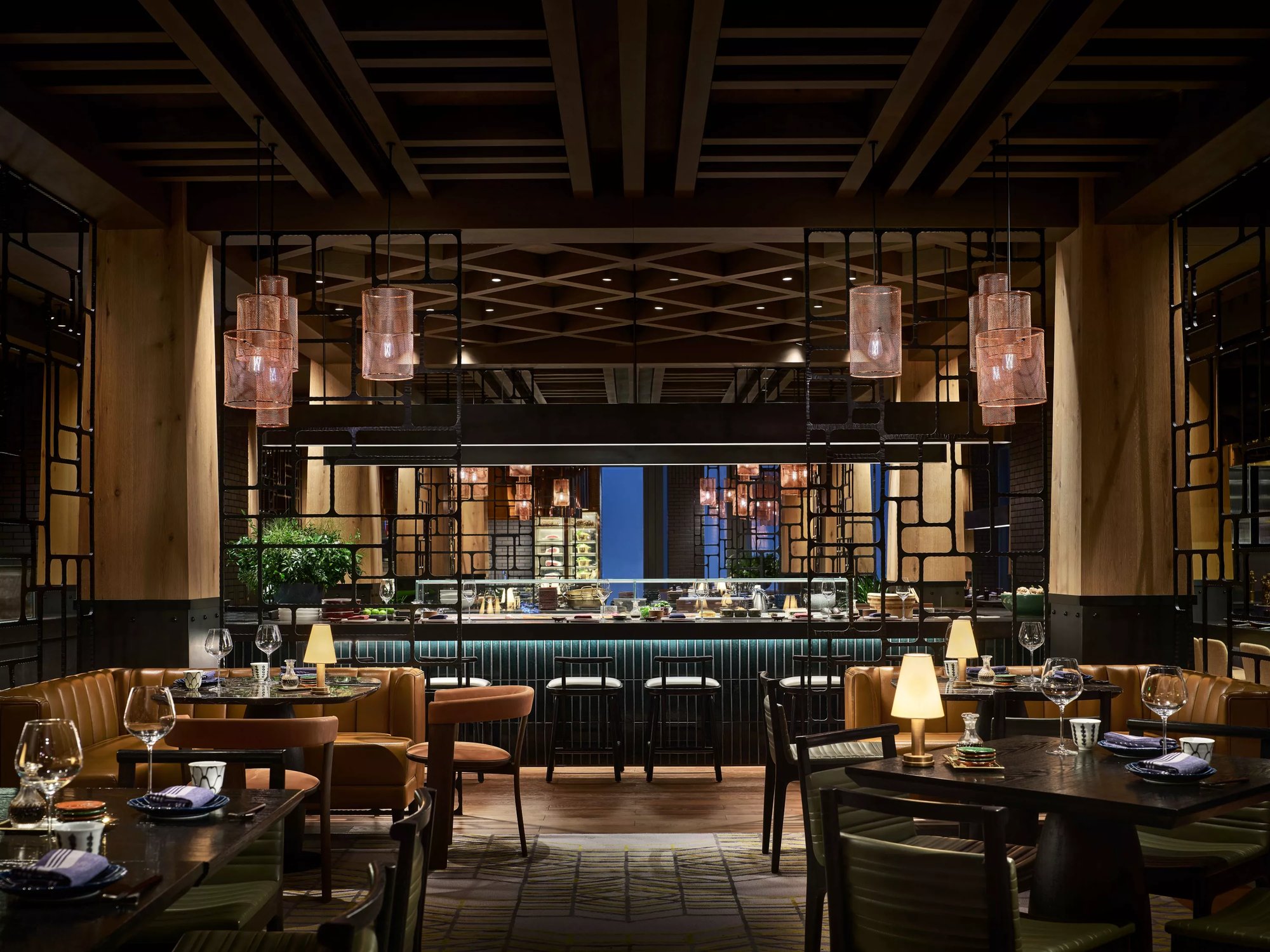
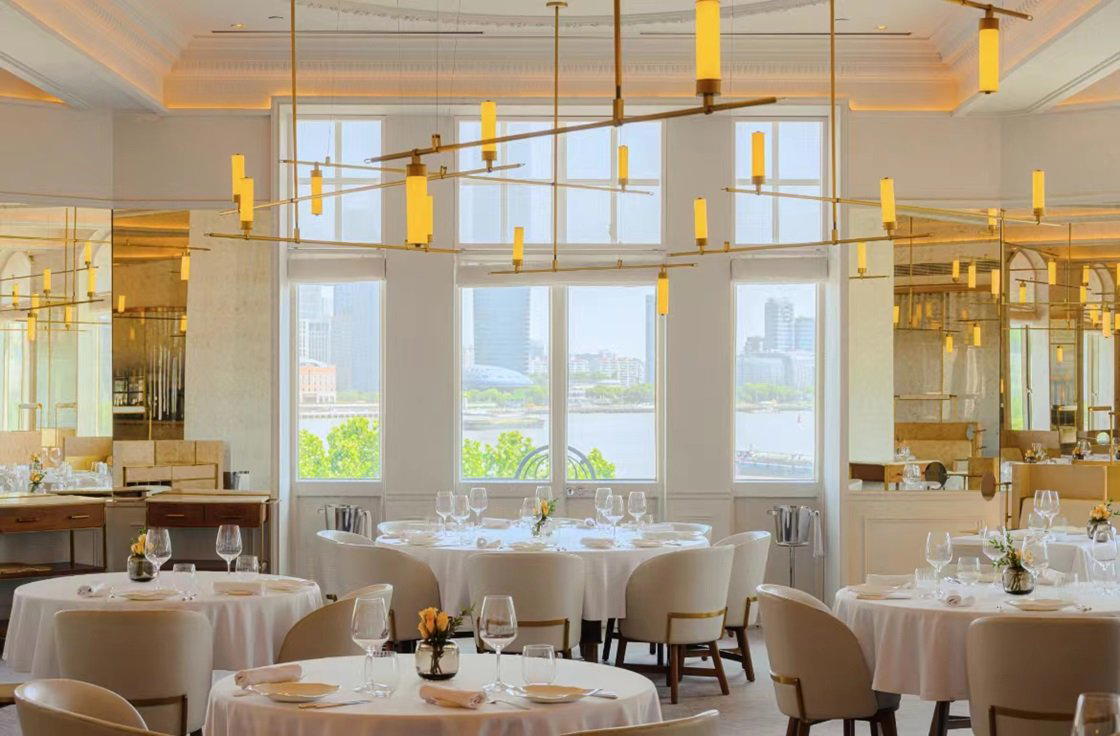
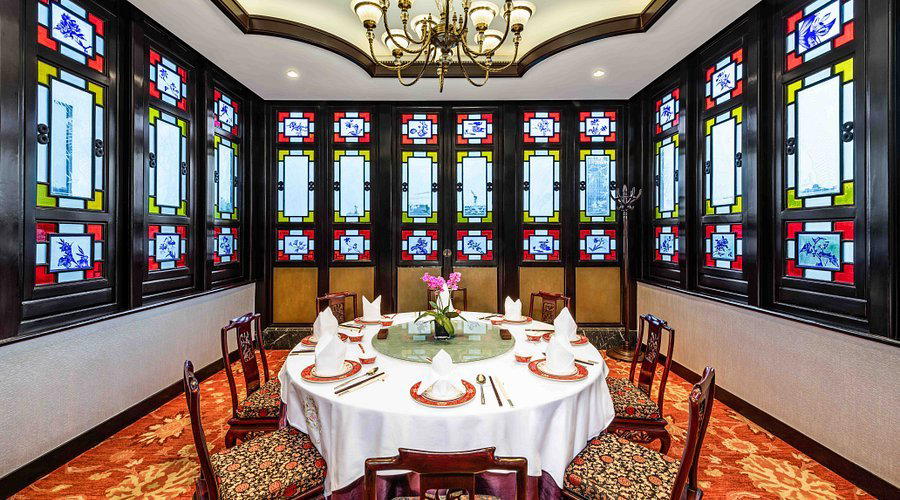
 restaurantFlavors of ChinaLocated on the third floor of the White Swan Hotel on Shamian Island, Flavors of China brings Huaiyang cuisine to one of Guangzhou's most historically layered addresses. The restaurant has held a Michelin Plate in both 2024 and 2025, placing it within the city's recognised dining tier without competing directly against the Cantonese-dominant starred set. For those who follow China's classical regional traditions, a dedicated Huaiyang kitchen in Guangzhou remains a considered choice.
 restaurantJade RiverJade River holds a Michelin star for the second consecutive year (2024 and 2025), placing it among Guangzhou's more established one-star Cantonese addresses in Tianhe District. The restaurant sits within Tianhe Park, separating it physically from the dense commercial strips that define most of the city's recognised dining tier. Chef Ryan Nuqui leads the kitchen, working within a Cantonese framework at the ¥¥¥ price point.
Planning details
- Location
- No. 1 Shamian South Street, Liwan District, Guangzhou, Guangdong, China
- Website
- whiteswanhotel.com
- Phone
- 86-20-8188-6968
The take
The Take
The Vibe
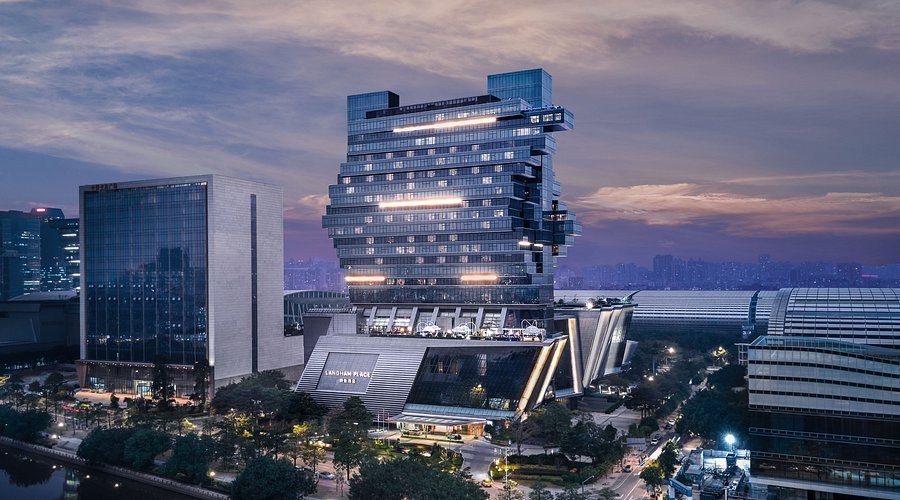
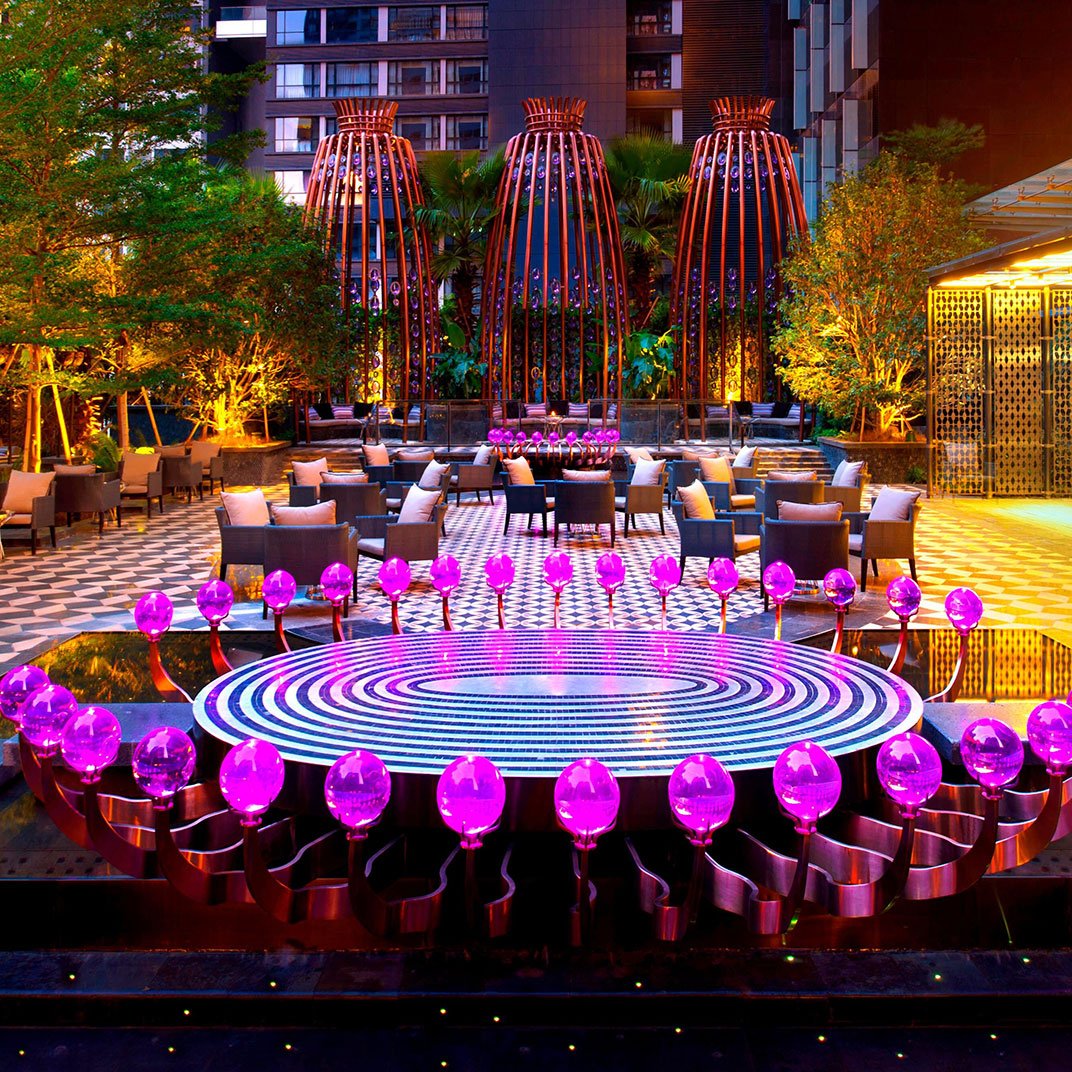
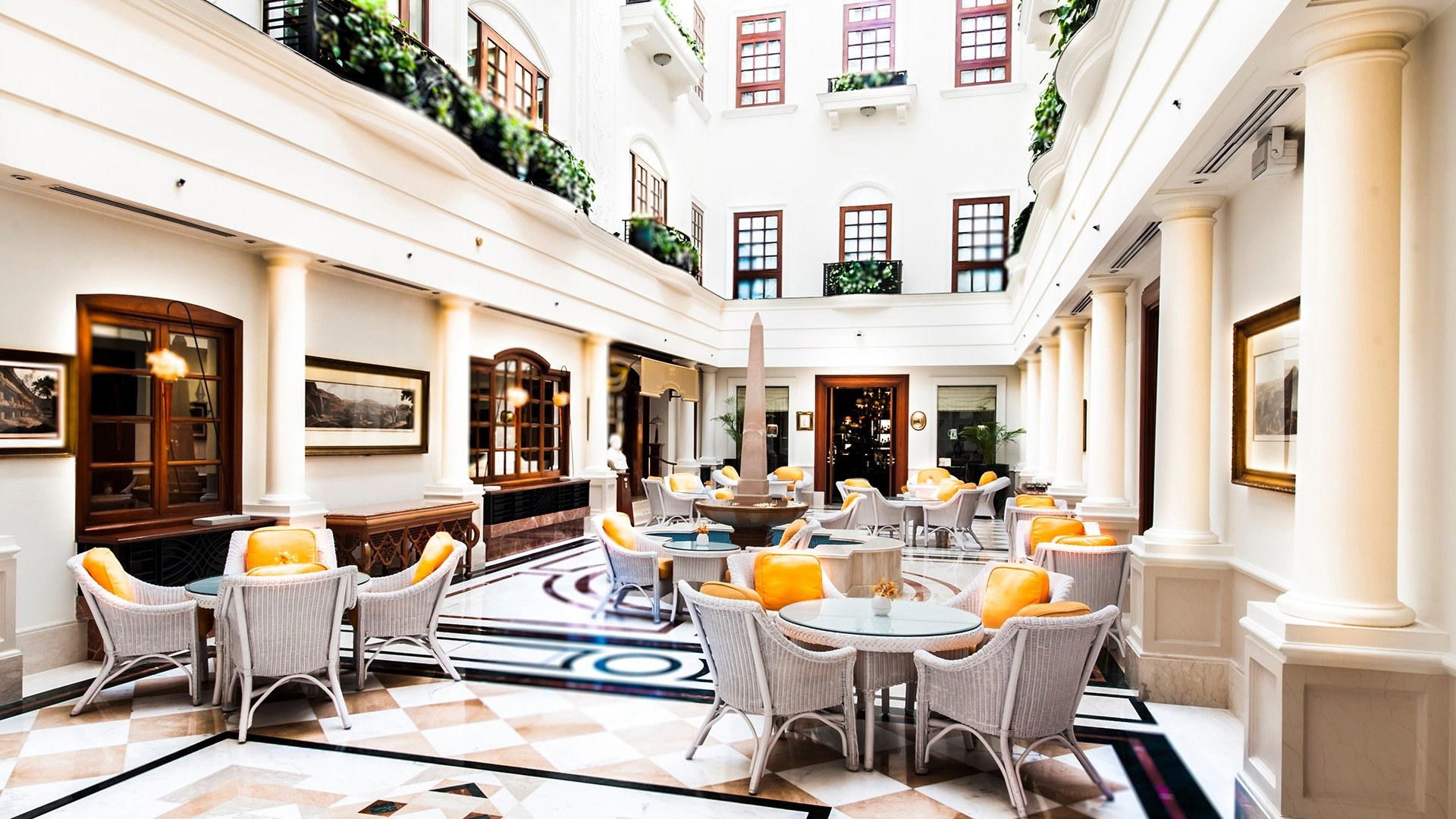
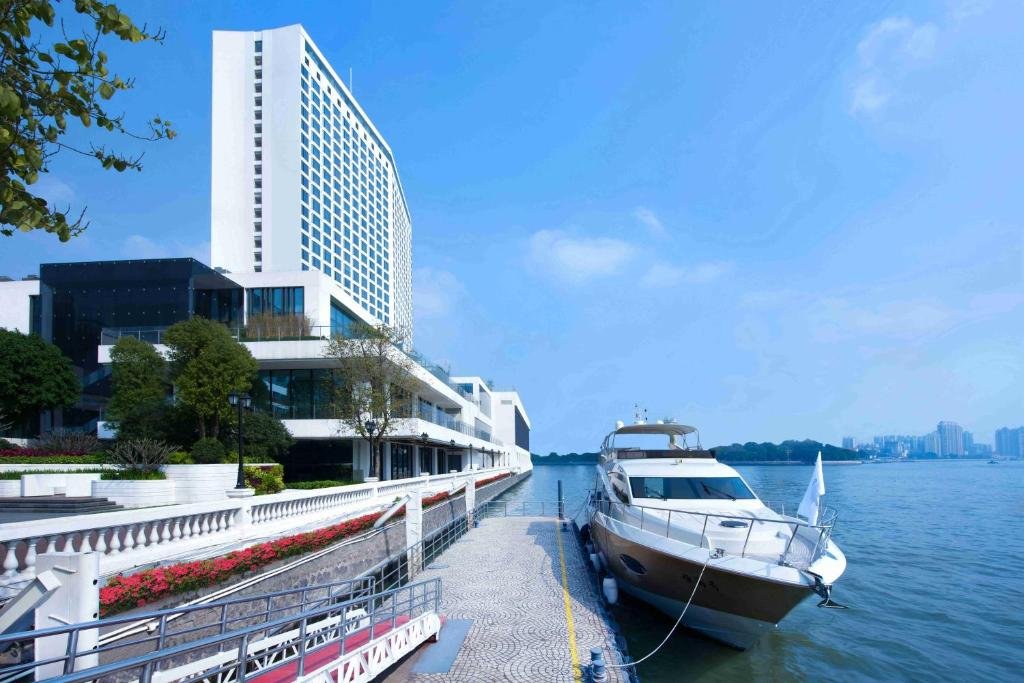
White Swan Hotel anchors itself on Shamian Island, where colonial-era streets and tree-lined promenades create a markedly different pace from Guangzhou’s commercial core. The property leans into horizontal luxury: low-rise waterfront frontage, European-era architecture and a sense of remove that lets the river and leafy avenues set the mood. Arrival feels like a transition — the city’s scale drops, ambient noise recedes, and vistas across the Pearl River open up. The result is a quietly charming, historically rooted hotel that emphasizes view and atmosphere over urban tower drama.
Best For
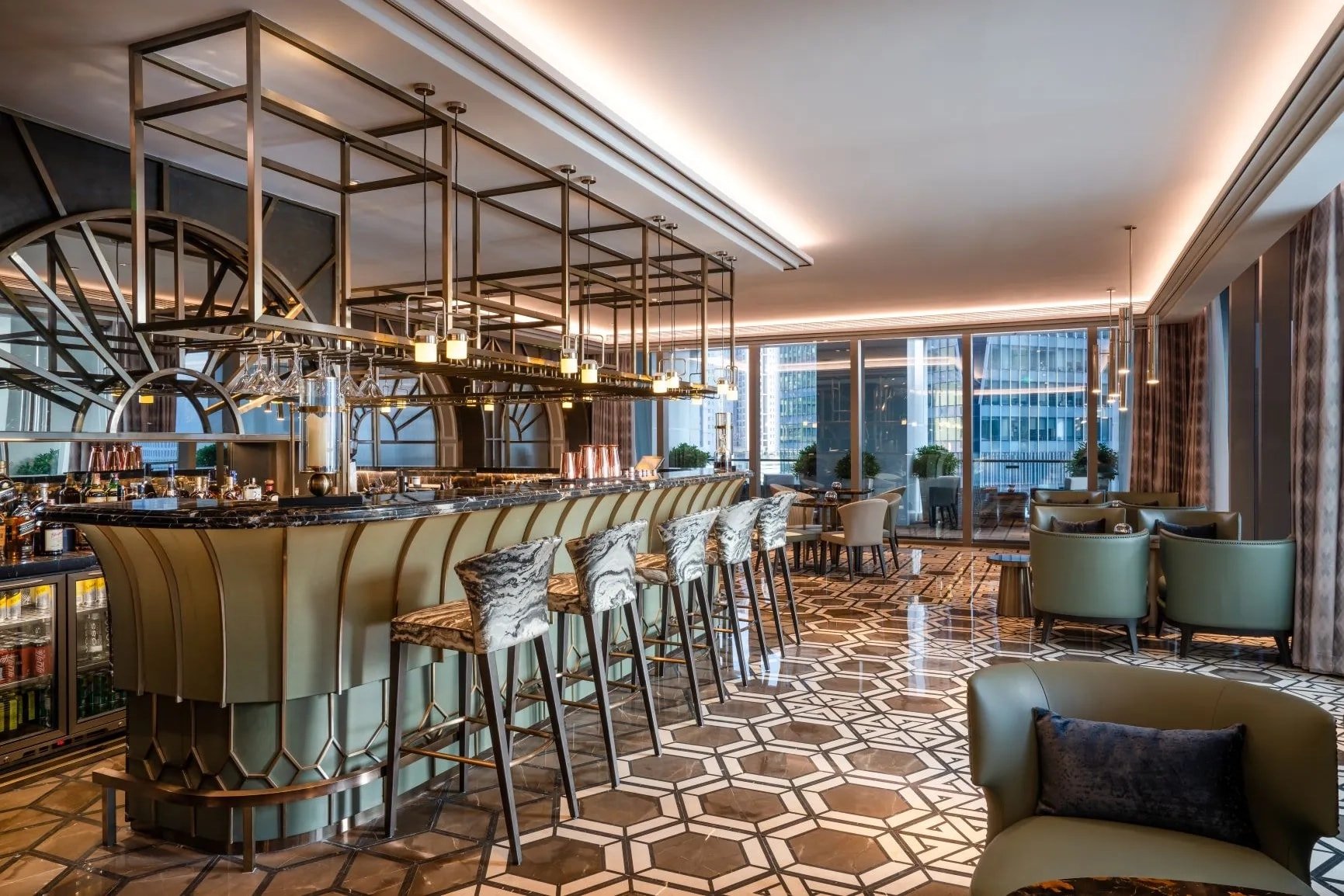
This hotel suits travelers who prize a quieter, picturesque base in Guangzhou: couples on romantic getaways or anniversaries, families seeking a relaxed riverside stay, and business travelers who prefer a more measured setting than the downtown high-rises. The property’s recognized wine program also makes it appealing for guests who care about dining and cellar depth. In short, White Swan works well for those after a scenic, historically textured stay rather than a downtown, vertical-luxury experience.
Stay Tips
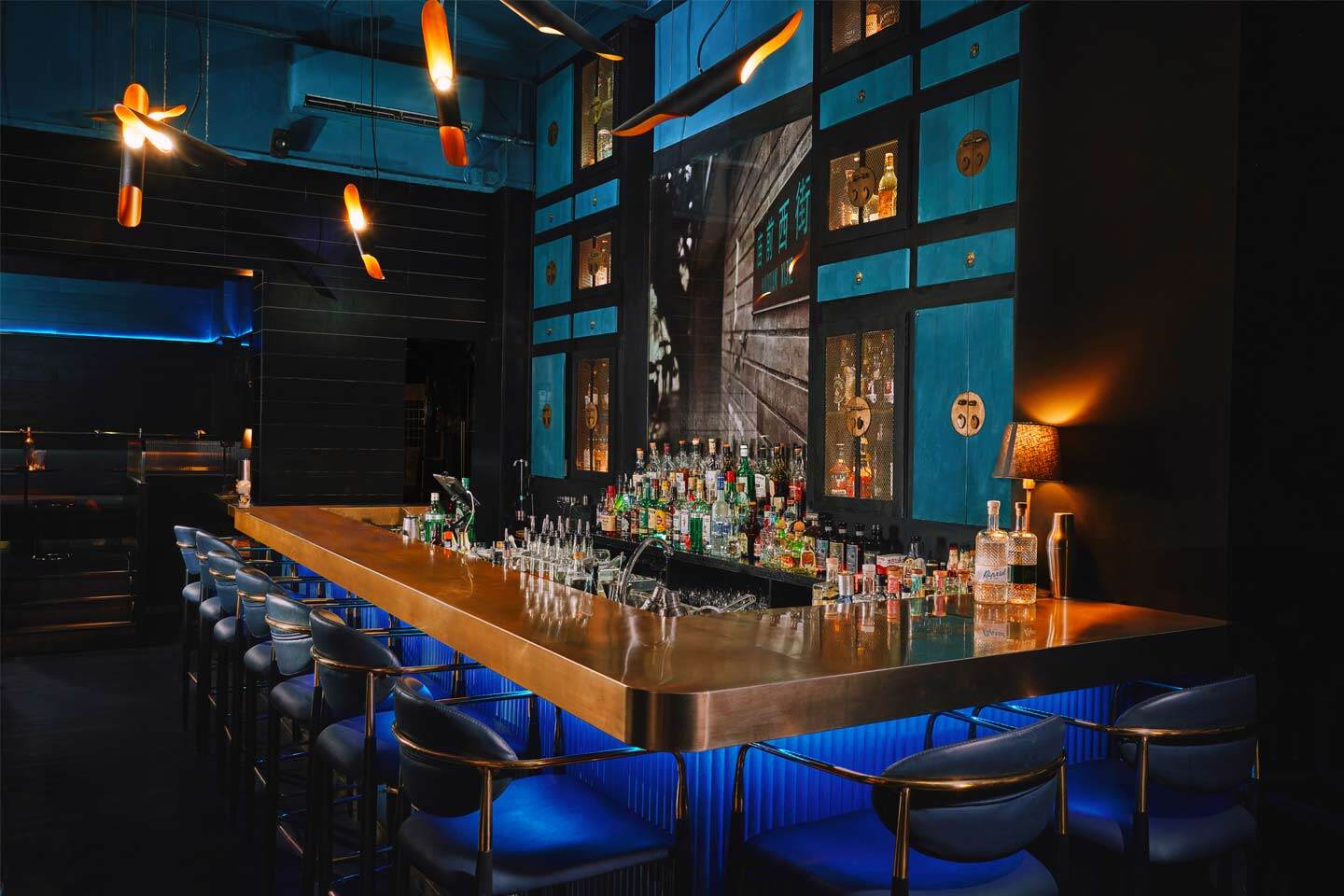
Make time to explore the hotel’s wine offering — the property carries Star Wine List recognition, signaling a serious and curated list relative to its dining context. Reserve a table at the hotel restaurant in advance to experience that program, and, where possible, request a room or seating with Pearl River frontage to take full advantage of the waterfront setting. When planning arrival, factor in the pleasant transition onto Shamian Island: it’s part of the hotel’s appeal and the best way to appreciate its quieter streetscape and river views.
Venue details
Ambiance
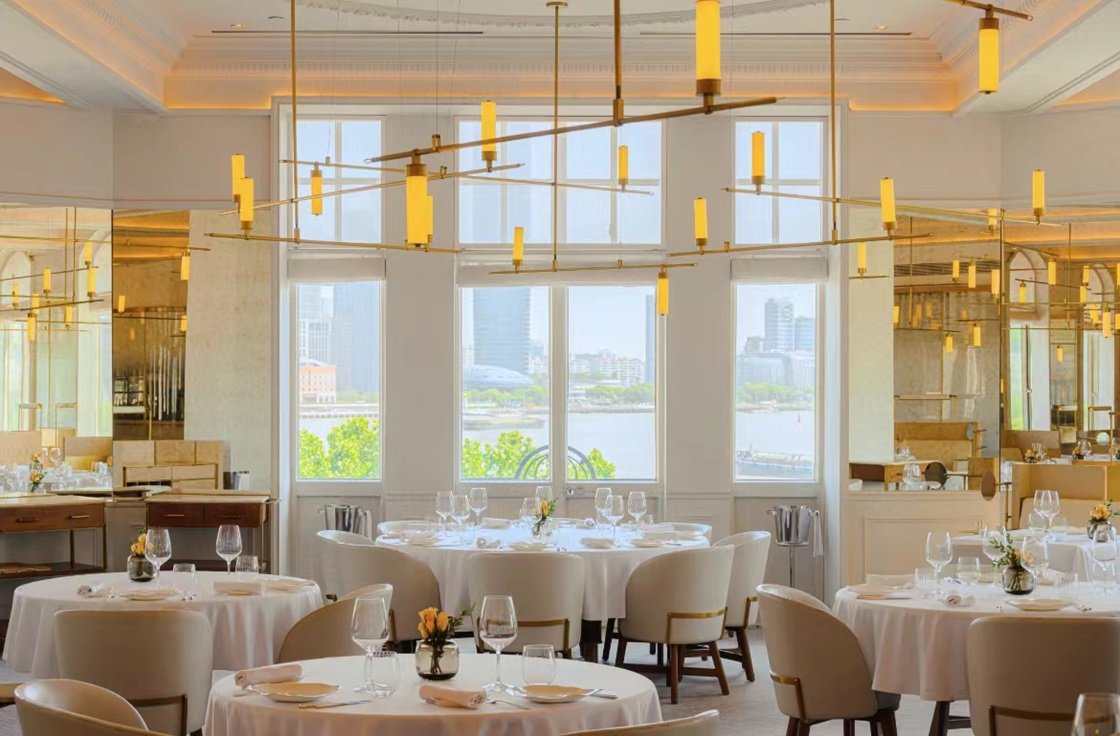
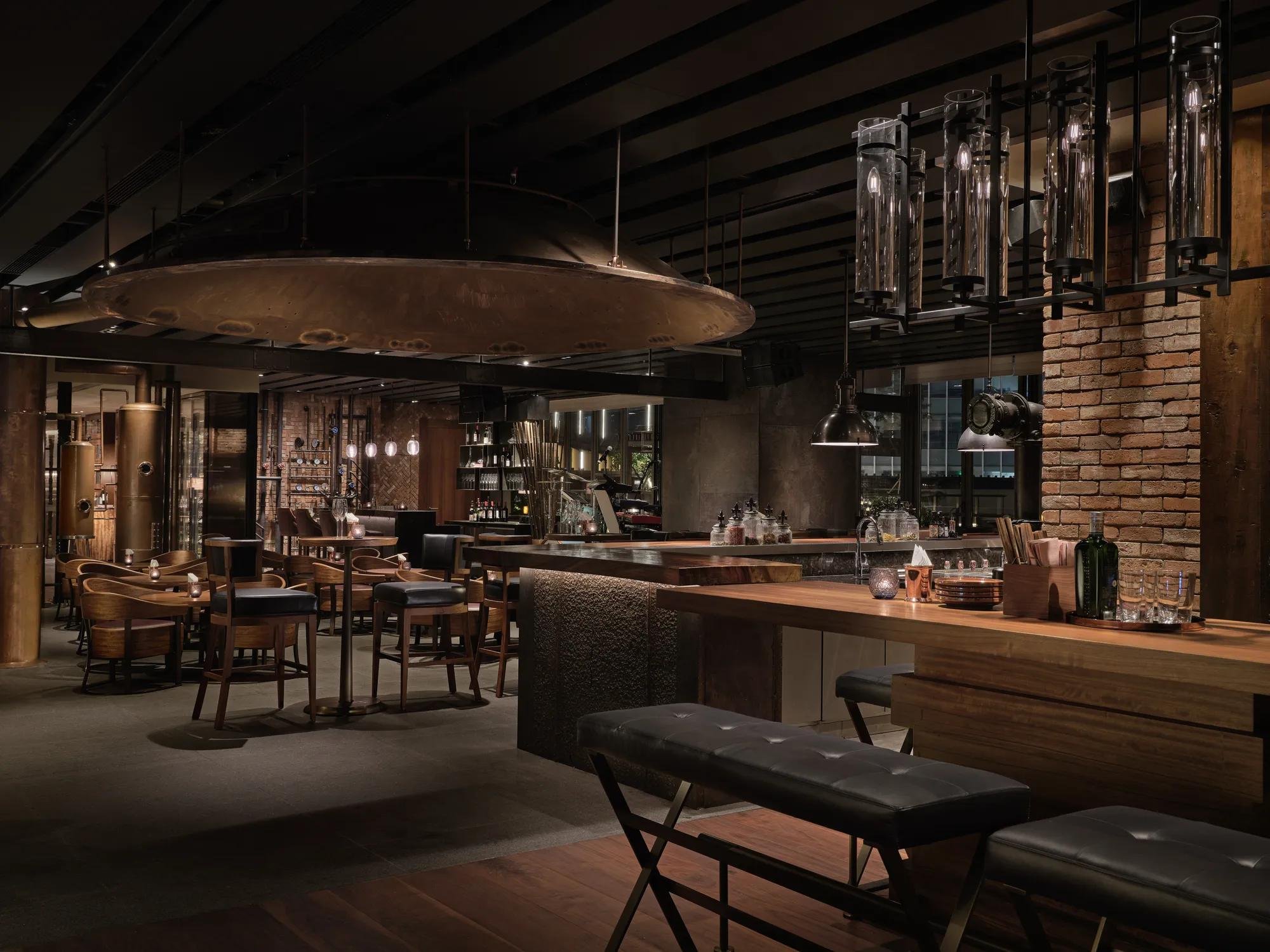
Serene oasis with lush tropical gardens, natural light-filled atrium, rushing waterfall, and relaxing river-view lounges.
Tags
Vibe
Best For
Experience
Amenities
View
Accessibility
About the Stay
- Rooms
- 520
- Check-in
- 15:00
- Check-out
- 12:00
- Property Type
- Heritage hotel
- Property Style
- Luxurious Urban Resort with Heritage Charm on Shamian Island
- Design Style
- Minimalist with Chinese Touches, Tropical Greenery, and River Panoramas
- Airport Transfer
- Available
- Pool
- Yes
- Spa
- Yes
- Families
- Welcome
Know before you go
Know Before You Go
- Getting there
- No. 1 Shamian South Street, Liwan District, Guangzhou, Guangdong, China
Planning details
Location
No. 1 Shamian South Street, Liwan District, Guangzhou, Guangdong, China · Directions
Recognition and awards


Also consider
Where to book if this is not the fit
Cross-shop Jumeirah Guangzhou if the trip is business-heavy and centered around the newer city core. Choose LN Hotel Five if the appeal is a more compact Guangzhou stay rather than a larger hotel anchored by Shamian.
Hotel context
How White Swan Hotel compares in Guangzhou
White Swan Hotel is the stronger pick for travelers who want Shamian Island and Liwan atmosphere built into the stay. Jumeirah Guangzhou, Park Hyatt Guangzhou, and Four Seasons Hotel Guangzhou make more sense for guests prioritizing Zhujiang New Town convenience, skyline-hotel energy, and faster access to newer business districts.
LN Hotel Five is the closer cross-shop for travelers who want a smaller urban stay rather than a large heritage-address hotel. Sofitel Guangzhou Sunrich is the safer central option if the itinerary is spread across the city and the address needs to be practical rather than character-led.
For value, the deciding factor is not a quoted rate here; it is whether the Shamian setting will be used. If the trip includes riverside time and older Guangzhou, White Swan Hotel earns the harder booking effort. If the room is mainly for sleeping between meetings, the Tianhe and Zhujiang New Town peers are easier to justify.
Explore Guangzhou
Around this place
Discover more on Pearl
Unlock the full White Swan Hotel guide in Pearl, including awards, comparisons, FAQs, planning details, and nearby places.
Compare White Swan Hotel
| Venue | Location | Awards |
|---|---|---|
| White Swan Hotel | Guangzhou | Star Wine Lists 20262026 Forbes Soon To Be Rated |
| Jumeirah Guangzhou | Guangzhou | No published awards |
| LN Hotel Five | Guangzhou | 2025 Michelin Selected HotelsSmall Luxury Hotels Member 2025 |
| Sofitel Guangzhou Sunrich | Guangzhou | No published awards |
| Park Hyatt Guangzhou | Guangzhou | 2026 Forbes Recommended2025 Michelin Selected Hotels2025 Forbes Recommended |
| Four Seasons Hotel Guangzhou | Guangzhou | 2026 Forbes Recommended2026 La Liste Top Hotels2026 Michelin 1 Key2025 Forbes Recommended2025 Michelin 1 KeyFour Seasons Hotels |






How White Swan Hotel Guangzhou compares with similar nearby venues.
FAQ
Frequently Asked Questions
Do loyalty programs work at White Swan Hotel?
Loyalty-program details are not available for White Swan Hotel. The hotel is in Guangzhou, has a smart casual dress code, and has 2026 Star Wine List and Forbes Soon To Be Rated recognition. If loyalty earning or redemption is central to the trip, compare current terms directly with Jumeirah Guangzhou, Sofitel Guangzhou Sunrich, Park Hyatt Guangzhou, or Four Seasons Hotel Guangzhou.
How does White Swan Hotel compare to other hotels?
White Swan Hotel can be compared with Jumeirah Guangzhou, Sofitel Guangzhou Sunrich, Park Hyatt Guangzhou, Four Seasons Hotel Guangzhou, and LN Hotel Five as another Guangzhou option. Its distinction is its 2026 Star Wine List and Forbes Soon To Be Rated recognition; details about district, views, amenities, or service format should be checked directly before booking.
How is the dining at White Swan Hotel?
The 2026 Star Wine List recognition is a key highlight for dining. Details like a specific cuisine, chef, restaurant format, menu, dish, price, or hours are not available, so any detailed dining plan should be directly with the hotel.
Is White Swan Hotel family-friendly?
Specific family amenities, bedding, room categories, pool access, childcare, or other family-focused services are not available. Families considering White Swan Hotel should check current hotel details directly and compare practical needs with Park Hyatt Guangzhou or Four Seasons Hotel Guangzhou if those are also under consideration.
How is the pool and spa at White Swan Hotel?
Pool or spa details are not available for White Swan Hotel. If wellness facilities are important to the trip, confirm them directly with the hotel and compare current offerings with Four Seasons Hotel Guangzhou or Park Hyatt Guangzhou.