.png?width=128&height=128&quality=80)
Flavors of China
Huaiyang · Guangzhoushi, Guangzhou
Restaurant in Guangzhou, China
 Book with Pearl
The Read
Northern Tradition, Pearl River Setting
Price
¥¥¥
Dress
Smart Casual
Why go
Flavors of China holds a Michelin Plate (2024 and 2025) and offers Huaiyang cuisine; a rarity in Cantonese-dominant Guangzhou; inside the White Swan Hotel on Shamian Island. At ¥¥¥, it is a considered choice for business dinners or celebration meals where a composed, technically precise kitchen matters. Book if the cuisine is the draw; look elsewhere if you came to Guangzhou for Cantonese.
About Flavors of China
Is Flavors of China worth booking for a special occasion in Guangzhou?
Yes; with one important qualification. Flavors of China earns a Michelin Plate in both 2024 and 2025, which places it in a credible tier for celebration dining in Guangzhou, its Huaiyang cuisine focus makes it genuinely distinct from the Cantonese-dominant restaurant scene across the city. If you are planning a business dinner, anniversary, or any occasion where the food itself needs to carry the conversation, this is a considered choice at the ¥¥¥ price point. The caveat: its location inside the White Swan Hotel on Shamian Island means the experience sits within a hotel dining room context, your expectations should be calibrated accordingly.
What makes it different from everything else in Guangzhou
Huaiyang cuisine originates from the Huai and Yang river regions of Jiangsu province; a tradition built on precise knife work, restrained seasoning, the kind of technical finesse that prioritises clarity of flavour over bold heat or fermented depth. In a city where Cantonese cooking dominates and where most celebrated restaurants lean into dim sum, roasted meats, or seafood-forward menus, a dedicated Huaiyang kitchen is genuinely rare. For context, the broader Huaiyang tradition in mainland China is more commonly found in dedicated restaurants in Beijing, see Huaiyang Fu (Dongcheng), or Macau, where The Huaiyang Garden operates at a similar positioning. Finding this cuisine executed at Michelin Plate standard inside Guangzhou itself is a genuine draw for the right diner.
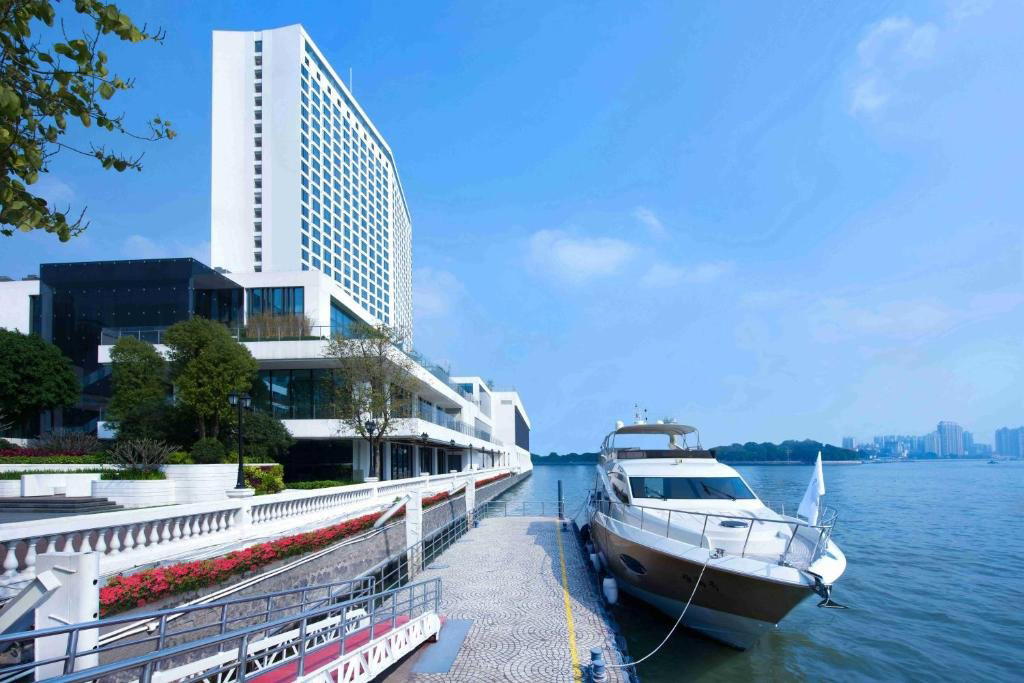
The White Swan Hotel address on Shamian Island adds a layer of atmosphere that works in your favour for certain occasions. The island itself is a quiet, tree-lined enclave largely preserved from the colonial trading era, which gives the approach to dinner a different energy from the commercial towers of Tianhe or the restaurant density of Yuexiu. For a business dinner where you want a composed, unhurried setting, this geography is an asset. For a spontaneous weeknight meal, it may feel like more effort than the destination warrants.
Lunch vs dinner: which sitting is worth your time
This is where Flavors of China requires a clear-eyed read. Hotel restaurants in China at this tier typically run both lunch and dinner services, with lunch often offering better value through set menus or a more relaxed pacing. If the kitchen follows standard Huaiyang tradition, the midday service may lean toward lighter, more composed dishes suited to the cuisine's refined style, while dinner naturally accommodates larger group banquet formats and more elaborate multi-course presentations. For a special occasion dinner, the evening sitting is the more appropriate choice: the room will feel more intentional, service pace will slow, you get the full register of what a Michelin-recognised kitchen can produce. Lunch is the smarter option if you are a first-timer who wants to assess the kitchen before committing to a more expensive evening return, or if you are managing a group that needs to keep the afternoon clear. The ¥¥¥ pricing applies across both sittings, but the practical spend per head is almost always lower at lunch in this format.
Booking here is easy by Guangzhou standards. The White Swan Hotel dining room operates on a hotel reservation model, which means you can call the hotel directly or book through the front desk when you check in. There is no months-long waitlist, no ballot system, no need to act weeks in advance. For weekend evenings or large group bookings, a few days' notice is sensible, but this is not a restaurant where difficulty of access is part of the calculus.
How it fits against the Guangzhou dining scene
For full context on where Flavors of China sits within the city's broader options, the full Guangzhou restaurants guide covers the range. If Huaiyang cuisine specifically interests you, the tradition is worth tracing across cities: Xin Rong Ji in Beijing, Xin Rong Ji in Chengdu, and Ru Yuan in Hangzhou represent the cuisine at different price points and regional interpretations. For Huaiyang in Macau, Chef Tam's Seasons and Dai Yuet Heen in Nanjing offer useful comparison points if you are travelling the region. Within Guangzhou itself, Imperial Treasure Fine Chinese Cuisine and Jiang by Chef Fei compete directly at the same price tier but in Cantonese territory. BingSheng Mansion on Xiancun Road is worth knowing if banquet-style Cantonese is what your group actually wants. For something with a more creative contemporary edge, Chōwa and Taian Table operate at different registers entirely. And if you are planning a full trip, the Guangzhou hotels guide, bars guide, and experiences guide provide the surrounding context.
The bottom line
Book Flavors of China if you want Michelin-recognised Huaiyang cuisine in Guangzhou at a price point that does not require a special budget approval, if you value a quiet, hotel-anchored setting over the energy of a standalone city restaurant. Skip it if you came to Guangzhou specifically for Cantonese food, there are more compelling options for that. The cuisine is the reason to go; the location is a bonus for certain occasions and a mild inconvenience for others.
Also worth exploring in Guangzhou
- Imperial Treasure Fine Chinese Cuisine, Cantonese at ¥¥¥
- Jiang by Chef Fei, Cantonese at ¥¥¥
- Taian Table, Modern European at ¥¥¥¥
- BingSheng Mansion (Xiancun Road), Cantonese
- Chōwa, Innovative at ¥¥¥
- 102 House in Shanghai, for a Huaiyang-adjacent comparison
Located inside
 HotelWhite Swan HotelFull hotel guide
Planning details
- Location
- China, 1, Liwan District, Shamian S St, 1号CN 广东省 广州市3楼 White Swan Hotel 邮政编码: 510130
- Website
- whiteswanhotel.com/en/dining/flavors-china
- Phone
- +86 20 8188 6968
The take
The Take
The Vibe
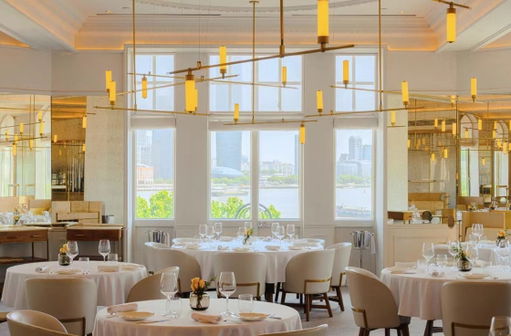
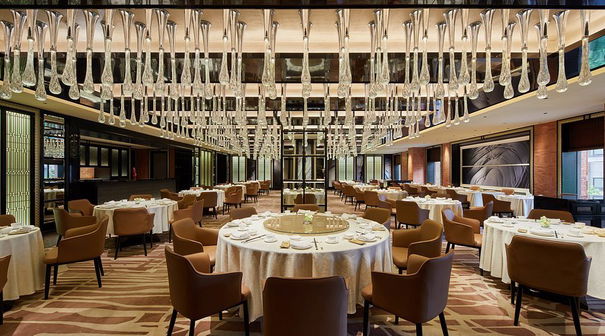
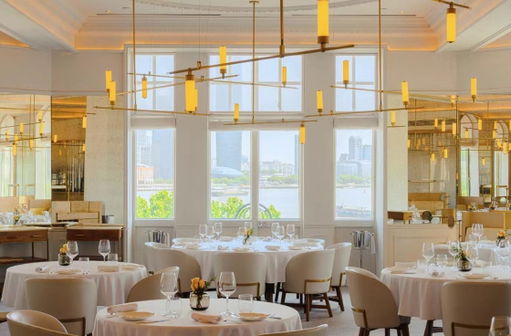
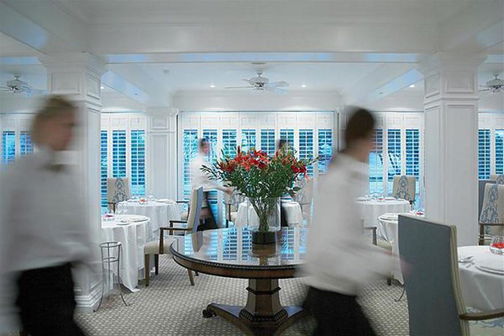
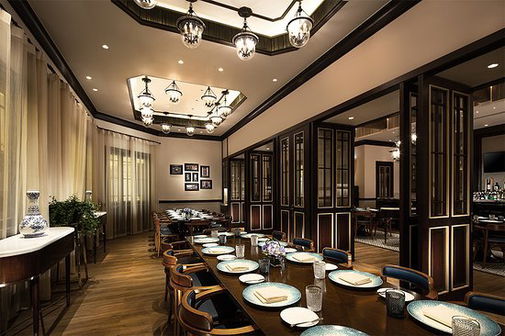
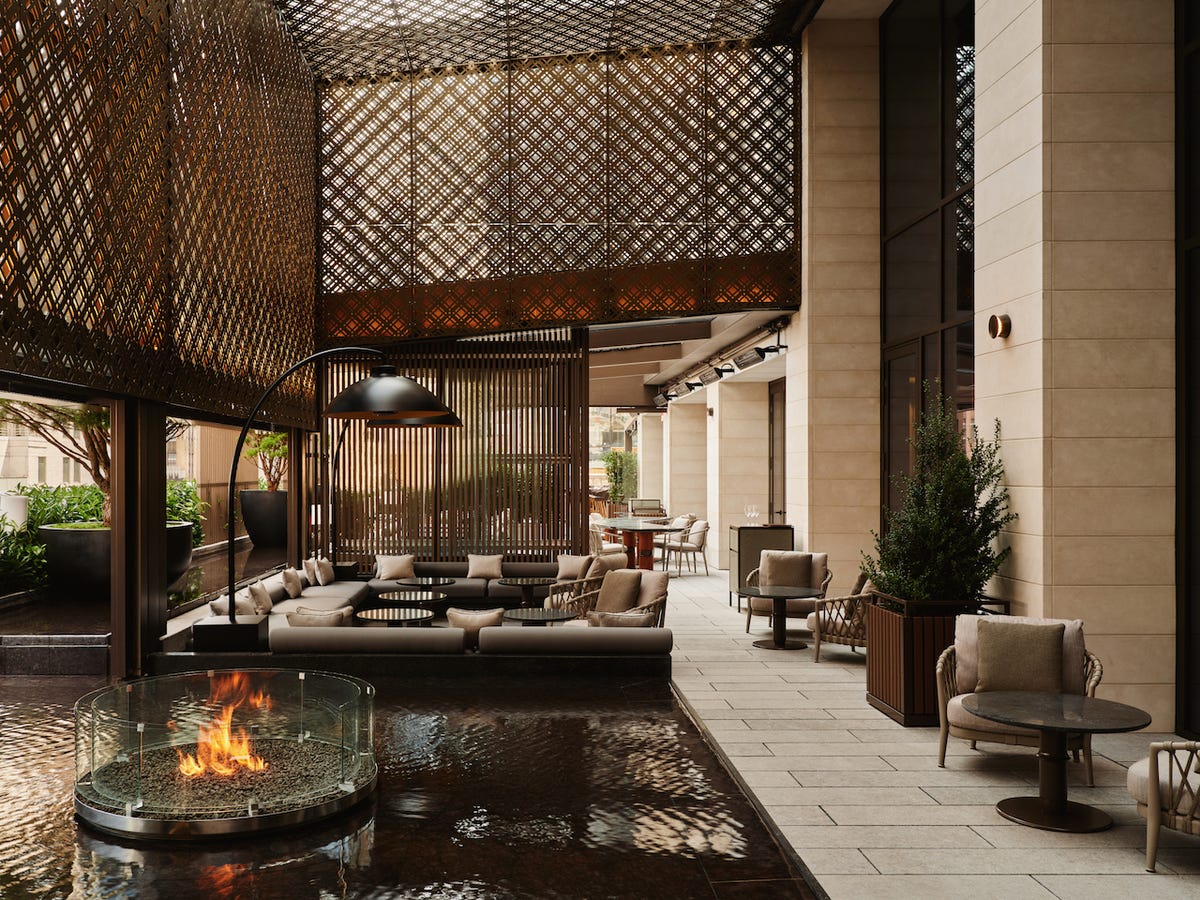
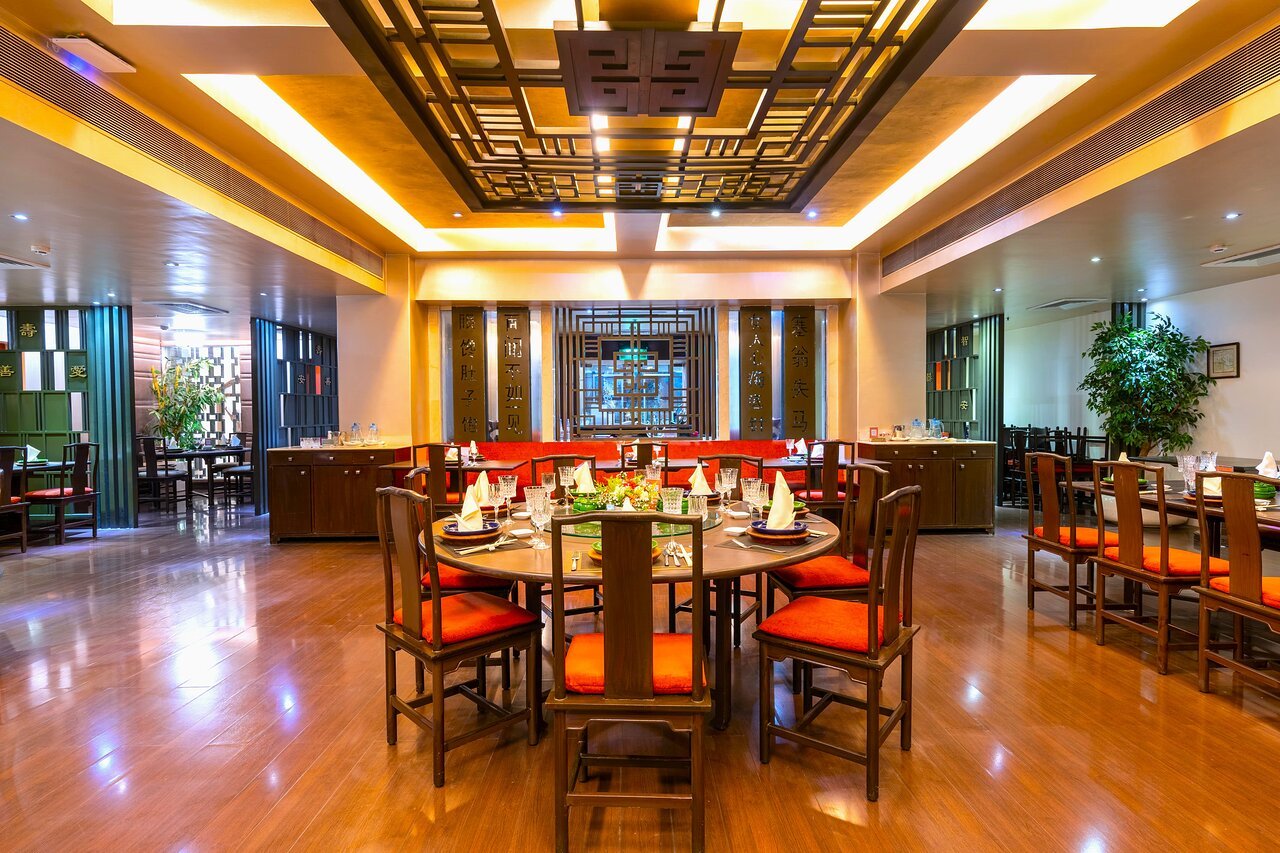
Flavors of China feels like a quietly refined destination tucked into the White Swan Hotel on Shamian Island. The setting leans into the island’s historic character and a deliberately measured pace — a contrast with the bustle of Guangzhou’s newer districts. The kitchen’s allegiance to Huaiyang, a classical Jiangsu tradition, reinforces that composed tone: dishes are built through time-honoured technique rather than flash. Regulars return with purpose, and Michelin Plate recognition underscores the restaurant’s steady, understated standards. Overall the mood is classic, respectful of tradition and comfortably removed from casual street-level dining.
Best For
This is a destination for diners seeking a considered, sit-down meal rather than quick street fare. The hotel location and the restaurant’s classical Huaiyang focus make it well suited to business dinners, groups looking for a special shared menu, and hotel guests on work trips who want a reliable, refined dinner. The menu rewards patience — slow-braised and precisely executed dishes — so evenings or later dinners feel most appropriate. Regulars and visitors alike come here when they want technique-forward Cantonese-adjacent cooking in a composed setting.
Ordering Tips
Lean into the kitchen’s signatures and the Huaiyang repertory: the menu highlights slow-braised favourites such as lion’s head meatball, precisely cut wensi tofu and clear, long-built broths; the house’s signature sunflower seed–fed chicken in rice wine sauce and scalded shredded eel in oil are emblematic choices. Given the restaurant’s destination status on the hotel’s third floor and its emphasis on technique over quick dishes, expect a multi-course, unhurried meal rather than fast plates. These selections showcase the clarity and restraint that define the cooking here.
Planning details
Location
China, 1, Liwan District, Shamian S St, 1号CN 广东省 广州市3楼 White Swan Hotel 邮政编码: 510130 · Directions
Recognition and awards
.png?width=144&height=144&quality=80)
Also consider
Also Consider
- Imperial Treasure Fine Chinese Cuisine; Cantonese, ¥¥¥
- Taian Table; Modern European, European Contemporary, ¥¥¥¥
- Chōwa; Innovative, ¥¥¥
- Imperial Treasure Fine Teochew Cuisine; Chao Zhou, ¥¥¥
- Rêver; French Contemporary, ¥¥¥¥
Restaurant context
At the ¥¥¥ price tier, Flavors of China competes most directly with Imperial Treasure Fine Chinese Cuisine and Imperial Treasure Fine Teochew Cuisine. Both Imperial Treasure venues operate in well-established regional Chinese traditions with strong brand credibility, but they lean Cantonese and Teochew respectively; meaning Flavors of China is the only realistic option at this price point if Huaiyang cuisine specifically is what you want. For a business dinner where cuisine authenticity matters to your guests, Flavors of China has a differentiated position. For a more broadly crowd-pleasing Cantonese dinner at the same spend, Imperial Treasure Fine Chinese Cuisine is the safer choice.
Chōwa sits at ¥¥¥ but operates in the Innovative category, meaning it is a different kind of evening entirely; better for a dining experience where creativity and surprise are the point, rather than regional tradition. If you are choosing between Chōwa and Flavors of China for a special occasion, the decision comes down to whether your guests want to encounter a specific Chinese culinary heritage or a more contemporary, genre-crossing menu. Chōwa wins on novelty; Flavors of China wins on cultural specificity.
At ¥¥¥¥, Taian Table and Rêver operate in Modern European and French Contemporary territory; a different conversation altogether. If budget is not a constraint and you want the highest-stakes dining experience in Guangzhou, those venues set a higher ceiling. But if you are specifically in Guangzhou to eat Chinese food and want Michelin-recognised quality at a sensible price, Flavors of China at ¥¥¥ delivers a more regionally coherent argument for its cost than either of the ¥¥¥¥ European options.
Explore Guangzhou
Around this place
Discover more on Pearl
Unlock the full Flavors of China guide in Pearl, including awards, comparisons, FAQs, planning details, and nearby places.
Compare Flavors of China
| Venue | Awards | Price |
|---|---|---|
| Flavors of China | 2025 Michelin Plate2024 Michelin Plate | ¥¥¥ |
| Imperial Treasure Fine Chinese Cuisine | Michelin Guide Shanghai Jiangsu Zhejiang 20262025 OAD Top Restaurants in Asia Ranked · #2952025 Michelin 2 Stars2025 La Liste Top Restaurants2024 OAD Top Restaurants in Asia Ranked · #2752024 Michelin 2 Stars2023 OAD Top Restaurants in Asia Highly Recommended | ¥¥¥ |
| Taian Table | 2026 OAD Top Restaurants in Asia Ranked · #62Star Wine Lists 20262026 La Liste Top Restaurants2026 Black Pearl 1 Diamond2026 Les Grandes Tables du Monde Members2025 OAD Top Restaurants in Asia Ranked · #852025 Michelin 2 Stars2025 Michelin 3 Stars2025 La Liste Top Restaurants | ¥¥¥¥ |
| Chōwa | 2025 Michelin 1 Star2025 The Best Chef Two Knives2024 Michelin Plate | ¥¥¥ |
| Imperial Treasure Fine Teochew Cuisine | 2025 OAD Top Restaurants in Asia Ranked · #1472025 Michelin 1 Star2024 OAD Top Restaurants in Asia Ranked · #1382023 OAD Top Restaurants in Asia Ranked · #117 | ¥¥¥ |
| Rêver | 2025 Michelin 1 Star2025 The Best Chef One Knife2024 Michelin 1 Star | ¥¥¥¥ |
.png?width=1200&quality=80)











A quick look at how Flavors of China measures up.
FAQ
Frequently Asked Questions
Is Flavors of China good for a special occasion?
Yes, more reliably so than most hotel restaurants at this price point. Back-to-back Michelin Plates in 2024 and 2025 give it a credible floor for celebration dinners. The White Swan Hotel address on Shamian Island adds a sense of occasion without the chaos of central Guangzhou. For groups wanting something more overtly theatrical, Taian Table plays a different game; but for a composed, formal Huaiyang meal, Flavors of China delivers.
Is the tasting menu worth it at Flavors of China?
At ¥¥¥ pricing, Flavors of China sits in a tier where structured menus typically represent better value than ordering à la carte, particularly for first visits where you want range across the Huaiyang repertoire. Specific menu pricing is not publicly listed, so confirm current options when booking. If tasting format is your priority, Taian Table in Shanghai is the regional benchmark; but Flavors of China is the more accessible Guangzhou option at this award level.
What should I wear to Flavors of China?
The White Swan Hotel setting and Michelin Plate recognition suggest a neat, dressy-casual standard at minimum. The Huaiyang cuisine tradition skews formal rather than casual in most mainland China hotel contexts at ¥¥¥ pricing. No dress code is formally documented but arriving in business-casual attire is the low-risk call.
What should I order at Flavors of China?
Huaiyang cooking is defined by precise knife technique, clear broths, restrained seasoning; dishes built on craft rather than intensity. Specific menu items are not documented here, so ask staff which preparations best showcase the kitchen's current focus. Classic Huaiyang reference points include lion's head meatballs, braised fish, slow-cooked tofu dishes, though you should verify what is on the current menu at time of booking.
What should a first-timer know about Flavors of China?
This is a hotel restaurant inside the White Swan Hotel on Shamian Island, Liwan District; which means the room will feel more structured and quieter than street-level Guangzhou dining. Huaiyang cuisine is not Cantonese, so expect a noticeably different flavour profile: subtler, less oil-forward, with an emphasis on texture and technique over bold seasoning. Michelin Plate status in both 2024 and 2025 confirms consistent kitchen quality. Phone and hours are not publicly listed, so book directly through the hotel.