




The Imperial New Delhi
Connaught Place, New Delhi
Hotel in New Delhi, India
 Book with Pearl
The Read
Lutyens-Era Colonial Grand
Price
$300–500per night
Why go
Questioning whether The Imperial New Delhi is worth the splurge? Book it if heritage, central access, formal service, and hotel-as-experience matter; skip it if the priority is sleek contemporary design or resort-style seclusion. Michelin 2 Keys, Leading Hotels of the World membership, La Liste hotel recognition, and Virtuoso partnership all support the premium positioning.
About The Imperial New Delhi
The Imperial New Delhi is a $$$$ venue in New Delhi with a smart casual dress code and several confirmed luxury-hotel recognitions. Confirmed distinctions include Michelin 2 Keys (2025), Leading Hotels of the World membership (2025), La Liste Top Hotels recognition for 2026 with 92 points, and Virtuoso Luxury Hotel Partner status for 2026.
Because the public record here is limited, the safest way to judge the stay is by those confirmed signals rather than by claims about specific rooms, restaurants, amenities, location details, or service formats. Treat it as a high-end New Delhi option where the published price tier and confirmed recognitions are the reliable anchors.
Book for luxury credentials
The strongest grounded reason to consider The Imperial New Delhi is its confirmed recognition profile. Michelin 2 Keys in 2025 is a meaningful hotel distinction, and its Leading Hotels of the World and Virtuoso affiliations point to a premium positioning. La Liste Top Hotels also lists it for 2026 with 92 points.
Beyond those facts, avoid assuming specific room counts, design details, dining venues, amenity lists, or neighborhood advantages unless they are confirmed directly with the hotel or your booking channel. The information supports a premium New Delhi stay, but it does not verify the finer operational details sometimes attached to the property.
Use privileges carefully, then confirm details directly
The confirmed affiliations may matter when comparing booking channels. If you are considering a luxury travel program or partner rate, confirm the current benefits at the time of booking rather than assuming inclusions such as breakfast, credits, upgrades, or flexible check-in and check-out.
The same caution applies to dining, rooms, wellness facilities, transport, and on-property services. Ask the hotel or travel advisor for current details before committing.
For location planning, the only location detail to rely on here is New Delhi. If neighborhood proximity, meeting access, sightseeing convenience, or airport transfers are central to the trip, verify the exact logistics separately before booking.
Inside The Imperial New Delhi
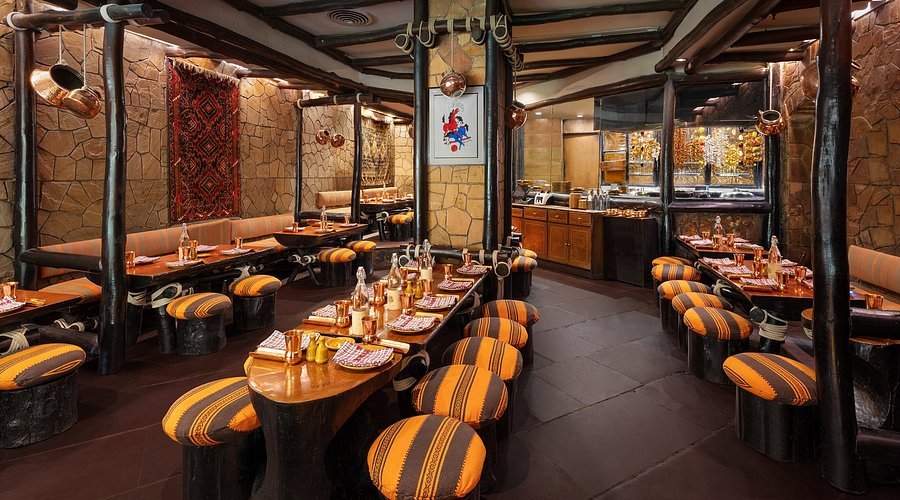
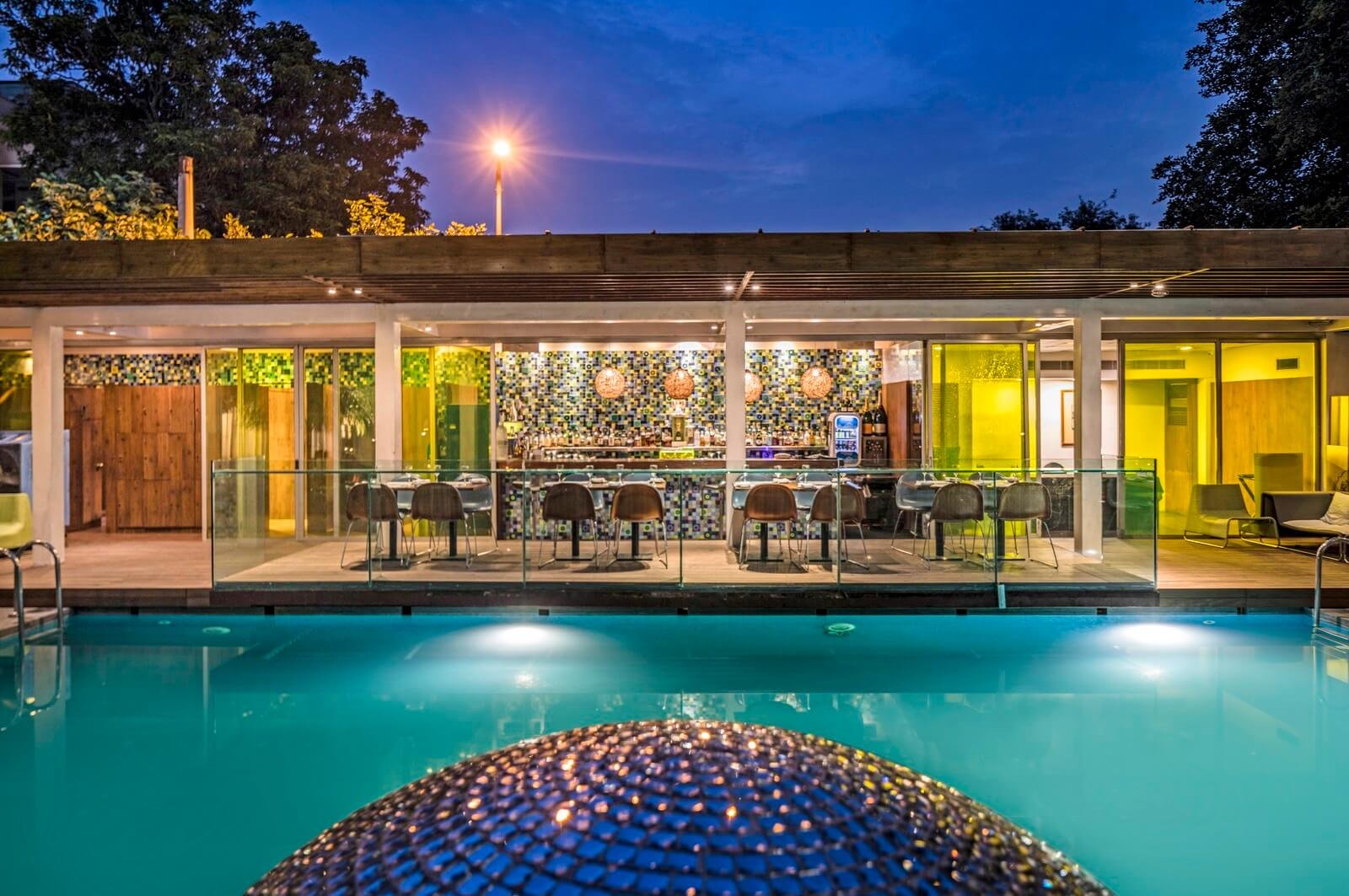
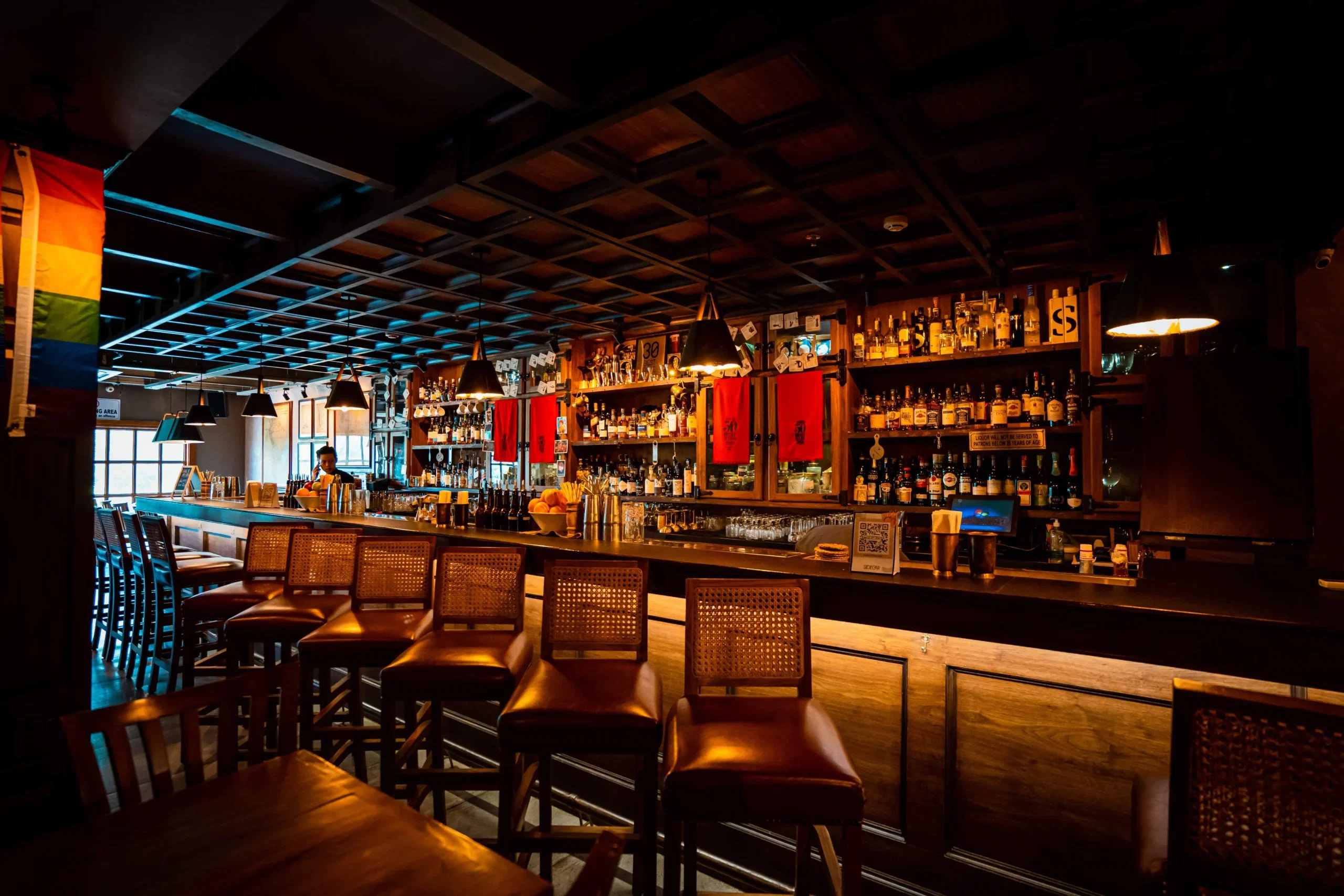
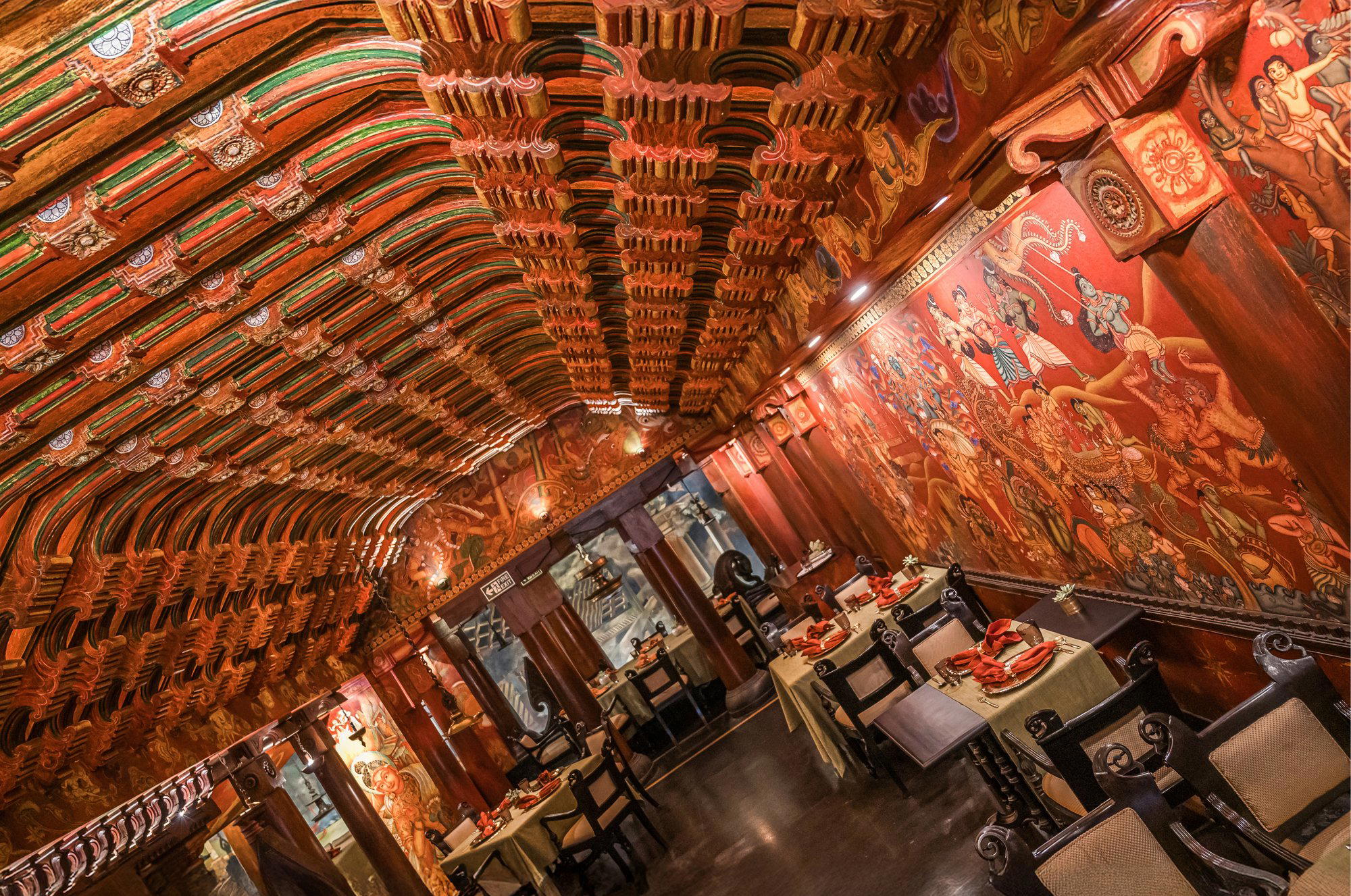 restaurantThe Spice RouteInside The Imperial on Janpath, The Spice Route occupies one of Delhi's most architecturally considered dining rooms, tracing the historical spice trade corridor from Kerala to Southeast Asia through its murals, hand-carved interiors, and a menu that treats regional Indian cooking as a serious culinary archive rather than a hotel amenity.
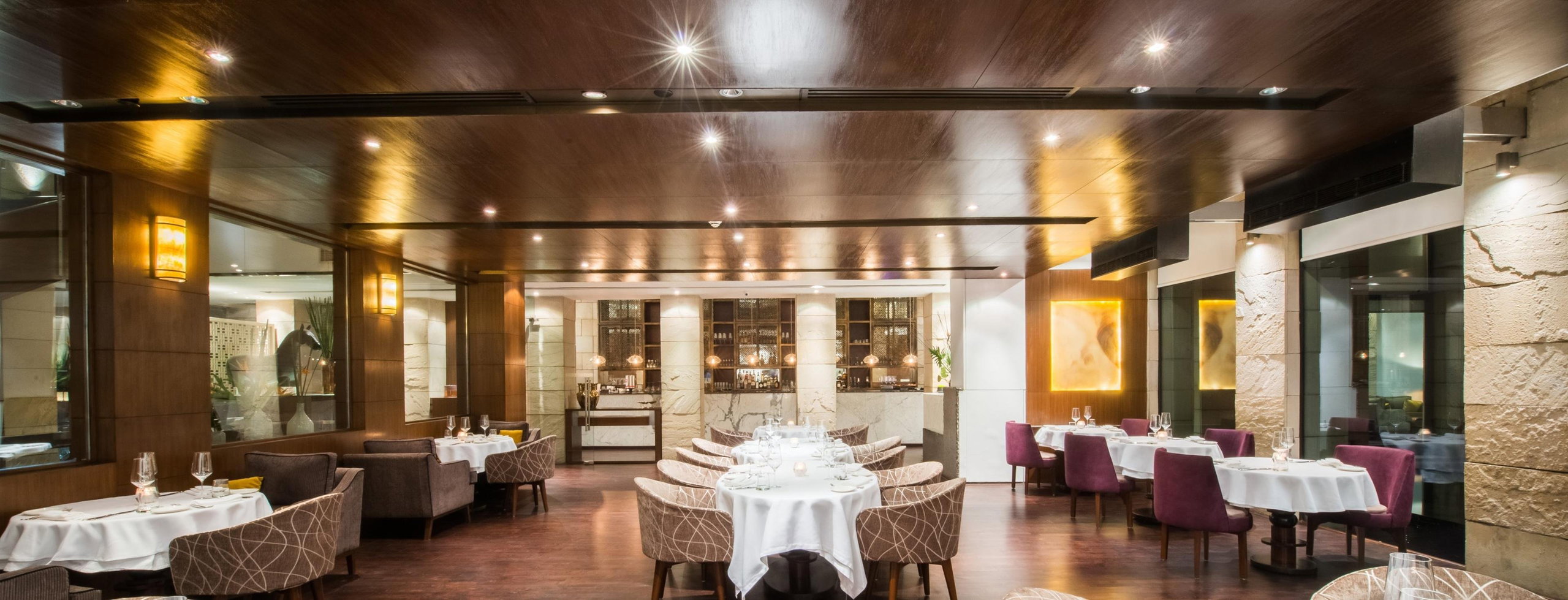
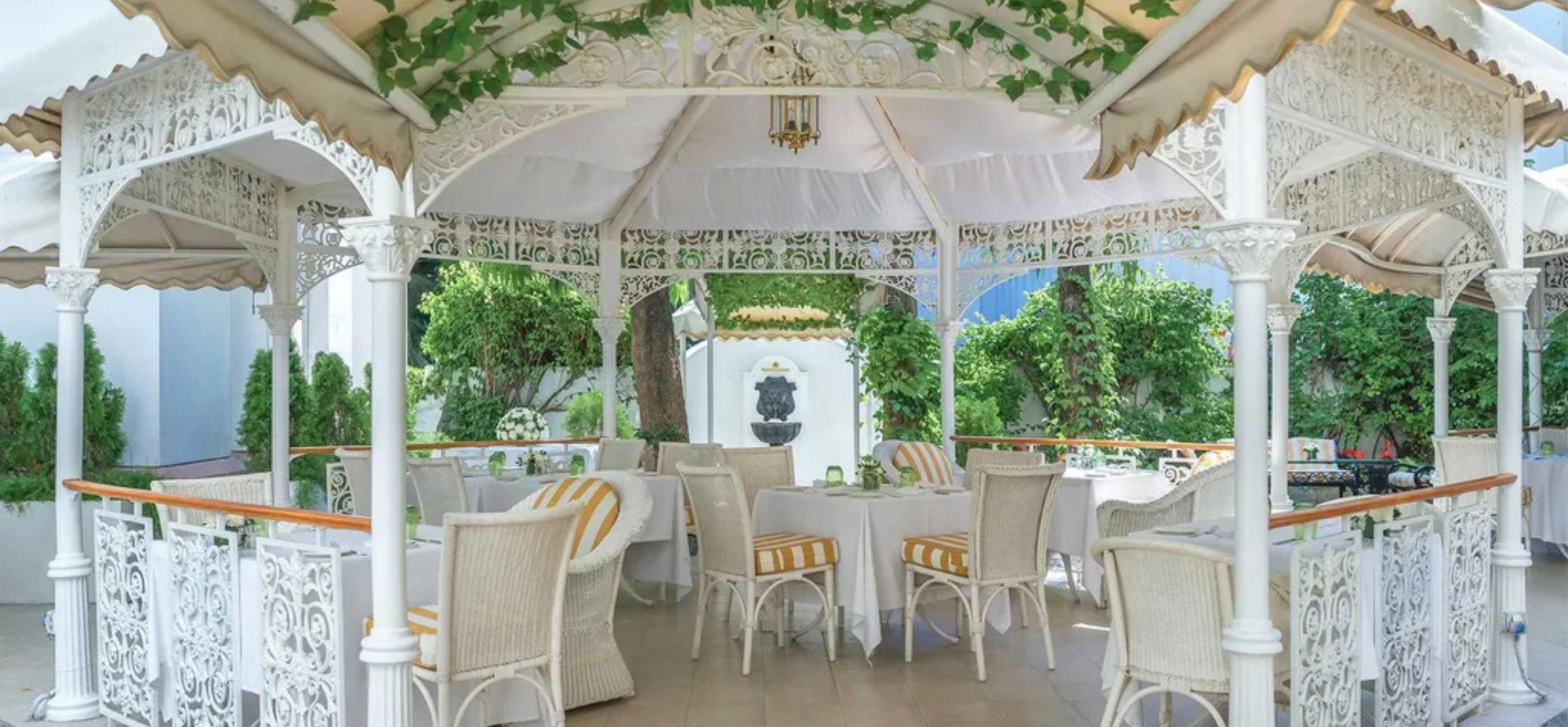 restaurantSan Gimignano RestaurantSet within The Imperial Hotel on Janpath, San Gimignano brings an Italian sensibility to one of New Delhi's most storied colonial addresses. The restaurant operates inside a property that has defined the capital's luxury hotel dining for decades, placing it firmly in the upper tier of the city's international cuisine scene. Advance booking is advisable, particularly for dinner at one of Delhi's most formally recognised hotel addresses.
Planning details
- Location
- Janpath Ln, Janpath, Connaught Place, New Delhi, Delhi 110001
- Website
- theimperialindia.com
- Phone
- +91 11 4150 1234
The take
The Take
The Vibe
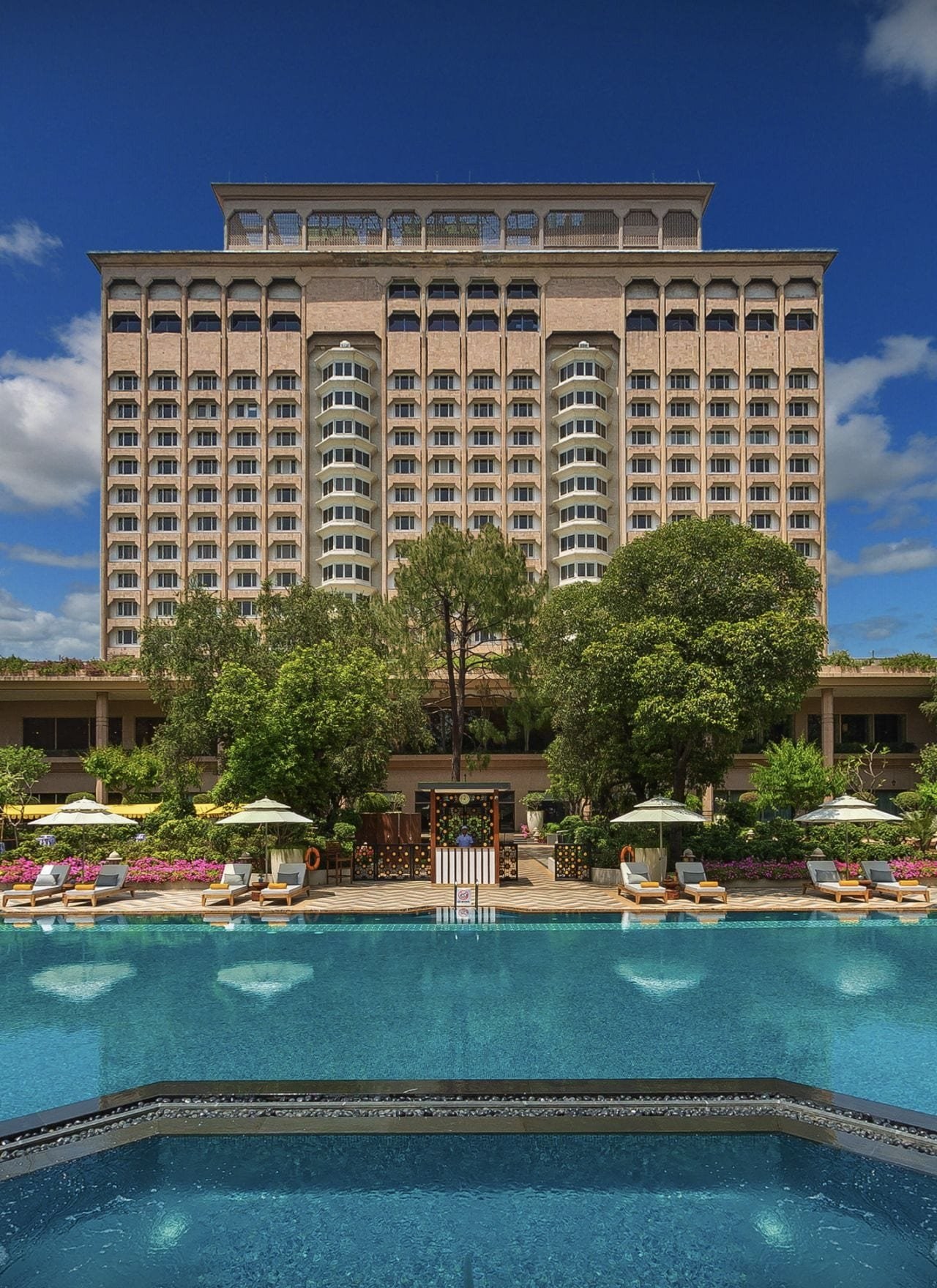
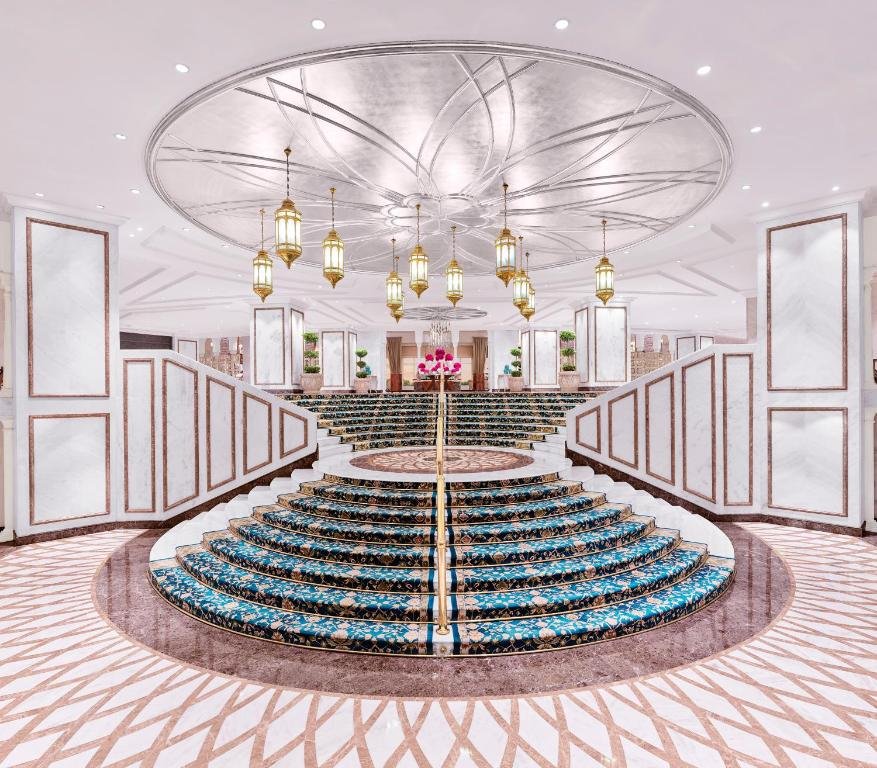
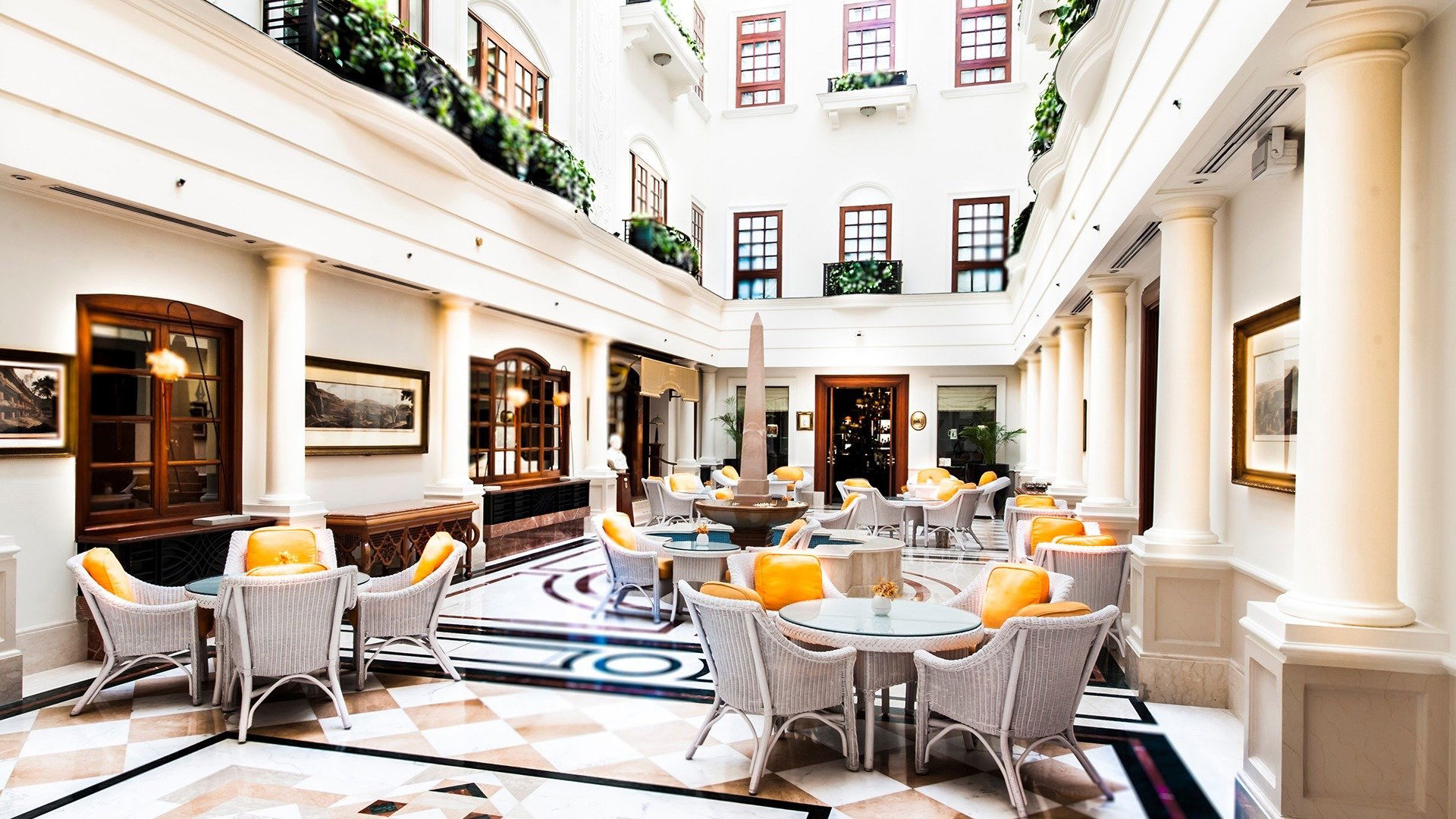
The Imperial reads as a living piece of New Delhi's civic architecture. Occupying an eight‑acre Janpath parcel since 1936 and designed by an associate of Sir Edwin Lutyens, the hotel layers Victorian formalism and Art Deco details against the planned proportions of Lutyens' city. Its colonnaded veranda and measured proportions feel deliberate rather than decorative, and the property presents itself as a stately, historically anchored address that continues to host diplomatic receptions and high‑stakes political and business gatherings. The tone is formal and civic: a grand hotel that wears its pedigree openly.
Best For
This hotel is best for travellers and organisers whose plans centre on Delhi's administrative and cultural core. If your itinerary includes the National Museum, Rajpath, India Gate and South Block, The Imperial eliminates much of the location logistics, and it is clearly suited to business travellers, delegations and those arranging diplomatic or corporate events. The hotel's long history as a venue for political meetings and receptions makes it a reliable choice for formal gatherings and ceremonies where proximity to ministries and government offices matters.
Stay Tips
Use The Imperial when proximity to Delhi's government and cultural institutions is the priority: the description notes easy access to the India Gate corridor, Connaught Place and the National Museum, and an airport transfer of roughly 30 minutes. Plan meetings and receptions here when delegates or officials need a central, recognizable address. Because the property is positioned as a default venue for diplomatic and business functions, confirm logistics relevant to any official gatherings in advance to take advantage of its location and institutional familiarity.
Venue details
Ambiance
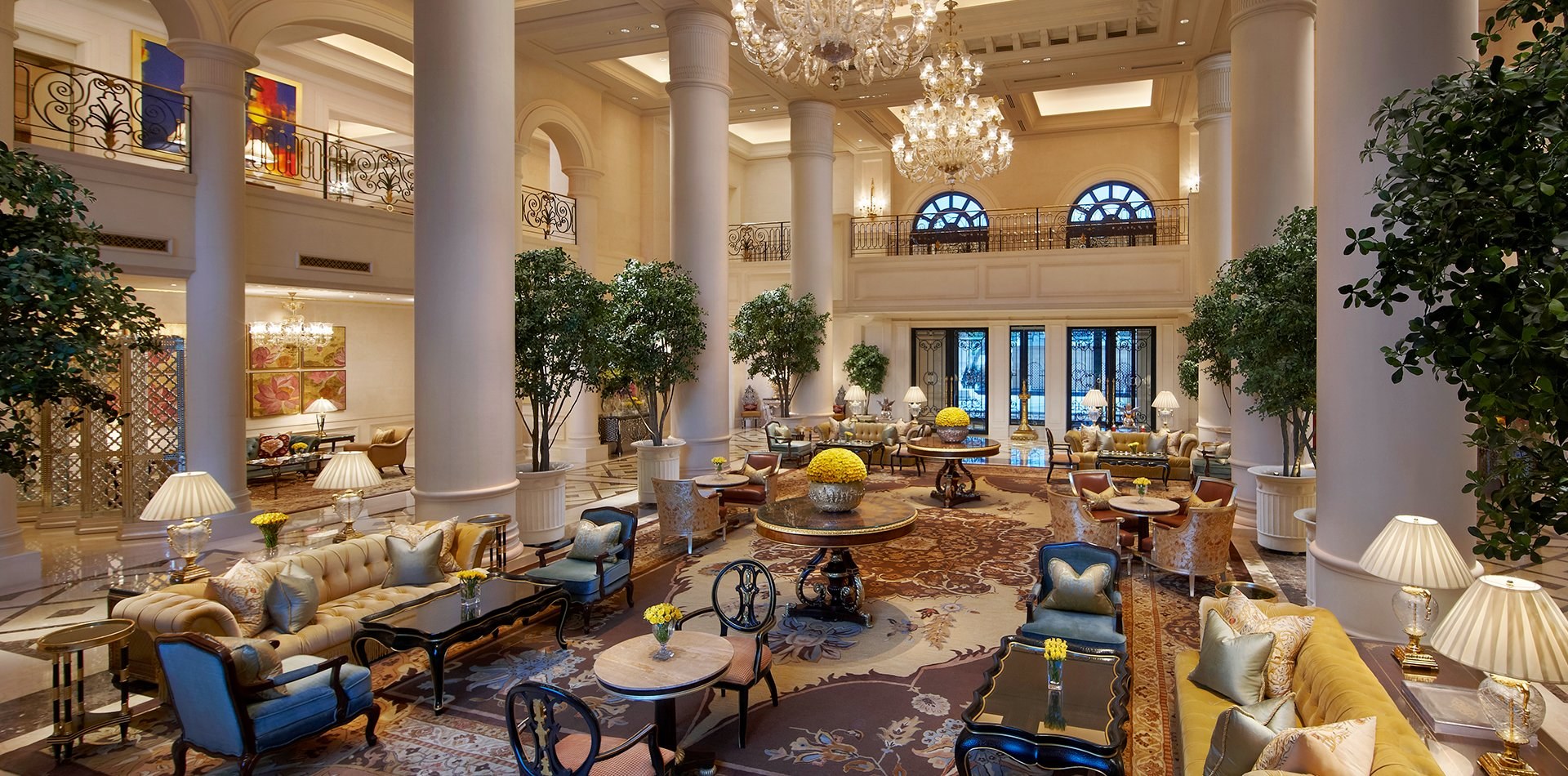
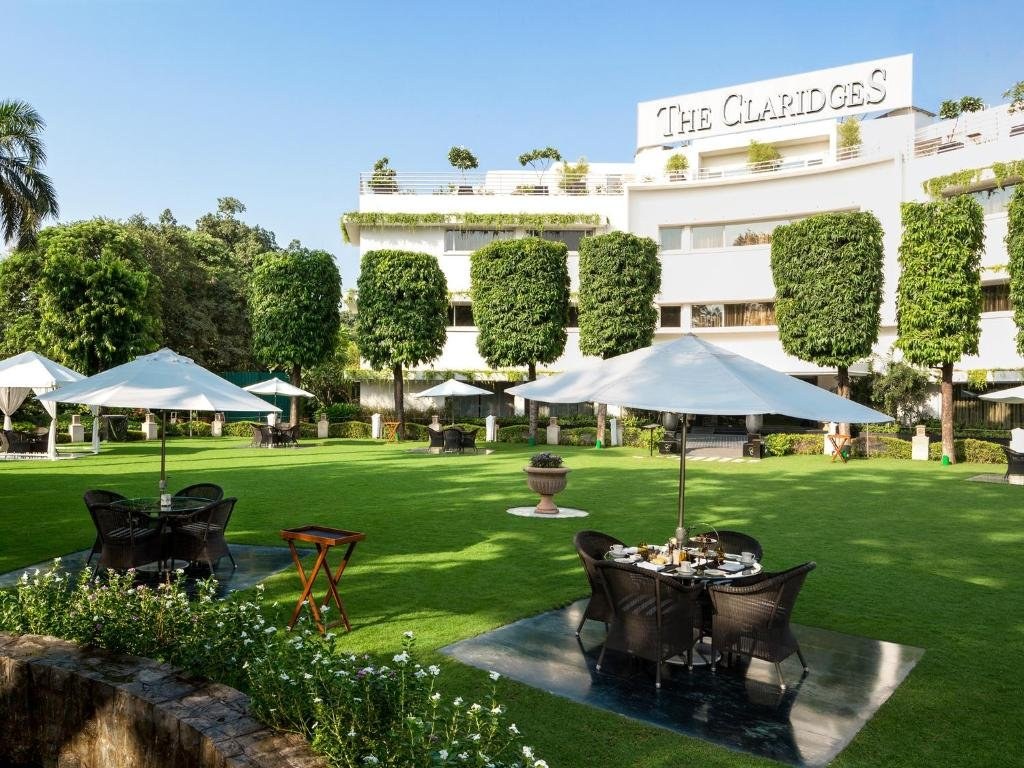
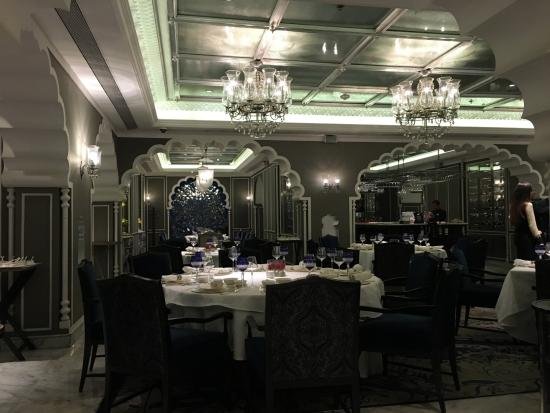
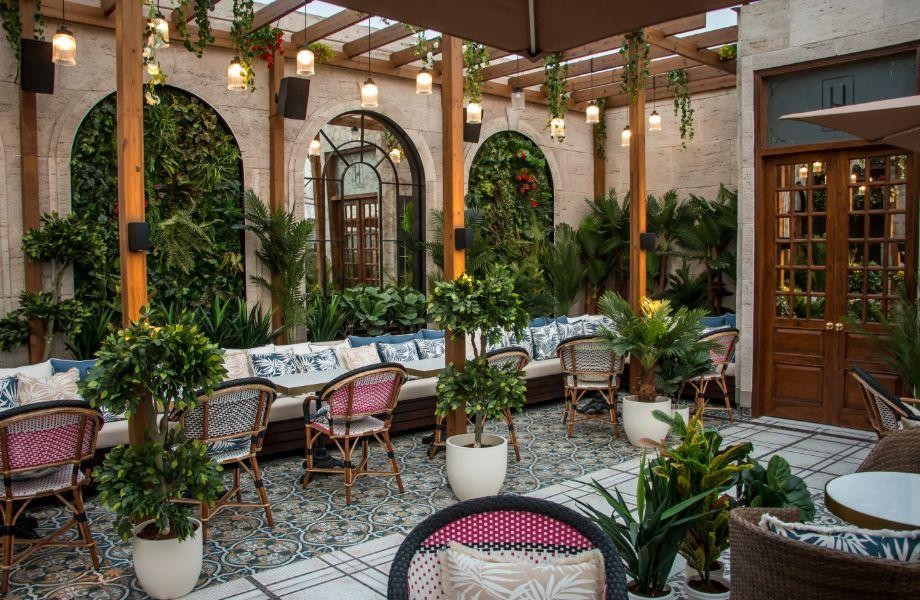
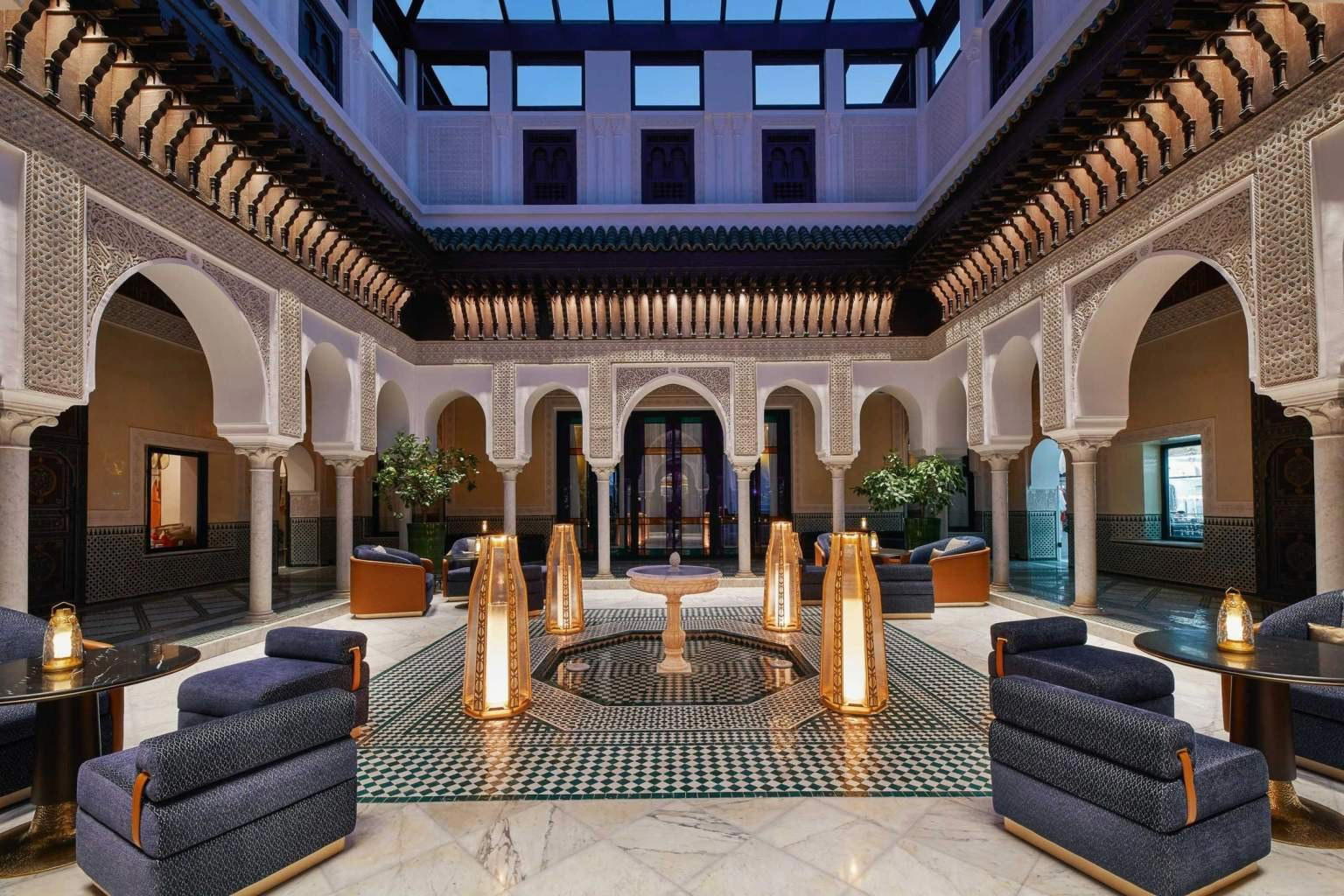
Sophisticated and serene with classical elegance; the property features dark wood paneling, stained-glass details, and manicured gardens that create a tranquil retreat despite the central location. Warm, attentive service and refined public spaces evoke old-world luxury.
Tags
Vibe
Best For
Experience
Amenities
View
Accessibility
About the Stay
- Rooms
- 235
- Check-in
- 15:00
- Check-out
- 11:00
- Property Type
- Heritage hotel
- Property Style
- Historic Luxury Heritage Hotel Blending Victorian Era Architecture with Contemporary Art Deco Design Elements, Positioned as an Urban Resort with Curated Art Collections and Refined Public Spaces.
- Design Style
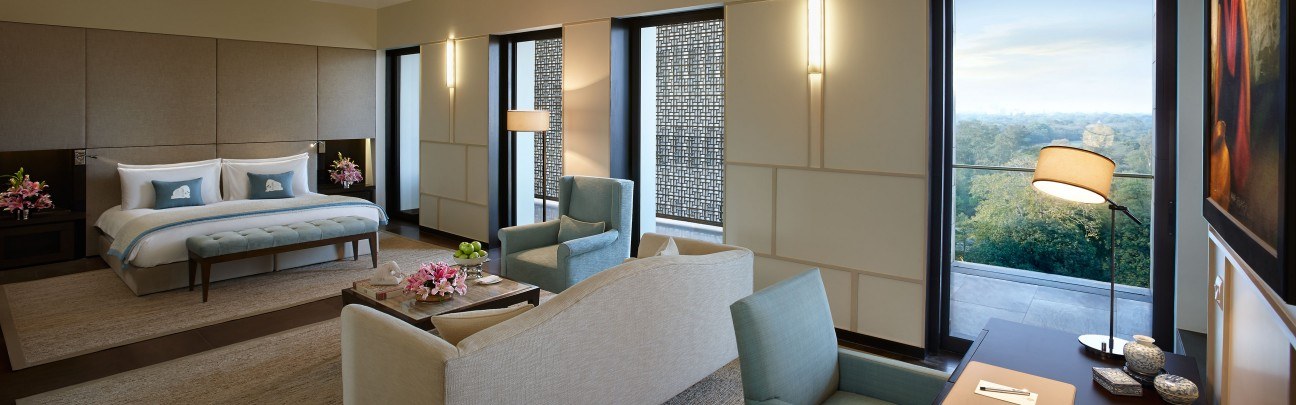
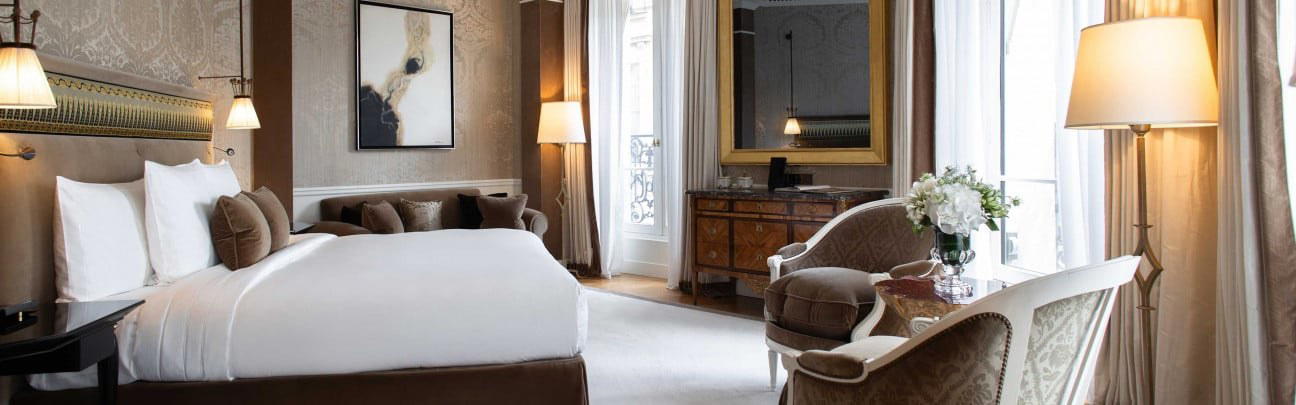
- Eclectic Heritage Aesthetic Combining Old World English Elegance with Contemporary Art Deco; Features Dark Wood Paneling, Stained Glass Details, Marble Bathrooms, and Individually Decorated Rooms Ranging From Classic to Modern Interpretations.
- Airport Transfer
- Available
- Pool
- Yes
- Spa
- Yes
- Families
- Welcome
- Cancellation
- Moderate
Know before you go
Know Before You Go
- Getting there
- Janpath Ln, Janpath, Connaught Place, New Delhi, Delhi 110001
Planning details
Location
Janpath Ln, Janpath, Connaught Place, New Delhi, Delhi 110001 · Directions




Explore New Delhi
Around this place
Discover more on Pearl
Unlock the full The Imperial New Delhi guide in Pearl, including awards, comparisons, FAQs, planning details, and nearby places.
FAQ
Frequently Asked Questions
Which room category is best at The Imperial New Delhi?
For a $$$$ stay, choose based on the current room descriptions and cancellation terms shown by the hotel or your booking channel.
Do loyalty programs work at The Imperial New Delhi?
The hotel is a Leading Hotels of the World member for 2025 and a Virtuoso Luxury Hotel Partner for 2026. Confirm any current benefits, inclusions, or booking requirements before reserving.
How is the location of The Imperial New Delhi?
The location information here is New Delhi. Confirm the exact address and travel times directly with the hotel or your booking channel if access to specific meetings, sightseeing, or transport hubs matters.
Is it worth upgrading rooms at The Imperial New Delhi?
Compare the current rate difference against the hotel’s live room descriptions before deciding.
Is The Imperial New Delhi good for business travel?
It may suit travelers seeking a $$$$ New Delhi hotel with confirmed luxury recognitions, including Michelin 2 Keys (2025), Leading Hotels of the World membership (2025), La Liste Top Hotels recognition for 2026 with 92 points, and Virtuoso Luxury Hotel Partner status for 2026. Confirm meeting, transport, and service needs directly before booking.