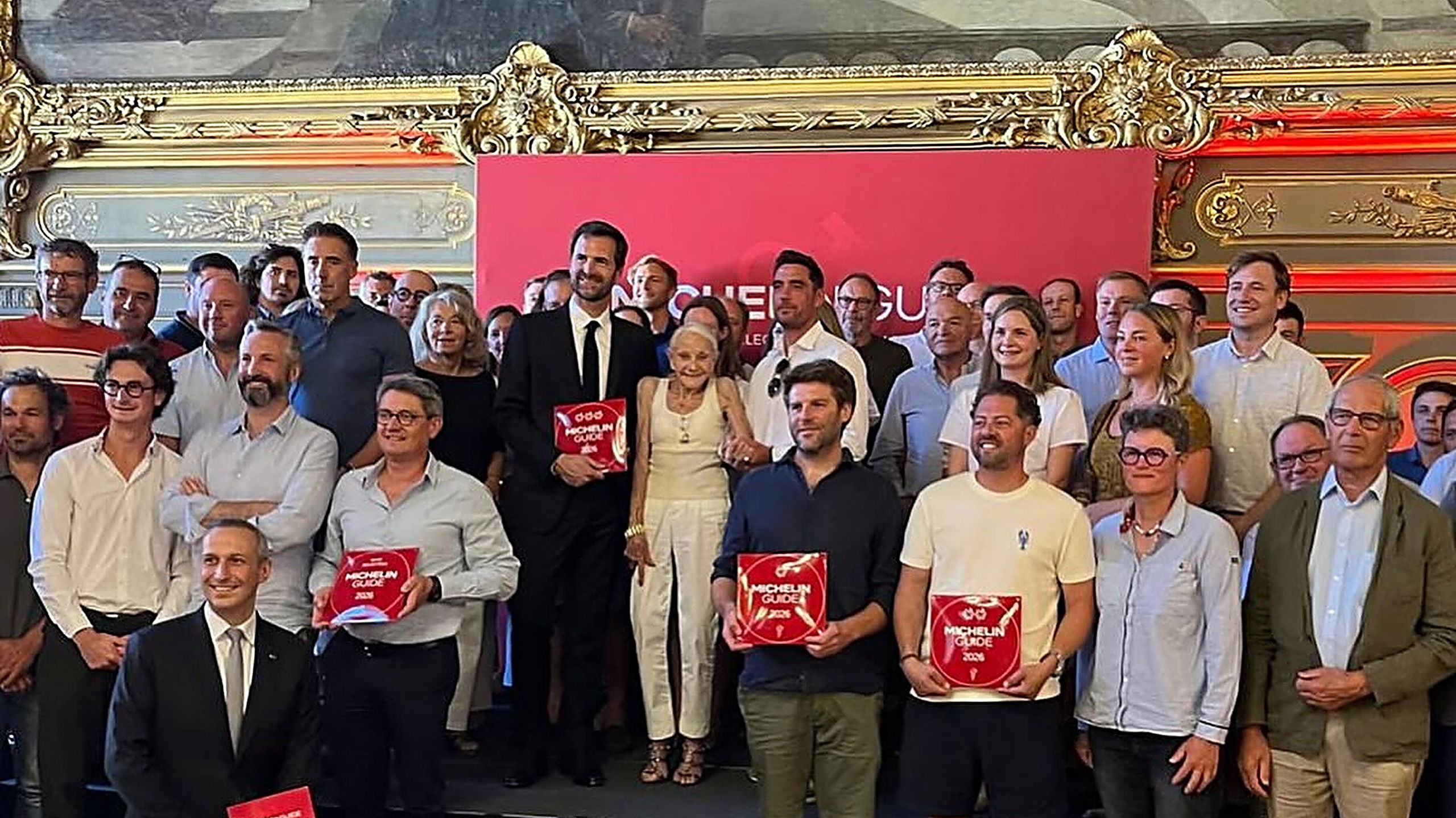
Inside the Palace of the Dukes of Burgundy (Palais des Ducs) in Dijon, Michelin took its symbols out of dining rooms and hotel suites and pointed them at the cellar. The MICHELIN Grape Selection Burgundy, revealed in 2026, is the Guide’s first estate-level wine rating, recognizing 94 Burgundy domaines across four tiers. The practical takeaway: start with the nine Three MICHELIN Grapes estates, then use the rest of the list as a sharper prompt when you are ordering Burgundy at dinner, briefing a hotel concierge, or planning a Côte d’Or itinerary.
It is a rating for a producer. It is the first time Michelin has rated wineries rather than restaurants, and this Michelin Burgundy list is the guide's opening move in wine. Michelin’s new grape symbol applies to wine estates rather than restaurants, with Burgundy as the inaugural region and a hierarchy that runs from Selected through One, Two, and Three MICHELIN Grapes. In a region where the name on the label can steer an entire wine-list conversation, that distinction matters.
Why Michelin Grape Selection Burgundy matters now
The inaugural Burgundy selection recognized 94 estates across four tiers: 9 Three MICHELIN Grapes, 20 Two MICHELIN Grapes, 33 One MICHELIN Grape, and 32 Selected estates. The rating sits above the individual bottle. It tells you which producers Michelin’s inspectors believe show sustained estate identity, rather than whether one cuvée in one vintage caught attention.
The criteria are precision in the vineyard and cellar, faithful terroir expression, and the personality of the vintner rather than reputation alone, judged across five measures: agronomy, technical mastery, identity, balance, and consistency. Gwendal Poullennec, International Director of the MICHELIN Guide, put the point plainly in the announcement:
“Excellence is not defined solely by the prestige of a name. It is expressed above all through the precision of the work carried out both in the vineyard and in the cellar.”
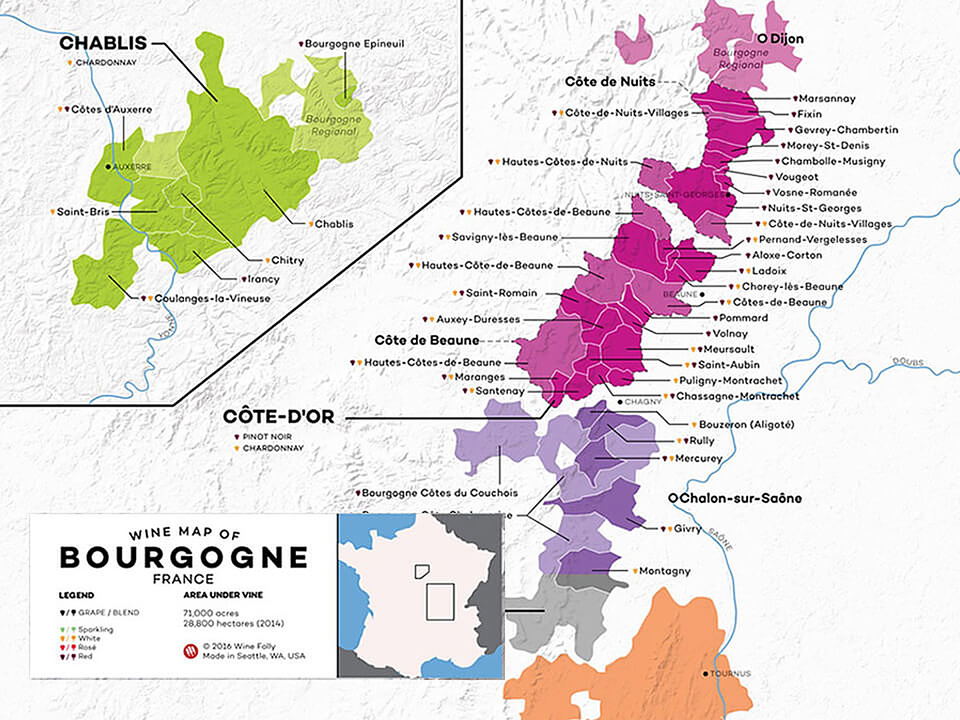
For travelers, the use is immediate. The Michelin Grape Selection Burgundy gives you a vetted shortlist before you arrive in Dijon, Beaune, Vosne-Romanée, Meursault, or Saint-Aubin. At dinner, it gives you a cleaner way to read a Burgundy section with your sommelier. On the road, it helps you ask better questions before a private tasting, a wine-bar stop, or a concierge-arranged day in the Côte de Nuits and Côte de Beaune.
The Nine Three-Grape Estates
| Estate | Appellation | Winemaker |
|---|---|---|
| Cécile Tremblay | Morey-Saint-Denis | Cécile Tremblay |
| Dugat-Py | Gevrey-Chambertin | Loïc Dugat-Py |
| Domaine Georges Roumier | Chambolle-Musigny | Christophe Roumier |
| Domaine de la Romanée-Conti | Vosne-Romanée | Bertrand de Villaine & Perrine Fenal |
| Domaine Leroy | Vosne-Romanée | Lalou Bize-Leroy |
| Domaine d'Auvenay | Saint-Romain | Lalou Bize-Leroy |
| Coche-Dury | Meursault | Raphaël Coche |
| Jean-Marc & Thomas Bouley | Volnay | Thomas Bouley |
| Hubert Lamy | Saint-Aubin | Olivier Lamy |
Nine estates, five in the Côte de Nuits and four in the Côte de Beaune. Keep these names close before the next Burgundy list or trip.
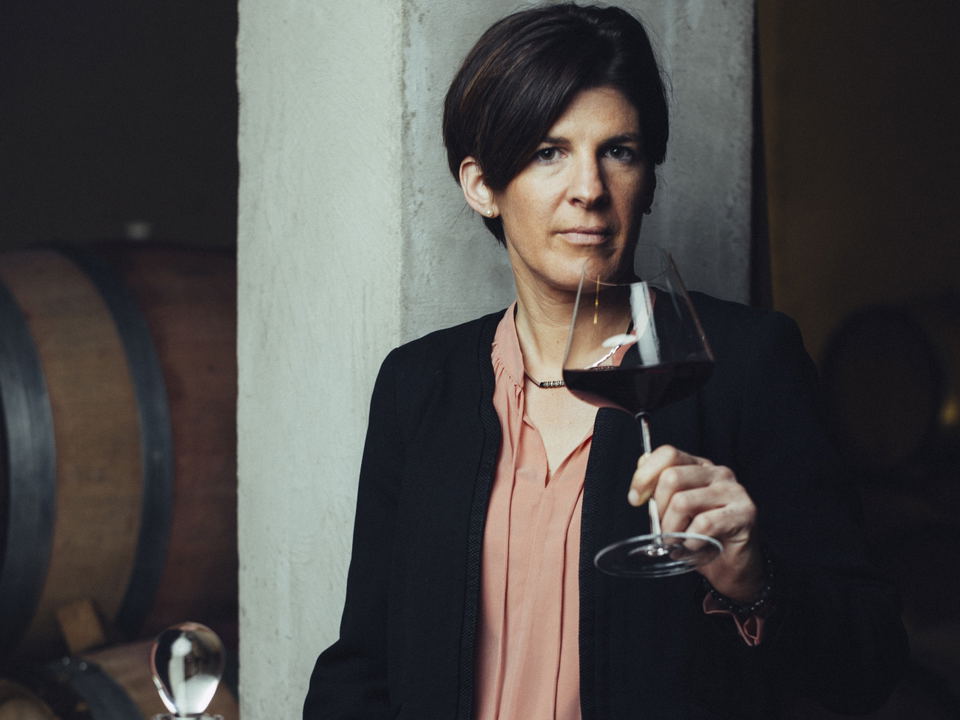
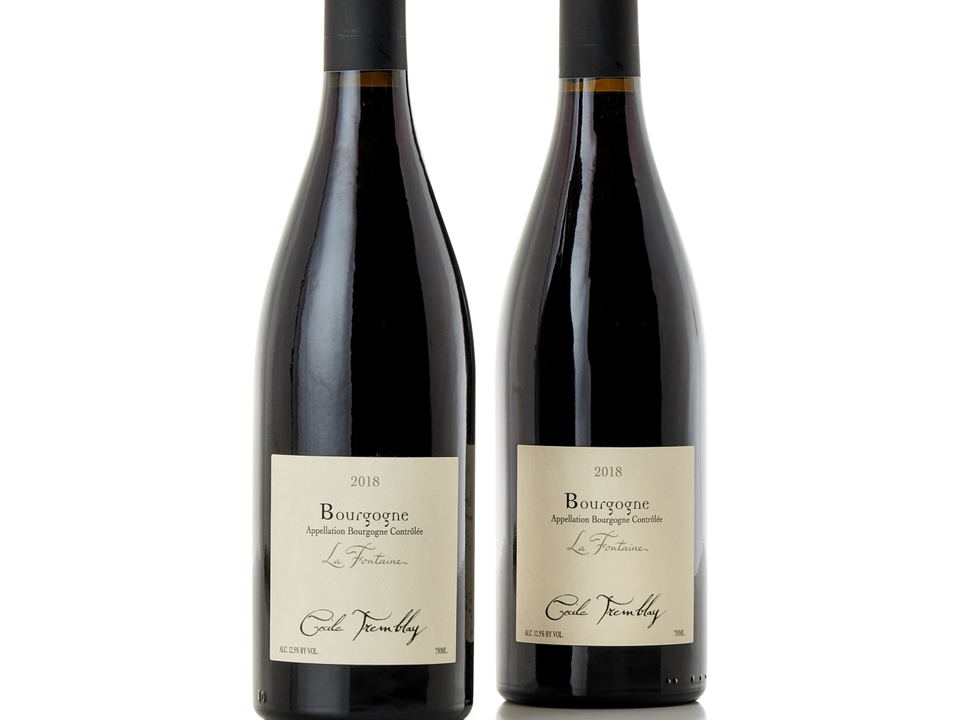
Cécile Tremblay, Domaine Cécile Tremblay (Morey-Saint-Denis)
Cécile Tremblay gives the top tier a Morey-Saint-Denis anchor, useful in a village often framed between Gevrey-Chambertin and Chambolle-Musigny. She reclaimed her family's vines in 2003 and farms them biodynamically.
Loïc Dugat-Py, Dugat-Py (Gevrey-Chambertin)
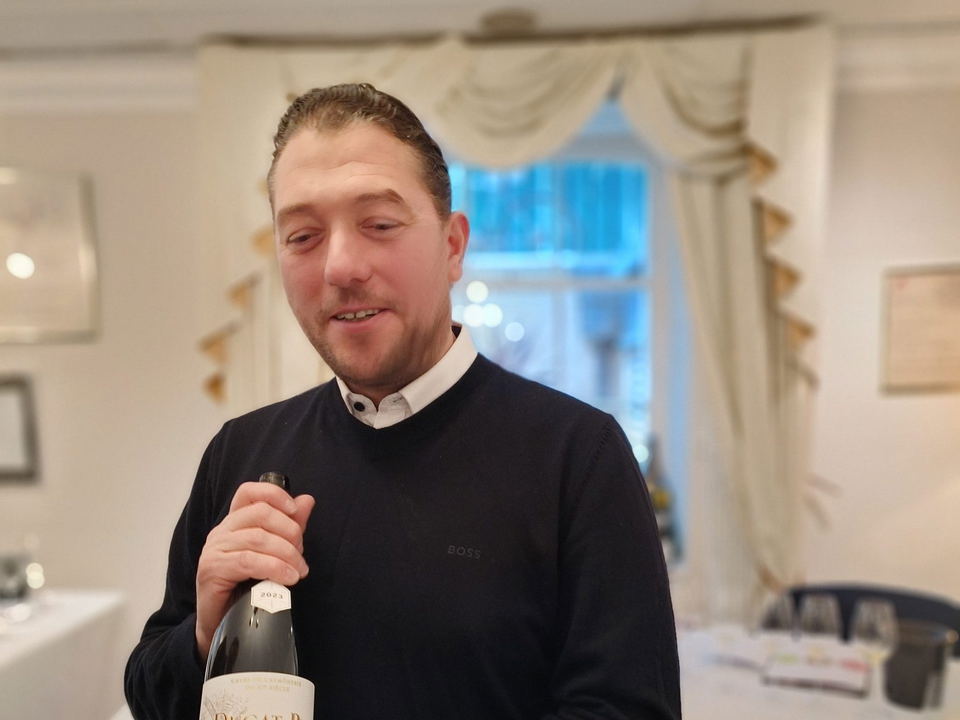
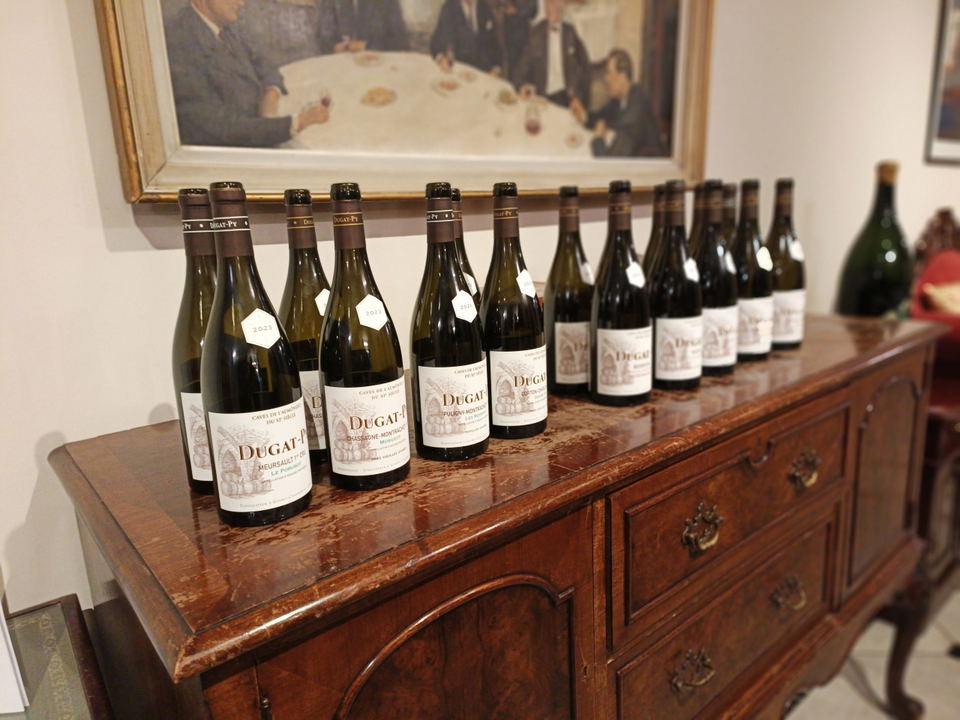
Dugat-Py carries Gevrey-Chambertin into the Three-Grape group, placing it beside several of Burgundy’s most chased domaines. Loïc Dugat-Py, who took over from his father Bernard in 2015, works old vines at tiny yields.
Christophe Roumier, Domaine Georges Roumier (Chambolle-Musigny)
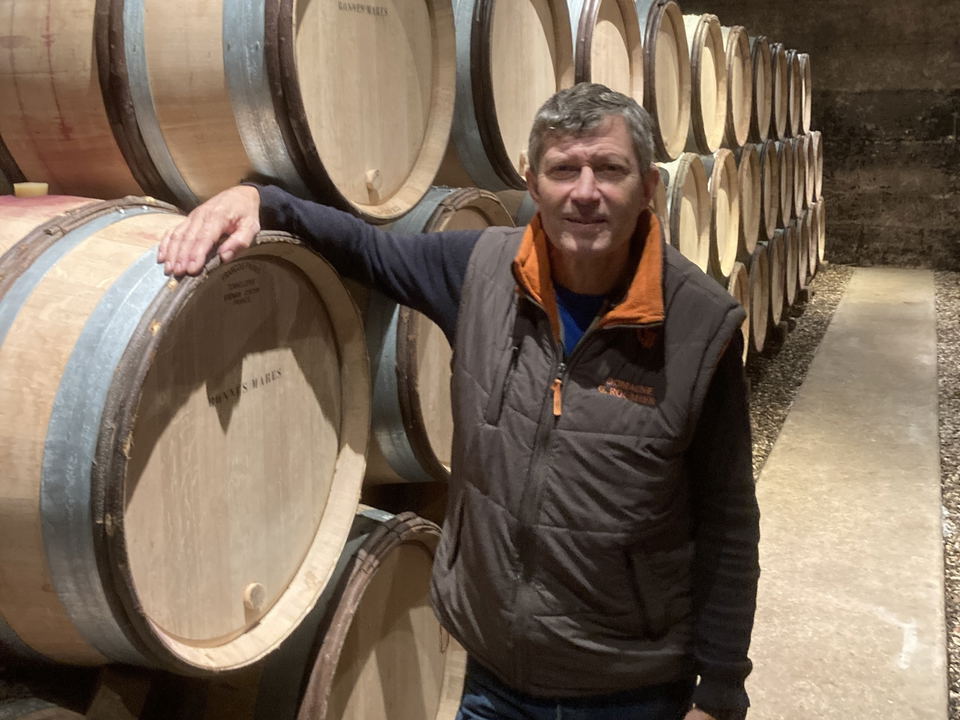
Roumier appears in the selection as Domaine Georges Roumier, tied to Chambolle-Musigny. Christophe Roumier has led the domaine since 1990, its Bonnes-Mares and Musigny among Burgundy's benchmarks. On a serious restaurant list, it still changes the temperature at the table.
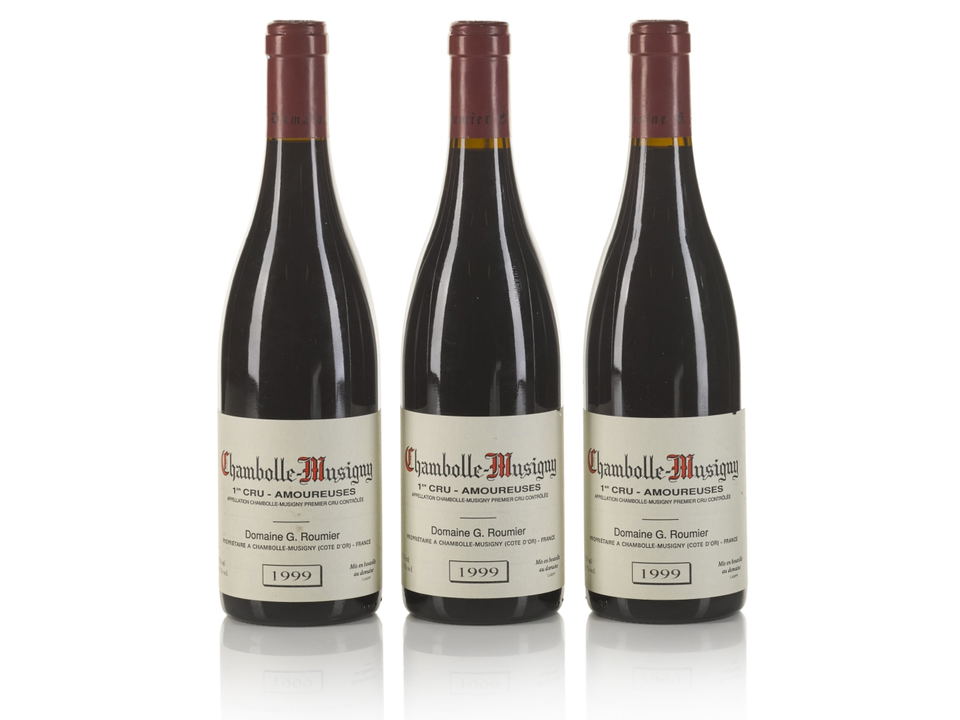
Bertrand de Villaine & Perrine Fenal, Domaine de la Romanée-Conti (Vosne-Romanée)

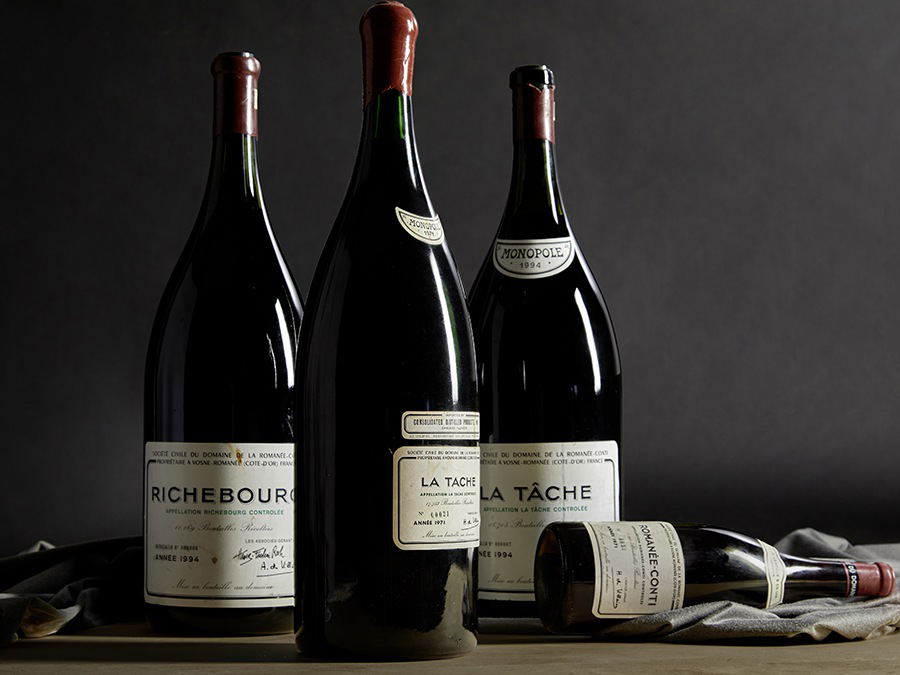
Domaine de la Romanée-Conti needs little introduction, but its inclusion matters because Grapes recognize estates, not single wines. The domaine is now co-directed by Bertrand de Villaine and Perrine Fenal, who succeeded Aubert de Villaine in 2022.
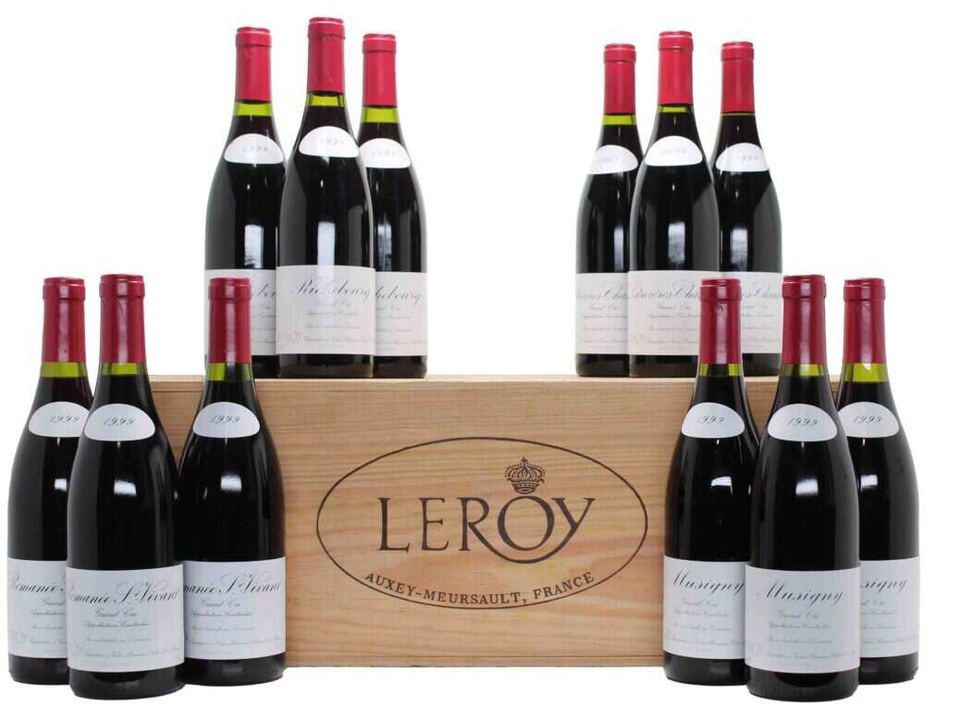
Lalou Bize-Leroy, Domaine Leroy (Vosne-Romanée)
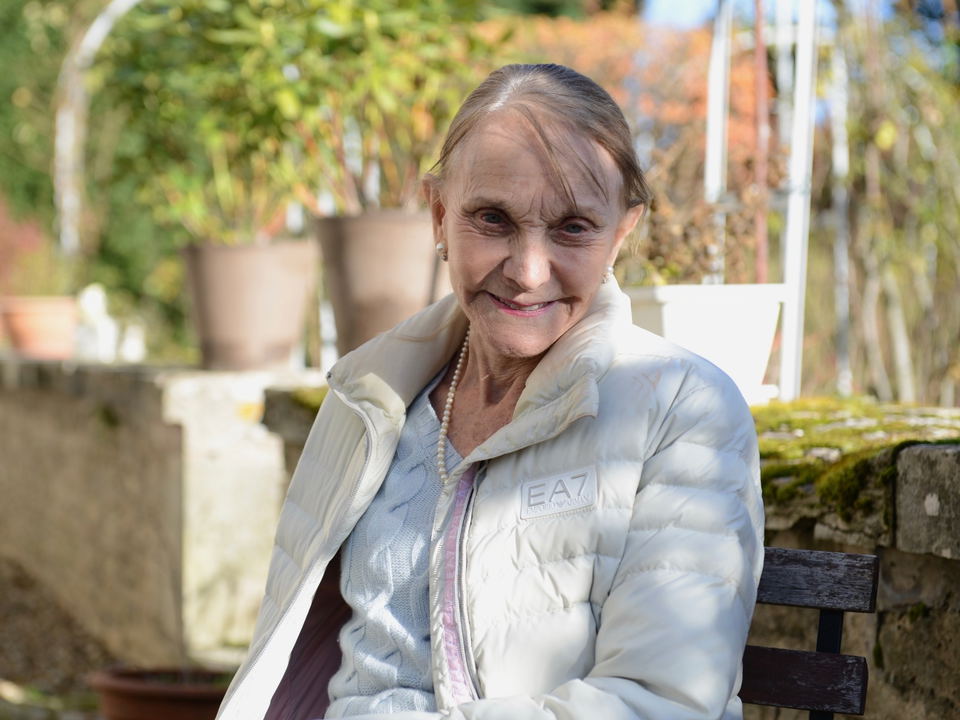
Domaine Leroy is the second Vosne-Romanée estate in the Three-Grape tier. Both Leroy and Domaine d'Auvenay belong to Lalou Bize-Leroy, now in her nineties and still closely involved in the wines. The pairing of DRC and Leroy gives Michelin’s first list immediate dining-room gravity.
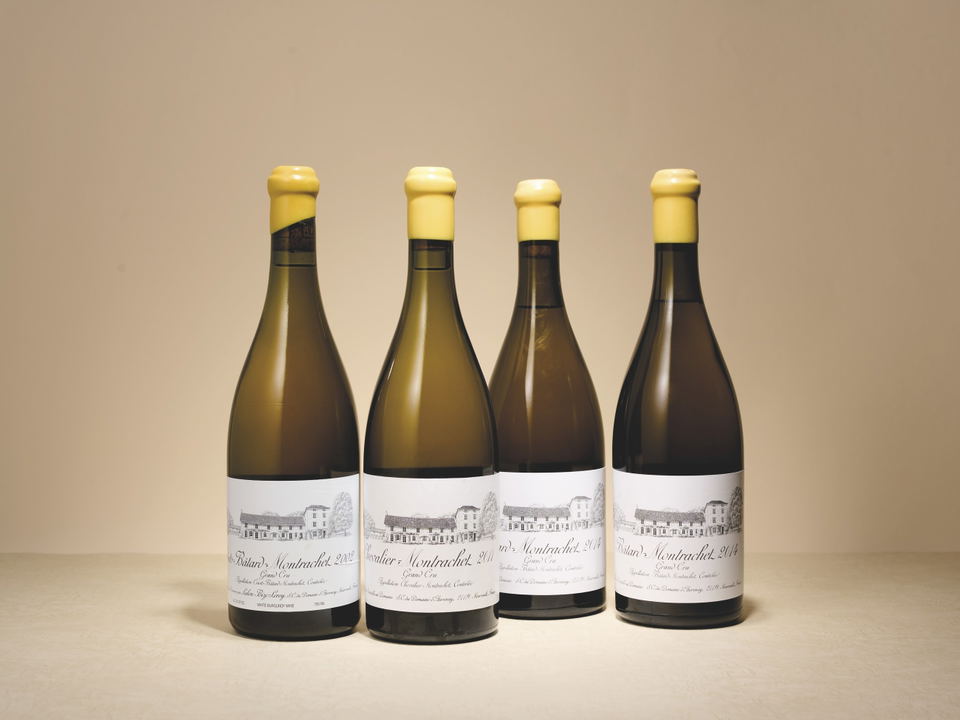
Lalou Bize-Leroy, Domaine d'Auvenay (Saint-Romain)
Domaine d’Auvenay brings Saint-Romain into the highest tier, a reminder that Michelin says it is judging precision and terroir expression, not reputation alone. It is Lalou Bize-Leroy's second Three-Grape estate, the source of her rarest bottlings.
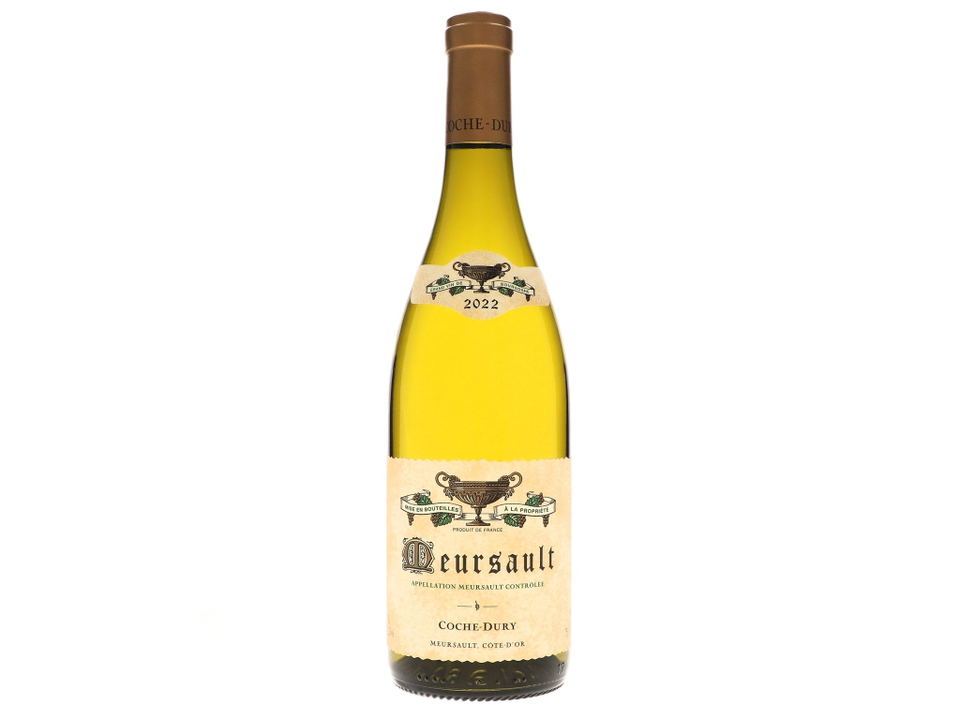
Raphaël Coche, Coche-Dury (Meursault)

Coche-Dury gives Meursault its Three-Grape estate in the inaugural selection. Raphaël Coche has taken over from his father, Jean-François Coche-Dury. On a restaurant list, the name already announces intent.
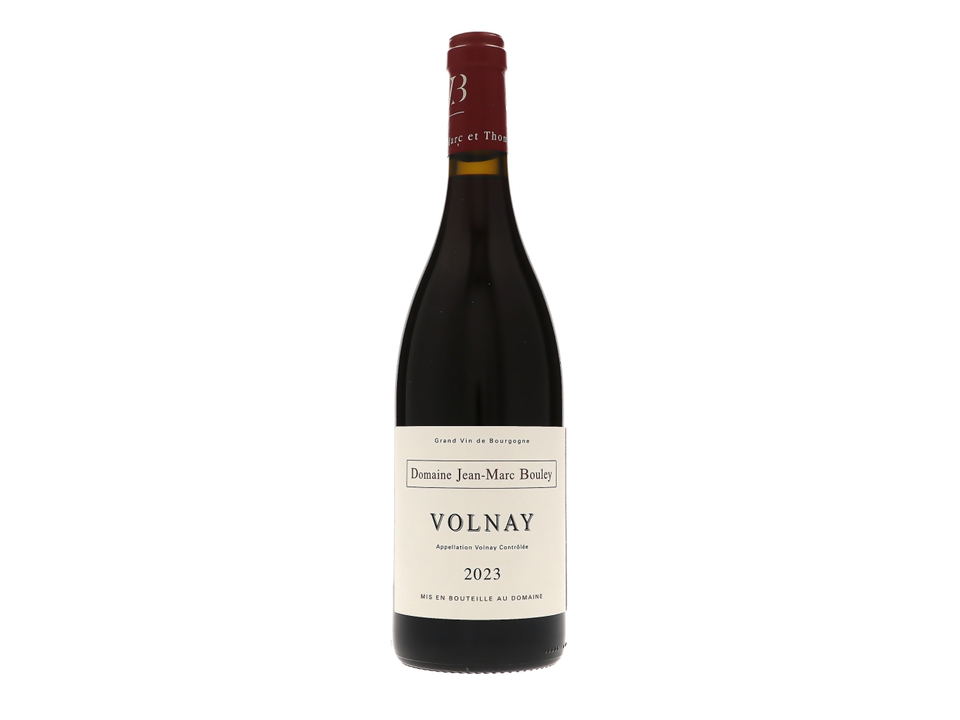
Thomas Bouley, Jean-Marc & Thomas Bouley (Volnay)
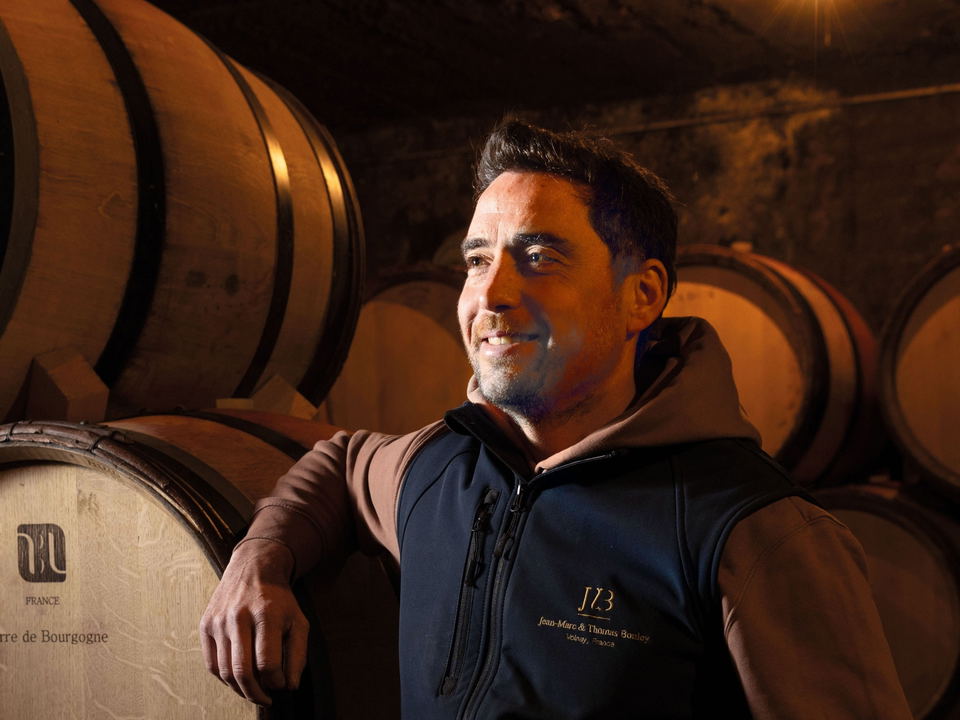
Jean-Marc & Thomas Bouley represents Volnay in the top tier, useful for travelers who plan beyond the most obvious trophy villages. Thomas Bouley has run the estate since his father Jean-Marc retired in 2012.
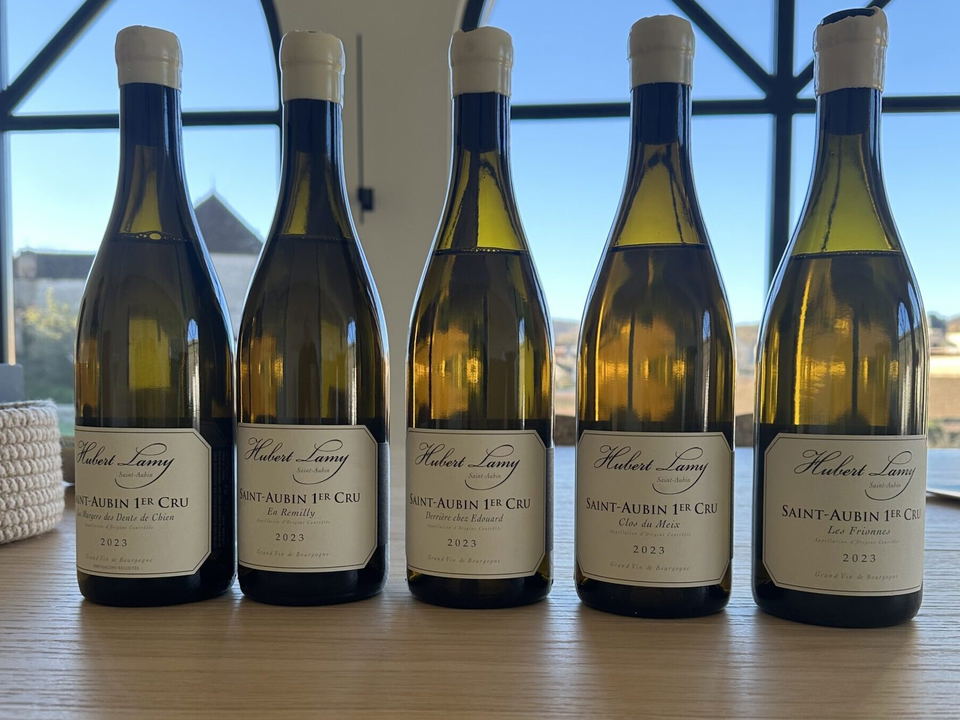
Olivier Lamy, Hubert Lamy (Saint-Aubin)
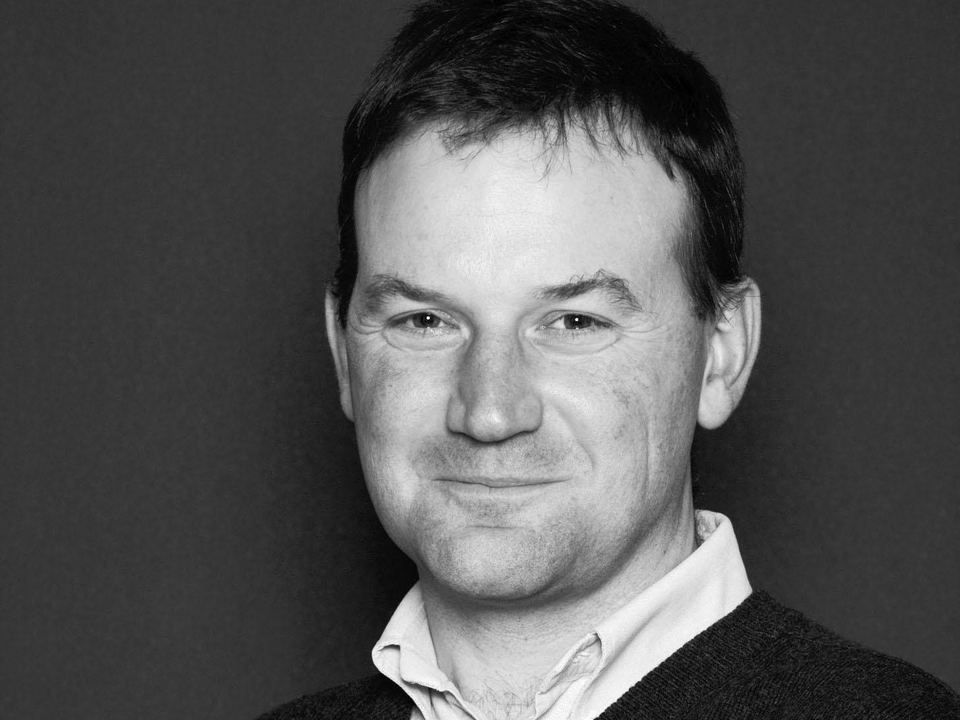
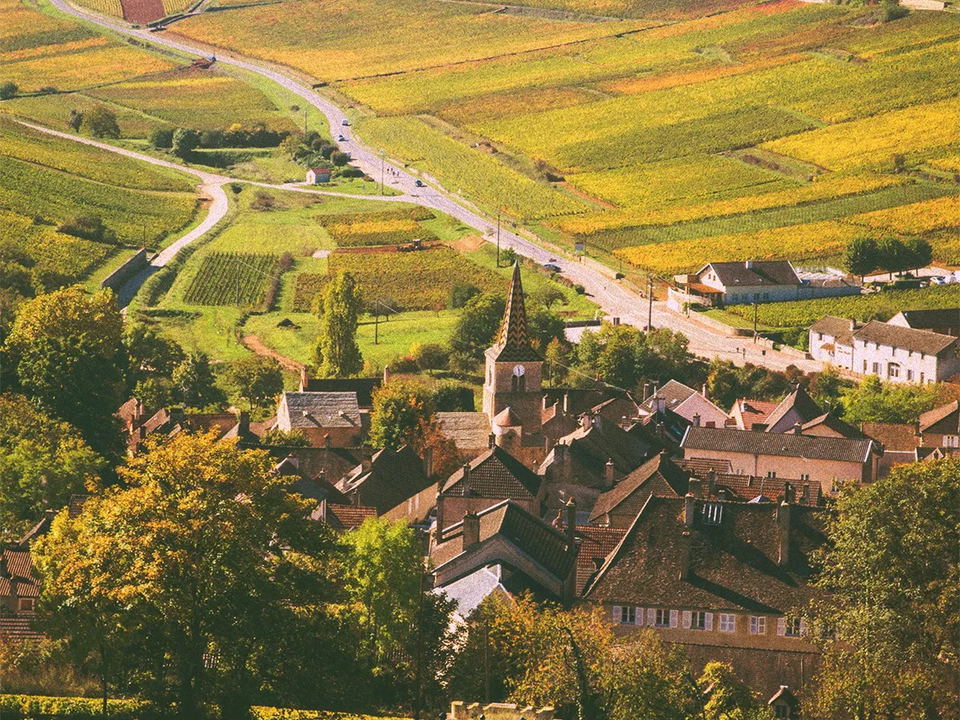
Hubert Lamy places Saint-Aubin in the Three-Grape group, one of the inclusions that may steer more serious visitors toward the Côte de Beaune. Olivier Lamy, Hubert's son, is known for ultra-high-density plantings in Saint-Aubin.
How Michelin evaluated 94 Burgundy domaines
Michelin’s language around the Burgundy Grape Selection is careful. The Guide points to precision in vineyard and cellar, faithful terroir expression, and the personality of the vintner rather than reputation alone. The five assessment criteria are agronomy, technical mastery, identity, balance, and consistency across vintages.
That makes Grapes different from the way many travelers encounter Burgundy over dinner. A sommelier begins with the bottle in front of you: producer, village, vintage, cuvée, price, and the rhythm of the meal. Michelin is inserting a layer above the bottle, one that asks whether an estate’s work has enough identity and consistency to earn a symbol.
That layer is practical in a few ways. If you are choosing between two unfamiliar producers in the same village, a Grape distinction can sharpen the conversation. If you are planning a Burgundy trip, the list gives structure to a region that can otherwise feel like a chessboard of villages and family names. If you are ordering in a dining room far from Beaune, it gives you another signal alongside the sommelier’s read of the bottle and the kitchen’s menu.
The rest of the Burgundy selection, tier by tier
The Three-Grape list is the headline, but the lower tiers may be where many travelers find the more usable intelligence. Two MICHELIN Grapes includes 20 estates, One MICHELIN Grape includes 33, and Selected includes 32.
How to use the list for travel and dining
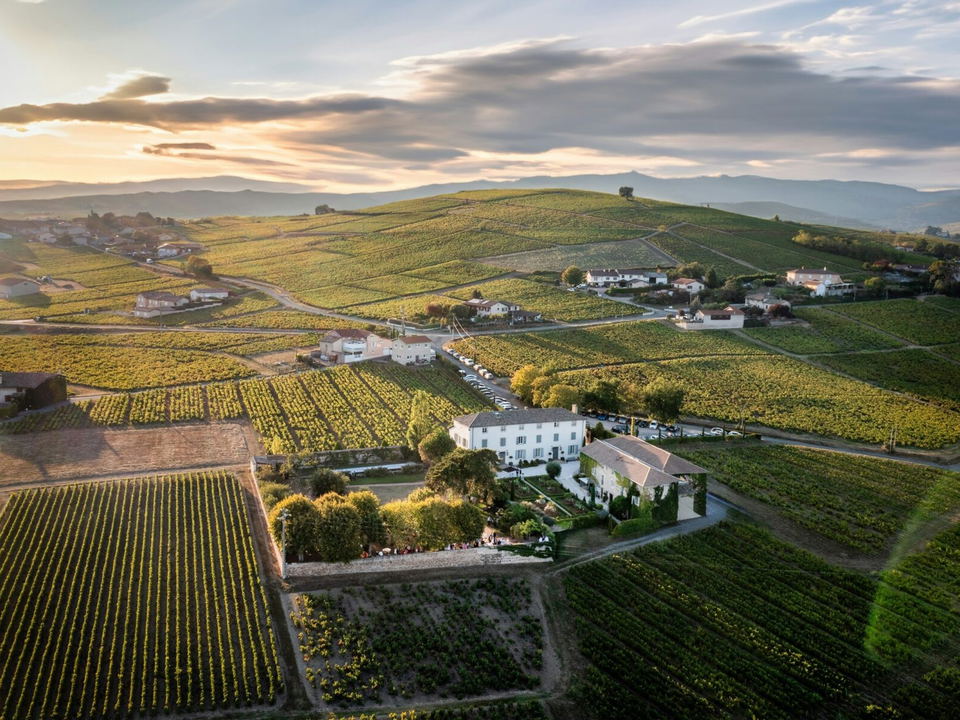
Use the Michelin Grape Selection Burgundy like a sharp concierge note, not a final verdict on every bottle you will drink. Three Grapes should go on the mental shortlist immediately. Two Grapes deserves close reading, especially on restaurant lists where the most famous labels are absent or priced for ceremony. One Grape and Selected give you a wider field when you want Burgundy without turning the meal into a trophy hunt.
For a trip, the list helps divide the region into workable clusters. The top Côte de Nuits names point toward Morey-Saint-Denis, Gevrey-Chambertin, Chambolle-Musigny, and Vosne-Romanée. The top Côte de Beaune names lead through Saint-Romain, Meursault, Volnay, and Saint-Aubin. That does not mean every estate is open for visits, or that access will be simple. It does mean you can speak to a hotel concierge, private guide, or wine merchant with a more precise brief.
For dining, the grape symbol is another estate signal. It does not tell you whether the bottle is ready to drink, whether the pairing makes sense with the tasting menu, or whether a restaurant’s markup is worth accepting. It does tell you that Michelin has identified the producer within its new wine hierarchy. In a category where scarcity and reputation already shape the table, sommeliers and travelers will be watching how quickly the symbol enters the conversation.
| Estate | Appellation | Winemaker | Tier |
|---|---|---|---|
| Dujac | Morey-Saint-Denis | Jeremy Seysses | Two MICHELIN Grapes |
| Denis Mortet | Gevrey-Chambertin | Arnaud Mortet | Two MICHELIN Grapes |
| Georges Mugneret-Gibourg | Vosne-Romanée | Marie-Christine Mugneret and Marie-Andrée Mugneret | Two MICHELIN Grapes |
| Bruno Clair | Marsannay-la-Côte | Bruno & Édouard Clair | Two MICHELIN Grapes |
| Gérard Mugneret | Vosne-Romanée | Pascal Mugneret | Two MICHELIN Grapes |
| Jacques-Frédéric Mugnier | Chambolle-Musigny | Frédéric Mugnier | Two MICHELIN Grapes |
| Jean-Claude Bachelet | Saint-Aubin | Benoît Bachelet and Jean-Baptiste Bachelet | Two MICHELIN Grapes |
| Paul Pillot | Chassagne-Montrachet | Thierry Pillot | Two MICHELIN Grapes |
| Arnaud Ente | Meursault/Puligny-Montrachet | Arnaud Ente and Marie-Odile Ente, with their son Pierre Ente | Two MICHELIN Grapes |
| Benoît Ente | Meursault/Puligny-Montrachet | Benoît Ente | Two MICHELIN Grapes |
| Benoît Moreau | Chassagne-Montrachet | Benoît Moreau | Two MICHELIN Grapes |
| Lamy-Caillat | Chassagne-Montrachet | Sébastien Caillat and Florence Lamy | Two MICHELIN Grapes |
| Bonneau du Martray | Pernand-Vergelesses | Thibault Jacquet | Two MICHELIN Grapes |
| Domaine des Comtes Lafon | Meursault | Léa & Pierre Lafon | Two MICHELIN Grapes |
| Domaine des Croix | Beaune | David Croix | Two MICHELIN Grapes |
| Domaine Leflaive | Puligny-Montrachet | Pierre Vincent | Two MICHELIN Grapes |
| Étienne Sauzet | Puligny-Montrachet | Émilie Boudot and Benoît Riffault | Two MICHELIN Grapes |
| Jean-Marc Vincent | Santenay | Jean-Marc Vincent and Anne-Marie Vincent | Two MICHELIN Grapes |
| Bruno Lorenzon | Mercurey, Côte Chalonnaise | Bruno Lorenzon | Two MICHELIN Grapes |
| Dureuil-Janthial | Rully, Côte Chalonnaise | Vincent Dureuil-Janthial, with Céline Dureuil | Two MICHELIN Grapes |
| Armand Rousseau | Gevrey-Chambertin | Éric & Cyrielle Rousseau | One MICHELIN Grape |
| Bertrand & Laetitia Dugat | Gevrey-Chambertin | Claude Dugat | One MICHELIN Grape |
| Denis Bachelet | Gevrey-Chambertin | Denis Bachelet | One MICHELIN Grape |
| Duroché | Gevrey-Chambertin | Pierre Duroché | One MICHELIN Grape |
| Joseph Roty | Gevrey-Chambertin | Pierre-Jean Roty | One MICHELIN Grape |
| Trapet | Gevrey-Chambertin | Jean-Louis Trapet | One MICHELIN Grape |
| Comte Georges de Vogüé | Chambolle-Musigny | Jean Lupatelli | One MICHELIN Grape |
| Ghislaine Barthod | Chambolle-Musigny | Clément Boillot | One MICHELIN Grape |
| Hudelot-Noëllat | Chambolle-Musigny | Charles Van Canneyt | One MICHELIN Grape |
| Louis Boillot | Chambolle-Musigny | Clément Boillot | One MICHELIN Grape |
| Clos de Tart | Morey-Saint-Denis | Alessandro Noli | One MICHELIN Grape |
| Domaine des Lambrays | Morey-Saint-Denis | Jacques Devauges | One MICHELIN Grape |
| Domaine Ponsot | Morey-Saint-Denis | Alexandre Abel | One MICHELIN Grape |
| Arnoux-Lachaux | Vosne-Romanée | Charles Lachaux | One MICHELIN Grape |
| Domaine Sylvain Cathiard | Vosne-Romanée | Sébastien Cathiard | One MICHELIN Grape |
| Méo-Camuzet | Vosne-Romanée | Jean-Nicolas Méo | One MICHELIN Grape |
| Château de la Tour | Vougeot | Édouard Labet | One MICHELIN Grape |
| Faiveley | Nuits-Saint-Georges | Jérôme Flous | One MICHELIN Grape |
| Bernard-Bonin | Meursault | Nicolas Bernard and Véronique Bonin | One MICHELIN Grape |
| Henri Boillot | Meursault | Henri Boillot | One MICHELIN Grape |
| Henri Germain | Meursault | Jean-François Germain and Lucie Germain | One MICHELIN Grape |
| Roulot | Meursault | Jean-Marc Roulot | One MICHELIN Grape |
| Vincent Girardin | Meursault | Eric Germain | One MICHELIN Grape |
| Domaine de Montille | Volnay | Étienne de Montille | One MICHELIN Grape |
| Marquis d’Angerville | Volnay | Guillaume d’Angerville | One MICHELIN Grape |
| Michel Lafarge | Volnay | Frédéric Lafarge, with Chantal Lafarge and Clothilde Lafarge | One MICHELIN Grape |
| Roblet-Monnot | Volnay | Pascal Roblet-Monnot | One MICHELIN Grape |
| Benjamin Leroux | Beaune | Benjamin Leroux | One MICHELIN Grape |
| Joseph Drouhin | Beaune | Véronique Drouhin | One MICHELIN Grape |
| Louis Jadot | Beaune | Frédéric Barnier | One MICHELIN Grape |
| Pierre-Yves Colin-Morey | Chassagne-Montrachet | Pierre-Yves Colin-Morey | One MICHELIN Grape |
| Marc Colin | Saint-Aubin | Damien Colin | One MICHELIN Grape |
| Henri & Gilles Buisson | Saint-Romain | Franck Buisson and Frédérick | One MICHELIN Grape |
| Domaine Berthaut-Gerbet | Fixin | Amélie Berthaut | Selected |
| Sylvain Pataille | Marsannay | Sylvain Pataille | Selected |
| Charles Audoin | Marsannay | Cyril Audoin | Selected |
| Domaine Félettig | Chambolle-Musigny | Gilbert Felettig and Christine Felettig | Selected |
| Domaine Camille Thiriet | Côte de Nuits-Villages | Camille Thiriet and Matt Chittick | Selected |
| Benoît Chevallier | Vosne-Romanée | Benoît Chevallier | Selected |
| Fourrier | Gevrey-Chambertin | Jean-Marie Fourrier | Selected |
| Hubert Lignier | Morey-Saint-Denis | Laurent Lignier | Selected |
| Domaine Jobard-Morey | Meursault | Valentin Jobard | Selected |
| Anne Boisson | Meursault | Anne Boisson and Pierre Boisson | Selected |
| Ballot-Millot | Meursault | Charles Ballot | Selected |
| Buisson-Charles | Meursault | Patrick & Louis Essa | Selected |
| Camille & Guillaume Boillot | Meursault | Guillaume Boillot and Camille Boillot-Violot | Selected |
| Pierre Boisson | Meursault | Pierre Boisson | Selected |
| Pierre Girardin | Meursault | Pierre-Vincent Girardin | Selected |
| Pierre Morey | Meursault | Anne Morey | Selected |
| Alex Moreau | Chassagne-Montrachet | Alex Moreau | Selected |
| Ramonet | Chassagne-Montrachet | Jean-Claude Ramonet and Noël Ramonet | Selected |
| Vincent Dancer | Chassagne-Montrachet | Théo Dancer | Selected |
| Jacques Carillon | Puligny-Montrachet | Jacques Carillon | Selected |
| Thomas-Collardot | Puligny-Montrachet | Jacqueline Collardot and Matthieu Collardot | Selected |
| Albert Bichot | Beaune | Alain Serveau | Selected |
| Bouchard Père & Fils | Beaune | Frédéric Weber | Selected |
| Bachelet-Monnot | Dezize-lès-Maranges | Marc Bachelet and Alexandre Bachelet | Selected |
| Nicolas Perrault | Dezize-lès-Maranges | Nicolas Perrault | Selected |
| Alain Gras | Saint-Romain | Arthur Gras | Selected |
| Joseph Colin | Saint-Aubin | Joseph Colin | Selected |
| Lafouge | Auxey-Duresses | Gilles & Maxime Lafouge | Selected |
| Pierre Guillemot | Savigny-lès-Beaune | Vincent Guillemot | Selected |
| Rapet | Pernand-Vergelesses | Vincent & Robin Rapet | Selected |
| Yvon Clerget | Pommard | Thibaud Clerget | Selected |
| Maxime Cottenceau | Montagny, Côte Chalonnaise | Maxime Cottenceau | Selected |
Frequently Asked Questions
What is the Michelin Grape Selection Burgundy?
It is the MICHELIN Guide’s first wine-estate rating: a grape symbol, awarded to wineries rather than restaurants. Burgundy is the inaugural region, with 94 estates recognized in 2026 across four tiers, from Selected up to the top Three MICHELIN Grapes.
How many Burgundy estates earned Three MICHELIN Grapes?
Nine, out of 94 recognized estates: Cécile Tremblay, Dugat-Py, Domaine Georges Roumier, Domaine de la Romanée-Conti, Domaine Leroy, Domaine d’Auvenay, Coche-Dury, Jean-Marc & Thomas Bouley, and Hubert Lamy.
Which Burgundy villages have Three MICHELIN Grapes estates?
Morey-Saint-Denis, Gevrey-Chambertin, Chambolle-Musigny and Vosne-Romanée in the Côte de Nuits; Saint-Romain, Meursault, Volnay and Saint-Aubin in the Côte de Beaune.
Can you visit the Three MICHELIN Grapes estates?
Most of these Michelin wineries are small, allocation-driven domaines that do not run open tasting rooms; visits are typically arranged through importers, sommeliers, or a concierge. The list is most useful as a shortlist for ordering Burgundy at dinner and planning a Côte d’Or itinerary.
How does MICHELIN choose the estates?
MICHELIN’s wine inspectors assess estates on five criteria: agronomy, technical mastery, identity, balance, and consistency across vintages.
What Michelin’s wine move signals next
The Grape Selection will extend to other wine regions over time; Burgundy is the first. The Guide is testing the same symbolic grammar across restaurants, hotels, and now estates: Stars for tables, Keys for stays, Grapes for producers.
The Burgundy launch gives travelers their first look at how Michelin wants to translate producer excellence into a more usable symbol. The first list is narrow at the top, broad enough below to help with ordering, and specific enough to influence how serious drinkers talk about villages and domaines. The next test is not whether every Burgundy devotee agrees with every placement. They will not. The test is whether the grape symbol becomes part of the conversation before a bottle is pulled, a visit is requested, or a Burgundy itinerary takes shape.