Domaine d'Auvenay
Saint-Romain
Winery in Saint-Romain, France
 Book with Pearl
The Read
Micro-Allocation Burgundy
Why go
Domaine d'Auvenay is the Saint-Romain choice to plan around only if prestige and scarcity matter more than ease. It suits serious Burgundy drinkers and repeat visitors better than casual tasters, with Domaine Henri & Gilles Buisson a more grounded nearby cross-shop for a balanced village itinerary.
About Domaine d'Auvenay
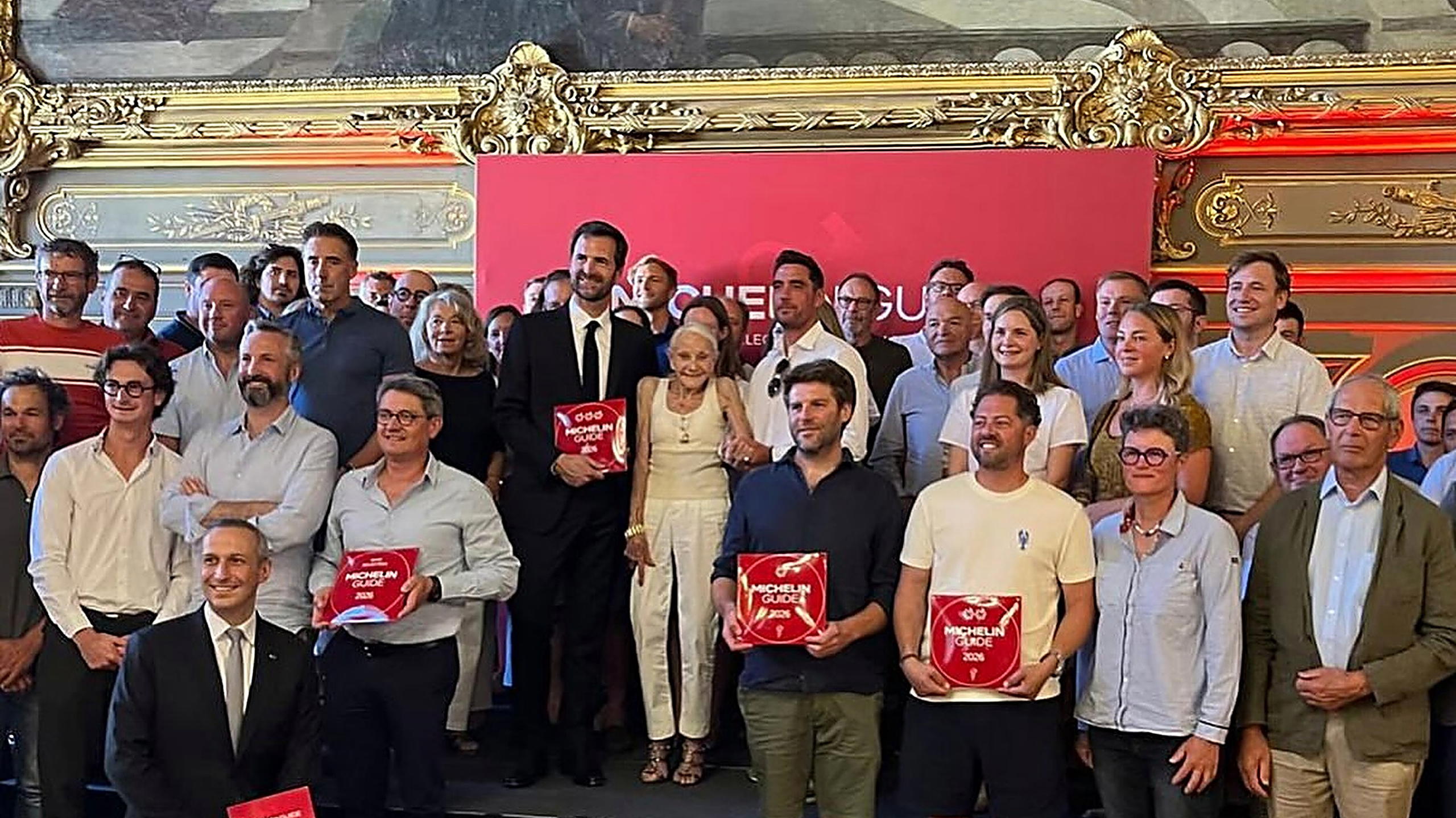
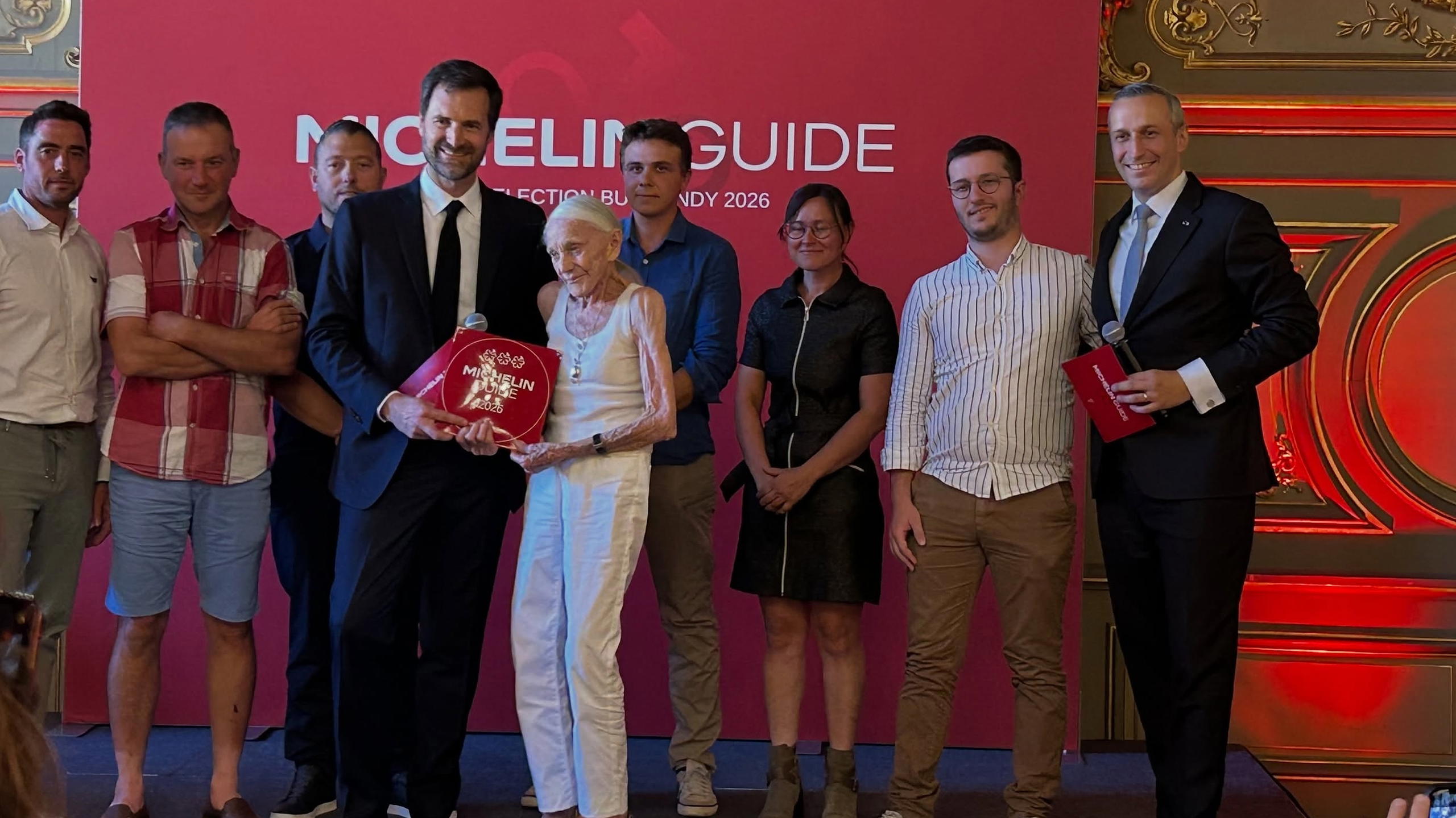
Domaine d'Auvenay is a Saint-Romain venue with Pearl 3 Star Prestige recognition for 2025. That recognition is the central reason to take notice, and it should carry more weight than any assumption about how a visit might unfold. Plan around the essentials rather than assuming a particular visit format, service style, tasting structure, or hospitality offer. In practical terms, that means treating the name and recognition as strong signals, while checking the specifics with the venue itself.
The practical appeal is clearest for visitors who specifically want Domaine d'Auvenay on a Saint-Romain itinerary. It makes the most sense when the goal is to include a prestige-recognized venue in the area, rather than to build expectations around details that may vary. Keep the surrounding schedule flexible, confirm any appointment or visit details directly with the venue, and use other named options only as comparison points when shaping the wider plan. A measured approach is especially useful here: the less public detail there is to plan from, the more important it becomes to avoid over-planning the day around assumptions.
Worth planning around if prestige matters more than assumptions
The strongest signal for Domaine d'Auvenay is its Pearl 3 Star Prestige recognition in 2025. For travelers who prioritize recognized venues, that alone can be enough to make it a meaningful point on a Saint-Romain route. Beyond that, the essentials are simple: the venue is in Saint-Romain, and the dress code is smart casual. Those facts provide a useful framework, but not a full description of the experience. Do not assume details such as pricing, menus, tastings, food service, seating, purchasing options, or visit length unless they are confirmed directly by the venue. This is not a place where planning should be based on borrowed expectations from other venues, however tempting that may be.
If this is part of a broader Saint-Romain stay, compare Domaine d'Auvenay with other relevant names such as Domaine Henri & Gilles Buisson, while keeping the actual plan dependent on availability. The comparison is most helpful for deciding how important Domaine d'Auvenay is within the wider shape of the visit, not for filling in practical details. For broader logistics around the same stay, use the Saint-Romain restaurants guide, Saint-Romain hotels guide, Saint-Romain bars guide, and Saint-Romain experiences guide to avoid building the whole trip around assumptions. Those surrounding pieces can help make the itinerary more resilient if timing, access, or other arrangements need to shift.
Use it as a Saint-Romain priority, with details checked ahead
The smart move is to treat Domaine d'Auvenay as a prestige-marked Saint-Romain venue and verify the practical details before committing the day around it. In this case, restraint is part of good planning: the recognition and location are meaningful, but they should not be stretched into claims about what will happen on arrival. Domaine Agnès Paquet, Domaine Rougeot Père et Fils, Chapelle de Blagny, and Domaine Pierre Morey can be useful comparison names depending on the wider itinerary. They can help place Domaine d'Auvenay within a broader set of Saint-Romain and nearby priorities, while still keeping each stop grounded in its own practical arrangements. Domaine d'Auvenay is most defensible as a priority when the Pearl 3 Star Prestige recognition and Saint-Romain location are the reasons for interest; for anything more specific, confirm directly. That approach protects the trip from disappointment and keeps the plan aligned with reliable information.
Planning details
- Location
- Village Bas, 21190 Saint-Romain
- Website
- instagram.com/domainedauvenay
- Phone
- +33380212327
The take
The Take
The Vibe
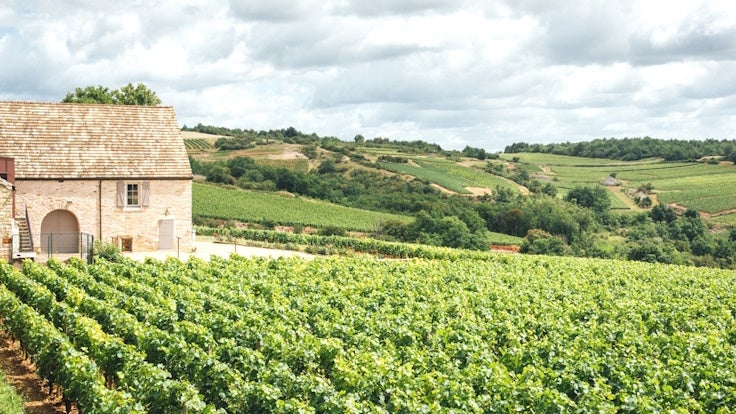
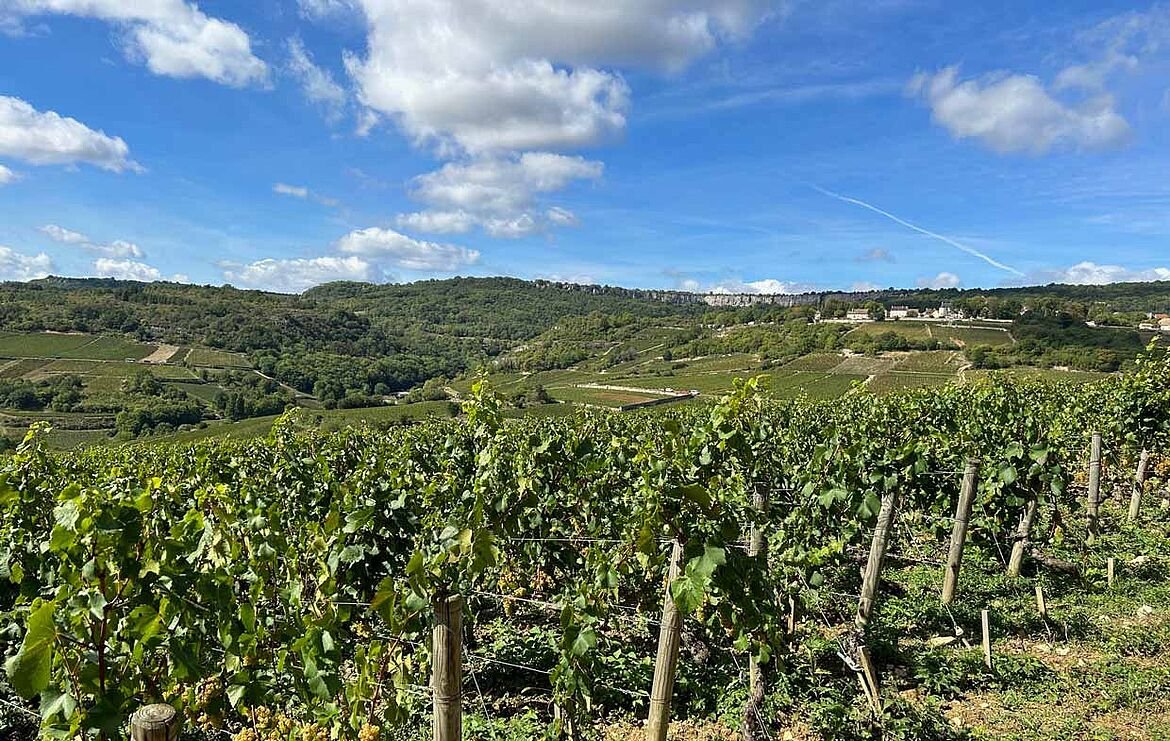
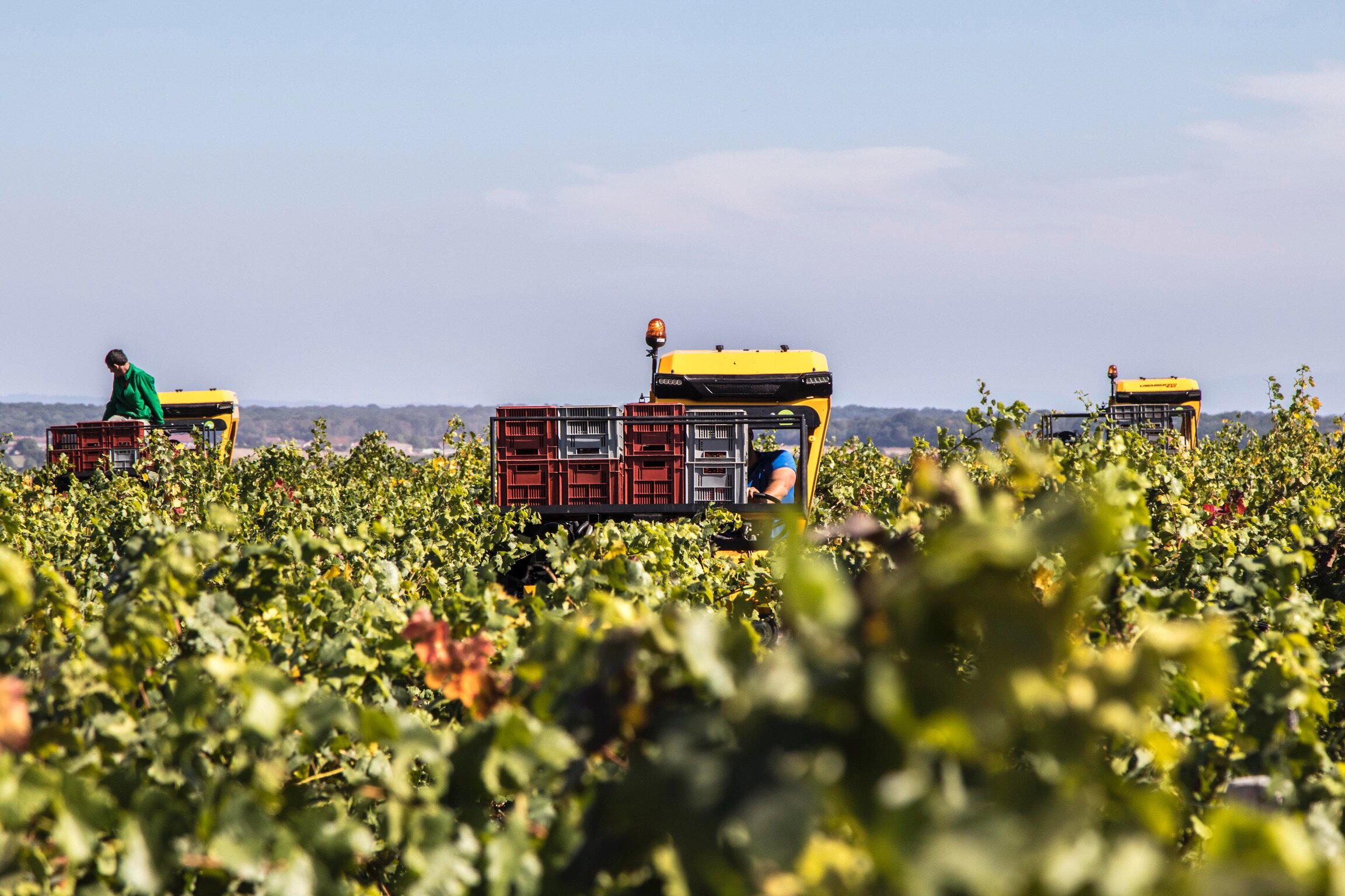
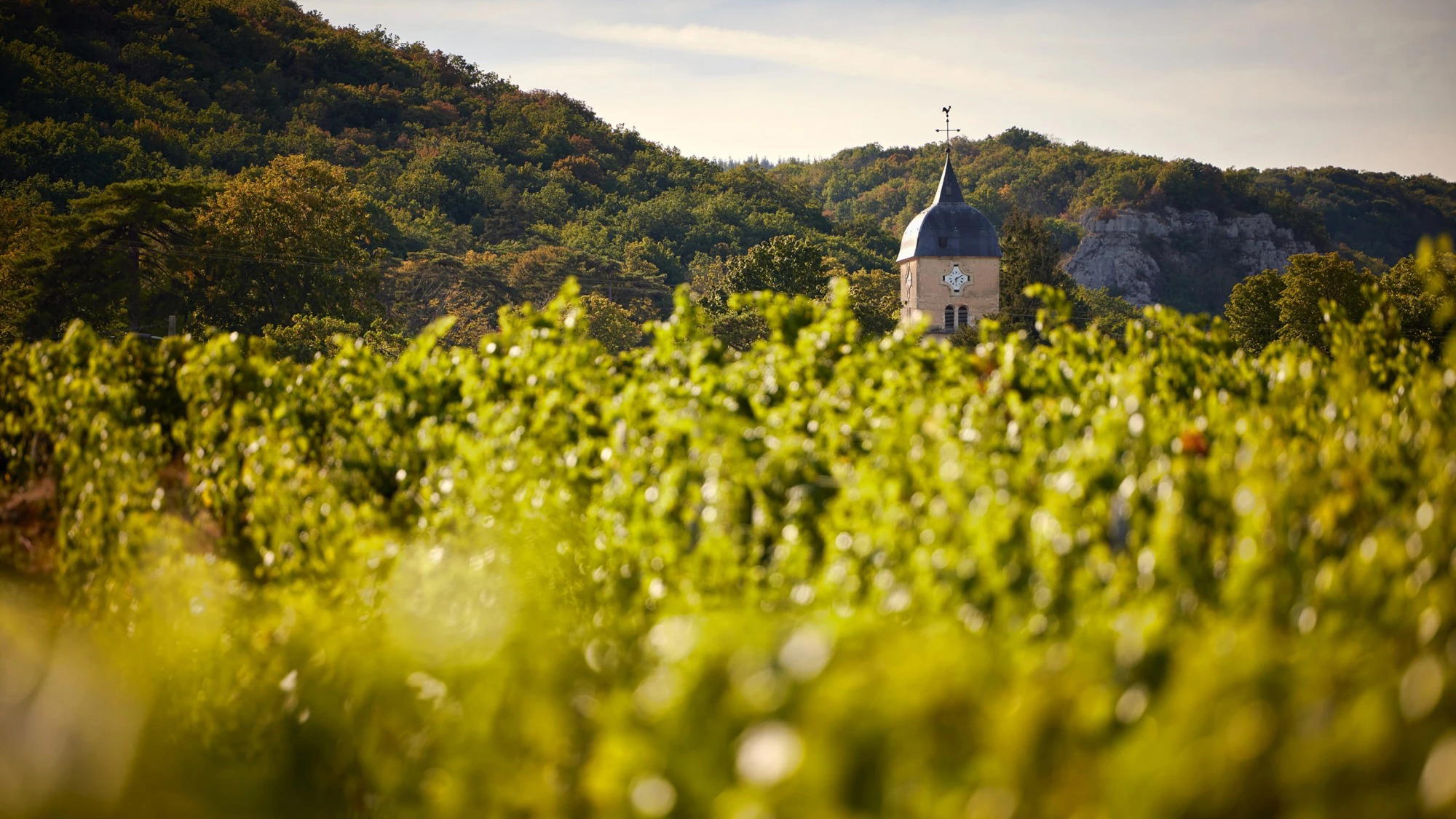
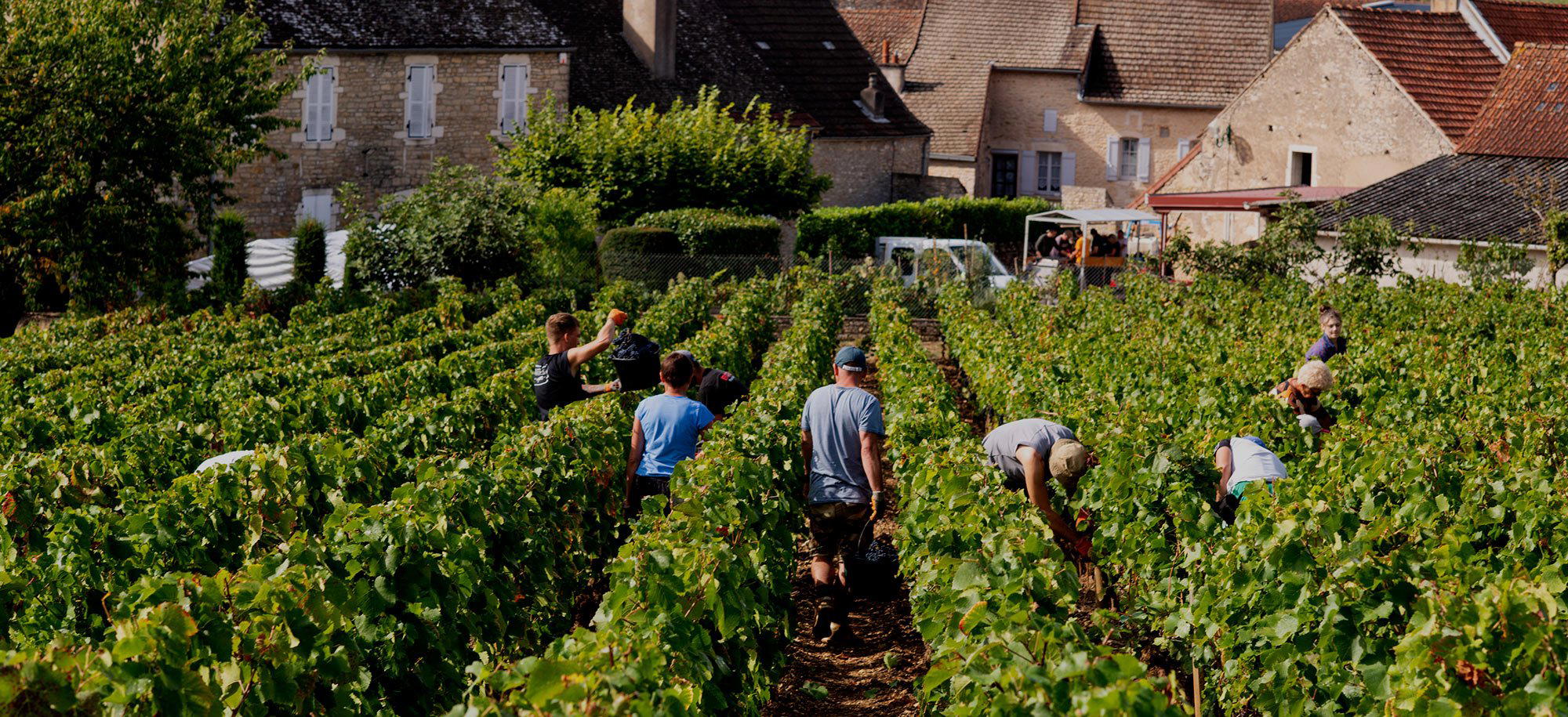
Domaine d'Auvenay presents a restrained, site-first personality rooted in high-altitude Saint-Romain vineyard parcels. The estate sits in a limestone amphitheatre above the main Côte de Beaune corridor, and its wines reflect a mineral, tension-driven aesthetic rather than overt richness. Small production and a disciplined, minimally interventionist cellar approach give the domaine a boutique, collector-oriented feel. Critical recognition — exemplified by the 2025 Pearl 3 Star Prestige nod — underscores a focused craft that appeals to drinkers who prize terroir clarity, subtlety and the quiet confidence of a classic Burgundian domaine rather than flash or immediacy.
Best For
This domaine suits visitors and buyers looking for serious wine study or a memorable special occasion. Its strengths lie in clear terroir expression and small-quantity, allocation-style production, which reward attentive tasting and comparison across parcels. Enthusiasts seeking an educational deep-dive into the restrained, mineral side of Burgundy will find the wines instructive, while collectors and guests marking a milestone will appreciate the prestige and scarcity. Because bottles circulate primarily via direct relationships and secondary channels, planning ahead is essential for those aiming to acquire or taste these cuvées.
Tasting Tips
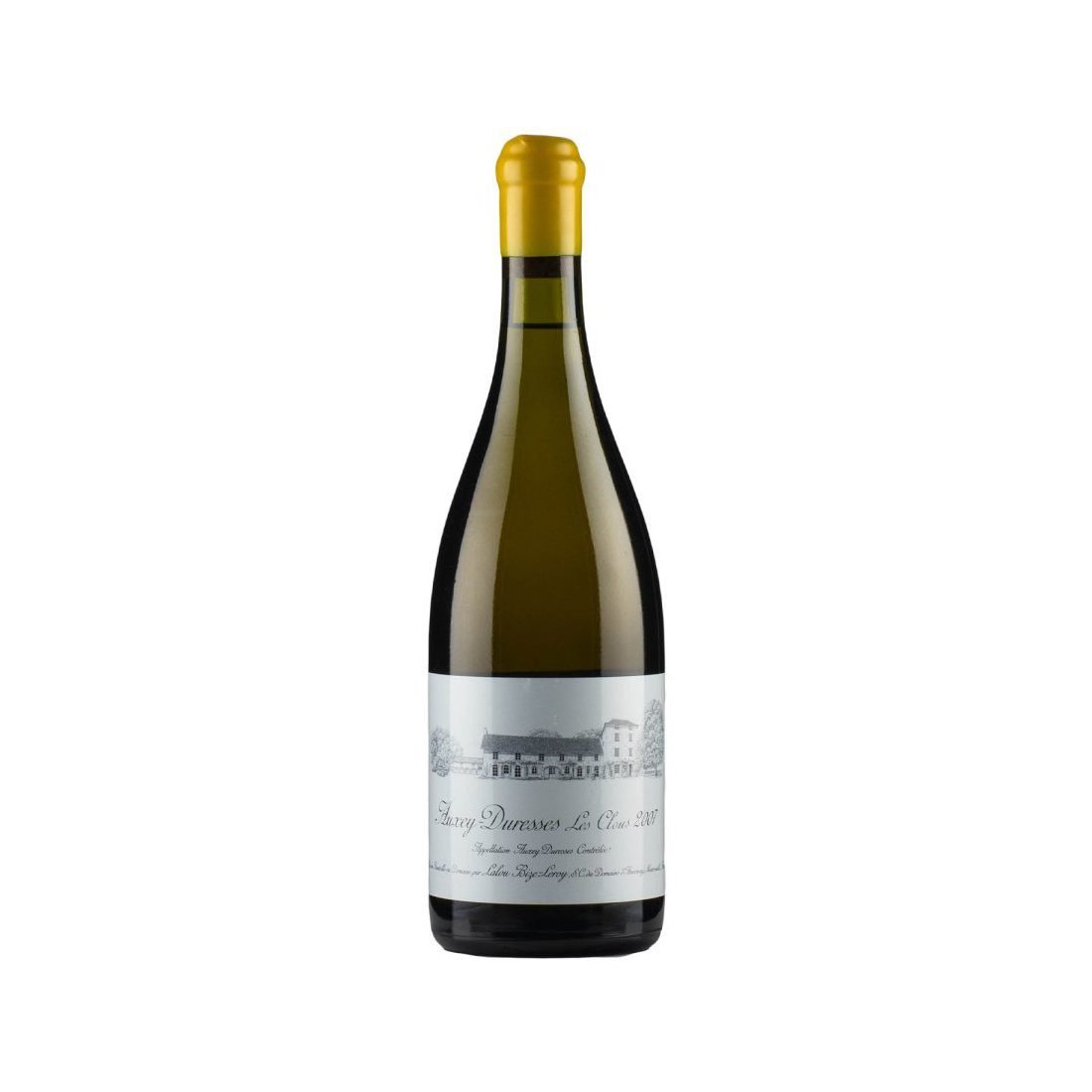
Expect scarcity and plan accordingly: the domaine produces limited volumes and its bottles move largely through direct relationships and the secondary market. Prioritize joining mailing lists, allocation programs or direct-contact lists when available, and be prepared to act quickly when releases occur. When tasting, approach the wines with focus on acidity, mineral drive and site distinctions rather than overt ripeness — the domaine’s house style emphasizes restraint and parcel specificity. If a release is missed, monitor reputable secondary-market channels, but factor in premium pricing driven by rarity and critical recognition.
Venue details
Ambiance
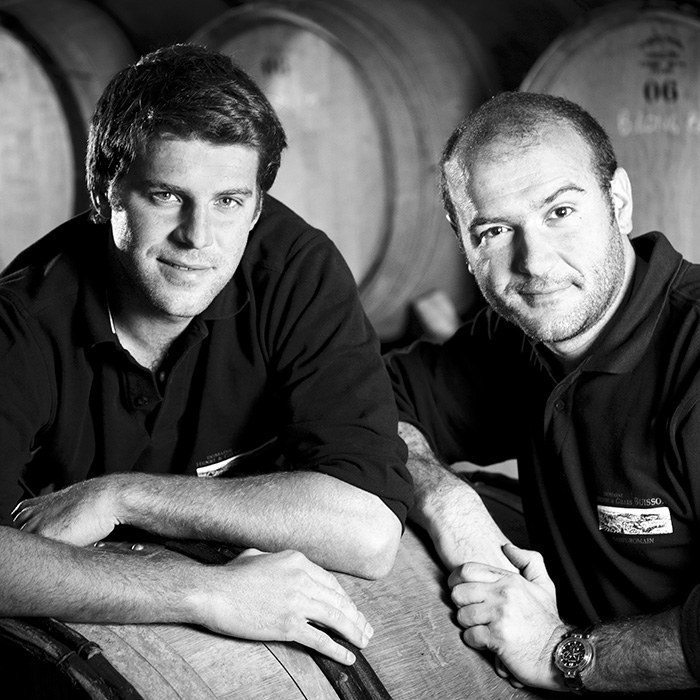
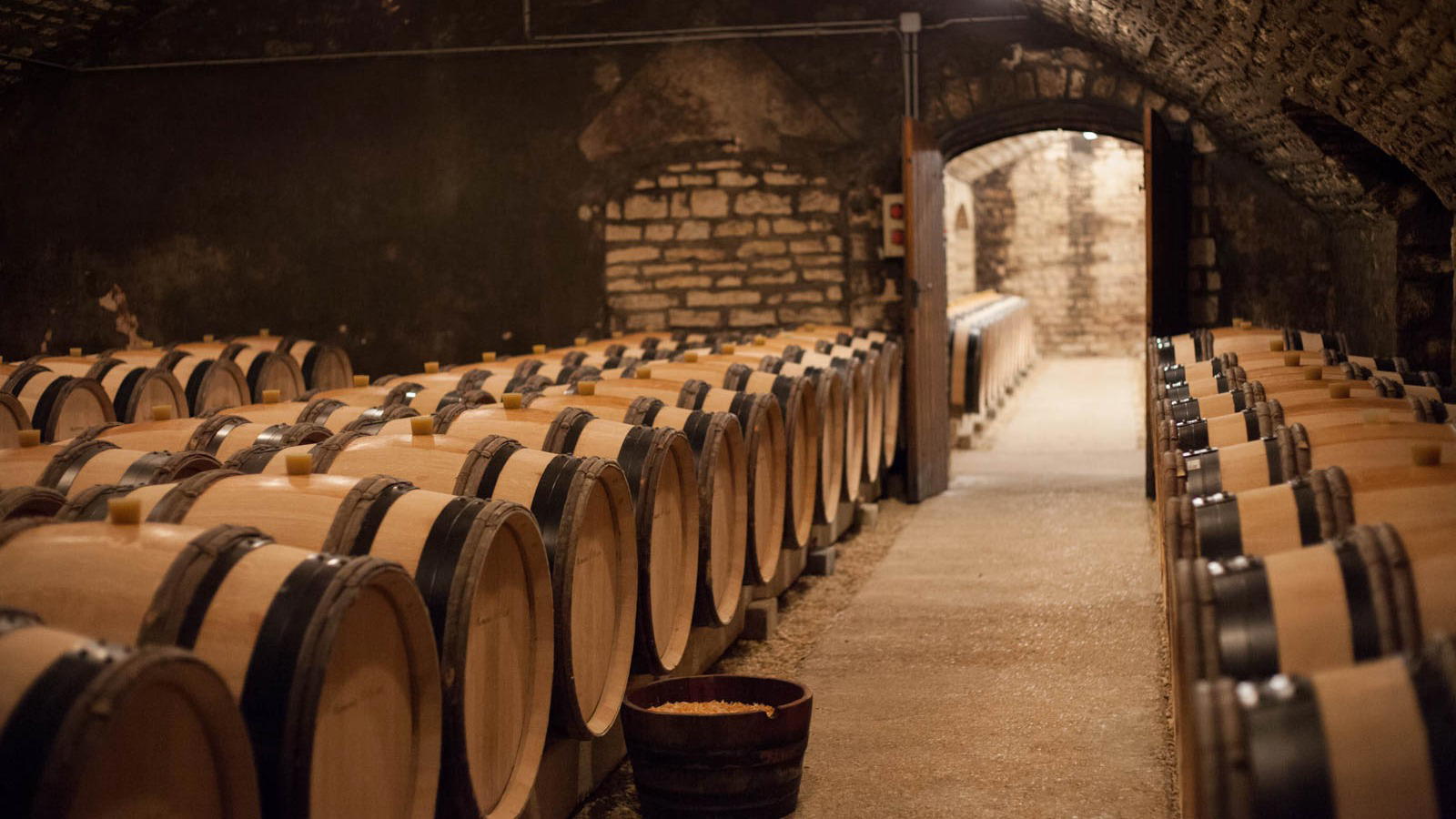
Historic 12th-century farmhouse cellar in cool Saint-Romain hills offering an intimate, meticulous winemaking atmosphere.
Tags
Vibe
Best For
Experience
Sourcing
View
At the Vineyard
- Appellation
- Saint-Romain
- Varietals
- Chardonnay, Pinot Noir, Aligote
- Tour Duration
- 60-90 minutes
- Tour Languages
- French, English
- Visits
- By appointment only
- Farming
- Biodynamic
- Wine Styles
- Still White, Still Red
- Wine Club
- Available
Know before you go
Know Before You Go
- Getting there
- Village Bas, 21190 Saint-Romain
Planning details
Location
Recognition and awards
Also consider
Also Consider
- Domaine Henri & Gilles Buisson, Notable alternative
- Domaine Agnès Paquet, Notable alternative
- Domaine Rougeot Père et Fils, Notable alternative
- Chapelle de Blagny, Notable alternative
- Domaine Pierre Morey, Notable alternative
Winery context
How It Compares
Domaine d'Auvenay is the prestige play in this set: harder to access and better suited to collectors or repeat Burgundy visitors than to anyone building an easy tasting day. Domaine Henri & Gilles Buisson is the more practical Saint-Romain comparison if the goal is village context and a less pressured visit.
Domaine Agnès Paquet and Domaine Rougeot Père et Fils make better sense for travelers who want a broader Burgundy day without making one scarce appointment carry the whole itinerary. They are the safer cross-shops for pacing, especially if the group includes people who care more about learning the region than chasing access.
Chapelle de Blagny and Domaine Pierre Morey are stronger alternatives when the priority is building a Côte de Beaune route around established names outside Saint-Romain. Choose Domaine d'Auvenay when scarcity is the point; choose the others when the day needs more flexibility and a clearer backup plan.
Explore Saint-Romain
Around this place
Discover more on Pearl
Unlock the full Domaine d'Auvenay guide in Pearl, including awards, comparisons, FAQs, planning details, and nearby places.
Compare Domaine d'Auvenay
| Venue | Location | Awards |
|---|---|---|
| Domaine d'Auvenay | Saint-Romain | 2026 Michelin 3 Grapes - Burgundy |
| Domaine Henri & Gilles Buisson | Saint-Romain | 2026 Michelin 1 Grape - Burgundy2026 Falstaff Winery Guide |
| Domaine Agnès Paquet | Meloisey | 2026 Falstaff Winery Guide |
| Domaine Rougeot Père et Fils | Meursault | No published awards |
| Chapelle de Blagny | Puligny-Montrachet | No published awards |
| Domaine Pierre Morey | Meursault | 2026 Falstaff Winery Guide2026 Michelin Grape Main Selection - Burgundy |



How Domaine d'Auvenay Saint-Romain compares with similar nearby venues.
FAQ
Frequently Asked Questions
Do I need a reservation at Domaine d'Auvenay?
Contact Domaine d'Auvenay directly before planning around a visit, especially if your Saint-Romain itinerary depends on a specific date or time.
Is there a membership or access program at Domaine d'Auvenay?
When is the best time to visit Domaine d'Auvenay?
Does Domaine d'Auvenay serve food?
Do not assume lunch, dinner, snacks, or any other dining format at Domaine d'Auvenay unless the venue confirms it directly.
How long should I plan for a visit to Domaine d'Auvenay?
What other venues are useful to compare with Domaine d'Auvenay?
Domaine Henri & Gilles Buisson, Domaine Agnès Paquet, Domaine Rougeot Père et Fils, Chapelle de Blagny, and Domaine Pierre Morey are useful comparison names to consider when planning, but confirm locations and logistics directly for your itinerary.
What practical details should I confirm before planning around Domaine d'Auvenay?
Beyond the Saint-Romain location, smart casual dress code, and Pearl 3 Star Prestige recognition, confirm the details that matter to your plan directly with Domaine d'Auvenay.