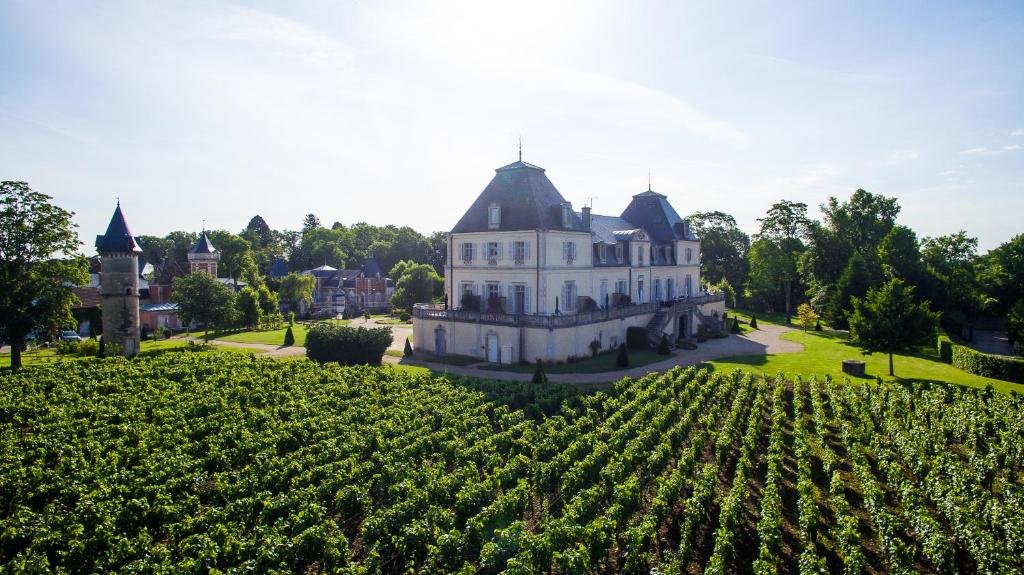


    Winery in Meursault, France

    Domaine Vincent Girardin

    335Pearl Points
    Domaine Vincent Girardin, Winery in Meursault

    About Domaine Vincent Girardin

    Eric Germain directs cellar operations at Domaine Vincent Girardin, a Meursault négociant-éleveur working purchased Burgundy lots since 2012.

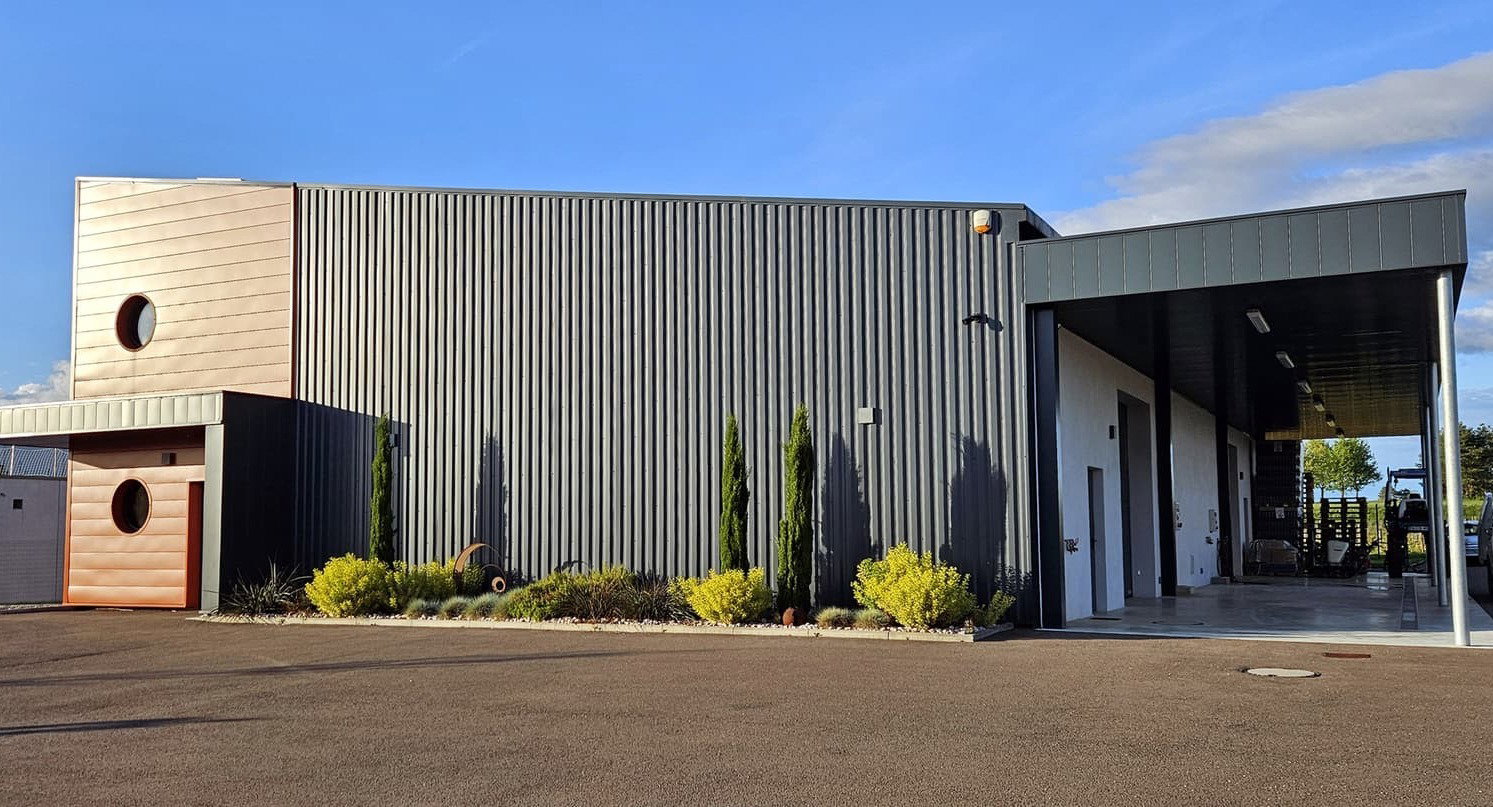
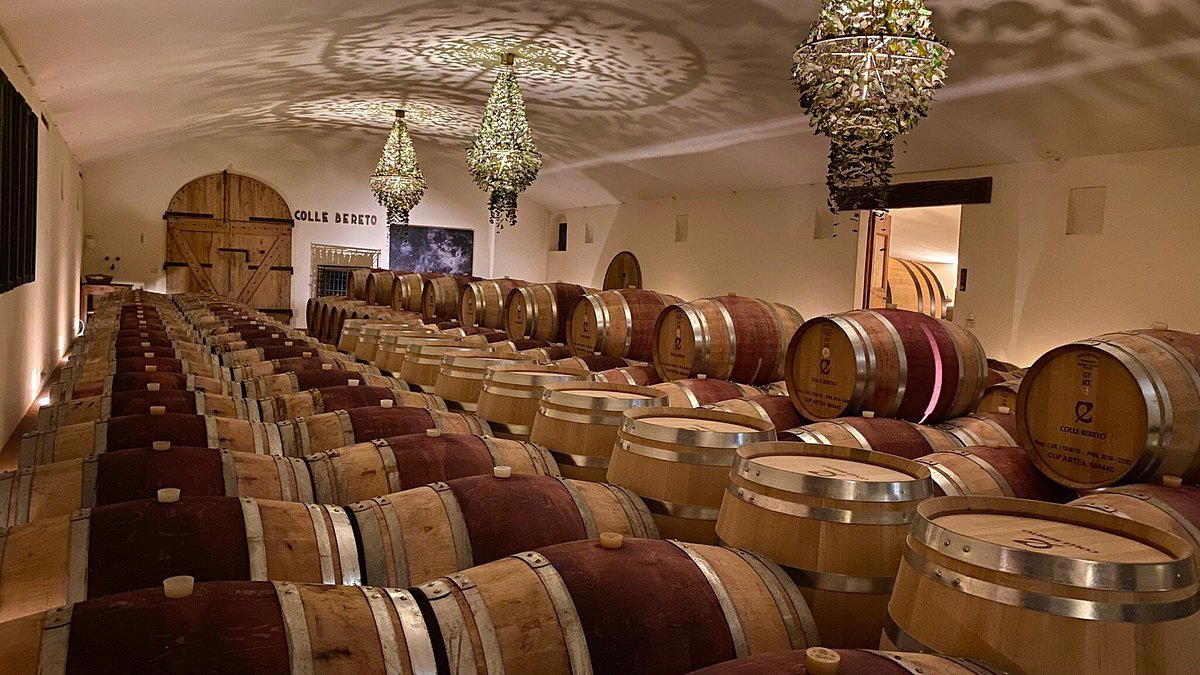
    Meursault's Chardonnay production sits inside a tightly bounded appellational geography where the premier cru vineyards, Les Perrières, Les Genevrières, Les Charmes, constitute the technical standard against which the commune's output is judged. Domaine Vincent Girardin, founded in 1982 and transitioned to négociant status in 2012 under the cellar direction of Eric Germain, operates inside that standard but with a production footprint that extends beyond the typical single-domaine model into a broader Burgundy sourcing network. The shift from vigneron to négociant-éleveur repositioned the house inside the Côte de Beaune's contract-grower architecture, placing Girardin alongside Maison Jadot, Bouchard Père & Fils, Olivier Leflaive as mid-scale producers working purchased must and finished wine rather than estate-only fruit. The distinction matters technically: négociant production relies on barrel-regime consistency across multiple purchased lots, whereas estate production allows for parcel-specific intervention at the vine level. Girardin's program under Germain has held to the former model, standardized élevage protocols, deliberate oak integration, a house style that privileges clarity and balance over site-specific expression. Eric Germain arrived at the domaine in 2003. The Girardin family sold the estate holdings to a private investment group in 2012 and restructured operations around purchased fruit and must. Germain's prior experience includes cellar work at Maison Verget and Maison Louis Latour, both négociant houses operating at significant scale inside Burgundy. That lineage, Verget in particular under Jean-Marie Guffens, ran a technically rigorous barrel program with minimal batonnage and long sur-lie aging. Those protocols carry through in Girardin's current élevage. Typical barrel aging runs 12 to 15 months for village-level Meursault, 15 to 18 months for premier cru lots, with new-oak percentages held to 20–25% for village wines and 30% for premier cru. The barrels themselves are sourced primarily from Tonnellerie François Frères and Tonnellerie Damy, both standard suppliers to the Côte de Beaune négociant tier. Fermentation is conducted in barrel rather than in tank, a protocol Germain imported from the Verget model, malolactic conversion proceeds naturally without inoculation. The resulting wines sit inside the modern Meursault consensus, ripe fruit, moderate acidity, integrated oak, rather than inside the mineral-driven, high-tension lineage associated with Coche-Dury, Domaine Pierre Morey, or Domaine Anne Boisson. The négociant model Girardin operates inside requires stable sourcing relationships with contract growers across multiple Burgundy appellations. The domaine lists holdings in Meursault, Puligny-Montrachet, Chassagne-Montrachet, Pommard, Volnay, though the majority of fruit is purchased under long-term contracts rather than estate-grown. Typical yields across the Côte de Beaune sit at 40–45 hectoliters per hectare for premier cru whites, slightly higher for village-level fruit; Girardin's contracts generally stipulate yields within that range, ensuring physiological ripeness without the concentration penalties associated with severe crop thinning. Harvest timing under Germain's direction has trended earlier than the house's historical norm, mid-September picking rather than late September, a response to warmer vintages and the risk of over-ripeness in Chardonnay. The earlier harvest preserves acidity, a priority inside the négociant model where purchased fruit from multiple parcels must be blended into a coherent house style. Where estate producers can tolerate higher alcohol and lower acidity in exchange for site-specific intensity, négociants working at scale typically cannot. Girardin's Meursault production spans village-level cuvées and premier cru bottlings from Les Perrières, Les Charmes, Les Genevrières. The premier cru wines are treated as the technical flagship: longer élevage, higher new-oak percentages, stricter selection at the sorting table. Les Perrières in particular, a 13.7-hectare premier cru on the mid-slope above the village, with rocky limestone soils and southeastern exposure, is the commune's most mineral-driven site, Girardin's bottling from the vineyard has historically been the house's most tightly structured wine. Typical pH at bottling sits around 3.30 to 3.35, slightly lower than the village-level wines (which run 3.35 to 3.40), and the oak integration is more pronounced. The 2018 and 2019 vintages, both warm years with ripe fruit profiles, tested the house's capacity to preserve tension in the wines; Germain's response included earlier picking, reduced batonnage, slightly lower new-oak percentages to avoid compounding richness with extraction. The resulting wines received scores in the 91–93 range from Burghound and Vinous, positioning them inside the upper-middle tier of Meursault premier cru rather than at the top of the appellation. The négociant tier inside Burgundy operates with different economics than the estate tier. Purchased fruit and must are priced per hectoliter or per barrel, with premier cru lots commanding premiums over village-level lots; the margins on négociant wine depend on the differential between purchase cost and wholesale pricing to importers and distributors. Girardin's U.S. distribution is handled by Becky Wasserman Selections, a major Burgundy importer with a portfolio that includes both estate producers and mid-scale négociants. Wholesale pricing for Girardin's village Meursault typically runs $30–40 per bottle to trade accounts, with premier cru bottlings in the $60–85 range. That pricing sits below the estate-producer tier, where Domaine Ballot-Millot and Camille & Guillaume Boillot command $50–70 for village Meursault and $100+ for premier cru, but above the cooperative tier. The value proposition for négociant wine is consistency and availability: estate producers allocate small quantities per account and vintage variation is pronounced, whereas négociants offer larger allocations and a house style that smooths over vintage extremes. Germain's barrel regime reflects the mid-scale négociant consensus inside Burgundy. Fermentation temperatures are held at 18–20°C, cooler than the spontaneous-fermentation norm at estate producers (where ambient fermentation can run to 22–24°C), to preserve primary fruit aromatics. Batonnage, stirring of the lees to integrate texture and reduce phenolic grip, is performed weekly during the first three months of élevage, then reduced to biweekly or monthly as the wine approaches bottling. The protocol is standard for Meursault négociant production and mirrors the programs at Maison Jadot and Olivier Leflaive. Sulfur additions are moderate: 30–40 ppm free SO2 at bottling for village wines, slightly lower for premier cru. The wines are fined with bentonite to remove protein haze and filtered lightly before bottling, both interventions that are typical inside the négociant model but less common among estate producers working at small scale. The result is a wine that reads as polished and accessible on release, with less of the struck-match reduction and phenolic grip that characterizes the Coche-Dury or Roulot lineage. The house also produces red wines from Pommard, Volnay, Gevrey-Chambertin, though the white program is the technical core of the operation. Pinot Noir élevage follows a similar protocol: 12 to 15 months in barrel with 25–30% new oak for village-level wines, 30–40% for premier cru. Whole-cluster fermentation percentages are low, typically 10–15% of the total must, extraction is moderate, with punch-downs performed twice daily during active fermentation. The reds sit inside the modern Burgundy consensus, emphasizing fruit purity and oak integration over the rustic tannin structure of older-vintage Côte de Beaune. Trade reception has been consistent but not exceptional: scores in the 89–92 range from Burghound and Wine Advocate, positioning the reds as reliable négociant examples rather than as benchmark bottlings. Access to Girardin's wines is structured through standard négociant distribution channels. The domaine does not operate an allocation list or a direct-to-consumer sales program; all production is sold through importers to retail and on-premise accounts. U.S. availability is broad, Becky Wasserman Selections distributes to all major markets, the wines appear on restaurant lists and retail shelves at volume. The contrast with estate producers is sharp: Domaine de la Romanée-Conti, Domaine Georges Roumier, Domaine Cécile Tremblay allocate tiny quantities per account and vintages sell out within weeks of release, whereas Girardin's production scale allows for broader distribution and easier access. That accessibility is the core trade proposition for mid-scale négociant wine: consistent quality, reliable availability, pricing below the estate tier. The domaine's physical operation is based in Meursault, with cellar facilities that include temperature-controlled barrel storage and a modern bottling line. Germain oversees a cellar team of six, smaller than the brigade at estate producers like Domaine Dugat-Py in Gevrey-Chambertin or Domaine Leflaive in Puligny-Montrachet, but typical for a mid-scale négociant. The annual production volume is not publicly disclosed, but trade estimates place it at 15,000 to 20,000 cases across all cuvées, roughly ten times the output of a small estate producer. That scale requires standardized protocols and limits the degree of parcel-specific intervention possible in the cellar. The trade-off is consistency: Girardin's village Meursault tastes recognizably like Girardin's village Meursault across vintages, where an estate producer's village wine might vary sharply depending on the year's weather and the winemaker's vintage-specific decisions. For further exploration of Meursault's producer landscape, see our full Meursault wineries guide. Visitors to the region may also consult our full Meursault restaurants guide, our full Meursault hotels guide, our full Meursault bars guide, our full Meursault experiences guide.

    Location

    Meursault, Cote de Beaune, Bourgogne-Franche-Comté, Frankreich

    Meursault, France

    Recognized By

    Keep this place

    Save or rate Domaine Vincent Girardin on Pearl

    Keep this venue in your Pearl passport, rate it after you visit, and track it alongside every other place you collect.