

Domaine Berthaut-Gerbet
Fixin
Winery in Fixin, France
Why go
Amélie Berthaut runs Domaine Berthaut-Gerbet in Fixin, farming 20 hectares organic since 2020 across Fixin, Gevrey-Chambertin, Vosne-Romanée parcels.
About Domaine Berthaut-Gerbet
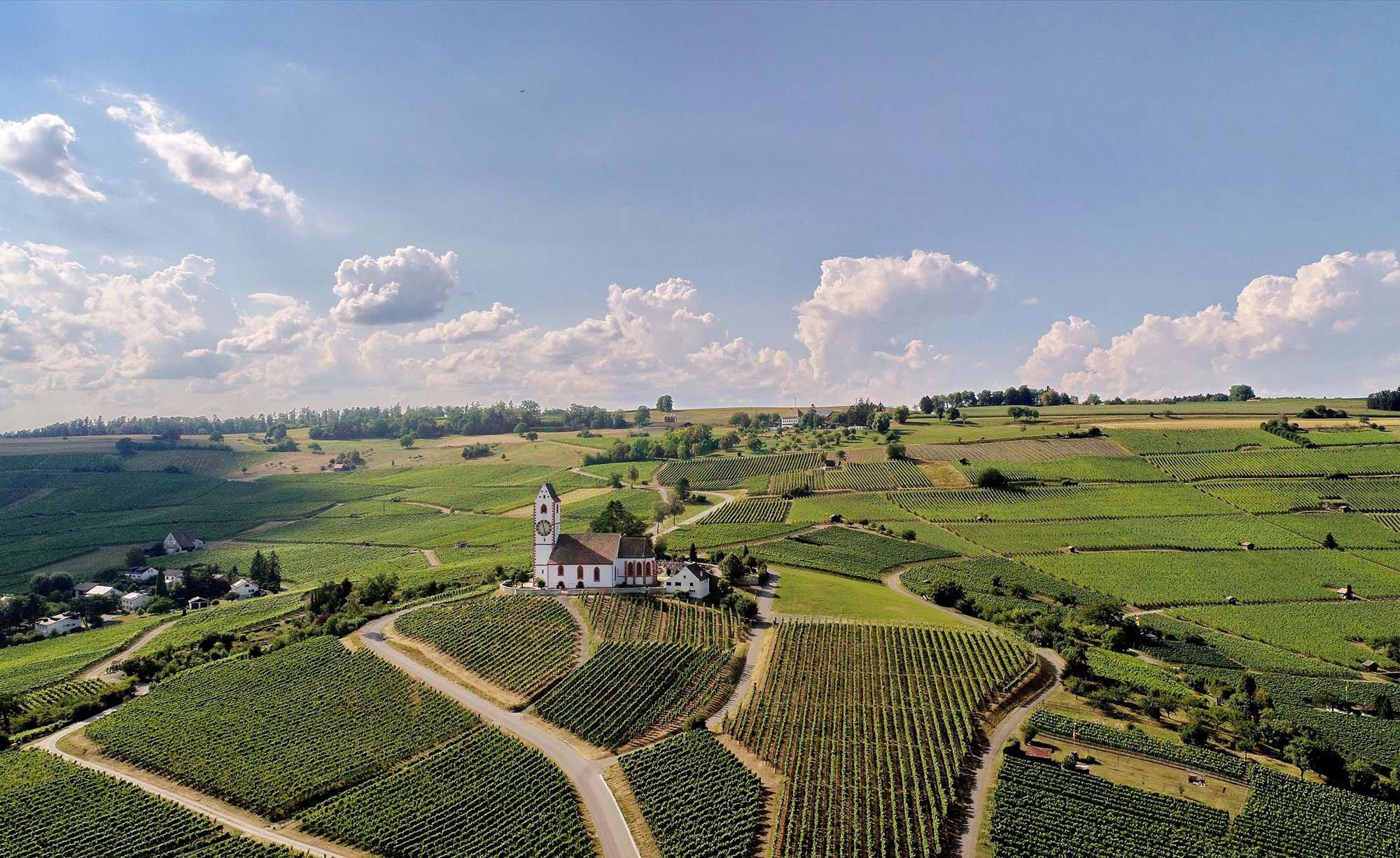
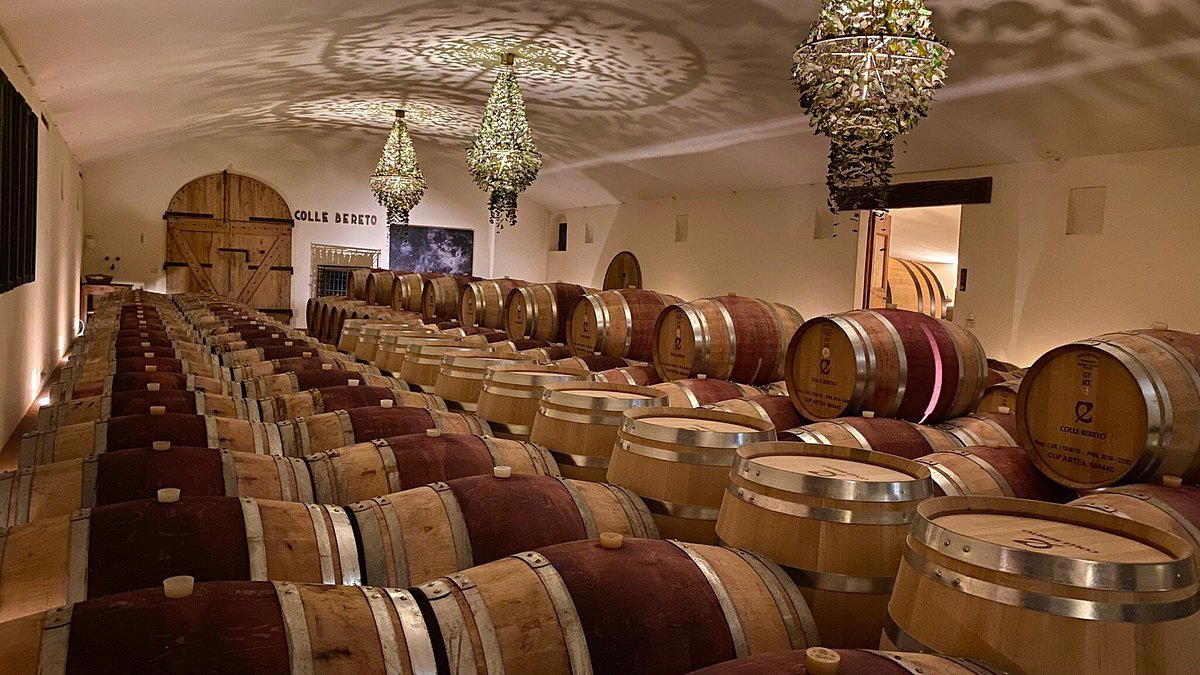
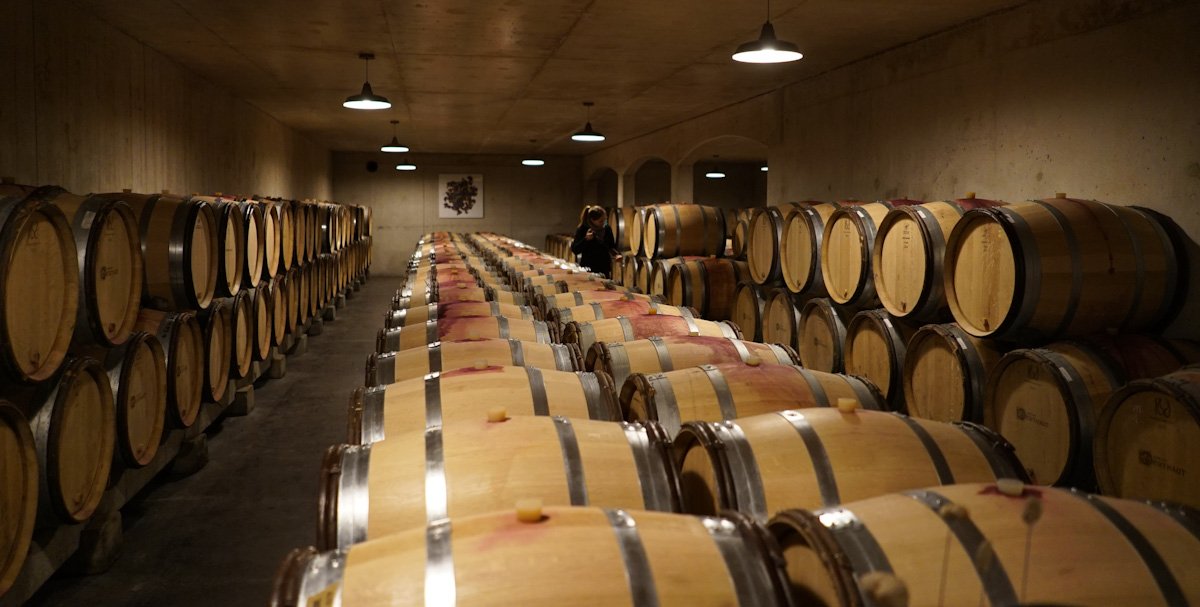
The Burgundy domains that hold the deepest technical continuity across generations, parcels unchanged, farming protocols layered rather than replaced, cellar equipment inherited and augmented, form a narrow list inside a region where most operations turn over every thirty to forty years. Domaine Berthaut-Gerbet in Fixin sits inside that continuity frame, carrying the combined parcel holdings of two long-tenured Fixin families and operating under a single technical direction since 2013, when Amélie Berthaut took over the cellar following the death of her father, Denis Berthaut, the domaine's founding winemaker. The current holdings span 13 hectares across premier cru parcels in Fixin, Gevrey-Chambertin, Vosne-Romanée, Vougeot, with production concentrated on Pinot Noir and a small Chardonnay program. The name consolidation occurred in 2013 but the viticultural lineage runs through both the Berthaut family (Vincent Berthaut founded Domaine Berthaut in 1974) and the Gerbet family (François Gerbet ran Domaine Gerbet from the 1930s through the 1980s), making the current operation a working archive of mid-20th-century Burgundy farming as transmitted through two parallel lines. Amélie Berthaut trained at the Lycée Viticole de Beaune and worked stages at Domaine Trapet in Gevrey-Chambertin and at Domaine de Montille in Volnay before returning to Fixin in the mid-2000s to work alongside her father. She took over winemaking responsibility in 2013 and shifted the domaine's farming protocols toward organic practices, though the domaine maintains flexibility to address severe disease pressure. The farming shift is the most visible technical change at the domaine in the past decade: plowing between rows replaced herbicide use, cover crops were planted across the parcels, the harvest window was extended to allow longer hang time, particularly in the Fixin premier cru holdings where phenolic ripeness had historically lagged behind sugar accumulation under the earlier picking regime. The domaine now sits inside the cohort of Côte de Nuits producers, Trapet, Dugat-Py, Georges Roumier, a handful of others, that have moved toward organic viticulture without abandoning the technical frame of the previous generation's cellar work. The parcel holdings anchor the domaine's position inside the Fixin and Gevrey-Chambertin appellations. In Fixin, the domaine holds premier cru parcels in Les Arvelets (0.50 hectares), and Aux Cheusots (0.38 hectares). In Gevrey-Chambertin, the holdings include premier cru parcels in Lavaux Saint-Jacques (0.31 hectares) and Les Goulots (0.26 hectares), plus village-level parcels that form the base of the annual production. The cellar architecture is conservative inside the broader spectrum of contemporary Burgundy winemaking: whole-cluster fermentation at 15% to 25% depending on the parcel and the vintage, long cuvaisons of 18 to 24 days, punch-downs rather than pump-overs, a low new-oak regime that sits closer to the Dugat-Py and Trapet models than to the higher-toast, higher-new-oak programs of the post-2000 generation of Gevrey producers. Berthaut does not employ pre-fermentation cold soaks, preferring to let the fermentation build slowly from ambient yeasts, does not rack the wines during élevage except for a single racking before bottling. The wines are bottled unfined and unfiltered, a protocol the domaine adopted in the mid-1990s under Denis Berthaut and has maintained under Amélie's direction. The technical conservatism reads as deliberate restraint rather than as stasis: the farming protocols have shifted significantly in the past decade, but the cellar work remains tethered to the frame Denis Berthaut established in the 1980s, when the domaine was still selling most of its production in bulk to négociants and had only just begun estate-bottling the premier cru parcels. Production scale is mid-sized for a Burgundy domain with premier cru holdings: approximately 70,000 bottles per year across the full portfolio, with the Fixin premier cru bottlings accounting for roughly 12,000 to 15,000 bottles annually and the Gevrey-Chambertin premier cru bottlings another 4,000 to 6,000 bottles. The remaining production is split between village-level Fixin, Gevrey-Chambertin, Vosne-Romanée, plus a small Bourgogne Rouge program and an even smaller Marsannay Blanc program from Chardonnay plantings acquired in the Gerbet family holdings. The distribution structure is standard for a producer of this scale: approximately 50% of production goes to export markets (U.S., U.K., Japan, Northern Europe), 30% to French retailers and restaurants, 20% to direct sales from the domaine, primarily to private clients and to allocation-list buyers who have been purchasing from the domaine for a decade or more. The domaine does not operate a tasting room open to walk-in visitors; tastings are by appointment only, typically arranged through importers or through direct contact with the domaine. Peer-set position inside the Fixin appellation is direct: Berthaut-Gerbet is the largest estate-bottling producer in the appellation. The other significant Fixin producers, Domaine Pierre Gelin, Domaine Joliet, a handful of smaller growers, work at smaller scale and with less premier cru surface, most of the Fixin production still moves through the négociant channel rather than through estate bottlings. Fixin itself sits at the northern edge of the Côte de Nuits and has historically been overshadowed by Gevrey-Chambertin immediately to the south, with the result that Fixin premier cru parcels have been priced well below their Gevrey equivalents despite similar soil profiles and similar south-facing exposures. Berthaut-Gerbet benefits from that pricing gap, the domaine's allocation list has grown steadily over the past decade as buyers have begun to treat Fixin as an entry point into the Côte de Nuits rather than as a marginal appellation. Gevrey-Chambertin holdings give the domaine a second technical anchor and a pricing tier above the Fixin bottlings. The Lavaux Saint-Jacques parcel in particular has been treated as a flagship bottling since the mid-1990s, when Denis Berthaut began isolating it for separate vinification and élevage. Lavaux Saint-Jacques sits on the southern slope of the Gevrey amphitheater, adjacent to the grand cru Mazis-Chambertin, the parcel's shallow limestone soils produce wines with more structure and more aging potential than the Fixin premier cru bottlings. Berthaut's Lavaux Saint-Jacques typically receives 25% to 30% new oak and a slightly longer élevage than the Fixin cuvées, the bottling is priced into the mid-tier Gevrey premier cru range at €60 to €75 per bottle in France. The parcel is small enough, 0.31 hectares, that the annual production rarely exceeds 1,200 bottles, the cuvée has developed a secondary-market following in Japan and the U.S. where it trades at multiples of 1.5x to 2.0x retail within a few years of release. Stylistic signature across the portfolio is mid-weight extraction with high-toned red fruit and a firm tannic spine that requires bottle age to integrate. The wines sit closer to the Trapet and Dugat-Py models than to the riper, darker, more immediately approachable style that became dominant in Gevrey-Chambertin in the 2000s, the domaine's critical reception has tracked that stylistic positioning: strong reviews from European critics who prefer the classical Burgundy frame, more mixed reception from U.S. critics who have historically favored the riper, higher-alcohol style. The shift toward organic farming has not produced a stylistic shift. The wines from the 2015 to 2020 vintages show the same structural profile as the wines from the 2005 to 2010 span, but the farming change has improved phenolic ripeness in cooler vintages, particularly in the Fixin premier cru parcels where under-ripeness was a recurring issue under the earlier harvest regime. The 2019 and 2020 vintages, both warm years with early harvests, show the domaine's current equilibrium: ripe but not overripe, structured but not astringent, with alcohol levels in the 13% to 13.5% range rather than the 14% to 14.5% range that has become common in Gevrey-Chambertin over the past two decades. Access to the domaine's wines is structured through a combination of allocation-list sales, importer distribution, limited direct sales from the cellar. The allocation list is managed by the domaine and is closed to new buyers except through importer introductions or through long-term client referrals. The domaine does not participate in the en primeur market and does not release wines immediately after bottling; most cuvées are held in the cellar for 12 to 18 months post-bottling before release, a practice that mirrors the Domaine de la Romanée-Conti and Domaine Leroy models but is uncommon among mid-sized Burgundy producers. The result is that the domaine's wines enter the retail market with additional bottle age already in place, which softens the tannins and makes the wines more approachable on release but also compresses the drinking window for buyers who prefer young Burgundy. The practice has drawn some criticism from négociants and retailers who would prefer earlier access to the wines, but Berthaut has maintained the protocol since taking over the cellar in 2013, the domaine's allocation list has continued to expand despite the delayed release schedule. The domaine's position inside the broader Burgundy landscape is anchored by its Fixin holdings and its organic farming protocols. The trade-off is that the domaine's premier cru bottlings are priced well below the grand cru equivalents from neighboring appellations, the organic farming protocols give the domaine a positioning advantage inside the growing cohort of European and U.S. buyers who prioritize organic viticulture. The domaine has not pursued biodynamic certification. Amélie Berthaut has stated in interviews that the additional labor and documentation requirements for Demeter certification are not justified by the marginal benefits over Ecocert organic, the decision to stop at organic rather than push to biodynamic places the domaine inside a peer set that includes Trapet, Dugat-Py, a handful of other Côte de Nuits producers who have taken the same position. The long-term trajectory of the domaine will likely depend on the Fixin appellation's ability to close the pricing and recognition gap with Gevrey-Chambertin. Berthaut-Gerbet has been the most visible advocate for Fixin inside the trade press over the past decade, the domaine's allocation list has grown steadily as buyers have begun to treat Fixin premier cru as a value play inside the Côte de Nuits. If Fixin premier cru pricing rises to approach Gevrey premier cru levels, the domaine's allocation list will tighten accordingly. If the gap persists, Berthaut-Gerbet will continue to occupy the position it has held since the early 2000s: a technically solid, organically farmed producer offering premier cru Burgundy at a significant discount to the neighboring appellations, with a loyal allocation-list following but without the critical heat or the secondary-market multiples of the top-tier Gevrey-Chambertin domains. Either outcome leaves the domaine inside the continuity frame it has occupied since 1974, when Vincent Berthaut founded the operation and began the slow work of building an estate-bottling program in an appellation that has never quite escaped the shadow of its southern neighbor.
Planning details
Location
Fixin, Cote de Nuits, Bourgogne-Franche-Comté, Frankreich
Recognition and awards
Explore Fixin
Around this place
Discover more on Pearl
Unlock the full Domaine Berthaut-Gerbet guide in Pearl, including awards, comparisons, FAQs, planning details, and nearby places.