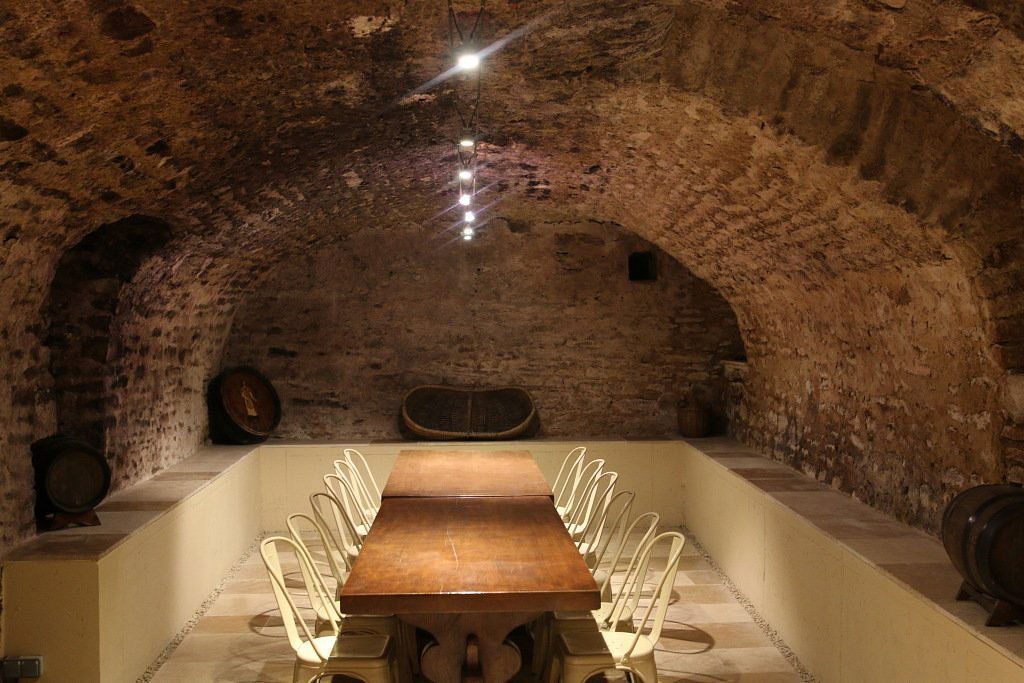


Domaine Pierre Guillemot
Savigny-lès-Beaune
Winery in Savigny-lès-Beaune, France
 Book with Pearl
Why go
Book Domaine Pierre Guillemot if the goal is a serious, intimate Savigny-lès-Beaune tasting rather than a polished visitor-center experience. The draw is classic Pinot Noir, older-vine Savigny, and a family-run domaine with eight generations behind it. It is strongest for collectors, couples, or small groups who want appellation detail and a quieter private appointment.
About Domaine Pierre Guillemot
In Savigny-lès-Beaune, Domaine Pierre Guillemot is best understood as a historic, family-run Burgundy domaine. The appeal is direct: a classic, terroir-driven feel, relaxed and convivial tastings, and delicate, fruit-forward Pinot Noir that is described as vibrant, gastronomic, and expressive of Savigny-lès-Beaune.
This is a sensible choice for visitors who want a Burgundy-focused stop centered on the character of the domaine and the village. Keep expectations grounded: the confirmed information supports a traditional, family-run setting and a $$$ price level, not a detailed visitor program or food pairing format.
Visit for Savigny Pinot Noir and a classic domaine feel
Domaine Pierre Guillemot’s identity is closely tied to Savigny-lès-Beaune and to a classic, terroir-driven Burgundy style. The wines are described as delicate and fruit-forward, with Pinot Noir that is vibrant, gastronomic, and expressive of place.
For planning purposes, the most reliable details are practical ones: the domaine is open Monday to Friday from 9 AM to 12 PM and from 2 PM to 5:30 PM, and it is closed Saturday and Sunday. Build the visit around those hours rather than assuming evening, weekend, lunch, or extended hospitality availability.
Value depends on how wine-focused the group is
A visit here makes the most sense for people who care about Burgundy, Savigny-lès-Beaune, and a relaxed producer setting. It is less appropriate to frame it around amenities or a specific service format. The confirmed draw is the domaine’s historic, family-run character and its classic, terroir-driven expression of the village.
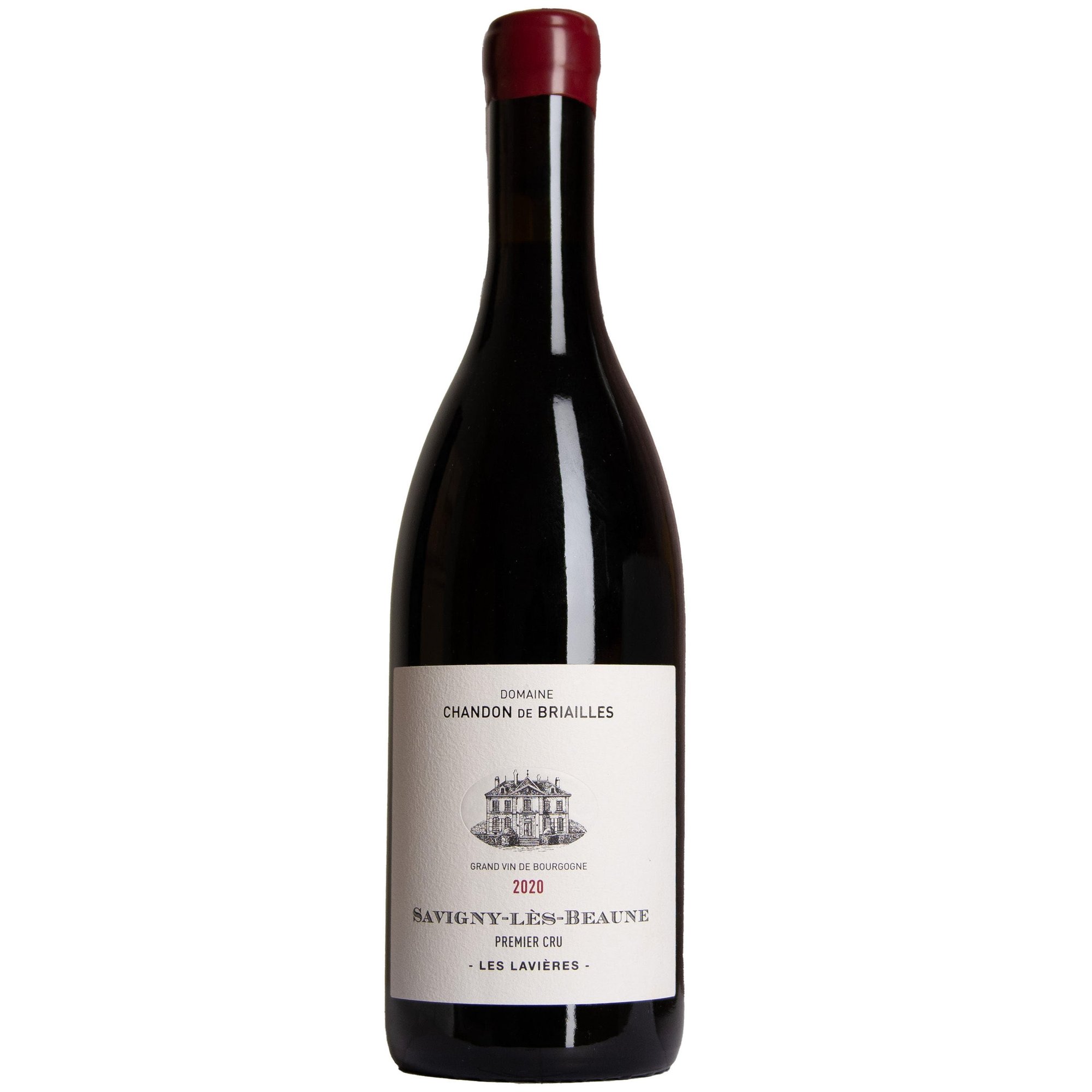
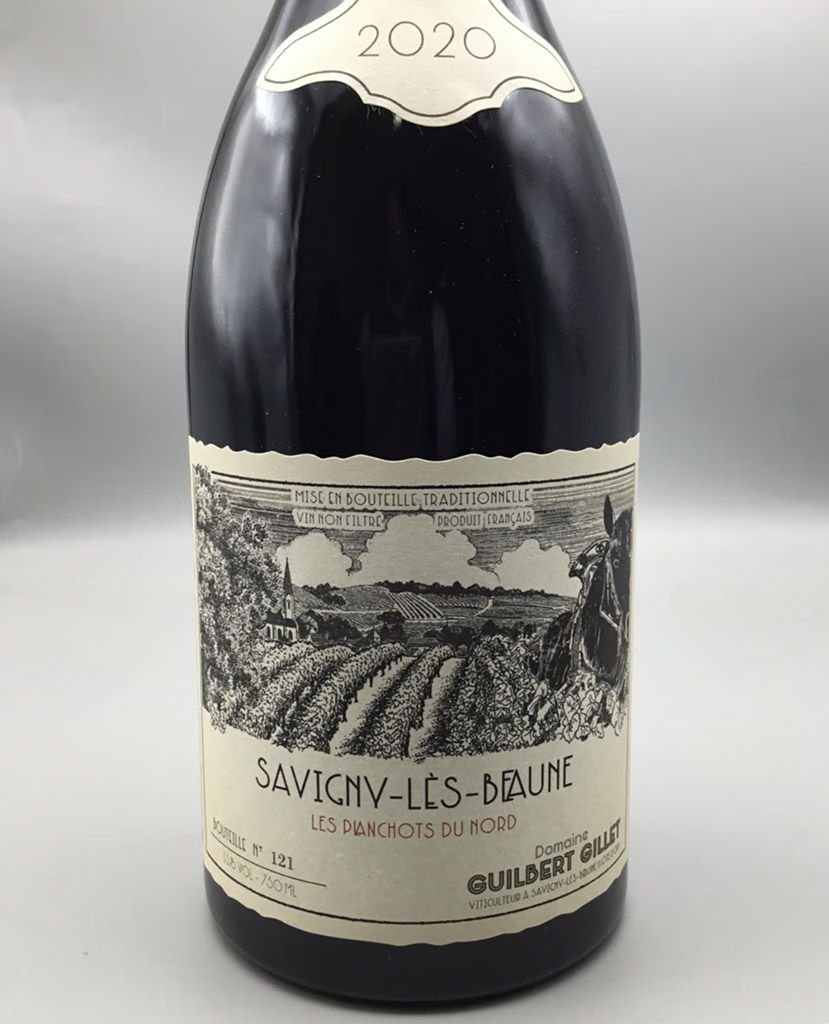
Compared with Domaine Chandon de Briailles, Domaine Pierre Guillemot can be viewed as another Burgundy domaine option for visitors focused on producer visits. Domaine Guilbert-Gillet is another relevant name to consider when planning a wine-led itinerary. For planning around the village, use Our full Savigny-lès-Beaune wineries guide, then pair the visit with Our full Savigny-lès-Beaune restaurants guide.
If the wider trip is wine-led, put Domaine Pierre Guillemot on the itinerary when the priority is Savigny-lès-Beaune, a family-run Burgundy setting, and a relaxed tasting focused on terroir-driven Pinot Noir.
Planning details
- Location
- 11 Pl. Fournier, 21420 Savigny-lès-Beaune, France
- Phone
- +33 3 80 20 61 45
Venue details
Ambiance
Historic, family-run Burgundy domaine with a classic, terroir-driven feel; tastings are described as relaxed and convivial, focusing on delicate, fruit-forward Pinot Noir that is vibrant, gastronomic, and expressive of Savigny-lès-Beaune.
Tags
Vibe
Best For
Experience
Sourcing
View
At the Vineyard
- Appellation
- Savigny-lès-Beaune AOC
- Varietals
- Pinot Noir, Chardonnay, Pinot Blanc
- Tour Duration
- 90 minutes
- Visits
- By appointment only
- Farming
- Sustainable
- Wine Styles
- Still Red, Still White
- Wine Club
- Not available
Know before you go
Know Before You Go
- Getting there
- 11 Pl. Fournier, 21420 Savigny-lès-Beaune, France
Planning details
Location
11 Pl. Fournier, 21420 Savigny-lès-Beaune, France · Directions
Recognition and awards

Also consider
Where to look if this is not available
If the appointment timing does not work, try Domaine Chandon de Briailles for a nearby Savigny-lès-Beaune alternative with stronger name recognition, or Domaine Guilbert-Gillet for another local option that keeps the day focused on the village.
For a more expansive Burgundy comparison outside the immediate village, Maison Louis Jadot is the easier mental benchmark, while Rapet or Domaine Bonneau du Martray make more sense for a Corton-led itinerary.
Winery context
How It Compares
Domaine Pierre Guillemot is the Savigny-lès-Beaune pick for classic, small-scale Pinot Noir with a serious collector angle. Domaine Chandon de Briailles is the better fit if name recognition and a broader biodynamic Burgundy conversation matter more, while Domaine Guilbert-Gillet is the more local-feeling alternative for travelers trying to keep the day tightly focused on Savigny.
For a bigger splurge or a more famous Côte de Beaune comparison, Domaine Bonneau du Martray and Rapet shift the decision toward Corton-area prestige rather than village intimacy. Choose them when the occasion calls for grander appellation weight; choose Guillemot when the appeal is value, restraint, and a more personal Savigny lens.
Maison Louis Jadot is the safer choice for visitors who want a larger Burgundy name and a more familiar reference point. Guillemot is better for wine-literate guests who would rather trade scale for a focused discussion of old vines, premier cru Savigny, and traditional cellar work.
Explore Savigny-lès-Beaune
Around this place
Discover more on Pearl
Unlock the full Domaine Pierre Guillemot guide in Pearl, including awards, comparisons, FAQs, planning details, and nearby places.
Compare Domaine Pierre Guillemot
How Domaine Pierre Guillemot compares nearby
Against Domaine Chandon de Briailles and Domaine Guilbert-Gillet, Domaine Pierre Guillemot is the more obvious choice for a classic Savigny-lès-Beaune tasting centered on Pinot Noir and family continuity. It is not the pick for a glossy room; it is the pick for a quieter, producer-led appointment.
Rapet and Domaine Bonneau du Martray sit in a more Corton-facing lane, so they make sense when the brief is prestige and grander appellation context. Maison Louis Jadot is the broadest Burgundy reference point, better for travelers who want a larger-house frame rather than a narrow village study.
FAQ
Frequently Asked Questions
What is the focus at Domaine Pierre Guillemot?
Domaine Pierre Guillemot is best known here as a historic, family-run Burgundy domaine in Savigny-lès-Beaune, with a classic, terroir-driven feel and delicate, fruit-forward Pinot Noir described as vibrant, gastronomic, and expressive of the village.
How long should I plan for a visit to Domaine Pierre Guillemot?
The public hours are Monday to Friday, 9 AM to 12 PM and 2 PM to 5:30 PM. The domaine is closed Saturday and Sunday, so plan around the midday closure and weekday schedule.
Is Domaine Pierre Guillemot expensive?
The price level is $$$. Treat it as a Burgundy domaine visit for travelers who value Savigny-lès-Beaune character and a classic, terroir-driven style rather than a budget tasting stop.
Is the tasting at Domaine Pierre Guillemot worth it?
It is most likely to appeal if you care about Savigny-lès-Beaune and want a relaxed, convivial visit at a historic, family-run domaine. The confirmed appeal is the wine style and setting, not extras such as food pairings or a formal visitor program.
Is Domaine Pierre Guillemot a good fit for a Burgundy itinerary?
Yes, if the itinerary is focused on Savigny-lès-Beaune and classic Burgundy domaines. Visitors comparing options might also look at Maison Louis Jadot for a broader Burgundy benchmark or Rapet for another Côte de Beaune reference point.