Pisquera ABA
El Arenal, Vicuña
Winery in Vicuña, Chile
 Book with Pearl
The Read
Desert-Terroir Pisco
Price
$1–10tasting
Why go
Pisquera ABA is the right Vicuña pick when the plan is pisco-first rather than a broad winery day. Choose it as a focused follow-up after larger Elqui Valley stops; cross-shop Capel Pisco Plant for a more mainstream pisco visit, or Viña Mayu and Viña Falernia if wine is the priority.
About Pisquera ABA
Pisquera ABA is a Vicuña venue with Pearl 2 Star Prestige recognition for 2025. Use this guide as a cautious planning note rather than a full description of services, formats, menus, or visit logistics.
Choose this when Pisquera ABA is the specific target
The clearest reason to shortlist Pisquera ABA is its Pearl 2 Star Prestige (2025) recognition. If you are comparing venues for an itinerary, it can sit alongside Capel Pisco Plant, Destilería Kappa, Destilería Pisco Mistral, Viña Falernia, and Viña Mayu as another venue to research before committing to plans.
The value is in recognition, not extras
Pisquera ABA's key details are simple: it is in Vicuña, the dress code is casual, and it holds Pearl 2 Star Prestige for 2025.
For planning, keep the comparison broad and practical. If Pisquera ABA is important to your route, contact the venue directly for current visit details; otherwise, compare it with other options in Vicuña and with venues such as Capel Pisco Plant, Destilería Kappa, Destilería Pisco Mistral, Viña Falernia, and Viña Mayu.
Planning details
- Location
- Fundo San Juan - el arenal s/n, valledeelqui, Vicuña, Coquimbo
- Website
- pisquera-aba.cl
- Phone
- +56 9 8782 2774
The take
The Take
The Vibe
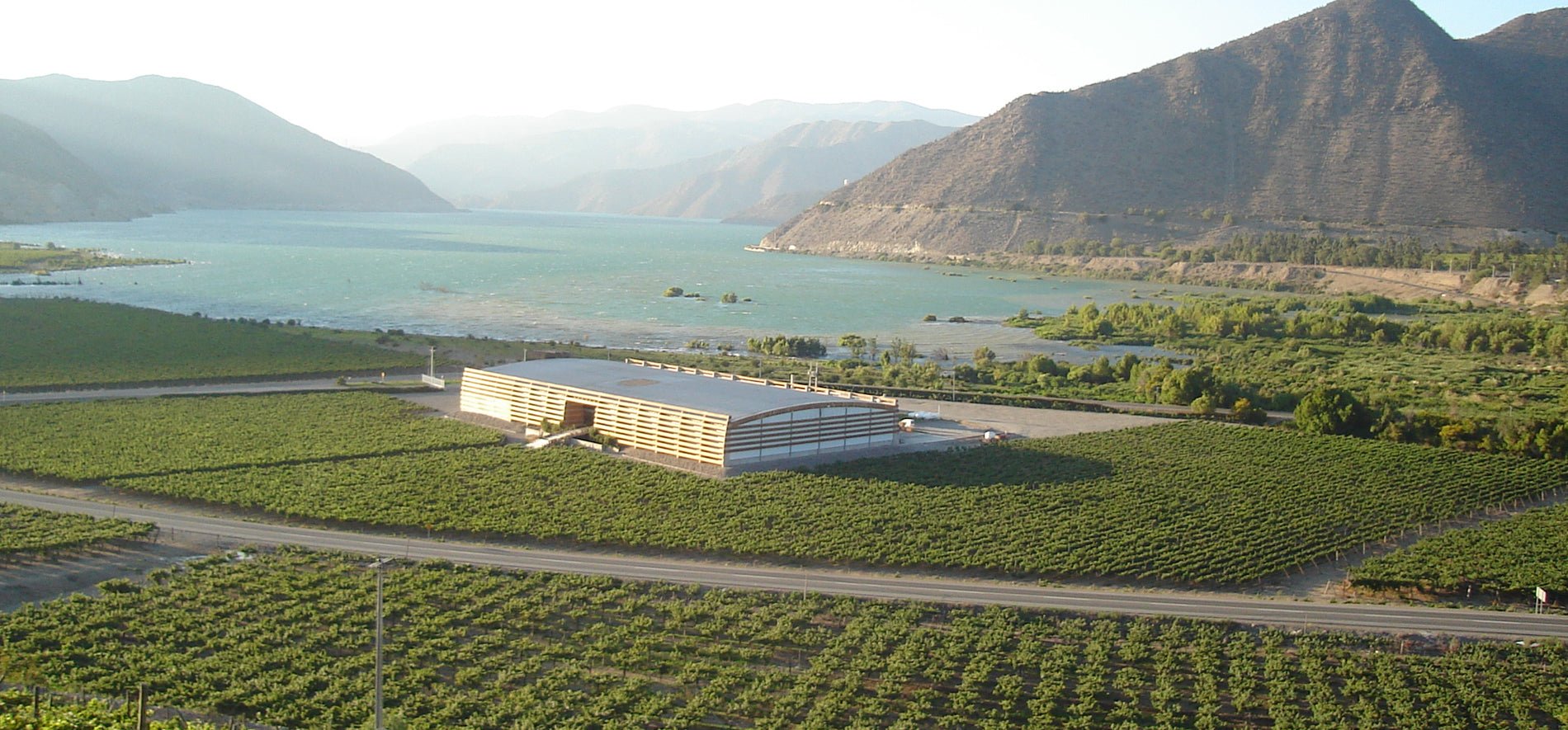
Pisquera ABA sits deliberately apart from urban life, framed by terraced Muscat vineyards and pale desert rock that define the Elqui Valley. The property reads as a working farm where the agricultural logic of grape growing and distillation is visible and central to the visitor experience. That quiet, rural context underpins a focused, craft-oriented atmosphere: tastings are less about spectacle and more about careful sensory comparison. The tone is purposefully restrained — this is a place for people who value terroir, altitude and production detail over tourist-oriented amenities.
Best For
This site is best for visitors seeking education and deeper context around pisco production. The tasting program emphasizes grape variety, distillation cuts and aging vessels, making it ideal for enthusiasts and small groups who want to interrogate how vineyard choices and distillation influence flavor. It suits organized day trips into the valley and groups of curious drinkers rather than casual passersby. The remote farm setting also makes it a good stop for travelers prioritizing agricultural landscapes and the sensory clarity that comes with a quiet, high-altitude environment.
Tasting Tips
Book one of the structured tastings rather than expecting a casual counter pour: the producer frames tastings to demonstrate differences in grape variety, distillation cut and aging vessel. Ask your host to explain the Pearl 2 Star Prestige designation and to point out how vineyard altitude and farm practices affect aroma and flavor. Mornings are noted as having a distinct, faint sweetness in the air before the valley heats up, which can make sensory comparisons clearer. Because the operation runs from a working farm, expect an on-site, production-focused visit rather than restaurant-style service.
Venue details
Ambiance
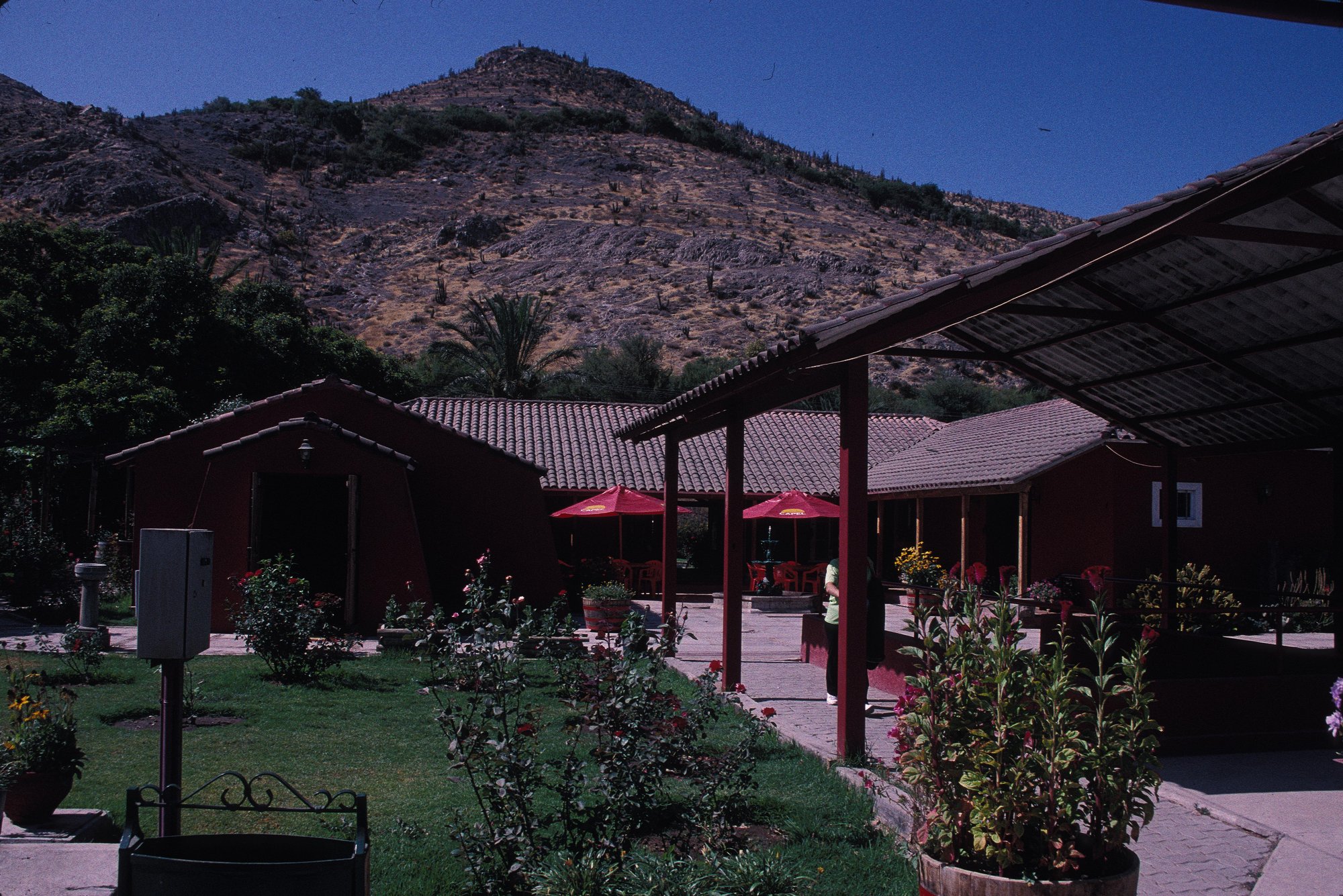
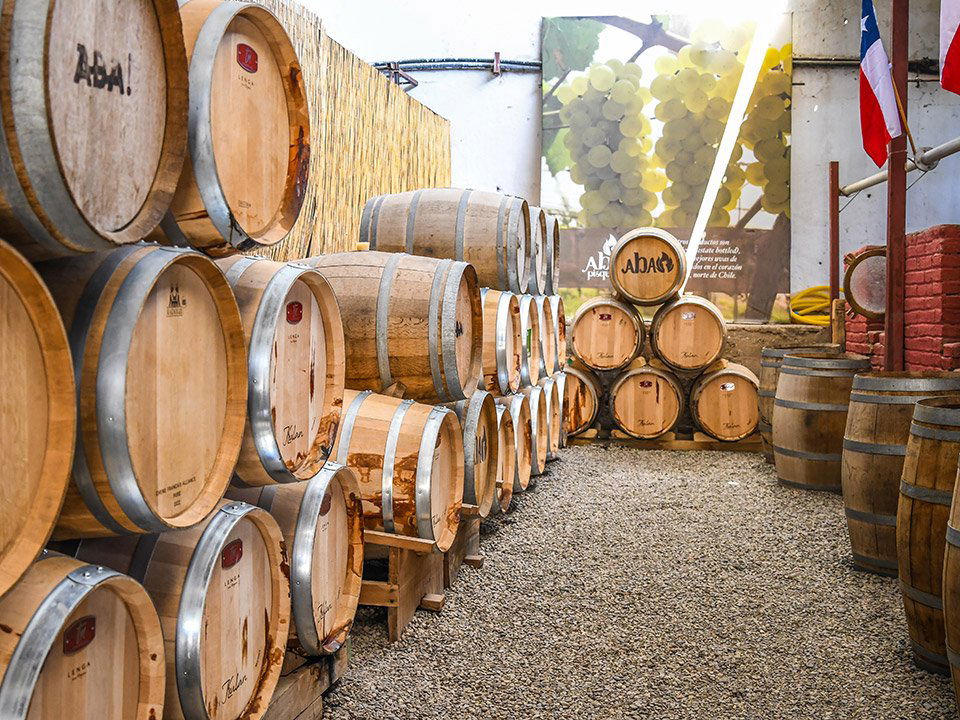
Charming historic atmosphere with authentic distillery charm, copper stills, and barrel aging rooms creating an engaging, traditional pisco production setting.
Tags
Vibe
Best For
Experience
Sourcing
View
At the Vineyard
- Appellation
- Valle del Elqui
- Varietals
- Muscat
- Tour Duration
- 40-60 minutes
- Tour Languages
- Spanish
- Visits
- Walk-ins welcome
- Farming
- Organic
- Production
- Small producer
- Wine Club
- Not available
Know before you go
Know Before You Go
- Getting there
- Fundo San Juan - el arenal s/n, valledeelqui, Vicuña, Coquimbo
Planning details
Location
Fundo San Juan - el arenal s/n, valledeelqui, Vicuña, Coquimbo · Directions
Also consider
Also Consider
- Capel Pisco Plant, Notable alternative
- Viña Mayu, Notable alternative
- Viña Falernia, Notable alternative
- Destilería Pisco Mistral, Notable alternative
- Destilería Kappa, Notable alternative
Winery context
How it compares in Vicuña
Pisquera ABA is the more focused pisco choice, while Capel Pisco Plant is the safer pick for visitors who want a larger, more familiar pisco operation. If the group includes casual drinkers, Capel is easier to justify; if the group already knows the category and wants a narrower stop, ABA is the better fit.
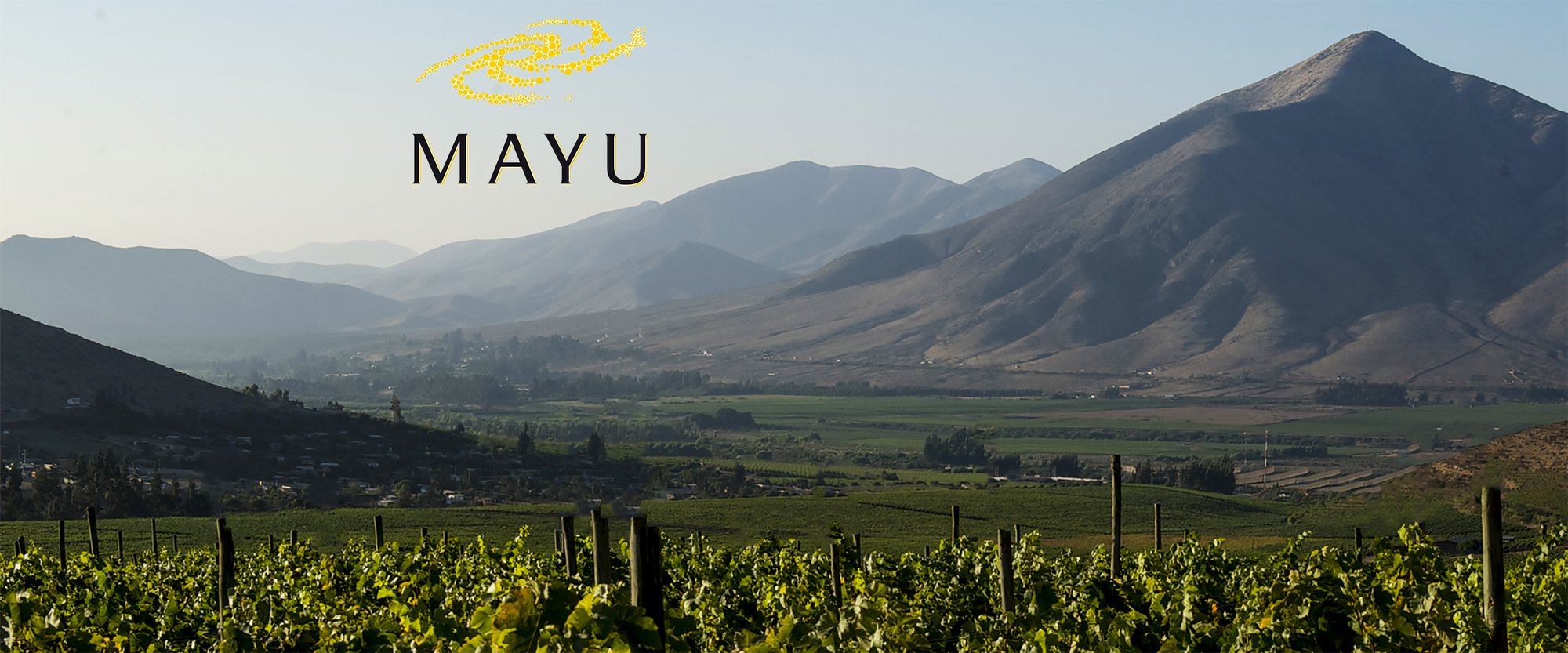
For wine-led itineraries, Viña Mayu and Viña Falernia are more logical cross-shops. Choose Mayu or Falernia when the day should feel like a valley wine route; choose ABA when pisco is the reason for the appointment and wine is secondary.
Destilería Pisco Mistral and Destilería Kappa sit outside the immediate Vicuña set, so they make more sense for readers willing to travel for another pisco comparison. ABA is the tighter local choice; Mistral and Kappa are better as category extensions if the trip has room for a wider distillery circuit.
Explore Vicuña
Around this place
Discover more on Pearl
Unlock the full Pisquera ABA guide in Pearl, including awards, comparisons, FAQs, planning details, and nearby places.
Compare Pisquera ABA
| Venue | Location | Awards |
|---|---|---|
| Pisquera ABA | Vicuña | No published awards |
| Capel Pisco Plant | Vicuña | No published awards |
| Viña Mayu | Vicuña | No published awards |
| Viña Falernia | Vicuña | 2026 Falstaff Winery Guide |
| Destilería Pisco Mistral | Pisco Elqui | No published awards |
| Destilería Kappa | Paihuano | No published awards |

How Pisquera ABA Vicuña compares with similar nearby venues.
FAQ
Frequently Asked Questions
What other venues should I compare with Pisquera ABA?
Other named options to compare while planning include Capel Pisco Plant, Destilería Kappa, Destilería Pisco Mistral, Viña Falernia, and Viña Mayu. Confirm current details directly with each venue before finalizing an itinerary.
What specific products are available at Pisquera ABA?
If a particular product is important to your visit, ask Pisquera ABA directly before you go.
Does Pisquera ABA offer a membership program?
Ask Pisquera ABA directly about any membership options before planning around one.
Can Pisquera ABA handle large groups?
Larger parties should contact Pisquera ABA directly before making plans.
Does Pisquera ABA serve food?
Plan meals separately unless Pisquera ABA confirms current food options directly.