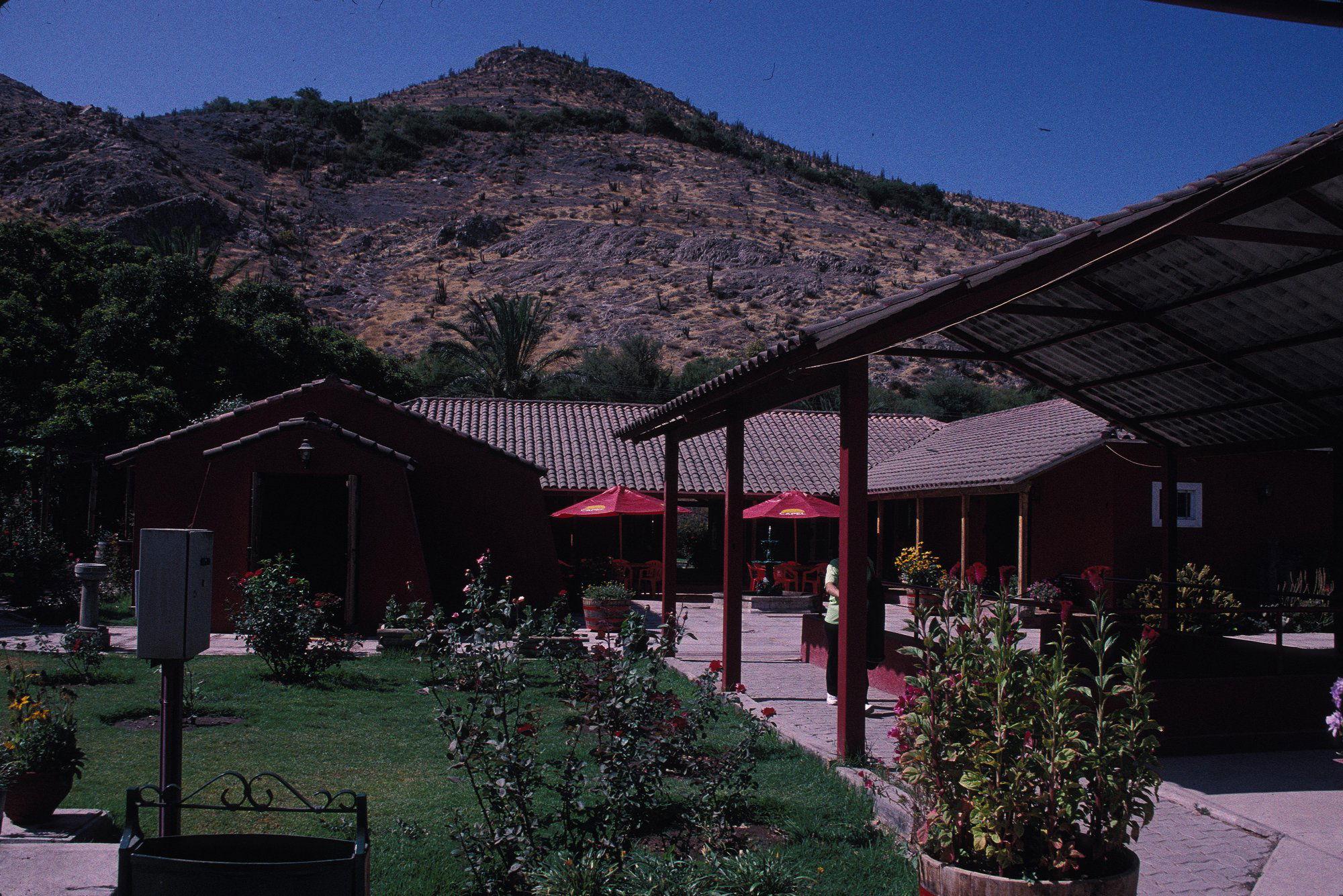
Capel Pisco Plant
Vicuña
Winery in Vicuña, Chile
 Book with Pearl
The Read
Cooperative Pisco Production
Price
$10–20tasting
Why go
Capel Pisco Plant is worth prioritizing if pisco, production context, and Elqui Valley identity matter more than a small-cellar tasting mood. For wine-led travelers, Viña Mayu or Viña Falernia are cleaner fits; for a smaller spirits stop in Vicuña, compare it with Pisquera ABA before committing the day.
About Capel Pisco Plant
Is Capel Pisco Plant worth planning around in Vicuña? It can be, especially if your Vicuña plans are centered on Capel Pisco Plant itself and you want a stop with Pearl 2 Star Prestige recognition in 2025. The safest expectation is direct: Capel Pisco Plant is a Vicuña venue with casual dress and a Pearl 2 Star Prestige (2025) distinction.
For planning, treat the venue as one point in a broader Vicuña itinerary rather than relying on assumptions about service format, pricing, hours, food, visitor activities, or group capacity. If you are comparing options, keep Capel Pisco Plant alongside names such as Destilería Kappa, Destilería Pisco Mistral, Pisquera ABA, Viña Falernia, and Viña Mayu, depending on what else is relevant to your route.
Book this for a Vicuña stop with casual dress
The strongest reasons to consider Capel Pisco Plant are simple: it is in Vicuña, the dress code is casual, and it holds Pearl 2 Star Prestige (2025). Beyond that, specific claims about the visit experience should not be assumed unless checked before you go.
Before committing, check price-to-quality, timing, menu, beverages, visitor activities, and booking details. The better decision frame is whether Capel Pisco Plant fits the shape of your Vicuña day. If you are weighing it against other options, compare it with Destilería Kappa, Destilería Pisco Mistral, Pisquera ABA, Viña Falernia, or Viña Mayu without assuming the same format or visitor experience.
How to fit it into a Vicuña day
Treat Capel Pisco Plant as one part of a focused Vicuña plan. Because practical details can affect the day, check current arrangements before building the rest of the itinerary around it. Other dining and travel choices in Vicuña can fill out the itinerary once the Capel Pisco Plant visit is set.
The verdict: choose Capel Pisco Plant when you want a Vicuña venue with a Pearl 2 Star Prestige (2025) signal and casual dress. Do not rely on assumptions about service style, specific products, food, pricing, hours, or visit length when planning.
Planning details
- Location
- Puente Peralillo s/n, Vicuña, Coquimbo
- Website
- centroturisticocapel.cl
- Phone
- +56 9 5770 2605
The take
The Take
The Vibe
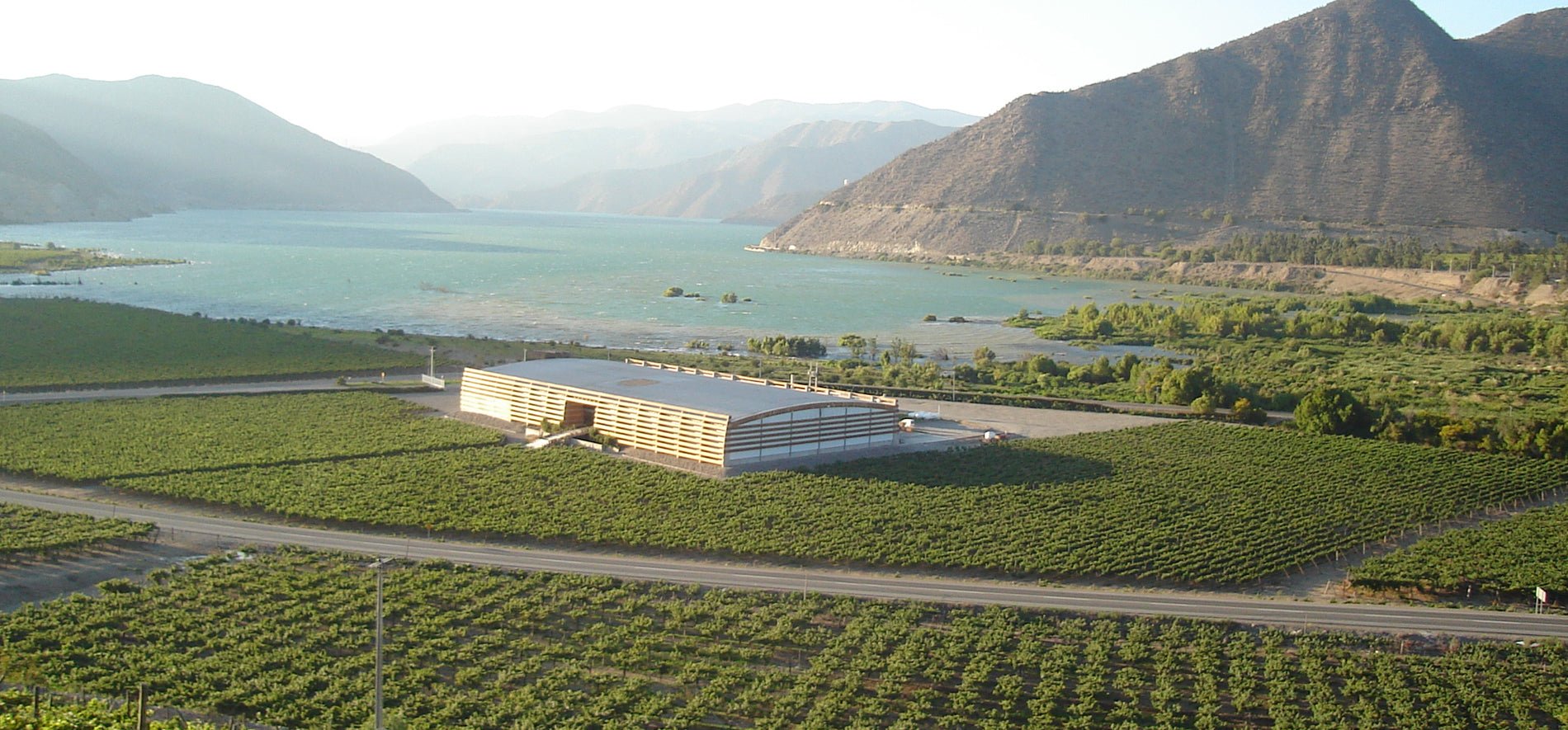
Capel Pisco Plant reads as an industrious, terroir-minded producer anchored in the Elqui Valley’s stark landscape. The writing frames the facility as the operational core of a dominant cooperative, where production and place are inseparable: altitude, soil and the desert’s intense light are treated as active collaborators in spirit-making. The site’s authority comes less from showy tasting-room theatrics and more from a matter-of-fact confidence—a classic, workmanlike presence that still feels regionally rooted and quietly important to Chilean pisco’s identity.
Best For
This is primarily a visit for people interested in the origins and craft of pisco. The plant functions as a point of contact with the Elqui Valley’s origin story, making it ideal for travelers focused on wine- and spirit‑education: students of terroir, sommeliers, and curious visitors who want to understand how altitude, soil and specific Muscat varieties shape the spirit. The emphasis on production, grower networks and legal designation means the most rewarding visits are those oriented toward learning rather than socializing.
Tasting Tips
When exploring Capel’s offerings, orient your questions and selections around terroir and grape variety. The description highlights Muscat varieties and the way altitude and alluvial soils concentrate sugar and aromatics, so look for Muscat-based piscos or any expressions that note valley origin. The plant’s 2025 Pearl 2 Star Prestige placement signals higher-tier bottlings to seek out. Favor bottles or guided explanations that unpack how Elqui’s altitude and climate translate into the spirit’s nose and palate rather than generic marketing claims.
Venue details
Ambiance
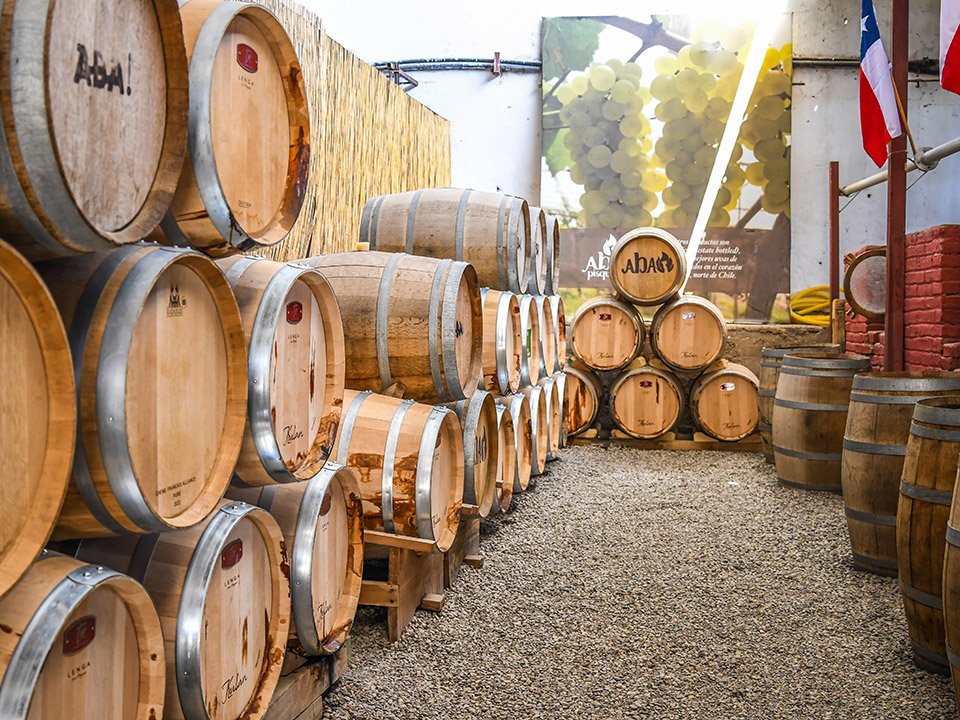
Industrial production facility with copper distillation stills, stainless steel vats, oak barrels, and on-site museum.
Tags
Vibe
Best For
Experience
Sourcing
View
At the Vineyard
- Appellation
- Valle de Elqui
- Varietals
- Muscat of Alexandria, Pink Muscat
- Tour Duration
- 45 minutes
- Tour Languages
- Spanish, English
- Visits
- By reservation
- Farming
- Sustainable
- Wine Club
- Not available
Know before you go
Know Before You Go
- Getting there
- Puente Peralillo s/n, Vicuña, Coquimbo
Planning details
Location
Also consider
Also Consider
- Viña Mayu, Notable alternative
- Pisquera ABA, Notable alternative
- Viña Falernia, Notable alternative
- Destilería Pisco Mistral, Notable alternative
- Destilería Kappa, Notable alternative
Winery context
How it compares in Vicuña
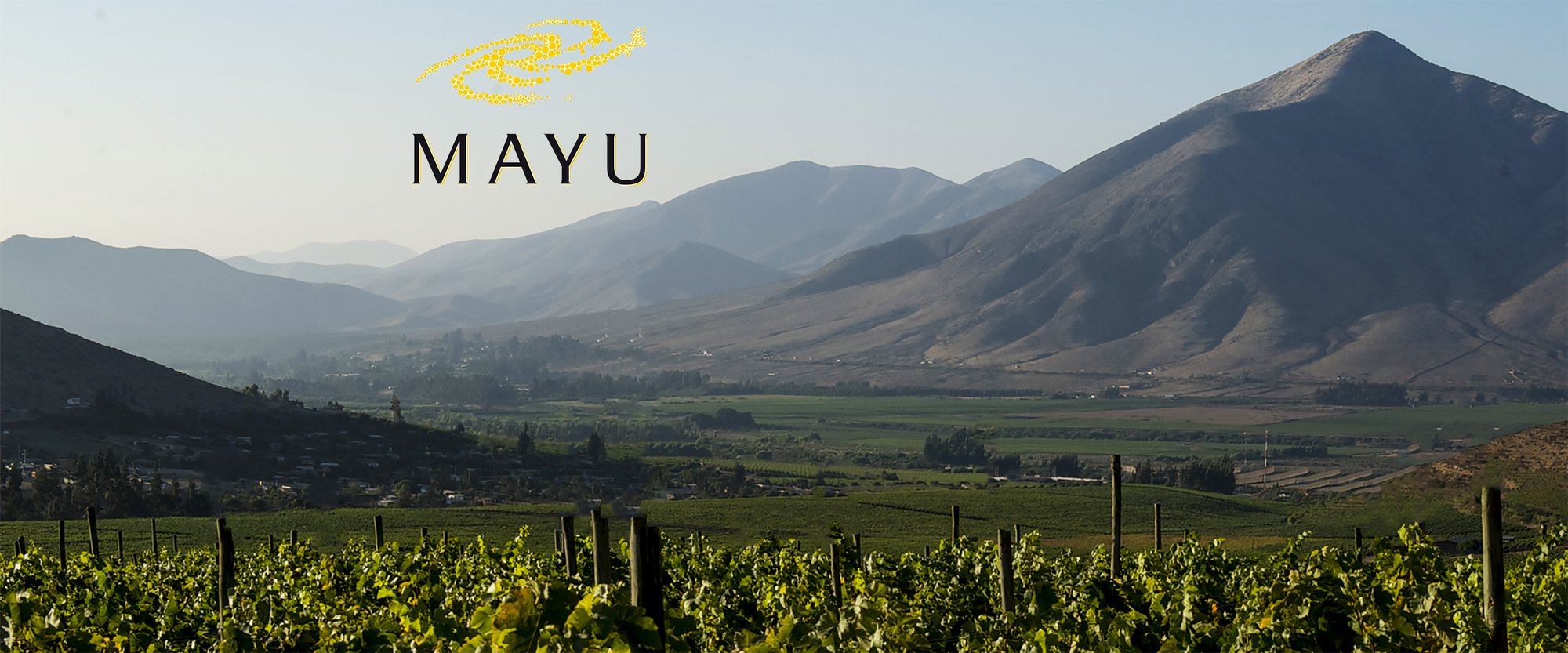
Choose Capel Pisco Plant when the goal is pisco context at scale. Viña Mayu and Viña Falernia make more sense for a wine-led visit, especially if the group wants a vineyard frame rather than a plant-style spirits stop. With no reliable public pricing to compare, the value question is about fit: pisco-first travelers get more out of Capel, wine-first travelers should start elsewhere.
Pisquera ABA is the closest like-for-like alternative for visitors who want pisco in Vicuña but prefer a smaller-feeling stop. Destilería Pisco Mistral and Destilería Kappa are better cross-shops for travelers willing to look beyond the immediate Vicuña set, but they require a broader itinerary decision rather than a simple swap.
Booking difficulty is the main practical caution: if Capel is hard to secure for the day you want, pivot first to Pisquera ABA for spirits, then to Viña Mayu or Viña Falernia if the group is happy switching from pisco to wine. For ambiance, expect Capel to win on production context, not intimacy.
Explore Vicuña
Around this place
Discover more on Pearl
Unlock the full Capel Pisco Plant guide in Pearl, including awards, comparisons, FAQs, planning details, and nearby places.
Compare Capel Pisco Plant
| Venue | Location | Awards |
|---|---|---|
| Capel Pisco Plant | Vicuña | No published awards |
| Viña Mayu | Vicuña | No published awards |
| Pisquera ABA | Vicuña | No published awards |
| Viña Falernia | Vicuña | 2026 Falstaff Winery Guide |
| Destilería Pisco Mistral | Pisco Elqui | No published awards |
| Destilería Kappa | Paihuano | No published awards |

How Capel Pisco Plant Vicuña compares with similar nearby venues.
FAQ
Frequently Asked Questions
When is the best time to visit Capel Pisco Plant?
Plan around Vicuña, check current timing with Capel Pisco Plant, and note that it has Pearl 2 Star Prestige (2025).
What should I know about Capel Pisco Plant?
Capel Pisco Plant is in Vicuña, has casual dress, and holds Pearl 2 Star Prestige (2025).
Can Capel Pisco Plant handle large groups?
If you are planning for several people, check group arrangements with Capel Pisco Plant before setting the itinerary.
What should I expect at Capel Pisco Plant?
Expect a Vicuña venue with casual dress and Pearl 2 Star Prestige (2025), and check any specific visit details before you go.
How long should I plan for a visit to Capel Pisco Plant?
Treat it as a Vicuña stop and check the current schedule before deciding how much of the day to reserve.
Are purchasing options available at Capel Pisco Plant?
Check purchasing options with Capel Pisco Plant before you go.
Does Capel Pisco Plant serve food?
If food is important to the plan, check with Capel Pisco Plant or arrange other dining in Vicuña separately.