Pisco Mal Paso
Ovalle, Vicuña
Winery in Vicuña, Chile
 Book with Pearl
The Read
Terroir-Driven Pisco
Why go
Prioritize Pisco Mal Paso if the trip is about Chilean pisco depth rather than a predictable winery afternoon. It is the stronger choice for curious spirits travelers, while visitors who want easier touring structure should compare it with Viña Falernia or Capel Pisco Plant before committing.
About Pisco Mal Paso
Pisco Mal Paso is a Vicuña venue with weekday operating hours and Pearl 1 Star Prestige recognition for 2025. Plan around its schedule rather than assuming a specific visit format, menu, tasting structure, price, or service style.
The practical takeaway is scheduling. Pisco Mal Paso is open Monday through Thursday from 8 AM to 5:30 PM, Friday from 8 AM to 12 PM, and closed Saturday and Sunday. If it is part of a broader Vicuña itinerary, the safest plan is to build the visit into a weekday window and confirm any additional arrangements directly before going.
Choose it for a tightly planned Vicuña stop
If the goal is a broader regional route, compare it with Black Heron Pisco Distillery, Pisco Waqar Distillery, Pisquera Casa Juliá, Viña Falernia, and Viña Tabalí. Other stops in Vicuña can be considered generically around the same schedule, but Pisco Mal Paso's hours make weekday planning the key detail.
Travelers building a wider itinerary should treat Pisco Mal Paso as a weekday Vicuña option rather than relying on assumptions about tours, tastings, reservations, pricing, or amenities. Its distinction is Pearl 1 Star Prestige in 2025, with the operating hours listed above.
Planning details
- Location
- Fundo Huamalata, Ovalle, Coquimbo
The take
The Take
The Vibe
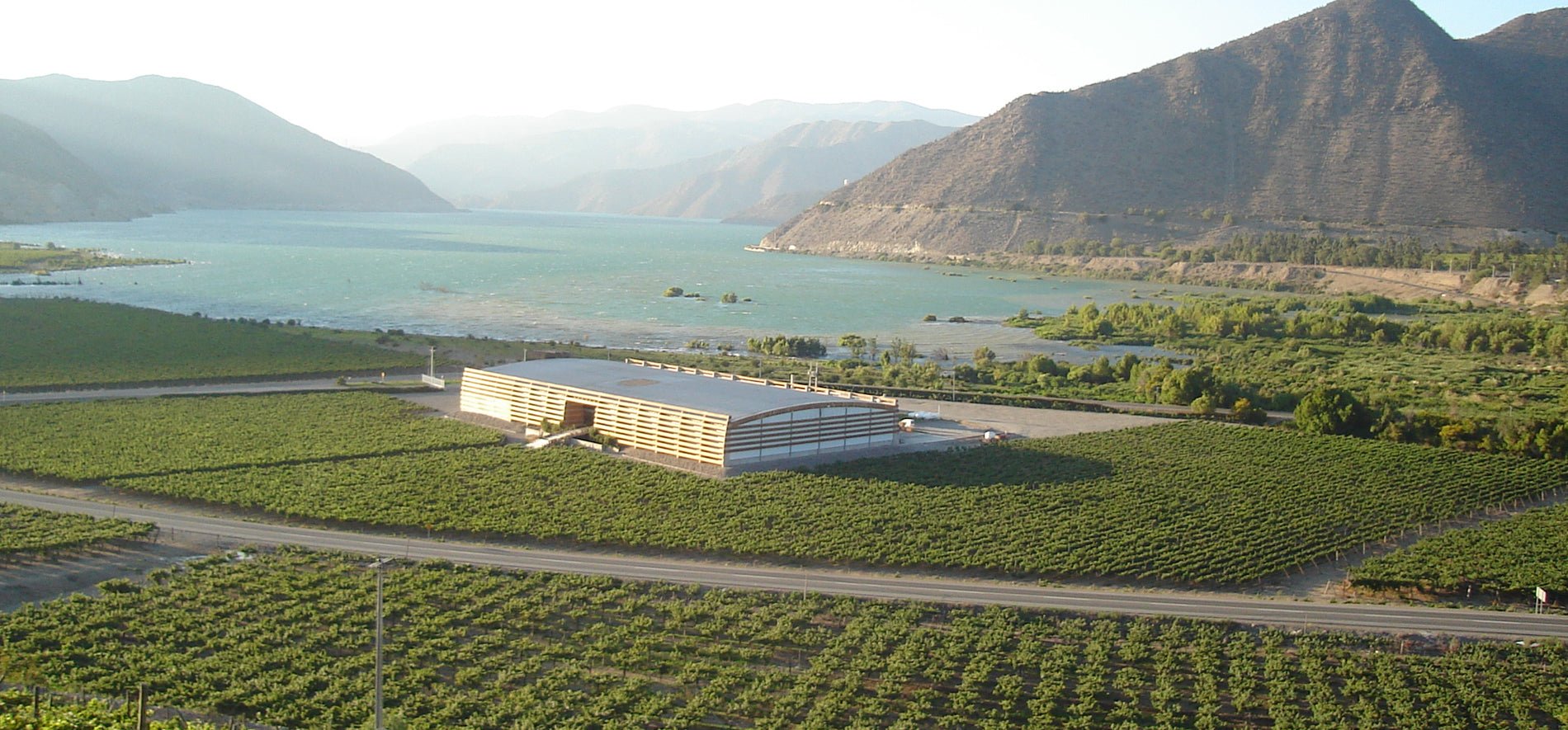
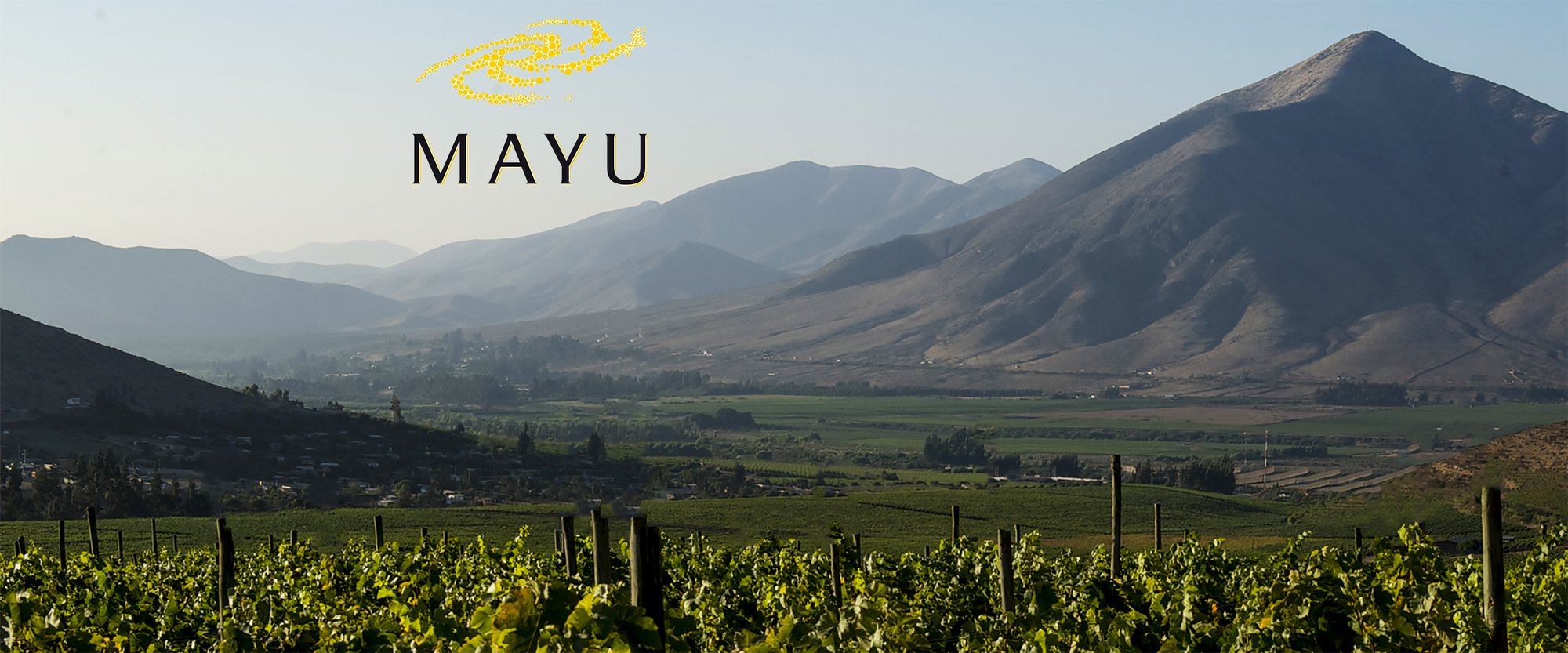
Pisco Mal Paso sits deep in the Elqui Valley where the Andes press close and the landscape reads as spare, bright, and purposeful. The estate’s remote setting — thin villages, extreme aridity and high altitude — shapes both the grapes and the spirit, producing a distilled expression that feels elemental and terroir-driven. The tone of the place is quietly serious rather than flashy: this is an artisan producer working within challenging conditions, and recognition from a recent Pearl Prestige awards cycle underscores the craft-forward, classic character of the operation.
Best For
This venue is best for curious drinkers and students of pisco who want to understand how terroir and elevation influence distillation. The write-up focuses on appellation rules, permitted Muscat-family grapes, and the distinctiveness of Elqui Valley base wines — material that rewards visitors looking to learn about production, regional differences, and quality-focused, estate-scale making. It’s a good stop for anyone interested in the technical and historical arguments around Chilean pisco and in tasting examples that aim beyond mass-market production.
Venue details
Ambiance
Quiet, serious, and terroir-driven, with an elemental estate setting in one of Chile's driest and most extreme growing environments.
Tags
Vibe
Best For
Experience
View
At the Vineyard
- Appellation
- Elqui Valley / designated Chilean pisco zone
- Varietals
- Moscatel Rosada, Moscatel de Alejandría
- Visits
- By appointment only
- Production
- Small producer
- Wine Styles
- Fortified
- Founded
- 2006
- Wine Club
- Not available
Know before you go
Know Before You Go
- Getting there
- Fundo Huamalata, Ovalle, Coquimbo
Planning details
Location
Fundo Huamalata, Ovalle, Coquimbo · Directions
Also consider
If this does not fit the schedule
Try Viña Falernia if the group wants a Vicuña wine stop with broader appeal. For another pisco-focused option outside the immediate Vicuña plan, compare Black Heron Pisco Distillery.
Winery context
How It Compares
Pisco Mal Paso is the stronger pick for travelers who want a pisco-first stop and are willing to plan around a harder booking path. Viña Falernia is the safer Vicuña cross-shop if the group wants a wine-led visit with broader appeal; choose Falernia for mixed wine-and-scenery itineraries, and choose Pisco Mal Paso when the point of the day is spirits context.
Pisquera Casa Juliá and Pisco Waqar Distillery make sense for travelers comparing pisco producers beyond Vicuña. Without a clear public price spread across the set, value should be judged by fit: Pisco Mal Paso is better value for a focused pisco stop, while Casa Juliá or Waqar may suit travelers already routing outside the immediate Vicuña plan.
Viña Tabalí and Black Heron Pisco Distillery are the better alternatives when the itinerary is already pushing beyond Vicuña. Tabalí is the wine-country comparison; Black Heron is the more direct pisco comparison. If booking friction is the deciding factor, keep Viña Falernia as the practical backup.
Explore Vicuña
Around this place
Discover more on Pearl
Unlock the full Pisco Mal Paso guide in Pearl, including awards, comparisons, FAQs, planning details, and nearby places.
Compare Pisco Mal Paso
Where it fits in the Vicuña route
Use Pisco Mal Paso as the pisco-specialist choice, not as the default stop for every group. Viña Falernia is easier to recommend for mixed groups because wine tourism is a more familiar format; Pisco Mal Paso is better for travelers who specifically want to understand Chilean pisco production.
Against Pisquera Casa Juliá, Pisco Waqar Distillery, and Black Heron Pisco Distillery, the decision is mostly route logic. If the trip is centered on Vicuña, start here; if the itinerary already runs through Coquimbo or farther afield, Black Heron or Waqar may be cleaner fits.
FAQ
Frequently Asked Questions
When is the best time to visit Pisco Mal Paso?
Weekday mornings or early afternoons are the safest bet, since it opens at 8 AM Monday through Thursday and closes at 5:30 PM. Friday is much tighter, with hours ending at 12 PM, and Saturday and Sunday are closed. If you are planning a broader route in Vicuña, weekdays give you far more flexibility.
Do I need a reservation at Pisco Mal Paso?
For reservations, contact Pisco Mal Paso directly. Plan around the schedule: Monday through Thursday from 8 AM to 5:30 PM, Friday from 8 AM to 12 PM, and closed Saturday and Sunday. If you need a specific time or format, confirm directly before visiting.
What is Pisco Mal Paso known for?
Pisco Mal Paso is a Vicuña venue with Pearl 1 Star Prestige recognition for 2025. For format, pricing, and services, confirm directly before visiting.