
Viña Falernia
Vicuña
Winery in Vicuña, Chile
 Book with Pearl
The Read
High-Desert Altitude Viticulture
Price
$10–20tasting
Why go
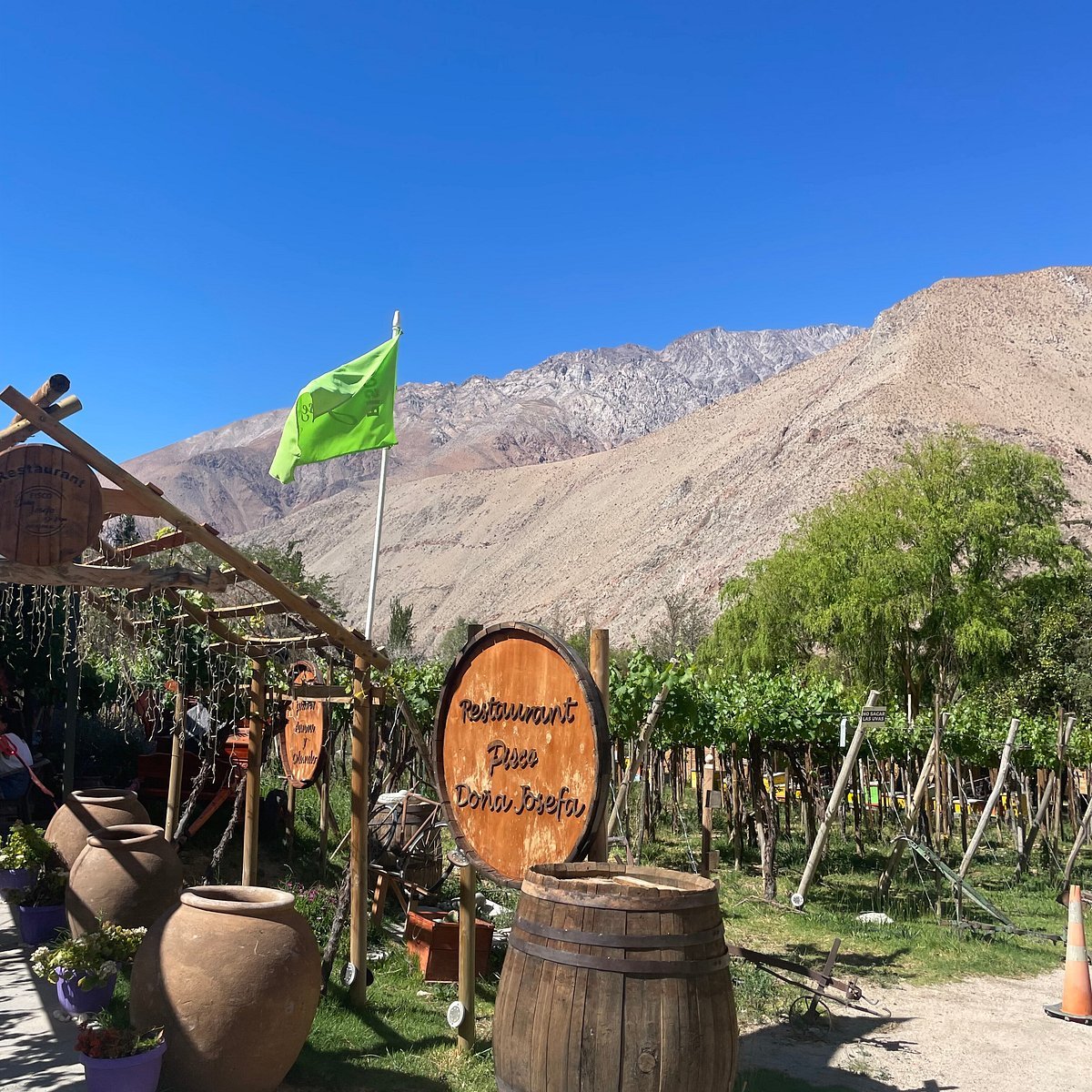
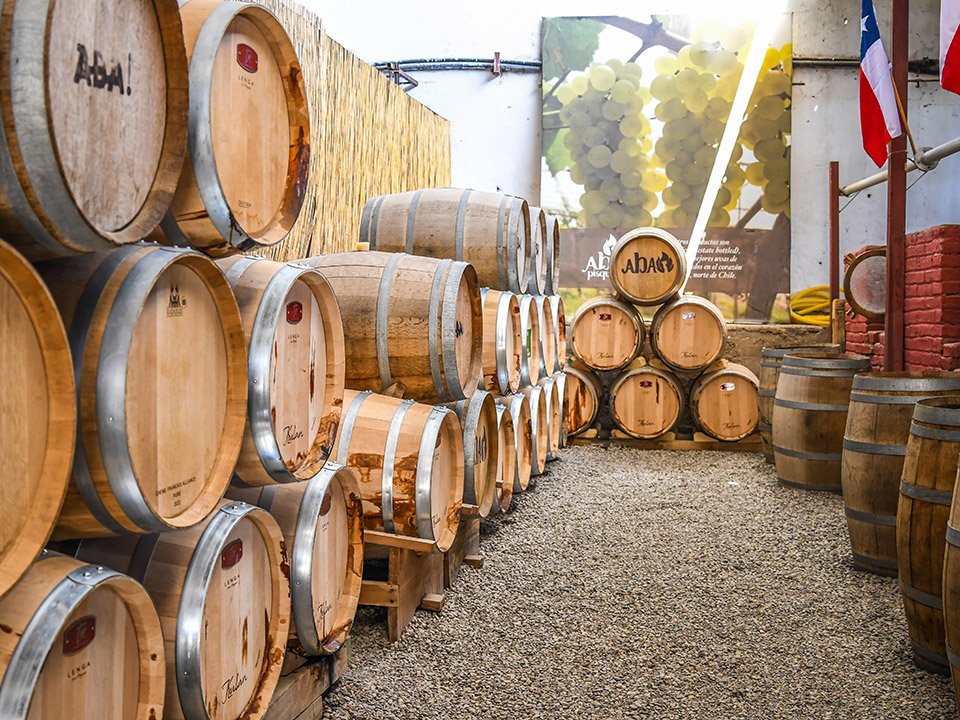
Book Viña Falernia if the Vicuña itinerary needs a wine-estate anchor rather than another pisco stop. It is strongest for special occasions and wine-focused travelers; choose Capel Pisco Plant, Pisquera ABA, or Doña Josefa de Elqui instead if spirits are the main reason for the trip.
About Viña Falernia
Viña Falernia is a venue in Vicuña with a casual dress code and 3 Star Prestige recognition for 2025.
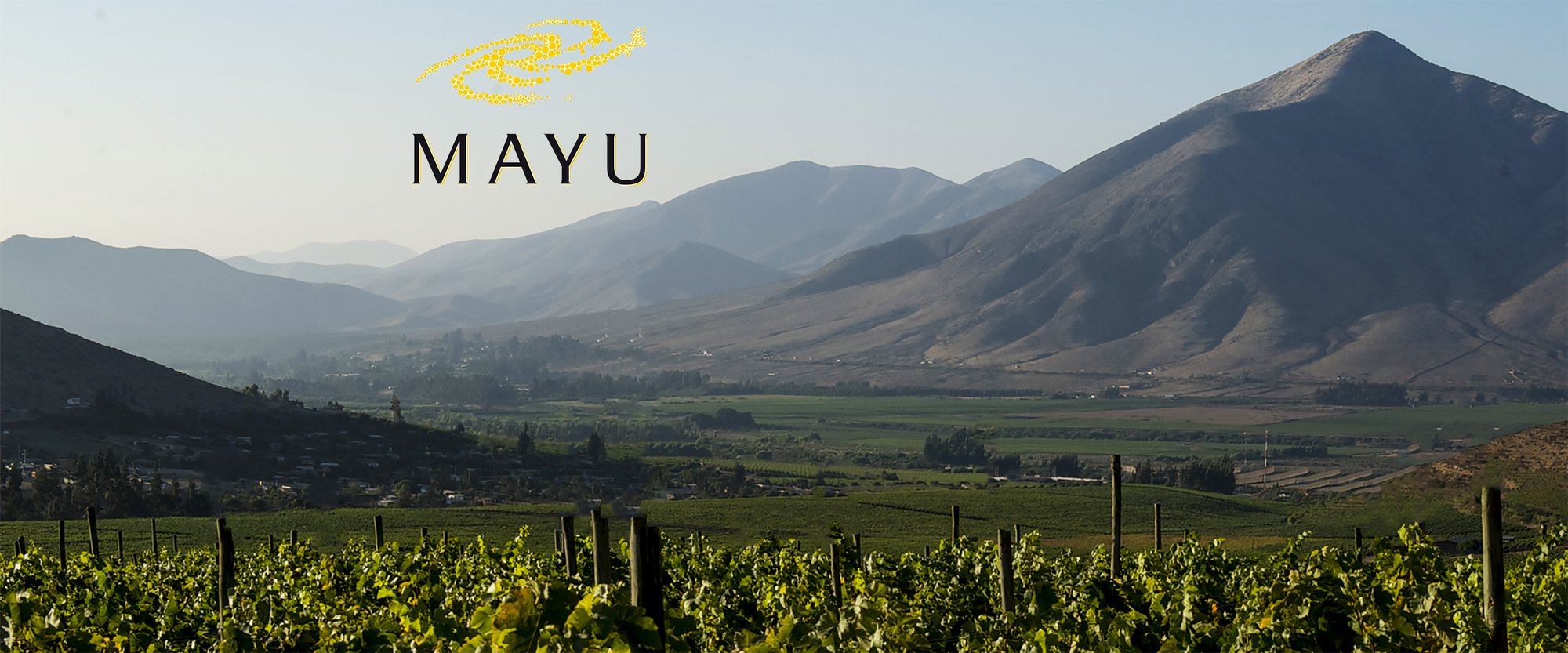
For travelers comparing options, Viña Falernia can be considered alongside Capel Pisco Plant, Destilería Pisco Mistral, Doña Josefa de Elqui (Pisco), Pisquera ABA, and Viña Mayu. Choose based on the type of stop you want, then confirm current visitor details directly before making plans.
Choose it when Viña Falernia is the point of the Vicuña stop
Viña Falernia is best treated as a planned Vicuña stop. The grounded facts are simple: the dress code is casual, and the venue holds 3 Star Prestige recognition for 2025.
If your group is deciding between several named options, compare Viña Falernia with Capel Pisco Plant, Destilería Pisco Mistral, Doña Josefa de Elqui (Pisco), Pisquera ABA, and Viña Mayu. Beyond that, confirm practical details directly, including availability, timing, visitor format, and any booking policies.
Where the setting helps, and where peers may be easier
Vicuña is the location, so keep planning centered on the city rather than assuming a more specific address, district, or landmark. Viña Falernia may suit travelers who want this specific venue on the itinerary, while Capel Pisco Plant, Destilería Pisco Mistral, Doña Josefa de Elqui (Pisco), Pisquera ABA, and Viña Mayu are natural names to compare when shaping a broader route.
The main caution is that many practical details can vary. Do not assume walk-in availability, group capacity, tasting length, food service, purchases, shipping, or a particular visitor format from this guide alone. For a broader local plan, use Vicuña guides and confirm each stop directly before arranging meals, lodging, transport, or evening plans.
Planning details
- Location
- Vicuña, Coquimbo
- Website
- falernia.com
- Phone
- +56 51 241 2260
The take
The Take
The Vibe
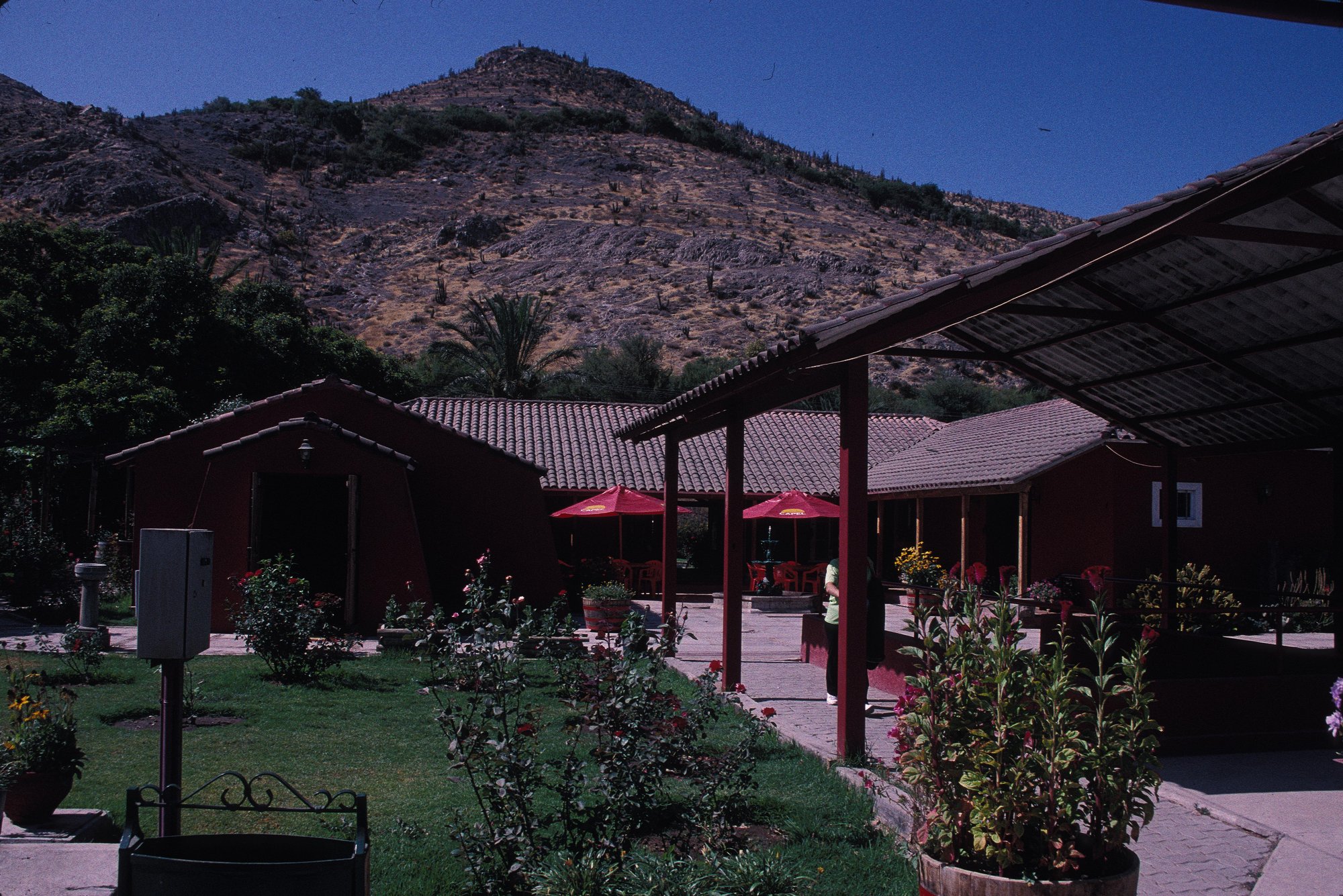
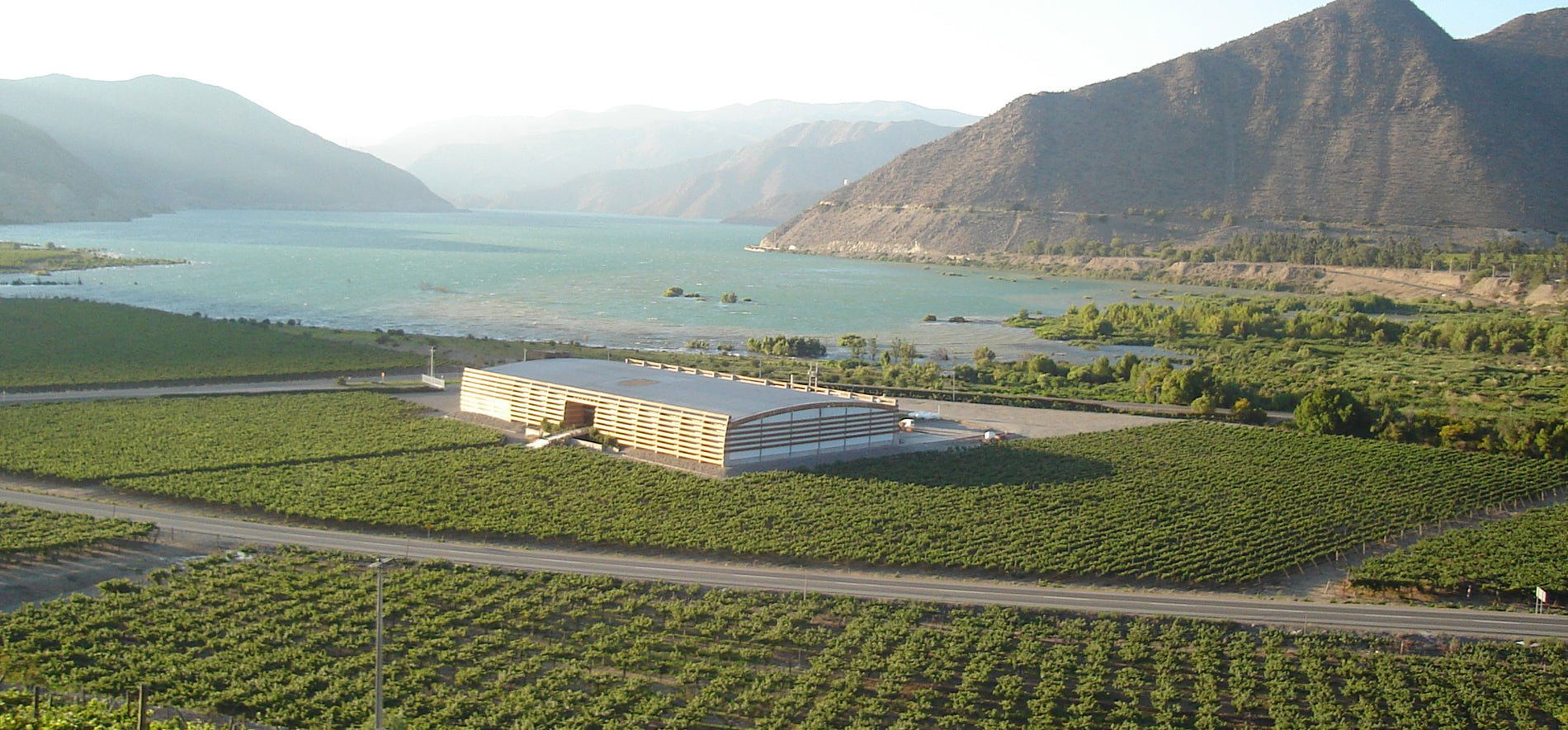
Viña Falernia feels like a dramatic, high-altitude winery where stark desert vistas and cultivated rows of vines coexist. The place reads as scenic and rustic — copper-toned hillsides and bare rock frames give it an elemental, hands-on quality — while its recognition for table wine production lends an elegant edge. The writing suggests a contemporary approach to viticulture that sits alongside the valley's rough topography, so the overall impression is modern stewardship of a rugged, photogenic landscape rather than a polished urban tasting room.
Best For
This is a destination for travelers focused on learning and landscape as much as tasting. Wine-education visitors find value here because the site highlights how extreme solar radiation, sharp diurnal swings and managed irrigation shape grapes in ways unique to the Elqui Valley. Groups and small outings benefit from the estate setting — the vineyard context gives a natural focus for shared discovery — and couples seeking a contemplative, out-of-the-way romantic getaway will appreciate the dramatic scenery and the sense of being somewhere distinct from Chile’s more familiar wine regions.
Tasting Tips
When you come to Falernia, prioritize curiosity about terroir. Ask staff about altitude, UV exposure and irrigation practices so you can connect tasting notes to the harsh-growing conditions described in the narrative. Seek wines that showcase concentrated phenolics and high-acid profiles typical of slow ripening at elevation; those bottles will best communicate what makes Elqui viticulture different from central Chile. If a guided discussion or tasting flight is available, use it to compare how the same varietal responds to the valley’s extremes rather than chasing a particular label.
Venue details
Ambiance
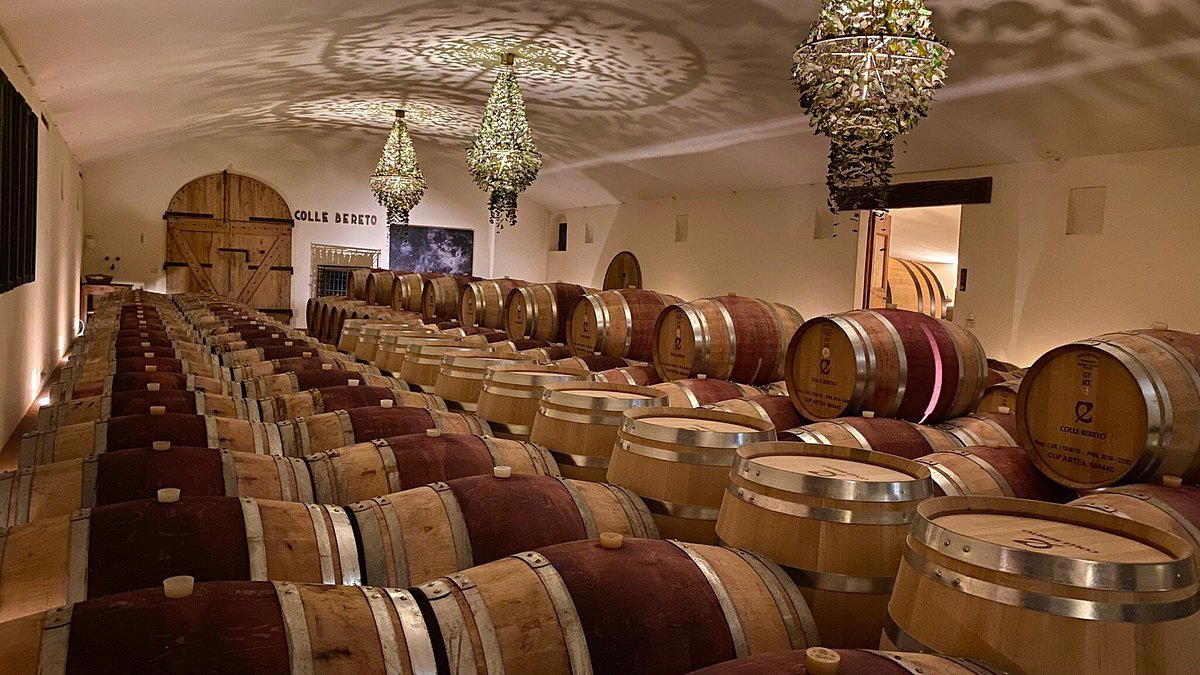
Modern, clean facility with state-of-the-art technology set in a serene desert landscape overlooking Puclaro Lake; professional yet welcoming atmosphere.
Tags
Vibe
Best For
Experience
Sourcing
View
At the Vineyard
- Appellation
- Elqui Valley
- Varietals
- Cabernet Sauvignon, Carmenère, Syrah, Sauvignon Blanc, Chardonnay
- Tour Duration
- 60 minutes
- Tour Languages
- English, Spanish
- Visits
- By reservation
- Farming
- Sustainable
- Wine Styles
- Still Red, Still White, Dessert
- Wine Club
- Not available
Know before you go
Know Before You Go
- Getting there
- Vicuña, Coquimbo
Planning details
Location
Recognition and awards

Also consider
Where to go if this is not the right fit
If the group wants another winery, cross-shop Viña Mayu first. If the day should be pisco-led, choose Capel Pisco Plant for the more obvious category fit, then consider Pisquera ABA or Doña Josefa de Elqui (Pisco) for a narrower spirits stop.
Winery context
How It Compares
Viña Falernia is the pick when the group wants wine to lead the day in Vicuña. Viña Mayu is the closest like-for-like comparison, so start there if the decision is strictly winery versus winery. If the brief is pisco, Capel Pisco Plant is the clearer choice for a larger-production context.
For smaller pisco-focused alternatives, Pisquera ABA and Doña Josefa de Elqui (Pisco) make more sense than forcing a winery into the plan. Destilería Pisco Mistral is the better cross-shop if the group is willing to look beyond central Vicuña for a pisco-led outing.
For value, decide by category rather than price tier: wine drinkers get more from Viña Falernia or Viña Mayu, while mixed groups may find Capel Pisco Plant easier to justify because pisco is the area's more familiar draw. For ambiance, choose the winery route when the estate setting is part of the occasion; choose the pisco producers when production context is the point.
Explore Vicuña
Around this place
Discover more on Pearl
Unlock the full Viña Falernia guide in Pearl, including awards, comparisons, FAQs, planning details, and nearby places.
Compare Viña Falernia
| Venue | Location | Awards |
|---|---|---|
| Viña Falernia | Vicuña | 2026 Falstaff Winery Guide |
| Viña Mayu | Vicuña | No published awards |
| Capel Pisco Plant | Vicuña | No published awards |
| Pisquera ABA | Vicuña | No published awards |
| Doña Josefa de Elqui (Pisco) | Vicuña | No published awards |
| Destilería Pisco Mistral | Pisco Elqui | No published awards |
How Viña Falernia Vicuña compares with similar nearby venues.
FAQ
Frequently Asked Questions
How long should I plan for a visit to Viña Falernia?
Plan Viña Falernia as a stop in Vicuña and confirm timing directly before you go. The recognition is 3 Star Prestige (2025).
Does Viña Falernia offer memberships or ongoing purchase options?
When is the best time to visit Viña Falernia?
Build your Vicuña plans around confirmed availability, and compare Viña Falernia with Viña Mayu, Capel Pisco Plant, Destilería Pisco Mistral, Doña Josefa de Elqui (Pisco), or Pisquera ABA if you are choosing among multiple stops.