Doña Josefa de Elqui (Pisco)
Pisco Elqui, Vicuña
Winery in Vicuña, Chile
 Book with Pearl
The Read
Elqui Valley Terroir Pisco
Why go
Doña Josefa de Elqui is worth prioritizing if the goal is a special-occasion pisco stop in the Elqui Valley rather than the easiest tasting-room visit in Vicuña. The setting does much of the work, but the practical case is strongest when it fits into a planned Pisco Elqui day. For a simpler visit, compare it with Pisquera ABA or Capel Pisco Plant.
About Doña Josefa de Elqui (Pisco)
Doña Josefa de Elqui (Pisco) is a Vicuña venue with a casual dress code and 2 Star Prestige recognition for 2025. Venue details are limited, so planning should stay practical: confirm current visit logistics directly before building a day around it. For comparison, other venues to consider include Pisquera ABA, Capel Pisco Plant, Destilería Kappa, Destilería Pisco Mistral, and Fundo Los Nichos.
A street address, hours, pricing, menu format, visitor format, or booking channel are not available. Readers comparing a broader Vicuña plan can use Our full Vicuña wineries guide, then add food and sleep planning through Our full Vicuña restaurants guide and Our full Vicuña hotels guide.
Worth the effort if the recognition matters to your plan
Doña Josefa de Elqui (Pisco) is best considered when a 2 Star Prestige venue is a priority for the trip. The dress code is casual, which keeps the planning tone relaxed, but other practical details should be checked before visiting. If you want to compare the stop with other venues, look at Capel Pisco Plant, Pisquera ABA, Destilería Kappa, Destilería Pisco Mistral, and Fundo Los Nichos.
For value, be disciplined: pricing, tasting format, included pours, food service, or opening hours are not available. Compare options on the details you can confirm directly rather than assuming a specific experience. If the day includes several visits, leave enough flexibility so the plan does not depend on timing that is not confirmed.
Plan it as part of a Vicuña visit, not around details that are not confirmed
The safest approach is to treat Doña Josefa de Elqui (Pisco) as one possible Vicuña stop and confirm the current practical information before you go. Use Our full Vicuña experiences guide for the broader day, and Our full Vicuña bars guide if the plan continues afterward. For comparisons, keep the shortlist to Capel Pisco Plant, Destilería Kappa, Destilería Pisco Mistral, Fundo Los Nichos, and Pisquera ABA, along with other unnamed Vicuña options you confirm separately.
Planning details
- Location
- D-485 21280, Pisco Elqui, Paihuano, Coquimbo
- Website
- piscodonajosefa.cl
- Phone
- +56 9 6201 5414
The take
The Take
The Vibe
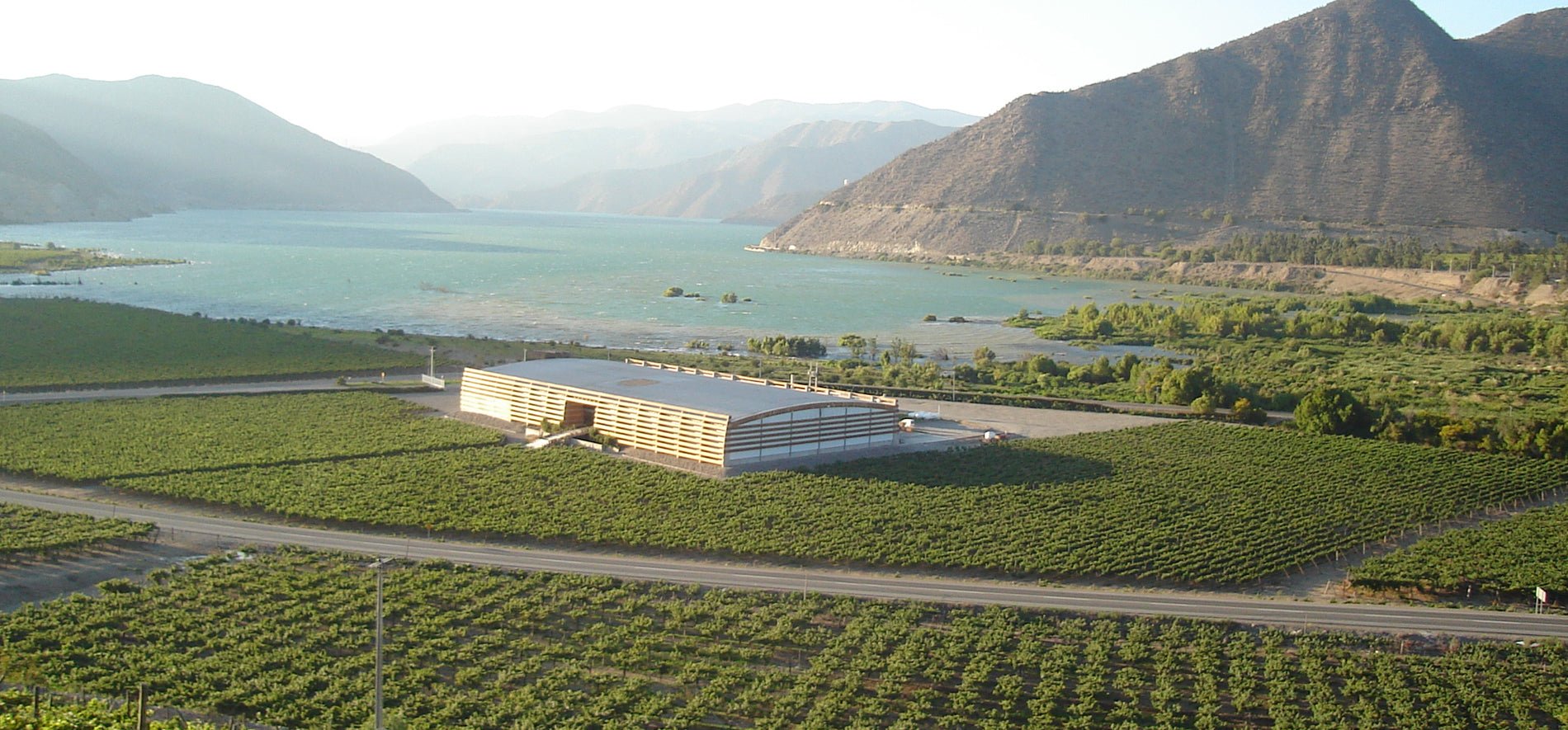
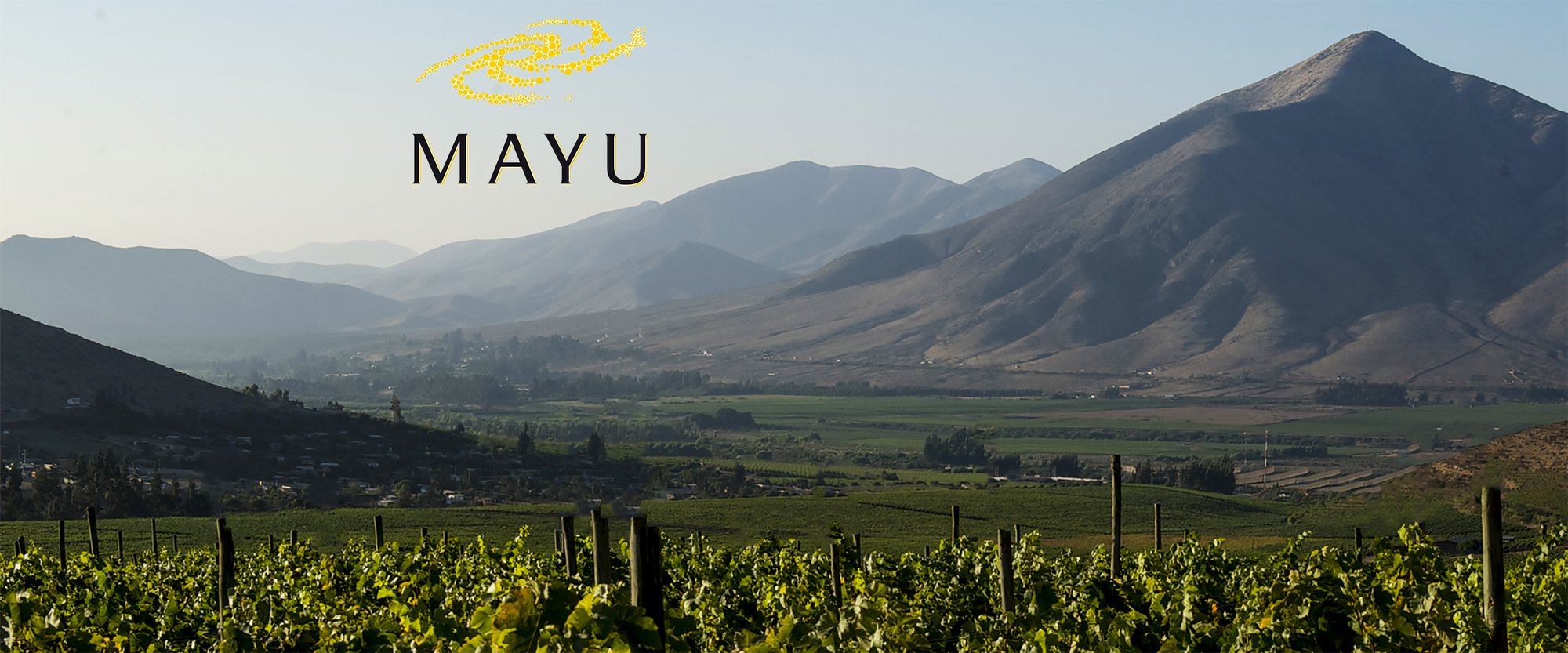
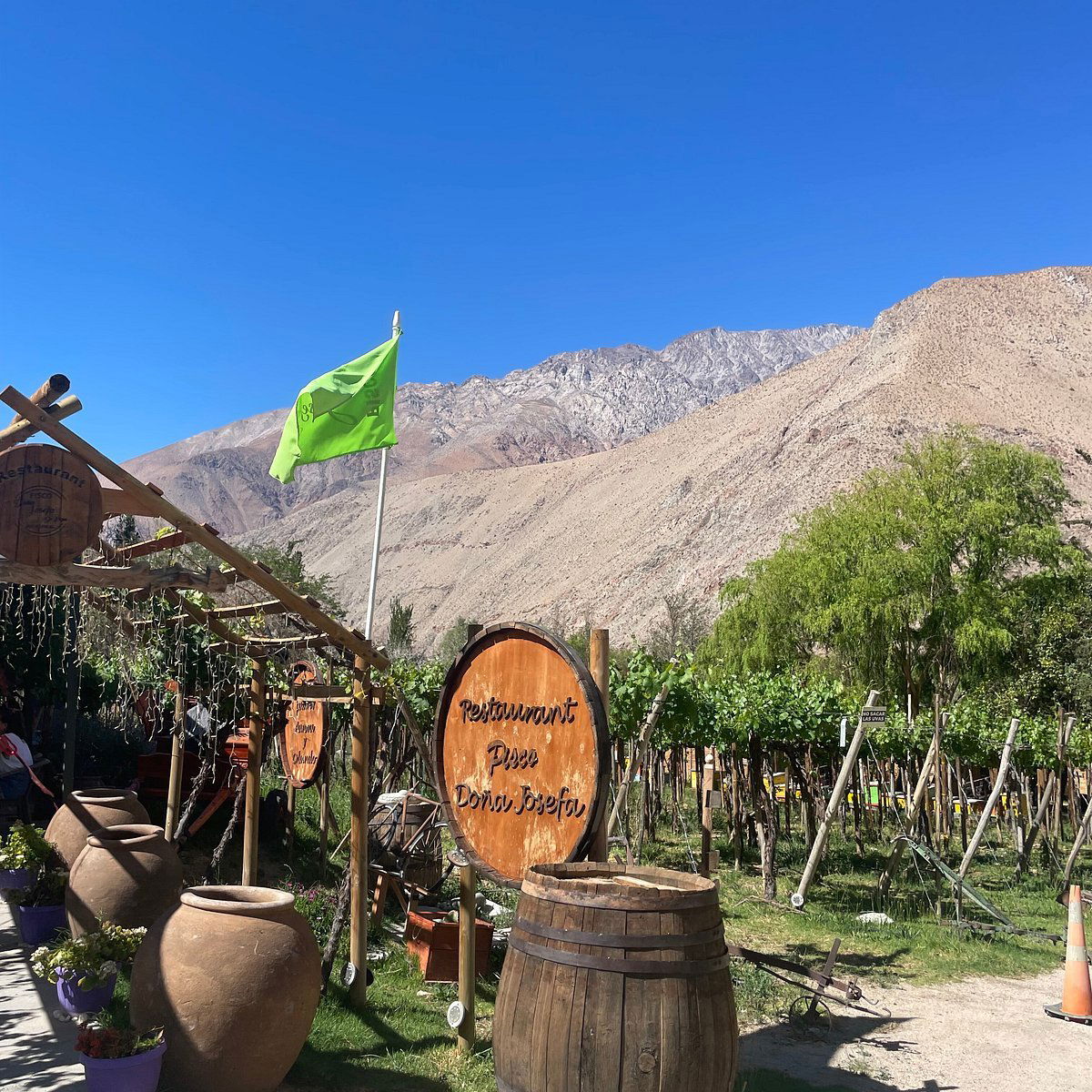
Doña Josefa de Elqui sits in the narrow corridor of the Elqui Valley where the Andes foothills and irrigated terraces shape both landscape and spirit. The writing foregrounds long-established production conditions — intense solar radiation, low humidity and cold nights — and places the producer within a small village cluster of craft operations. That combination gives the property a quietly historic, classic temperament: it reads as a focused, traditional maker rather than an industrial complex. The setting’s compact scale and regional specificity also lend a charming, intimate quality; the place feels like a local producer with a clear sense of place and provenance.
Best For
This producer suits visitors who want to understand pisco in its geographic and cultural context. The text emphasizes the Elqui Valley’s legal demarcation for pisco and the region’s distinctive climate and production history, which frames Doña Josefa as a site for wine- (and spirit-) focused learning. The compact village setting and cluster of craft producers make it a good fit for solo explorers seeking concentrated regional knowledge and for families looking for a daylight outing through a readable rural landscape. The venue’s 2025 Pearl 2 Star Prestige recognition also signals interest for curious, informed visitors.
Venue details
Ambiance
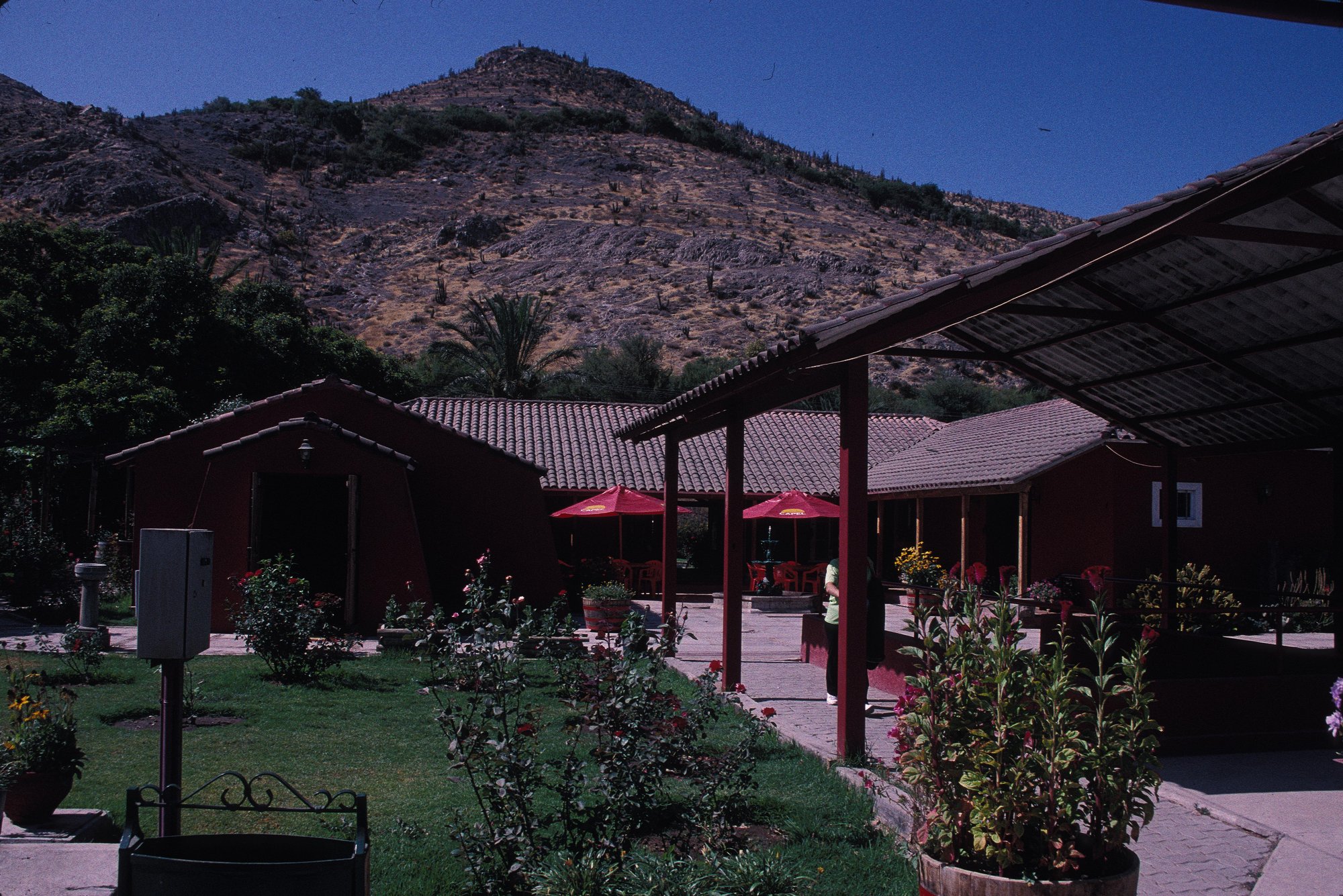
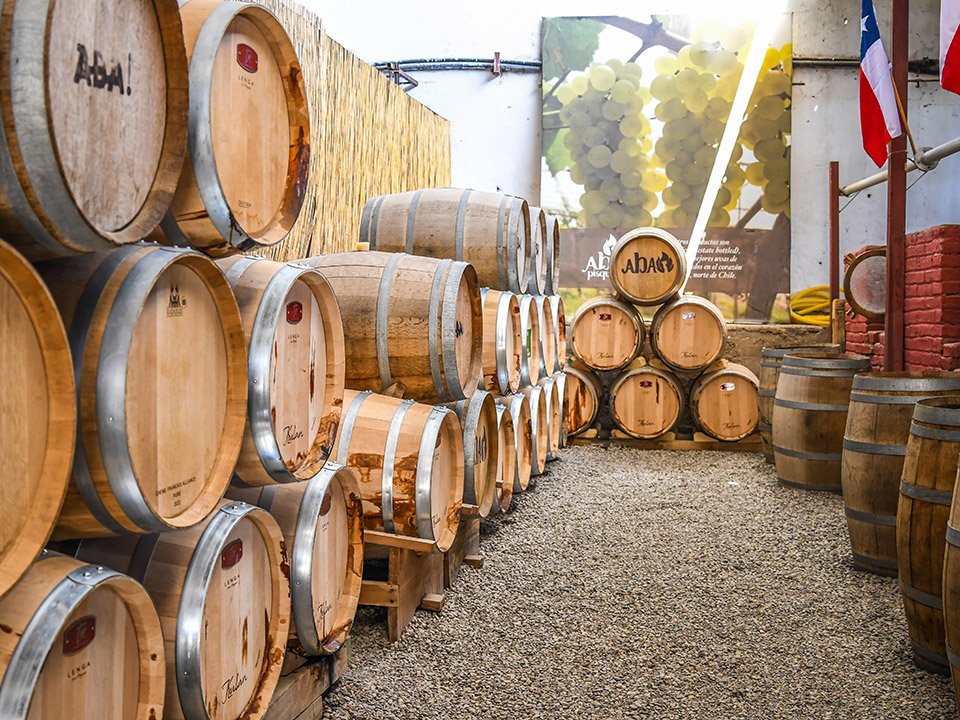
Mystical and cozy atmosphere nestled among grapevines and oak barrels, with a rustic, family-friendly charm and scenic vineyard surroundings.
Tags
Vibe
Best For
Experience
Sourcing
View
At the Vineyard
- Appellation
- Valle de Elqui
- Varietals
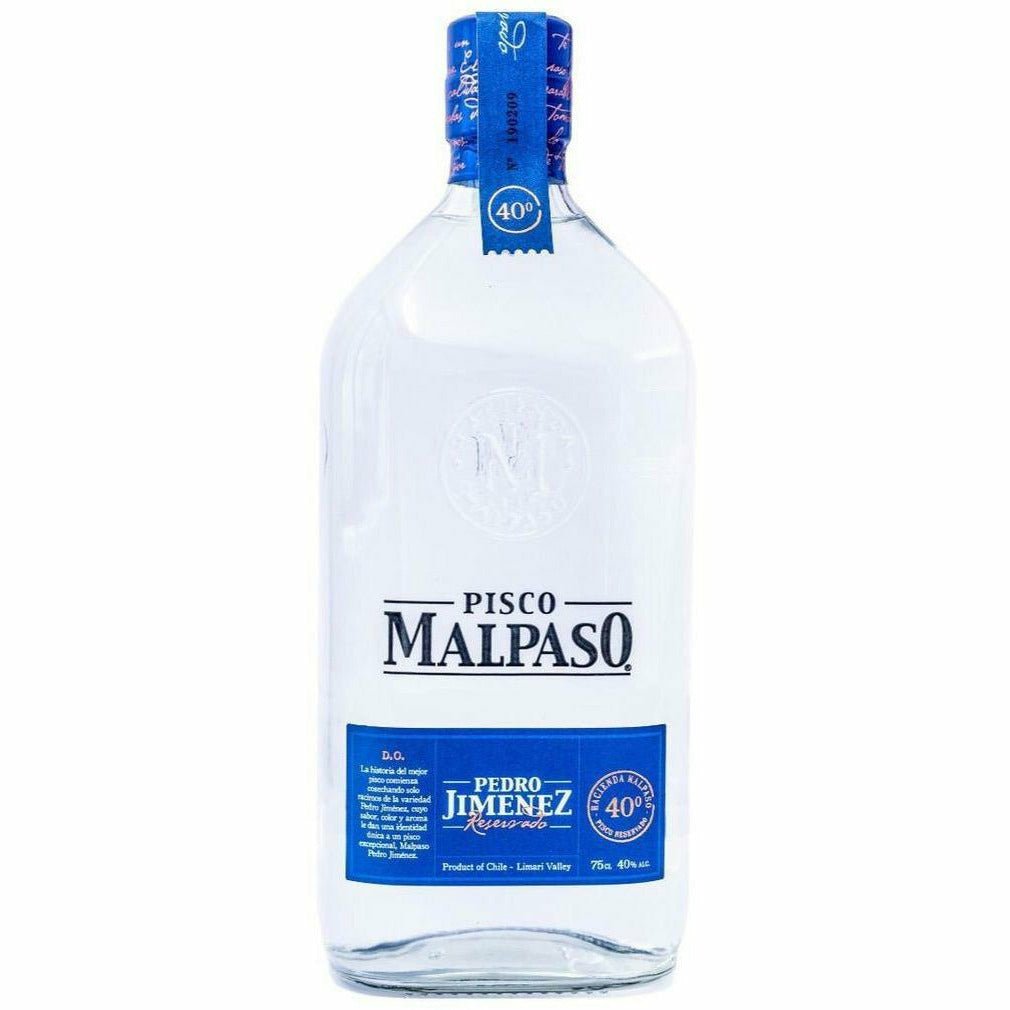
- Moscatel Pedro Jiménez, Rosada Pastilla
- Tour Duration
- 30-60 minutes
- Tour Languages
- Spanish
- Visits
- Walk-ins welcome
- Farming
- Organic
- Wine Styles
- Fortified
- Food Pairing
- Offered
- Wine Club
- Not available
Know before you go
Know Before You Go
- Getting there
- D-485 21280, Pisco Elqui, Paihuano, Coquimbo
Planning details
Location
Also consider
Where to Go If This Is Too Hard to Secure
Try Pisquera ABA for a more flexible Vicuña pisco option, or Capel Pisco Plant if the group wants a clearer, larger-scale producer visit. For a valley-feel alternative, compare Fundo Los Nichos.
Winery context
How It Compares
Doña Josefa de Elqui is the choice for readers who want the Pisco Elqui setting to carry the occasion. Against Destilería Kappa and Destilería Pisco Mistral, it reads as the more plan-ahead, destination-style pick rather than the default practical stop. That makes sense for a celebration, but less sense for travelers trying to keep the day flexible.
For value and ease, Pisquera ABA and Capel Pisco Plant are safer cross-shops in Vicuña. Choose those if the priority is a simpler pisco itinerary with less coordination. Choose Doña Josefa de Elqui when ambiance and scarcity matter more than friction.
Fundo Los Nichos is the better comparison for visitors who want a producer visit that feels rooted in the valley rather than purely transactional. The decision comes down to pace: Doña Josefa de Elqui suits a slower, more occasion-driven day; the larger or more established visitor stops are better for groups that need predictable logistics.
Explore Vicuña
Around this place
Discover more on Pearl
Unlock the full Doña Josefa de Elqui (Pisco) guide in Pearl, including awards, comparisons, FAQs, planning details, and nearby places.
Compare Doña Josefa de Elqui (Pisco)
| Venue | Location | Awards |
|---|---|---|
| Doña Josefa de Elqui (Pisco) | Vicuña | No published awards |
| Destilería Kappa | Paihuano | No published awards |
| Destilería Pisco Mistral | Pisco Elqui | No published awards |
| Fundo Los Nichos | Pisco Elqui | No published awards |
| Pisquera ABA | Vicuña | No published awards |
| Capel Pisco Plant | Vicuña | No published awards |
How Doña Josefa de Elqui (Pisco) compares with similar nearby venues.
FAQ
Frequently Asked Questions
When is the best time to visit Doña Josefa de Elqui (Pisco)?
Opening hours or a best time of day are not available. Confirm current hours directly before visiting. The venue is in Vicuña and has 2 Star Prestige recognition for 2025.
Do I need a reservation at Doña Josefa de Elqui (Pisco)?
Is there a flagship product at Doña Josefa de Elqui (Pisco)?
No flagship product detail is available. Consider this a general Vicuña venue note for Doña Josefa de Elqui (Pisco), not a confirmation of a specific bottle, tasting, or product-led format.
Is there a membership program at Doña Josefa de Elqui (Pisco)?
Does Doña Josefa de Elqui (Pisco) serve food?
Food service is not available. Confirm directly before relying on the venue for a meal, and keep separate Vicuña dining plans if food is important to the visit.