Viña Mayu
Vicuña
Winery in Vicuña, Chile
 Book with Pearl
The Read
High-Altitude Desert Viticulture
Why go
Viña Mayu is worth prioritizing if the goal is a wine-focused stop in Vicuña rather than another pisco-led tour. Treat it as an exploratory tasting choice: strong for travelers comparing local bottles, less useful for groups that need published logistics, named flagship guidance, or confirmed shipping details before committing.
About Viña Mayu
Viña Mayu is a Vicuña venue with 2 Star Prestige recognition for 2025 and a casual dress code. Plan ahead by checking current visit details directly before building an itinerary around it.
Do not assume specific services, formats, food options, visit details, product availability, fulfillment, group capacity, or hours unless Viña Mayu states them through an official channel. If you are comparing the day with other named options, consider Capel Pisco Plant, Destilería Kappa, Destilería Pisco Mistral, Pisquera ABA, and Viña Falernia according to the kind of visit you want.
Book this for a recognized Vicuña stop
The clearest signal is the 2 Star Prestige (2025). That makes Viña Mayu relevant for travelers tracking recognized venues in Vicuña, but it does not by itself indicate any particular menu, visit structure, tour, membership program, fulfillment policy, or group format.
If a specific detail will affect the visit, check it before arrival. That includes whether the venue is open when you plan to go, what kind of experience is available, and whether any special arrangements are possible.
Plan ahead, then build the day nearby
Do not make Viña Mayu the only fixed point in a Vicuña itinerary without checking directly first. Pair it with another stop or keep the schedule flexible. For broader planning, you can also compare it with Capel Pisco Plant, Destilería Kappa, Destilería Pisco Mistral, Pisquera ABA, Viña Falernia, or other dining and travel options in Vicuña.
Planning details
- Location
- San Martín 89, A, Vicuña, Coquimbo
- Website
- mayu.cl
- Phone
- +56994005982
The take
The Take
The Vibe
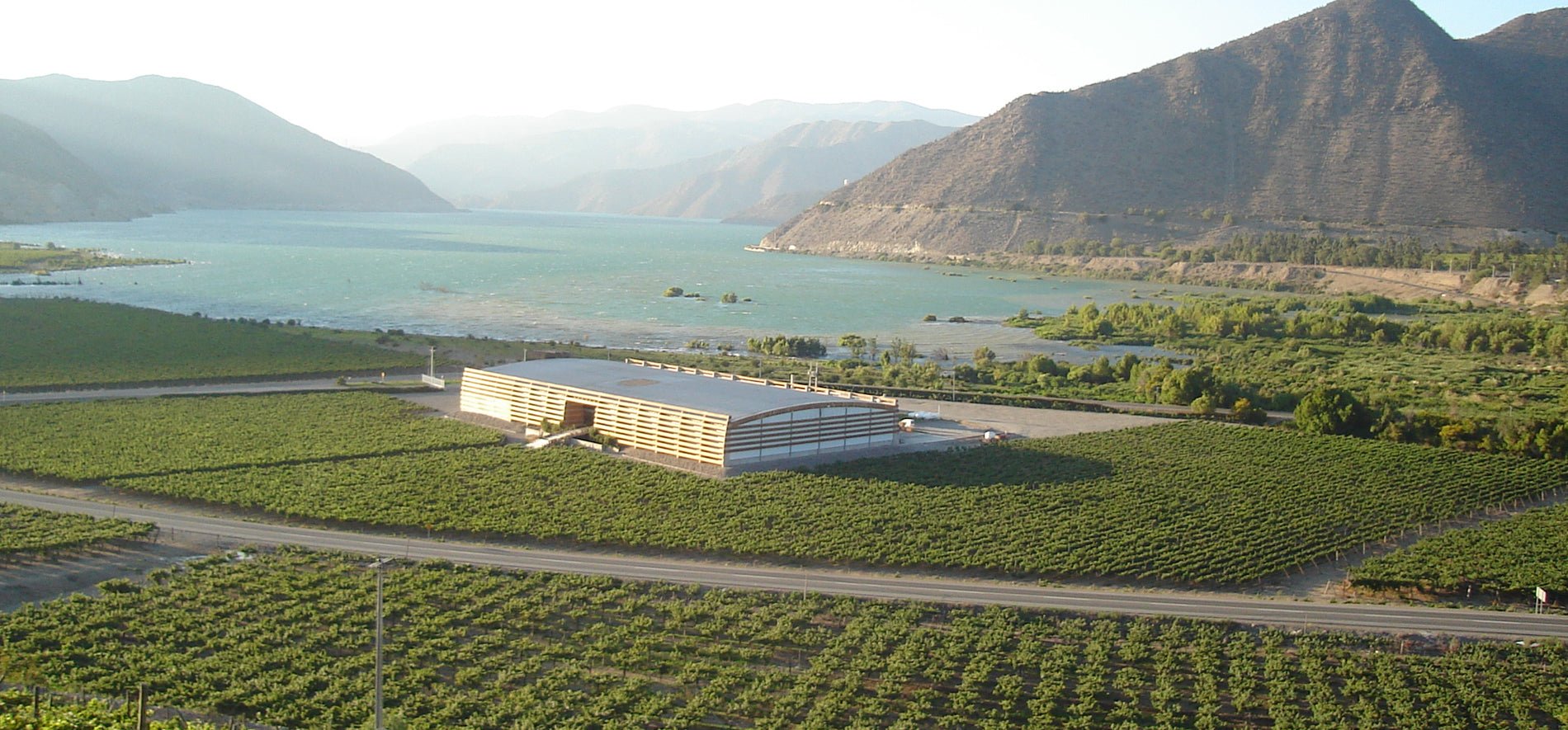
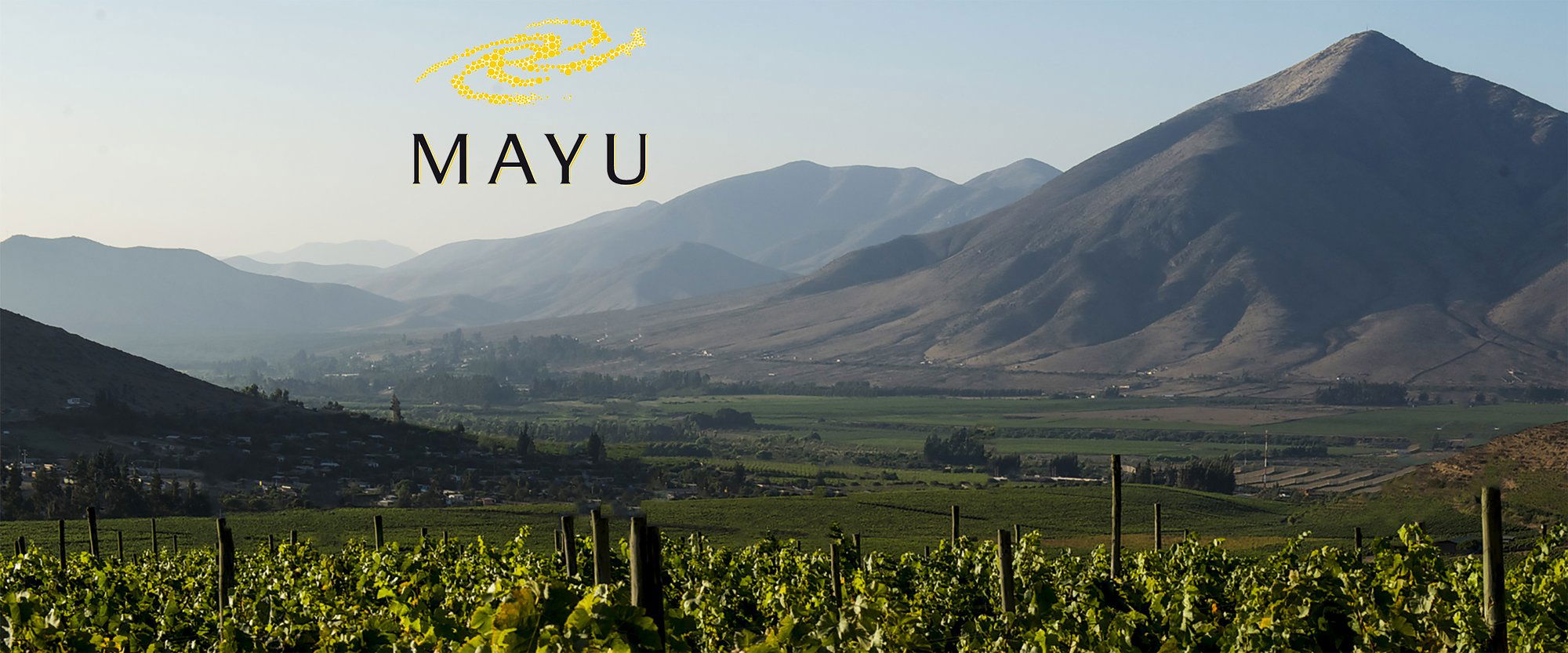
Viña Mayu feels intimately tied to its extreme landscape: the Atacama presses in from the north while the Andes rise to the east, creating a stark, high‑altitude setting. The winery presents a rustic, small‑scale character that reads as quietly focused rather than theatrical. Days are defined by intense sunlight and crystalline skies; nights are cold and clarifying. That combination gives the place a contemplative, scenic temperament — a winery that foregrounds terroir, altitude and the desert-adjacent environment rather than polished luxury or urban flash.
Best For
Viña Mayu is best for visitors who want to understand how dramatic landscapes shape wine. It suits wine‑curious travelers, solo explorers and anyone interested in the technical side of viticulture: the Elqui Valley’s altitude, aridity and clear nights are central themes here. The setting rewards slow observation, whether you’re focused on grapes in the vine or on the sky above; it’s not a party destination, but a place for learning, reflection and direct engagement with a distinctive Chilean terroir.
Tasting Tips
When engaging with Viña Mayu, center your questions on terroir and technique: ask how high‑altitude diurnal swings and low rainfall influence ripeness and acidity, and whether low‑input or organic approaches shape the cellar work. Prioritize bottles described as expressions of site or single‑vineyard lots to taste the valley’s signature clarity. Bring a layer for cool evenings — the copy highlights cold nights as a defining element of the vineyards — and be prepared to focus on the story behind each wine rather than on heavy, oak‑driven styles.
Venue details
Ambiance
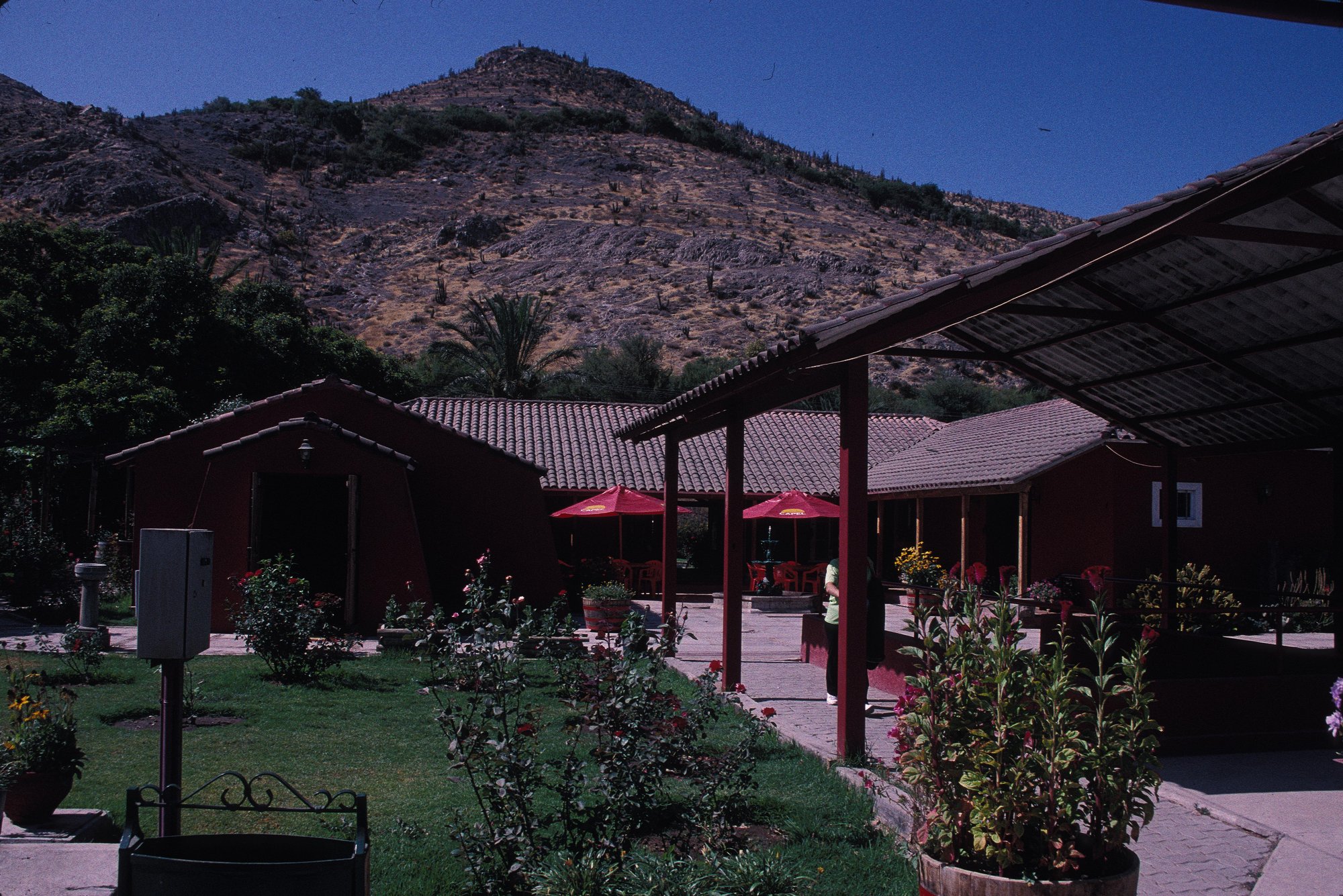
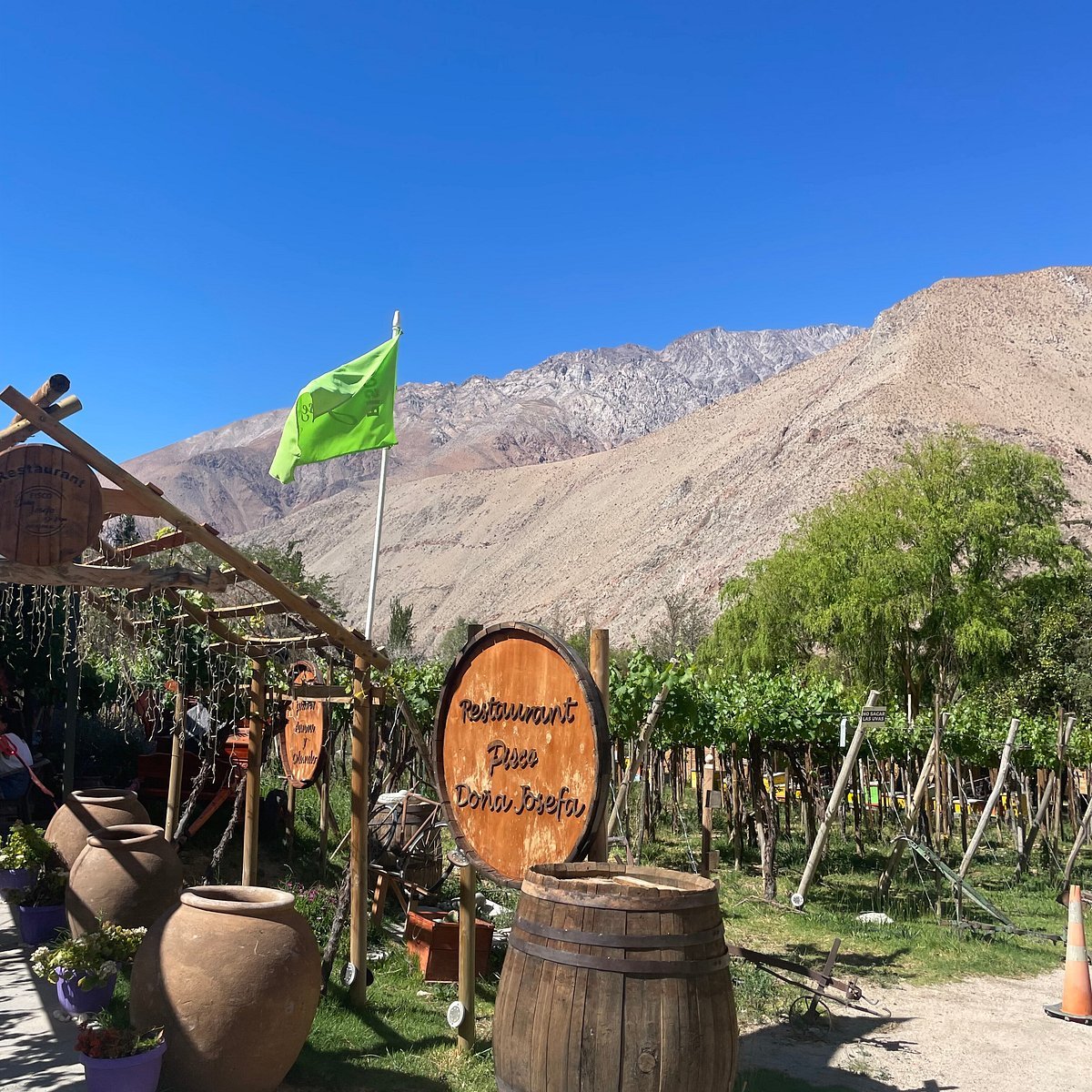
Scenic high-altitude setting with clear skies and starry nights, blending rustic vineyard charm and modern winemaking.
Tags
Vibe
Best For
Experience
View
At the Vineyard
- Appellation
- Elqui Valley
- Varietals
- Syrah, Carmenère, Pedro Ximenez, Sauvignon Blanc, Cabernet Sauvignon
- Tour Duration
- 60-90 minutes
- Tour Languages
- Spanish, English
- Visits
- By reservation
- Wine Styles
- Still Red, Still White
- Wine Club
- Not available
Know before you go
Know Before You Go
- Getting there
- San Martín 89, A, Vicuña, Coquimbo
Planning details
Location
Also consider
If Viña Mayu is hard to arrange
Try Viña Falernia first if the group still wants wine near Vicuña. Switch to Capel Pisco Plant or Pisquera ABA if the priority changes to a pisco-led visit with a more obvious tourist format.
Winery context
How It Compares in Vicuña
Choose Viña Mayu when the day needs a wine-first stop rather than another pisco producer. Capel Pisco Plant is the more obvious choice for visitors who want a larger production setting, while Pisquera ABA is a better fit for a pisco-focused tasting in Vicuña.
For wine drinkers, the closest comparison is Viña Falernia. Use Viña Mayu as the quieter, more bottle-led stop and Falernia as the second wine benchmark if the schedule allows. For groups prioritizing a distillery atmosphere outside the immediate Vicuña set, Destilería Pisco Mistral and Destilería Kappa make more sense than forcing a wine stop into a pisco itinerary.
Booking confidence is the deciding factor. Viña Mayu is the pick for flexible travelers who can confirm details before going; Capel Pisco Plant is safer for a more structured group outing, and Pisquera ABA is easier to justify when the whole group is aligned around pisco rather than wine.
Explore Vicuña
Around this place
Discover more on Pearl
Unlock the full Viña Mayu guide in Pearl, including awards, comparisons, FAQs, planning details, and nearby places.
Compare Viña Mayu
| Venue | Location | Awards |
|---|---|---|
| Viña Mayu | Vicuña | No published awards |
| Capel Pisco Plant | Vicuña | No published awards |
| Pisquera ABA | Vicuña | No published awards |
| Viña Falernia | Vicuña | 2026 Falstaff Winery Guide |
| Destilería Pisco Mistral | Pisco Elqui | No published awards |
| Destilería Kappa | Paihuano | No published awards |

How Viña Mayu Vicuña compares with similar nearby venues.
FAQ
Frequently Asked Questions
Is there a membership program at Viña Mayu?
Ask Viña Mayu directly about any membership, purchase, or ongoing benefit before relying on it. Its 2 Star Prestige (2025) is the key public recognition to note.
Can Viña Mayu handle large groups?
What other venues can I compare with Viña Mayu?
For planning, compare Viña Mayu with Capel Pisco Plant, Destilería Kappa, Destilería Pisco Mistral, Pisquera ABA, and Viña Falernia, depending on the kind of visit you want.
Does Viña Mayu offer shipping or fulfillment?
What is Viña Mayu best known for?
Viña Mayu has 2 Star Prestige recognition for 2025. Check directly with the venue for current product, format, or specialty details.