ANCAP Alcoholes
Rambla Baltasar Brum, Montevideo
Winery in Montevideo, Uruguay
The Read
State-Scale Distillation
Why go
A specialist Montevideo drinks stop for travelers who care about Uruguay's alcohol culture more than easy logistics. Prioritize it after simpler winery choices such as Bodega Bouza or Bodega Traversa; pursue it if spirits and national bottle culture are the reason for the detour.
About ANCAP Alcoholes
ANCAP Alcoholes is a Montevideo venue with Pearl 2 Star Prestige recognition for 2025. With only limited verified public planning details available here, the safest way to approach it is as a focused listing rather than as a page with confirmed claims about menu, service format, hours, pricing, or visit options. In practical terms, that means the recognition is the main confirmed signal, while the day-to-day visitor experience should not be filled in with assumptions. Treat the listing as a starting point for research: useful, notable, worth keeping on the radar, but not yet detailed enough to support a tightly scheduled plan on its own.
For travelers comparing options, Bodega Bouza, Bodega Traversa, Bodega Carrau, Destilería Montevideo, Grappamiel del Uruguay are useful reference points. ANCAP Alcoholes should be evaluated on the confirmed basics: it is in Montevideo, the dress code is casual, it carries Pearl 2 Star Prestige recognition for 2025. Those basics are enough to establish why it may be of interest, but they do not answer the more specific questions that usually shape a visit. If you are weighing it against better-documented venues, keep the comparison narrow and evidence-based, focusing on what is actually confirmed rather than what a similar venue might typically offer.
Plan around confirmed basics, not assumptions
Because detailed service information is not verified here, do not build a plan around assumptions about reservations, food, hours, pricing, or group format. If your itinerary needs a more clearly defined outing, compare ANCAP Alcoholes with Bodega Bouza or Bodega Traversa before committing. This is especially important if your schedule depends on a fixed time slot, a particular style of visit, or a predictable hospitality setup. Without confirmed details, ANCAP Alcoholes is better treated as a candidate than a guaranteed centerpiece, the decision to include it should depend on how much uncertainty your trip can absorb.
ANCAP Alcoholes may make sense for travelers who are already comparing venues across a trip. Destilería Montevideo is another relevant reference point, while Grappamiel del Uruguay and Bodega Carrau can broaden the comparison. Keep the plan flexible unless you confirm current details directly with the venue. That flexible approach lets the Pearl 2 Star Prestige recognition carry appropriate weight without turning it into a promise about the visit itself. For some travelers, the Montevideo location and confirmed recognition may be enough to justify further inquiry; for others, the lack of verified planning detail will make a more documented option the easier choice.
Where it fits in a Montevideo itinerary
For readers building a Montevideo plan, treat ANCAP Alcoholes as one possible stop among other options rather than as a fully documented anchor. Use Our full Montevideo venue guide for the broader shortlist, then cross-check other planning categories through Our full Montevideo restaurants guide, Our full Montevideo hotels guide, Our full Montevideo bars guide. If the trip is more experience-led, Our full Montevideo experiences guide can help decide whether this deserves a slot. The most sensible role for ANCAP Alcoholes is therefore comparative: it can sit beside other Montevideo and Uruguay venues while you decide what kind of day you are building. If convenience, certainty, confirmed logistics are the priority, keep researching before you lock it in; if recognition and Montevideo are the main reasons for interest, it remains a venue to evaluate carefully within the wider shortlist.
Planning details
- Location
- Paraguay 1598, 11100 Montevideo, Departamento de Montevideo
- Website
- alur.com.uy
- Phone
- +59823090424
The take
The Take
The Vibe
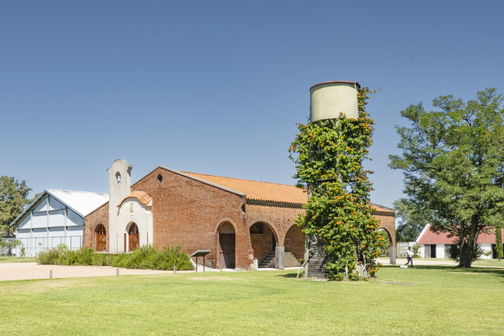
ANCAP Alcoholes reads less like a boutique winery and more like a civic institution: the space and its output are anchored in state infrastructure and national identity rather than small-batch terroir. The editorial tone is industrial-historical rather than pastoral; you encounter the scale and purpose of production as a thread in Uruguay’s broader commercial and regulatory history. Located in an established commercial zone and reachable by public transport, the venue projects an institutional, memorable presence — a place where the story of the country’s alcohol production is told through factories and policy as much as through grape and barrel.
Best For
This site is best for visitors interested in the institutional and historical side of Uruguay’s drinks industry — researchers, students, industry professionals and anyone curious about how state-backed production fits into the national alcohol economy. It’s a useful complement to Montevideo’s boutique producers, offering perspective on scale, supply and public-sector involvement rather than tasting-room romance. Practical accessibility from the centro and surrounding barrios by public transport makes it straightforward to include in a study tour or a broader itinerary focused on the city’s industrial and commercial landmarks.
Planning details
Location
Also consider
If this is too hard to arrange
Try Destilería Montevideo first if the spirits angle is the priority. For a lower-friction winery plan, shift to Bodega Bouza or Bodega Traversa.
Winery context
How It Compares
Against Destilería Montevideo, ANCAP Alcoholes reads as the harder, more specialist play. Choose Destilería Montevideo if the goal is a clearer distillery outing in the city; choose ANCAP Alcoholes if recognition and category depth matter more than ease.
Bodega Bouza and Bodega Traversa are safer for groups because the winery format is easier to understand and plan around. They are better fits for visitors who want ambiance and a conventional tasting structure. ANCAP Alcoholes is the narrower recommendation for enthusiasts comparing spirits and alcohol production rather than looking for a broad hospitality experience.
Bodega Carrau and Grappamiel del Uruguay broaden the field beyond central Montevideo. Use Carrau when wine heritage is the priority, Grappamiel del Uruguay when the trip is about local drinking traditions outside the standard winery lane.
Around this place
Discover more on Pearl
Unlock the full ANCAP Alcoholes guide in Pearl, including awards, comparisons, FAQs, planning details, and nearby places.
Compare ANCAP Alcoholes
| Venue | Location | Awards |
|---|---|---|
| ANCAP Alcoholes | Montevideo | No published awards |
| Destilería Montevideo | Montevideo | No published awards |
| Grappamiel del Uruguay | Canelones | No published awards |
| Bodega Carrau | Las Piedras | No published awards |
| Bodega Bouza | Montevideo | 2025 World's 50 Best Vineyards · #552024 World's 50 Best Vineyards · #382023 World's 50 Best Vineyards · #302020 World's 50 Best Vineyards · #262019 World's 50 Best Vineyards · #44 |
| Bodega Traversa | Montevideo | No published awards |

How ANCAP Alcoholes Montevideo compares with similar nearby venues.
FAQ
Frequently Asked Questions
What is ANCAP Alcoholes known for?
ANCAP Alcoholes is a Montevideo venue recognized with Pearl 2 Star Prestige in 2025. The verified dress code is casual.
Where is ANCAP Alcoholes located?
ANCAP Alcoholes is located in Montevideo.
How can I contact ANCAP Alcoholes?
Use the venue's official channels to confirm current details before visiting.