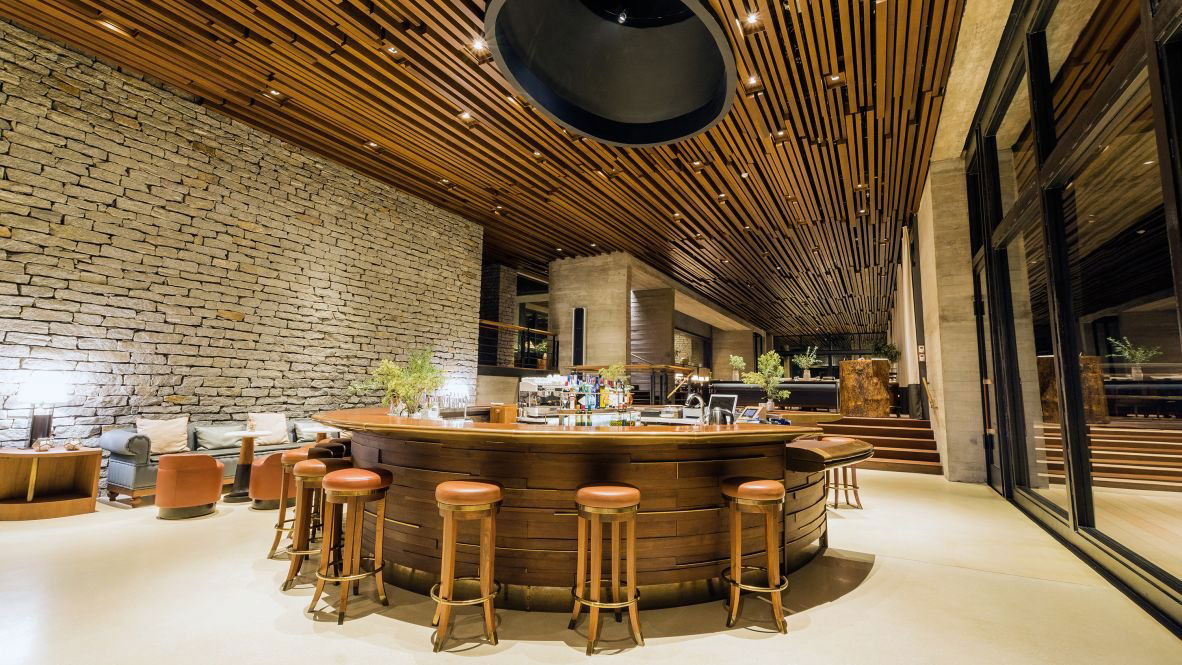
Portón del Uruguay
Montevideo
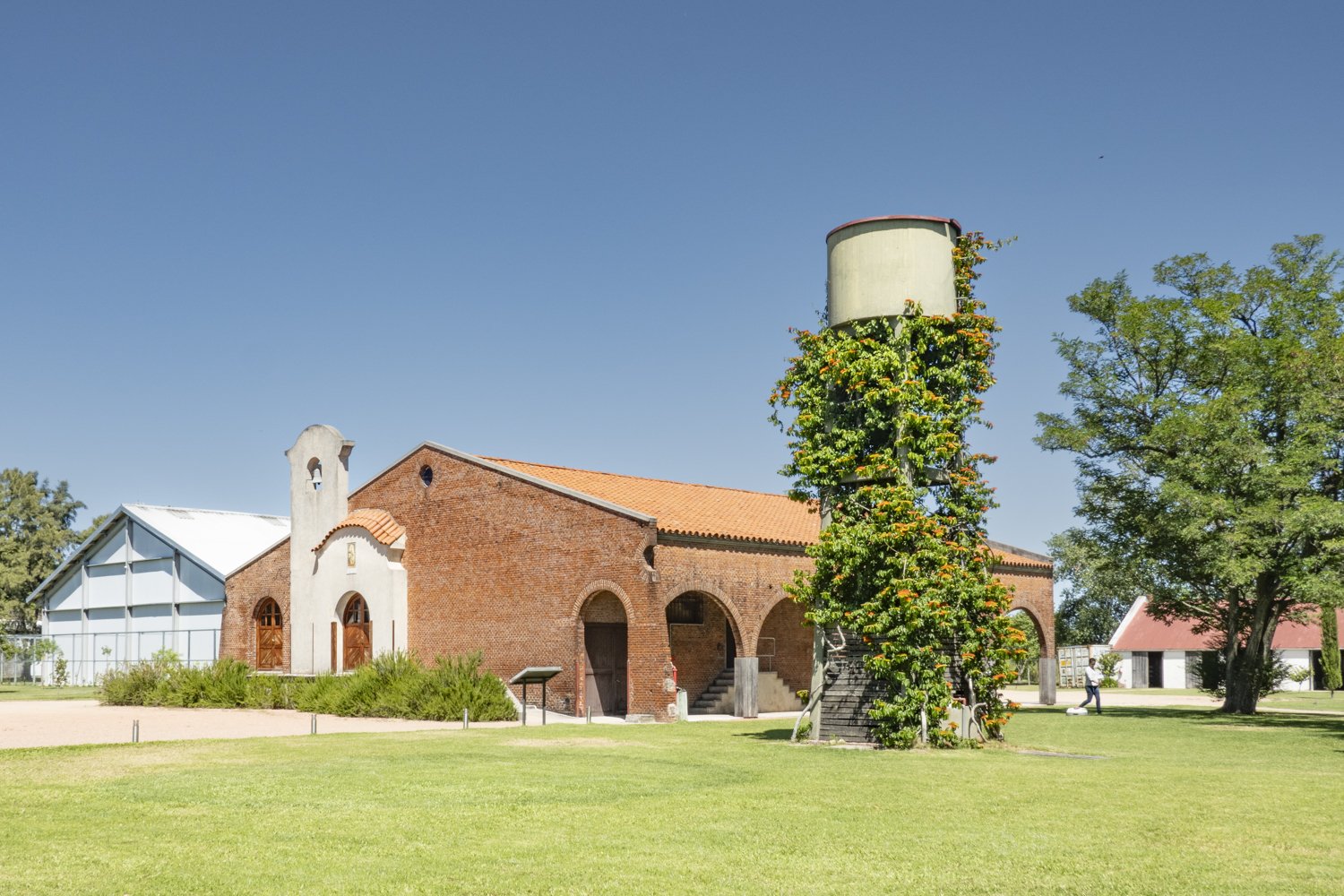
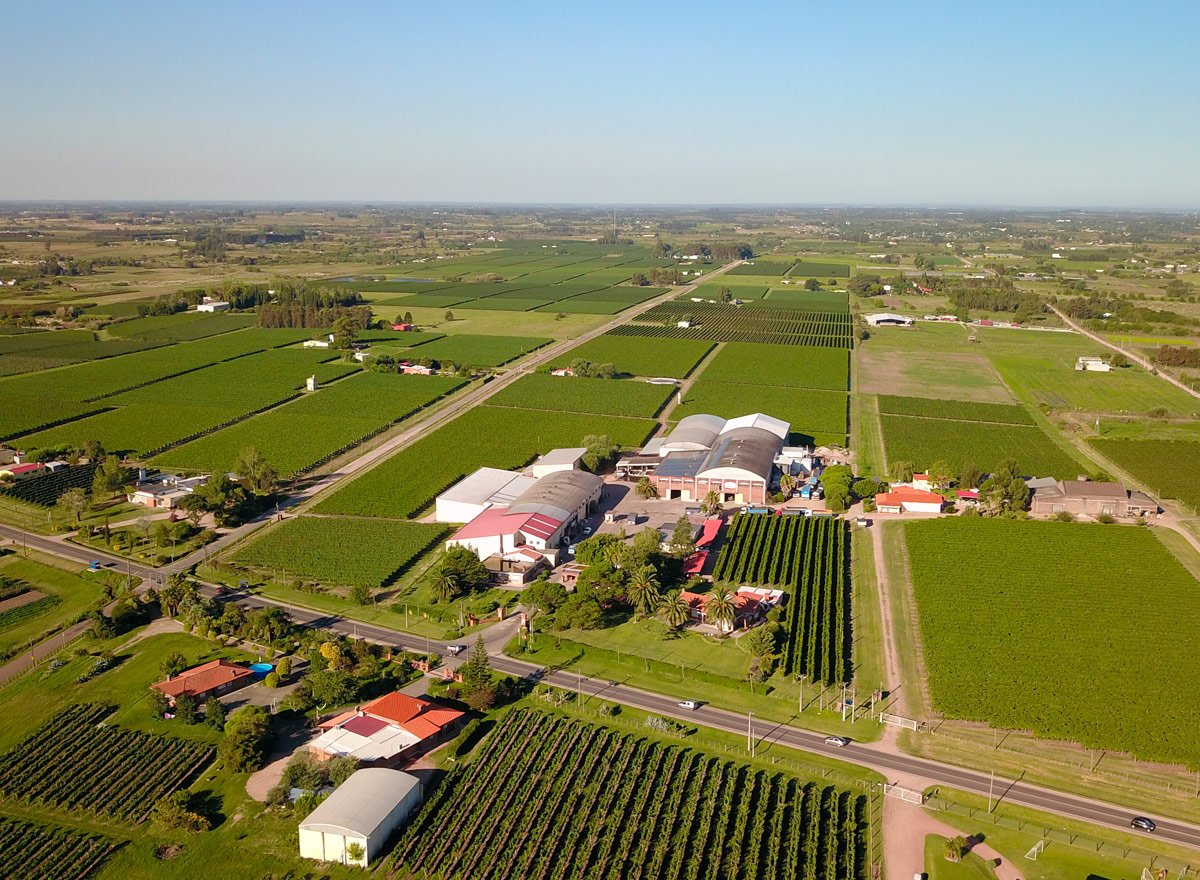
Winery in Montevideo, Uruguay
 Book with Pearl
The Read
Refined Craft Spirits
Why go
Portón del Uruguay is worth prioritizing if a Montevideo trip needs one wine-focused anchor with a clear recognition signal. Plan it with breathing room rather than squeezing it between timed stops, since confirmed public details on format, seating, and pricing are sparse.
About Portón del Uruguay
Portón del Uruguay is a Montevideo venue with Pearl 1 Star Prestige recognition in 2025. Plan with flexibility, keep expectations grounded, and verify practical information directly before building a tight itinerary around the visit.
Use it as a recognized stop in Montevideo
Consider Portón del Uruguay if the priority is a recognized Montevideo venue to anchor part of a city plan. Pearl 1 Star Prestige recognition in 2025 makes it notable when choosing where to focus attention in the city. Other specifics such as format, pricing, seating, cuisine, and service details should be checked directly with the venue rather than inferred from the recognition alone.
Avoid planning a tight schedule around assumptions about format, pricing, and seating. Do not rely on an expected pace, an expected style of service, or an assumed level of formality without checking first. Leave enough room for the visit to run longer than expected, and confirm current arrangements before arrival so the stop can sit comfortably within the day instead of creating pressure around timing.
Plan the surrounding day, not just the venue visit
For city planning around Portón del Uruguay, use Our full Montevideo restaurants guide, Our full Montevideo hotels guide, Our full Montevideo bars guide, and Our full Montevideo wineries guide. Those broader guides can help shape the rest of the Montevideo stay while this venue remains the recognized stop at the center of the plan. Keep the rest of the day adaptable until the venue confirms the practical details that matter for your visit, especially if the schedule also includes hotels, bars, wineries, or additional restaurants elsewhere in the city.
Planning details
- Location
- Montevideo, Uruguay
The take
The Take
The Vibe
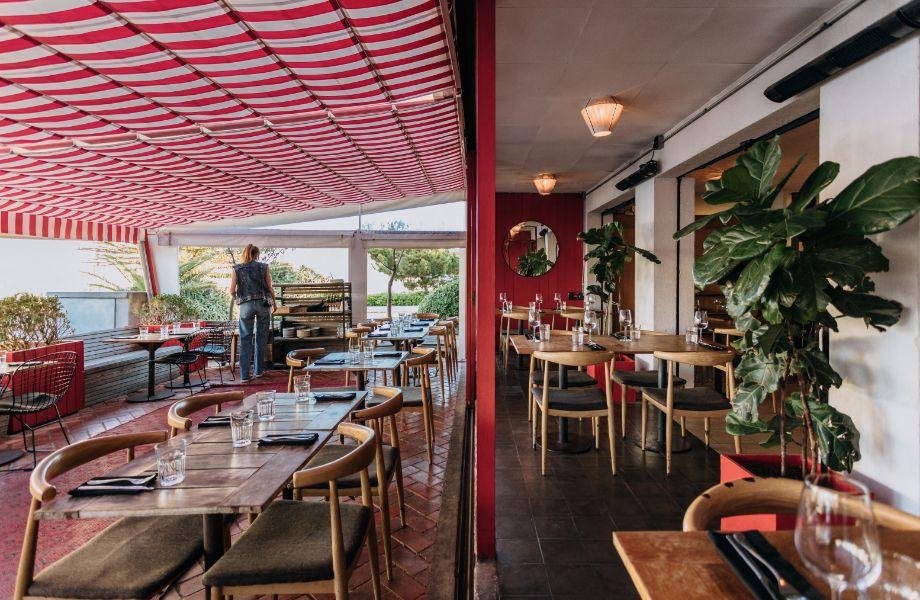
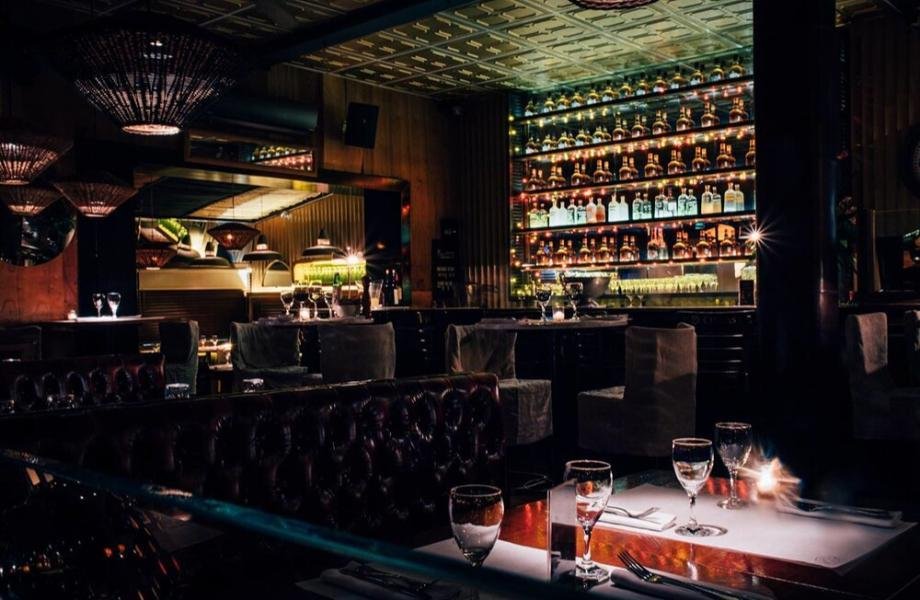
Portón del Uruguay presents a soberly sophisticated, wine-first sensibility. The copy frames the place as part of a new, considered tier in Montevideo’s dining scene, where provenance and viticultural detail govern menu and list choices. Rather than theatrical or rustic, the venue reads editorial and precise: sommeliers curate domestic bottlings with attention to region, yields and farming practices. The result feels elegant and deliberate — an address built around tasting terroir in the glass and making the table a place where Uruguay’s evolving wine story is explained and appreciated.
Best For
This is a stop for diners who prize provenance and want to explore Uruguay’s distinct varietal palette at dinner. Portón del Uruguay suits wine-minded visitors, local enthusiasts and anyone keen to learn how Atlantic-influenced terroir shapes Tannat, Albariño, Pinot Noir and aromatic whites. Its Pearl 1 Star Prestige recognition underscores a focus on quality, so the venue works well for informed evenings where the wine list drives conversation — not for casual drop-ins seeking a generic grill but for purposeful, wine-focused dining experiences.
Tasting Tips
Order with the wine programme in mind: prioritize domestic bottles that showcase Uruguayan terroir rather than leaning immediately to imported names. The text highlights Tannat as the signature grape alongside Albariño, Pinot Noir and fragrant whites, so ask the sommelier for examples that emphasize elegance and site expression. Inquire about region and farming practices, and let staff guide you toward producers noted for attentive viticulture. Framing choices around provenance and vintage will surface the kind of bottles the venue is designed to present.
Venue details
Ambiance
Intimate tasting program focused on provenance, technique, and barrel maturation, with layered aromas of toasted oak, dried fruits, and warm spice described in the venue feature.
Tags
Vibe
Best For
Experience
At the Vineyard
- Wine Club
- Not available
Planning details
Location
Montevideo, Uruguay · Directions
Around this place
Discover more on Pearl
Unlock the full Portón del Uruguay guide in Pearl, including awards, comparisons, FAQs, planning details, and nearby places.
FAQ
Frequently Asked Questions
How long should I plan for a visit to Portón del Uruguay?
Plan around a single focused stop and confirm timing directly with the venue. In Montevideo, Portón del Uruguay can serve as an anchor for one part of the day, especially since it carries Pearl 1 Star Prestige recognition in 2025.
What practical details should I confirm before visiting Portón del Uruguay?
If timing, format, pricing, seating, or any other arrangement is important, ask the venue directly for its current details before visiting.
What is Portón del Uruguay known for?
Portón del Uruguay is a Montevideo venue recognized with Pearl 1 Star Prestige in 2025.